

Disclosure: This article contains affiliate links. We may earn a commission from purchases at no extra cost to you, which helps our travel content.
The Netherlands may be renowned for its flat landscapes and endless horizons, but as someone who finds solace in elevation, I've discovered that the Dutch terrain holds subtle surprises worth exploring. Having grown up gazing at Osaka's surrounding mountains, I've developed a particular sensitivity to topography that has served me well in uncovering the hidden rises and modest highlands within day-trip distance of Amsterdam. While these elevations may not compare to the Japanese Alps or Swiss peaks I frequently traverse, there is a certain wabi-sabi beauty in their understated nature—a reminder that height is relative, and sometimes the most rewarding perspectives come from unexpected places.

Utrechtse Heuvelrug: The Forested Ridge
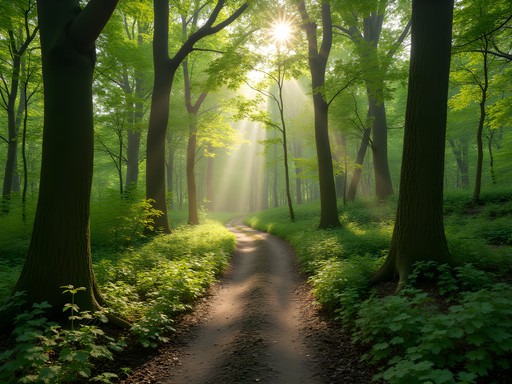
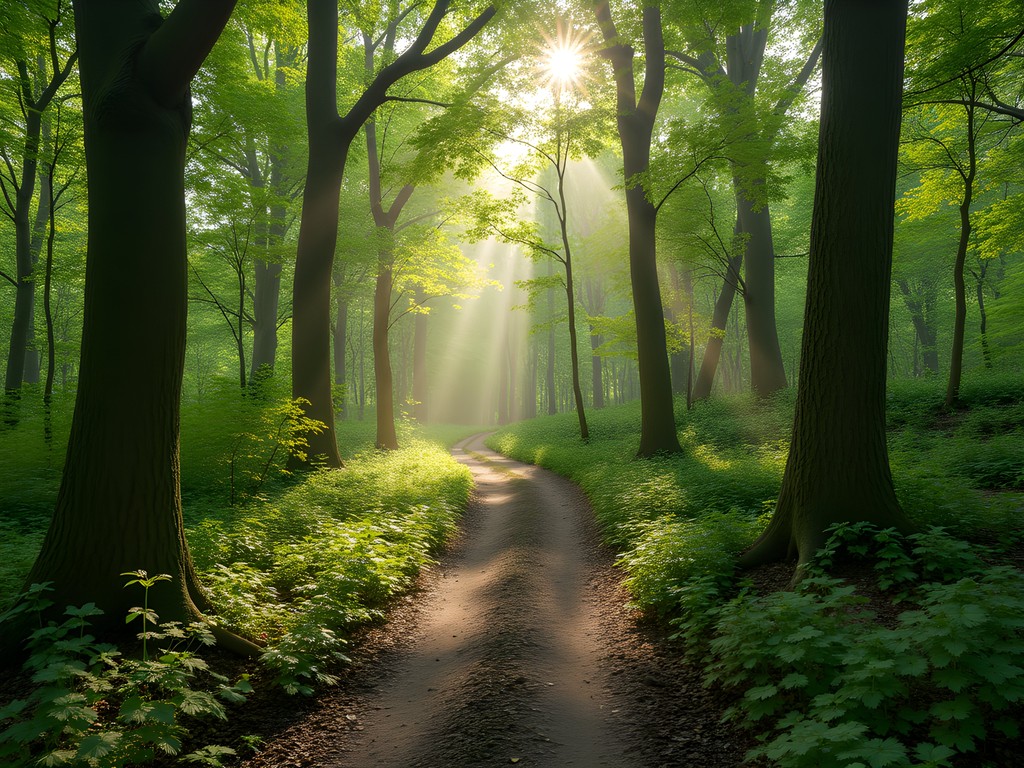
Southeast of Amsterdam lies the Utrechtse Heuvelrug National Park, a glacial ridge formation that represents one of the Netherlands' most significant elevations. Rising gradually to 69 meters above sea level at its highest point, this forested spine stretches for approximately 50 kilometers between the Rhine Valley and the Gelderse Valley.
What the ridge lacks in dramatic height, it compensates for with biological diversity and historical significance. Walking these gentle slopes, I'm often reminded of the lower foothills around Kyoto—there's a similar sense of time suspended in the ancient trees, some over 150 years old. The mixed deciduous and coniferous forests create a microclimate that feels distinctly separate from the surrounding lowlands.
For the most rewarding experience, I recommend following the well-marked Heuvelrug Ridge Trail, which guides you through varying elevations and ecosystems. To fully appreciate the subtle changes in terrain, a good pair of hiking shoes will serve you better than casual sneakers, especially in spring when portions of the trail can be muddy.
💡 Pro Tips
- Take the direct train from Amsterdam Central to Driebergen-Zeist station for the easiest access point
- Visit on weekdays to avoid local weekend crowds from Utrecht and Amsterdam
- Pack a lunch for a forest picnic as food options within the park are limited
Vaalserberg: The Triple Border Point
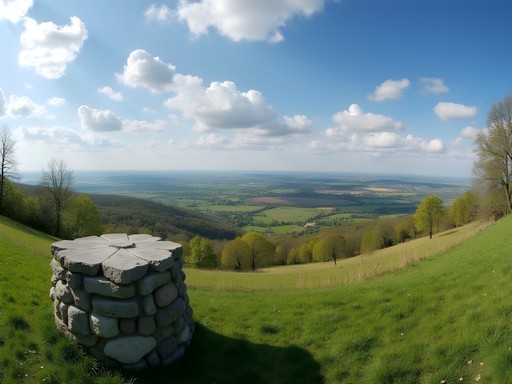
While technically requiring an overnight stay to visit comfortably from Amsterdam, Vaalserberg holds a special place in Dutch topographical identity as the country's highest natural point at 322.4 meters. Located at the southernmost tip of the Netherlands where the Dutch, Belgian, and German borders converge, this modest peak offers a unique perspective on how elevation shapes cultural boundaries.
My first visit to Vaalserberg came during a transitional spring day—fog lifting from the valleys below as I ascended the well-maintained paths. At the summit, the Drielandenpunt (Three-Country Point) marker creates a peculiar experience of standing in three nations simultaneously, a physical manifestation of the European borderless philosophy.
The observation tower, Boudewijntoren, extends the elevation experience artificially but effectively. From its platform, the rolling landscapes of three countries unfold in a panorama that belies the Netherlands' flat reputation. I found myself reaching for my compact monocular to study distant features that would normally require much higher elevation to observe.
The nearby town of Vaals offers comfortable accommodations if you choose to extend your stay, though the entire experience can be completed in a full day trip from Amsterdam if you start early.

💡 Pro Tips
- Take the intercity train to Maastricht, then bus 350 to Vaals for the most efficient public transport route
- Visit on clear days for optimal views across three countries
- The elevation gain is mild but bring a light hydration pack for comfort
De Veluwe: Ancient Glacial Formations
The Veluwe region represents the Netherlands' most significant highland area, formed by glacial deposits during the Saale Ice Age. This expansive natural area northeast of Amsterdam encompasses sand drifts, heath lands, and modest hills reaching up to 110 meters above sea level at the Signaal Imbosch.
What fascinates me about De Veluwe is how it embodies the Japanese concept of ma—the meaningful space between things. Here, elevation creates distinct ecological zones within relatively short distances. The transition from dense forests to open heath to sand drifts occurs within a landscape that might be dismissed as merely flat by casual observers.
The Posbank area offers the most dramatic topography, with rolling hills providing surprisingly expansive views across heather-covered slopes. During my spring visits, the emerging green growth against the sandy soil creates a textural contrast that reminds me of certain Japanese garden aesthetics—nature's patterns revealed through subtle elevation changes.
Cycling is my preferred method of exploration here, as the well-maintained paths allow you to cover significant distances while still connecting intimately with the landscape. I recommend renting a quality touring bicycle setup in nearby Arnhem to carry provisions and weather protection, as services within the park are limited.

💡 Pro Tips
- Take the train to Arnhem, then bus 9 to the Posbank visitor center as your starting point
- Early mornings offer the best light for photography and wildlife spotting
- The microclimate can be surprisingly variable—dress in layers even in spring

Artificial Elevations: Repurposed Landscapes
Perhaps the most fascinating aspect of Dutch elevation is found in the country's ingenious repurposing of artificial mounds. Throughout the Netherlands, former landfills and deliberately constructed hills provide surprising vertical relief in an otherwise horizontal landscape.
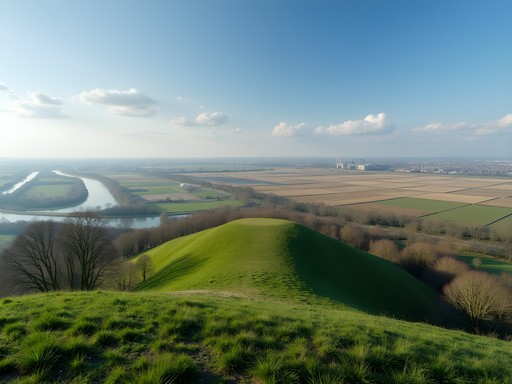
Amsterdam's Flevopark contains several artificial hills that create microclimates within the city itself. Similarly, the massive Baggerdepot in Flevoland—a depository for dredged material from nearby waterways—has been transformed into a recreational hill offering views across reclaimed polders.
These constructed elevations reflect the Dutch pragmatism I've come to admire: rather than lamenting their lack of natural mountains, they've created functional alternatives. As someone who studies sustainability professionally, I find these repurposed landscapes particularly compelling examples of environmental remediation.
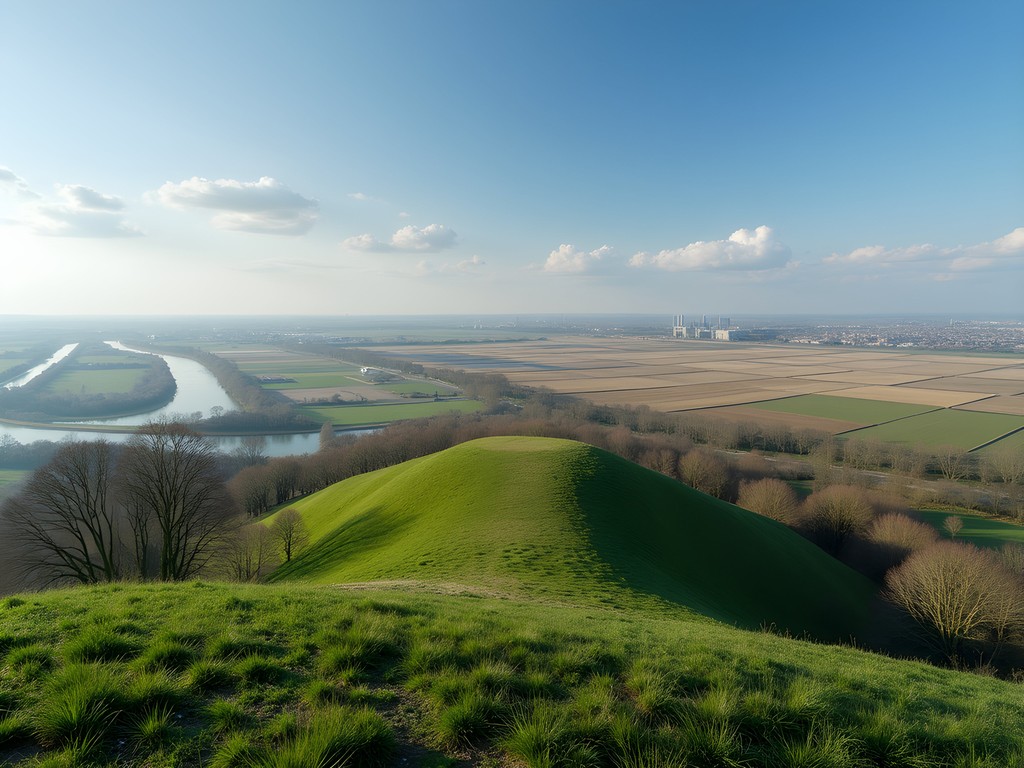
For a unique experience close to Amsterdam, visit the Vuilafvalstoffenberging hill near Nauerna. This former landfill has been transformed into a 60-meter-high viewpoint offering panoramic vistas of the North Sea Canal and surrounding polder landscape. I recommend bringing a packable picnic blanket for comfortable viewing from the summit—the winds can be strong but the perspective is worth it.
💡 Pro Tips
- Access Nauerna hill via bicycle from Amsterdam North in approximately 45 minutes
- Visit on clear days when visibility extends to Amsterdam's skyline
- Respect closed areas as some artificial hills are still in environmental remediation phases
Spiritual Elevations: Ancient Mounds
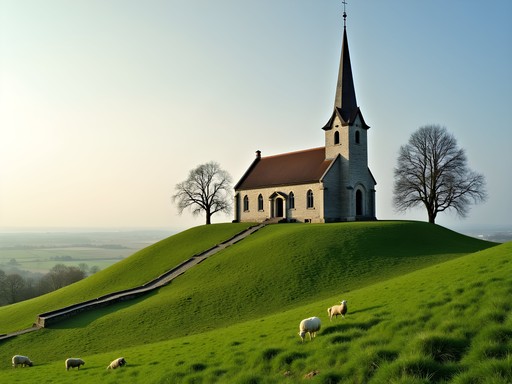
Long before modern Dutch society shaped the landscape, ancient peoples created artificial hills called terpen or wierden as refuges from North Sea floods. These human-made mounds, some dating back to 500 BCE, represent the earliest examples of the Dutch relationship with elevation as protection and perspective.
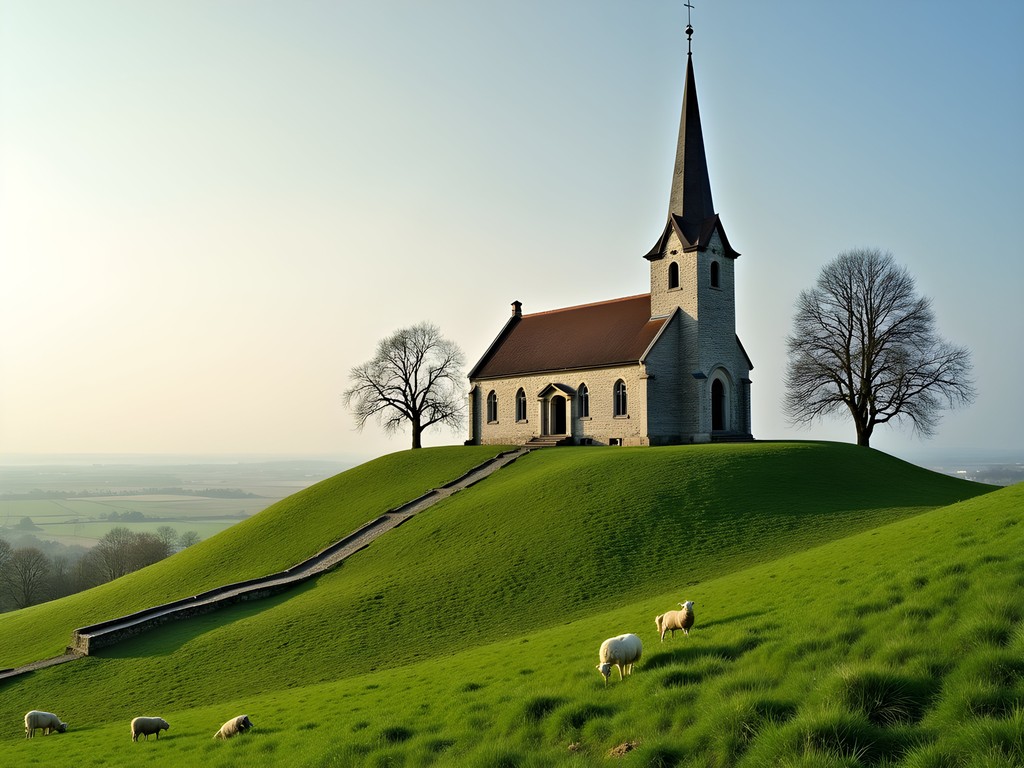
In Friesland, north of Amsterdam, dozens of these ancient mounds still exist, often marked by centuries-old churches built at their highest points. The village of Hogebeintum features the tallest terp in the Netherlands at 8.8 meters above the surrounding land—a modest height that nonetheless represented survival for early inhabitants.
Visiting these sites provides a profound connection to how humans have always sought elevation, even in the flattest landscapes. The churches atop these mounds often contain artifacts recovered during archaeological excavations, telling the story of this ancient practice.
For the most immersive experience, I recommend staying overnight in one of the terp villages. Many historic buildings have been converted into charming accommodations, allowing you to experience the subtle but meaningful elevation difference. Pack a good travel notebook to record observations—there's something uniquely contemplative about these ancient elevated spaces that inspires reflection.
💡 Pro Tips
- Rent a car for the most flexibility in exploring multiple terp villages in one day
- Visit the Fries Museum in Leeuwarden first for historical context about terp construction
- Combine with a visit to the Wadden Sea for a complete understanding of the relationship between land and water
Final Thoughts
While the Netherlands may never satisfy the mountaineer seeking technical challenges, its subtle elevations offer something equally valuable: a lesson in appreciating nuance. These modest heights have taught me to recognize how even small changes in elevation create meaningful differences in perspective, ecology, and human experience.
As someone who regularly scales more dramatic peaks, I've found unexpected joy in these Dutch highlands—a reminder that the mountain mindset isn't solely about conquering heights but about connecting with the vertical dimension of our world, however it manifests. There's a certain wabi-sabi wisdom in celebrating these imperfect elevations, finding beauty in their understated nature.
I encourage fellow travelers to approach these landscapes with mindfulness. Bring your mountain sensibilities, but leave your expectations behind. Pack a thermos of good tea, find a quiet spot with a view—however modest—and allow yourself to experience how the Dutch have cultivated a relationship with elevation that's less about drama and more about the subtle integration of height into daily life. In doing so, you might discover that mountains exist wherever we choose to see them.
✨ Key Takeaways
- The Netherlands offers surprising elevation experiences within day-trip distance of Amsterdam
- Utrechtse Heuvelrug and De Veluwe provide natural highland experiences with ecological diversity
- Artificial and ancient mounds demonstrate the Dutch historical relationship with created elevation
- Spring offers ideal conditions for exploring these subtle landscapes as new growth highlights topographical features
- These modest elevations provide a different but equally valuable perspective for mountain lovers
📋 Practical Information
Best Time to Visit
Spring (April-June)
Budget Estimate
€100-200 per day including transportation and accommodations
Recommended Duration
1-3 days per location, easily combinable as day trips
Difficulty Level
Easy To Moderate



Comments
bluebuddy
Thanks for sharing! Bookmarking this for later
Nicole Russell
LOVE this post!! I'm always trying to convince people that the Netherlands has more to offer than just Amsterdam and windmills. De Veluwe is seriously underrated - I spent three days there camping and hiking and barely saw any tourists. The heathlands in late summer are absolutely stunning with all the purple heather blooming. Also the wildlife! Saw red deer and wild boar which totally surprised me. Pro tip: bring your binoculars if you're into nature watching. The observation towers scattered throughout are perfect for spotting animals at dawn.
backpackbackpacker
Going to Amsterdam in August for the first time. Is Vaalserberg doable as a day trip or too far? Also do I need hiking boots or just sneakers?
roambuddy
Vaalserberg is pretty far, like 2.5 hours by train. Doable but long day. Sneakers are fine for all of these, nothing technical
Nicole Russell
I'd recommend Utrechtse Heuvelrug instead if you only have time for one! Way closer and you'll still get the forest vibes. Save Vaalserberg for when you have more time in the region.
photopro
Really like your photos of the forested areas. Didn't know Netherlands had terrain like that
Megan Martin
Kenneth, this is such a refreshing perspective on the Netherlands! I've been guilty of skipping the country for 'more dramatic' landscapes, but your point about finding value in subtle elevation really resonates. The Vaalserberg triple border sounds particularly interesting from a cultural perspective - standing in three countries simultaneously. Have you explored any of the cycling routes through these areas? I imagine the Dutch infrastructure makes these highlands quite accessible for multi-day bike touring.
Nicole Russell
Megan! The cycling there is AMAZING. Did a 3-day route through Veluwe last fall and honestly it was one of my favorite European cycling experiences!
roambuddy
Never thought I'd read about Dutch highlands lol but you're right about Utrechtse Heuvelrug. Did that trail last year and it's actually pretty nice for a flat country. The forest sections are legit and way less crowded than Keukenhof or Zaanse Schans. Took the train from Amsterdam Centraal and rented a bike at the station - whole day trip cost maybe 25 euros including lunch.
bluebuddy
Which station did you go to? Trying to plan this for next month
roambuddy
Driebergen-Zeist station. Super easy connection from Amsterdam, like 30 min
Sage Dixon
This is such a refreshing take on Dutch travel! I did a similar hunt for elevation when I was based in Amsterdam for a month. The artificial hills you mentioned - like the old landfills turned parks - are fascinating from an adventure perspective. I actually went paragliding off one near Rotterdam that's been converted into a recreation area. It's wild how the Dutch have engineered even their 'mountains.' The triple border point at Vaalserberg is definitely worth the trek south - standing in three countries at once never gets old, even if the 'summit' is basically a gentle slope. For anyone planning this, the NS trains make all these spots accessible, just budget more time than you think for connections.
oceanclimber
Going there next month, thanks for the inspo!
wavegal
are these places good for families with kids?
backpackbuddy
De Veluwe is amazing for biking! We rented bikes in Apeldoorn and spent the whole day exploring. There are so many trails and the terrain actually does have some nice variation. Plus you can see wild boar if you're lucky. Way better than staying in Amsterdam the whole time.
starbuddy6182
omg wild boar!! adding this to my list
Venture X
Premium card with 2X miles, $300 travel credit, Priority Pass