

Disclosure: This article contains affiliate links. We may earn a commission from purchases at no extra cost to you, which helps our travel content.
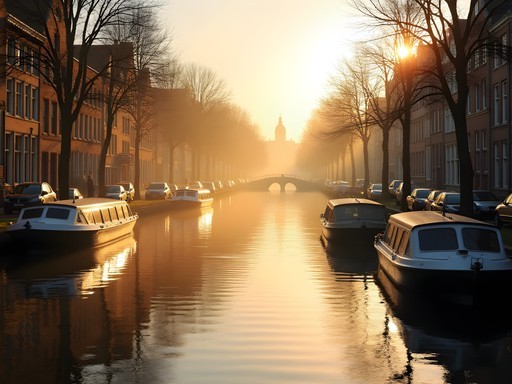
The canal water rippled with amber reflections as I leaned against a centuries-old bridge, watching Amsterdam awaken. Most tourists were still sleeping off their coffee shop adventures or Red Light District explorations, but I was here for something deeper. As someone who's spent a career stabilizing people in crisis, I've developed a sixth sense for finding the pulse of a place—the authentic rhythms that sustain its cultural heartbeat. Amsterdam isn't just wooden shoes and windmills, nor is it the hedonistic playground many visitors reduce it to. This city is a living testament to resilience, innovation, and cultural preservation. During my week exploring its lesser-known corners last fall, I discovered spaces where traditional Dutch wisdom intersects with modern wellness practices, where food tells stories of colonial history and global influence, and where sacred geometry appears in everything from canal layouts to museum architecture. This is my guide to experiencing the real Amsterdam—the one that heals, nourishes, and connects.

The Sacred Geometry of Amsterdam's Canals
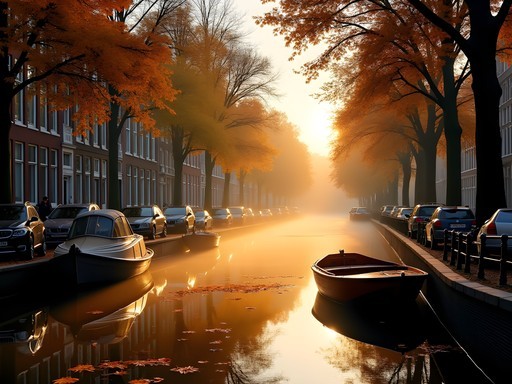
Most visitors admire Amsterdam's canals for their picturesque beauty, but few recognize the intentional design principles behind this UNESCO World Heritage site. As someone fascinated by sacred geometry—the mathematical patterns that appear across cultures and spiritual traditions—I was struck by Amsterdam's concentric canal belt layout.
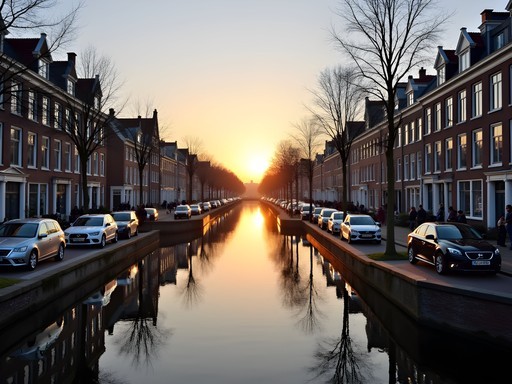
The three main canals (Herengracht, Keizersgracht, and Prinsengracht) form perfect semi-circles around the medieval city center, creating what locals call the grachtengordel (canal belt). This isn't random urban planning—it's a masterclass in harmonious design that has stood for over 400 years.
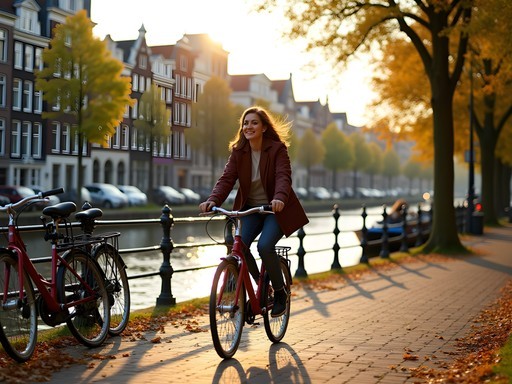
During my exploration, I rented a foldable bike to trace these geometric patterns from ground level. While Amsterdam offers plenty of bike rental options, having a foldable model allowed me to easily transition between cycling, walking, and even hopping on occasional canal boats. The perspective shift between water level and street level reveals how the city's design creates natural flow patterns that feel almost medicinal in their calming effect.
One morning, I joined architectural historian Petra van Dam for her 'Hidden Patterns' walking tour. She pointed out how the canal houses, despite their apparent uniformity, follow the golden ratio in their dimensions—a mathematical proportion found throughout nature that's inherently pleasing to the human eye. No wonder these streets feel so inherently right when you walk them.
The canal belt isn't just pretty—it's practical. The Dutch approach to urban planning has always balanced aesthetics with functionality, much like how traditional medicine balances spiritual wellness with physical healing. This harmonious design thinking extends beyond canals to the city's green spaces and even its approach to social issues.

💡 Pro Tips
- Rent a bike with a front basket for carrying a camera and water bottle
- Visit the canal belt during early morning (before 8am) to experience it without crowds
- Download the free 'Amsterdam Architecture' app for self-guided tours of significant buildings
Hofjes: Amsterdam's Hidden Healing Gardens
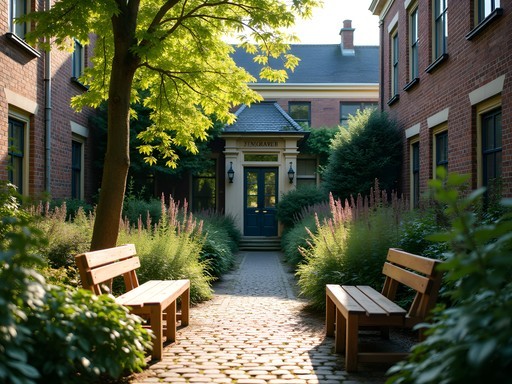
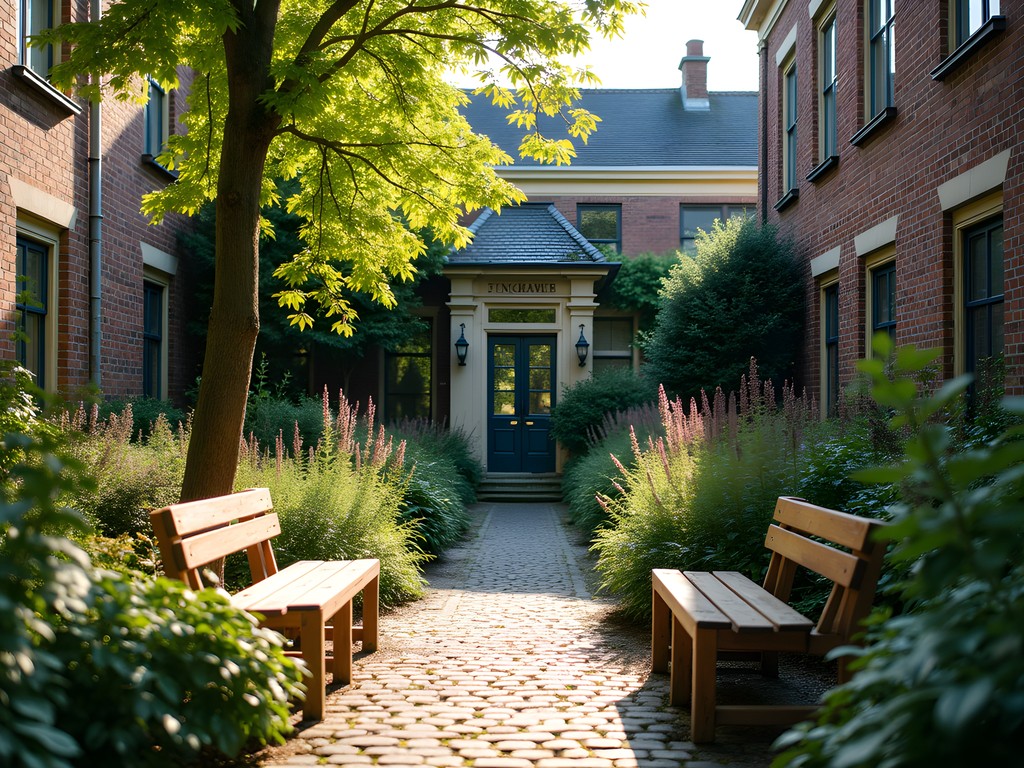
In the midst of Amsterdam's urban density lie secret courtyard gardens called hofjes—my kind of sacred spaces. As someone who's spent countless hours in hospital emergency rooms, I've developed a deep appreciation for peaceful green enclaves. These hofjes were historically created as almshouses for elderly women and remain some of Amsterdam's most tranquil spots, hidden behind unassuming doors and passageways.
The Begijnhof is the most famous, but during my exploration, I discovered that the lesser-known hofjes offer more authentic experiences. The Karthuizerhofje in the Jordaan neighborhood became my daily meditation spot. Dating from 1650, this courtyard garden features medicinal herbs that reminded me of the plant knowledge my Mi'kmaq grandmother shared with me growing up.
Many hofjes are technically private residences, but Dutch hospitality means visitors can respectfully enter during daylight hours. I always followed the unspoken protocol: enter quietly, spend time in contemplative appreciation, and leave the space better than I found it. One elderly resident noticed my interest in her potted herbs and invited me for tea, explaining how urban gardening connects her to Dutch agricultural traditions despite living in the city center.
Before visiting these gardens, I'd recommend picking up a pocket field guide to identify traditional Dutch medicinal plants. I spotted everything from fever-reducing elderberry to calming valerian—plants that emergency responders like me recognize for their therapeutic properties.
These hofjes demonstrate something profound about Dutch culture: the value placed on creating communal healing spaces within dense urban environments. It's a wellness philosophy that predates our modern obsession with self-care by several centuries, yet feels remarkably relevant today.
💡 Pro Tips
- Visit hofjes between 10am-4pm when they're typically open to respectful visitors
- Bring a journal to sketch plants or record observations—residents appreciate seeing visitors engage thoughtfully
- Speak in hushed tones as many hofjes residents are elderly
Beyond Stroopwafels: Amsterdam's Healing Food Traditions
My emergency medical training has taught me that food is medicine—something the Dutch have understood for centuries. While tourists flock to try stroopwafels and frites with mayonnaise, I spent my week in Amsterdam exploring the deeper food traditions that reveal the city's complex cultural history and approach to wellness.
Amsterdam's Indonesian food scene is a direct result of Dutch colonial history—a complicated legacy that's produced some extraordinary culinary traditions. At Tujuh Maret, a family-run restaurant in De Pijp neighborhood, I experienced my first proper rijsttafel (rice table)—a Dutch-Indonesian colonial tradition featuring dozens of small, shareable dishes. The owner explained how many of these dishes were adapted to include local Dutch ingredients while maintaining traditional Indonesian healing spices like turmeric, ginger and galangal—powerful anti-inflammatories I often recommend to patients recovering from injuries.
At the Albert Cuyp Market, I discovered haring (herring)—served raw with pickled onions and eaten by holding the fish by its tail and lowering it into your mouth. Rich in omega-3 fatty acids, it's brain food that Dutch physicians have prescribed for centuries. The fishmonger laughed at my initial hesitation but nodded approvingly at my EMT's analysis of its nutritional benefits.
For breakfast, I became addicted to hagelslag—chocolate sprinkles on buttered bread that Dutch nutritionists surprisingly defend as part of a balanced diet due to the quality of the dark chocolate and whole grain bread. It reminded me of how indigenous food wisdom often embraces joy as part of wellness, rather than focusing solely on restriction.
To navigate Amsterdam's food scene like a local, I relied on my pocket translator to decipher Dutch menu items and engage with vendors about traditional preparation methods. This pocket-sized device handled Dutch pronunciation far better than my attempts and helped me discover family-owned establishments where English menus aren't available.
What struck me most was how Dutch food culture emphasizes communal eating as medicine for the soul—something my grandmother would call 'feeding the spirit.' Every meal I shared with locals involved long, unhurried conversation and mindful appreciation of each dish—a welcome contrast to the rushed meals I often grab between emergency calls back home.

💡 Pro Tips
- Visit Foodhallen for modern interpretations of traditional Dutch ingredients
- Try herring from a street vendor between May and July when it's freshest
- Book a food tour with 'Hungry Birds' for insider access to family recipes and food history

Amsterdam's Museum Quarter: Cultural Medicine for Modern Travelers
As a first responder, I've learned that healing isn't just physical—it's cultural and spiritual too. Amsterdam's Museum Quarter offers what I consider cultural medicine, providing spaces for reflection, connection, and perspective that can be profoundly therapeutic for travelers.
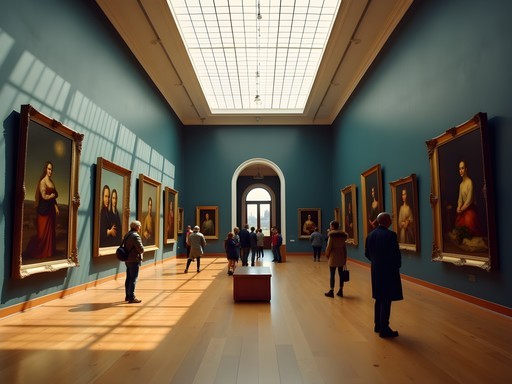
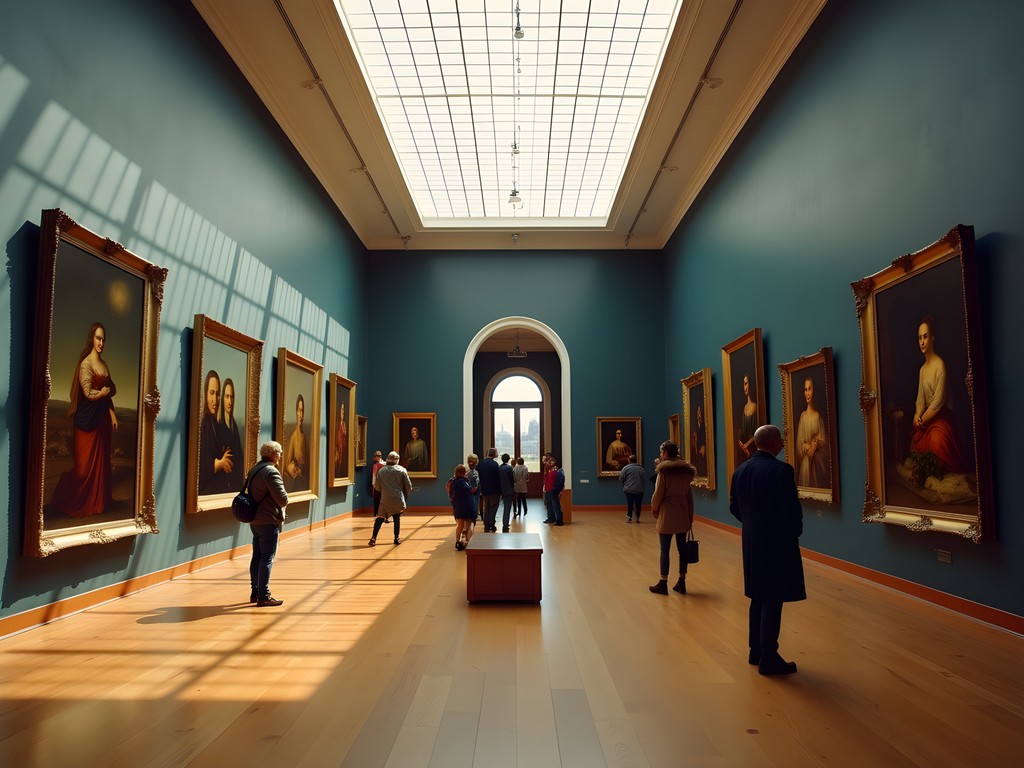
The Rijksmuseum houses Dutch masterpieces that tell stories of the country's Golden Age, but I was drawn to the less-visited Phillips Wing, which explores Dutch colonial history with unflinching honesty. The exhibit on medical practices exchanged between Dutch and Indonesian practitioners particularly resonated with my interest in how traditional healing knowledge travels across cultures.
At the Van Gogh Museum, I witnessed something remarkable—visitors openly weeping before paintings like The Potato Eaters and Wheatfield with Crows. As someone who's held space for people in their most vulnerable moments, I recognized the cathartic release happening in these galleries. Art can access emotional wounds in ways that conversation sometimes cannot—something both emergency medicine and cultural institutions understand.
The lesser-known Museum Van Loon provided my most unexpected connection. This canal house museum preserves the home of a wealthy merchant family and includes their collection of healing herbs and home remedies. The curator shared that many Dutch families maintained these traditional medicine cabinets alongside their fine art and porcelain—a holistic approach to wellbeing that balanced beauty with practical healing.
To fully appreciate Amsterdam's museums without exhaustion, I relied on my noise-canceling earbuds to create moments of auditory space in crowded galleries. These compact earbuds let me alternate between the museum's audio guides and periods of contemplative silence—essential for processing emotionally powerful exhibitions without sensory overload.
Most visitors rush through Amsterdam's museums, checking masterpieces off their list. I'd recommend instead choosing just one gallery per day, then finding a nearby café to journal about your experience. The Dutch concept of niksen—purposeful idleness—applies perfectly to museum visits. It's not about how much you see, but how deeply you allow yourself to be moved by what you encounter.
💡 Pro Tips
- Purchase the Museumkaart if visiting 3+ museums (€65 for unlimited access to most museums for a year)
- Visit major museums after 3pm when tour groups have typically departed
- Schedule emotionally heavy museums (like Anne Frank House) with recovery time afterward at a quiet café
Connecting with Amsterdam's Living Indigenous Knowledge
As someone with Mi'kmaq heritage, I'm drawn to indigenous knowledge systems wherever I travel. While the Netherlands doesn't have the same type of indigenous traditions as North America, I discovered that Dutch culture preserves its own form of traditional ecological knowledge—particularly in its relationship with water.
At the Zuiderzee Museum, an open-air cultural heritage site just outside Amsterdam, I met Jaap, a third-generation dike watcher whose family has maintained water management systems for generations. "We don't call it indigenous knowledge," he told me, "but this is wisdom passed down through practice, not just books." He demonstrated traditional methods of reading weather patterns and water behavior that predated modern meteorological equipment but remain remarkably accurate.
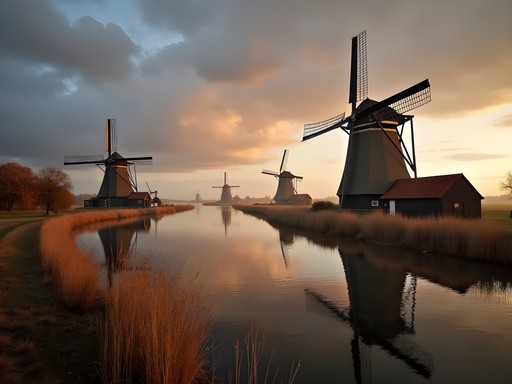
Amsterdam itself was built on what the Dutch call polders—land reclaimed from the sea through an intricate system of dikes, canals, and windmills. This represents a multi-generational relationship with the natural environment that parallels indigenous approaches to land stewardship. At the Amsterdam City Archives, I discovered journals from 17th-century water managers describing techniques that modern climate adaptation experts are now revisiting.
The city's relationship with water isn't just practical—it's spiritual. During my visit to the hidden 14th-century Oude Kerk (Old Church), I noticed floor stones engraved with water symbols. The guide explained that many Dutch religious practices incorporated water reverence, blending Christian traditions with older pagan water worship in ways that reminded me of syncretic practices in my own cultural background.
For travelers interested in this aspect of Dutch heritage, I recommend the waterproof journal that I carried throughout my trip. Amsterdam's frequent rain showers won't damage your notes, and there's something poetically appropriate about documenting water wisdom in a water-resistant format.
What moved me most was discovering how Dutch water management philosophy embraces the concept of working with natural forces rather than against them—a principle fundamental to many indigenous worldviews. Their modern "Room for the River" approach, which gives waterways space to overflow safely rather than building ever-higher barriers, reflects the kind of adaptive thinking that indigenous communities have employed for millennia.

💡 Pro Tips
- Visit the Waterlooplein market to meet artisans using traditional Dutch crafting techniques
- Take a day trip to Zaanse Schans to see working windmills that demonstrate traditional water management
- Join the free 'Water Warriors' walking tour that explores Amsterdam's relationship with water management
Final Thoughts
As I boarded my flight home, Amsterdam had thoroughly reframed my understanding of what makes a meaningful travel experience. Beyond the coffee shops and Red Light District lies a city of intentional design, hidden healing spaces, and cultural traditions that nourish both body and spirit. The Dutch approach to wellness—balancing pragmatism with beauty, tradition with innovation—offers valuable lessons for our modern lives. Whether you're tracing the sacred geometry of the canal belt, finding solace in a secret hofje garden, or discovering the medicinal properties of traditional Dutch-Indonesian cuisine, Amsterdam rewards those willing to look beyond the obvious. I'll carry these experiences back to my emergency medicine practice, remembering that healing happens not just through intervention, but through connection to place, culture, and community. When you visit Amsterdam, I hope you'll allow yourself to be transformed by its less visible treasures—they're the real souvenirs worth bringing home.
✨ Key Takeaways
- Amsterdam's concentric canal design follows sacred geometric principles that create naturally harmonious urban spaces
- Hidden hofjes (courtyard gardens) offer authentic healing spaces and connections to traditional Dutch plant medicine
- The city's Indonesian food scene reveals complex colonial history while preserving traditional healing ingredients
- Dutch water management represents a form of indigenous knowledge passed through generations of practical application
📋 Practical Information
Best Time to Visit
September-October (fall) for fewer crowds and beautiful canal foliage
Budget Estimate
€100-150/day including mid-range accommodations, museum entries, and meals
Recommended Duration
5-7 days
Difficulty Level
Moderate (Involves Significant Walking And Navigating Public Transportation)

Comments
mountainguide
THIS IS THE AMSTERDAM CONTENT WE NEED!!! 🙌 I'm so tired of seeing the same old tourist trap recommendations. The hofjes sound incredible - adding them to my itinerary for sure! Also really appreciate the food section. Does anyone know if there are good food tours that focus on traditional Dutch cuisine rather than just cheese tastings?
freevibes
I did a walking food tour in De Pijp neighborhood that was amazing! Lots of local spots, not touristy at all.
freevibes
This post really resonates with me! I visited Amsterdam last year and honestly felt overwhelmed by all the party tourism. But then I took a random turn near the Anne Frank House and found this quiet neighborhood with the prettiest little bridges and no crowds at all. It completely changed my experience. Wish I'd read this before going - would've planned differently. The healing food traditions section is interesting too, never thought about Dutch food beyond cheese and fries!
Taylor Moreau
Well articulated piece, Sage. I've been traveling to Amsterdam for business conferences for nearly two decades, and I've watched the city struggle with overtourism in specific districts whilst other culturally significant areas remain relatively undiscovered. Your point about the Museum Quarter being 'cultural medicine' resonates deeply. The Van Gogh Museum, in particular, offers a contemplative experience that's quite restorative after the sensory overload of the tourist center. I'd recommend booking timed entry tickets well in advance - the queues can be rather daunting otherwise.
starperson
Beautiful photos! Really captures the morning light.
mountainwanderer
Going there next month! How much time should I budget for the canal belt walk you mentioned? And is it easy to navigate on your own or better with a guide?
backpacknomad
super easy on your own! just grab a map and wander
Hannah Woods
I'd give yourself at least 3-4 hours to properly explore the canal belt. The beauty is in taking your time and ducking down side streets. A guide can add historical context, but honestly, just wandering with a good map app works wonderfully.
Hannah Woods
Sage, this is exactly the kind of content Amsterdam needs. I spent three weeks there last autumn doing research on sustainable tourism, and the contrast between the overcrowded center and the serene cultural spaces is stark. The Rijksmuseum alone deserves a full day - not the rushed hour most tourists give it. I'd add the Willet-Holthuysen Museum to your list too. It's a perfectly preserved canal house that shows how the merchant class actually lived. The kitchen and garden are particularly fascinating for understanding daily life in the Golden Age.
Taylor Moreau
Excellent addition, Hannah. The Willet-Holthuysen provides crucial context that the larger museums sometimes gloss over.
beachqueen
OMG YES!! The hofjes are AMAZING! I stumbled into one near Jordaan and felt like I'd discovered a secret world. So peaceful and beautiful!!! 🌸
mountainguide
Which one did you find? I'm compiling a list for my trip in spring!
beachqueen
I think it was called Karthuizerhof? Had the prettiest courtyard garden!
backpacknomad
Love this perspective! Amsterdam is so much more than the RLD.
DutchFan88
If you want to see the canals from a different perspective, try a small boat tour with Those Dam Boat Guys instead of the big tourist boats. Local guides, smaller groups, and they let you bring your own drinks!
GlobeWanderer
Just got back from Amsterdam and followed some of your recommendations, Sage! The Museum Quarter was definitely the highlight for me. Van Gogh Museum was incredible but I was surprised how much I loved the Stedelijk Museum for modern art too. We rented bikes and explored the canals at our own pace which was perfect. One tip for others: the free ferry to Amsterdam Noord gives you amazing city views and there's a cool food market called NDSM with shipping container restaurants. So much better than spending all your time in the crowded center!
springblogger
How was biking there? I've heard the bike traffic can be intimidating for tourists!
GlobeWanderer
It's definitely busy but they have great bike lanes. Just stay to the right, signal your turns, and don't stop suddenly. After an hour you'll feel like a local!
Venture X
Premium card with 2X miles, $300 travel credit, Priority Pass