
Disclosure: This article contains affiliate links. We may earn a commission from purchases at no extra cost to you, which helps our travel content.
The moment I stepped off the plane in Honiara, the capital of the Solomon Islands, I knew this wasn't going to be your typical tropical getaway. The warm, fragrant air carried whispers of spices from nearby markets, and the genuine smiles of locals immediately told me I'd found somewhere special. After five visits to the South Pacific over the years, I've learned that the real magic of any destination lies beyond the glossy brochures – and Honiara holds secrets that only reveal themselves to those willing to venture off the beaten path.

The Hidden Culinary Treasures of Central Market
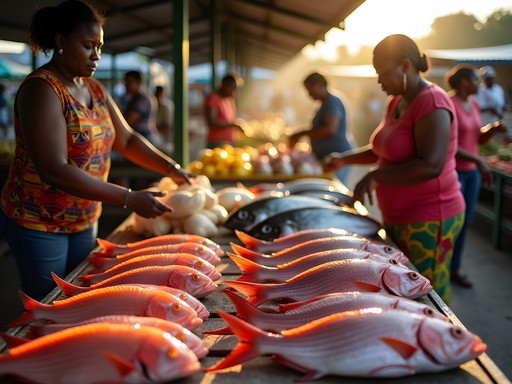
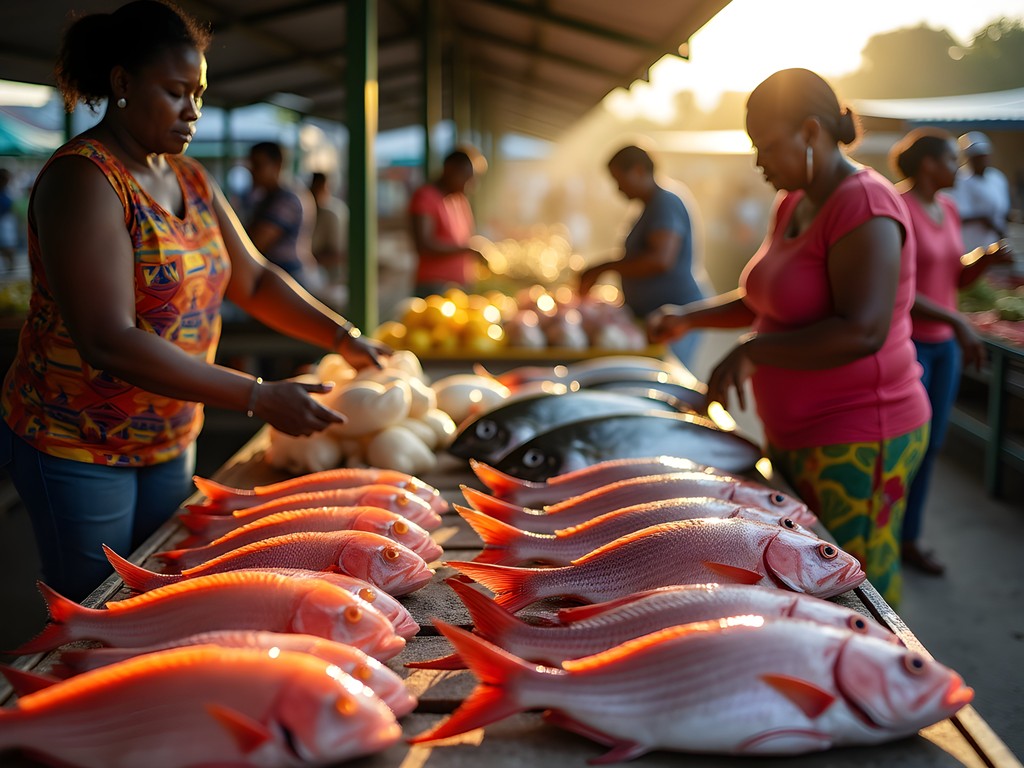
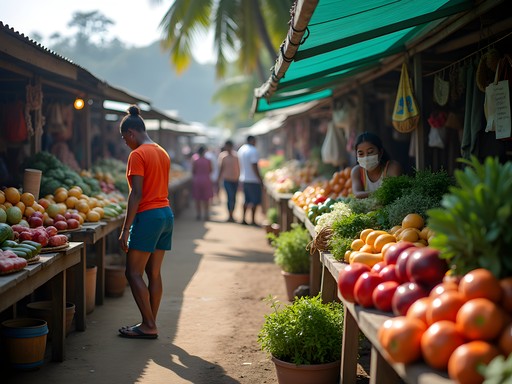
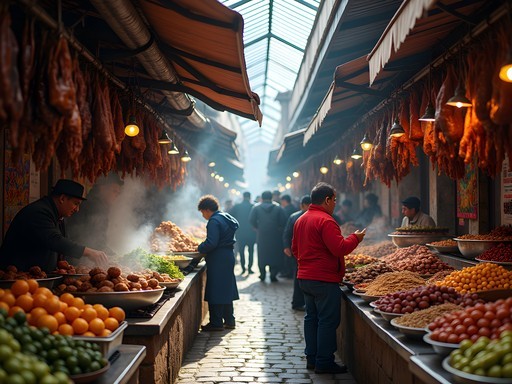
While every tourist guide mentions Honiara's Central Market, few tell you how to experience it like a local. Arrive before 7 AM on Tuesdays or Fridays when fishermen bring their overnight catches directly to the seafood section. This is when you'll find sasalau – small, sardine-like fish that locals grill with lime and chili – a breakfast delicacy you won't find later in the day.
The market's western corner hosts a cluster of women selling kulu (breadfruit) prepared seven different ways. My favorite is the twice-fried version with coconut cream – a crispy-on-the-outside, creamy-on-the-inside treat that costs less than $2 USD.
For the best market experience, bring a reusable shopping bag to carry your treasures and a water filter bottle to stay hydrated without creating plastic waste. The locals will appreciate your environmental consciousness, and you'll blend right in with the regulars.
💡 Pro Tips
- Visit the Central Market before 7 AM on Tuesdays or Fridays for the freshest seafood
- Look for the breadfruit vendors in the western corner who offer seven different preparations
- Bring small Solomon Islands dollar notes as vendors rarely have change
Tenaru Falls: The Locals' Weekend Retreat
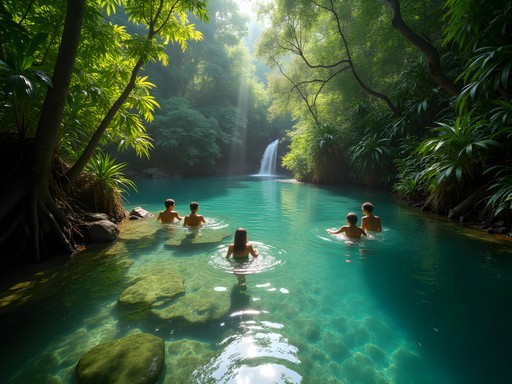
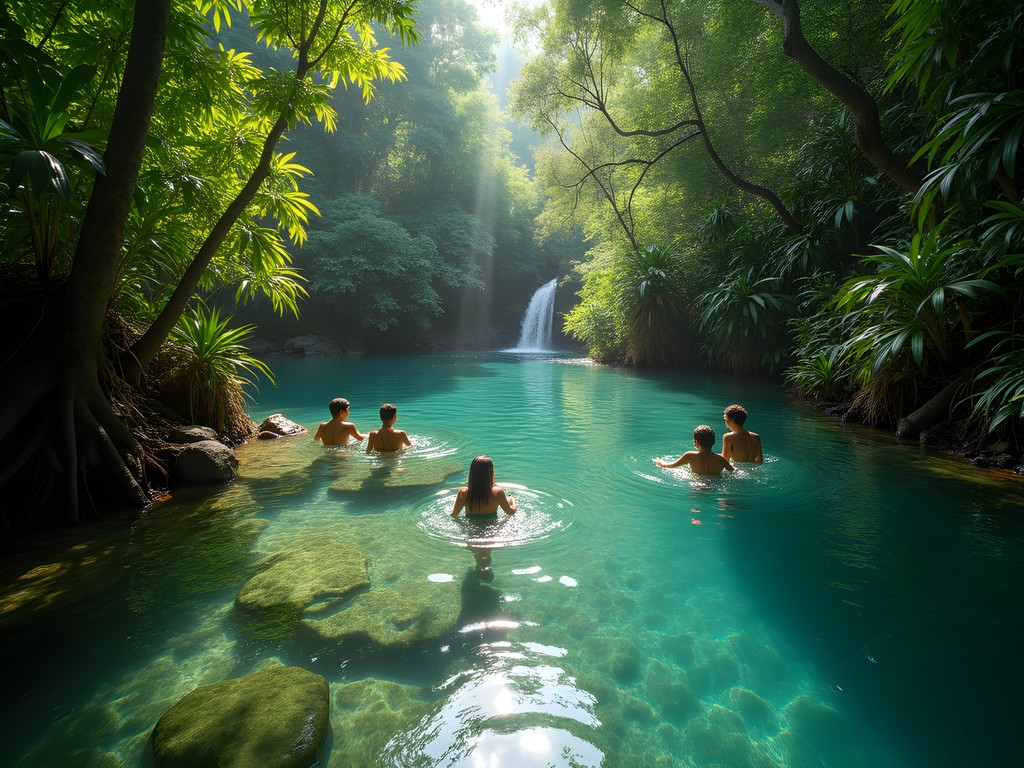
About an hour's drive east of Honiara lies Tenaru Falls – a cascading natural wonder that surprisingly few tourists ever see. While tour companies charge upwards of $100 for guided visits, I discovered a local secret: on weekends, families from Honiara picnic here, and if you arrive around 10 AM, you can usually find someone willing to guide you up the trail for a fraction of the price.
The 30-minute hike involves crossing the river several times (expect to get your feet wet), so wear appropriate footwear. My water shoes have served me perfectly through three visits to the falls, providing grip on slippery rocks while draining quickly.
What makes Tenaru special isn't just the 30-meter waterfall at the end, but the series of perfect swimming holes along the way. The locals know which ones are deepest for jumping (hint: it's the third pool from the main falls), and they're usually happy to demonstrate their acrobatic dives if you show genuine interest in their weekend tradition.
💡 Pro Tips
- Visit on weekends when locals go for picnics to find informal guides
- Bring food to share with your guide – it's considered good manners
- Pack a dry bag for electronics as you'll cross the river multiple times
Bonegi Beach: WWII History Meets Underwater Wonder
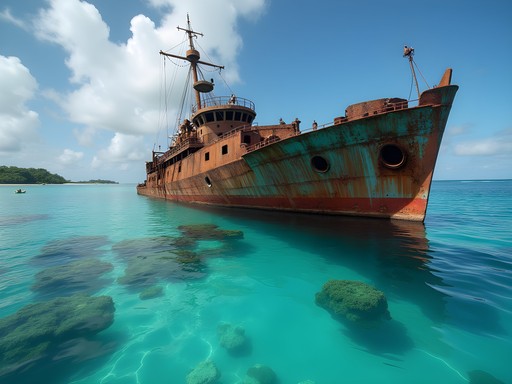
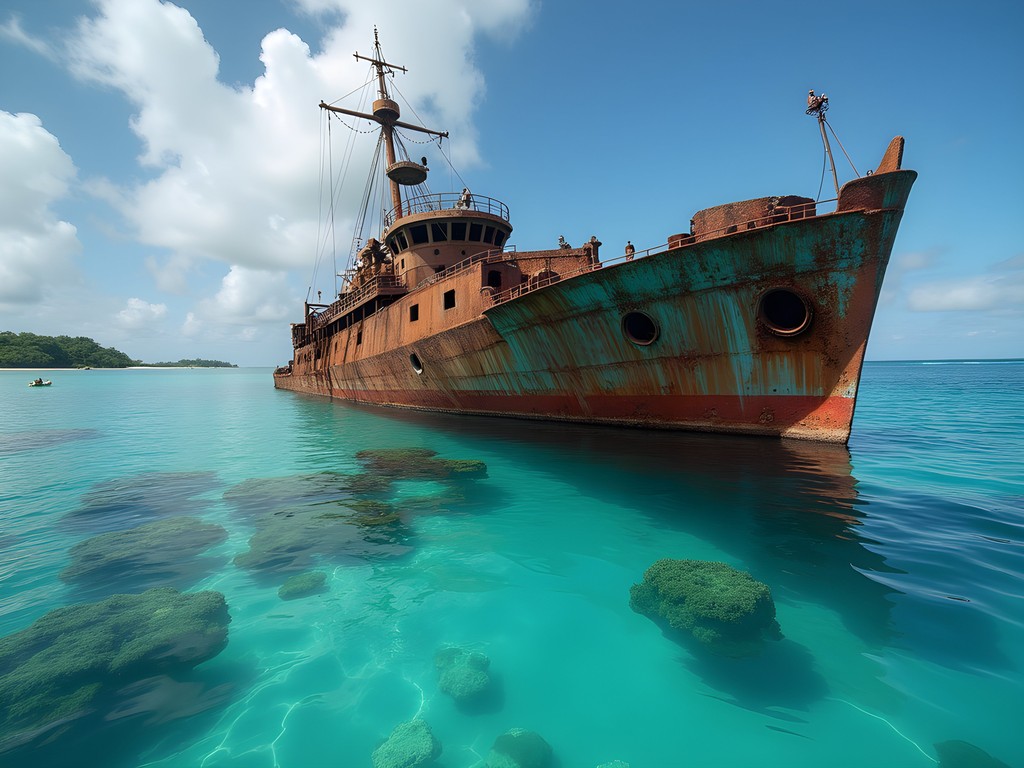
While Honiara's war museums tell the official history of the Solomon Islands' role in WWII, the locals know that history lies just offshore at Bonegi Beach. Here, two Japanese transport ships – known locally as Bonegi 1 and Bonegi 2 – rest in shallow water, creating one of the most accessible wreck-diving sites in the Pacific.
What the guidebooks won't tell you is that you don't need diving certification to experience these wrecks. At low tide, parts of Bonegi 2 actually break the surface, and with a decent snorkel set, you can explore extensive sections of both wrecks.
My most memorable experience here came courtesy of David, a local fisherman who offers informal tours of the wrecks for about $15. He pointed out details I would have missed – including the ship's kitchen where you can still see ceramic plates embedded in coral, and a section where Japanese writing remains visible after 80 years underwater.
After snorkeling, don't rush back to Honiara. The small food stands that pop up along Bonegi Beach in the afternoon serve the most authentic Solomon Islands cuisine you'll find – including kokoda (lime-marinated fish) that puts restaurant versions to shame.
💡 Pro Tips
- Check tide tables and visit at low tide when parts of the wrecks are visible above water
- Bring your own snorkel gear as local rental options are limited
- Ask for David near the beach entrance – he's usually there by 10 AM and offers the best informal wreck tours

Sunset Secrets at Art Gallery Café
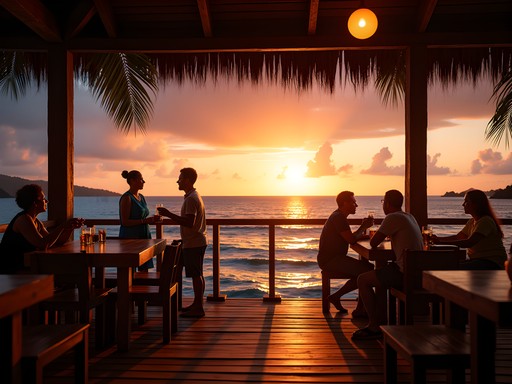
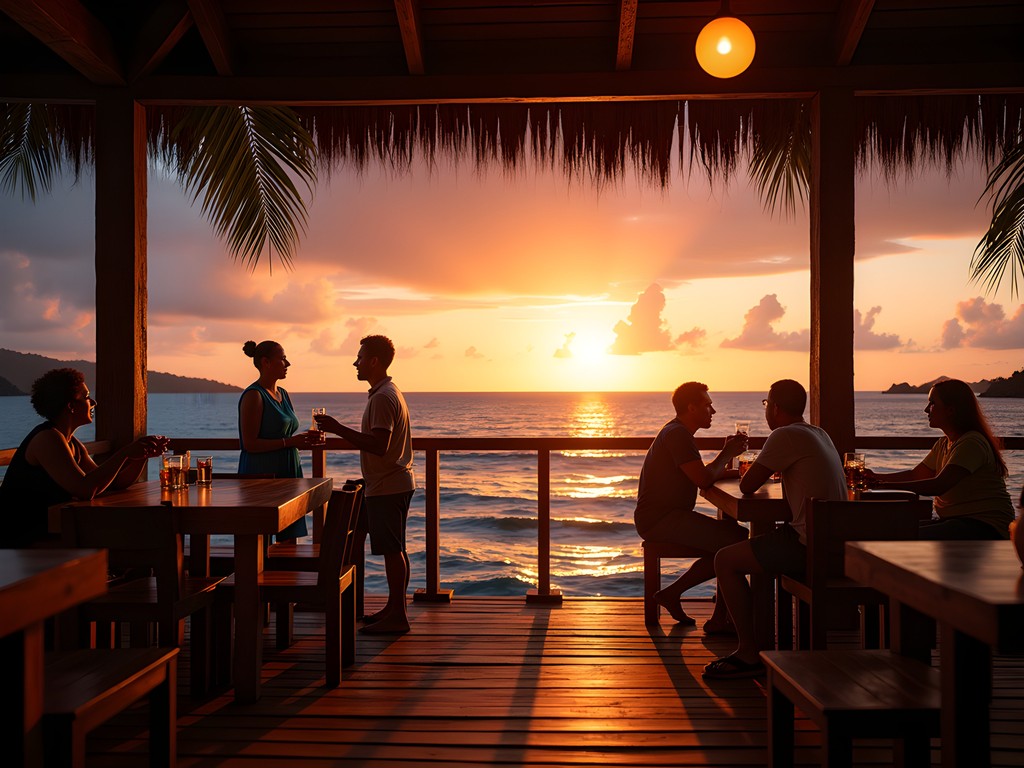
When the tropical heat of the day begins to wane, locals know to head to the Art Gallery Café – not for the art (though it's impressive) but for what happens at precisely 5:30 PM. The café's western-facing deck offers an unobstructed view of the sunset over Iron Bottom Sound, named for the dozens of WWII ships resting on its floor.
What makes this spot special is the impromptu music sessions that happen almost every evening. Solomon Islanders are known for their remarkable vocal harmonies, and as the sun dips toward the horizon, café staff often break into traditional songs that will give you goosebumps.
Order the kokoda (raw fish marinated in lime and coconut) and a local SolBrew beer, then settle in as the sky transforms into watercolor hues of orange and pink. I've found my pocket blanket perfect for spreading out on the grass below the deck when the café gets crowded – which it does most evenings.
Don't be surprised if you're invited to join in a song or two. Solomon Islanders love sharing their culture, and your enthusiastic (if imperfect) participation will be met with genuine appreciation and often leads to fascinating conversations about local life.
💡 Pro Tips
- Arrive by 5:00 PM to secure a spot on the western deck
- Try the kokoda – it's the café's specialty and pairs perfectly with sunset
- Bring mosquito repellent as the little biters come out at dusk
Connecting with Honiara's Master Carvers
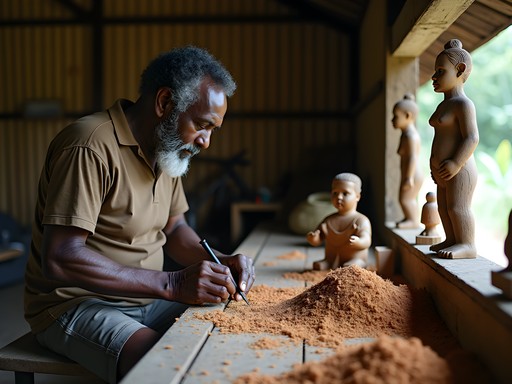
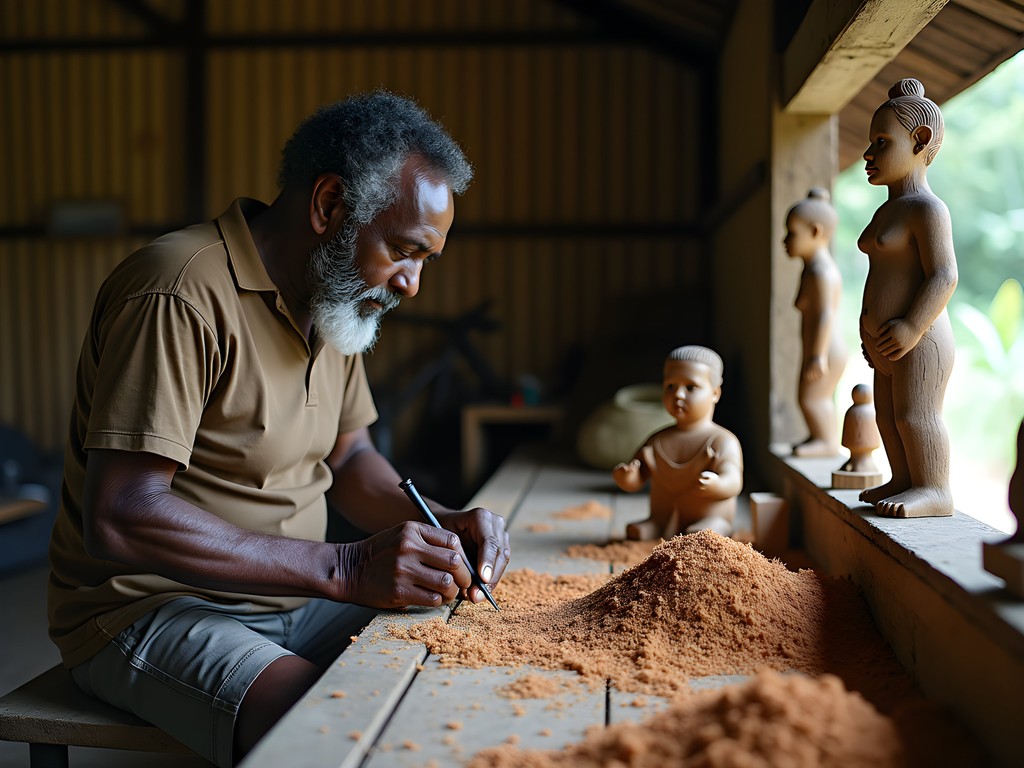
The National Museum showcases exquisite Solomon Islands woodcarvings, but what many visitors don't realize is that many of these master carvers welcome visitors to their home workshops. In the Kukum district east of town, several families have been carving for generations, creating intricate pieces that museums around the world covet.
My friend Margaret at the Central Market introduced me to her cousin Thomas, who carves traditional nguzu nguzu spirit figures. These powerful carvings were historically mounted on war canoe prows for protection. Thomas invited me to his home workshop where three generations of his family work together, using techniques passed down for centuries.
What makes this experience special is the opportunity to see works in progress and learn about the spiritual significance behind each design element. I brought a small sketchbook to record the patterns and symbols Thomas explained, creating a meaningful souvenir of cultural knowledge rarely shared with tourists.
If you're interested in purchasing carvings, buying directly from family workshops means your money goes straight to the artisans. Prices are about 40% lower than in town shops, and you're welcome to watch your piece being finished – a wonderful way to connect with Solomon Islands heritage on a deeper level.
💡 Pro Tips
- Ask vendors at Central Market for recommendations to family carving workshops
- Bring small denominations of Solomon Islands dollars for purchases
- Request permission before photographing people or their artwork
Final Thoughts
As my week in Honiara drew to a close, I found myself sitting on the Art Gallery Café deck one last time, watching fishing canoes return with their evening catch. A young boy approached, selling shell necklaces his grandmother had made. Rather than bargaining, I asked him about his favorite place in Honiara. His answer – a small cove where octopus hide among mangrove roots – wasn't in any guidebook I'd read.
That's the true magic of Honiara. Beyond the standard tourist circuit lies a city of stories, flavors, and connections waiting for travelers willing to slow down and listen. The Solomon Islands are changing rapidly as development reaches these shores, but the authentic experiences I've shared here remain for those who seek them out with respect and genuine curiosity.
Whether you're snorkeling above WWII wrecks, sharing songs at sunset, or learning the meaning behind intricate wood carvings, Honiara offers moments of connection that transform a simple vacation into a journey of understanding. And isn't that why we travel in the first place?
✨ Key Takeaways
- The best experiences in Honiara come through connections with locals who can reveal hidden gems
- Visiting markets and local gathering spots early in the morning or at sunset offers authentic cultural experiences
- Historical sites like Bonegi Beach provide context for understanding Solomon Islands culture today
- Supporting local artisans directly creates meaningful souvenirs and cultural exchange
📋 Practical Information
Best Time to Visit
May-November (dry season)
Budget Estimate
$100-150 USD per day for mid-range accommodations and activities
Recommended Duration
5-7 days
Difficulty Level
Moderate


Comments
photostar
Gabriella, did you feel like a week was enough time there? Planning my trip now and trying to figure out how many days to allocate.
Ana Robinson
We took our kids (7 and 9) to Honiara last month and this blog post was our bible! The Central Market was sensory overload for them in the best way - my daughter still talks about the 'rainbow fish' stalls. Tenaru Falls was perfect for a family day - the natural pools at the bottom were shallow enough for safe splashing. One tip to add: bring reef shoes for Bonegi Beach! The rusted WWII wreckage can be sharp in spots. Also, we found a tiny roadside stand near the Art Gallery Café that sold incredible homemade coconut ice cream. The owner uses his grandmother's recipe and our kids declared it 'the best ice cream ever invented'!
springwanderer
That Art Gallery Café sunset view is exactly as magical as you described! Had the best coconut lime cake there too.
coolexplorer
How did you get around to these places? Is it safe to rent a car or should I hire a guide? Going in November!
springpro
Not the author but I used local minibuses for most places in Honiara - super cheap and a great way to meet locals. For Tenaru Falls, best to go with someone who knows the way. We hired a guide through our guesthouse for about $30USD.
coolexplorer
Thanks for the tips! Did you feel safe on the minibuses?
springpro
Totally safe during daytime. Just keep valuables close like anywhere. The anti-theft daypack I used was perfect - not flashy but secure.
Fatima Sims
I was in Honiara last year and totally missed Tenaru Falls! Wish I'd read this before my trip. The Central Market was definitely a highlight though - I still dream about those grilled fish wrapped in banana leaves. The locals were so friendly when I asked about cooking techniques. One woman even invited me to her home to learn how to make traditional cassava pudding! Did anyone else find the Solomon Islanders to be incredibly welcoming?
springwanderer
YES! Same experience. An elderly man at my guesthouse spent an entire evening telling me WWII stories passed down from his grandfather. Most hospitable people I've met traveling.
Fatima Sims
That sounds amazing! The oral history there is so rich. I really need to go back and spend more time.
photostar
Those underwater photos at Bonegi Beach are incredible! Adding this to my bucket list immediately.
sunnyhero
How many days would you recommend for Honiara?
Jean Wells
I'd suggest minimum 4-5 days to properly explore without rushing. This allows time for day trips and accounts for weather dependencies for activities like snorkeling.
Megan Martin
Love this perspective on Honiara! I was there for a conference last year and only scratched the surface. The Art Gallery Café is indeed a gem - their locally-sourced coffee is exceptional. For business travelers, I'd note that the café has reliable WiFi, which can be hit-or-miss elsewhere in the city. The WWII history at Bonegi Beach adds such depth to the experience. I brought my underwater camera and captured some incredible footage of the shipwrecks. The coral growth on the wrecks is remarkable. Gabriella, did you make it to any of the local cultural performances during your stay?
backpackblogger
Don't skip the Central Market fish section in the morning - watching the boats come in around 6am is awesome. Also bring small bills, vendors often don't have change for larger notes
Michael Cook
Interesting perspective on Honiara. I visited last November and found the city quite different from other Pacific capitals - less touristy infrastructure but more authentic cultural experiences. For solo travelers, I'd recommend staying near the Mendana area for walkability. The public minibuses are efficient once you understand the system, though there's no printed schedule. Regarding Bonegi Beach, I'd add that hiring a local guide for the dive sites is worth it - they know exactly where the best wrecks are positioned and the historical context adds depth to the experience. The Solomon Islands generally remain undervisited compared to Fiji or Vanuatu, which is both a challenge and an advantage.
escapetime
Thanks for the Mendana tip! That's helpful
Venture X
Premium card with 2X miles, $300 travel credit, Priority Pass