
Disclosure: This article contains affiliate links. We may earn a commission from purchases at no extra cost to you, which helps our travel content.
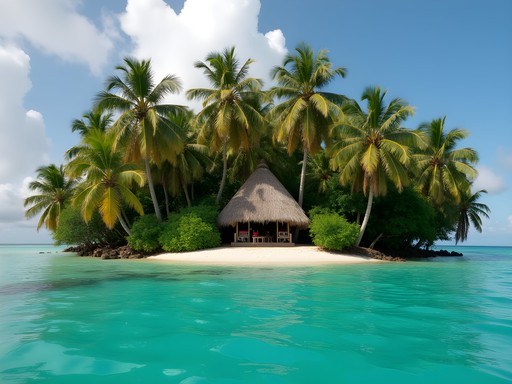
The Solomon Islands may not top most budget travelers' bucket lists, but this Pacific archipelago offers a raw, untamed adventure that rivals its more expensive neighbors. With 992 islands scattered across azure waters, ancient cultural traditions still thriving, and World War II relics hiding beneath jungle canopies, the Solomons present a perfect blend of anthropological wonder and natural beauty—without the price tag of Fiji or French Polynesia. As someone who's spent years documenting indigenous cultures and archaeological sites across the Pacific, I'm eager to share how you can experience this remarkable nation without breaking the bank.

Navigating Honiara: The Gateway to Solomon Adventure
Honiara isn't a picture-perfect tropical capital—it's gritty, chaotic, and absolutely fascinating. After landing at Henderson International Airport, I bypassed the expensive taxis (300-400 SBD) and instead found the local minibuses that locals use, costing just 5 SBD (about $0.60 USD) into town.
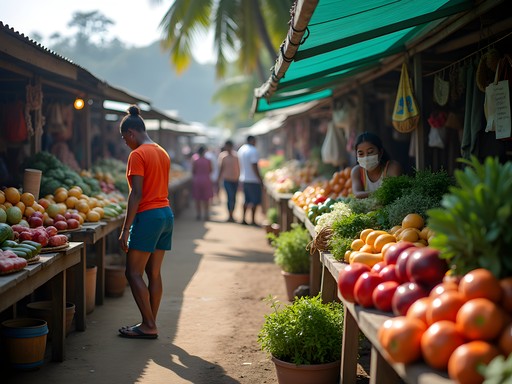
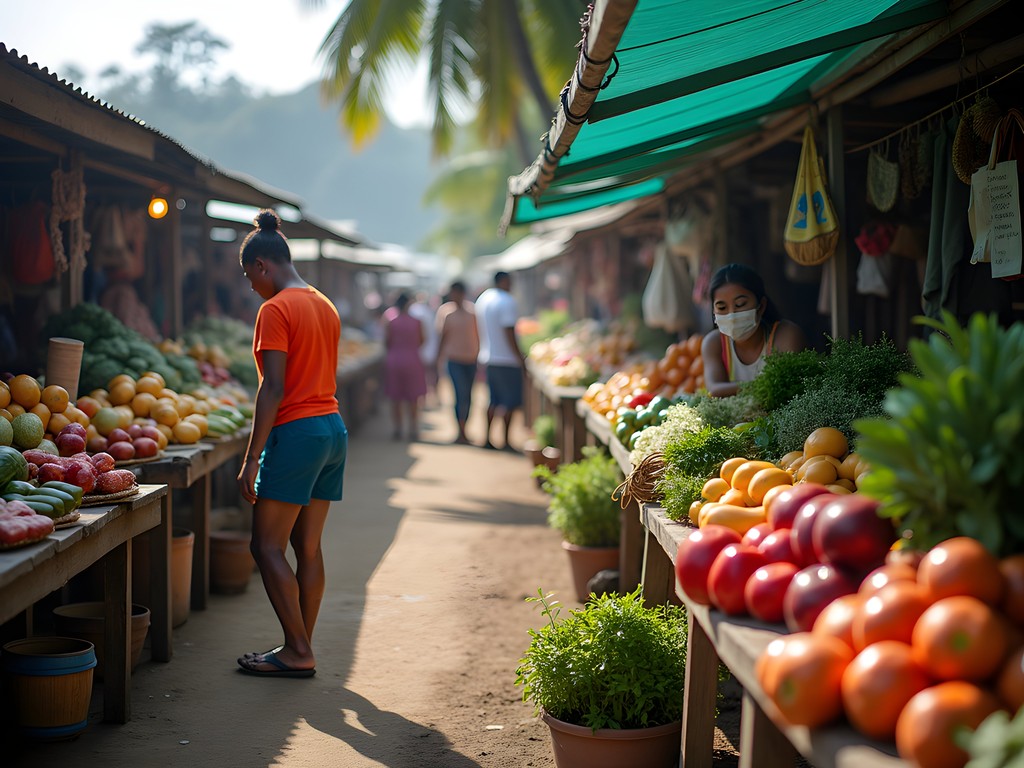
The Central Market is your first must-visit stop—a sensory explosion where you'll find everything from fresh produce to traditional crafts. This is where I stocked up on tropical fruits that cost a fraction of what you'd pay at home. The market also offers an excellent chance to observe daily Solomon Islander life and practice your first Pijin phrases (the local creole language).
For accommodation, skip the overpriced hotels catering to business travelers and aid workers. I stayed at the United Church Rest House, a simple but clean guesthouse run by the local church that cost just 250 SBD (about $30 USD) per night including breakfast. For even cheaper options, check out the Honiara YHA or the numerous family-run guesthouses scattered throughout town.
To stay connected without roaming charges, I picked up a local SIM card from the bmobile-vodafone shop near the main post office. For 100 SBD (about $12 USD), I got the SIM and enough data to last my entire trip.
💡 Pro Tips
- Use shared minibuses (5 SBD) instead of taxis (300+ SBD) to get around Honiara
- Shop at Central Market for affordable meals and fresh tropical fruit
- Stay at church-run guesthouses or hostels for clean, basic accommodation under $30/night
Uncovering WWII History on a Budget
The Solomon Islands witnessed some of the Pacific War's fiercest battles, and Guadalcanal is practically an open-air museum. While organized tours can cost upwards of 1000 SBD, I created my own historical circuit using public transportation and occasional shared taxis.
The American War Memorial atop Skyline Ridge offers panoramic views of Iron Bottom Sound (named for the dozens of ships sunk during the war) and is completely free to visit. I spent hours examining the memorial plaques and contemplating how this tranquil place once witnessed such violence.
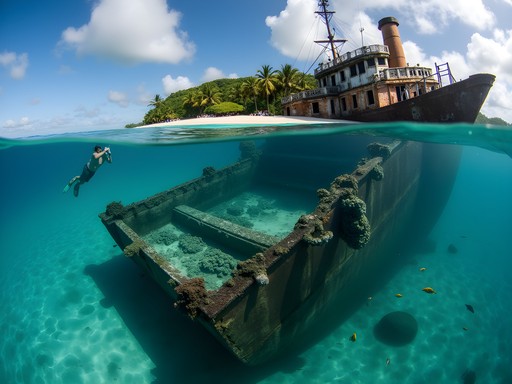
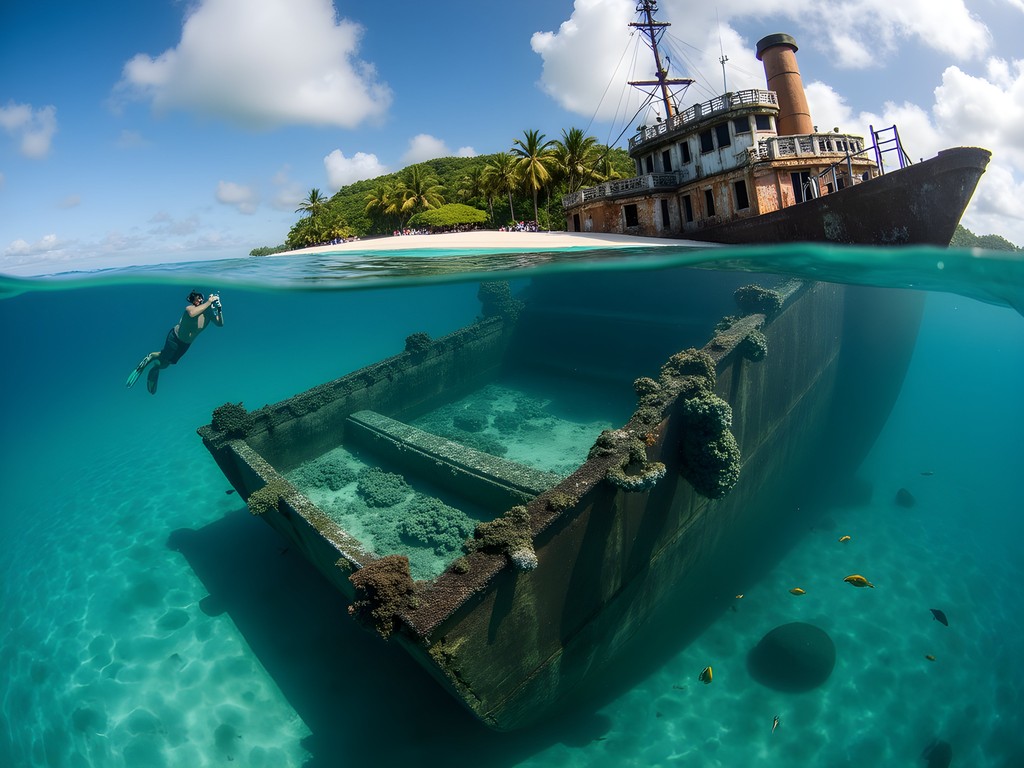
For underwater exploration of WWII wrecks, skip the expensive dive shops in Honiara and head to Bonegi Beach (about 30 minutes west). Here, two Japanese transport ships rest in shallow water close to shore, making them accessible even to snorkelers. I explored these impressive wrecks using my full-face snorkel mask, which allowed me to breathe normally while examining the coral-encrusted hulls.
The National Museum ($5 entry fee) houses an impressive collection of war relics and cultural artifacts. The curator, a descendant of local scouts who aided Allied forces, shared stories passed down through his family that you won't find in history books.
💡 Pro Tips
- Visit the American War Memorial at sunset for free panoramic views
- Snorkel the Bonegi Beach wrecks instead of paying for expensive diving tours
- Ask museum staff for personal family stories about the war—they often share incredible insights
Island Hopping Without Breaking the Bank
While the Solomon Islands' remoteness makes travel between islands challenging, budget options exist if you embrace local transportation and flexibility. The key is to travel like Solomon Islanders do—by passenger ferry.
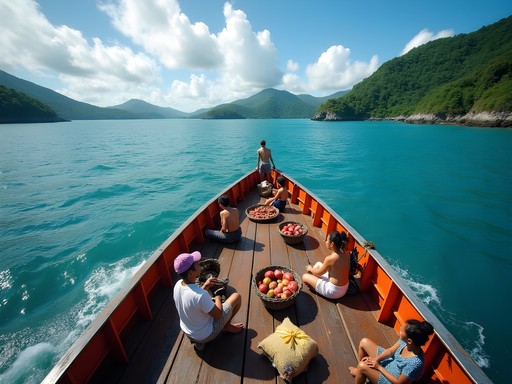
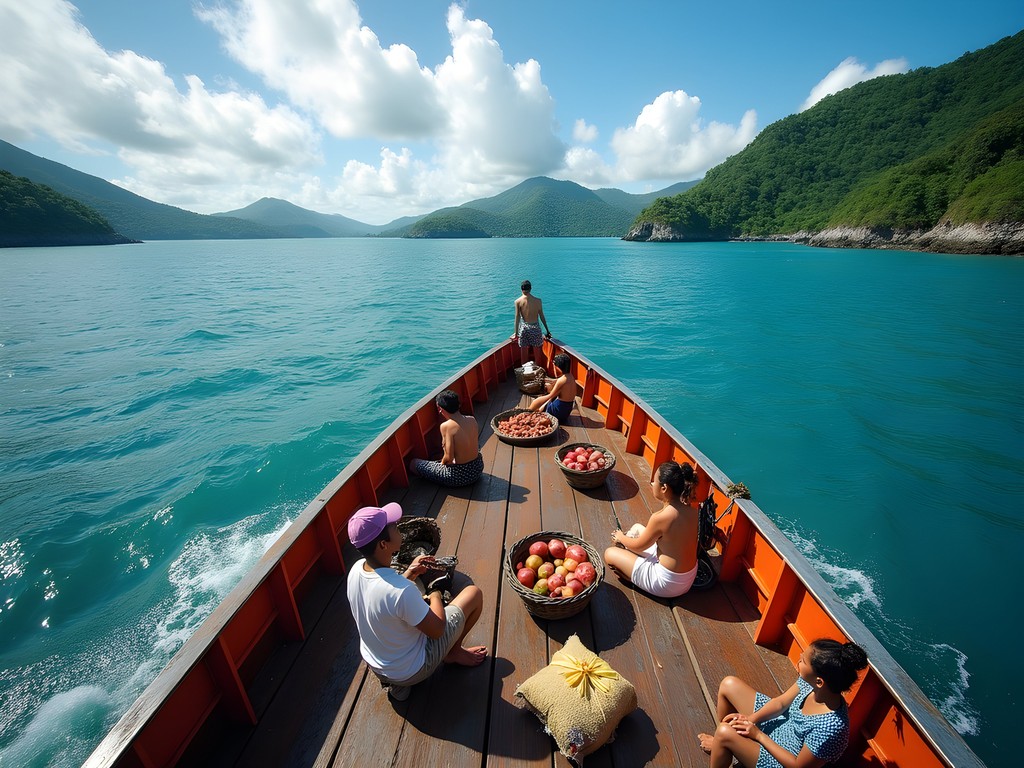
From Honiara's Point Cruz Harbor, I caught the MV Kosco ferry to Gizo in the Western Province (around 230 SBD for an economy ticket). The 24-hour journey wasn't luxurious—I slept on the deck under the stars with my lightweight travel hammock strung between railings—but the spectacular island scenery and camaraderie with locals made it one of my most memorable travel experiences.
In the Russell Islands, I stayed with a family in Mane Village through a community tourism initiative that cost just 150 SBD per night including meals and cultural activities. My hosts taught me traditional fishing methods and showed me archaeological sites not mentioned in any guidebook.
For shorter island hops, shared banana boats are the budget traveler's best friend. A trip from Gizo to nearby Kennedy Island (where JFK was stranded during WWII) costs about 50 SBD when shared with other passengers. Before setting out, I always made sure to pack my waterproof dry bag to protect my camera and documents from unexpected splashes or rain.
While exploring the Western Province, I discovered that many villages welcome respectful visitors willing to bring useful supplies from town. In exchange for delivering medicine to a remote village clinic, I was invited to stay and participate in a traditional feast—an authentic cultural exchange that cost nothing but created priceless memories.
💡 Pro Tips
- Take overnight ferries between major islands to save on accommodation costs
- Contact the Solomon Islands Visitors Bureau for community tourism initiatives
- Pack a hammock for comfortable sleeping on overnight boat journeys

Archaeological Adventures on a Shoestring
The Solomon Islands harbor archaeological treasures that rival famous sites elsewhere, yet remain virtually unknown to mass tourism. This obscurity means you can explore remarkable cultural heritage sites without entrance fees or crowds.
On Malaita Island, I visited ancient artificial islands built on coral foundations by the Lau people to escape mosquitoes and tribal enemies. Local fishermen offered to take me there for just 100 SBD—a fraction of what organized tours charge. Before setting out, I applied my reef-safe sunscreen which protected my skin while not harming the delicate marine environment.
In East Guadalcanal, I hired a local guide (200 SBD for a full day) to show me the Tiaro archaeological site, where megalithic stone structures similar to those on Easter Island stand hidden in the jungle. My guide was a descendant of the people who built these structures and shared oral histories passed down through generations.
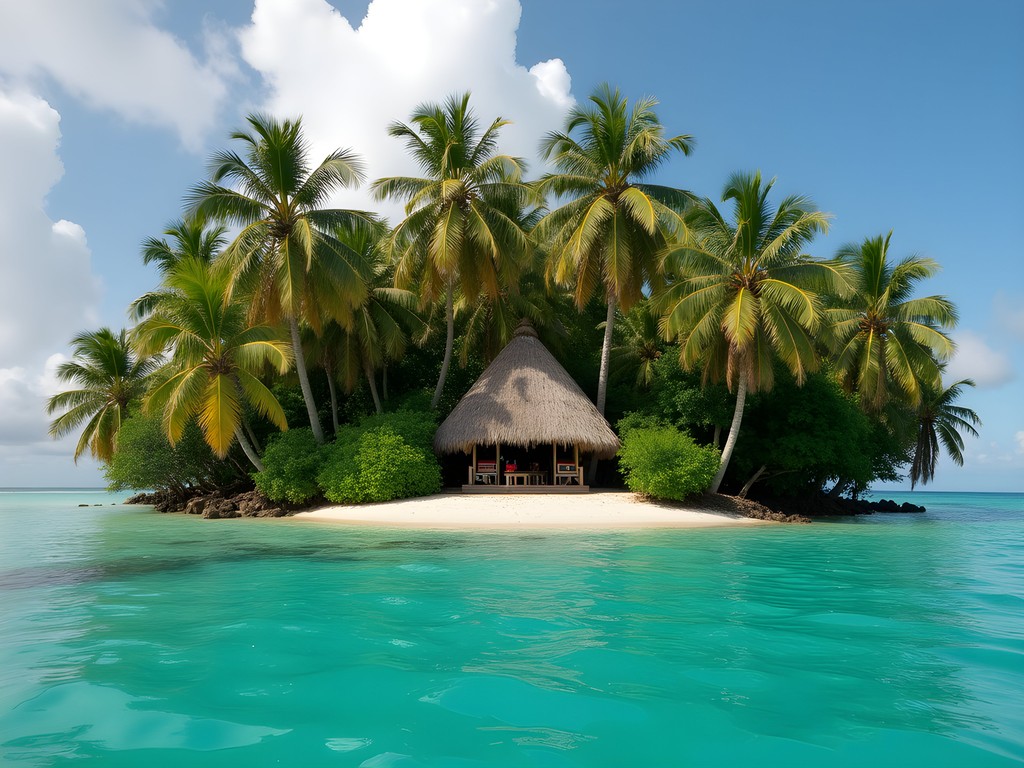
Perhaps the most remarkable archaeological experience came when visiting the Skull Islands in the Western Province's Roviana Lagoon. These small islets once served as ritual sites where the skulls of enemies and ancestors were preserved. Rather than joining an expensive tour, I connected with a local teacher who took me by canoe for a small donation to the school fund.
For these off-grid adventures, my solar power bank proved invaluable, keeping my phone and camera charged despite days away from electrical outlets. The built-in flashlight also came in handy when exploring dark ceremonial caves.
💡 Pro Tips
- Connect with local teachers or community leaders for authentic cultural experiences at fair prices
- Always ask permission before photographing sacred sites or artifacts
- Bring small gifts like school supplies or fishing hooks as a gesture of appreciation to remote communities
Eating Well on a Solomon Budget
Food costs can quickly derail a budget traveler's plans, especially in remote Pacific nations where many items are imported. However, eating like a local in the Solomon Islands is not only affordable but deliciously rewarding.
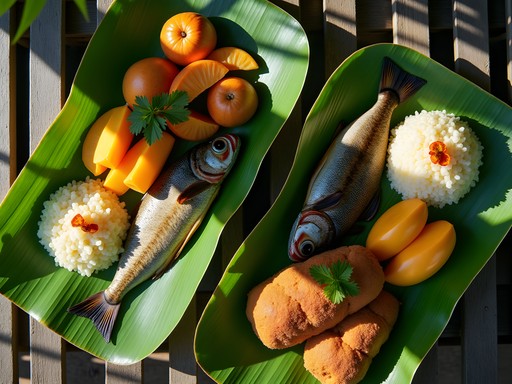
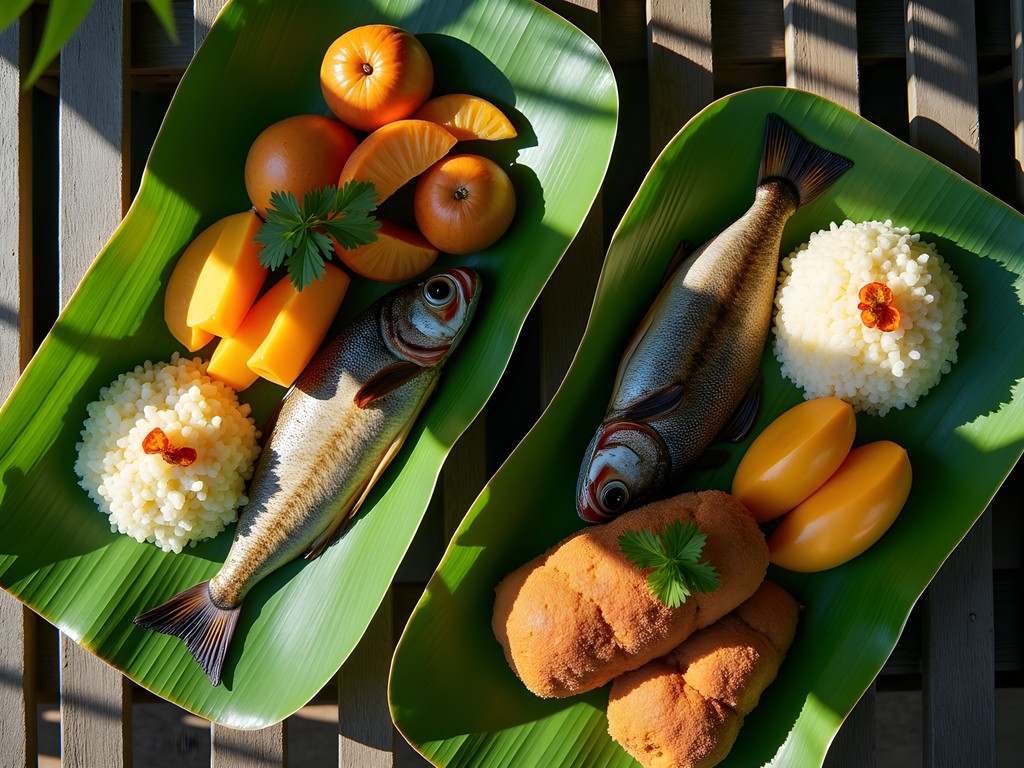
Honiara's Central Market became my daily stop for meals costing less than $3. Women vendors prepare traditional dishes like kokoda (raw fish marinated in lime and coconut milk) and cassava pudding. I always carried my collapsible food container to store market finds for impromptu beach picnics.
In coastal villages, I found that a small gift of tea, sugar, or rice often resulted in an invitation to join family meals centered around freshly caught fish, root vegetables, and tropical fruits. These genuine cultural exchanges provided more authentic experiences than any restaurant could offer.
When cooking for myself at guesthouses with shared kitchens, I focused on local ingredients like sweet potatoes, bananas, and coconuts that cost a fraction of imported foods. The Solomon Islands' fertile soil means something is always in season.
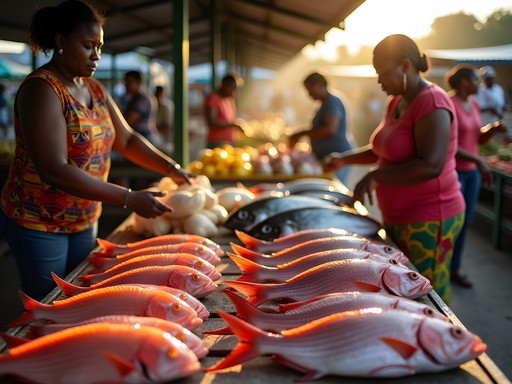
For protein, the affordable option is locally caught fish sold at markets or directly from fishermen returning to shore in the late afternoon. A whole fish large enough to feed two people typically costs around 30-50 SBD ($3.50-6 USD).
Drinking water requires consideration in a tropical climate. Rather than buying bottled water (which is both expensive and creates plastic waste), I purified tap and rainwater using my water purifier bottle. This single investment saved me hundreds of dollars over my two-week journey while preventing dozens of plastic bottles from potentially ending up in the ocean.
💡 Pro Tips
- Shop at markets in the late afternoon when vendors often discount remaining produce
- Learn to ask for 'kaikai' (food) in Pijin language to connect with local vendors
- Bring reusable containers to store leftovers or market purchases
Final Thoughts
As my small plane lifted off from Henderson Field, I watched the emerald islands of the Solomons fade into the vast blue Pacific, knowing I'd experienced a depth of cultural connection and adventure that travelers to more touristed destinations rarely find—all while spending less than I would have for a week in Fiji or Tahiti.
The Solomon Islands offer what budget travelers truly seek: authenticity, adventure, and meaningful human connection. By embracing local transportation, staying in community guesthouses, eating market food, and connecting respectfully with villagers, you'll not only save money but also support a tourism model that benefits local communities directly.
The archaeological wonders, living cultural traditions, and World War II heritage of these islands deserve far more attention than they receive. As a documentary filmmaker with indigenous heritage myself, I found the Solomon Islanders' commitment to preserving their cultural identity particularly moving in a rapidly changing world.
So pack light, bring an open mind, and prepare to experience Pacific island life as it's truly lived. The Solomon Islands may require more effort to navigate than resort destinations, but the rewards—both cultural and financial—make it the Pacific's ultimate budget adventure.
✨ Key Takeaways
- Local transportation (ferries, minibuses) saves 70-80% compared to tourist options
- Community-based accommodation provides authentic experiences at 1/3 the cost of hotels
- Eating local market food and seasonal produce keeps daily food costs under $10
- The best experiences (cultural exchanges, swimming at pristine beaches, visiting archaeological sites) are often free
📋 Practical Information
Best Time to Visit
May-November (dry season)
Budget Estimate
$40-60 USD per day
Recommended Duration
2 weeks minimum
Difficulty Level
Moderate

Comments
dreamlife
Adding this to my bucket list!
starmaster
Never heard of Solomon Islands before this post but wow, it looks amazing! I'm pretty new to international travel (only been to Mexico and Canada) - would this be too advanced for a beginner or is it manageable? The WWII history stuff sounds really interesting. Also how's the internet there if I need to stay connected for work?
Nicole Russell
Internet is pretty spotty outside Honiara FYI. Most guesthouses have wifi but it's slow. Maybe not ideal if you need reliable connection for work!
Nicole Russell
This is EXACTLY the kind of content I love seeing! The Solomon Islands are so underrated and your budget tips are gold. I solo traveled there last year and honestly felt safer than in many more touristy destinations. The locals were incredibly welcoming and I loved how few tourists there were. For anyone wondering about solo female travel there - I had zero issues. The guesthouses in Honiara are basic but clean, and the night market is amazing for cheap eats. Pro tip: bring cash because ATMs can be unreliable outside the capital!
dreamlife
Good to know about the cash situation!
hikinglegend
What's the island hopping situation like? Easy to book ferries or do you need to arrange everything in advance?
vacationninja
Love the photos! So vibrant
Casey Andersson
Ella, this brings back memories! I visited the Solomons three years ago and while I splurged on accommodation, I still remember the raw beauty you're describing. The WWII wrecks at Iron Bottom Sound were haunting - I hired a local guide who told stories his grandfather shared about the naval battles. That personal connection to history was worth every penny. The contrast between the peaceful reefs now and what happened there during the war really stays with you. Did you make it out to Munda at all?
Ella Foster
Didn't make it to Munda this time but it's on my list for next visit! The WWII history is incredible, you're right about that personal connection.
travelguy
How much did you spend per day roughly? Trying to figure out if I can afford this
sunsetmate
yeah curious about this too, heard it can be pricey
Ella Foster
Hey! I managed around $40-50 USD per day staying in guesthouses and eating local. It's definitely doable on a budget if you avoid the resort areas!
sunsetmate
Been wanting to go here forever! Thanks for this
moonway9197
Never even considered Solomon Islands but this looks awesome!
islandchamp220
Going there in March! Any tips on what to pack?
skypro
Reef shoes for sure, good sunscreen, and bug spray. It's HOT and humid
Venture X
Premium card with 2X miles, $300 travel credit, Priority Pass