
Disclosure: This article contains affiliate links. We may earn a commission from purchases at no extra cost to you, which helps our travel content.
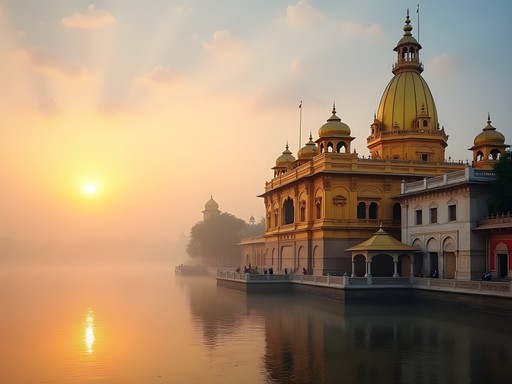
The morning mist swirls along the Ganges as I stand at Assi Ghat, watching the city of Varanasi slowly awaken. This isn't my first visit to India's spiritual capital, but each return feels like peeling back another layer of an infinite onion. After decades of traversing South Asia, I've found that Varanasi's ancient temples offer something beyond religious significance—they're living museums where innovation and tradition have danced together for millennia. Join me on a journey through seven remarkable temples that have survived invasions, natural disasters, and the relentless march of time.

1. Kashi Vishwanath Temple: The Golden Heart of Varanasi
No temple exploration in Varanasi begins anywhere but at Kashi Vishwanath, dedicated to Lord Shiva. The current structure dates only to the 18th century (rebuilt after numerous destructions), but the site's spiritual significance stretches back over 3,500 years.
My first visit here in 1997 was overwhelming—narrow lanes packed with pilgrims, vendors, and wandering cows. Today, the recently completed Kashi Vishwanath Corridor has transformed the approach, creating an 80-meter wide pathway that connects the temple directly to the Ganges. While I appreciate the improved accessibility, I admit feeling nostalgic for the labyrinthine journey that once required all visitors to slow down and mentally prepare.
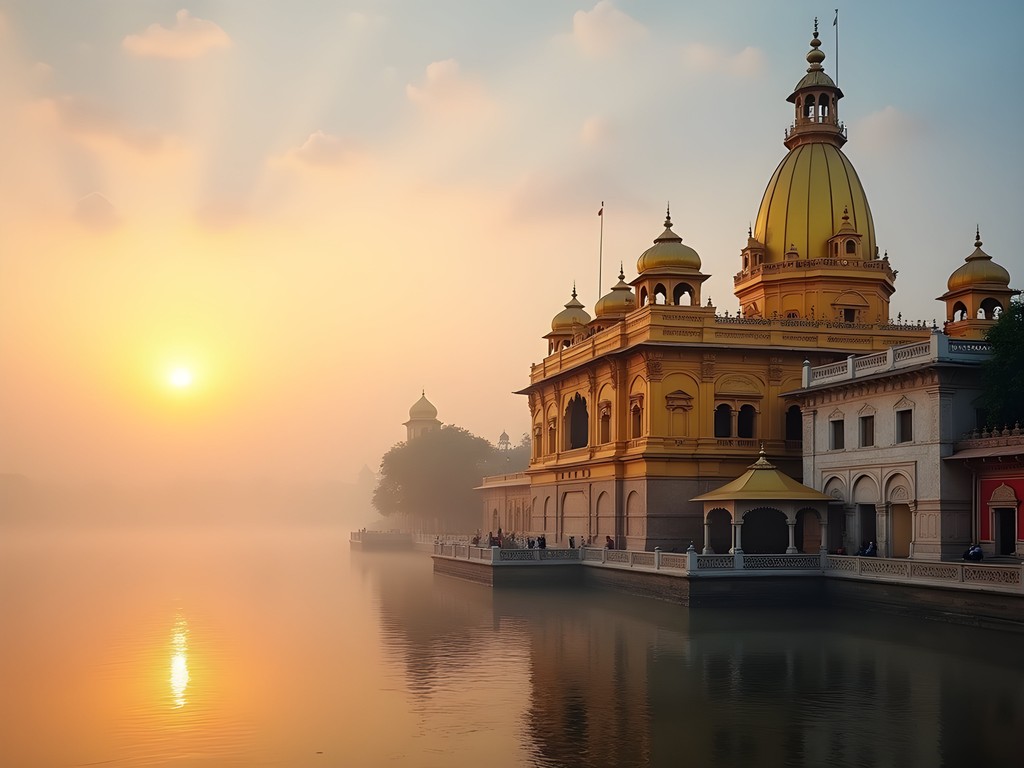
Inside, the gold-plated spires shimmer under the winter sun, and the jyotirlinga (a representation of Shiva) draws devotees who wait hours for a few seconds of darshan (viewing). I've found early mornings (around 5:30 AM) offer the most contemplative experience, when the temple's energy feels more meditative than frantic.
💡 Pro Tips
- Visit between 5:00-7:00 AM to avoid the largest crowds
- Dress modestly with shoulders and knees covered
- Leave cameras behind as photography is prohibited inside
2. Durga Temple: The Monkey Temple's Hidden Wisdom
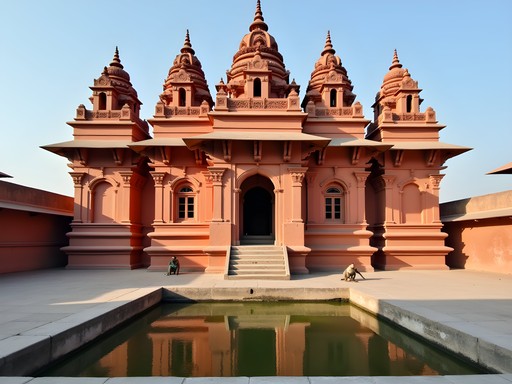
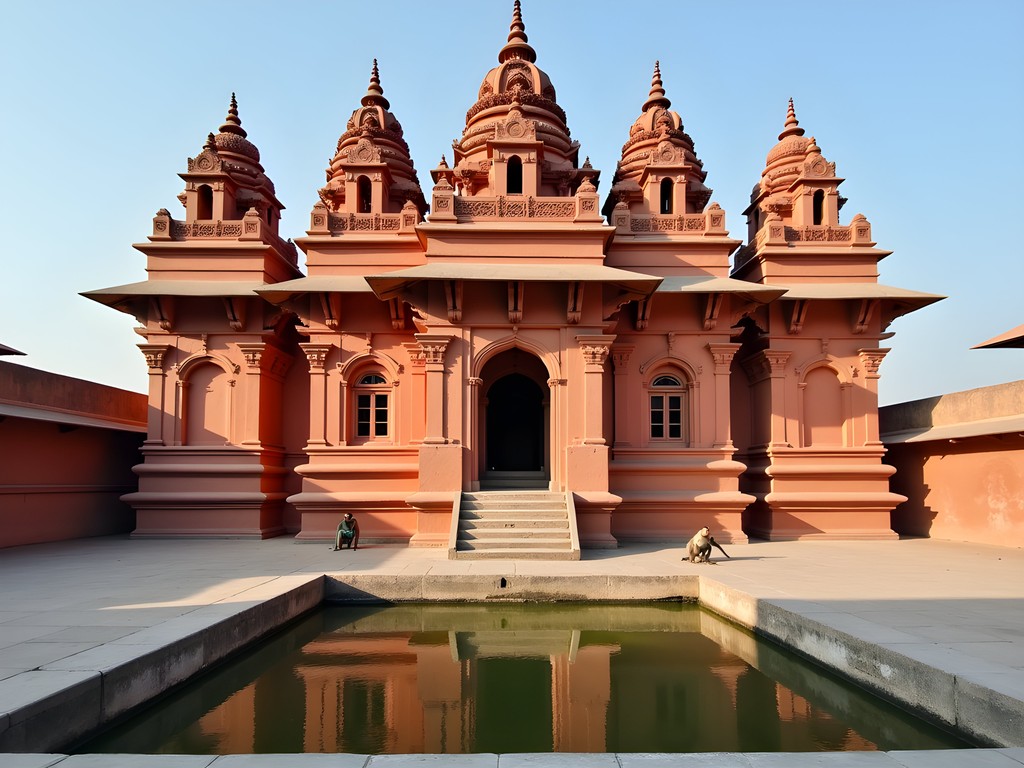
The vibrant red Durga Temple (also known as the Monkey Temple) stands as one of Varanasi's most visually distinctive structures. Built in the 18th century in the North Indian Nagara architectural style, its striking color comes from ochre that symbolizes Durga's power.
On my third visit to Varanasi, I met a local historian who shared that the temple was actually built by a Bengali queen to honor the goddess who appeared in her dream. What fascinates me most is how this temple represents an architectural innovation of its time—built on a rectangular tank with no foundations touching the ground, but rather floating on wooden beams placed in a specific geometric pattern.
The resident monkeys (hence the nickname) add both charm and challenge to your visit. I've found carrying a sturdy walking stick helps keep the more curious primates at a respectful distance. Not that you'll need to fend them off, but the subtle presence of a walking aid seems to communicate boundaries that the monkeys generally respect.
💡 Pro Tips
- Keep food items completely hidden from the monkeys
- Visit during the Navaratri festival (if timing allows) to see special ceremonies
- Hire a local guide who can explain the intricate carvings that tell stories from Hindu mythology
3. Sankat Mochan Hanuman Temple: Where Faith Transcends Tragedy
Few temples in Varanasi carry as poignant a modern history as Sankat Mochan. Dedicated to Lord Hanuman, this temple was the site of a devastating terrorist bombing in 2006 that claimed 28 lives. Yet what struck me during my visit last year was how completely the community has reclaimed this sacred space from that tragedy.
Founded by poet-saint Goswami Tulsidas in the 16th century, the temple hosts daily readings of the Hanuman Chalisa. I arrived just as one such reading began, and found myself swept into a communal experience that transcended my role as an observer. An elderly gentleman noticed my interest and handed me a prayer book with translations that helped me follow along.
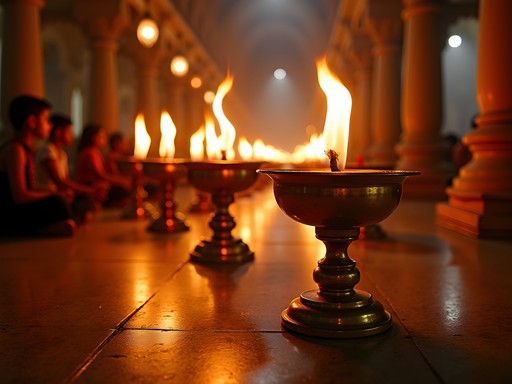
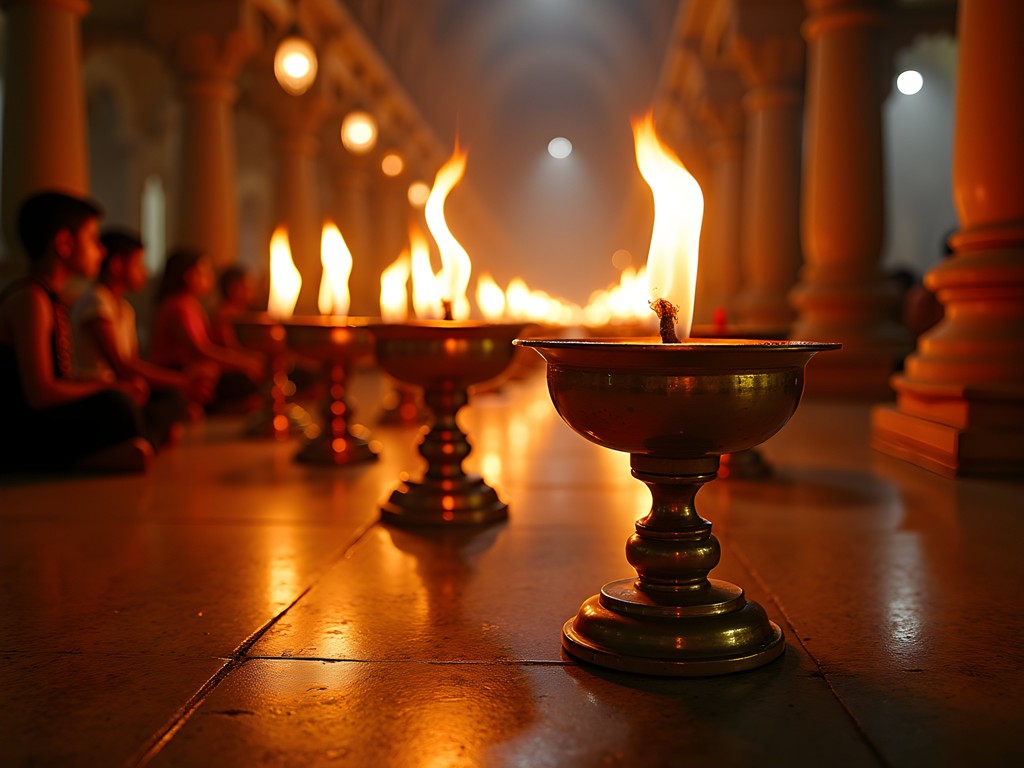
What makes this temple particularly special is its dual role as both religious site and cultural center. The famous Sankat Mochan Music Festival held here annually draws classical musicians from across India, creating a remarkable fusion of spiritual and artistic expression. During my winter visit, I was fortunate to witness an impromptu sitar performance that filled the courtyard with haunting melodies as the evening aarti (lamp ceremony) began.
💡 Pro Tips
- Visit on Tuesdays or Saturdays when special pujas are performed
- Stay for the evening aarti if possible—it's less crowded than those at the ghats but equally moving
- Respect the temple's vegetarian principles by not bringing any leather items inside

4. Tulsi Manas Temple: Where Scripture Meets Architecture
Built in 1964, the Tulsi Manas Temple might seem modern compared to Varanasi's ancient structures, but its cultural significance is immeasurable. This white marble temple commemorates the spot where Goswami Tulsidas composed the Ram Charit Manas, the Hindi retelling of the Ramayana that democratized these sacred stories for non-Sanskrit speakers—an innovation that revolutionized religious accessibility in the 16th century.
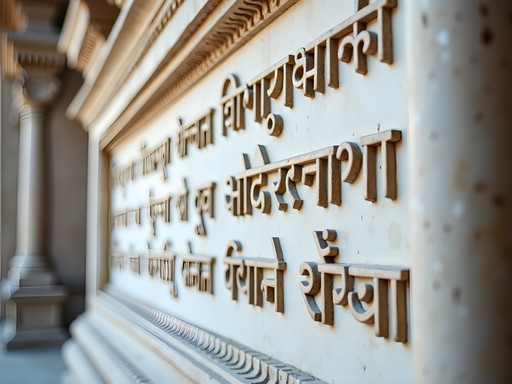
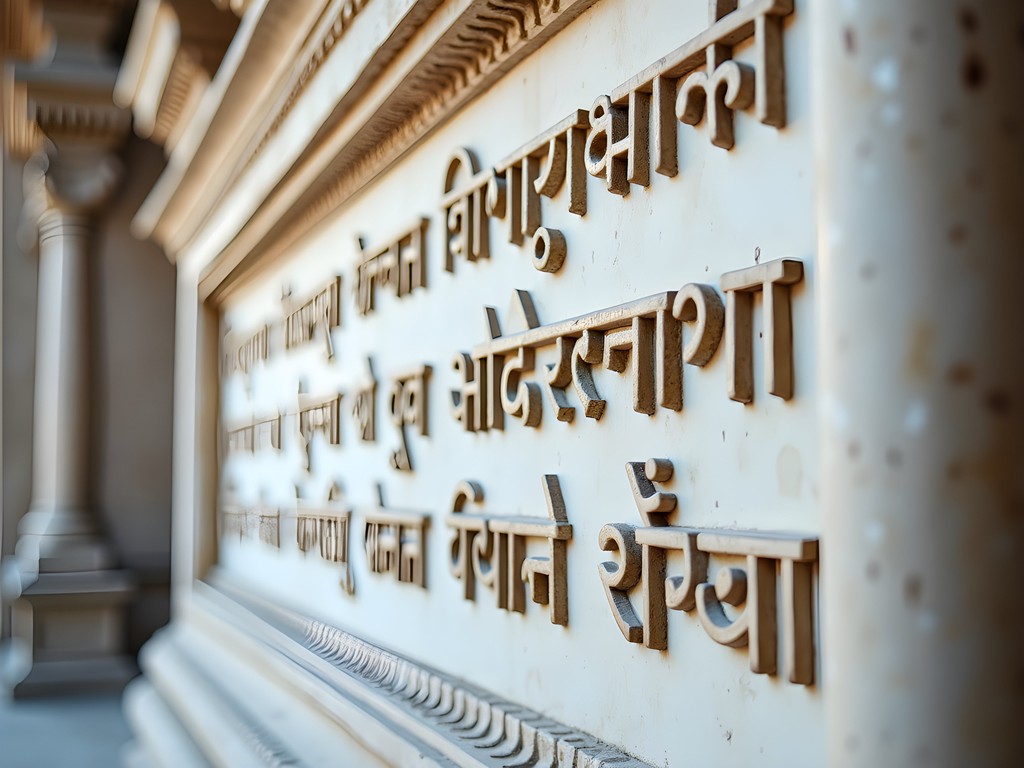
What makes this temple extraordinary is how the entire text of the Ram Charit Manas is inscribed on its walls. During my first visit in the late 1990s, I spent hours with a magnifying glass trying to decipher the intricate carvings. On my return last winter, I came prepared with a rechargeable book light that made exploring these literary treasures much easier, especially in the dimmer corners of the temple.
The temple complex offers a peaceful retreat from Varanasi's intensity. I've found the gardens particularly inviting for reflection—several times I've spotted elderly locals teaching grandchildren to read using the very walls of the temple as their primer, a beautiful continuation of Tulsidas's mission to make knowledge accessible.
💡 Pro Tips
- Bring a small flashlight to better see the inscriptions on the walls
- Time your visit for 5:00 PM when evening recitations often take place
- Look for the special panels depicting key scenes from the Ramayana
5. Nepali Temple: A Himalayan Gem on the Ganges
Tucked away near Lalita Ghat stands one of Varanasi's most architecturally distinct treasures—the Nepali Temple (Kathwala Temple). Built by the King of Nepal in the 19th century, it represents a fascinating cultural exchange between the Himalayan kingdom and the holy city.
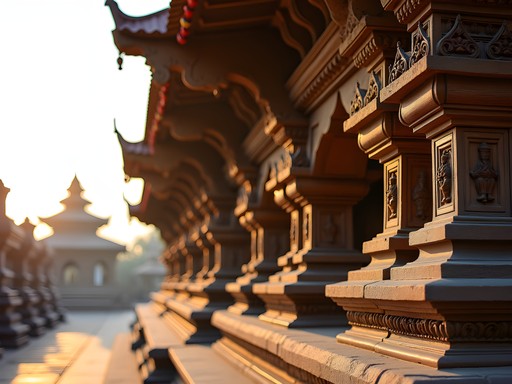
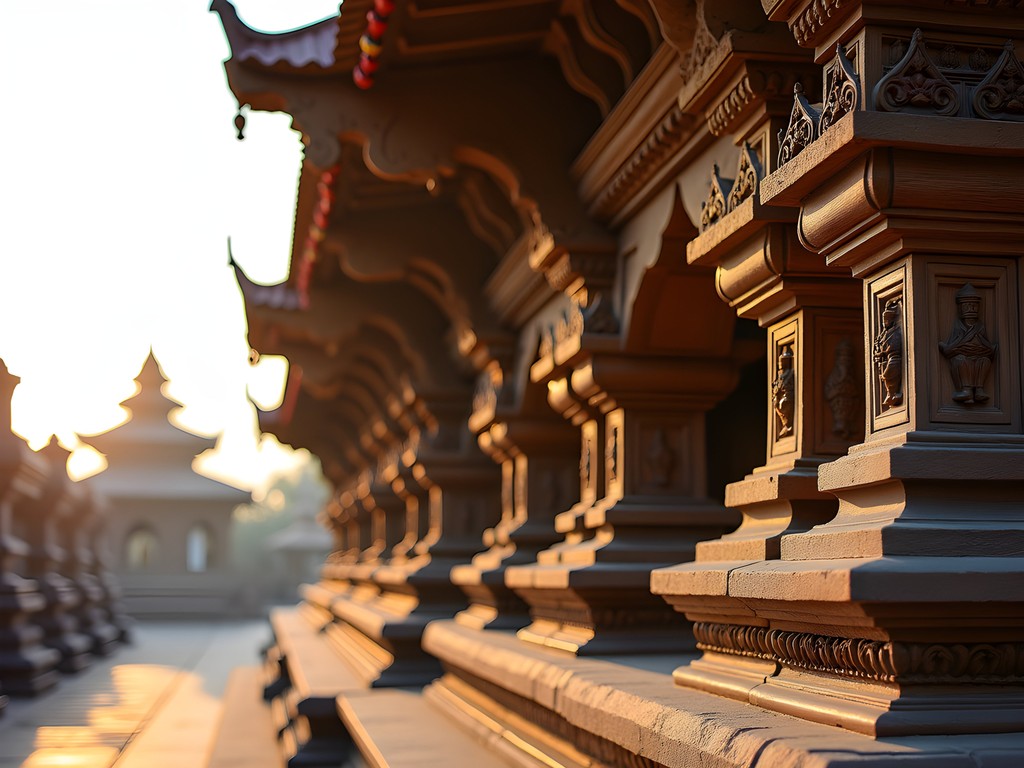
What immediately strikes visitors is the temple's distinctly Nepali pagoda-style architecture with its intricate woodcarvings depicting scenes from Hindu mythology. These carvings are so detailed that I've discovered new elements on each of my three visits. During my recent stay, I spent an entire morning sketching the erotic carvings (reminiscent of Khajuraho) that adorn the lower portions of the structure—a fascinating study in how different regions interpreted sacred sexuality.
The temple's relatively quiet location makes it perfect for those seeking respite from Varanasi's more hectic sites. I found the wooden benches along the perimeter ideal for journaling while observing the rhythms of daily worship. During winter months, the morning sun creates spectacular lighting conditions, and I was glad I'd packed my travel watercolor set to capture the play of light on the ancient wood.
💡 Pro Tips
- Visit in the morning when sunlight best illuminates the woodcarvings
- Look for the guardian lions at the entrance—they're different from typical Indian temple motifs
- Respect photography restrictions inside the main shrine area
6. Bharat Mata Temple: A Different Kind of Devotion
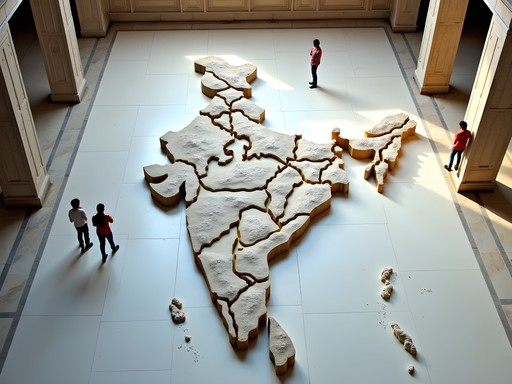
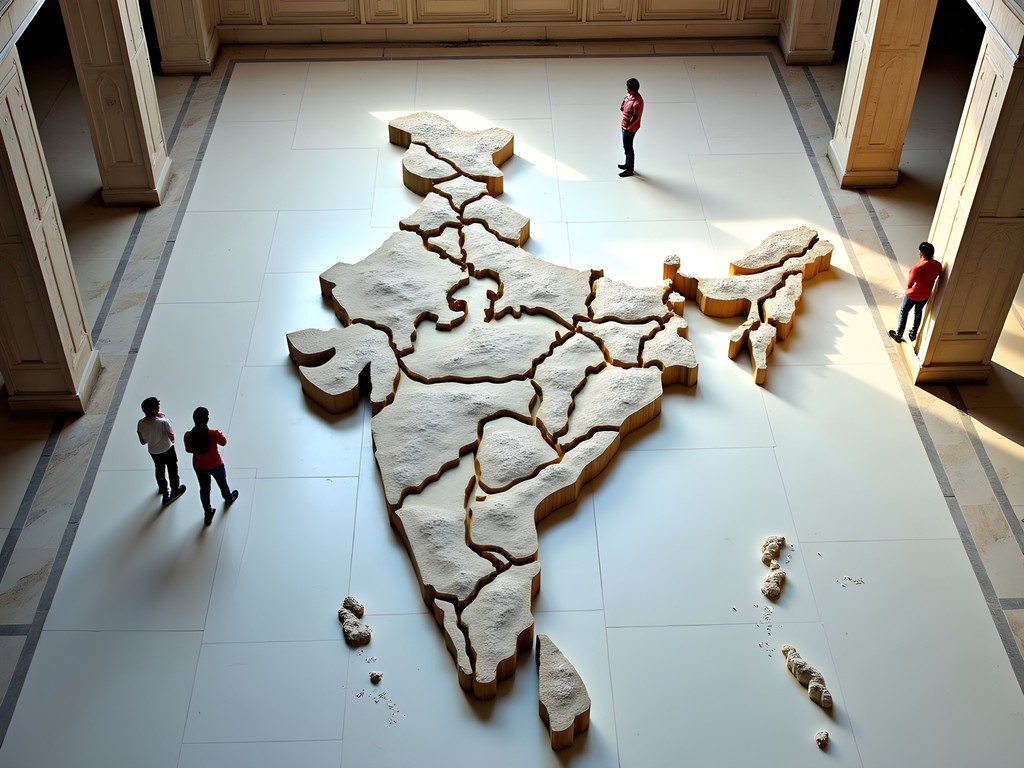
Perhaps Varanasi's most unconventional temple is Bharat Mata (Mother India), dedicated not to a deity but to India itself. Inaugurated by Mahatma Gandhi in 1936, this temple houses no idols or priests—only an extraordinary 3D relief map of undivided India carved from marble.
The temple emerged during India's independence movement, representing an innovative fusion of nationalist sentiment and spiritual tradition. Standing before the massive topographical map, with its precisely carved mountains, rivers, and plains, I was struck by how this temple reimagines devotion through a geographical rather than theological lens.
During my recent visit, I met a geography professor conducting an impromptu lesson for local schoolchildren. He explained how the temple's founder, Babu Shiv Prasad Gupt, collaborated with scholars to ensure geographical accuracy while creating a space that would foster national unity. I joined their group, finding myself equally fascinated by both the technical achievement and the philosophical statement embedded in this unusual sacred space.
For comfortable viewing of the map's details, I was grateful for my foldable reading glasses which slip easily into my wallet yet provide perfect clarity for examining the intricate topographical features.
💡 Pro Tips
- Visit between 3:00-5:00 PM when lighting is best for viewing the map details
- Look for the small markers indicating major pilgrimage sites across the subcontinent
- Take time to circumambulate the map completely—different vantage points reveal different geographical features
7. Annapurna Temple: Where Food Becomes Sacred
My exploration of Varanasi's temples wouldn't be complete without mentioning Annapurna Temple, dedicated to the goddess of food and nourishment. Located near the Kashi Vishwanath complex, this temple holds special significance for someone like me who believes deeply in the cultural importance of culinary traditions.
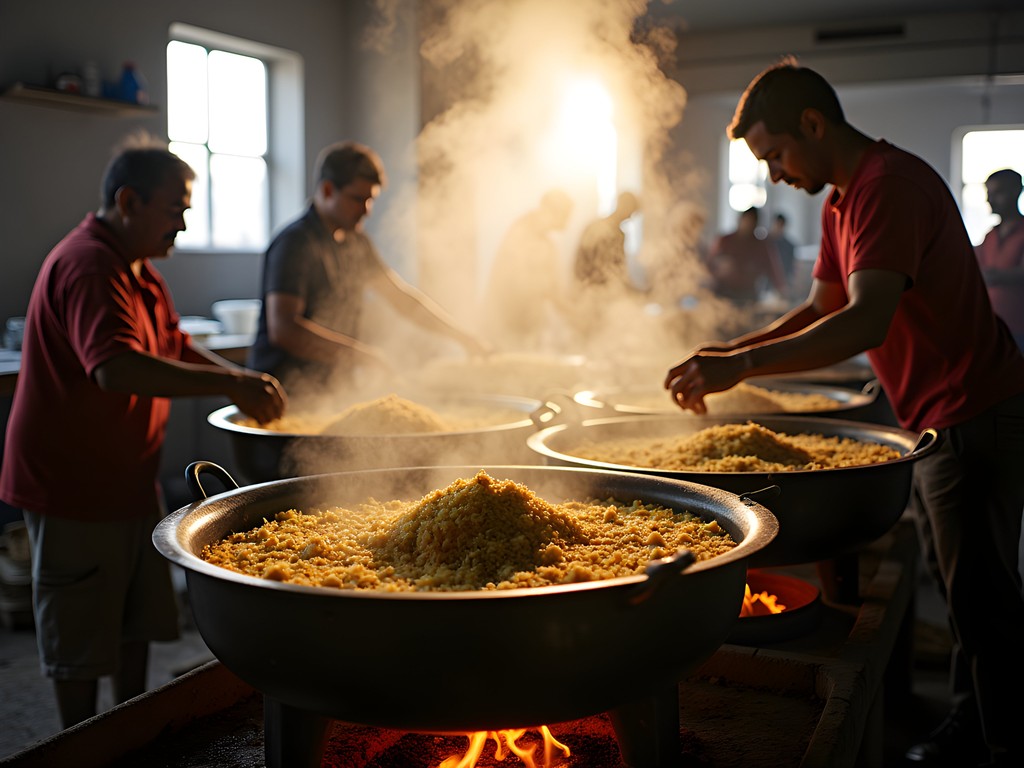
The temple honors Annapurna, who is depicted holding a jeweled vessel and a spoon, symbolizing her promise that no one in Varanasi will go hungry. What particularly moved me was learning about the temple's long-standing tradition of anna-kshetra—the distribution of free meals to those in need. During my winter visit, I arrived early one morning to witness volunteers preparing massive quantities of simple but nutritious khichdi (a rice and lentil dish) for distribution.
After speaking with the head priest about this tradition, I was invited to participate in the preparation process. Armed with my trusty pocket knife (which includes a small but effective paring blade), I joined a group of local women chopping vegetables for the day's offering. The conversation that flowed during this shared task provided insights into Varanasi's food traditions that no guidebook could offer.
The experience at Annapurna Temple reminded me why I started combining cooking workshops with my travels—food preparation creates an immediate connection across cultural boundaries, revealing values and histories in ways that formal tours never can.
💡 Pro Tips
- Visit around 11:30 AM to observe (or even participate in) the food distribution
- Look for the silver doorway at the entrance, which represents the gateway to nourishment
- Bring a small food offering (fruits are appropriate) if you wish to participate in the puja
Final Thoughts
As I sit at a small rooftop café overlooking the Ganges on my final evening in Varanasi, I reflect on how these seven temples offer far more than religious experiences. They are living repositories of innovation, adaptation, and resilience—qualities that have allowed them to survive through centuries of change.
What strikes me most is how each temple serves its community beyond spiritual functions. From Annapurna's feeding programs to Sankat Mochan's music festivals, these spaces weave together worship, art, education, and social welfare in ways that modern institutions might envy.
If you're planning your own temple journey through Varanasi, I encourage you to look beyond the architectural splendor and religious rituals. Engage with the people who maintain these spaces, listen to their stories, and observe how ancient traditions continue to evolve while maintaining their essential character.
Have you visited any of Varanasi's temples? I'd love to hear which ones moved you most and why. Or if you're planning a trip, which of these seven most intrigues you? Leave a comment below—I respond to every one.
✨ Key Takeaways
- Winter offers the most comfortable temperatures for temple exploration in Varanasi
- Early morning visits (5:00-7:00 AM) generally provide the most peaceful temple experiences
- Each temple represents not just religious history but cultural innovation in its era
📋 Practical Information
Best Time to Visit
November through February (winter)
Budget Estimate
$30-50 USD per day including modest accommodation, local food, and temple donations
Recommended Duration
5-7 days
Difficulty Level
Beginner



Comments
Kimberly Murphy
Hayden, this brought tears to my eyes! I visited these temples last year during a particularly difficult time in my life, and the experience at Sankat Mochan was transformative. There's something about sitting quietly in that space that just... recalibrates your soul. For anyone planning a visit, I'd add that bringing a small journal to write reflections after each temple visit became my ritual. The contrasts between them - from the grandeur of Kashi Vishwanath to the humble power of Sankat Mochan - tell such a complete story about spirituality in India. Also, the early morning boat ride along the ghats before visiting the temples gives you this perfect context for understanding why these sacred sites emerged here. Varanasi isn't just about seeing temples - it's about experiencing them in the rhythm of daily life along the Ganges.
Hayden Kumar
Kimberly, your comment about the journal is spot on - I wish I'd mentioned that! Those quiet moments of reflection are so precious amid Varanasi's intensity. And yes, that sunrise boat ride is absolutely essential context. So glad this post resonated with your experience.
bluestar
Are these temples accessible for someone with mobility issues? My mom really wants to visit but she uses a cane.
Hayden Kumar
Great question, bluestar. The newer temples like Tulsi Manas and New Vishwanath are more accessible with fewer steps and wider pathways. The older ones can be challenging - Kashi Vishwanath has improved accessibility but still has some tight spaces. I'd recommend hiring a local guide who can help navigate the best routes and potentially arrange for assistance where needed.
photoseeker
Just to add to Hayden's point - I saw visitors using portable folding canes which seemed to work well on the temple grounds. The compact design was perfect for the narrow passages.
smartlegend
Been to all 7! Tulsi Manas was my favorite - so underrated!
sunnyvibes
Planning my first trip to Varanasi for February! Are there any dress code requirements for these temples I should know about? And which one would you recommend if I only have time to visit two?
Hayden Kumar
Hi sunnyvibes! For dress code: modest clothing that covers shoulders and knees is essential. For women, I'd recommend carrying a scarf. If you only have time for two, definitely Kashi Vishwanath for its significance and either Sankat Mochan or Durga Temple for a more local experience!
sunnyvibes
Thanks so much! Will definitely pack accordingly and prioritize those temples.
photoseeker
Wow Hayden, your photos of the Kashi Vishwanath Temple took me right back to my visit last year! The golden spires catching the morning light are absolutely magical. I'd recommend everyone visit during the Ganga Aarti ceremony at Dashashwamedh Ghat afterward - the transition from temple serenity to the sensory explosion of the ceremony is something I'll never forget. Did you struggle with the crowds at Vishwanath? I found going super early (like 5:30am) made a huge difference in the experience.
Hayden Kumar
Thanks photoseeker! You're absolutely right about the early morning visits - I was there by 6am and it was still relatively peaceful. The corridor leading to the main sanctum gets incredibly packed by 8-9am. And yes, pairing it with the evening aarti creates this perfect spiritual bookend to the day!
wanderlustmaster
Really helpful post! How many days would you recommend to see all seven temples without feeling rushed?
Hayden Kumar
I'd say 3-4 days minimum. You could technically do them all in 2 days, but you'd miss the atmosphere. Varanasi is best experienced slowly - early mornings at the ghats, temples mid-morning, rest during afternoon heat, then evening aarti ceremonies.
hikingclimber
Are cameras allowed in all of these? I know some temples in India have strict photography rules
Frank Garcia
Kashi Vishwanath doesn't allow any electronics inside, but you can photograph the exterior. Most others allow photos but not inside the main sanctum. Always ask first!
Sage Dixon
This brings back memories! I spent two weeks in Varanasi back in 2019 and the Sankat Mochan temple became my daily ritual. There's something about the early morning aarti there that just hits different - fewer tourists, more locals, and the energy is incredible. One tip I'd add: hire a local guide for at least your first temple visit. I met this amazing guide named Rajesh near Assi Ghat who explained the symbolism and stories behind everything. Totally transformed my understanding. Also, the rooftop cafés you mentioned? Pure magic at sunset.
wanderlustmaster
how did you find your guide? through a tour company or just at the ghat?
Sage Dixon
Just approached him at the ghat! He had good reviews on Google. Cost about 1500 rupees for half day which was totally worth it.
triphero
Going there next month! Can't wait
Frank Garcia
Excellent breakdown, Hayden. I visited three of these last year and your point about the Durga Temple monkeys is spot on - they're persistent! What struck me most was the architectural evolution you can trace across these sites. The Tulsi Manas Temple's relatively modern construction (1964) versus the ancient Kashi Vishwanath creates this fascinating timeline. Did you notice the security protocols have intensified since 2023? The queue management at Kashi Vishwanath was quite different from what I'd read in older guides.
Hayden Kumar
Absolutely! The security is much tighter now. I actually appreciated it - made the experience feel safer and more organized, though it does add 30-45 minutes to your visit time.
Venture X
Premium card with 2X miles, $300 travel credit, Priority Pass