
Disclosure: This article contains affiliate links. We may earn a commission from purchases at no extra cost to you, which helps our travel content.
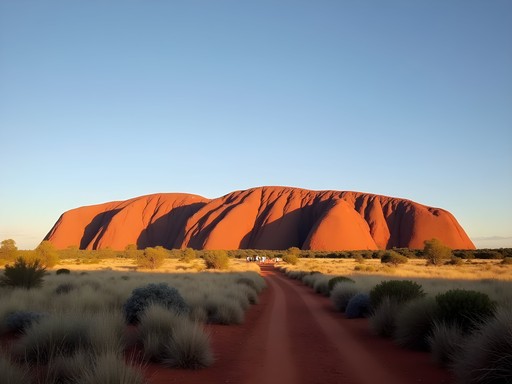
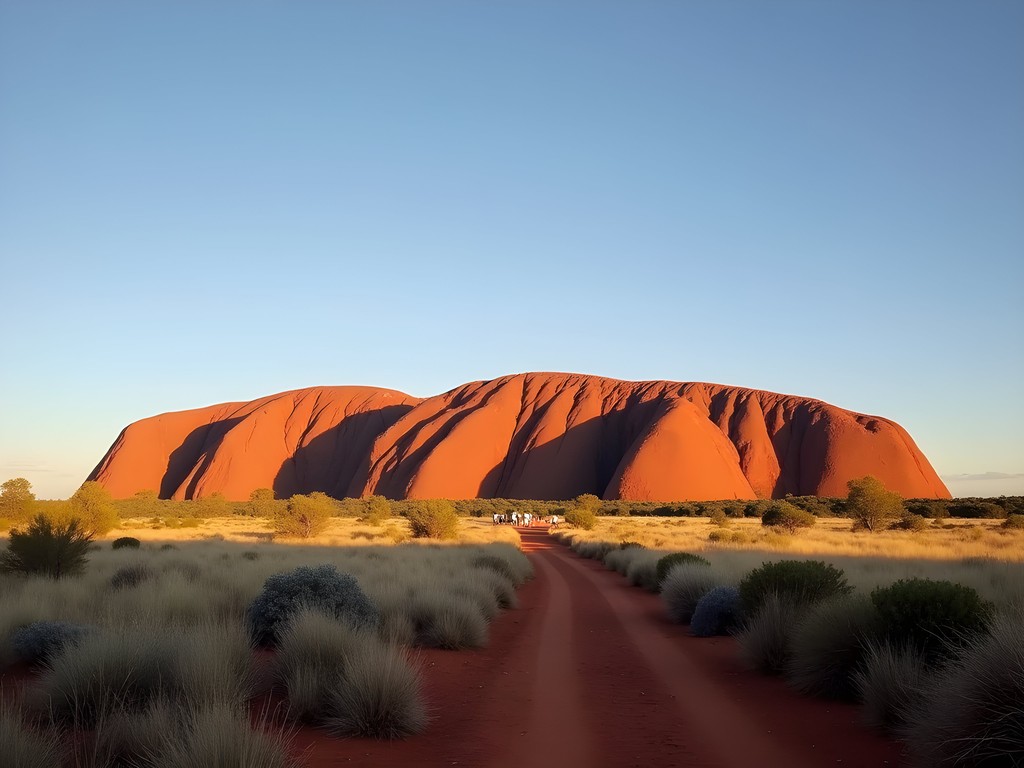
There's something about vast, open landscapes that speaks to the soul of a long-haul driver like me. Maybe that's why standing before Uluru for the first time felt strangely familiar, despite being half a world away from my usual routes between Portland and the Southwest. This massive sandstone monolith rising from the red earth isn't just Australia's most recognizable landmark—it's a living cultural archive, holding 60,000 years of Aboriginal history within its weathered face. Qué maravilla, what a wonder to witness something that makes even my oldest childhood memories in Guadalajara seem like yesterday in comparison.

Beyond the Postcard: Uluru's True Significance
Most visitors come for the Instagram moment—that iconic red silhouette against the outback sky. I came for that too, I won't lie. But after seven days exploring this sacred place, I realized Uluru isn't just a rock; it's more like a library, church, and family photo album combined for the Anangu people who've been its traditional custodians for countless generations.
Every crack, cave, and contour tells a story—creation tales called Tjukurpa that explain not just how the world came to be, but how people should live within it. These aren't myths in the way we often dismiss ancient stories; they're law, science, and moral compass wrapped into one complex knowledge system.
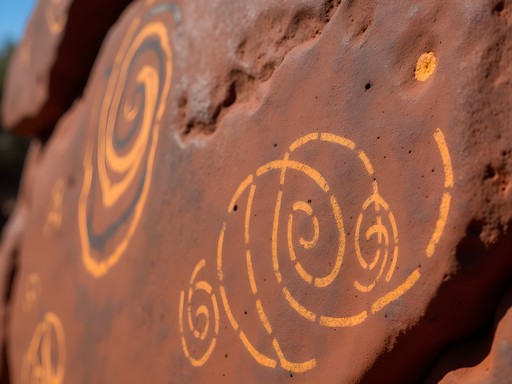
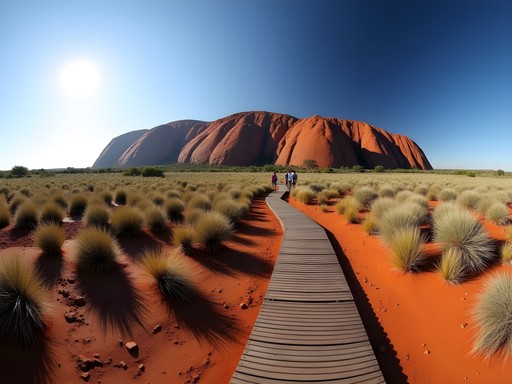
I joined a Ranger-guided Mala Walk rather than climbing (which is now prohibited anyway, thankfully). My guide, an Anangu elder named Robert, pointed out rock art that's survived centuries of harsh desert conditions. Some paintings were refreshed periodically; others left to fade naturally—each choice deliberate and meaningful. Through Robert's stories, I began to see beyond the monolith to the living cultural landscape.

💡 Pro Tips
- Book cultural tours led by Aboriginal guides for authentic insights
- The free ranger-guided walks offer tremendous value and cultural context
- Visit the Cultural Centre before exploring Uluru itself to better understand what you're seeing
Respecting Sacred Ground: The Visitor's Responsibility
During my years crisscrossing the American Southwest, I've developed a deep appreciation for Native American sacred sites. Yet nothing prepared me for the spiritual gravity of Uluru. Here, the connection between land and culture remains vibrantly alive, not relegated to history books.
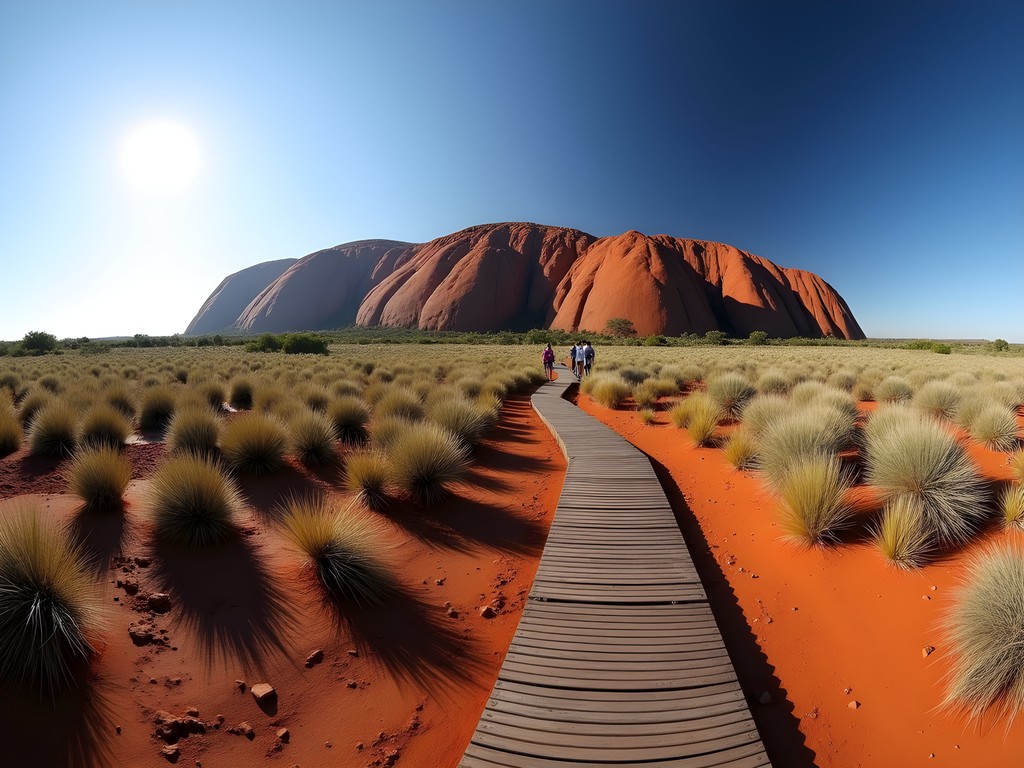
The Anangu people have opened their sacred site to visitors with clear expectations: respect the land, follow designated paths, and understand that certain areas are restricted for cultural reasons. These aren't arbitrary rules but essential protections for living traditions.
Photography is another consideration. Specific sections of Uluru are considered so sacred that photos aren't permitted. I kept my cultural site map handy at all times, which clearly marks these areas. When in doubt, I asked before shooting.
Before my visit, I invested in a quality wide-brimmed hat that proved invaluable against the intense sun. The desert's UV radiation is merciless, even in winter. This breathable hat with its wide brim protected not just my face but my neck too—essential when you're spending hours outdoors in the red center.
💡 Pro Tips
- Always check signage regarding photography restrictions
- Walk only on marked trails to minimize environmental impact
- Listen more than you speak during cultural presentations
Dawn Patrol: The Changing Faces of Uluru
As someone who's watched countless sunrises from my truck cab, I thought I knew what to expect at Uluru. I was wrong. The pre-dawn darkness at the designated viewing area had me fumbling with my headlamp, joining other visitors huddled against the winter morning chill. I'd wrapped myself in my thermal blanket, which packs down small but provides serious warmth—perfect for those 5 AM wake-up calls when temperatures hover near freezing.
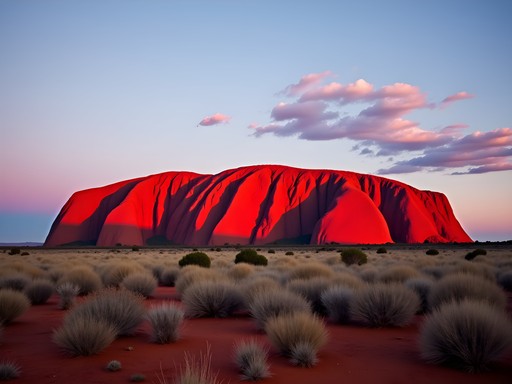
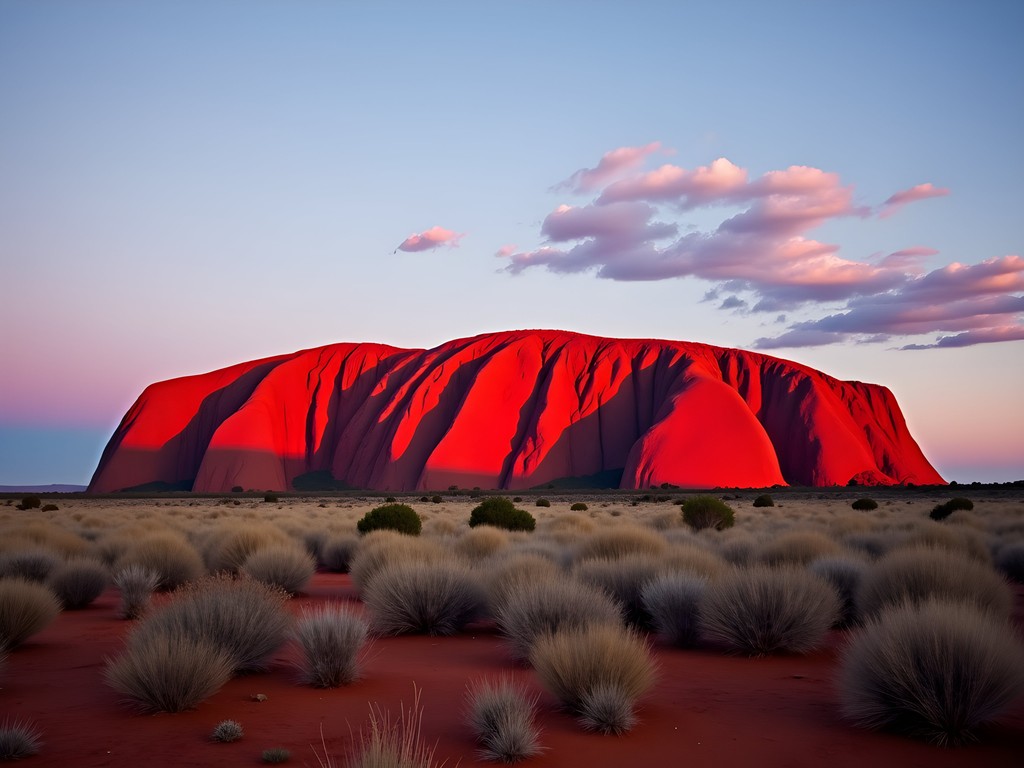
Then it happened. The first light touched the monolith, and Uluru began its daily transformation. The rock doesn't just change color; it seems to pulse with life as the sun climbs. Deep purples shift to burnt orange, then blazing red, and finally settling into the ochre tone most associated with daytime photos. No two mornings are identical—clouds, dust, and atmospheric conditions ensure each sunrise is unique.
I found myself returning to the sunrise viewing area three times during my week's stay. The middle day brought an unexpected treat: a light desert rain had fallen overnight, creating rare waterfalls down Uluru's sides that vanished within hours. My insulated travel mug kept my coffee hot through these extended viewing sessions, letting me sip slowly while watching nature's light show unfold.
"El tiempo se detiene," my grandmother would say—time stands still. In those quiet moments before the day tourists arrived, I understood what she meant.
💡 Pro Tips
- Arrive at viewing areas at least 45 minutes before official sunrise time
- Bring layers as desert mornings are surprisingly cold, even in summer
- Position yourself away from the main crowd for a more contemplative experience

Stars and Stories: Uluru After Dark
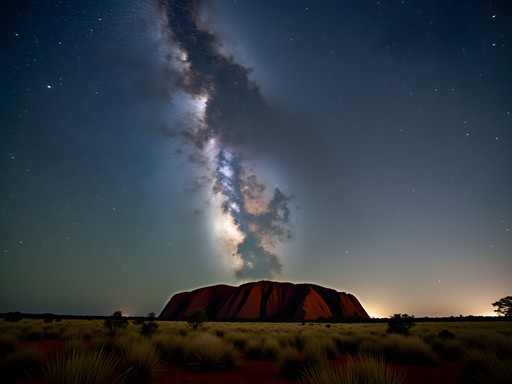
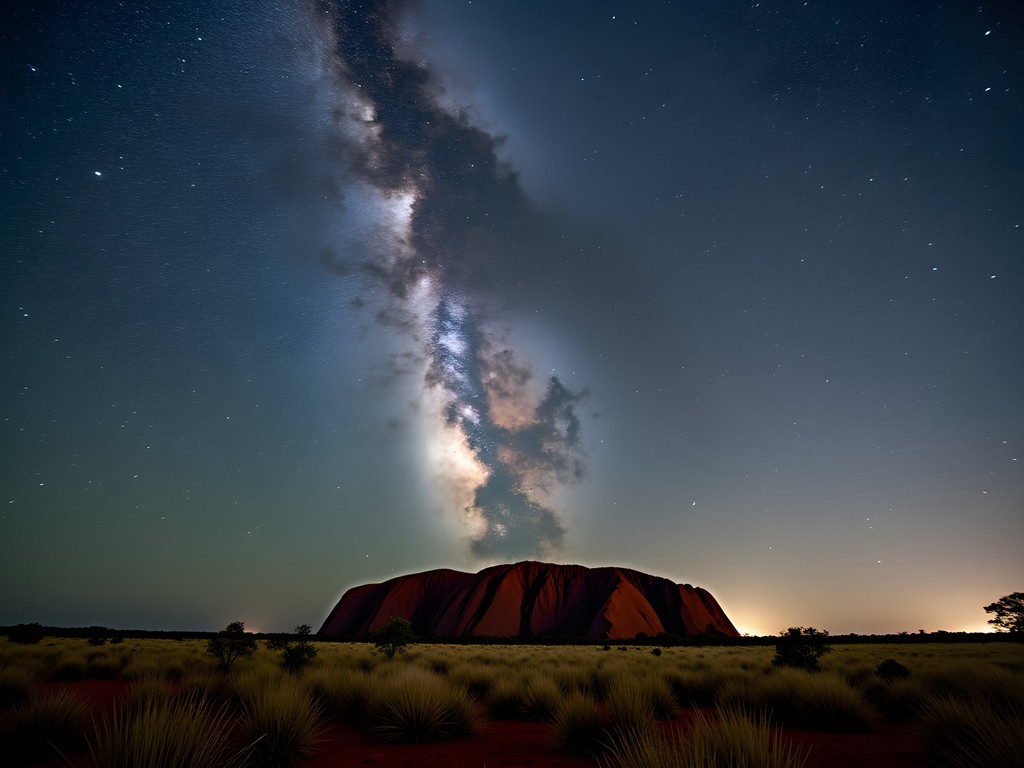
After years of stargazing from remote highway pullouts across the American Southwest, I thought I knew dark skies. Then came my first night at Uluru. Without light pollution for hundreds of miles, the Milky Way doesn't just appear—it dominates, stretching horizon to horizon in a river of stars so bright it casts faint shadows.
For the Anangu people, these stars aren't just distant suns but characters in stories as rich and complex as those told about Uluru itself. I joined a night sky tour led by an astronomer who seamlessly wove together Western constellations with Aboriginal star knowledge. The Southern Cross, invisible from my usual Oregon and Mexico routes, now hung prominently overhead while our guide explained its significance in navigation for both European explorers and indigenous peoples.
My red light headlamp proved essential during these nighttime explorations. The red-light setting preserved my night vision while allowing me to navigate safely between viewing points. Unlike standard white-light flashlights that blind everyone around you, this headlamp kept me from disrupting others' star experiences.
On my third night, I ventured away from the lodge (with proper permissions) to try some night photography. My compact tripod secured to a fence post gave me the stability needed for long exposures without carrying heavy gear. The resulting image of Uluru silhouetted against star trails became my most treasured souvenir—a moment of connection between my love of astronomy and this ancient place.
💡 Pro Tips
- Book a specialized astronomy tour rather than trying to self-guide at night
- Allow 30 minutes for your eyes to fully adjust to darkness
- Learn a few Aboriginal star stories before your trip to appreciate the cultural dimension
Beyond Uluru: The Wider Cultural Landscape
While Uluru commands attention, the surrounding landscape holds equal cultural significance. Kata Tjuta (the Olgas)—a collection of 36 weathered domes rising from the plains about 30km from Uluru—features prominently in men's ceremonial stories. During my visit, I dedicated a full day to exploring the Valley of the Winds walk there, which winds between these massive formations.
The contrast between these sites reveals the complexity of Aboriginal connection to country. Where Uluru stands singular and commanding, Kata Tjuta feels intimate and secretive, with narrow passages between towering walls that create natural amphitheaters where voices carry in unusual ways.
For these longer hikes, my electrolyte tablets became essential companions. The dry desert air combined with exertion can quickly lead to dehydration, even in winter. Dropping these tablets into my water bottle not only replaced lost minerals but made it easier to maintain proper hydration throughout the day.
During my explorations, I kept thinking about the highways I drive back home—how they connect places physically but often miss the deeper stories of the land they cross. Here at Uluru-Kata Tjuta National Park, the ancient pathways connecting these sacred sites aren't just physical routes but storylines, each feature along the way holding meaning and memory. Como las venas de la tierra—like the veins of the earth—carrying the lifeblood of culture across generations.
💡 Pro Tips
- Allocate at least one full day to explore Kata Tjuta separately from Uluru
- Carry more water than you think necessary—the dry air increases dehydration risk
- Visit the Cultural Centre to understand the relationship between different sacred sites
Final Thoughts
As I pulled away from Uluru for the final time, watching that massive form shrink in my rearview mirror, I couldn't help but draw parallels to my life on the road. We truckers develop intimate relationships with landscapes most people merely pass through. We notice subtle changes in familiar routes—a new crack in an old bridge, shifting colors as seasons turn, the way certain stretches feel different at dawn than dusk.
The Anangu people have cultivated this same deep attentiveness to their homeland over thousands of years, but with infinitely more depth and spiritual significance. Their willingness to share even a fraction of this knowledge is a profound gift.
When you visit Uluru, go beyond the sunset photos and quick tours. Listen to the stories, walk slowly, notice details. Let the place speak to you as it has spoken to countless generations before. This isn't just another destination to check off your list—it's an opportunity to recalibrate your understanding of time, history, and human connection to place.
Hasta la próxima, amigos del camino. Until next time, friends of the road.
✨ Key Takeaways
- Cultural understanding enhances your experience far beyond scenic views
- Respecting Aboriginal protocols shows appreciation for being welcomed onto sacred land
- The relationship between Uluru and surrounding features tells a complete cultural story
📋 Practical Information
Best Time to Visit
May through September (Australian winter/spring)
Budget Estimate
$1,500-2,500 per person for a week including flights from major Australian cities
Recommended Duration
Minimum 3 days, ideally 5-7 days
Difficulty Level
Easy To Moderate




Comments
SoloFemTraveler
Is it worth visiting in the summer (January)? Or too hot?
AussiePark
Honestly, it's brutal. 40°C+ (104°F+) regularly. If you can visit any other time of year, do that instead. May-September is much more pleasant.
RespectfulTraveler
Appreciate the emphasis on not climbing Uluru. It's closed now but amazing how many tourists still complain about it.
Mason Sullivan
Jack, your 'Dawn Patrol' section really resonated with me. I did something similar last year at Monument Valley, and there's something magical about watching these ancient formations change colors as the sun rises. I appreciate how you emphasized the importance of respecting the Aboriginal connection to Uluru. Too many travelers still climb it despite the signs asking not to. When I visit next year, I'm planning to join one of the Aboriginal-led tours to learn more about the Dreamtime stories. Did you find the stargazing experience worth staying an extra night for? I'm trying to plan my itinerary and wondering if I should book the night astronomy tour or just do the sunrise viewing.
OutbackExplorer
Not Jack, but YES to the stargazing! Absolutely worth staying the extra night. The stars there are unbelievable, and the stories add so much meaning. Bring a good camera if you can!
Mason Sullivan
Thanks for the tip! Any recommendations on camera settings for night photography there? My night shots always turn out blurry.
OutbackExplorer
Definitely bring a tripod and use long exposure. I used my travel tripod which was perfect since it's lightweight for hiking during the day too. Settings-wise, start with ISO 1600-3200, f/2.8 (or as wide as your lens goes), and a 15-20 second exposure. The stars are incredible!
freerider
Great post! I had no idea about the cultural significance. Makes me want to visit even more now.
Mason Sullivan
Same here! Jack really captured the spiritual essence of the place. I'm planning my visit for next year.
freerider
Cool! Let me know how it goes. I'm thinking about a trip there too.
Marco Flores
For anyone planning a visit - don't miss the Field of Light installation if it's still running when you go. It's a bit commercial compared to the natural and cultural experiences, but seeing those 50,000+ gentle lights with Uluru as the backdrop at dusk is genuinely moving. Book well in advance though! And if you're into photography, invest in a good quality red headlamp for night shooting - preserves your night vision while letting you adjust your gear in the dark. The stars at Uluru are unlike anything I've seen in the Northern Hemisphere.
PhotoNewbie
Any specific camera settings you'd recommend for night photography there?
Marco Flores
Start with ISO 3200, f/2.8 (or widest available), 20-25 sec exposure. The sky is so dark there that you can push your settings further than usual. Wide angle lens is a must to capture Uluru with the Milky Way!
wanderlustninja
THIS IS EXACTLY WHAT I NEEDED!! Going in September and honestly was just thinking of it as checking off a bucket list item but your post made me realize I need to approach it totally differently. The section about respecting sacred ground really hit home. Definitely going to spend more time learning about the cultural significance before I go. Thank you for this perspective!!
Sage Dixon
Jack, this is beautifully written. I love how you connected your trucker perspective to the landscape - that parallel really works. When I was at Uluru three years ago, our guide told us about the Mala walk and the significance of the caves, and like you said, it completely shifted my understanding from tourist attraction to sacred space. The star stories you mentioned are incredible too. We did a night sky tour and hearing the Aboriginal astronomy alongside Western constellations was mind-blowing. It's this kind of context that makes travel actually meaningful instead of just collecting photo ops.
wanderlustninja
Wait there are night sky tours?? That sounds amazing! Adding that to my list for sure
greengal9487
This might sound silly but how cold does it get at sunrise? I'm trying to figure out what to pack and I'm from Florida so my cold tolerance is basically zero lol
Sage Dixon
Not silly at all! Desert nights can be surprisingly cold - I was there in June and it dropped to like 5°C (40°F) at dawn. Layers are your friend. I had a light down jacket that packed small and it was perfect.
greengal9487
Thank you!! Definitely packing warmer than I thought then
adventureguide
Great read Jack! The dawn patrol section is spot on.
islandguy
Man, this really resonates. I did the base walk last year and had an Anangu guide who shared some of the creation stories. Totally changed how I saw the place - it's not just a big rock, it's literally a living cultural landscape. The sunrise was unreal but honestly the stories made it even more powerful. Glad you emphasized the respect aspect, too many tourists still don't get it.
greengal9487
Did you book your guide in advance? Planning a trip for April and want to make sure I do this right!
islandguy
Yeah definitely book ahead, especially if you're going during school holidays. I went through the cultural centre when I got there but they were pretty booked up. Would recommend sorting it before you arrive.
Venture X
Premium card with 2X miles, $300 travel credit, Priority Pass