





Disclosure: This article contains affiliate links. We may earn a commission from purchases at no extra cost to you, which helps our travel content.
Standing at the edge of the Great Dismal Swamp, where escaped enslaved people once sought freedom through treacherous terrain, I felt the weight of history pressing against my judicial robes. Suffolk, Virginia may not headline most Civil War itineraries, but this overlooked gem offers families an accessible portal into our nation's complex past—a past that continues to shape our legal frameworks and social consciousness today. As someone who navigates the intersections of law, heritage, and environmental preservation professionally, I found Suffolk's battlefields to be profound classrooms under open sky.

Cedar Hill Cemetery: Where History Rests
My exploration of Suffolk's Civil War narrative began at Cedar Hill Cemetery, established in 1802 but particularly significant for its Confederate Monument and military burials. As someone who studies genealogy as passionately as legal precedents, I found myself tracing weathered inscriptions with my fingertips, reconstructing the stories of soldiers and civilians alike.
The cemetery contains a dedicated Confederate section where over 400 soldiers rest, many in unmarked graves. What struck me most was the juxtaposition of this solemn memorial against the knowledge that Suffolk changed hands between Union and Confederate forces multiple times during the war.
I spent a contemplative morning here, my foldable walking stick proving invaluable as I navigated the uneven terrain between grave markers. For families visiting, this site offers a tangible connection to history that textbooks simply cannot provide, though parents should prepare thoughtful context for younger visitors about the complex legacy of Confederate monuments in modern America.

💡 Pro Tips
- Visit early morning for peaceful reflection and better photography lighting
- Bring a notebook to record interesting epitaphs and family names for later research
- The cemetery office has maps highlighting Civil War-related graves
The Siege of Suffolk: Earthworks and Encampments
The 23-day Siege of Suffolk in April 1863 transformed this small Virginia town into a critical battleground. Today, remnants of earthworks and fortifications still dot the landscape, offering families a chance to walk where history unfolded. I recommend beginning at Riddick's Folly House Museum, which served as headquarters for Union General John Peck during the occupation.
The museum provides crucial context through artifacts and documents, but it's the preserved earthworks at sites like Fort Huger that truly transport visitors back to 1863. As I traced these defensive lines with my military history guidebook, I couldn't help but consider the legal implications of military occupation on civilian populations—a topic that still resonates in international law today.
For families with active children, these outdoor sites provide space to explore while learning. My nephew particularly enjoyed the Junior Civil War Historian program available through the Suffolk Visitor Center, complete with activity booklets that transform historical education into an engaging treasure hunt.

💡 Pro Tips
- Download the free Suffolk Civil War Tour app before visiting for GPS-guided exploration
- Pack a picnic lunch to enjoy at one of the battlefield sites
- Visit the Suffolk Visitor Center first to pick up maps and activity books for children
The Great Dismal Swamp: Freedom's Landscape
No exploration of Suffolk's Civil War history would be complete without acknowledging the Great Dismal Swamp National Wildlife Refuge, where maroon communities of escaped enslaved people established settlements deep within the inhospitable terrain. Today, this environmental treasure offers both ecological wonder and profound historical significance.
As someone dedicated to environmental law, I found the intersection of natural preservation and cultural heritage here particularly moving. Walking the Washington Ditch Trail, I reflected on how this landscape represented both oppression and liberation—a dichotomy that continues to inform my approach to environmental justice cases.
For families, the refuge offers accessible trails and ranger-led programs that sensitively address this complex history. I recommend the waterproof field journal for documenting observations and reflections—my own is filled with notes comparing the legal status of these maroon communities to international precedents on refugee settlements. Children will appreciate spotting wildlife while absorbing history through the excellent interpretive signage.

💡 Pro Tips
- Wear moisture-wicking clothing and insect repellent, especially during spring
- Call ahead to check if ranger-led programs about the maroon communities are available
- The boardwalk trail is most accessible for families with young children

Suffolk's Civil War Trails: Connecting the Narratives
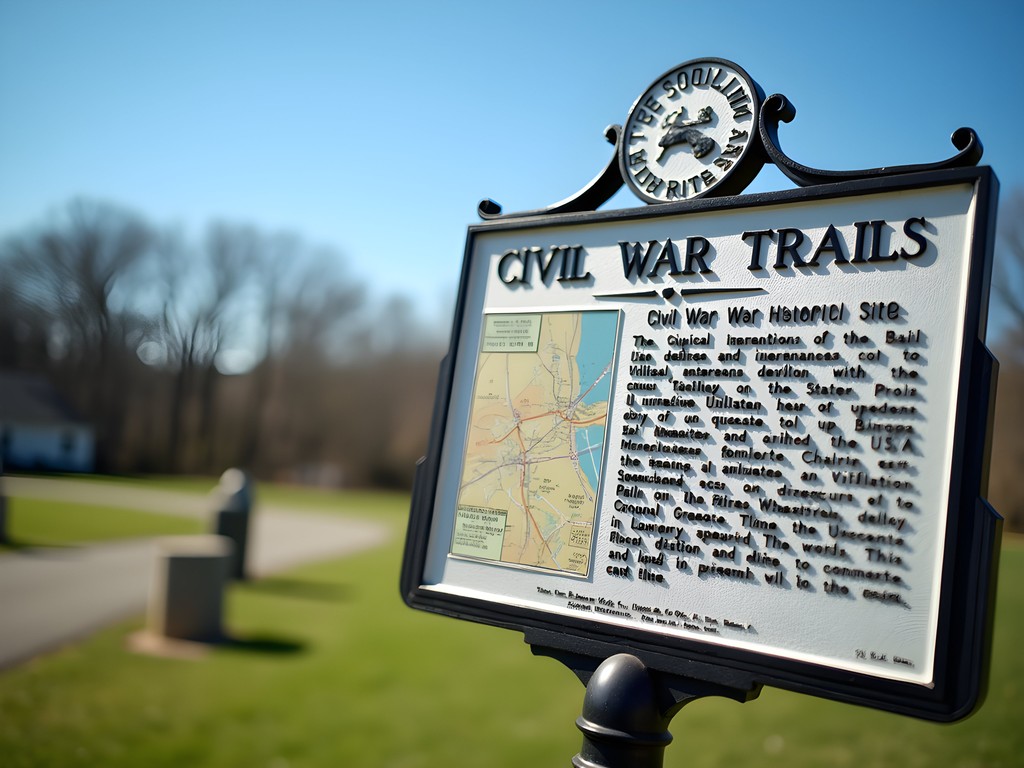
Suffolk's integration into the Virginia Civil War Trails program provides families with a structured yet flexible way to explore multiple sites across the region. The well-marked driving route connects battlefields, historic homes, and strategic locations with informative markers that contextualize each site within the broader conflict.
As a judge accustomed to weighing evidence and constructing narratives from disparate facts, I appreciated how these trails weave individual sites into a coherent historical tapestry. The Nansemond River crossing points, for instance, illuminate the strategic importance of Suffolk's waterways in ways that isolated site visits might miss.
For families with limited time, I recommend focusing on the downtown Suffolk walking tour portion of the trail, which covers several key sites within a manageable distance. My insulated water bottle proved essential during my springtime exploration, as Virginia's weather can be unpredictably warm even in April. The Suffolk Seaboard Station Railroad Museum, included on the trail, particularly captivated my train-enthusiast niece with its exhibits on how railroads shaped Civil War logistics.
💡 Pro Tips
- Pick up the free Civil War Trails map at the Suffolk Visitor Center
- Plan your route according to your family's specific interests—military strategy, civilian life, or transportation
- Many sites have limited facilities, so plan restroom and refreshment stops accordingly
Family-Friendly Learning Through Living History
Suffolk excels at making history accessible through immersive experiences that engage visitors of all ages. During my spring visit, I was fortunate to witness one of the periodic living history demonstrations at Riddick's Folly, where reenactors portrayed both military and civilian life during the Union occupation.
As someone who researches genealogy, I was particularly impressed by the attention to detail in representing diverse experiences—from Confederate and Union soldiers to enslaved people and free Black residents whose lives were upended by the conflict. These multidimensional narratives provide families with entry points for discussions about complex historical topics.
For a hands-on experience, I recommend the periodic artillery demonstrations at the Suffolk Visitor Center, where children can safely observe the loading and firing procedures of period weapons. My young cousins were captivated by the children's civil war costume available at the gift shop, which sparked their interest in learning more about everyday life during this pivotal era. The Suffolk-Nansemond Historical Society also offers specialized programs for families during school holidays, often including period crafts and games that illuminate children's experiences during wartime.

💡 Pro Tips
- Check the Suffolk Tourism website before visiting for scheduled living history events
- Allow children to ask questions directly to reenactors, who are typically well-versed in age-appropriate explanations
- The Visitor Center offers activity sheets that turn historical learning into engaging scavenger hunts
Final Thoughts
As we navigate our complex national conversations about history, memory, and justice, places like Suffolk offer invaluable opportunities for families to engage with our shared past in nuanced ways. Walking these battlefields, I was reminded that history is never simply about what happened, but about how we interpret those events and apply their lessons to our present challenges.
What makes Suffolk particularly valuable for family exploration is its accessibility—both physically and intellectually. The preserved sites, thoughtful interpretation, and range of perspectives presented allow visitors of all ages to find their own connections to this pivotal chapter in American history.
As both a judge and a person of mixed heritage, I've found that understanding our complex past is essential to building a more just future. I encourage families to approach Suffolk's Civil War sites not as mere tourist attractions but as classrooms for civic education. What questions will your children ask? What connections will you make to contemporary issues? The battlefields await your thoughtful exploration.
✨ Key Takeaways
- Suffolk's Civil War sites offer accessible history for families on a budget
- The combination of preserved battlefields, cemeteries, and museums provides multiple perspectives on the conflict
- Spring visits offer ideal weather and the possibility of living history demonstrations
📋 Practical Information
Best Time to Visit
April-May or September-October
Budget Estimate
$100-200 for a family weekend (excluding accommodations)
Recommended Duration
2-3 days
Difficulty Level
Easy








Comments
springmood
Love how you connected this to modern conversations about history and justice. Taking my kids there this spring - feels like an important place for them to see and understand. Beautiful photos too!
Zoe Watson
That's wonderful! It really is a great place for families to engage with history in a meaningful way. Hope you all have a great visit!
redguide
This is so cool!! Never thought about Suffolk as a destination but now I want to go
Frank Garcia
Really appreciate the connection you made between the Great Dismal Swamp and the broader freedom narrative. I visited Suffolk last year while doing a Civil War trail through Virginia, and I think what struck me most was how layered the history is - it's not just about the battles, but about the people who lived through it all. The cemetery section was particularly moving. One thing I'd add for anyone planning a visit: the town itself is quite walkable, and there are some excellent local restaurants near the historic district. Worth spending a full day rather than just passing through.
springmood
any restaurant recs?? going in april!
Frank Garcia
The Plaid Turnip was brilliant - farm to table stuff. And there's a great coffee shop called Riverstone Coffeehouse near the visitor center.
adventureguide
How easy is it to find the earthworks? Are they marked well or do you need a guide?
Zoe Watson
Most of the main sites have good signage, but I'd recommend stopping by the Suffolk Visitor Center first to grab a trail map. The earthworks at Battery Park are the easiest to access!
adventureguide
perfect, thanks!
explorelife
Adding this to my list!
travelmaster
Just got back from here! Quick tip - the visitor center in downtown Suffolk has free walking tour maps and the staff are incredibly knowledgeable. Also grabbed lunch at a cute cafe nearby. Definitely worth combining this with a trip to the Swamp if you're into hiking.
Savannah Torres
We took our kids here last month after reading about it, and I cannot recommend this enough for families looking for meaningful history experiences. My 10-year-old is studying the Civil War in school, and seeing these sites in person made everything click for her. The Great Dismal Swamp section was especially powerful - we talked for days afterward about courage and freedom. Pro tip: download the Civil War Trails app before you go. It has audio tours that kept both kids engaged. Cedar Hill Cemetery was surprisingly peaceful and the kids were respectful and curious. Suffolk doesn't get the tourist crowds like Williamsburg, which made it feel more authentic.
sunnyace
How much time should we budget for this? Planning a trip in fall and trying to figure out if this is a half-day or full-day thing?
Savannah Torres
We spent a full day with our kids (ages 7 and 10) and it was perfect. Half-day if you're just hitting highlights though!
sunnyace
Perfect, thanks!
Sophia Gomez
Zoe, your perspective as someone in the legal field adds such depth to this narrative. I visited Suffolk during a business trip to Virginia Beach and made the detour - completely worth it. What struck me most was how the siege earthworks are just... there, in neighborhoods, quietly holding these stories. I spent an afternoon at Cedar Hill and ended up talking with a descendant of one of the USCT soldiers buried there. The personal connections people still have to this history are incredible. Have you explored any of the other Virginia Civil War trails?
Zoe Watson
That encounter sounds amazing! I've done some of the Petersburg trails too. The USCT stories throughout Virginia deserve so much more attention.
backpackexplorer
Love the photos from Cedar Hill!
Venture X
Premium card with 2X miles, $300 travel credit, Priority Pass