

Disclosure: This article contains affiliate links. We may earn a commission from purchases at no extra cost to you, which helps our travel content.
Springfield sits where the Connecticut River bends eastward, a strategic location that made it both an industrial powerhouse and a cultural crossroads. As someone who has spent decades studying how rivers shape communities, I find Springfield particularly fascinating—this city transformed waterpower into innovation, giving us basketball, precision manufacturing, and some of America's finest 19th-century architecture. A weekend here offers families an unexpected journey through American ingenuity, all within walking distance of that mighty river that made it possible.

The Naismith Memorial Basketball Hall of Fame: Where Sport Became Science
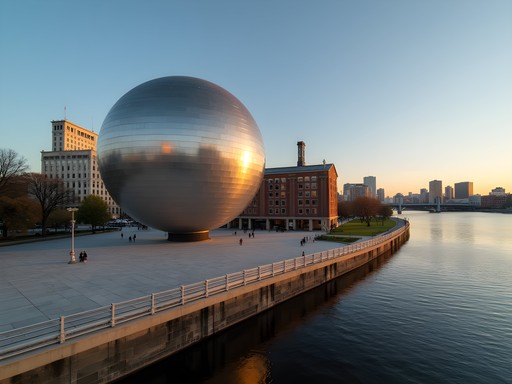
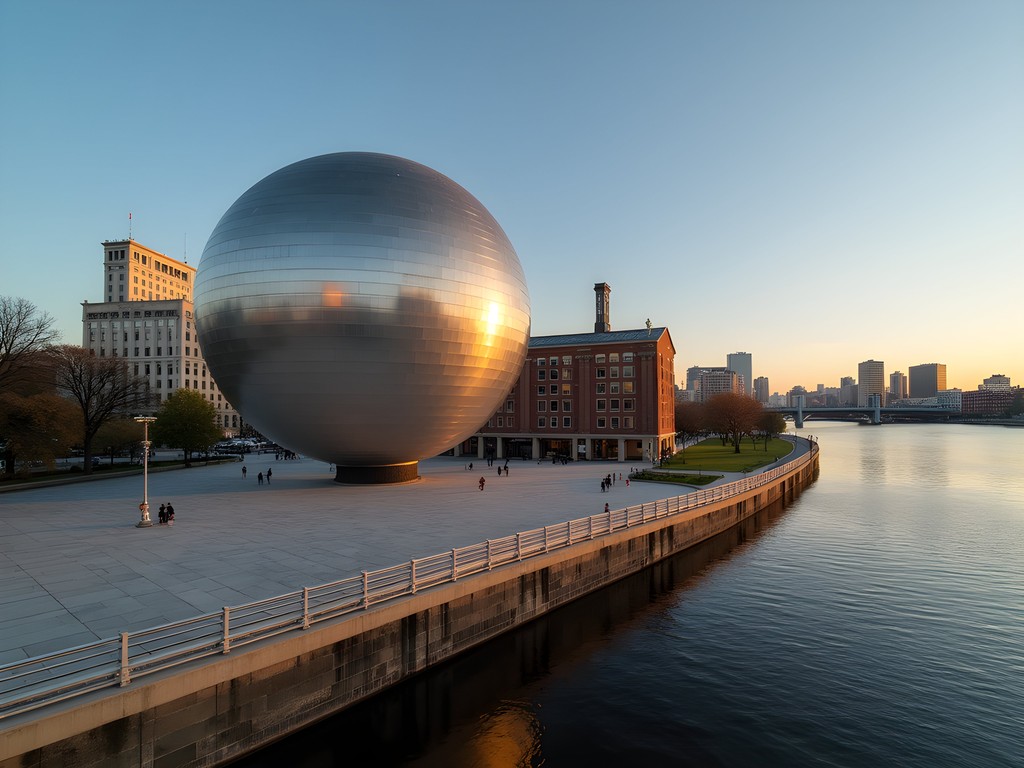
Dr. James Naismith invented basketball in Springfield in 1891, and the Hall of Fame stands as a gleaming testament to how one man's problem-solving created a global phenomenon. The building itself—a striking sphere jutting from the riverbank—catches your eye from blocks away. Inside, the interactive exhibits let families experience the game's evolution from peach baskets to modern arenas.
What strikes me as an engineer is how Naismith approached basketball as a design challenge: create an indoor winter sport that minimized injuries while maximizing participation. The original thirteen rules, displayed prominently, read like elegant engineering specifications. Kids can test their skills on courts throughout the museum, while parents appreciate the historical artifacts and multimedia presentations. The shooting challenges are genuinely fun—I spent twenty minutes trying to master the hook shot station.
The Hall dedicates significant space to the sport's cultural impact, from its spread through YMCA networks to its role in international diplomacy. For families, the Center Court area offers regulation hoops where you can shoot around together. I recommend bringing a reusable water bottle because you will work up a sweat trying all the interactive stations.
💡 Pro Tips
- Visit on weekday mornings for smaller crowds and better photo opportunities at the interactive exhibits
- The museum store sells vintage-style basketballs that make excellent souvenirs for young athletes
- Allow at least 2-3 hours to fully experience all the interactive zones without rushing
- Check the website for special events like player appearances or skill clinics during your visit
Springfield Armory: Engineering America's Defense
As a renewable energy engineer, I have deep respect for historical manufacturing sites, and Springfield Armory National Historic Site ranks among America's most significant. From 1794 to 1968, this facility pioneered interchangeable parts manufacturing—a concept that revolutionized not just weaponry but all modern production.
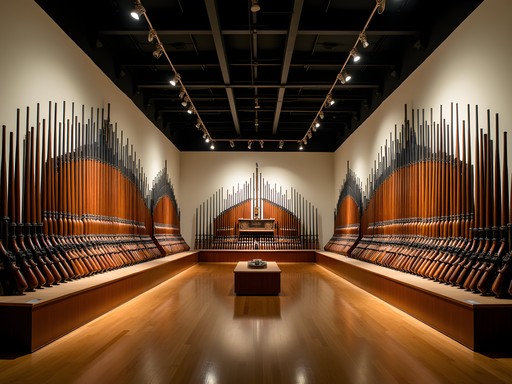
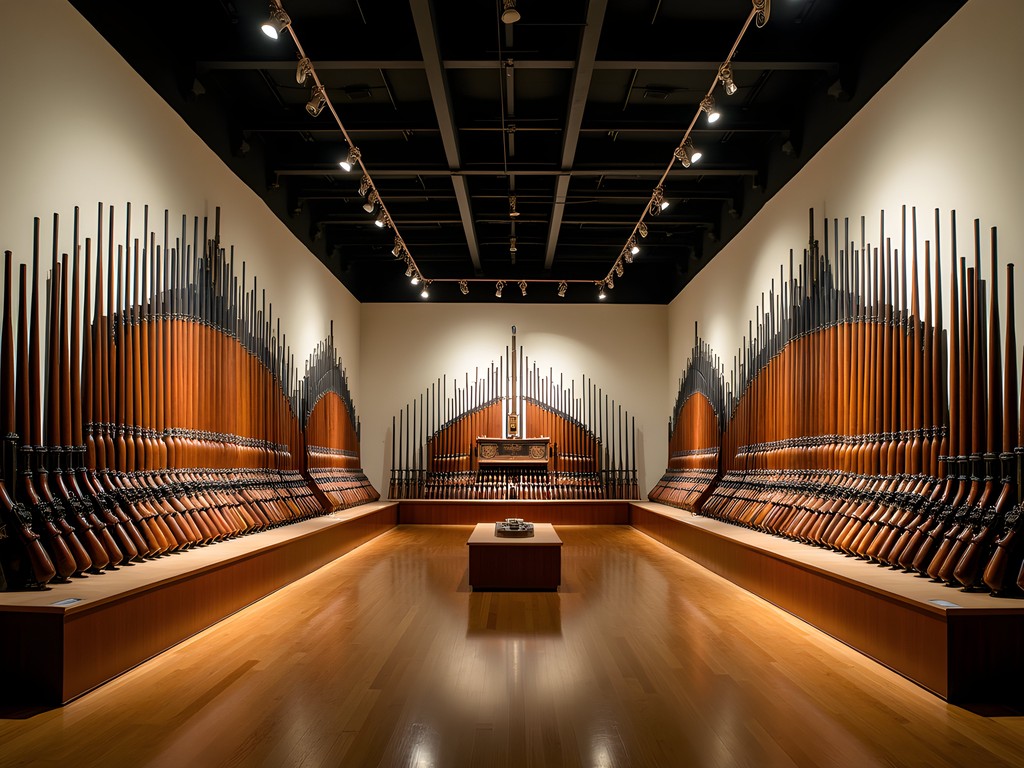
The Main Arsenal building houses an astonishing collection: row upon row of historic firearms displayed in the famous Organ of Muskets installation. But beyond the weapons themselves, the exhibits explain the engineering innovations that emerged here. The armory developed precision machinery, standardized measurements, and assembly-line techniques that Henry Ford would later adapt for automobiles. For families, this context transforms a gun museum into a story about American industrial ingenuity.
The rangers lead excellent tours that explain how the armory's location—with waterpower from the Mill River and proximity to Connecticut River transportation—made Springfield ideal for large-scale manufacturing. I found myself sketching the water systems in my waterproof notebook, fascinated by how 19th-century engineers harnessed hydraulic power so efficiently. Kids particularly enjoy the hands-on demonstrations of how rifling machines worked and the story of the Springfield rifle's role in American history.
💡 Pro Tips
- The Armory is a National Park Service site with free admission—perfect for budget-conscious families
- Ranger-led tours run regularly and provide context that self-guided visits miss
- The museum shop has excellent books on industrial history and local manufacturing heritage
- Parking is limited; arrive early on weekends or consider walking from downtown hotels
Dr. Seuss National Memorial Sculpture Garden: Whimsy Meets History
Theodor Geisel—Dr. Seuss—was born in Springfield, and the sculpture garden honoring him sits in the heart of the Springfield Museums complex. Bronze sculptures bring beloved characters to life: the Lorax, the Grinch, Horton, and the Cat in the Hat stand among the trees, while a young Ted Geisel sits at his drawing board.
What makes this memorial particularly meaningful is its connection to Springfield's landscape. Geisel's father ran the local zoo, and many believe Forest Park's animals inspired the fantastical creatures in his books. The memorial acknowledges both the joy of his stories and the environmental themes that run through works like The Lorax—messages about conservation that resonate with my own work in renewable energy.
Families with young children will find this garden irresistible. Kids climb on the sculptures, pose for photos, and discover characters they recognize from bedtime stories. The setting within the larger museum quadrangle means you can easily combine this with visits to the Museum of Fine Arts, Science Museum, or History Museum—all included with one admission ticket. I watched grandparents reading inscribed quotes to grandchildren, creating those intergenerational moments of shared cultural memory that I value deeply.

💡 Pro Tips
- The sculpture garden is outdoors and free to access even when museums are closed
- Bring a portable phone charger because you will take dozens of photos with the sculptures
- Visit the Springfield City Library nearby to see Seuss memorabilia and original sketches
- The museums quadrangle ticket offers excellent value if you plan to visit multiple institutions

Forest Park: Victorian Landscape Architecture at Its Finest
At 735 acres, Forest Park ranks among America's largest urban parks, and its Victorian-era design philosophy remains remarkably intact. Frederick Law Olmsted's influence is evident throughout—the same naturalistic principles he applied to New York's Central Park shape Forest Park's rolling terrain, carefully placed water features, and sight lines that make the space feel even larger.
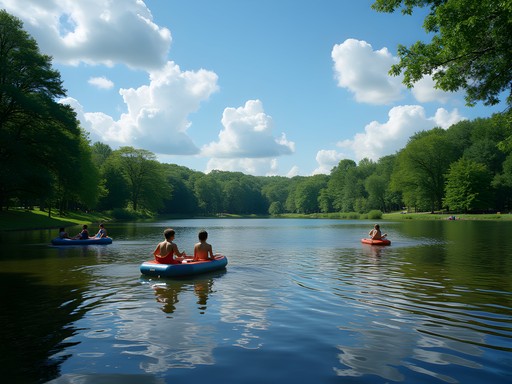
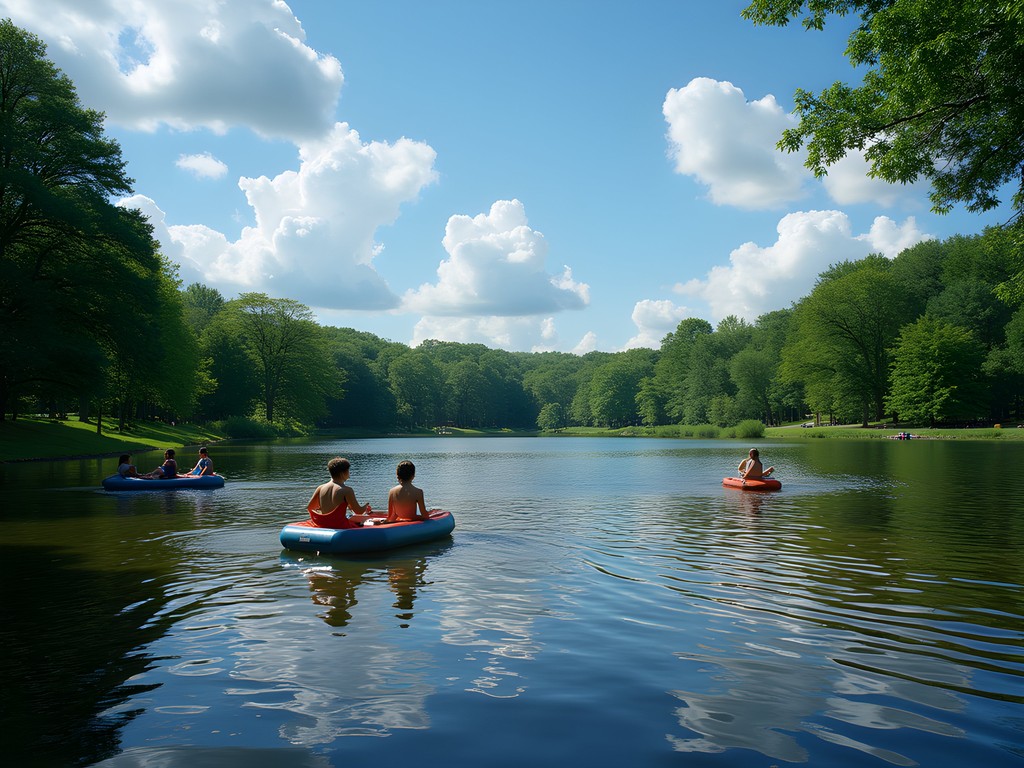
The park's connection to the Connecticut River watershed fascinates me. Its ponds and streams are part of the larger hydrological system I have studied throughout my career. Porter Lake, created in the 1890s, demonstrates how Victorian engineers understood both recreation and water management. Families can rent paddle boats here in warmer months, and the lake's edge offers excellent bird watching year-round.
Do not miss the park's Zoo—free admission makes it accessible to all families—where you is see descendants of the animals that likely inspired Dr. Seuss. The Barney Carriage House Museum tells the story of the park's creation and Springfield's Gilded Age wealth. I spent a contemplative afternoon walking the park's perimeter, appreciating how this green space has served generations of Springfield families. Pack a picnic blanket and enjoy lunch near Porter Lake—the park's design practically demands leisurely appreciation.
💡 Pro Tips
- The park hosts free summer concerts and events—check the Friends of Forest Park website
- Aquatic Gardens peak in late June through August with spectacular water lilies
- The park has multiple playgrounds strategically placed for families with young children
- Download a trail map before visiting; the park's size can be disorienting for first-timers
Court Square and Downtown's Architectural Heritage
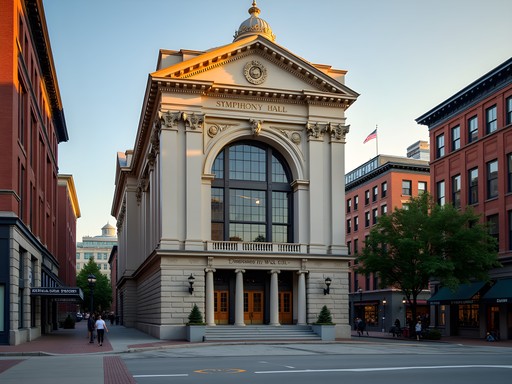
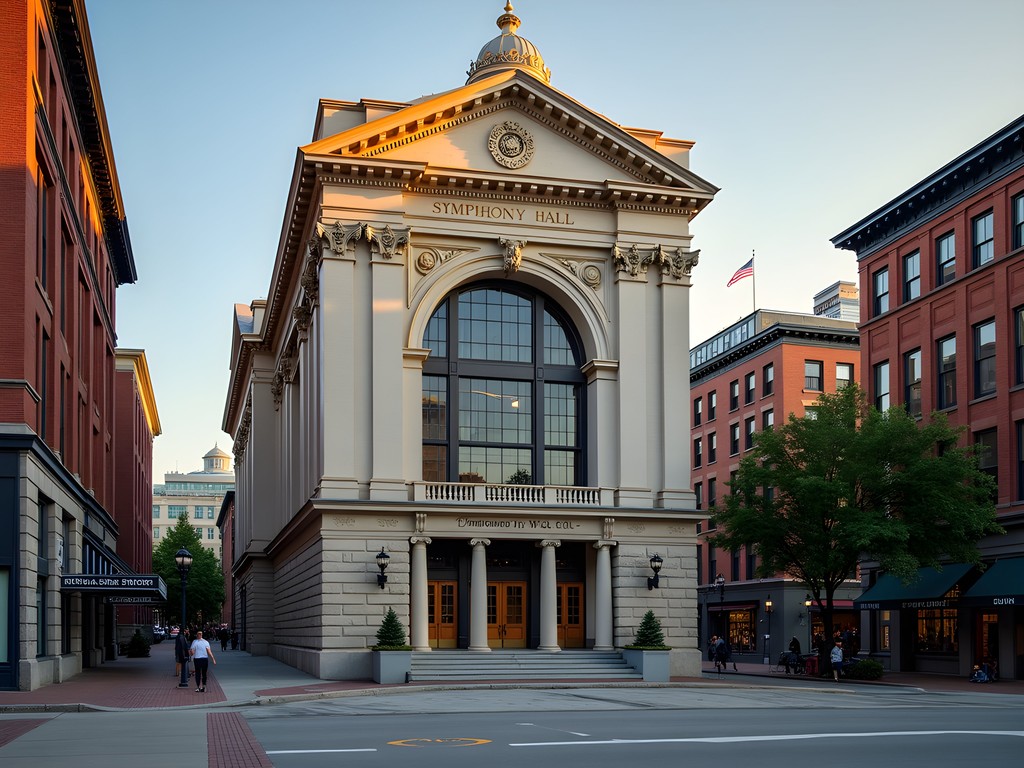
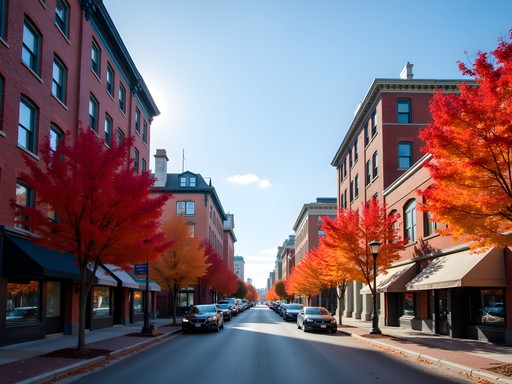
Springfield's Court Square represents one of New England's finest collections of 19th and early 20th-century architecture. The square itself dates to 1636, making it one of America's oldest public spaces. Walking these blocks, you encounter buildings that tell Springfield's story: the ornate Symphony Hall (1913), the Italianate Hampden County Courthouse (1874), and the soaring campanile of Municipal Group buildings.
What strikes me most is how these structures reflect the city's industrial wealth and civic ambition. Springfield's manufacturers—producing everything from firearms to motorcycles to encyclopedias—invested heavily in cultural institutions. Symphony Hall's acoustics rival Boston's, a point of local pride. The MassMutual Center, though modern, continues this tradition of civic architecture.
For families, Court Square offers an accessible introduction to architectural history. Kids can spot different building styles while parents appreciate the craftsmanship. The square hosts farmers markets, festivals, and concerts throughout the year, maintaining its role as Springfield's gathering place. I recommend taking an hour to simply sit and observe—watch how the square functions as it has for nearly four centuries, connecting commerce, government, and community. Bring a guidebook to understand the broader regional context of Springfield's development along the Connecticut River corridor.
💡 Pro Tips
- The Springfield Preservation Trust offers occasional walking tours of historic downtown
- Symphony Hall box office sells discounted day-of-show tickets for many performances
- Several excellent restaurants surround the square, offering diverse cuisines for family dining
- Street parking can be challenging; use the municipal garage on Harrison Avenue
Final Thoughts
Springfield surprised me, as river cities often do. What appears at first as a modest New England town reveals itself as a place where American innovation flourished—where a physical education instructor invented basketball, where engineers perfected interchangeable parts manufacturing, where a young man named Ted Geisel learned to see the world through whimsical eyes. The Connecticut River made all of this possible, providing power, transportation, and the natural beauty that inspired both industry and art.
For families seeking a weekend of accessible history without the crowds of Boston or the costs of coastal destinations, Springfield delivers remarkable value. Your children will shoot baskets where the sport was born, climb on beloved storybook characters, and learn how American manufacturing shaped the modern world. You will walk through a Victorian park that still serves its original purpose and appreciate architecture that speaks to civic ambition.
As I drove south along the Connecticut River after my visit, I reflected on how Springfield embodies what I have observed in river communities worldwide: water creates opportunity, and human ingenuity transforms that opportunity into culture, commerce, and community. Springfield's treasures are not just historic—they are lessons in how innovation, preservation, and accessibility can coexist. Bring your family. Walk these streets. Touch these histories. They belong to all of us.
✨ Key Takeaways
- Springfield offers exceptional historical attractions within a compact, walkable area ideal for families with varying interests and ages
- The combination of free sites (Armory, Forest Park, Dr. Seuss garden) and affordable paid attractions makes this an excellent mid-range destination
- Springfield's location along the Connecticut River shaped its industrial development and continues to influence its character and recreational opportunities
📋 Practical Information
Best Time to Visit
Year-round destination; spring and fall offer ideal weather for walking tours and park visits; summer brings festivals and outdoor concerts
Budget Estimate
$400-600 for a family of four (two nights lodging, meals, paid attractions, transportation)
Recommended Duration
2-3 days for thorough exploration; weekend trip covers major highlights
Difficulty Level
Easy


Comments
Raymond Hassan
Samuel, excellent write-up on Springfield. I appreciate how you connected the river geography to the city's development - that strategic positioning really did shape everything. When I visited, I was struck by how walkable the downtown cultural district is. You can hit the Basketball Hall of Fame, the museums, and the Dr. Seuss garden all in one afternoon. The contrast between the Armory's industrial precision and Seuss's playful sculptures really captures something essential about American creativity. Forest Park reminded me a bit of some Victorian-era parks in England - that same attention to landscape design. Did you get a chance to explore any of the neighborhoods beyond downtown? I found the McKnight district interesting for its architecture.
skyzone
Wow didn't know Springfield had all this!! Basketball Hall of Fame looks amazing
Raymond Hassan
It's definitely underrated. I passed through last year on my way to Boston and was surprised by how much there was to see. The Armory museum was fascinating from an industrial history perspective.
skyzone
Cool! Adding it to my list for this summer
Venture X
Premium card with 2X miles, $300 travel credit, Priority Pass