
Disclosure: This article contains affiliate links. We may earn a commission from purchases at no extra cost to you, which helps our travel content.
The first time I set foot in Oklahoma City, I expected to find a typical mid-sized American city with maybe a few historical buildings worth photographing for my preservation blog. What I discovered instead was a place where the past and present intertwine with remarkable transparency—where tragedy and triumph are honored with equal measure, and where industrial innovation has repeatedly transformed the landscape. As someone who's spent countless hours crawling through the mechanical guts of historical buildings, I've developed an appreciation for how structures tell stories. And let me tell you, OKC's stories run deep. This weekend guide isn't your standard tourist itinerary—it's a journey through the physical spaces that have shaped this city's identity, from somber memorials to revitalized industrial districts. Whether you're bringing along your partner for a meaningful weekend exploration or flying solo like I often do, these historical landmarks will give you a profound understanding of Oklahoma City's soul.

The Oklahoma City National Memorial & Museum: Engineering Remembrance
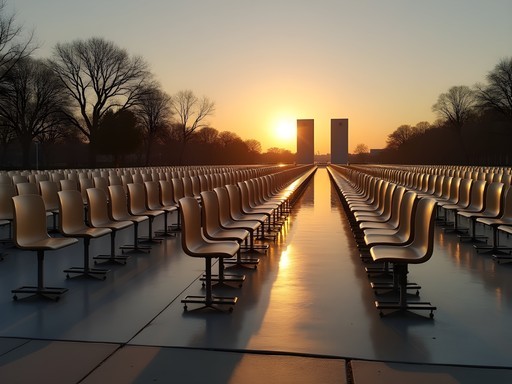
As an electrician, I've wired countless buildings, but rarely have I encountered a structure where the electrical and mechanical systems were designed specifically to evoke emotion. The Oklahoma City National Memorial occupies the former site of the Alfred P. Murrah Federal Building, where 168 lives were lost in the 1995 bombing. The memorial's design is a masterclass in using architecture and engineering to create space for reflection.
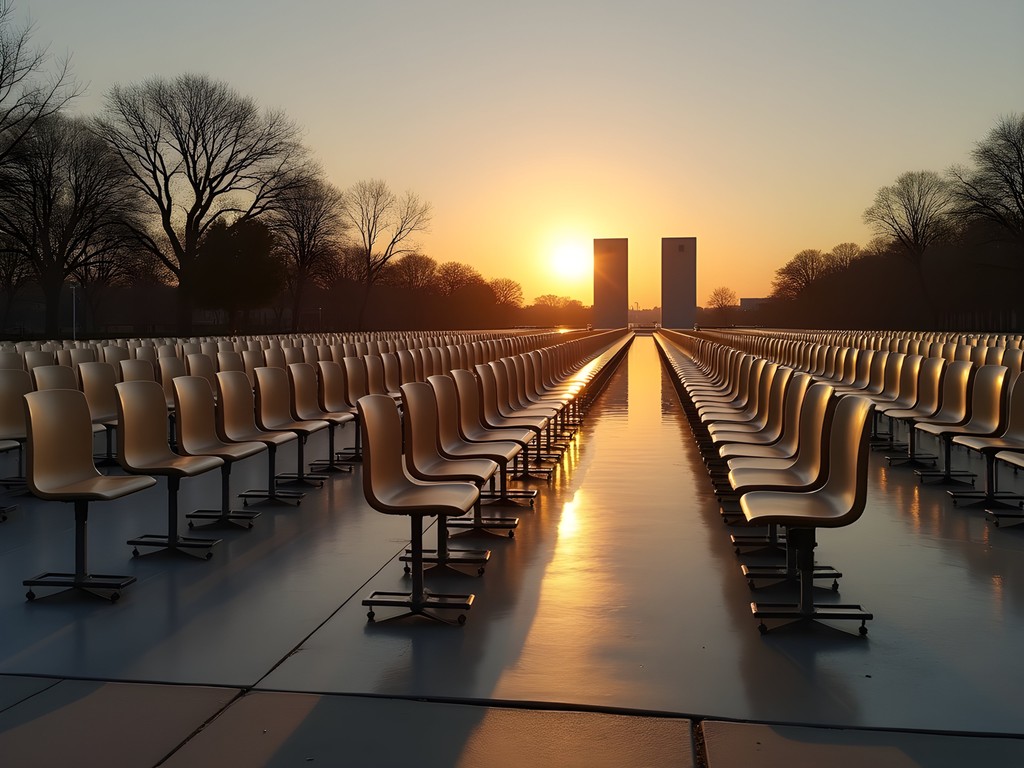
The Reflecting Pool, stretching between the 9:01 and 9:03 Gates of Time, represents the moment (9:02 am) when the bombing occurred. What struck me was the precision of the water management system—creating a perfect mirror-like surface that's exactly ankle-deep. The engineering team told me during my visit that maintaining this specific depth required custom-designed circulation systems to account for Oklahoma's variable weather patterns.
Inside the museum, the technical aspects continue to impress. The preserved portions of the original building's foundation are exposed in a way that shows both structural damage and resilience. As someone who's worked in building restoration, I could see how carefully they'd preserved these elements while making them safely accessible to visitors.
The most powerful exhibit for me was the Gallery of Honor, where personal artifacts of those lost are displayed in custom-built illuminated cases. The lighting design here deserves special mention—soft, directional LEDs that highlight each item without casting shadows or creating glare on the protective glass. It's the kind of thoughtful technical detail that most visitors might not consciously notice but that profoundly affects the emotional experience.
💡 Pro Tips
- Visit early in the morning when the memorial is quietest and the lighting on the chairs is particularly moving
- Allocate at least 2-3 hours for the museum portion—rushing through undermines the experience
- The outdoor memorial is open 24 hours and is particularly powerful at night when illuminated
Bricktown: Industrial Heritage Reimagined
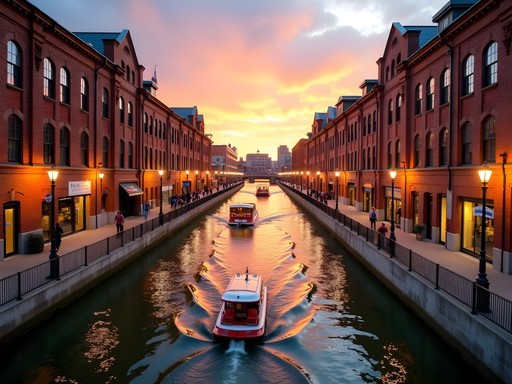
When I visit cities with my son during his school breaks, I'm always on the lookout for places where he can see how America's industrial past has shaped our present. Bricktown is precisely that kind of place. Once a warehouse district that served the railroads, it's now Oklahoma City's entertainment hub—but one that hasn't erased its working-class roots.
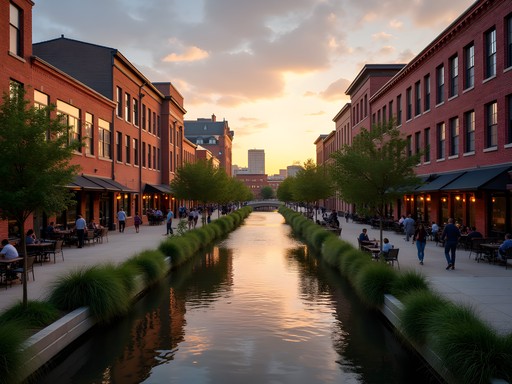
What fascinates me most about Bricktown is how the original electrical and mechanical systems have been repurposed. In several buildings, the old freight elevators have been preserved as architectural features, their motors and pulleys now visible through glass enclosures. The massive wooden beams that once supported heavy machinery now frame restaurants and shops. You can still see the original loading docks, now serving as elevated patios.
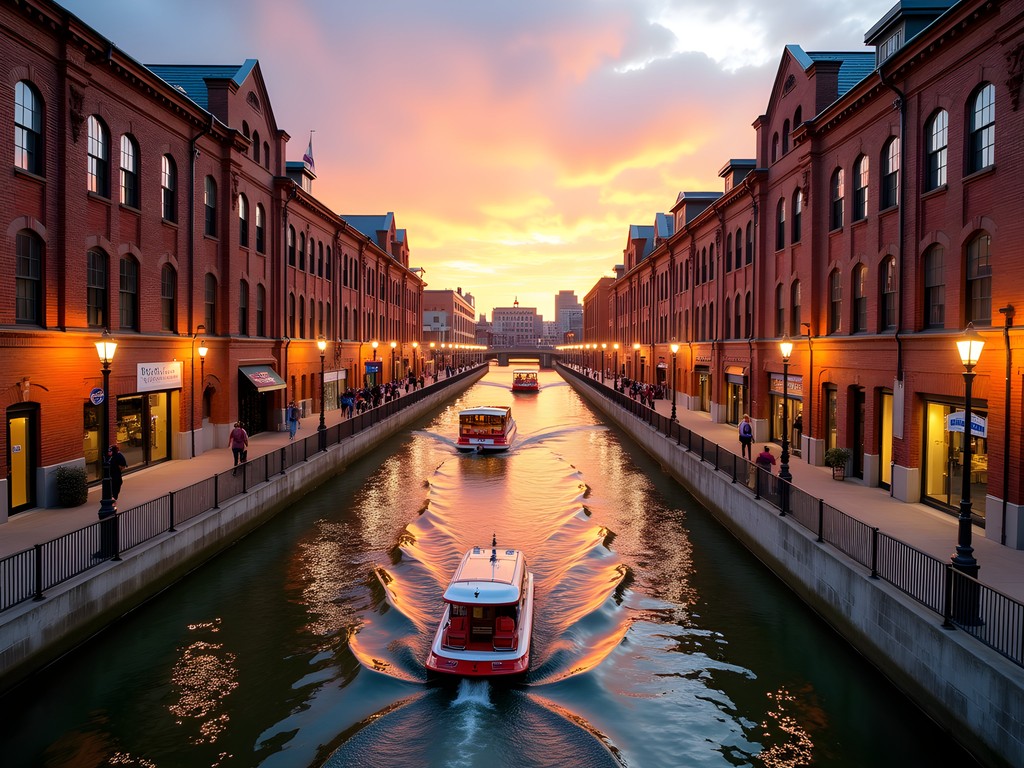
The canal that runs through Bricktown is a modern addition, completed in 1999, but it was designed to evoke the industrial waterways that once served similar districts in eastern cities. As an electrician who's worked on outdoor lighting systems, I was particularly impressed with how they've illuminated the walkways along the canal—warm, diffused lighting that creates ambiance without light pollution.
For exploring the district, I recommend wearing comfortable shoes like my trusty hiking shoes. Bricktown's brick streets and canal paths involve more walking than you might expect, and these shoes have the perfect combination of support and water resistance for Oklahoma's unpredictable weather.
Don't miss the series of bronze sculptures along the canal depicting the Land Run of 1889—they tell the complicated story of Oklahoma's settlement in a visually striking way, though I do wish they included more perspectives from indigenous communities affected by this history.
💡 Pro Tips
- Take the water taxi for a guided historical tour—the operators often share engineering details about the canal system you won't hear elsewhere
- Visit Bricktown Brewery to see how they've incorporated original industrial equipment into their brewing process
- Look for the faded ghost signs on brick walls that reveal former businesses from the early 1900s
The First Americans Museum: Cultural Preservation Through Design
As someone who documents America's industrial and colonial history, I've become increasingly aware of whose stories are centered in our historical narratives and whose are marginalized. The First Americans Museum (FAM), which opened in 2021 after decades of planning, represents a significant step in addressing this imbalance by focusing on the 39 tribal nations in Oklahoma.
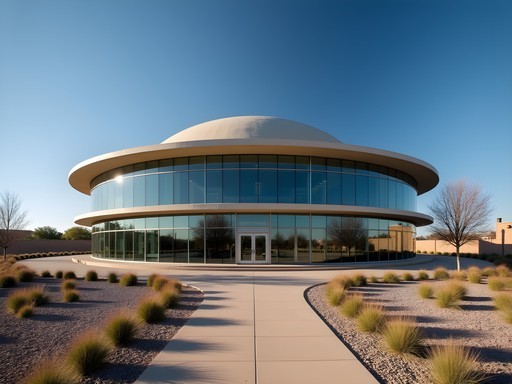
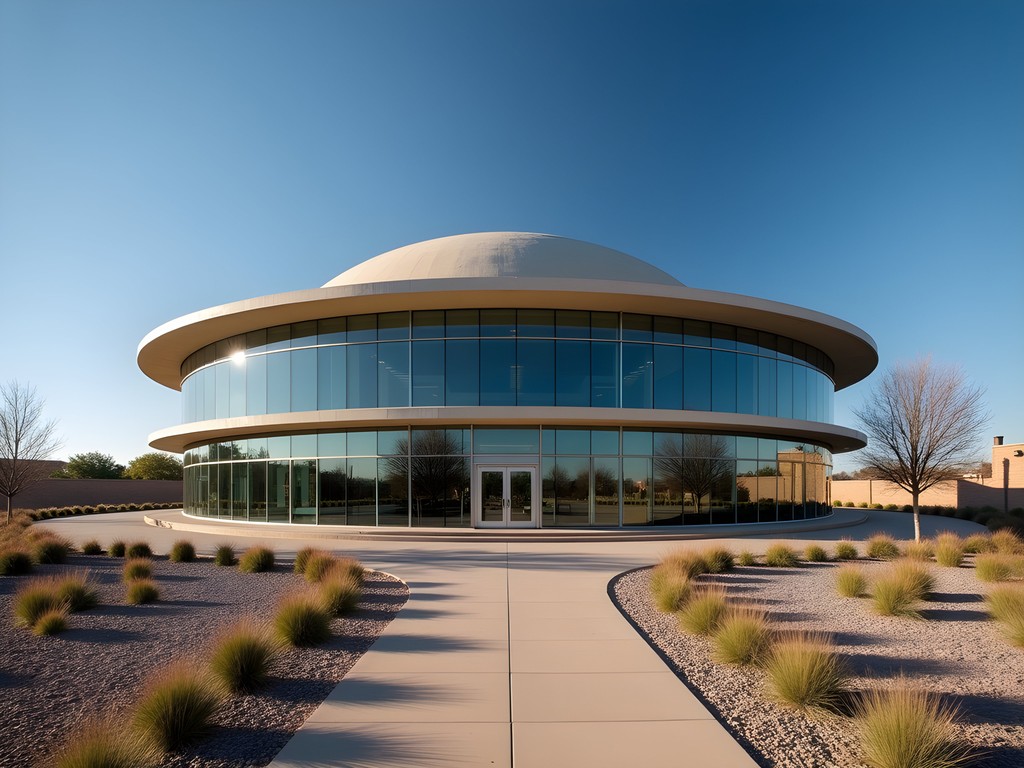
What immediately struck me about FAM was how the building itself serves as both container and content. The architects incorporated indigenous design principles throughout the 175,000-square-foot structure. The most notable feature is the massive glass dome that aligns with cardinal directions and solstice points—essentially functioning as a giant solar calendar. As someone who appreciates technical precision, I was fascinated by how the building's orientation creates specific light effects on significant dates.
The museum's climate control and preservation systems are equally impressive. Having worked in historical buildings where temperature and humidity fluctuations threaten artifacts, I could appreciate the sophisticated systems maintaining optimal conditions for delicate items while remaining hidden from view. The exhibition halls use directional sound design that allows different audio elements to coexist without interference—creating immersive environments without overwhelming visitors.
For photography enthusiasts, this museum presents unique challenges due to the carefully designed lighting. I found my compact camera particularly useful here, as its excellent low-light performance and unobtrusive size made it perfect for capturing details without disturbing other visitors' experiences. The camera's adjustable LCD screen also helped me frame shots of artifacts in display cases without awkward reflections.
The FAM doesn't shy away from difficult histories, including forced relocation and cultural suppression, but it balances these narratives with celebrations of resilience, artistic traditions, and contemporary indigenous life. This approach creates a more complete historical understanding than many colonial-focused museums I've visited across America.
💡 Pro Tips
- Check the event calendar before visiting—the museum regularly hosts cultural demonstrations by tribal members
- Allow at least 3-4 hours to fully experience the exhibits and outdoor areas
- Download the museum's companion app for additional context and translations of indigenous language elements

Stockyards City: America's Working Western Heritage
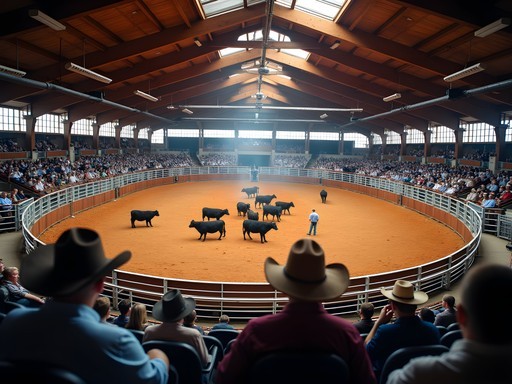
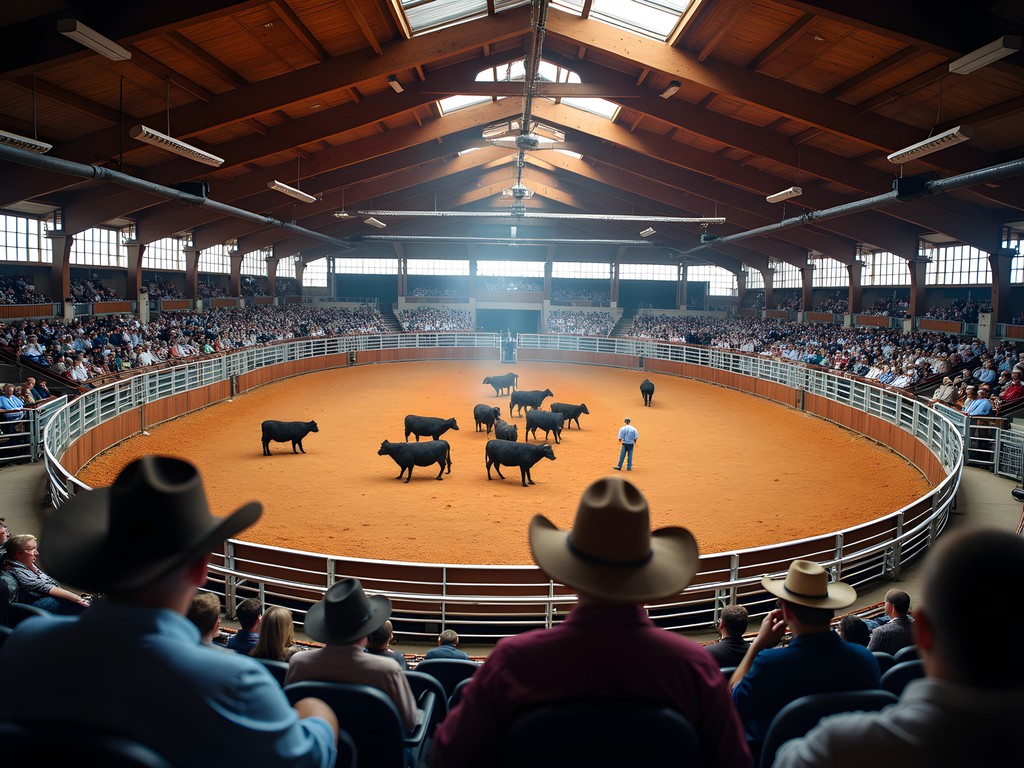
In my travels documenting America's industrial history, I've developed a particular appreciation for places where historical commerce continues in its original setting. Stockyards City is exactly that—a district that's been operating since 1910 and remains a working livestock market to this day, while simultaneously serving as a cultural landmark.
The Oklahoma National Stockyards Company is the largest stocker and feeder cattle market in the world, and what fascinated me from a technical perspective was seeing how the auction infrastructure has evolved over a century while maintaining its core functions. The original cattle pens have been modified with modern materials but follow the same basic design principles established generations ago. The auction arena itself is a study in acoustic engineering—designed so buyers can clearly hear bids from any position without modern amplification.
For visitors interested in the mechanical aspects of livestock handling, I recommend timing your visit to coincide with Monday or Tuesday morning auctions (starting at 8 AM). This is when you can witness the remarkable efficiency of the operation, from the specialized gates and chutes to the weighing systems.
The historical electrical systems throughout Stockyards City tell their own story. Many buildings retain original knob-and-tube wiring (though no longer in use) alongside modern electrical service—a physical timeline of America's electrification. As an electrician, I found myself photographing junction boxes and service panels that most tourists would walk right past.
No visit to Stockyards City is complete without stopping at Langston's Western Wear, operating since 1913 and still housed in its original building. Beyond being a retail establishment, it's a repository of western craftsmanship—from handmade boots to tooled leather goods that demonstrate techniques passed down through generations.
For documenting this unique district, I rely on my travel journal to record observations about the historical infrastructure and craftsmanship details. The dotted pages are perfect for quick sketches of mechanical systems or architectural elements that catch my eye, while the built-in page numbers help me create an indexed reference I can return to when writing my blog posts.
💡 Pro Tips
- Visit on Monday or Tuesday mornings to see the cattle auctions in action
- Look up at the buildings—many original ghost signs and architectural details remain intact above eye level
- Ask permission before photographing working cowboys and livestock handlers—most are friendly but appreciate the courtesy
The Historic Preservation Districts: Architectural Time Capsules
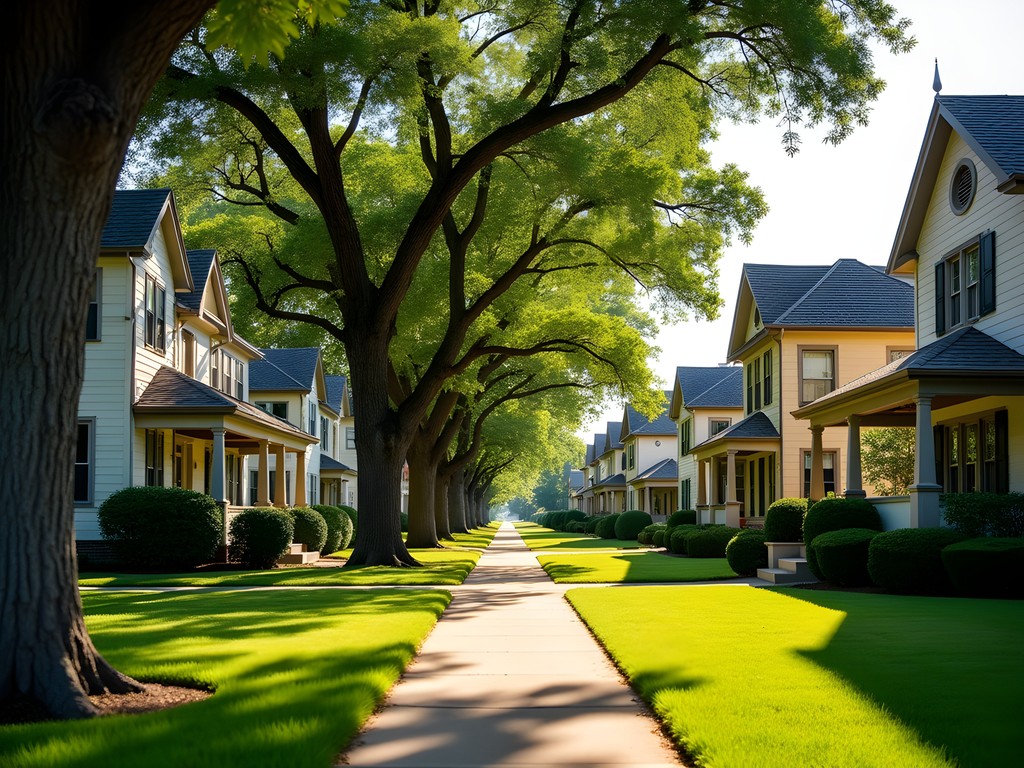
When I travel for my preservation blog, I'm always searching for neighborhoods that tell the story of a city's development through their architecture. Oklahoma City offers several distinct historic districts that provide windows into different eras of the city's growth.
Heritage Hills, established in the early 1900s, contains some of the finest examples of Colonial Revival, Craftsman, and Prairie School architecture in the Southwest. What particularly interests me as an electrician who works in historical preservation is how these homes have been updated with modern systems while maintaining their architectural integrity. During my visit, I was fortunate enough to tour a 1919 Prairie Style home where the owners had painstakingly retrofitted modern electrical systems by fishing wires through existing walls rather than cutting new chases—preserving original plaster while meeting contemporary needs.
The Paseo Arts District represents a different preservation approach. Originally built in 1929 as Oklahoma City's first shopping district, its Spanish Revival buildings fell into disrepair before being revitalized as an arts district in the 1970s. Walking through the curved streets, you can see how the district has balanced preservation with adaptation—maintaining the distinctive stucco exteriors and clay tile roofs while repurposing interiors for galleries and studios.
Militarily Park, listed on the National Register of Historic Places, showcases homes built between 1909 and the 1940s. What makes this district particularly interesting is how it documents the evolution of residential electrical systems. Some homes still have visible remnants of knob-and-tube wiring in their attics and basements, while others showcase early examples of conduit installations—physical evidence of America's electrification journey.
For self-guided tours of these districts, I found my portable power bank essential for keeping my phone charged while using mapping apps and taking photos throughout the day. Oklahoma City's historic districts cover substantial ground, and this power bank has enough capacity to recharge my phone multiple times without needing an outlet.
The Lincoln Terrace Historic District, adjacent to the State Capitol, offers examples of 1920s Revival styles including Tudor, Colonial, and Classical. What's technically fascinating here is how many homes incorporated innovative building systems for their time—early central heating, primitive air conditioning attempts, and some of the city's first residential garage door operators.
💡 Pro Tips
- The third Sunday of December features a Holiday Home Tour in Heritage Hills where you can see preserved interiors not normally accessible
- Download the Oklahoma City Historic Preservation Commission's architectural guide PDFs before your visit for detailed information about significant structures
- Visit the Overholser Mansion for guided tours that include detailed information about early 20th century home systems and technology
Final Thoughts
Oklahoma City's historical landmarks tell a complex story of triumph and tragedy, innovation and preservation. What struck me most during my explorations was how this city embraces its full history—the difficult chapters alongside the proud ones—creating spaces for genuine reflection rather than sanitized nostalgia. As an electrician who's spent years working in America's historic structures, I found OKC's approach to preservation particularly thoughtful, integrating modern functionality while honoring original craftsmanship. Whether you're a history buff, architecture enthusiast, or simply a curious traveler, Oklahoma City offers accessible entry points to understanding America's industrial, cultural, and social evolution. I encourage you to bring your partner for a weekend exploration—having someone to discuss and process these powerful sites enhances the experience tremendously. And if you're anything like me, you'll leave with a deeper appreciation for how our built environment shapes and reflects our collective story.
✨ Key Takeaways
- Oklahoma City balances commemoration of tragedy with celebration of resilience at sites like the National Memorial
- The city's historic districts showcase distinct architectural periods that tell the story of its development
- Many historical sites maintain their original function while accommodating modern visitors
- The preservation approach includes multiple perspectives, including indigenous histories often overlooked elsewhere
📋 Practical Information
Best Time to Visit
Spring (April-May) and Fall (September-October) offer mild temperatures ideal for walking tours
Budget Estimate
$200-350 for a weekend (accommodation, meals, and admission fees)
Recommended Duration
2-3 days to properly experience the major historical sites
Difficulty Level
Easy - Most Sites Are Accessible And Close To Downtown


Comments
Oliver Duncan
Brilliant write-up, Jennifer! I spent a week in OKC last summer and would add that Bricktown is best explored in the evening when the canal lights up. The water taxi tour gives you a great perspective and the guides share fascinating stories about the area's transformation. If you're into photography like me, bring a compact tripod for those night shots along the canal - the reflections are spectacular. Also, the Paseo Arts District is worth checking out if you have an extra day - amazing murals and local galleries!
Jennifer Washington
Thanks for the Paseo Arts District tip, Oliver! I completely missed that area and now I'm kicking myself. Definitely on the list for my next visit.
greengal
OMG I had no idea Oklahoma City had so much history! Your photos of Bricktown are gorgeous! Adding this to my travel list ASAP!
dreamlife
I visited the Oklahoma City National Memorial last year and it was one of the most powerful experiences I've had while traveling. Those empty chairs... just gut-wrenching. The museum does an incredible job balancing the tragedy with stories of resilience. I spent almost 3 hours there and could have stayed longer. Didn't make it to the First Americans Museum though - adding that to my list for next time!
greengal
The chairs at night are even more haunting. They're illuminated from below.
dreamlife
I wish I'd seen that! We only visited during daytime.
smartmaster
Great post! I'm planning a trip to OKC with my kids next month. Are these landmarks suitable for children? Especially wondering about the National Memorial - might be too heavy for my 8-year-old?
Jennifer Washington
The Memorial has a Children's Area specifically designed for younger visitors to process the events in an age-appropriate way. My nephew (9) was moved by the chairs but not traumatized. Bricktown and Stockyards City are definitely kid-friendly!
smartmaster
Thanks Jennifer, that's really helpful to know!
triplover
THIS IS EXACTLY WHAT I NEEDED!! Booking flights tonight, this looks amazing!! Never even considered Oklahoma City but your post totally changed my mind. The memorial looks so moving and I LOVE western history stuff so the stockyards are calling my name!!
explorewalker
been to okc 4 times, still discover new things each visit
Kimberly Murphy
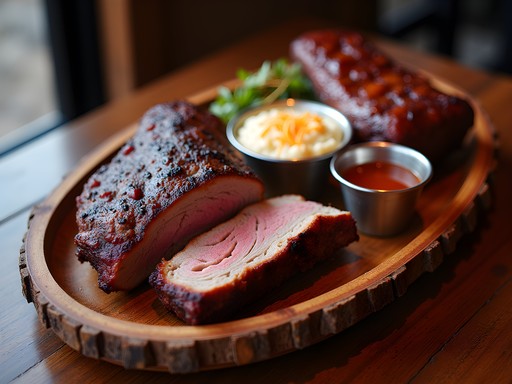
Brilliant post! I absolutely loved exploring OKC last year. The First Americans Museum blew me away - the building itself is stunning and the exhibits are so thoughtfully done. I also stumbled upon the Oklahoma History Center which isn't in your guide but worth mentioning! Has amazing exhibits on the Land Run. And can we talk about the food scene in Bricktown?? Did not expect such fantastic BBQ and modern restaurants. The city really surprised me in the best way possible!
triplover
ooh what bbq place did you go to?? adding okc to my summer list!
Kimberly Murphy
Iron Star Urban BBQ in Bricktown was incredible! Also hit up Cattlemen's Steakhouse in the Stockyards - it's been there since 1910!
winterace
how much time would you recommend for the memorial museum? planning a route 66 road trip and trying to figure out timing
Jennifer Washington
I'd allow at least 2-3 hours for the museum if you want to really absorb everything. The outdoor memorial takes about 30-45 minutes. It's emotionally heavy, so don't rush it.
explorewalker
agreed, took me almost 3 hrs. bring tissues
luckygal
Love the photos! Really captures the vibe
Michael Cook
Excellent analysis of the Memorial's architectural elements, Jennifer. What impressed me most during my visit was how the design creates both public and intimate spaces for reflection. The museum's chronological narrative is particularly well-curated. One thing I'd add for European visitors - the scale of American cities can be surprising. OKC is quite spread out, so budget more time for transport between sites than you might expect. The First Americans Museum was the highlight for me personally.
Kimberly Murphy
Completely agree about the transport! I tried walking between Bricktown and the Stockyards and it was NOT a fun afternoon haha. Rideshare is your friend in OKC.
Venture X
Premium card with 2X miles, $300 travel credit, Priority Pass