


Disclosure: This article contains affiliate links. We may earn a commission from purchases at no extra cost to you, which helps our travel content.
Standing before the weathered headstones of Grove Street Cemetery, I'm reminded that New Haven is so much more than just the home of Yale University. As someone who grew up surrounded by artifacts and historical narratives (mein Vater would say 'stories are in our blood'), I've developed a knack for finding the untold tales of places. New Haven surprised me with its layered history – from colonial settlements to industrial innovation – all accessible without breaking the bank. Grab your walking shoes and your sense of wonder; we're about to explore the hidden corners of history that most Yale campus tours won't show you.

Beyond the Hallowed Halls: Yale's Lesser-Known Treasures
While Yale's main campus tour is on every visitor's itinerary, the university houses several remarkable collections that often go unexplored. The Yale Center for British Art holds the largest collection of British art outside the United Kingdom, housed in a stunning Louis Kahn-designed building that's an architectural marvel in itself. Admission is free – music to my budget-traveler ears!
Nearby, the Yale University Art Gallery showcases everything from ancient artifacts to modern masterpieces. As the daughter of a museum curator, I've visited countless galleries worldwide, yet this one consistently impresses me with its Egyptian collection and early Italian paintings.
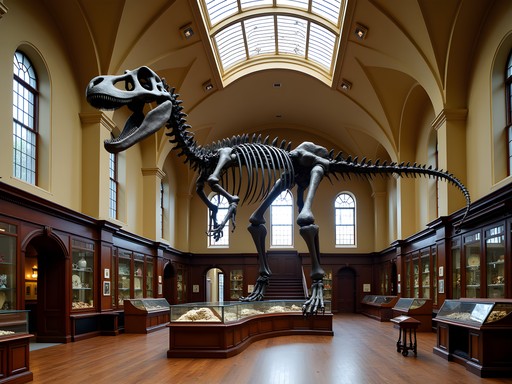
My personal favorite, though, is the Peabody Museum of Natural History. Standing beneath the massive Brontosaurus skeleton, I was transported back to childhood museum visits with my mother, who would explain how each bone told a story of our planet's past. The museum's dioramas are a vintage delight, and the Great Hall of Dinosaurs is impressive enough to make any archaeology enthusiast's heart race. I recommend bringing a pocket sketchbook to capture impressions – sketching artifacts helps me notice details I'd otherwise miss.

💡 Pro Tips
- Visit the Yale Center for British Art on weekdays for a quieter experience
- Check Yale's academic calendar before visiting – museums are less crowded when students are on break
- The Yale University Art Gallery offers free guided tours on weekends
Grove Street Cemetery: Where History Rests
Just a short walk from Yale's campus lies the Grove Street Cemetery, established in 1796 as the first chartered burial ground in the United States. What makes this place extraordinary isn't just its age but its revolutionary design – it was America's first planned cemetery with family plots and landscaped grounds, replacing the chaotic burial practices of colonial churchyards.
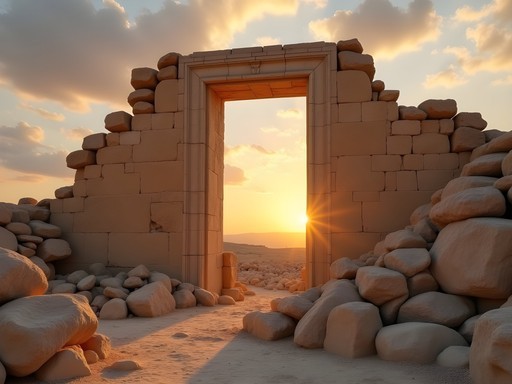
I spent a contemplative autumn morning here, the fallen leaves crunching beneath my boots as I discovered the graves of historical figures like Eli Whitney (inventor of the cotton gin) and Noah Webster (of dictionary fame). The Egyptian Revival entrance gate, inscribed with 'The Dead Shall Be Raised,' creates a powerful threshold between the bustling city and this peaceful sanctuary.
As someone who's explored archaeological sites worldwide, I find cemeteries provide intimate glimpses into a community's values and history. Bring a thermos filled with hot tea or coffee – there's something meditative about sipping a warm drink while contemplating the stories etched in stone. The cemetery is open daily until 4 PM, and self-guided tour maps are available at the entrance.

💡 Pro Tips
- Visit in early morning for beautiful light filtering through the trees
- Look for the distinctive Egyptian Revival gateway, an architectural treasure
- Bring a rubbing kit (paper and charcoal) to capture interesting epitaphs
New Haven's Industrial Past: The Eli Whitney Museum
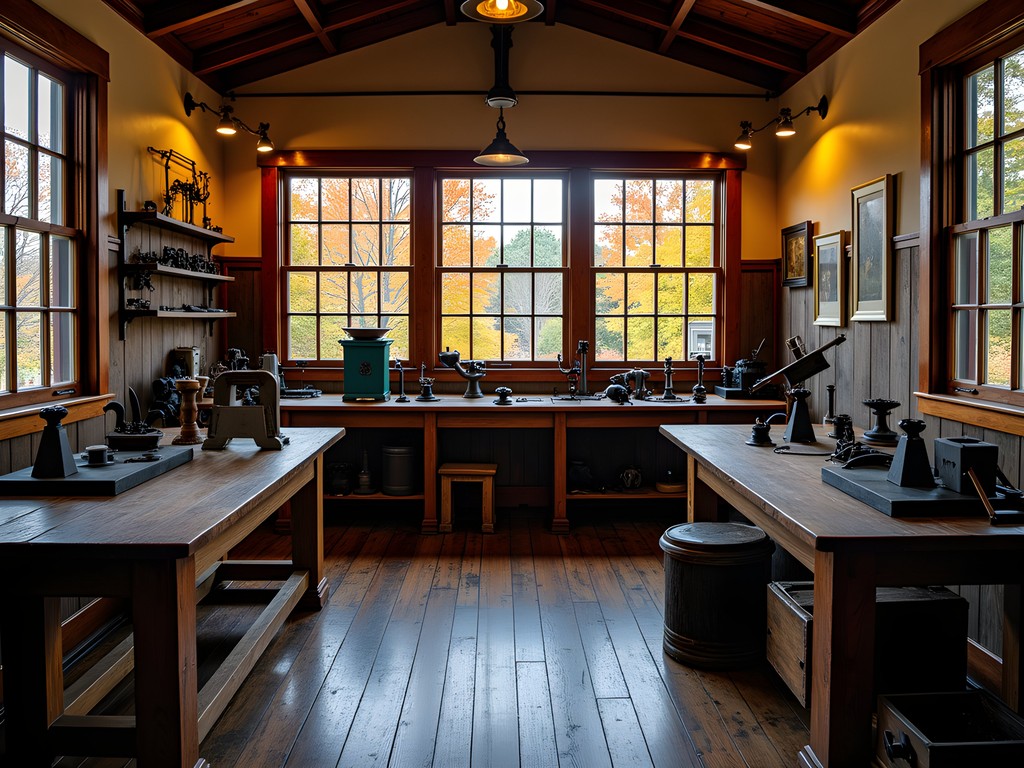
About a 15-minute drive from downtown lies one of New Haven's most underappreciated historical sites – the Eli Whitney Museum and Workshop. Set along the picturesque Mill River where Whitney established his armory in 1798, this site tells the story of American industrial innovation.
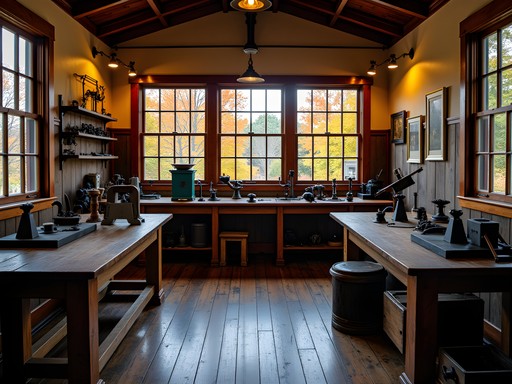
Unlike traditional museums with static displays, this hands-on workshop embraces Whitney's experimental spirit. On my visit, I joined a group of couples trying their hand at building simple machines using original designs. The experience reminded me of workshops I'd participated in while volunteering at archaeological sites in Jordan, where we'd attempt to recreate ancient technologies to better understand them.
The museum occupies Whitney's original barn and features working water wheels and mill demonstrations. What fascinated me most was learning how Whitney's interchangeable parts system revolutionized manufacturing worldwide. I'd recommend bringing a waterproof notebook to jot down observations – the outdoor portions of the site are spectacular in fall but can be damp from the river mist.
For lunch, pack a picnic to enjoy by the Mill River. The grounds are peaceful, and the fall foliage reflected in the water creates a perfect backdrop for a romantic midday meal.
💡 Pro Tips
- Call ahead to check if any workshops are scheduled during your visit
- Wear comfortable shoes as the grounds include uneven paths along the river
- Allow at least 2 hours to fully appreciate both indoor and outdoor exhibits

The Amistad Memorial and New Haven's Abolitionist History
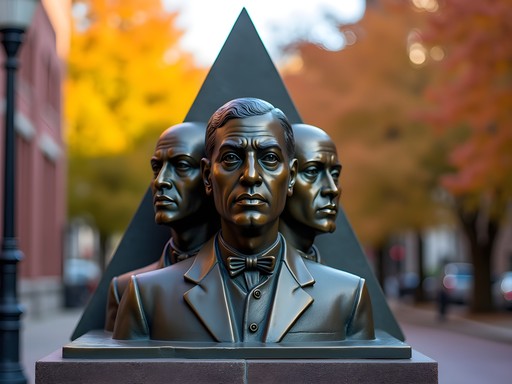
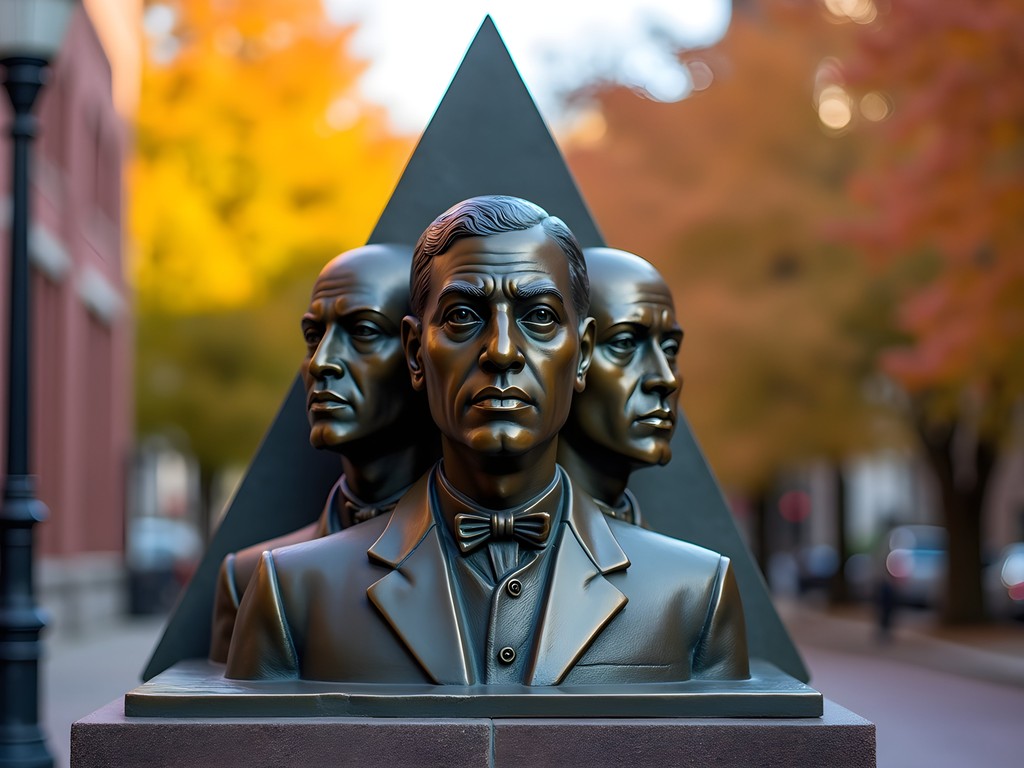
In the shadow of New Haven's City Hall stands a powerful bronze sculpture commemorating one of America's most significant human rights cases. The Amistad Memorial marks the site of the former jail where Sengbe Pieh (Joseph Cinqué) and other Africans were imprisoned during their 1839 trial after seizing control of the slave ship Amistad.
What makes this site remarkable is how it connects New Haven to global struggles for freedom and justice. As I stood before the three-sided sculpture depicting different phases of Cinqué's journey from captivity to freedom, I was struck by how this story echoes similar struggles I've encountered in my travels through Africa and South America.
To truly appreciate the Amistad story, I recommend visiting the nearby New Haven Museum, which houses artifacts and documents from the trial. The museum offers a more comprehensive understanding of New Haven's role in the abolitionist movement. I found myself completely absorbed in the handwritten letters and court documents – a reminder that history isn't just about grand monuments but also the paper trail of human determination.
For those wanting to dig deeper into this history, pack a book light for evening reading sessions. I spent several nights in my hotel revisiting Howard Jones' "Mutiny on the Amistad" after seeing the memorial, and the connections between this case and modern human rights issues became even more apparent.
💡 Pro Tips
- Visit the memorial early morning or late afternoon when the changing light creates dramatic effects on the bronze
- Combine with a visit to the New Haven Museum (small entrance fee) for context
- Look for the nearby Freedom Trail markers that connect to other significant sites
East Rock Park: History Meets Nature
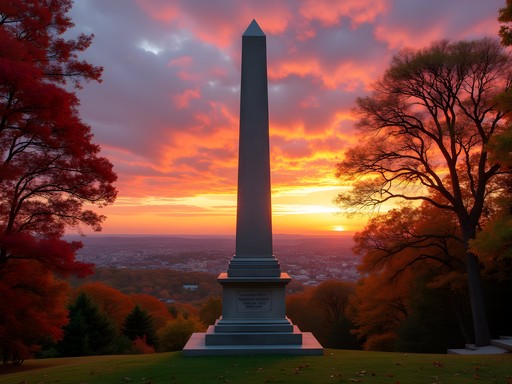
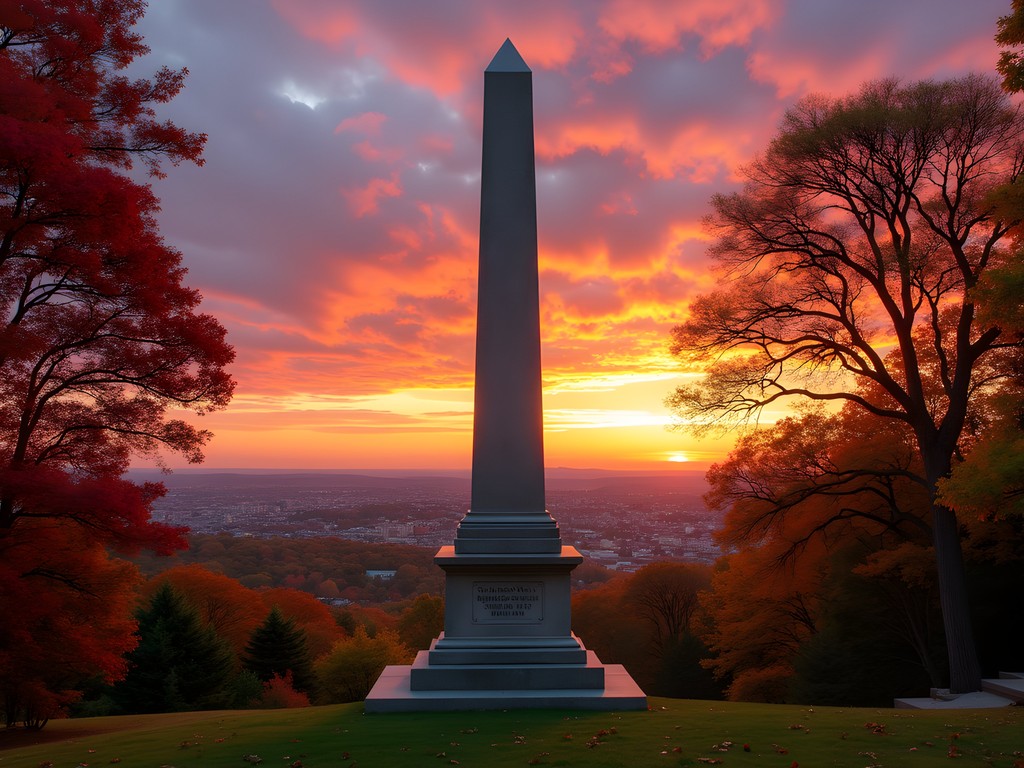
While primarily known for its natural beauty, East Rock Park holds fascinating historical significance that many visitors overlook. The 427-foot trap rock ridge not only provides spectacular views of New Haven and Long Island Sound but also houses the Soldiers' and Sailors' Monument, a 112-foot granite column erected in 1887 to honor those who died in four American wars.
The park itself tells the story of American urban planning – it was designed in the late 19th century as part of the Parks Movement, which sought to create natural retreats within growing industrial cities. During my visit, I hiked the Giant Steps Trail, a moderate climb that follows a path used since colonial times.
At the summit, I spread out my travel blanket and enjoyed a simple picnic while watching the sunset paint New Haven in golden hues. The monument's angel statue, silhouetted against the sky, created a poignant reminder of how landscapes become imbued with memory and meaning.
What made this experience special was finding 19th-century quarry marks still visible in some rock faces – evidence of how humans have shaped this seemingly natural landscape for centuries. This blend of natural and cultural history reminds me of sites I've explored in Mongolia, where seemingly untouched landscapes reveal human stories upon closer inspection.
💡 Pro Tips
- Visit at sunset for the most dramatic views of New Haven
- Look for the historic quarry marks on rock faces along the Giant Steps Trail
- Pack binoculars to spot migrating birds in fall – the park is on a major migration route
Hidden Culinary History: Louis' Lunch and Beyond
No historical exploration of New Haven would be complete without acknowledging its culinary heritage. Louis' Lunch, recognized by the Library of Congress as the birthplace of the hamburger sandwich in 1900, operates from a tiny brick building that looks transplanted from another era. Walking through its doors feels like stepping into a time capsule – the vintage cast iron grills date to 1898, and they still toast bread instead of using buns.
But New Haven's food history extends beyond this famous spot. The city's pizza tradition, locally called "apizza" (pronounced "ah-BEETS"), began with Frank Pepe Pizzeria Napoletana in 1925. What fascinates me as someone who studies cultural artifacts is how these establishments preserve not just recipes but entire preparation methods and atmospheres that have otherwise disappeared from American life.
For those interested in culinary history, I recommend bringing a food journal to document these historic eateries. I've filled several such journals during my travels, recording not just flavors but the stories behind dishes that connect us to the past.
For budget travelers, these historic eateries offer reasonable prices compared to modern restaurants, making them perfect for couples seeking both sustenance and stories. Just be prepared for lines at peak hours – these aren't hidden gems to locals!

💡 Pro Tips
- Visit Louis' Lunch outside peak hours (avoid 12-1pm and 6-7pm)
- At historic pizzerias, order 'plain' pizza to experience the original recipe
- Many historic eateries are cash-only – come prepared
Thrift Shopping Through History: New Haven's Vintage Treasures
As both an archaeology enthusiast and dedicated thrift shopper, I've developed a theory that secondhand stores offer a kind of urban archaeology – layers of a city's material culture available for excavation by the patient browser. New Haven doesn't disappoint in this regard.
English Building Antiques on Chapel Street occupies a 19th-century structure and specializes in architectural salvage. During my visit, I spent hours examining doorknobs, stained glass, and hardware that once adorned New Haven's historic buildings. For those renovating historic homes, this place is a treasure trove, but even casual visitors will appreciate the tangible connection to the city's architectural past.
For more affordable souvenirs, Civvies on Broadway offers vintage clothing spanning several decades. I found a 1960s Yale scarf that now travels with me as a bookmark. What makes these shops historically significant is how they preserve and circulate objects that tell New Haven's story through everyday items.
Before a serious thrift expedition, I always pack my tape measure and mini black light – the former for ensuring furniture pieces will fit in your space, the latter for examining antiques (certain old glass and porcelain will fluoresce under UV light, helping identify authentic pieces).

💡 Pro Tips
- Visit thrift shops midweek for the best selection
- Ask shopkeepers about the provenance of interesting items – they often know fascinating local history
- Bring cash for negotiating at antique stores
The Pardee Morris House: Everyday Colonial Life
While grand Yale buildings showcase institutional history, the Pardee Morris House offers something different – a glimpse into everyday colonial domestic life. This restored 18th-century farmhouse in the East Shore neighborhood survived being burned by British troops in 1779 during the American Revolution and was later rebuilt by its owner.
What makes this site special is its focus on ordinary life rather than famous events or people. The house museum contains period-appropriate furnishings and household items that illustrate how New Haven families lived during the colonial and early American periods. The kitchen garden features heritage plants that would have provided food and medicine for the household.
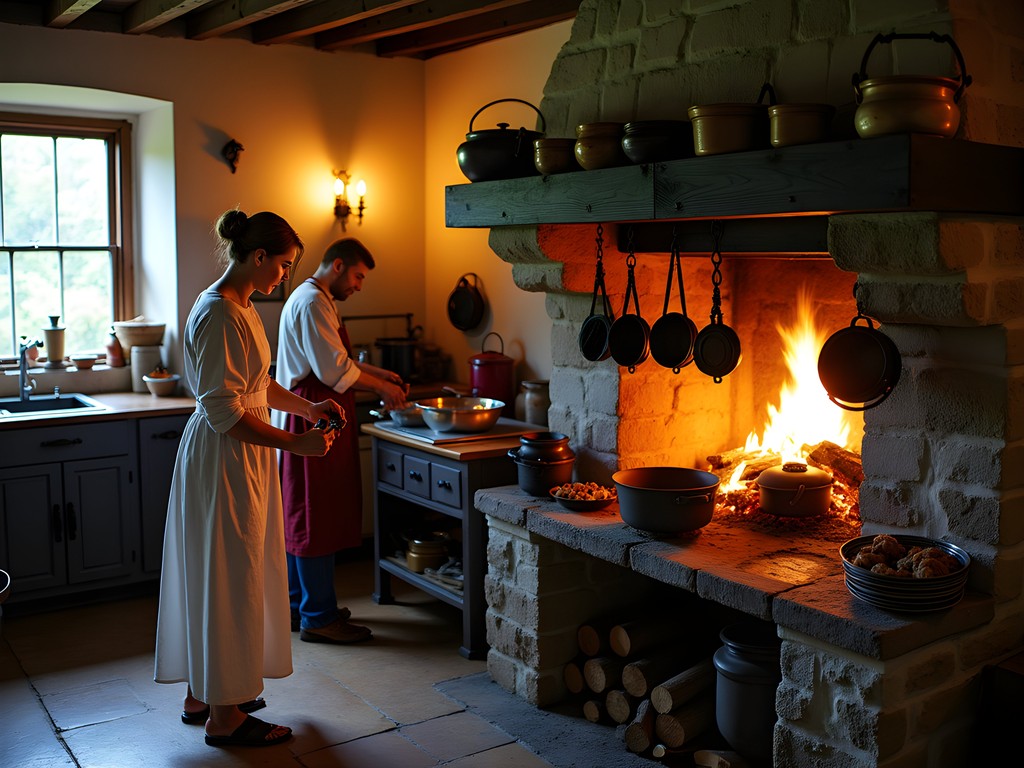
During my visit, I was fortunate to catch one of their hearth cooking demonstrations, where volunteers prepare period-accurate meals using colonial techniques. The aromas of wood smoke and simmering stews created an immersive sensory experience that artifacts alone cannot provide.
For photography enthusiasts, I recommend bringing a lens cleaning kit – the combination of open hearth smoke and historic house dust can be challenging for camera equipment. The house is only open seasonally (typically May through December) and for special events, so check their schedule before visiting.
💡 Pro Tips
- Check the New Haven Museum website for special events at the house – demonstrations make the visit much more engaging
- Take time to explore the heritage garden behind the house
- Combine with a visit to nearby Lighthouse Point Park for a full day in the East Shore area
Wooster Square: New Haven's Immigrant Story
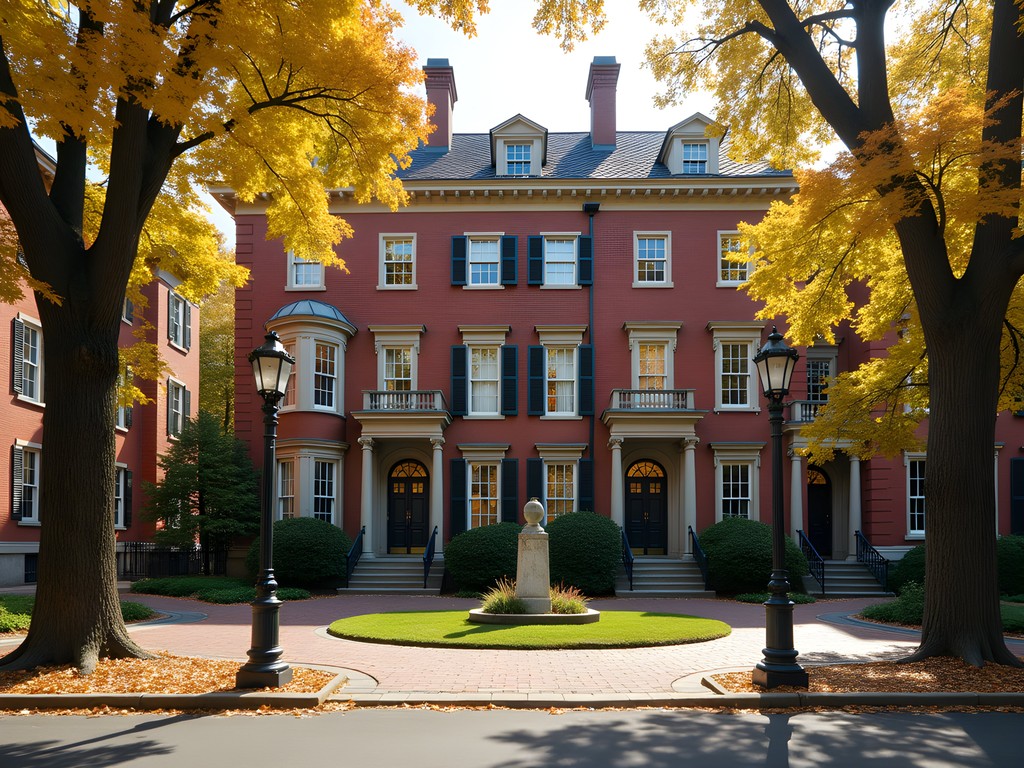
Just east of downtown lies Wooster Square, a neighborhood that tells the story of New Haven's waves of immigration and urban development. The square itself, with its canopy of cherry trees (spectacular in spring but still charming in fall), is surrounded by well-preserved 19th-century homes that once housed factory workers and business owners.
This area transformed from an affluent neighborhood to the heart of New Haven's Italian community in the early 20th century, and that heritage remains evident today. St. Michael's Church, built in 1899, stands as a testament to the Italian immigrants who funded its construction with hard-earned factory wages.
I spent a contemplative afternoon sketching the historic homes and churches while sitting on a bench beneath the trees. For architecture enthusiasts, I recommend bringing a pocket guide to help identify the various architectural styles represented in the neighborhood.
The area's historical significance extends beyond buildings to food traditions. The famous New Haven-style pizza originated here, and historic establishments like Sally's Apizza (established 1938) and Frank Pepe Pizzeria Napoletana continue traditions brought by immigrants over a century ago. Walking these streets, I'm reminded of how immigration patterns shape urban spaces in ways that persist long after demographic shifts occur – something I've observed in cities worldwide.
💡 Pro Tips
- Take a self-guided architecture tour using the Historic Wooster Square Association's online resources
- Visit early morning to see local life unfold in this still-vibrant neighborhood
- Combine historical exploration with culinary history by dining at one of the historic pizzerias
New Haven Green: The Heart of Colonial New England
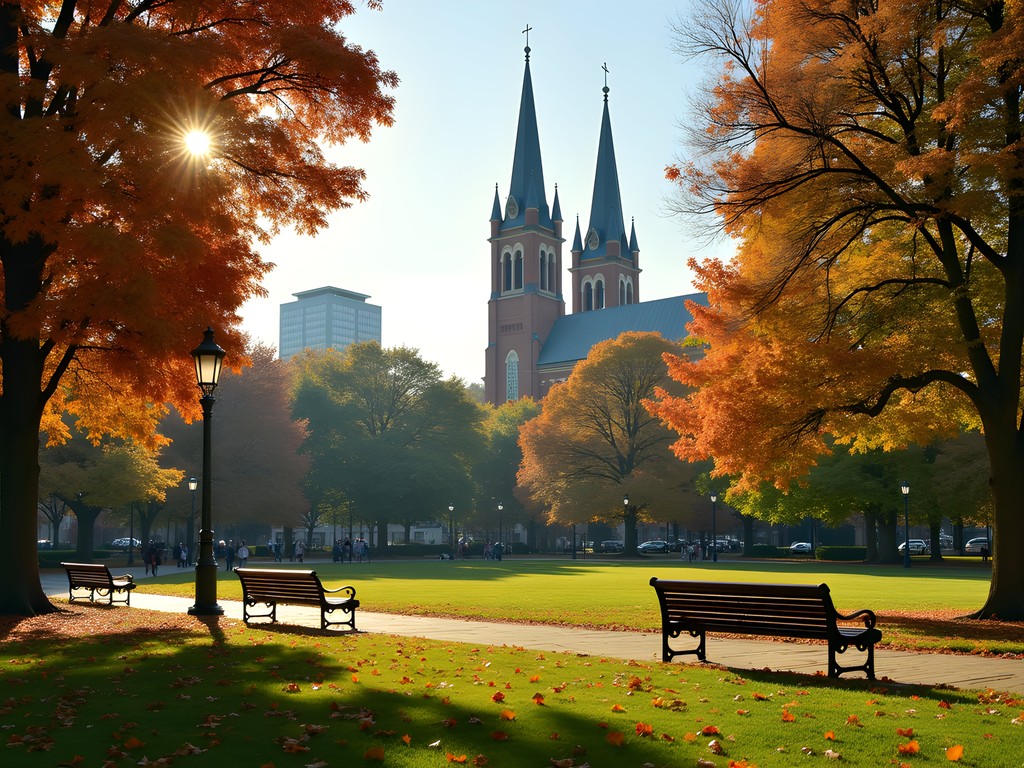
At the literal and historical center of New Haven lies the New Haven Green – one of the oldest and best-preserved colonial town greens in America. Established in 1638 when the city was founded, this 16-acre space was originally used for military drills, public punishment, and grazing livestock. Today, it serves as both public park and open-air museum.
What many visitors don't realize is that beneath their feet lie thousands of colonial-era graves. Until 1821, the Green served as the town burial ground, with an estimated 5,000-10,000 people interred there. During Hurricane Sandy in 2012, a fallen oak tree exposed a skeleton and colonial-era coffin, reminding the city of what lies beneath the manicured grass.
The Green is bordered by three historic churches that showcase different architectural periods: Center Church (1812), United Church (1814), and Trinity Church (1815). Center Church was built atop part of the colonial burial ground, and its crypt contains the graves and headstones of New Haven's founders.
I spent a misty morning exploring the Green with my travel umbrella in hand, contemplating how this space has remained the heart of New Haven for nearly four centuries while the city transformed around it. The experience reminded me of archaeological sites I've visited in Europe where modern life continues atop ancient foundations.
💡 Pro Tips
- Visit Center Church to see the crypt with colonial gravestones (limited hours, small donation requested)
- Look for the three distinct architectural styles of the churches bordering the Green
- Check the New Haven Green events calendar – many historical commemorations take place here
Final Thoughts
As the afternoon light filters through the autumn leaves on the New Haven Green, I find myself reflecting on how this compact city contains such multifaceted history. From Yale's intellectual legacy to the industrial innovations at Whitney's mill, from colonial graves to immigrant narratives in Wooster Square – New Haven offers layers of American experience that reward the curious traveler.
What makes these sites particularly special is how accessible they are, both physically and financially. Most of my explorations cost nothing beyond comfortable walking shoes and time. Even the sites with entrance fees (like the Peabody Museum) offer exceptional value compared to similar attractions in larger cities.
For couples seeking a weekend of historical exploration, New Haven provides that perfect balance of structured attractions and serendipitous discovery. As an archaeologist's daughter, I've learned that the most meaningful travel experiences often come from connecting seemingly disparate threads of history into a cohesive narrative – something New Haven allows in abundance.
So next time someone mentions New Haven only in the context of Yale, gently remind them that while the university may be the city's crown jewel, the setting contains many hidden gems waiting to be discovered by those willing to look beyond the obvious. Gute Reise!
✨ Key Takeaways
- New Haven's historical sites offer exceptional value for budget-conscious travelers
- Fall provides ideal weather and beautiful backdrops for exploring the city's outdoor historical sites
- Many significant historical attractions in New Haven are free or low-cost
- The city's compact size makes it perfect for a walking-focused weekend exploration
- Beyond famous sites lie intimate historical experiences that reveal everyday American life across centuries
📋 Practical Information
Best Time to Visit
September-November (fall)
Budget Estimate
$200-400 per couple for a weekend
Recommended Duration
2-3 days
Difficulty Level
Easy





Comments
Amanda Morris
What a lovely portrait of New Haven beyond the obvious! I had a similar experience at the Grove Street Cemetery last autumn - standing before Noah Webster's grave with my daughter was a surprisingly emotional moment. We also discovered the Knights of Columbus Museum which has fascinating rotating exhibits on Catholic history. And don't miss the incredible collection at the Yale University Art Gallery - their early American furniture collection transported me back in time. New Haven truly rewards those who look beyond the surface.
photogeek
That shot of the autumn leaves on the New Haven Green is stunning! What time of year did you visit?
natalie_author
Thanks! I was there mid-October - perfect timing for fall colors. The whole city looks magical that time of year.
redexplorer
Really like your photos!
sunsetvibes
This is so cool!! Going to CT in a few weeks and totally adding these to my itinerary
Sophia Gomez
Natalie, this is such a thoughtful post! I was in New Haven for a conference last spring and completely missed most of these spots because I stuck to the Yale campus area. The Eli Whitney Museum sounds fascinating - I love when cities preserve their industrial heritage like that. One thing I'd add for anyone visiting: don't sleep on the food scene! Wooster Street has some of the best pizza I've ever had, and it's walkable from most of these historical sites. New Haven really does pack so much into a compact area. Definitely adding Grove Street Cemetery to my list for next time.
redexplorer
Wooster Street pizza is legit!! Sally's or Pepe's?
moonlover
Love this! Had no idea about the Amistad connection
oceanguide
is the cemetery open to just walk around? seems really interesting but don't want to show up and not be able to get in
sunsetvibes
I went last year and yeah it's open during the day! Really peaceful place to walk around
oceanguide
awesome thanks!
travel_with_kids
Just visited New Haven with our two kids (8 and 10) and they LOVED the Eli Whitney Museum! The interactive exhibits kept them engaged for hours. Definitely kid-friendly if anyone's wondering!
wanderlust_jen
Great post! Is Grove Street Cemetery open year-round? Planning a visit in November.
local_nhv
Yes, it's open year-round! Hours are shorter in winter though, usually 8am-4pm. The fall is actually a beautiful time to visit - the old trees have amazing colors.
wanderlust_jen
Perfect timing then! Thanks so much for the info.
springseeker
Just got back from New Haven and used this guide extensively - thank you! The Grove Street Cemetery was incredible, and I loved finding the graves of so many historical figures. We also stumbled upon the Marsh Botanical Garden which wasn't on your list but was a peaceful retreat. The greenhouse collections were beautiful and hardly any tourists.
Natalie Ramos
So glad you enjoyed New Haven! The Marsh Botanical Garden is a wonderful suggestion - I should have included it. It's such a peaceful contrast to the busier parts of campus.
Venture X
Premium card with 2X miles, $300 travel credit, Priority Pass