
Disclosure: This article contains affiliate links. We may earn a commission from purchases at no extra cost to you, which helps our travel content.
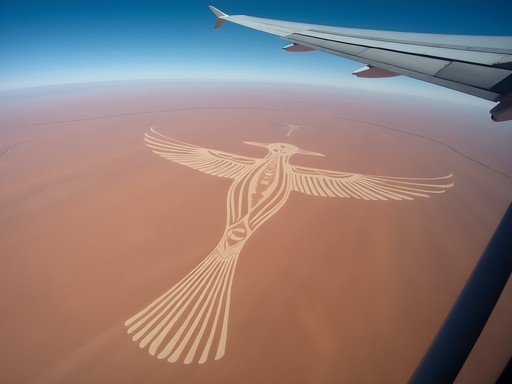
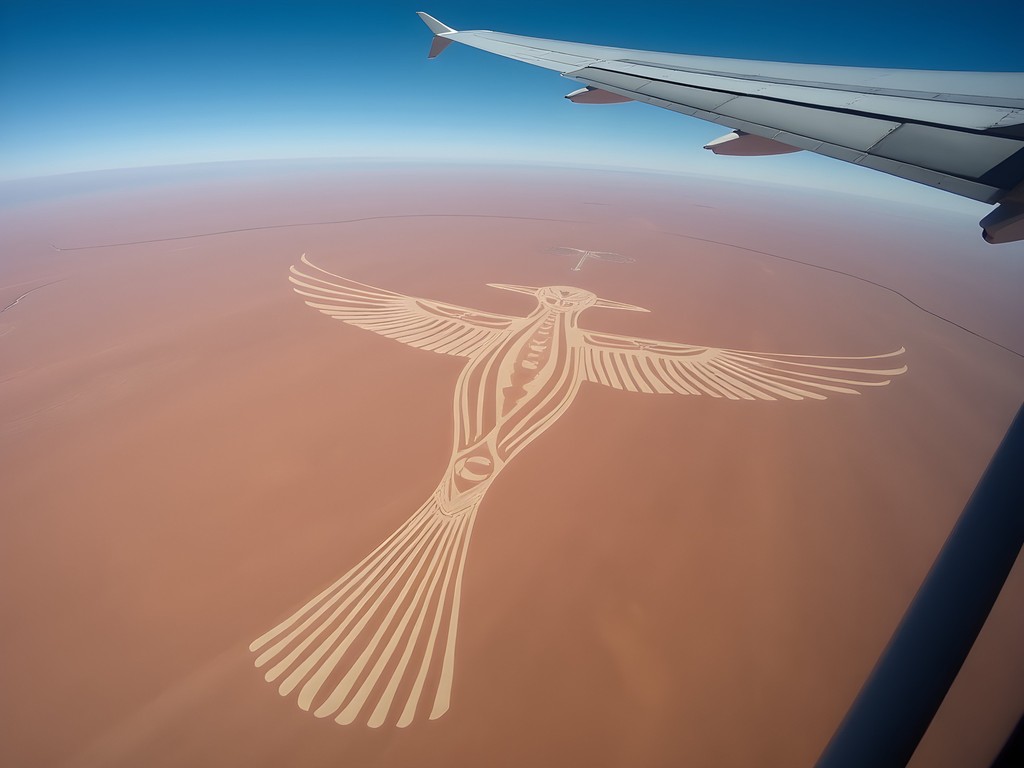
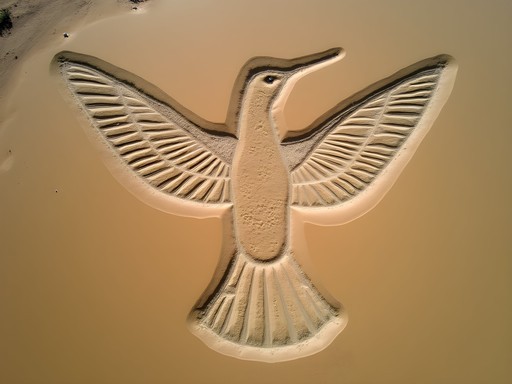
Standing at the edge of Peru's arid Nazca Desert, I couldn't help but feel the profound weight of mystery surrounding me. The legendary Nazca Lines—massive geoglyphs etched into the earth over 1,500 years ago—remained hidden in plain sight until I was airborne. As someone who's walked through ancient temples across Southeast Asia and studied rock art in New Zealand, I can confidently say that few historical sites blend natural grandeur and human ingenuity quite like these enigmatic desert drawings. Whether you're a history enthusiast or simply curious about one of humanity's most compelling mysteries, this weekend guide will help you navigate the wonder of Nazca with intention and respect.

Planning Your Nazca Flight Experience
The Nazca Lines exist primarily to be viewed from above, making a flight tour the centerpiece of any visit. After researching extensively, I opted for a morning flight when air turbulence is minimal—a choice my stomach thanked me for later.
Flights typically last 30-45 minutes and depart from Maria Reiche Airport, about 5km from Nazca town. Prices hover around $80-120 USD depending on season and aircraft size. I recommend booking through your accommodation or a reputable agency in Lima before arrival, though same-day bookings are possible during quieter periods.
Before boarding, I prepared with my trusty anti-nausea wristbands and a lightweight camera strap that kept my equipment secure during the frequent banking turns. The pilots make sharp maneuvers to ensure both sides of the aircraft get clear views of each figure—a thoughtful touch, but potentially challenging for those prone to motion sickness.
While onboard, maintain the mindful breathing techniques that have served me well through turbulent flights across Thailand's monsoon season. The pilots announce each figure in Spanish and English, giving you time to position your camera before banking.
💡 Pro Tips
- Book morning flights (before 11 am) for smoother air and better visibility
- Bring motion sickness remedies even if you don't normally need them
- Use a polarizing filter on your camera to reduce glare from the desert floor
Understanding the Ancient Mystery
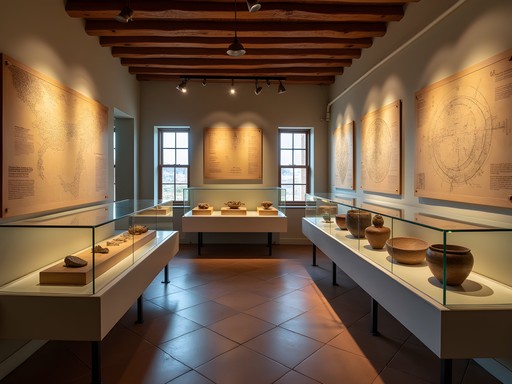
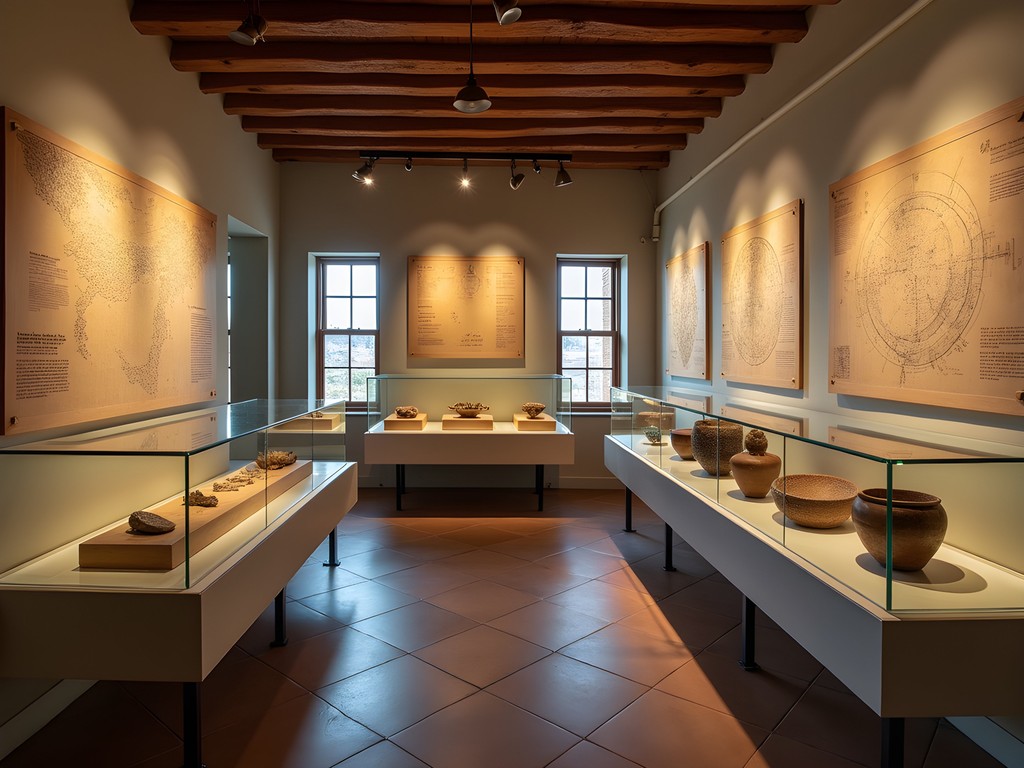
After experiencing the lines from above, I spent an afternoon at the Maria Reiche Museum to deepen my understanding of these enigmatic creations. Named after the German mathematician who dedicated her life to preserving and studying the lines, this modest museum provides crucial context.
The Nazca Lines were created between 500 BCE and 500 CE by removing the reddish-brown iron oxide-coated pebbles that cover the desert surface, revealing the lighter-colored ground beneath. With over 300 figures ranging from simple lines to complex zoomorphic designs, they've puzzled researchers for decades. Theories about their purpose range from astronomical calendars to ritual pathways and water-related ceremonies.
I found myself contemplating the concept of wabi-sabi—the Japanese philosophy embracing impermanence and imperfection—as I learned how these fragile lines have survived centuries of wind and rare rainfall. Their preservation seems almost miraculous, a testament to the region's extremely dry, stable climate.
Before my visit, I read The Nazca Lines: A New Perspective, which provided valuable insights beyond what tour guides typically share. This background knowledge transformed my experience from mere sightseeing to meaningful cultural immersion.
💡 Pro Tips
- Visit the Maria Reiche Museum early in your trip to appreciate the aerial tour more fully
- Bring binoculars to the Mirador observation tower for a budget-friendly ground view
- Download offline maps as cell service is spotty throughout the region
Beyond the Lines: Nazca's Hidden Archaeological Treasures
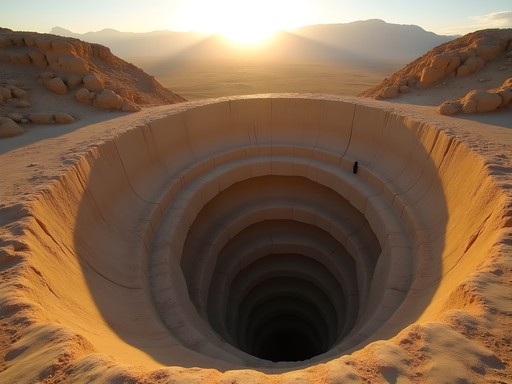
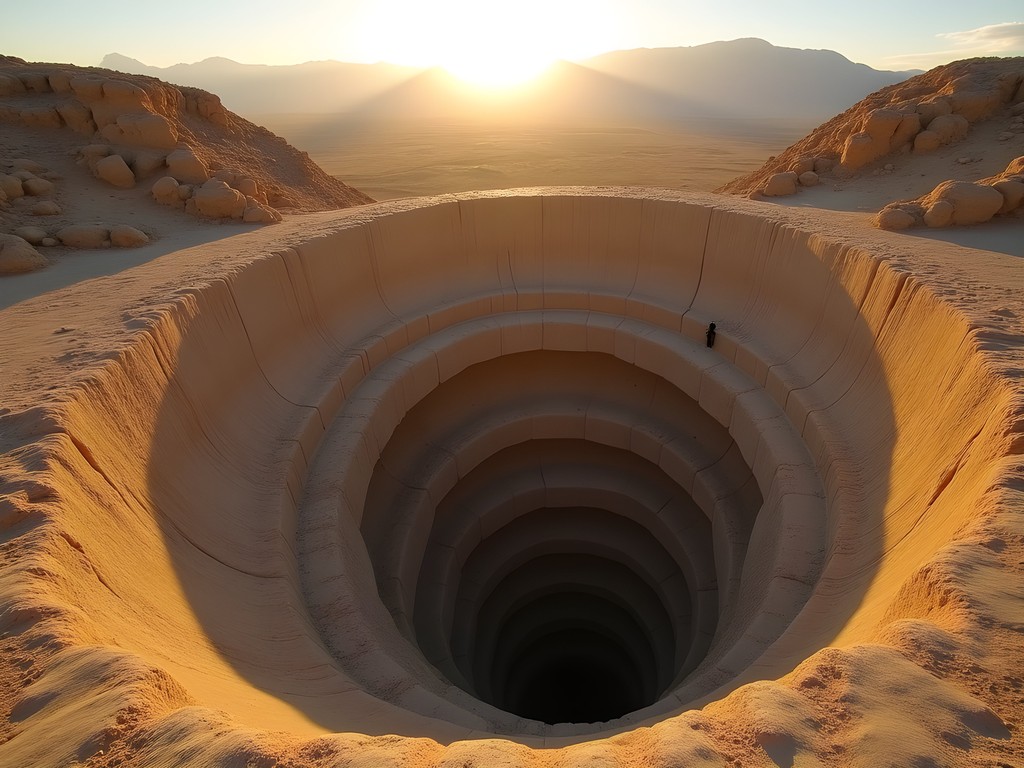
While the Lines rightfully steal the spotlight, Nazca offers several lesser-known archaeological sites worth exploring. I dedicated my second day to these ground-level wonders, starting with the Cantalloc Aqueducts (Puquios).
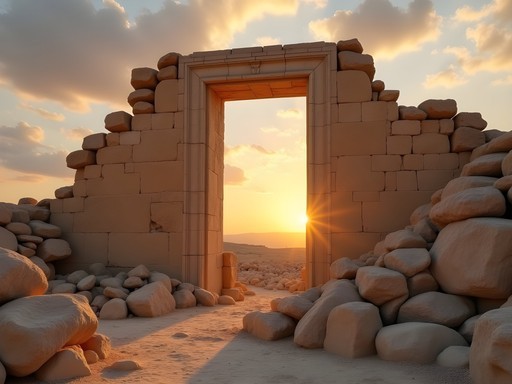
These spiral-shaped stone structures, built by the Nazca civilization around 1,500 years ago, form an impressive underground aqueduct system that still functions today. Standing beside these engineering marvels while the morning light cast long shadows across the desert, I gained new appreciation for the ingenuity of ancient Peruvians who thrived in this seemingly inhospitable environment.
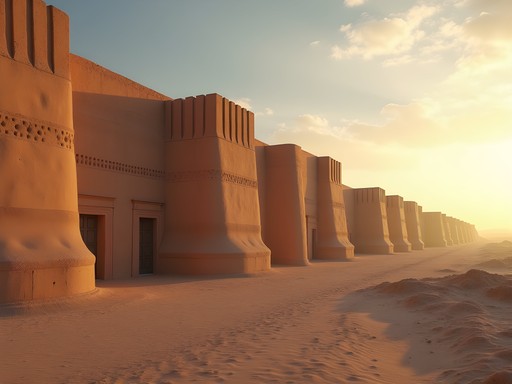
Next, I visited Cahuachi, once the ceremonial center of Nazca culture. Though less restored than other Peruvian archaeological sites, its adobe pyramids rising from the desert floor create a hauntingly beautiful landscape. I recommend hiring a local guide here—mine shared insights about ceremonial practices that connected deeply with my interest in mindfulness traditions across cultures.
The Chauchilla Cemetery, with its mummified remains visible in open graves, offers a somber but fascinating glimpse into Nazca funerary practices. The preserved hair and textiles on mummies dating back to 900 CE are remarkably intact due to the desert's arid conditions.
Navigating between these sites requires transportation, and I found my compact binoculars invaluable for appreciating distant architectural details without disturbing protected areas.
💡 Pro Tips
- Hire a local guide for Cahuachi who can explain the significance of different structures
- Visit Chauchilla Cemetery in late afternoon when the lighting creates dramatic shadows
- Bring at least 1.5 liters of water per person for these desert excursions

Practical Logistics: Staying and Moving in Nazca
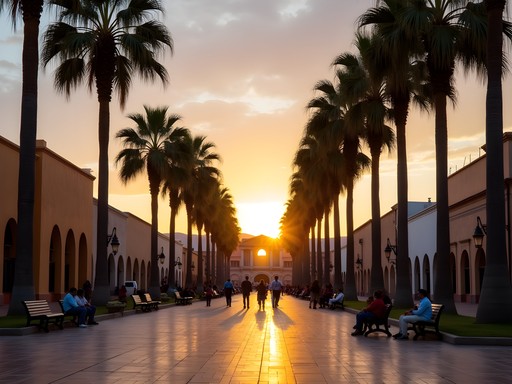
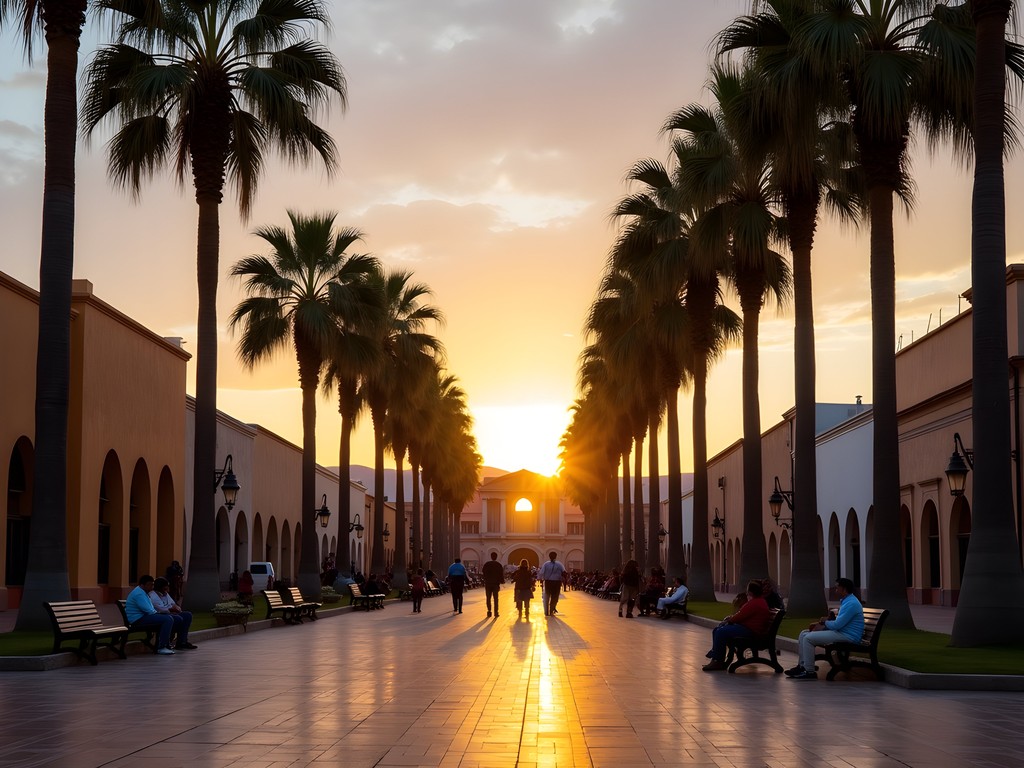
Nazca town itself is small and walkable, with accommodations ranging from budget hostels to comfortable mid-range hotels. I stayed at Hotel Nazca Lines, a mid-range option with a pleasant courtyard where I practiced morning meditation before each day's adventures.
For meals, I recommend Casa Andina's restaurant for dinner and the small family-owned Pachamanca near the main plaza for lunch. The latter serves traditional pachamanca—meat and vegetables cooked underground with hot stones—a technique that reminded me of similar earth-oven cooking I've encountered in New Zealand's Māori cuisine.
Most travelers arrive in Nazca via bus from Lima (approximately 7 hours) or Arequipa (8-9 hours). I opted for an overnight Cruz del Sur bus from Lima, using my travel pillow to catch some sleep before arriving fresh for my morning flight. The bus terminal is about 2km from the town center—an easy taxi ride.
For exploring archaeological sites beyond town, you have three options: organized tours (approximately $40-60 USD), hiring a taxi for the day (negotiate around $50-70 USD), or renting a bicycle for closer sites like the Cantalloc Aqueducts. I chose a private taxi, which allowed me to adjust my schedule and linger at sites that particularly captured my interest.
The desert sun is intense year-round, so my packable sun hat proved essential for protection during outdoor explorations.
💡 Pro Tips
- Withdraw cash in Lima or larger cities as ATMs in Nazca can be unreliable
- Confirm your bus departure time a day in advance as schedules sometimes change
- Book accommodation with air conditioning if visiting December-March when temperatures regularly exceed 90°F (32°C)
Final Thoughts
As my weekend in Nazca drew to a close, I found myself sitting on a small hill overlooking the desert at sunset, contemplating the remarkable human drive to create meaning through connection with the cosmos. These ancient lines—only fully visible from a perspective their creators could never have experienced—remind us that sometimes we build things not for immediate recognition but as messages extending beyond our own lifetimes.
Nazca requires intentional travel. Its treasures don't reveal themselves to the rushed or distracted visitor. By approaching this landscape with curiosity and patience, you'll discover layers of meaning beyond the initial visual impact of the famous geoglyphs.
Whether you're captivated by archaeological mysteries, ancient engineering feats, or simply the meditative quality of vast desert landscapes, Nazca offers a weekend adventure that will challenge your perceptions and leave you with questions that linger long after your return home. As we say in Japanese, ichigo ichie—one time, one meeting. Your encounter with Nazca will be uniquely yours, a singular moment of connection with one of humanity's most enduring enigmas.
✨ Key Takeaways
- Book morning flights for optimal viewing conditions of the Nazca Lines
- Extend your visit beyond the famous geoglyphs to explore impressive aqueducts and archaeological sites
- Consider hiring local guides to gain deeper cultural context and support the local economy
📋 Practical Information
Best Time to Visit
May-October (dry season with clearest skies)
Budget Estimate
$250-400 for a weekend (including flights over lines)
Recommended Duration
2-3 days
Difficulty Level
Moderate



Comments
Riley Griffin
Elizabeth, this brought back such great memories of our family trip there two years ago! Your description of that sunset moment really resonates. One thing I'd add for families: the Maria Reiche Planetarium does evening shows that are perfect for kids. They explain the astronomical theories behind the lines in a really engaging way. Our 9 and 11 year old were captivated. Also, we brought our binoculars and the kids loved using them at the mirador tower to spot the lines from ground level before the flight. Made them feel like real archaeologists!
dreamgal
went last september and this guide is super helpful! wish id had it then lol. we stayed at hotel nazca lines and it was decent, nothing fancy but clean. the chauchilla cemetery was honestly the highlight for me, even more than the flight. those mummies are wild. also the pisco at that little restaurant near the plaza was dangerously good 😂
coolzone
this looks amazing but im nervous about traveling peru solo. is nazca safe for first time travelers?
Elizabeth Stephens
Nazca is generally quite safe! It's a small town and very tourist-friendly. Just use common sense—don't flash valuables, use registered taxis, and book tours through reputable companies. The flight companies are all regulated and professional. You'll meet lots of other solo travelers there too!
beachhero
Going in April - is 2 days enough or should we stay longer?
dreamgal
2 days is perfect honestly. we did flight first day, ruins and cemetery second day. unless you really love archaeology theres not much more to see
Riley Griffin
We did 2 nights with our kids and it was just right. Day 1 was the flight and exploring the town, Day 2 we did the Cantalloc aqueducts and Chauchilla cemetery. The kids loved the mummies! Just know that Nazca itself is pretty dusty and basic—it's really all about the ancient sites.
wavevibes
Love the photos! Adding this to my Peru itinerary
Timothy Jenkins
Brilliant guide, Elizabeth! I visited Nazca last year and your section on the lesser-known sites like Cahuachi is spot on. So many travelers miss the actual archaeological sites and only do the flight. The aqueducts are fascinating too—amazing engineering for their time. One tip I'd add: if you're interested in the archaeological side, try to arrange a guide through the Maria Reiche Museum. They're incredibly knowledgeable and it adds so much context to what you're seeing from the air.
Elizabeth Stephens
Thanks Timothy! Great tip about the museum guides—I wish I'd known that before my visit. Definitely adding that to the post!
oceanperson
how bad is the motion sickness on the flight? i get queasy pretty easy
Elizabeth Stephens
It can be rough! The plane banks sharply so both sides can see. I'd recommend taking motion sickness meds 30 mins before, sitting near the wing, and booking a morning flight when it's less turbulent. Totally worth it though!
dreamgal
yeah definitely take dramamine or something. i didnt and regretted it lol. but the views are incredible so dont skip it!
coolguide3194
Planning a trip for next year! How many days would you recommend staying in Nazca? Is it possible to see everything in one full day?
Elizabeth Stephens
I'd recommend at least two full days. One for the flight and the viewing tower, another for exploring the archaeological sites like Cahuachi and the Cantalloc Aqueducts. If you're really pressed for time, you can do the flight and museum in one day, but you'd miss the context that makes the lines so special!
Bryce Diaz
Elizabeth, your section on 'Beyond the Lines' was exactly what I needed! Just got back from Peru last month and wish I'd read this before. I spent two full days in Nazca but focused only on the lines. Completely missed the Chauchilla Cemetery which sounds fascinating. The sunset contemplation you described really resonated with me - I had a similar moment sitting at a small café in town watching the desert colors change. For those planning a visit, I'd add that the best flight times are early morning (6-8am) when winds are calmest. By afternoon, it gets quite turbulent. Also, the local chicha morada drink is perfect after a hot day exploring!
GlobeTrekker42
If anyone's planning this trip, try to get the first morning flight (around 8am). The air is calmer and visibility is best before the desert heat creates turbulence. We went at noon and it was pretty bumpy!
SoloTravelerJane
Yes! Morning flights are definitely better. I did a 2pm flight and felt so sick afterward.
Venture X
Premium card with 2X miles, $300 travel credit, Priority Pass