


Disclosure: This article contains affiliate links. We may earn a commission from purchases at no extra cost to you, which helps our travel content.
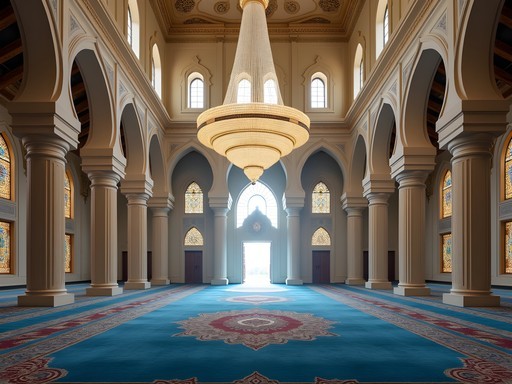
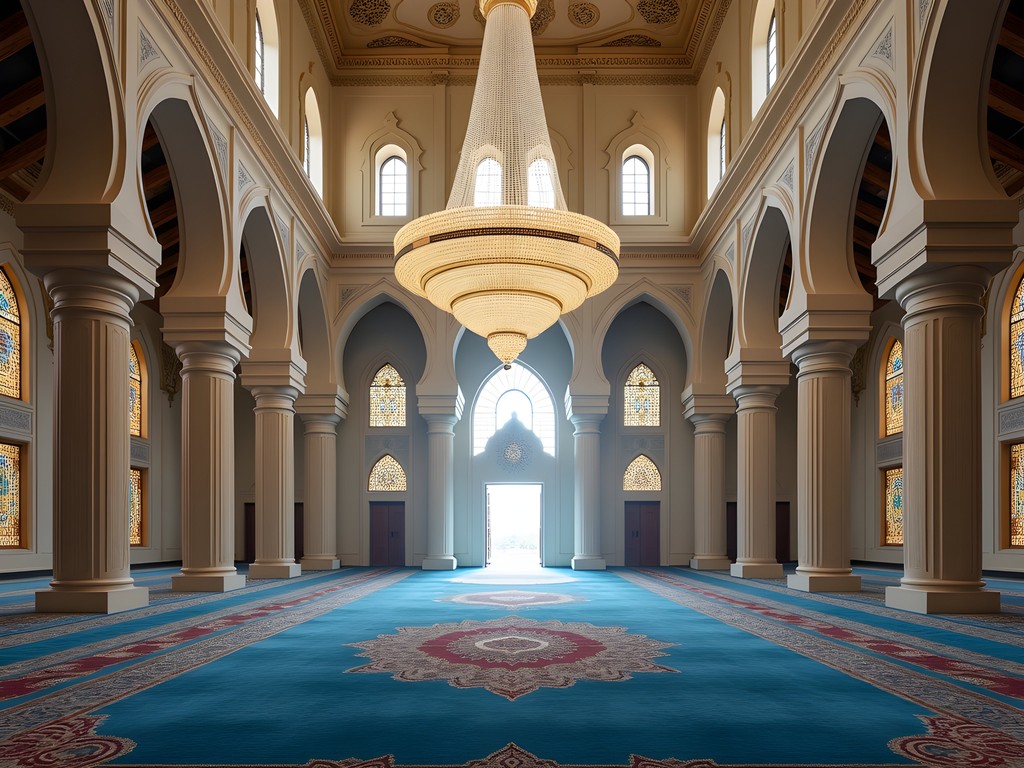
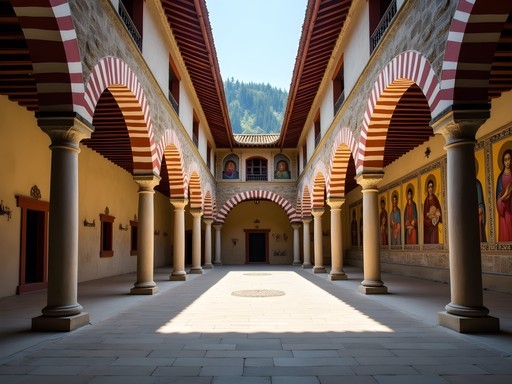
The first time my daughter and I stepped into Muscat's Sultan Qaboos Grand Mosque, with its massive crystal chandelier catching the morning light, I realized Oman would challenge everything we thought we knew about the Arabian Peninsula. After my transformative experience in Kenya years ago, I've made it my mission to seek out destinations that offer my family both cultural richness and educational value beyond what any classroom could provide. Muscat delivers this in spades. Unlike its flashier neighbors with their futuristic skylines, Oman's capital proudly wears its 1,500-year history on its sleeve – from the weathered stones of ancient fortifications to the intricate details of its Islamic architecture. This winter, we spent a soul-enriching week exploring Muscat's historical treasures, and I'm convinced it's one of the most underrated family destinations for those seeking to understand the depth and complexity of Arabian heritage.

Muscat's Magnificent Forts: Guardians of a Maritime Empire
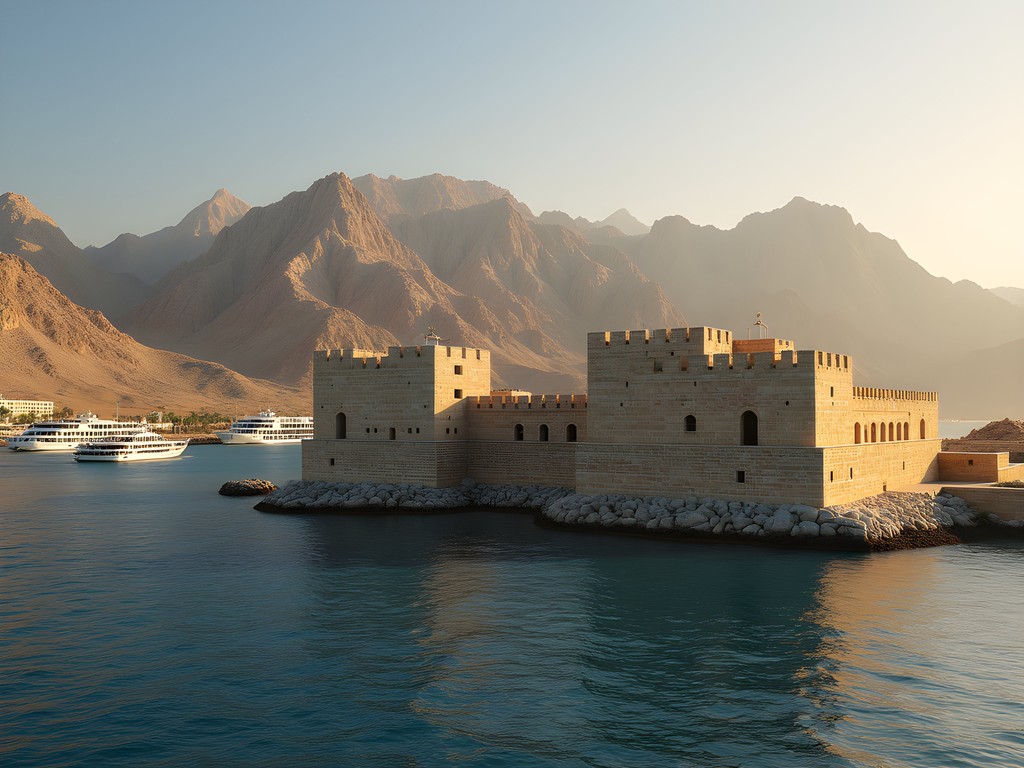
The twin sentinels of Al Jalali and Al Mirani forts have stood guard over Muscat's harbor since the 16th century, silent witnesses to Portuguese occupation, Ottoman threats, and finally, Omani independence. These imposing structures are best viewed from the waterfront Corniche, where my daughter and I spent our first morning in Muscat getting our bearings.
But the crown jewel of Omani military architecture is undoubtedly Mutrah Fort, perched dramatically on a rocky outcrop overlooking the city. The steep climb to reach it is rewarded with panoramic views that help you understand why this location was so strategically important. I recommend tackling this hike in the early morning before the heat becomes oppressive – we started our ascent at 7:30 AM and had the fort almost entirely to ourselves.
For families with younger children, the recently restored Bait Al Baranda museum near Mutrah Fort offers an excellent introduction to Muscat's military history with interactive exhibits that kept my daughter engaged for nearly two hours. The museum staff provided her with a 'history detective' worksheet that turned our visit into a treasure hunt through Oman's past.
To document these magnificent structures properly, I relied on my trusty travel camera. Its compact size made it easy to carry during our fort-hopping adventures, while still capturing the dramatic scale and intricate details of these historical monuments.
💡 Pro Tips
- Visit forts in the early morning (before 9 AM) to avoid both crowds and midday heat
- Wear sturdy shoes with good grip for the uneven surfaces and steep climbs
- Bring a wide-angle lens to capture the full scale of the fortifications against the dramatic mountain backdrop
Sultan Qaboos Grand Mosque: A Masterpiece of Islamic Architecture
No historical tour of Muscat would be complete without dedicating a morning to the Sultan Qaboos Grand Mosque. Completed in 2001, it might not be ancient by Omani standards, but it represents the culmination of centuries of Islamic architectural tradition. The mosque welcomes non-Muslim visitors from 8 AM to 11 AM every day except Friday, making it accessible for families wanting to understand this important aspect of Omani culture.
What struck me most wasn't just the sheer scale of the main prayer hall – which can accommodate 6,500 worshippers – but the meticulous attention to detail. The hand-woven Persian carpet covering the floor contains 1.7 billion knots and took four years to complete. My daughter spent nearly 30 minutes just identifying different patterns and motifs in a single corner of this textile masterpiece.
The mosque's library contains over 20,000 volumes and offers a glimpse into the Islamic scholarly tradition. Though many books are in Arabic, there's a significant English collection that provides insights into Islamic art, architecture, and history. The staff were exceptionally welcoming to my curious daughter, patiently answering her endless questions about the building's construction.
Remember that modest dress is required – women must cover their hair, arms, and legs, while men must wear long pants and sleeves. If you forget, the mosque provides appropriate attire to borrow, but bringing your own is more comfortable. I packed a lightweight travel scarf for my daughter, which served triple duty as a head covering for mosque visits, sun protection during our outdoor explorations, and an extra layer for chilly evenings.
💡 Pro Tips
- Arrive early (around 8:30 AM) to enjoy the mosque before tour groups arrive
- Bring socks as you'll need to remove your shoes before entering the prayer hall
- Download the free mosque audio guide app before your visit for detailed explanations of the architecture and symbolism
Mutrah Souq: Shopping Through the Centuries
While modern malls dot Muscat's expanding suburbs, the historical heart of Omani commerce beats within the labyrinthine alleys of Mutrah Souq. Dating back over 200 years, this traditional market offers a sensory journey that captivated both my daughter and me from the moment we stepped through its ornately carved wooden entrance.
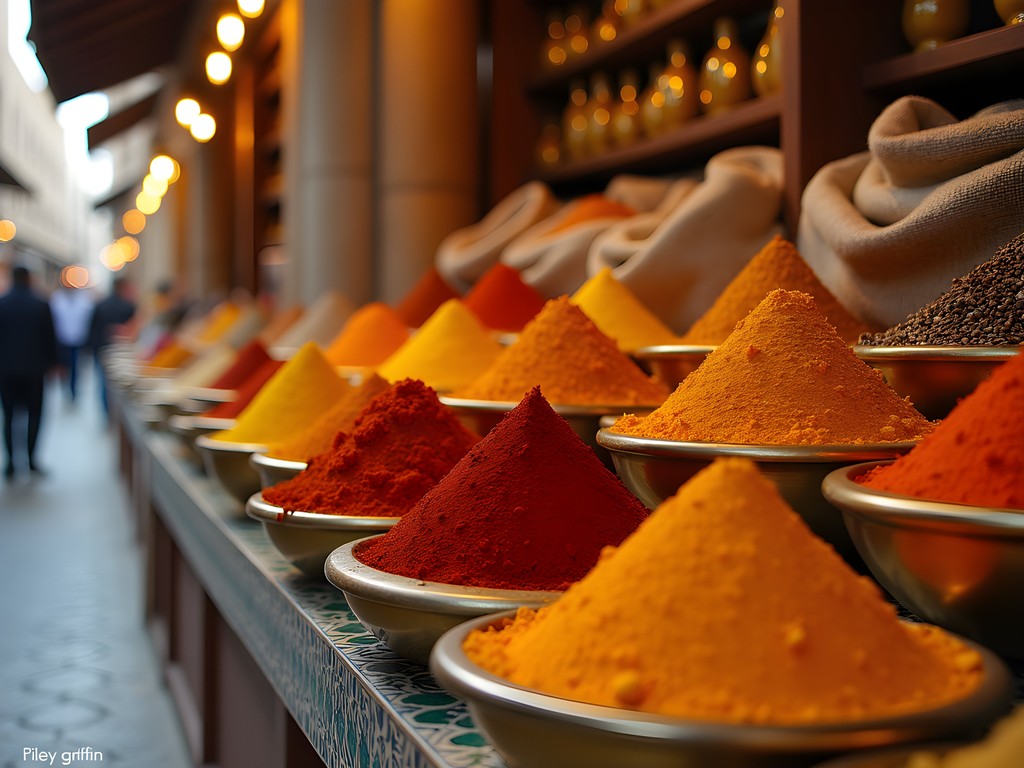
The souq is organized roughly by product type – frankincense and myrrh (Oman's historical trade treasures) near the main entrance, followed by sections for textiles, gold, silver, antiques, and everyday household items. Unlike some tourist-oriented markets in other countries, Mutrah Souq serves locals and visitors alike, lending it an authenticity that's increasingly rare.
My daughter was particularly fascinated by the silver section, where artisans craft traditional Omani khanjar daggers and intricate jewelry using techniques passed down through generations. Many craftsmen are happy to demonstrate their work if you show genuine interest – we spent nearly an hour watching one silversmith create a delicate filigree bracelet, an experience no history textbook could replicate.
The antique section yielded our favorite souvenir – a 1940s brass compass that once belonged to a Bedouin navigator. While certainly not inexpensive at 65 Omani Rial (about $170), it now occupies a place of honor in our home and sparks conversations about navigation before GPS and smartphones.
Navigating the souq's narrow passages can be disorienting, especially during busy evening hours. I found my pocket guidebook invaluable for its detailed map of the souq's layout and key phrases for bargaining in Arabic. The book's historical context also helped us appreciate the significance of various traditional items we encountered.
💡 Pro Tips
- Visit both during daytime and evening hours for two completely different atmospheres
- Bargaining is expected but should be good-natured – start at about 60-70% of the initial asking price
- Take photos of your entry point or use Google Maps to drop a pin – it's surprisingly easy to get disoriented

Bait Al Zubair: A Window into Omani Daily Life
While grand mosques and imposing forts tell the official history of Oman, I've always found that understanding how ordinary people lived provides the most meaningful historical insights for my family. That's why Bait Al Zubair Museum became the unexpected highlight of our Muscat exploration.
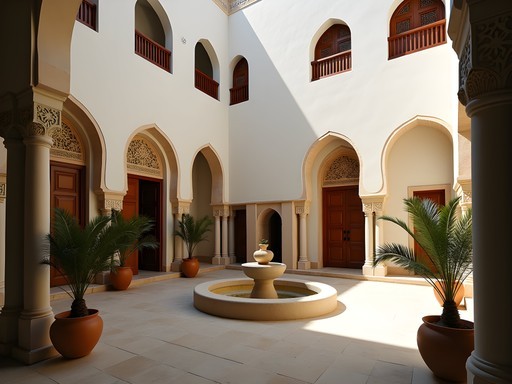
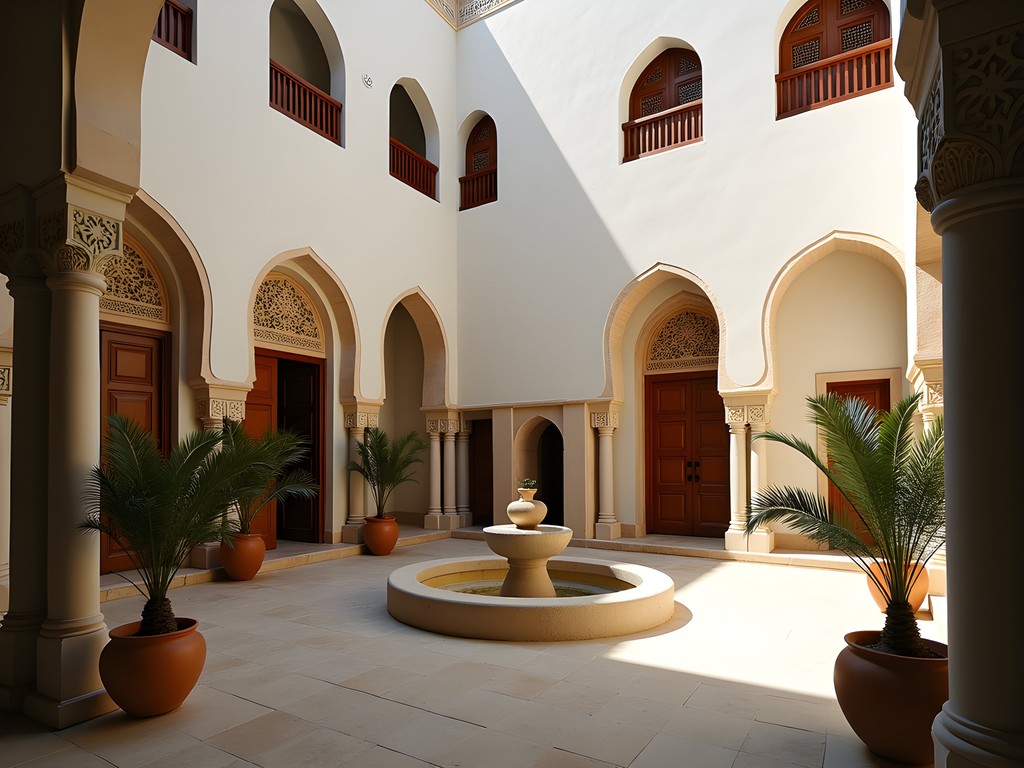
Housed in a restored traditional Omani home, this private museum showcases the Al Zubair family's remarkable collection of artifacts spanning over 300 years of Omani cultural history. What sets it apart is its focus on everyday items – traditional clothing, household implements, agricultural tools, and children's toys – that paint a vivid picture of domestic life across generations.
The museum's garden features full-scale reproductions of different regional Omani dwellings, from coastal fishing homes to mountain settlements and desert encampments. My daughter was particularly fascinated by the falaj water system model, which demonstrates the ingenious irrigation methods that made agriculture possible in this arid region for over 2,500 years.
The museum's thoughtful curation includes excellent English explanations and context for each exhibit. We spent nearly three hours exploring, with my daughter filling several pages in her travel journal with sketches and observations. The museum staff noticed her interest and gifted her a beautiful book on traditional Omani children's games – a gesture of the legendary Omani hospitality that made a lasting impression.
To document our museum exploration in the often challenging lighting conditions, I relied on my smartphone gimbal. It allowed me to capture smooth video walkthroughs of the exhibits without disturbing other visitors, creating lasting memories of our educational adventure that we've rewatched several times since returning home.
💡 Pro Tips
- Allow at least 2-3 hours to fully appreciate the collection – it's more extensive than it first appears
- Visit on Thursday afternoons when local artisans often demonstrate traditional crafts in the courtyard
- Don't miss the small but excellent gift shop, which offers ethically-sourced crafts that support local artisans
Royal Opera House: Where Tradition Meets Modernity
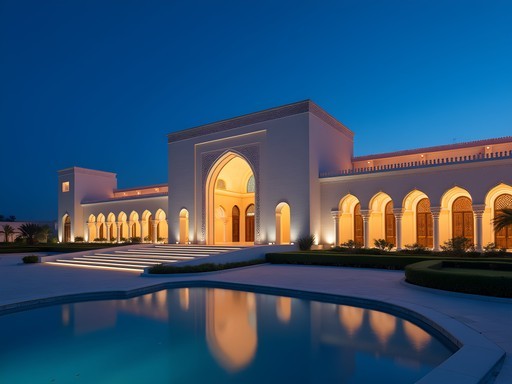
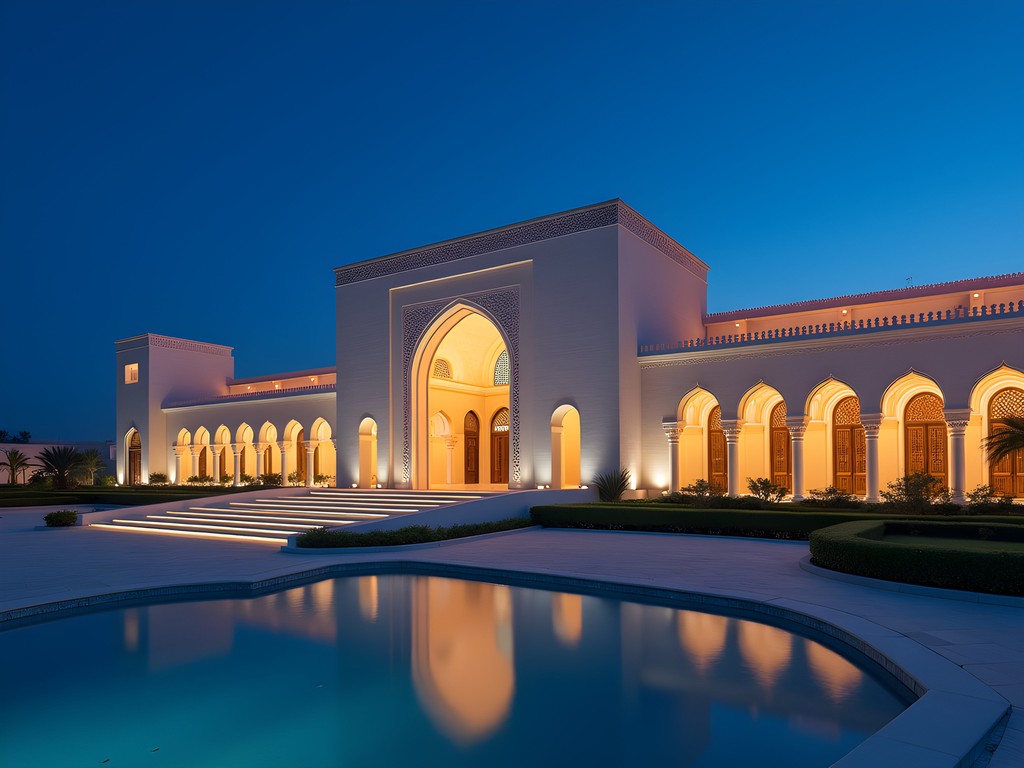
While not ancient by definition, no exploration of Muscat's cultural landscape would be complete without acknowledging how Sultan Qaboos masterfully blended Oman's rich heritage with contemporary arts through the Royal Opera House Muscat. Opened in 2011, this architectural marvel represents the culmination of Oman's cultural renaissance while honoring its traditional aesthetic sensibilities.
Even if you can't attend a performance (though I highly recommend checking the schedule before your visit), the building itself is worth exploring through their excellent daily guided tours. The 90-minute tour takes you through the magnificent foyer with its Swarovski crystal chandeliers, the 1,100-seat concert hall with its world-class pipe organ, and even backstage areas normally off-limits to visitors.
What fascinated me most was how the building incorporates traditional Omani architectural elements – mashrabiyas (ornate wooden screens), hand-carved marble detailing, and geometric patterns – into a thoroughly modern performance space with cutting-edge acoustics. It's a perfect metaphor for modern Oman itself: deeply respectful of tradition while confidently embracing the future.
The Opera House complex also includes beautiful landscaped gardens, a cultural market selling high-quality crafts, and an excellent restaurant serving refined Omani cuisine. We spent an entire evening here, starting with a late afternoon tour followed by dinner and a traditional music performance.
For families with children interested in music or performing arts, the Opera House offers special educational programs during certain periods. My daughter participated in a 'behind the scenes' workshop designed for young visitors that included trying orchestral instruments and learning about stage lighting – an experience she still talks about months later.
💡 Pro Tips
- Book tour tickets online at least 24 hours in advance as they often sell out, especially during tourist season
- Check the performance schedule before your trip – witnessing a show in this venue is unforgettable
- Dress smartly for tours (no shorts or flip-flops) – the dress code is enforced
Final Thoughts
As our week in Muscat drew to a close, I found myself reflecting on how this city has masterfully preserved its historical treasures while evolving into a modern capital. Unlike destinations where ancient sites feel disconnected from contemporary life, Muscat's historical fabric remains vibrantly interwoven with its present. The forts that once defended against maritime invaders now stand as proud symbols of national identity. The traditional souq continues to bustle with commerce as it has for centuries. And perhaps most importantly, Oman's commitment to sharing its heritage with visitors – especially curious children like my daughter – creates meaningful cultural exchanges that foster understanding across borders. If you're seeking a family destination that combines educational value with authentic cultural immersion, Muscat deserves a prominent place on your travel map. The ancient treasures of this Arabian gem will enrich your family's perspective in ways that last long after the journey ends.
✨ Key Takeaways
- Muscat offers an authentic glimpse into Arabian history without the overwhelming commercialization of some neighboring destinations
- Winter months provide ideal weather for exploring outdoor historical sites comfortably
- Omani culture is exceptionally welcoming to families, making it an ideal introduction to Middle Eastern travel
📋 Practical Information
Best Time to Visit
November through March (winter months)
Budget Estimate
$150-200 per day for a family of four including accommodations, meals, and activities
Recommended Duration
5-7 days
Difficulty Level
Easy


Comments
Harper Moreau
Love this, Riley! Muscat surprised me too when I visited last year. I'd just come from trekking in the Hajar Mountains and the contrast was wild - from sleeping in wadis to standing under that chandelier. One thing I'd add for adventure travelers: don't skip the coastal forts at sunset. I hiked up to Mutrah Fort right before closing time and watched the sun drop into the Gulf of Oman. The view over the harbor with all the dhows was unreal. Also, if anyone's doing the souq, wear comfortable shoes - I got totally lost in there for three hours and my feet were killing me by the end!
hikingninja
Just got back from Oman! If you're doing the forts, definitely hit Nakhal Fort too - about 90min drive from Muscat but way less crowded than the ones in the city. The hot springs nearby are a nice bonus.
backpackbackpacker
ooh good tip!! how did you get there, rental car?
hikingninja
Yeah we rented a car for a few days. Roads are excellent and driving is easy
cityphotographer
Your photography really captures the light in these spaces. What time of day did you shoot the mosque interior? I'm heading there in April and want to get similar shots. The way that chandelier catches the morning sun is just stunning.
sunnylover
yeah the lighting is perfect!
George Hayes
Riley, this brings back wonderful memories! We took our three kids to Muscat two years ago and it remains one of our favorite family destinations. The Mutrah Souq was a hit - our youngest loved bargaining for spices and our teens were fascinated by the frankincense vendors explaining the grading system. Pro tip: visit Bait Al Zubair before the souq so kids understand the cultural context. They have great interactive displays about traditional Omani life. We stayed near the corniche and walked everywhere in the evenings when it cooled down. The Omani people were so welcoming to our family.
Leah Clark
Riley, your post brought back wonderful memories of my trip to Muscat last year! The Mutrah Souq was my absolute favorite - I spent hours getting lost in those winding alleys. Pro tip for anyone going: visit in the evening when it's cooler and the lighting creates this magical atmosphere. The frankincense vendors are incredible, and I still use the small brass incense burner I bought there. Also, don't miss the small coffee shops tucked away in the corners of the souq - the cardamom coffee is unforgettable. Did you try the halwa? That sweet Omani dessert completely won me over!
TravelBug42
I'm planning a trip with my kids next spring. Was Muscat family-friendly? My daughter is about the same age as Riley's.
Leah Clark
Absolutely! Oman is incredibly family-friendly. The locals adore children, and most attractions are suitable for kids. Just bring a light scarf for mosque visits and plenty of water. I used my collapsible water bottles which saved space in my bag and kept us hydrated in the heat.
TravelBug42
Thanks so much for the advice! Will definitely look into those water bottles.
sunnygal
Those photos of the Grand Mosque are stunning! The chandelier looks magical.
Leah Clark
Right? I was thinking the same thing. The way the light catches those crystals must be incredible in person!
sunnygal
Definitely on my bucket list now!
vacationguy
This post just convinced me!! Booking flights to Muscat tonight! The chandelier in that mosque looks INCREDIBLE. I've been to Dubai and Abu Dhabi but never Oman. Sounds like it's way more authentic and less touristy? Really excited about the souq too - love a good market experience!
hikingexplorer9894
Quick question - are the forts accessible for someone with limited mobility? My mom uses a cane and we're planning a trip in March. Also, what are the actual visiting hours for the Grand Mosque? I've seen conflicting info online.
Michael Cook
The Grand Mosque is accessible, but the forts have steep stairs. Al Alam Palace grounds are easier. Mosque is open to non-Muslims Sat-Thurs 8am-11am only.
hikingexplorer9894
Thanks! That's super helpful.
luckyking4323
Love the photos!
Michael Cook
Riley, excellent breakdown of Muscat's historical layers. I visited in 2024 and was similarly struck by how the city maintains its heritage without feeling like a museum. One analytical observation: the Portuguese influence on the forts is more pronounced than most visitors realize - particularly at Al Jalali. The architectural evolution from 16th-century Portuguese design to later Omani modifications tells a fascinating story about power transitions in the region. Did you notice the water channels at Mutrah Fort? They're an ingenious cooling system that predates modern HVAC by centuries.
cityphotographer
That's so interesting about the water channels! Didn't even notice them when I was there.
Venture X
Premium card with 2X miles, $300 travel credit, Priority Pass