
Disclosure: This article contains affiliate links. We may earn a commission from purchases at no extra cost to you, which helps our travel content.
Standing at the intersection of South 4th Avenue and East 3rd Street in Mount Vernon, my data visualization app overlaid century-old factory footprints onto modern buildings, revealing the ghost of America's industrial revolution beneath my feet. This modest New York suburb once hummed with manufacturing might that helped build a nation, yet remains conspicuously absent from most history books. As someone who finds ancestral connections in unexpected places, I've mapped a walking tour that traces the industrial backbone of Mount Vernon—perfect for groups seeking substance beyond Manhattan's well-trodden tourist paths.

Mapping Mount Vernon's Manufacturing Legacy
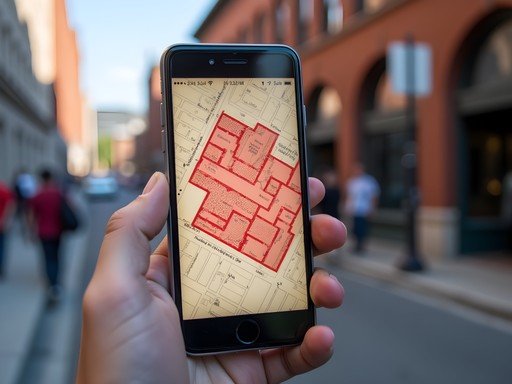
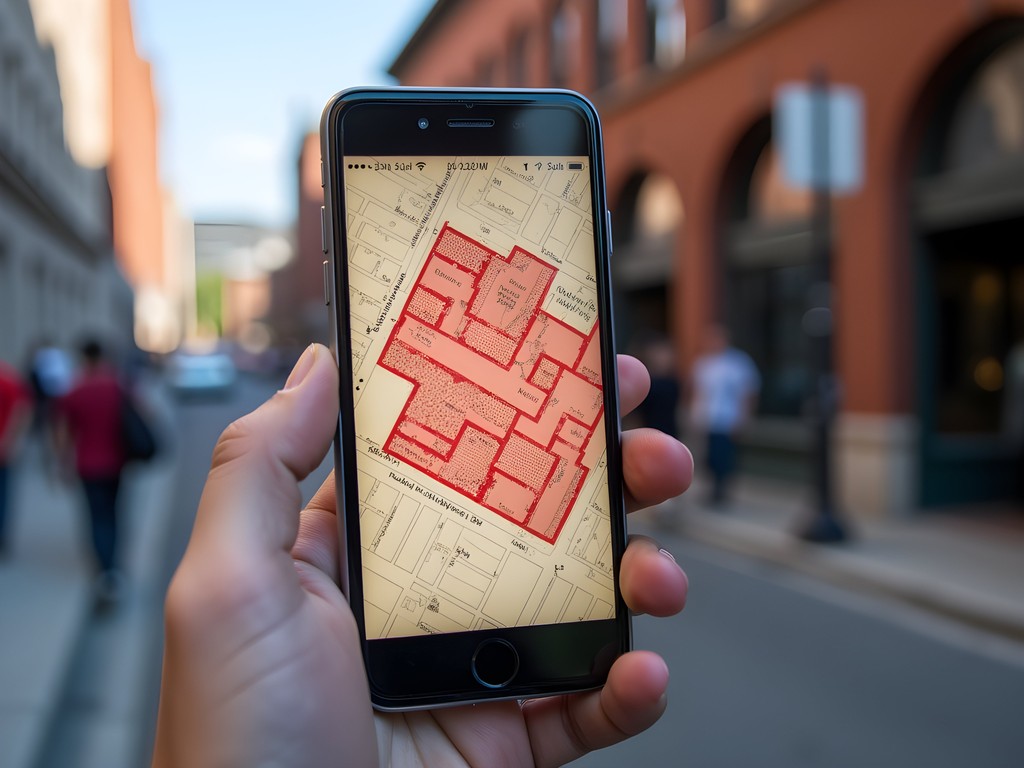
Before setting out on this industrial archaeology expedition, I recommend downloading my custom-created digital map (link in bio), which overlays historical Sanborn fire insurance maps onto modern streets. These detailed documents—the data scientist in me adores their precision—reveal factory layouts, materials, and even fire hazards that shaped neighborhood development.
My research began after discovering my great-grandfather worked at the Eastchester Electric Company in 1912, arriving as part of the great wave of European immigration. Using census records and employment logs, I traced his daily commute from a modest boarding house to the sprawling electrical works that once powered the region.
For this tour, comfortable walking shoes are essential—we'll cover approximately 3 miles over varied terrain including some uneven sidewalks. I swear by my hiking sandals for urban exploration, as they provide excellent support while navigating both historic cobblestones and modern concrete.
💡 Pro Tips
- Download historical maps before your visit for side-by-side comparison
- Start early morning on weekends to avoid street traffic noise that can drown out your tour guide
- The Mount Vernon Public Library has an excellent local history room with industrial artifacts—visit before your walking tour
The Fourth Avenue Industrial Corridor
Our tour begins at the former Westchester Lighting Company complex (now redeveloped into mixed-use buildings), where Mount Vernon's industrial story took shape. This four-block stretch along South 4th Avenue once housed over 30 factories producing everything from piano parts to military equipment during both World Wars.
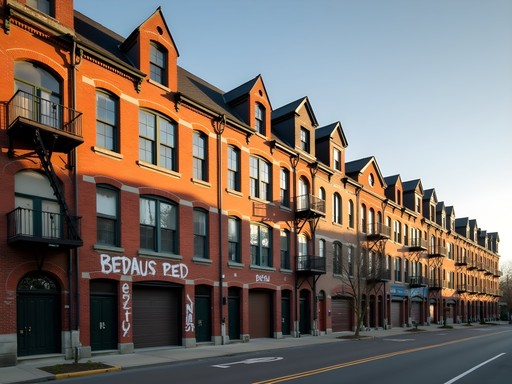
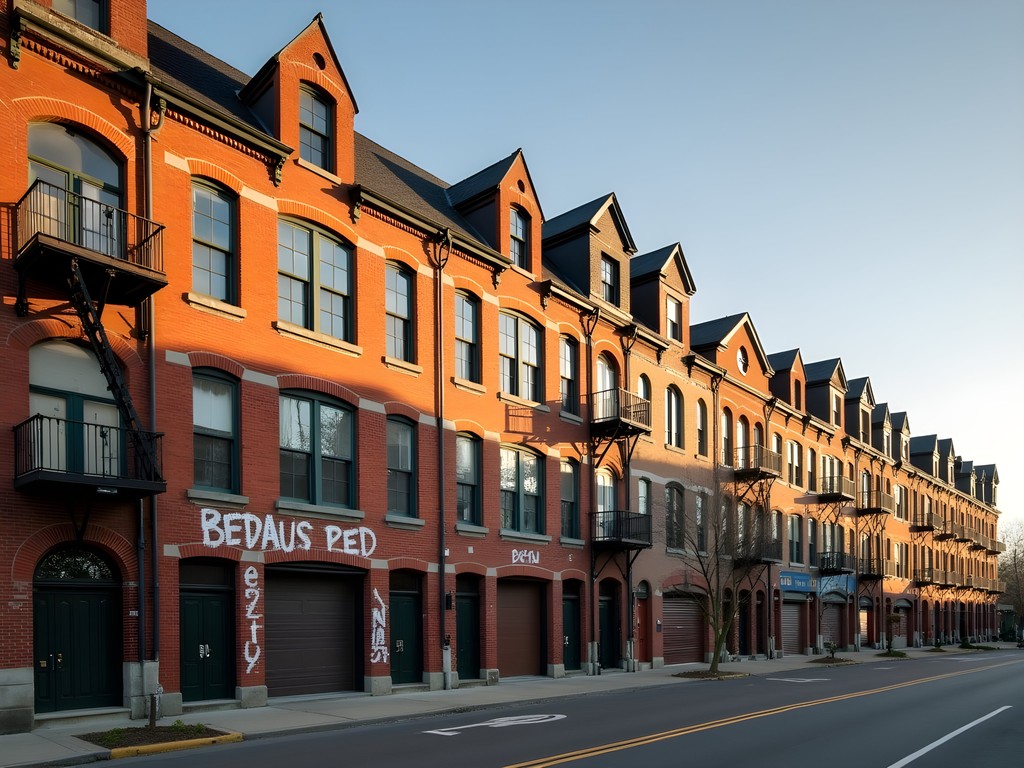
The architectural details reveal fascinating clues about industrial evolution: look for the wide loading dock entrances now converted to storefronts, distinctive sawtooth rooflines designed to maximize natural light for workers, and the reinforced floors that once supported massive machinery. The brick facades have weathered a century of change, their faded ghost signs occasionally visible after rainstorms.
While exploring this corridor, I use my digital voice recorder to capture ambient sounds and note observations—much more efficient than trying to type on my phone while walking. This practice helps me connect sensory experiences with historical data when I later process my findings.
💡 Pro Tips
- Look up to spot original pulley systems still attached to some buildings
- Visit on weekdays to see some buildings still operating as light manufacturing spaces
- The intersection of South 4th and East 3rd Street offers the best vantage point for photographing multiple industrial buildings
Worker Housing and Immigrant Communities
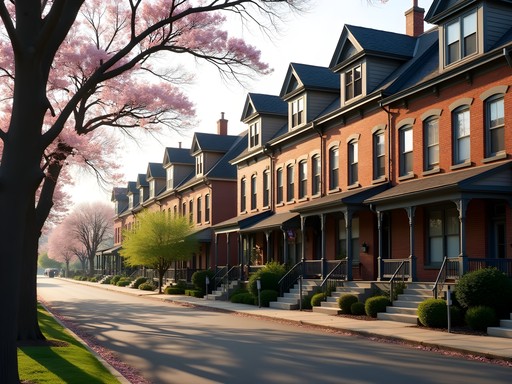
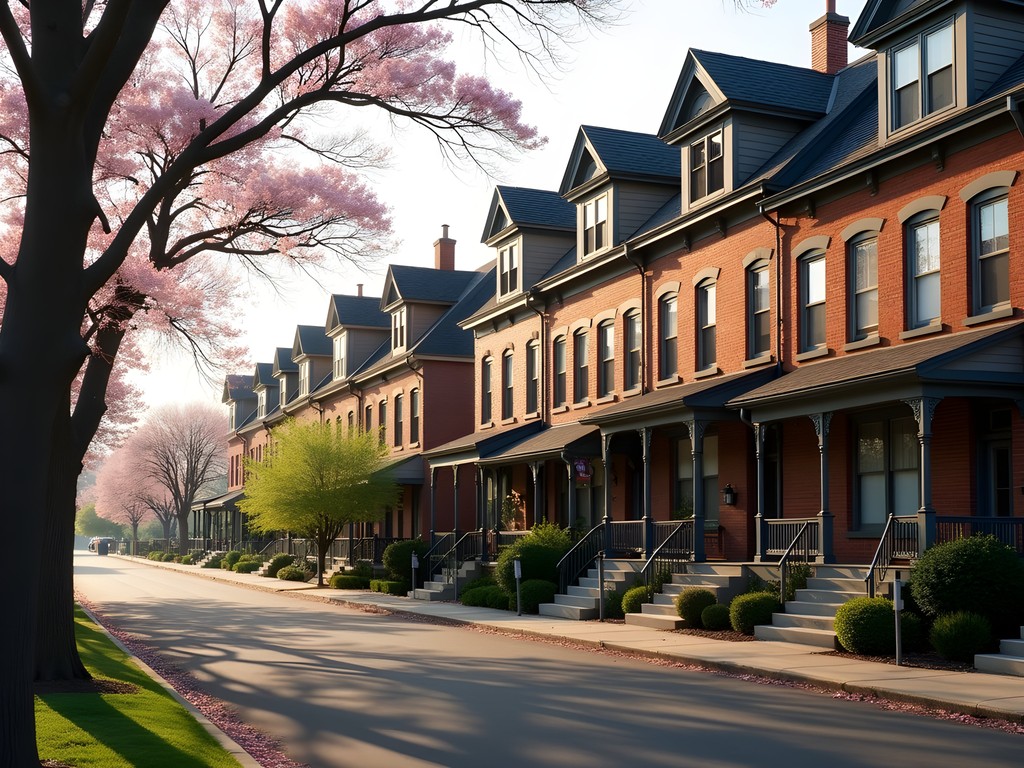
Just two blocks east of the industrial corridor lies one of the most fascinating aspects of Mount Vernon's heritage: remarkably intact worker housing districts. These modest two-story homes and apartment buildings housed generations of factory workers, predominantly Italian, Irish, and Eastern European immigrants who formed tight-knit communities.
Using census data from 1900-1930, I've mapped ethnic settlement patterns that reveal fascinating microgeographies—Italian stoneworkers clustered near the marble works, while skilled German machinists lived closer to the precision manufacturing plants. The architecture reflects economic hierarchies: foremen and skilled workers occupied the larger corner houses, while general laborers filled the narrower row homes.
During our walks, I encourage participants to bring a pocket magnifier to examine architectural details like carved doorframes and decorative brickwork that signified status within these working-class neighborhoods. These subtle distinctions tell stories of social mobility and aspiration that census records alone cannot capture.
💡 Pro Tips
- Notice the proximity of churches to worker housing—many were built by specific immigrant communities
- Look for small architectural details like door knockers and window frames that indicate ethnic traditions
- The corner of South 6th Avenue and East 4th Street features the best-preserved block of worker housing

The Social Infrastructure of Industrial Life
Beyond factories and homes, Mount Vernon's industrial society built remarkable social institutions that supported working-class life. Our tour includes the 1910 Mount Vernon YMCA building (now apartments), where factory workers could access education and recreation, and the Italian Mutual Aid Society building, which provided crucial social insurance before government programs existed.
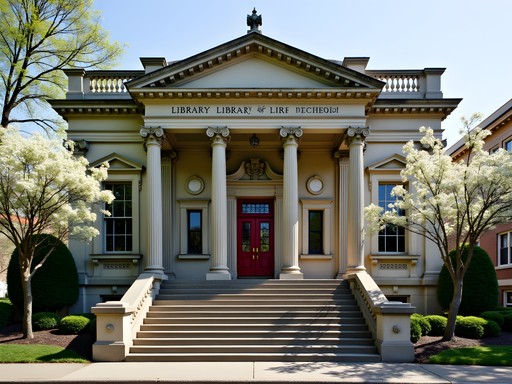
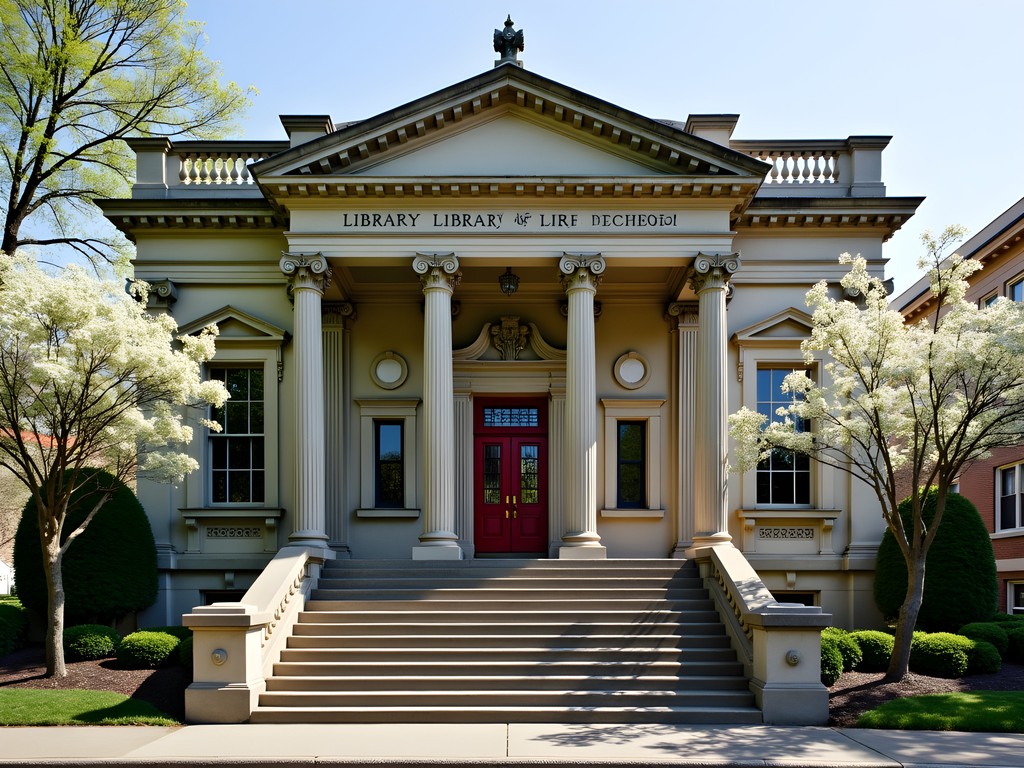
My favorite stop is the former Burchard Library (now a community center), funded by industrialist donations with the explicit purpose of "improving the working classes through access to knowledge." The building's architecture reveals fascinating class dynamics—its imposing facade and grand reading room mimicked elite institutions, while practical features like evening hours and multilingual collections served working people's needs.
For documenting these architectural gems, I rely on my pocket notebook to sketch floor plans and architectural details. While smartphones are convenient, I find hand-drawing creates stronger neural connections to spatial memory—a data-backed observation that improves my recall when later analyzing these spaces.
💡 Pro Tips
- The YMCA's cornerstone contains a time capsule placed in 1910—look for the commemorative plaque
- Visit the community center during business hours to see the preserved reading room
- Former union halls often feature symbolic imagery in their architectural details—bring binoculars to spot them
Industrial Ecology and Environmental Legacy
Our final section explores Mount Vernon's industrial environmental history—a subject that merges my interests in data science, genealogy, and sustainability. Using historical Sanborn maps and modern environmental testing data, I've traced how industrial activities shaped local ecology over generations.
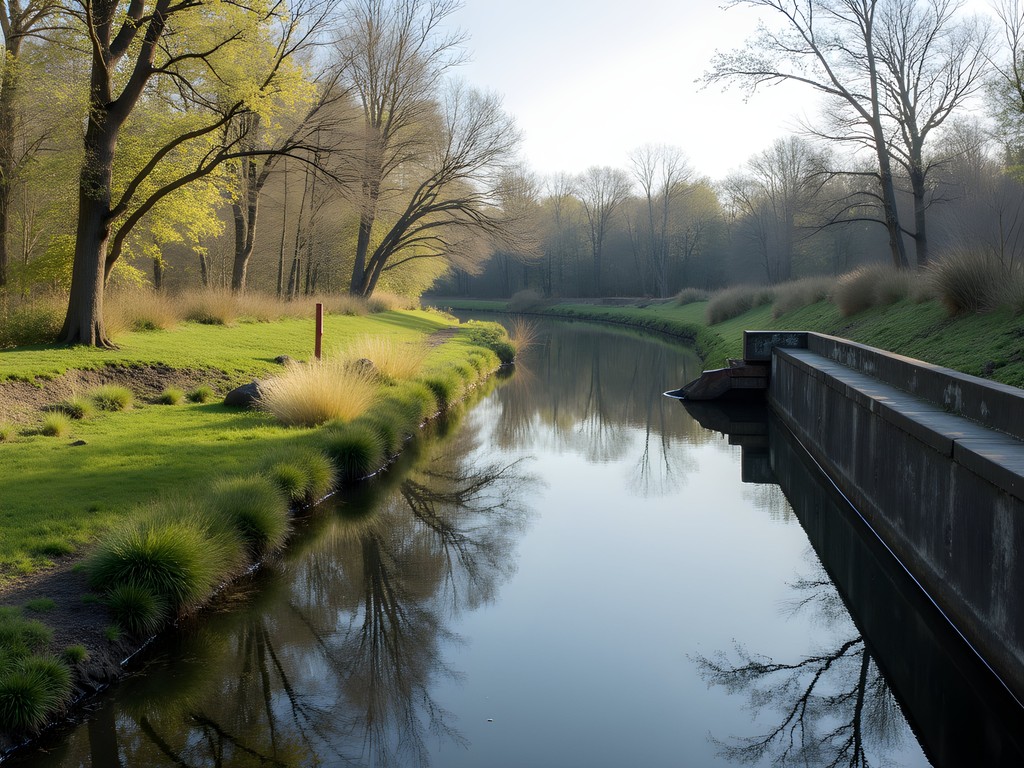
The former Hutchinson River industrial zone reveals this complex relationship between industry and nature. Once heavily polluted by manufacturing waste, parts of the river corridor have undergone remarkable ecological recovery, while others remain contaminated. At several stops, we compare historical photographs with current conditions, noting where native plants have reclaimed former industrial sites.
For this portion of the tour, I recommend bringing a water bottle with filter as we'll be walking through some areas with limited access to drinking fountains. The filter provides peace of mind if you need to refill from older public water sources in this historically industrial area.
Particularly fascinating is the former Eastchester Electric Company grounds, where my great-grandfather worked. Environmental testing reveals lingering soil contamination, yet also shows nature's resilience as native species gradually return—a metaphor for the complex industrial legacy we all inherit.
💡 Pro Tips
- The viewing platform at Hutchinson River offers the best perspective on environmental recovery efforts
- Visit after light rain to see how water flow patterns reveal former industrial infrastructure beneath the surface
- The city's environmental department offers free soil testing kits if you're interested in the science behind industrial remediation
Final Thoughts
As we complete our circuit back to South 4th Avenue, Mount Vernon reveals itself not as a footnote to New York City's narrative, but as a crucial chapter in America's industrial evolution. These streets—where my great-grandfather walked to his factory job over a century ago—connect us to countless immigrant stories that built modern America. The data patterns I've mapped show how industrial geography shaped everything from housing patterns to social institutions, creating a template repeated across the nation.
What makes Mount Vernon's industrial heritage particularly valuable is its accessibility and authenticity. Unlike curated industrial museums, these streets offer unfiltered connection to working-class history—the kind often excluded from mainstream narratives. By walking these routes with friends or family, you participate in preserving collective memory that might otherwise fade into historical obscurity.
I invite you to download my guided tour maps, add your own family stories if they intersect with Mount Vernon's industrial past, and share your discoveries. History isn't just found in grand monuments and famous battlefields—it lives in the humble brick factories and worker cottages that built America one neighborhood at a time.
✨ Key Takeaways
- Mount Vernon's industrial corridor offers an accessible window into America's manufacturing history without museum barriers
- The interconnection between factories, worker housing, and social institutions creates a complete picture of industrial society
- Environmental recovery alongside industrial remnants tells a nuanced story about our relationship with manufacturing heritage
- Budget-friendly historical exploration can be more rewarding than expensive tourist attractions
- Connecting personal genealogy to industrial history creates meaningful travel experiences
📋 Practical Information
Best Time to Visit
Spring (April-May) or Fall (September-October)
Budget Estimate
$0-50 (self-guided tour is free; group tours $15/person)
Recommended Duration
Half-day (3-4 hours) or full weekend with library research
Difficulty Level
Easy (Flat Terrain, Approximately 3 Miles Total Walking)

Comments
moonstar
Love the old factory photos! Really brings it to life
Douglas Bradley
Anna, this is a fascinating angle on a place most people just pass through. I've been exploring industrial heritage sites across the Northeast and Mount Vernon deserves more attention. The way you've connected the physical infrastructure to the immigrant communities is particularly compelling. It reminds me of similar transformations in Hamilton, Ontario where I'm from. The overlay app concept is brilliant for making invisible history visible. Have you considered doing similar tours for other overlooked industrial suburbs? Places like Yonkers or New Rochelle might have comparable stories.
smartking
Yes! Yonkers would be perfect for this kind of tour
adventureperson
Just did this tour yesterday based on your blog! The contrast between what used to be there and what stands now is mind-blowing. We stopped at that little Italian bakery you mentioned - the one that's been there since 1923. The owner told us his grandfather supplied bread to the factory workers! Thanks for highlighting these hidden historical gems.
adventureone7995
What's the data visualization app you mentioned? Sounds really interesting
backpackway
yeah I want to know too!
smartking
This is SO cool!! My grandmother actually worked in one of those factories in the 50s before they started closing down. She lived in the worker housing you mentioned near Fourth Avenue. Never realized how much history was just sitting there. Definitely want to do this walk next time I visit family up there. Did you find the tour easy to follow on your own or did you go with a guide?
moonstar
Wow that's amazing you have that family connection!
backpackway
Never thought of Mount Vernon as a history spot!
happyking
Going there next month! Thanks for sharing this.
Sage Dixon
This hits different when you realize how many of these industrial towns are right in NYC's shadow but completely forgotten. I did a similar exploration through Patterson, NJ's silk mills last summer and found the same thing - these incredible stories of immigrant labor, innovation, and community building that just vanished from the collective memory. The worker housing section really resonated with me. Those neighborhoods were entire ecosystems. Anna, did you find any of the original social clubs or mutual aid societies still operating? In Patterson, we stumbled on a Polish-American club that's been running since 1898.
travellover
Love the photos! Really captures that old industrial vibe.
triptime
How long does the walking tour take? And is it easy to get there from Manhattan?
Sage Dixon
Metro-North from Grand Central is super easy - about 25 minutes. I did a similar industrial history walk in Philly last year and those usually take 2-3 hours if you really take your time.
Venture X
Premium card with 2X miles, $300 travel credit, Priority Pass