
Disclosure: This article contains affiliate links. We may earn a commission from purchases at no extra cost to you, which helps our travel content.
Standing at the intersection where history pivoted toward justice, I felt a shiver despite the warm Alabama sunshine. My children—half-Japanese, half-European—gazed up at me with questions in their eyes as we began our journey through Montgomery's Civil Rights landmarks. Having grown up in a household where cultural understanding was paramount, I wanted them to comprehend this crucial chapter of American history that resonates globally. This wasn't merely sightseeing; it was bearing witness to courage that changed the world.

Rosa Parks Museum: Where a Single Act Changed America
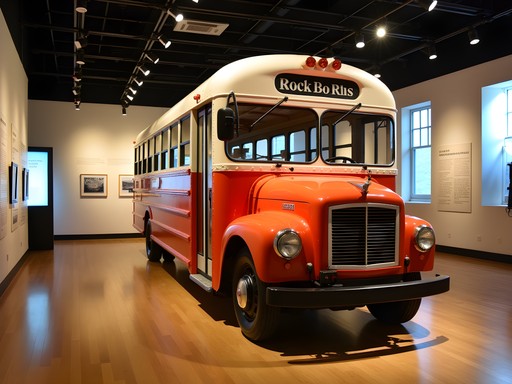
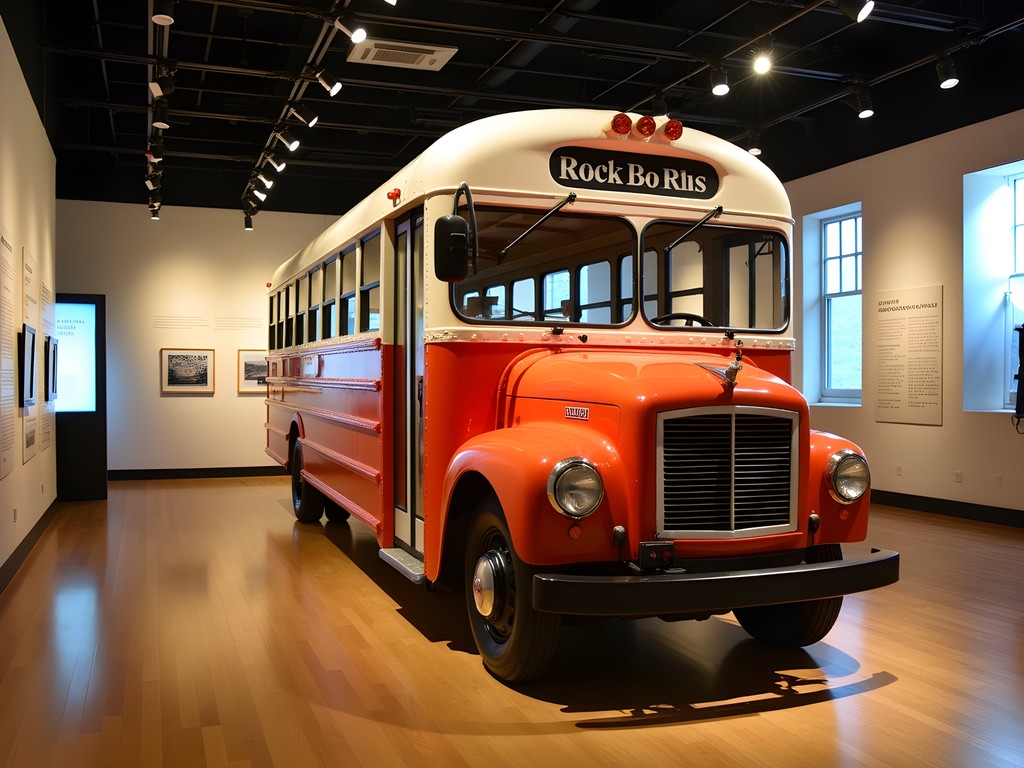
The Rosa Parks Museum stands on the precise spot where, in December 1955, a seamstress's quiet refusal ignited a movement. Walking through the interactive exhibits with my children, I watched their eyes widen at the life-sized bus replica where Mrs. Parks made her stand by remaining seated.
What struck me most was how the museum contextualizes her act not as a spontaneous moment of fatigue, but as a deliberate choice by a trained activist. The meticulously recreated scenes transport visitors into the tense atmosphere of segregated Montgomery, making history tangible even for young visitors.
'Mama, she knew she might go to jail but did it anyway?' my youngest whispered. These moments—where children begin to understand moral courage—are precisely why we travel as a family.
The time-lapse exhibit showing how the boycott organized virtually overnight without modern technology left me contemplating the power of community determination. Before visiting, I'd equipped myself with the audio guide to catch every detail while allowing my children to move at their own pace through the exhibits.
💡 Pro Tips
- Visit early on weekdays to avoid school groups
- The museum offers excellent family guides specifically designed for different age groups
- Allow at least 90 minutes to fully appreciate all exhibits
Dexter Avenue King Memorial Baptist Church: Pulpit of Change
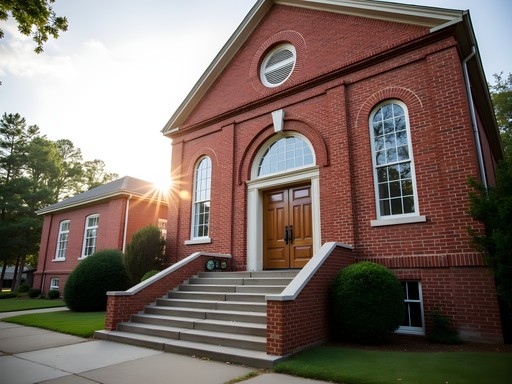
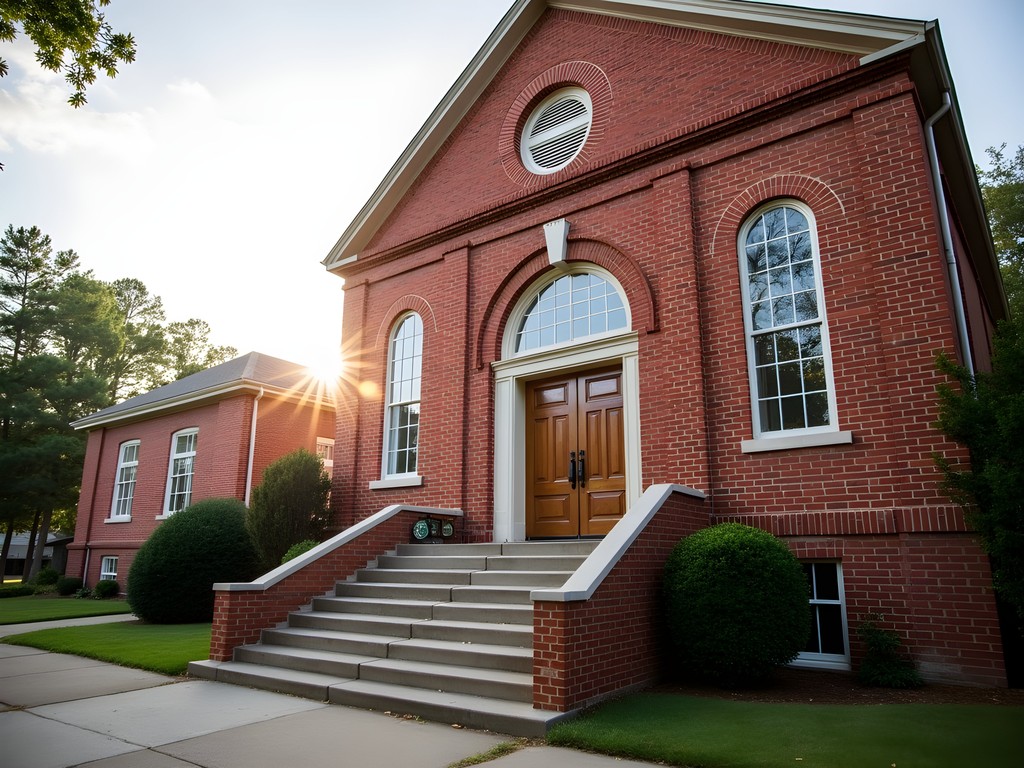
Just a short walk from the Rosa Parks Museum stands the modest redbrick church where Dr. Martin Luther King Jr. began his ministry and helped coordinate the Montgomery Bus Boycott. Unlike grand cathedrals I've visited across Europe and Asia, Dexter Avenue's power lies in its understated dignity and the seismic ideas that emanated from within its walls.
The guided tour, led by long-time church members, offers intimate stories that textbooks simply cannot capture. Our guide, Mrs. Washington, spoke of her grandmother who walked miles to work during the 381-day boycott, her shoes worn through but her spirit unbroken.
My children sat in the original pews, looking up at the pulpit where Dr. King's voice once resonated. The church basement—preserved as it was in the 1950s—reveals the tactical planning center of the movement. Maps with boycott routes, rotary phones, and mimeograph machines showcase the remarkable organizational effort behind what appeared to many as spontaneous resistance.
I found myself wishing I'd brought my pocket recorder to capture Mrs. Washington's stories, which brought history to life more vividly than any documentary could.
💡 Pro Tips
- Book the guided tour in advance—they fill quickly
- Visit on Sunday to experience an actual service in this historic space
- Bring small denomination cash for the suggested donation
The Legacy Museum: From Enslavement to Mass Incarceration
Perhaps the most emotionally demanding stop on our journey was The Legacy Museum, created by the Equal Justice Initiative. Located on the site of a former warehouse where enslaved people were held before auction, the museum draws direct lines between slavery, lynching, segregation, and modern mass incarceration.
I hesitated bringing my children here, concerned about the graphic nature of some exhibits. After researching, I decided to prepare them with age-appropriate discussions and brought along conversation cards specifically designed to help children process complex emotions and difficult topics.
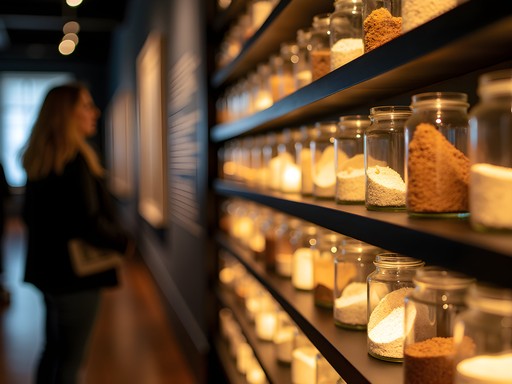
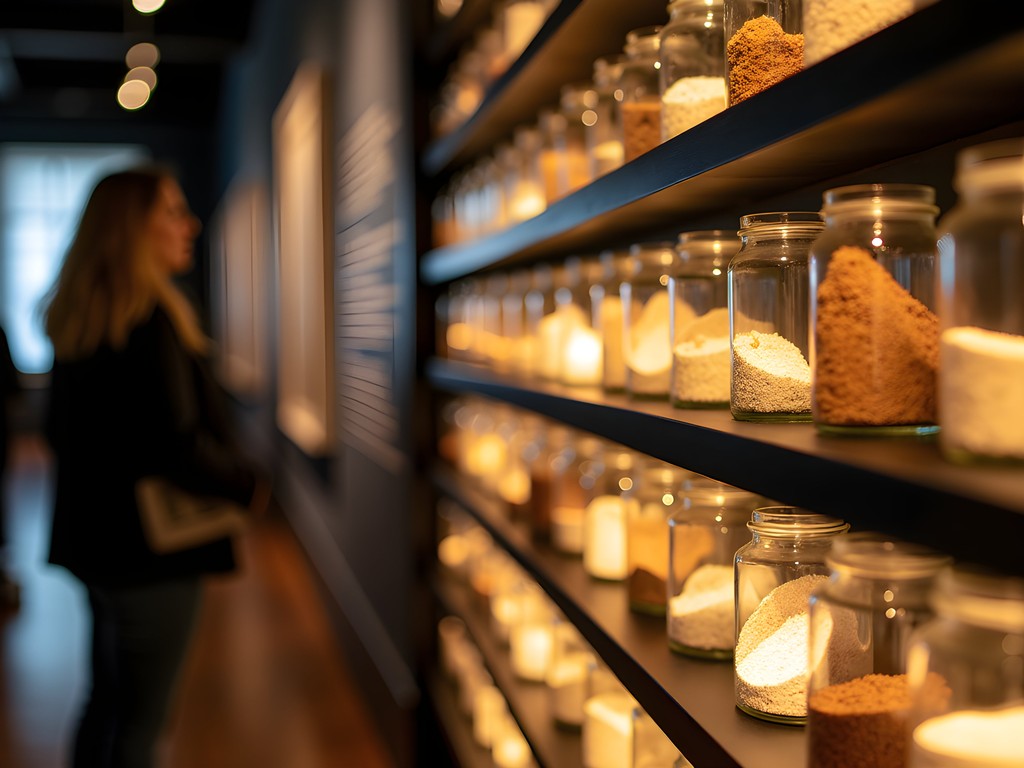
The museum employs cutting-edge technology, including holograms of enslaved people sharing their stories, creating an immersive experience that transcends traditional museum displays. The soil collection exhibit—hundreds of glass jars containing earth from lynching sites across America—left me speechless. Each jar labeled with a name, date, and location represents a life and community forever altered.
For my family, accustomed to Japan's careful preservation of difficult history at sites like Hiroshima, the museum's unflinching examination of America's painful past felt familiar in methodology if not in specific content. My children, already exposed to multiple cultural perspectives, asked profound questions that reminded me how travel builds their capacity for empathy across cultural boundaries.
💡 Pro Tips
- Consider the emotional impact—this isn't light tourism
- Use the museum's excellent family discussion guide available at the entrance
- Plan for decompression time afterward, perhaps at a nearby park

National Memorial for Peace and Justice: America's Reckoning
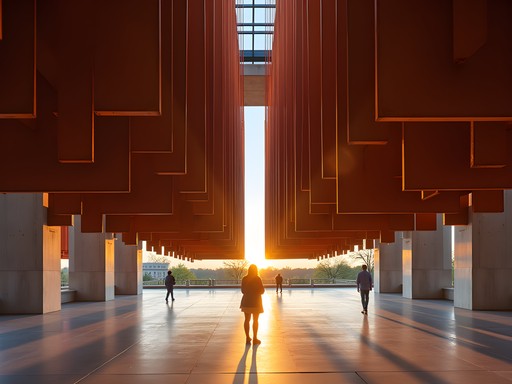
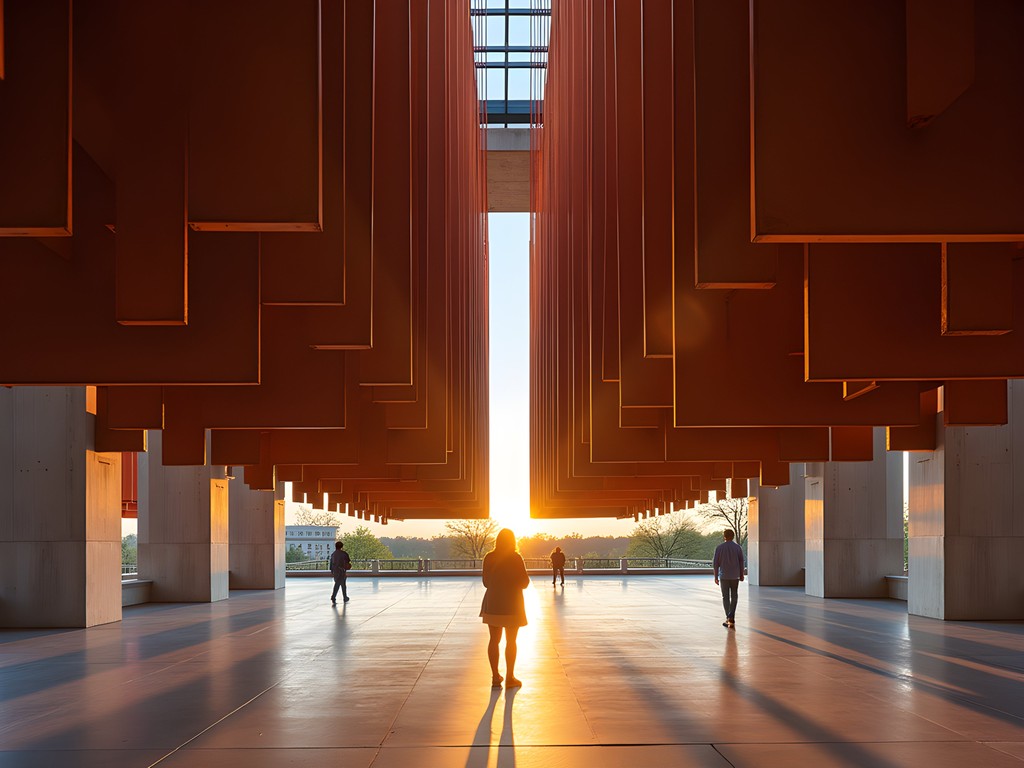
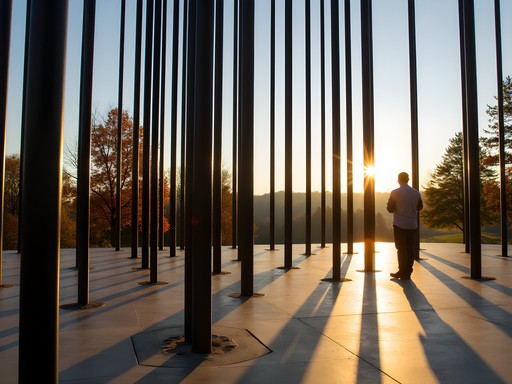
On a gentle hill overlooking Montgomery stands what many call the National Lynching Memorial—officially the National Memorial for Peace and Justice. Walking through the memorial's rust-colored steel columns, each representing a county where racial terror lynchings occurred, creates a physical experience unlike any other historical site I've visited across four continents.
The memorial's design is deliberately overwhelming. As you progress along the path, the floor slopes downward while the columns remain at the same height, eventually suspending above you like the victims they commemorate. The effect is visceral—a physical manifestation of the weight of history.
The day we visited was unseasonably hot, and I was grateful for the cooling towels I'd packed for the family. The memorial grounds offer little shade, and the emotional intensity of the experience compounds the physical discomfort of Alabama heat.
In the memorial's reflection space, my eldest son—normally talkative and analytical—sat in complete silence. When he finally spoke, he connected what he was seeing to stories his Japanese grandfather had told him about historical discrimination in Japan. These cross-cultural connections are precisely why we prioritize historical sites in our family travels.
The adjacent memorial park, with its sculpture of people in chains, prompted my daughter to sketch in her travel journal—processing through art what was too complex for words.
💡 Pro Tips
- Visit early morning or late afternoon to avoid midday heat
- Bring water and sun protection—the memorial is mostly exposed
- Allow time for reflection—this isn't a site to rush through
Freedom Rides Museum: Courage in the Face of Violence
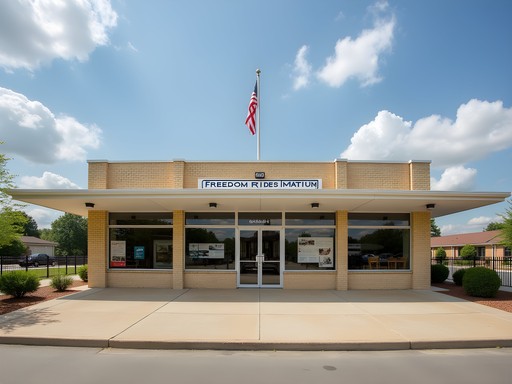
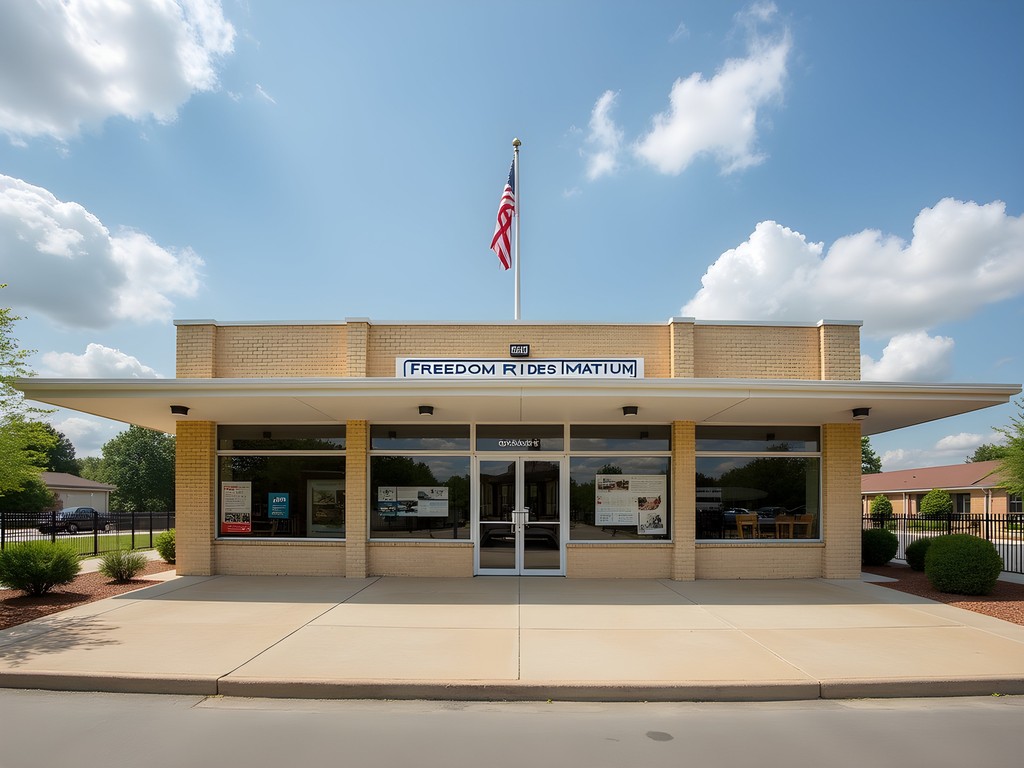
Housed in the former Greyhound Bus Station where Freedom Riders were violently attacked in 1961, this compact museum packs an emotional punch disproportionate to its size. The preserved waiting rooms—marked 'White' and 'Colored'—provide a tangible reminder of the segregated America that existed in living memory.
What makes this museum exceptional is its focus on the young people who risked their lives. Most Freedom Riders were college students not much older than my teenager. The museum humanizes these activists through personal artifacts—a pair of glasses broken in an attack, a blood-stained shirt preserved as evidence, handwritten letters to parents explaining why they were willing to die for justice.
For families with children who might struggle with extensive reading, I recommend bringing a portable speaker to utilize the excellent audio tour available through a free smartphone app. The narration brings the black and white photographs to life and helps younger visitors connect with the young activists pictured.
The most powerful moment came when my children discovered photographs of Japanese-American Freedom Riders who participated despite their families having been interned during World War II. This connection to their Japanese heritage created an unexpected bridge to this American story, demonstrating how the struggle for human dignity transcends national boundaries.
💡 Pro Tips
- The museum is small but impactful—allow at least an hour
- Download the free audio guide before your visit
- Look for the special junior ranger program for children
Final Thoughts
As we completed our walk through Montgomery's Civil Rights landmarks, my children and I sat beneath a magnolia tree discussing how courage manifests across different cultures. My son remarked that Montgomery felt like a 'living museum' where history wasn't confined to glass cases but permeated the streets themselves. Walking this path of remembrance—from Rosa Parks' bus stop to the pulpit where Dr. King preached—offers more than historical knowledge. It provides a moral compass for navigating our present world.
In my years traversing heritage sites across continents, few places have affected me as deeply as Montgomery. Here, history isn't sanitized or distant but presented with unflinching honesty and a clear purpose: to ensure we learn from our collective past. Whether you're traveling with children, as I was, or journeying solo, Montgomery's Civil Rights landmarks offer a profound experience that transcends typical tourism. I invite you to walk these streets, not as a passive observer, but as an active witness to both America's painful history and its enduring hope.
✨ Key Takeaways
- Montgomery offers one of America's most important historical journeys, connecting pivotal Civil Rights sites within walkable distance
- Prepare emotionally for the experience, especially when visiting with children—these sites confront difficult truths
- The city provides exceptional educational resources for visitors of all ages
- Allow at least two full days to properly experience the major landmarks and process their impact
📋 Practical Information
Best Time to Visit
Year-round, though spring and fall offer the most comfortable temperatures
Budget Estimate
$150-300 per day including accommodations, meals, and museum admissions
Recommended Duration
2-3 days minimum to fully experience the major sites
Difficulty Level
Easy - Sites Are Walkable For Most Visitors, Though Emotional Content Is Challenging


Comments
freeone
Just got back from Montgomery last week and your post captures the experience perfectly! That moment at the National Memorial when you first see all those hanging steel monuments... I literally couldn't speak. My partner and I walked through in complete silence. It's one thing to read about this history in books and another to stand in these spaces. I wish every American would make this pilgrimage. Also appreciated your tips about talking with kids afterward - we were struggling with how to process everything ourselves.
Michael Cook
Having visited Montgomery three times now for research, I'd add the Freedom Rides Museum to your itinerary. It's smaller but provides crucial context about interstate travel desegregation efforts. Also, if you're visiting multiple sites, I found the Montgomery Civil Rights Audio Guide extremely helpful for connecting the locations with deeper historical context. The city has done an impressive job preserving these sites while making them educational. Did you notice how the different museums approach similar history from unique perspectives?
freeone
Thanks for mentioning the Freedom Rides Museum! That was actually my favorite stop when I visited last year. The restored Greyhound bus station gives you chills when you realize what happened there.
adventureking
Those photos from the National Memorial are haunting. Powerful stuff.
travelhero
Great post! We're planning to visit Montgomery next spring with our teenagers. How much time would you recommend setting aside for these sites? Is it doable in one day or should we plan for two?
Abigail Ruiz
I'd definitely recommend two days minimum. The Legacy Museum and National Memorial alone deserve at least half a day each to process properly. We did three days and didn't feel rushed.
travelhero
Thanks so much! Will plan for at least two full days then.
Oliver Duncan
This brought back so many memories of my own visit to Montgomery last year. The Legacy Museum hit me particularly hard - the way they've connected historical injustices to modern issues is masterful storytelling. I found myself sitting on a bench outside for nearly an hour afterward just processing everything. Did you find your children were able to grasp the significance? I've been wondering about the right age to bring young ones to these sites that deal with such heavy but important history.
Abigail Ruiz
Thanks Oliver! My kids are 10 and 12, and I think that was about right. The museums do a good job with age-appropriate explanations, but I did a lot of pre-visit discussions to prepare them. The Rosa Parks Museum was especially accessible for them - the interactive bus recreation really helped them connect to her story.
Oliver Duncan
That's really helpful to know, Abigail. The interactive elements do make these complex histories more accessible. I'll keep that in mind for future family recommendations.
moonhero
Wow, this must have been so powerful to experience with your kids. Really moving post.
Claire Hawkins
Abigail, this is such an important post. I've been thinking about taking my two kids (8 and 11) to Montgomery for a while now, but wasn't sure how to approach such heavy history with them. Your perspective as a mom really helps. How did your children respond to the Legacy Museum? That one seems particularly intense. We visited the Anne Frank House in Amsterdam last year and my youngest had nightmares for weeks, so I'm trying to gauge what age-appropriate looks like for different historical sites. Also curious—how long did you spend at each location? Trying to plan our days realistically with kids in tow!
explorechamp
Good question! I'm wondering the same thing
Abigail Ruiz
Claire, such a thoughtful question! The Legacy Museum is definitely intense. My kids are 10 and 13, and we spent about 90 minutes there with lots of breaks for conversation. I'd say 8+ is appropriate if you prepare them beforehand and are ready to answer tough questions. We actually talked about what they'd see the night before. The Memorial for Peace and Justice affected them more emotionally—all those hanging monuments are visceral. Take your time, let them process, and don't rush through. We spent a full 3 days in Montgomery to not overwhelm them.
Claire Hawkins
Thank you so much! That's incredibly helpful. Three days sounds perfect.
explorechamp
This looks amazing. Adding to my list!
journeywalker
Really powerful post
happyguide
This is amazing!! How long did the whole walking tour take you? And is it doable in the summer heat or better to go in cooler months? Planning a trip with my teens and this seems like exactly what we need to do together!
Abigail Ruiz
We spread it over two days to not overwhelm the kids. October was perfect weather-wise! Summer would be tough with the heat and humidity. Definitely bring water bottles.
hikingbuddy3377
yeah summer is brutal there. spring or fall for sure
Venture X
Premium card with 2X miles, $300 travel credit, Priority Pass