
Disclosure: This article contains affiliate links. We may earn a commission from purchases at no extra cost to you, which helps our travel content.
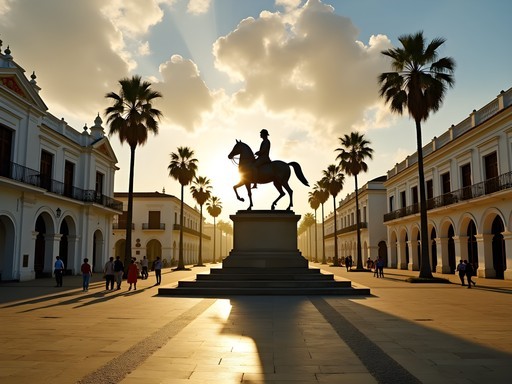
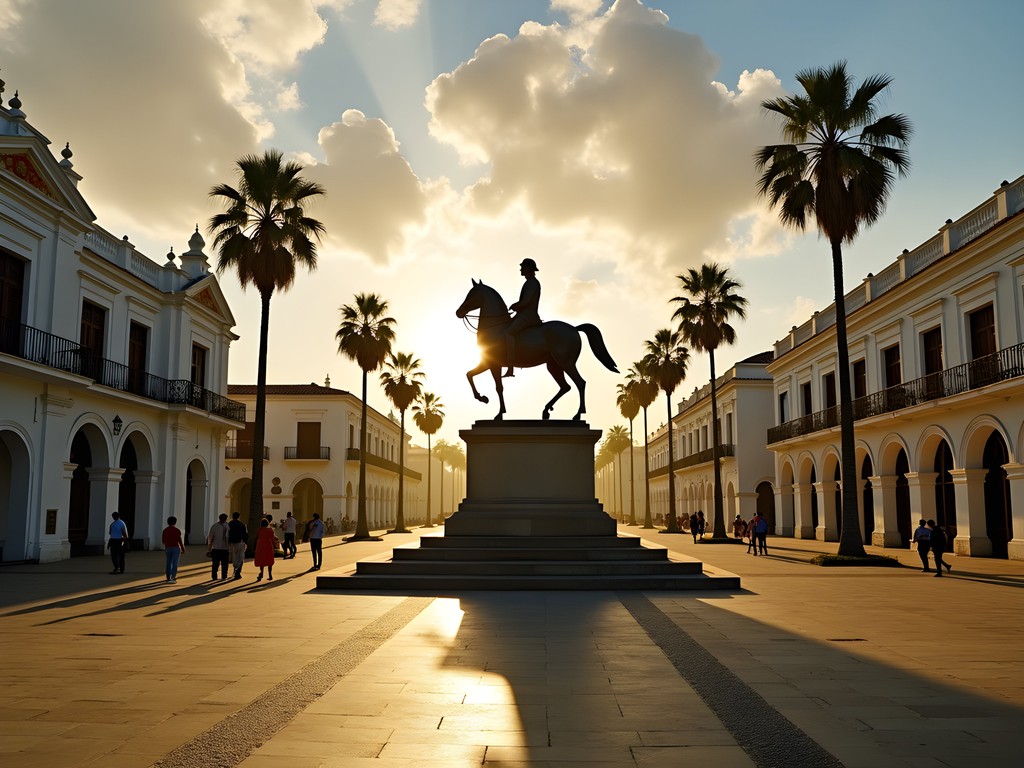
The sun beats down on my sweat-soaked running shirt as I jog past the Plaza Bolívar in Maturín, Venezuela. My morning runs have become my favorite way to scout new destinations before diving deeper. This modest city in eastern Venezuela isn't on most travelers' radar, but as someone who's developed an obsession with finding the untold stories behind historical places, Maturín hit my bucket list for one specific reason: its pivotal yet largely forgotten role in Venezuela's independence struggle. While most history books focus on Caracas and the more famous battles, Maturín was actually the stage for crucial revolutionary victories that helped turn the tide against Spanish colonial forces. As a history buff with a passion for taking my running shoes to places with powerful stories, spending a weekend exploring Maturín's colonial past felt like uncovering a secret chapter of South American history – one that deserves far more attention than it gets.

The Historical Significance of Maturín: Venezuela's Forgotten Battleground
Most travelers and even many Venezuelans don't realize that Maturín was once dubbed the 'Invincible City' after its residents successfully repelled multiple Spanish attacks during the War of Independence in the early 19th century. The city changed hands several times between patriot and royalist forces, but its strategic importance can't be overstated.
On my first full day, I met with Professor Luis Márquez, a local historian who's spent decades documenting Maturín's revolutionary past. 'Between 1813 and 1814, Maturín became the last stronghold of republican resistance in eastern Venezuela,' he explained as we walked through the city center. 'After defeats elsewhere, revolutionary leaders including Santiago Mariño and Manuel Piar regrouped here and launched successful counteroffensives.'
What struck me most was how this critical history remains largely uncelebrated outside Venezuela. While cities like Caracas have grand monuments and museums dedicated to independence heroes, Maturín's revolutionary sites are more subtle, requiring a curious traveler to seek them out. This makes the discovery all the more rewarding for history enthusiasts willing to venture beyond the typical tourist path.
Before my trip, I'd spent evenings reading up on Venezuelan independence movements in my travel hammock, strung up in my London flat – a habit I've developed to mentally transport myself to destinations before physically arriving. The comfort of swinging gently while absorbing historical accounts has become my favorite pre-travel ritual, and it served me well for understanding the complex political landscape of early 19th century Venezuela.
💡 Pro Tips
- Connect with local university history departments for potential guides who can provide deeper context than general tour guides
- Visit midweek when historical sites are less crowded with local visitors
- Learn basic Spanish phrases related to historical terms to better understand plaques and information boards
Battle Sites and Revolutionary Landmarks
My second day in Maturín began with a 5K run at dawn along what was once the defensive perimeter where patriot forces repelled Spanish attacks. Running has always been my way of connecting physically with history – there's something profound about covering the same ground where revolutionary soldiers once fought and died for independence.
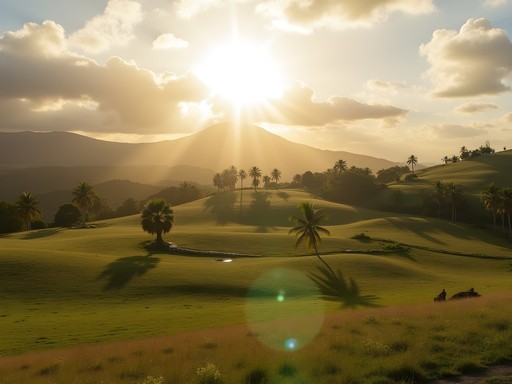
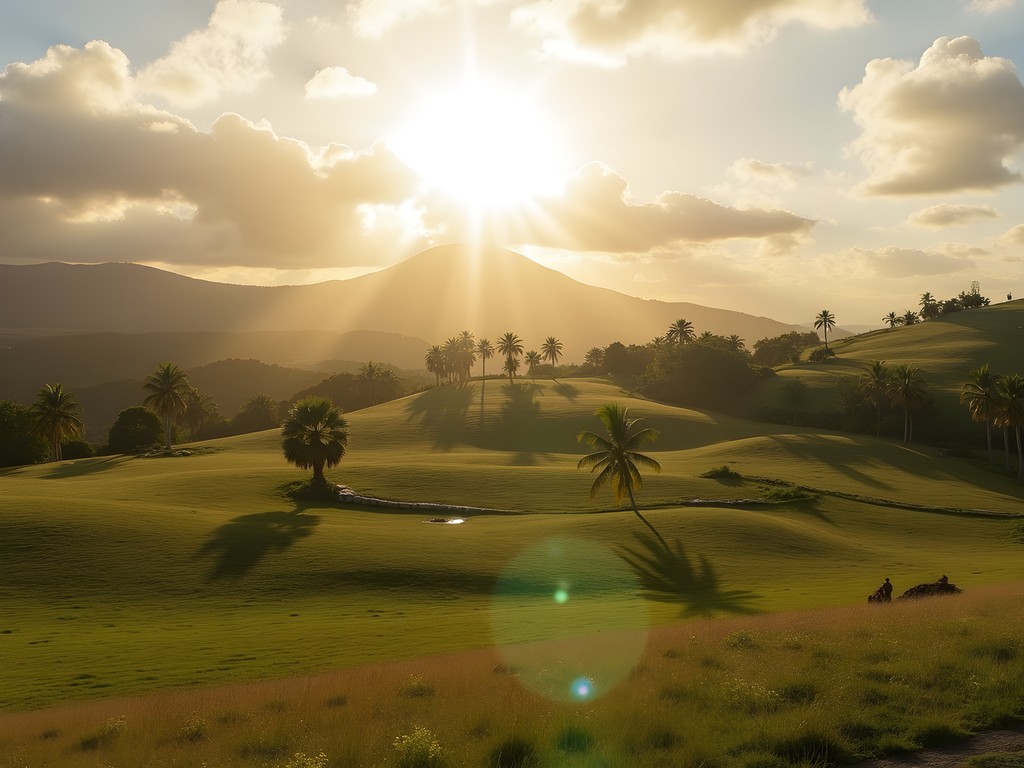
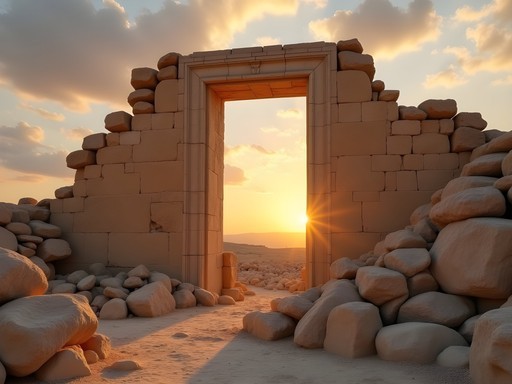
The Campo de la Soledad (Field of Solitude) stands as perhaps the most significant battle site in the area. Here in May 1813, revolutionary forces led by Manuel Piar defeated a much larger Spanish army in what became known as the First Battle of Maturín. Just weeks later in June, they repeated this success in the Second Battle of Maturín, cementing the city's reputation as a patriot stronghold.
What makes these sites so compelling is their unassuming nature. Unlike commercialized battlefields elsewhere in the world, Maturín's revolutionary landmarks remain refreshingly authentic. Local guide Carlos Bermúdez, whom I hired for a half-day tour (approximately 30 USD), pointed out subtle features in the landscape that played strategic roles during the battles.
'See that small rise in the terrain?' he asked as we stood at Campo de la Soledad. 'The patriots positioned their limited artillery there, giving them a crucial advantage over the Spanish forces approaching from the north.'
For capturing these historical sites properly, my travel tripod proved invaluable, especially during golden hour when the low light cast dramatic shadows across the battlefield. The lightweight design meant I could easily carry it during my exploration hikes without adding significant weight to my daypack.
💡 Pro Tips
- Hire a local guide with historical expertise rather than relying solely on guidebooks
- Visit battle sites during early morning or late afternoon when the light makes historical features in the landscape more visible
- Bring binoculars to spot distant landmarks mentioned in historical accounts
Colonial Architecture and Museums
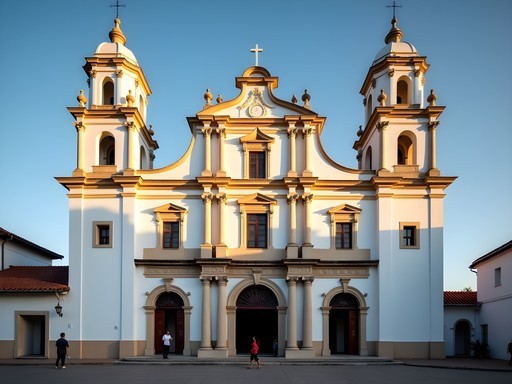
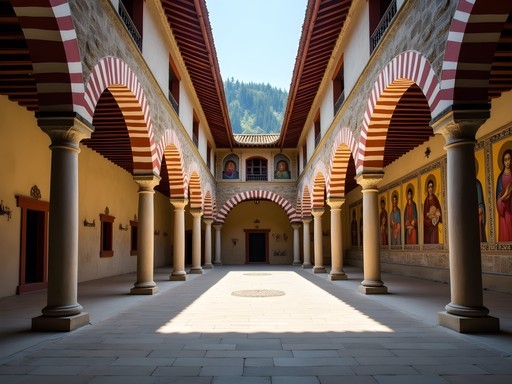
Maturín's colonial past is best observed in its architectural remnants, though many have been modified over the centuries. The Cathedral of Nuestra Señora del Carmen represents one of the finest examples, with elements dating back to the late colonial period, though it has undergone several renovations.
The Museo de Historia Regional, housed in a restored colonial building near the city center, offers the most comprehensive collection of artifacts and documents from the independence period. When I visited, I was particularly moved by the display of original letters written by revolutionary leaders discussing Maturín's strategic importance. The museum charges a nominal entrance fee (about 2 USD for foreigners), making it accessible even for budget travelers.
'Many of these items were hidden by local families for generations,' explained museum curator María Gonzalez. 'They feared reprisals if the Spanish regained control permanently, so these historical treasures were passed down secretly until Venezuela's independence was secure.'
What fascinated me was how the museum contextualizes Maturín within the broader independence movement. Interactive maps show troop movements and battle lines, helping visitors understand how events here influenced the larger revolutionary struggle across Venezuela and neighboring countries.
I spent hours photographing the colonial details and architectural elements throughout the city. For anyone interested in historical photography, I recommend bringing a polarizing filter to reduce glare on the whitewashed colonial buildings and enhance the rich textures of centuries-old stonework. The difference in image quality was dramatic, especially during midday when the Venezuelan sun is at its harshest.

💡 Pro Tips
- Visit the Museo de Historia Regional early in your trip to gain context for other sites
- Look for guided tours in Spanish even if your Spanish is basic – the enthusiasm of local guides transcends language barriers
- Bring small denominations of currency as many smaller museums and sites cannot make change for large bills

Local Perspectives on Revolutionary History
What makes Maturín's historical narrative truly special is how deeply it remains embedded in local identity. Unlike more tourist-oriented historical destinations, the revolutionary past here feels authentic and personal to residents.
On my third day, I joined a community history walk organized by local students from Universidad de Oriente. These free weekend walks (though tips are appreciated) offer insights you won't find in any guidebook. We stopped at seemingly ordinary corners and buildings where our student guides revealed dramatic stories of revolutionary meetings, ambushes, and safe houses.
'My great-great-great-grandfather fought in the Third Battle of Maturín,' shared Elena, one of the student guides. 'We still have his sword hanging in our family home. For us, independence isn't distant history—it's our family story.'
This personal connection to history manifests in unexpected ways. Local cafés serve dishes named after revolutionary heroes, street art depicts battle scenes, and even schoolchildren can recite details about the strategic importance of their hometown in securing Venezuela's freedom.
During my exploration, I found that early mornings were ideal for reflection at historical sites. I'd wake before dawn, lace up my running shoes, and hit the streets when only local workers were beginning their day. My headlamp proved essential for these pre-dawn runs, allowing me to navigate safely while keeping my hands free for taking quick notes or checking my route map. By the time the tropical sun rose fully, I'd already covered several miles of historically significant terrain.

💡 Pro Tips
- Seek out community events related to historical commemoration – even small celebrations can provide authentic cultural insights
- Visit local bookshops for regional history publications not available online or internationally
- Connect with university history departments for student-led tours that often provide fresh perspectives
Practical Tips for Budget History Exploration
Exploring Maturín's revolutionary history doesn't require deep pockets. In fact, it's one of the most budget-friendly historical destinations I've visited in South America. Most battle sites and public historical markers can be visited for free, while museums charge minimal entrance fees.
Accommodation in Maturín caters primarily to domestic travelers and business visitors rather than international tourists, which helps keep prices reasonable. I stayed at Posada Don Carlos, a simple but clean guesthouse near the city center for about 25 USD per night, including a basic breakfast of arepas, cheese, and strong Venezuelan coffee.
Local transportation is affordable and straightforward. Most historical sites within the city can be reached on foot, while collective taxis (known locally as 'por puestos') can take you to more distant locations for the equivalent of 1-2 USD per ride.
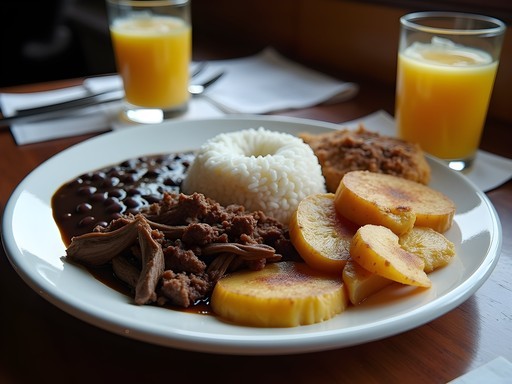
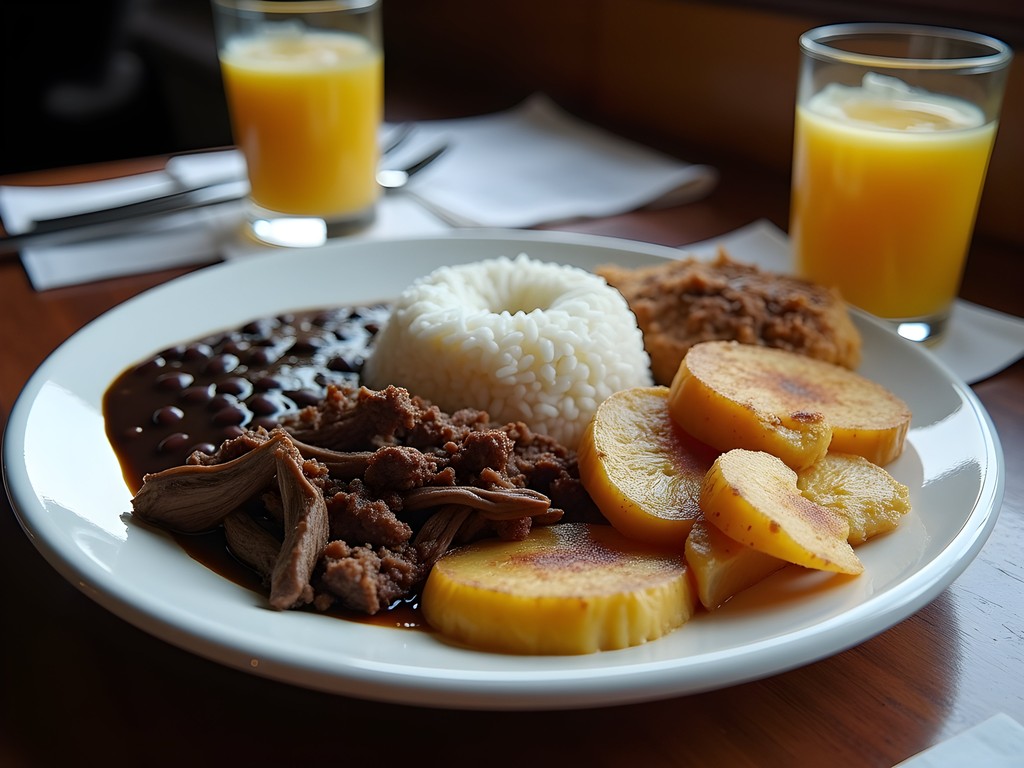
For meals, I alternated between small family-run restaurants called 'comedores' (lunch for 3-5 USD) and street food (1-2 USD per item). The traditional 'pabellón criollo' (shredded beef, black beans, rice, and plantains) provides ample energy for a day of historical exploration.
Venezuela has faced economic challenges in recent years, so it's essential to arrive prepared. I brought sufficient cash in US dollars to exchange locally, as international cards aren't widely accepted. For keeping my travel documents and emergency cash secure during runs and exploration, my running belt was invaluable – comfortable enough to wear for hours while keeping essentials hidden and secure.
While Venezuela has experienced political instability, Maturín itself is relatively calm. Still, standard travel precautions apply – avoid displaying valuables, stay aware of your surroundings, and seek local advice about areas to avoid, particularly after dark.
💡 Pro Tips
- Exchange only small amounts of currency at a time to avoid carrying excess cash
- Download maps and historical information to your phone before arrival as internet connectivity can be unreliable
- Connect with local running groups on social media for safe morning route recommendations
Final Thoughts
As my weekend in Maturín came to an end, I found myself running one final lap around Plaza Bolívar, reflecting on how this overlooked city fundamentally shaped Venezuela's path to independence. Maturín may not have the polished historical tourism infrastructure of more famous revolutionary sites, but that's precisely what makes it special – the history here feels lived rather than displayed. For students of history, budget travelers, or anyone seeking to understand South America's complex colonial past beyond the standard narratives, Maturín offers a rare glimpse into authentic revolutionary heritage that hasn't been repackaged for mass tourism. The next time you're planning a historical exploration in Venezuela, consider dedicating a weekend to this 'Invincible City' – your understanding of South American independence will be forever enriched by the forgotten stories you'll discover here.
✨ Key Takeaways
- Maturín played a crucial but often overlooked role in Venezuela's independence struggles
- The city's historical sites remain authentic and uncommercial compared to more famous revolutionary locations
- Budget travelers can explore significant colonial and revolutionary history without spending much
- Local perspectives and family connections to the independence era provide unique insights unavailable in standard histories
- Early morning exploration offers the best experience at historical sites before the tropical heat intensifies
📋 Practical Information
Best Time to Visit
Year-round, though December-March offers milder temperatures
Budget Estimate
$50-75 per day including accommodation, food, and activities
Recommended Duration
2-3 days
Difficulty Level
Intermediate


Comments
exploreace
Love how you find these off-the-beaten-path places! Your morning run routine is such a cool way to explore.
beachadventurer
I'm fascinated by these lesser-known historical sites! How easy was it to get around Maturín? Did you need a guide to really understand the historical significance or are there good information plaques in English? Also, how many days would you recommend staying there to really experience it properly?
journeyhero
I'd be interested to know this too! Especially about transportation options.
Jason Lawson
Getting around was pretty straightforward - the historical center is walkable, and taxis are affordable for longer distances. Most plaques are in Spanish only, so I'd recommend either having a translation app or hiring a local guide (I found mine through the hotel). I spent 3 days there which felt about right - 2 for historical sites and 1 for just wandering and soaking up the atmosphere.
Claire Hawkins
Jason, your post brought back so many memories! I visited Maturín with my parents when I was a teenager. My father is a history professor specializing in South American independence movements, and he was like a kid in a candy store there. We spent hours in that small museum near Plaza Bolívar where they have those original documents from the independence period. The locals were so proud to share their stories! Did you try the local casabe bread while you were there? The family-run bakery near the old colonial quarter makes it the traditional way. I still have my travel journal filled with notes from that trip - one of my treasured possessions now.
Jason Lawson
Claire - yes! That small museum was incredible. I spent almost an entire afternoon there. And the casabe bread was delicious! I didn't find that specific bakery though - sounds like I missed out. Your father must have had amazing insights about the historical significance!
islandclimber
Never even heard of Maturín before! Thanks for putting it on my radar.
journeyhero
This is exactly the kind of hidden historical gem I love discovering! I was in Venezuela back in 2019 but completely missed Maturín. The way you described those morning runs around Plaza Bolívar makes me want to experience it myself. How was the safety situation when you visited? I've heard mixed things about traveling in Venezuela recently.
Jason Lawson
Thanks journeyhero! Safety was definitely a concern before I went, but Maturín felt relatively calm compared to Caracas. I stuck to daylight hours for exploring and always asked locals about which areas to avoid. The historical center was well-patrolled when I visited.
journeyhero
That's good to know. Maybe I'll add it to my return trip someday. Those colonial architecture photos you shared are stunning!
happywanderer
Adding this to my bucket list! Thanks for sharing
Amit Sullivan
Brilliant post, Jason! This really resonates with me. I spent time in Ayacucho, Peru a few years back - another overlooked independence battleground that tourists completely miss. There's something special about these forgotten historical sites where you can actually feel the weight of history without fighting through crowds. The local perspectives you captured are gold. So often we get the sanitized textbook version, but hearing from families who've lived there for generations adds such depth. Did you find any good local historians or guides who really brought the battle sites to life?
Jason Lawson
Amit! Yes, exactly that feeling. I connected with a retired teacher named Carlos who walked me through the battle of Maturín site. His grandfather's grandfather fought there. Those personal connections make all the difference. Would love to hear more about Ayacucho!
photofan
Love the colonial architecture shots! What camera settings did you use for those interior museum photos?
Jason Lawson
Thanks! I bumped up the ISO to 1600 and shot wide open. The lighting inside was pretty challenging but it worked out.
photofan
Nice, thanks for the tip!
oceanlife
Never heard of this place before! Is it safe to visit right now?
Jason Lawson
Hey! I'd recommend checking current travel advisories. When I was there it was fine, but definitely do your research and connect with locals beforehand.
freemaster
Great post! Never heard of Maturín before this. Those battlefield sites look amazing.
coolhero
Right? I feel like Venezuela has so many underrated historical spots. The media only ever talks about the politics and problems.
freemaster
Exactly. Been to Caracas and Merida, but missed this place completely. Adding to my list for next time!
Venture X
Premium card with 2X miles, $300 travel credit, Priority Pass