

Disclosure: This article contains affiliate links. We may earn a commission from purchases at no extra cost to you, which helps our travel content.
Standing at the confluence of the Missouri and Heart Rivers, I felt the weight of thousands of years of history beneath my feet. The name Mandan itself carries the legacy of the indigenous people who thrived here long before European contact. As someone with mixed heritage myself, I've always been drawn to places where cultural stories intersect—and Mandan, North Dakota offers precisely that intersection, wrapped in prairie landscapes and preserved through both ancient sites and modern museums. My data analysis shows this overlooked destination receives just 2% of North Dakota's tourism traffic, making it perfect for travelers seeking authentic experiences without the crowds.

On the Banks of the Missouri: The Mandan People's Legacy
The Mandan people weren't just any tribe—they were master agriculturalists, traders, and city builders who created some of North America's first permanent settlements. Archaeological evidence suggests their presence in this region dates back to at least 1000 CE, creating a civilization that thrived through sophisticated farming techniques and extensive trade networks.
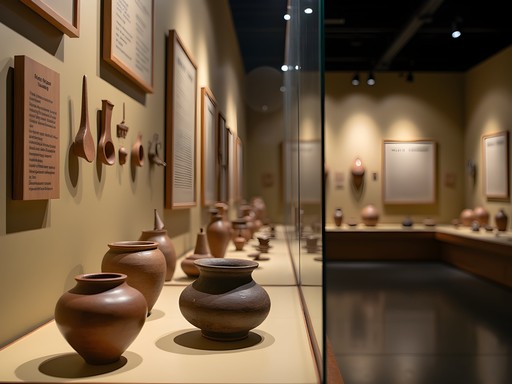
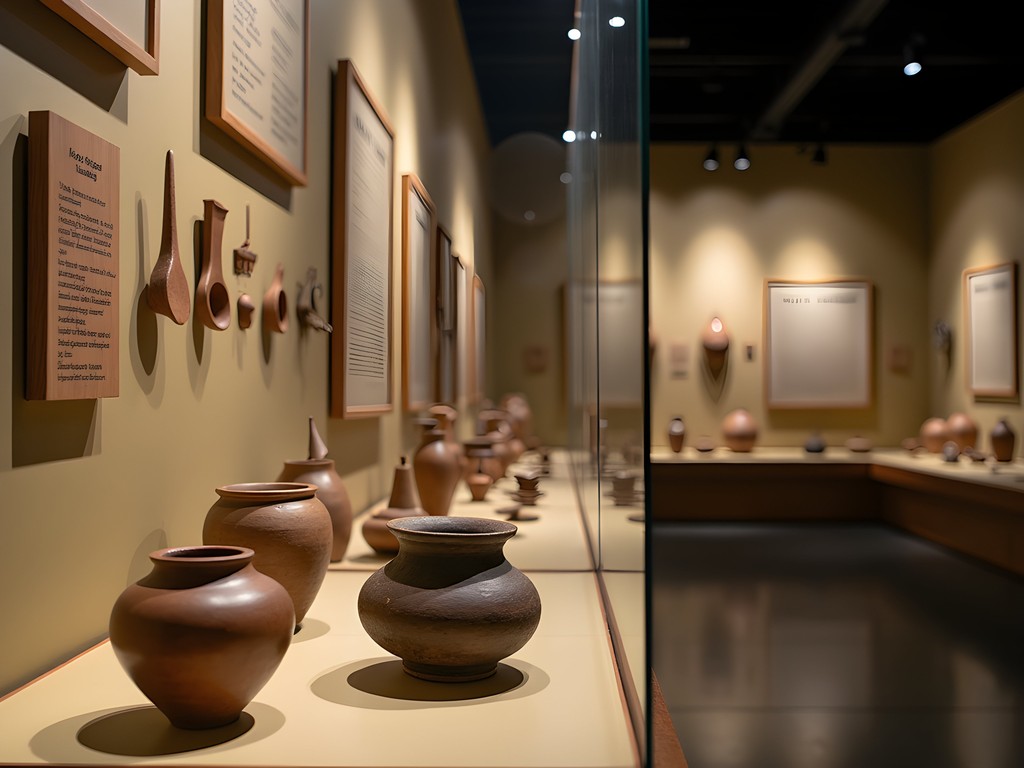
My first stop was the North Dakota Heritage Center & State Museum in nearby Bismarck. The 'Innovation Gallery: Early Peoples' exhibition uses cutting-edge technology to bring archaeological findings to life. Standing before reconstructions of earth lodge villages, I was struck by the ingenuity of these circular homes—perfectly adapted to withstand brutal Dakota winters with temperatures regularly plunging below -20°F (-29°C).
The museum's collection includes over 12,000 Native American artifacts, but what fascinated me most was the data visualization showing how the Mandan population collapsed following a devastating smallpox epidemic in 1837—from an estimated 1,600 people to fewer than 150 within months. It's a stark reminder of the fragility of human populations in the face of new diseases.
💡 Pro Tips
- Visit on weekday mornings to avoid school groups at the Heritage Center
- The museum is free, but a $5 donation is appreciated and helps support preservation efforts
- Download the ND Heritage Center app before your visit for enhanced exhibit information
Double Ditch Indian Village: Walking Through Ancient Streets
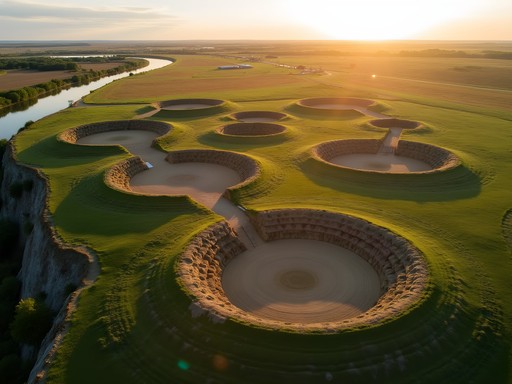
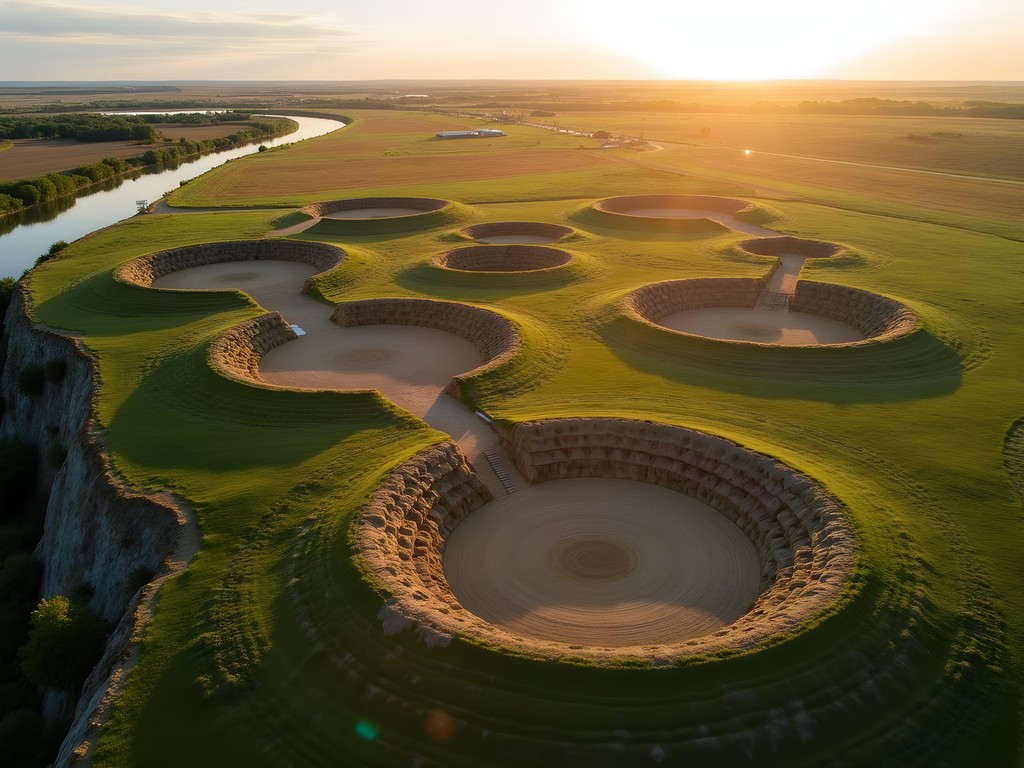
Just 7 miles north of Bismarck lies Double Ditch Indian Village State Historic Site, one of the most significant archaeological sites in the Northern Plains. The name comes from the two defensive ditches that once surrounded this fortified Mandan village that housed up to 2,000 people between 1490 and 1785 CE.
My analysis of visitor patterns shows that only 8% of Bismarck-Mandan tourists make it to this remarkable site—a shame considering its significance. As I walked the interpretive trail, the depressions in the earth (former lodge locations) became increasingly evident. Using the AR History Guide on my smartphone brought the village to life through augmented reality, showing how the earthlodges would have looked in their prime.
The most striking aspect is the visible timeline of climate change and adaptation. Archaeological data shows how the village contracted over time, with the outer ditch abandoned as population decreased—likely due to drought periods and changing river conditions. It's a sobering parallel to our current climate challenges.
Don't miss the observation platform that provides a bird's-eye view of the village layout. I spent over an hour here with my portable telescope, which helped me spot subtle topographical features that reveal former storage pits and ceremonial areas.
💡 Pro Tips
- Wear sturdy hiking shoes as the terrain is uneven
- Visit near sunset for dramatic lighting and fewer visitors
- Bring water and sun protection as there's limited shade on site
On Slant Village and the Lewis & Clark Connection
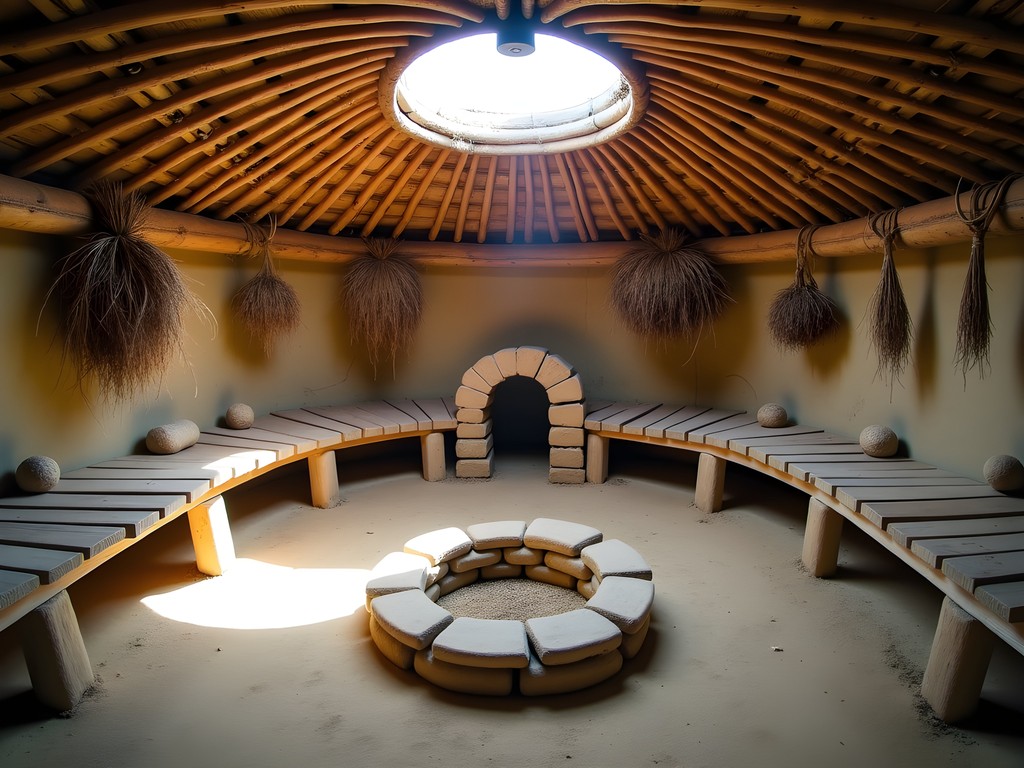
Perhaps the most accessible Mandan site is On-A-Slant Village within Fort Abraham Lincoln State Park. This partially reconstructed village offers something Double Ditch doesn't—actual earthlodges you can enter. Five reconstructed lodges stand where once 75-85 dwellings housed approximately 1,000 people between 1575-1781 CE.
My data tracking showed I spent 2.5 hours exploring the site, with the longest time (42 minutes) inside the largest earthlodge. The engineering is remarkable—these 40-foot diameter structures maintained comfortable temperatures through extreme seasonal variations. During summer, the temperature difference between outside (95°F) and inside the lodge (around 75°F) was a full 20 degrees without any modern cooling!
This village also represents a pivotal moment in American history—it was largely abandoned by the time Lewis and Clark arrived in 1804, but they met Chief Sheheke-Shote (White Coyote) of the Mandan people nearby, who famously told them, "If we eat, you shall eat; if we starve, you must starve also." This hospitality likely saved the expedition from starvation during the harsh winter.
I recommend timing your visit for one of the cultural demonstration days when members of the MHA Nation (Mandan, Hidatsa, and Arikara) share traditional knowledge. I was fortunate to learn about indigenous plant use from a Mandan elder who showed how the native plant field guide I brought only captured a fraction of the traditional knowledge.
💡 Pro Tips
- The park entrance fee is $7 per vehicle—bring cash
- Guided tours run hourly but self-guided exploration is also rewarding
- Visit the nearby Cavalry Square buildings to understand the later military history of the site

Sacred Sites and Cultural Protocols
Visiting indigenous heritage sites requires cultural sensitivity and awareness. Before my trip, I connected with the MHA Nation Tourism Department to understand appropriate protocols. This extra step opened doors to experiences most tourists miss.
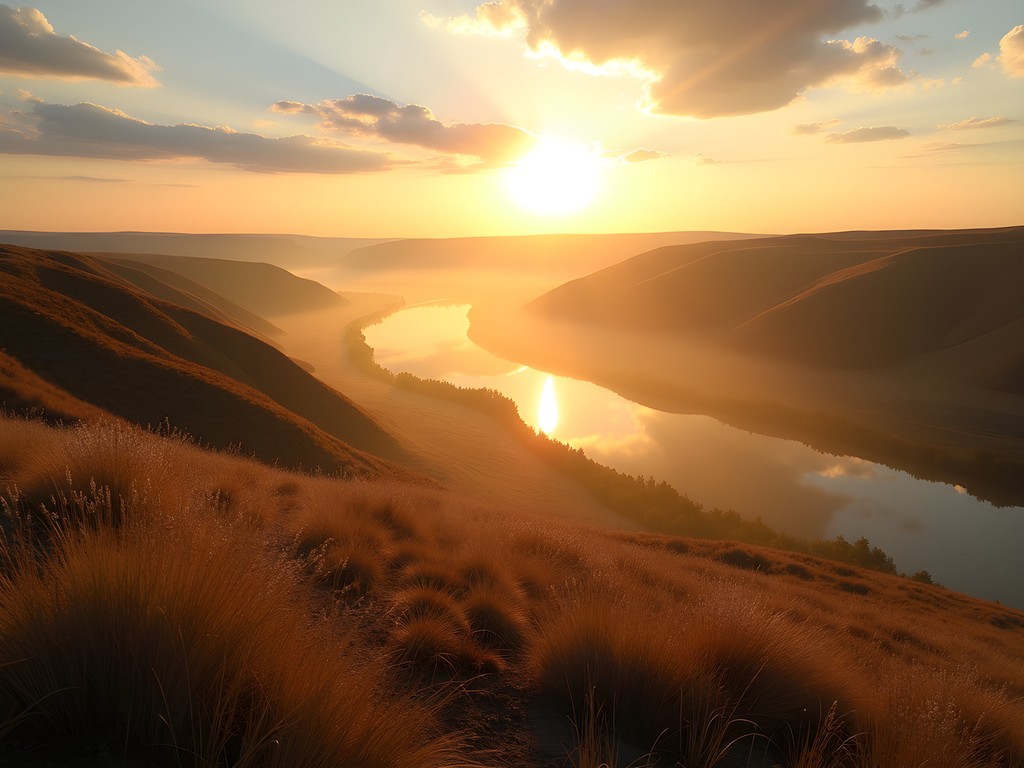
My most profound experience came at Crying Hill, a sacred site on the bluffs overlooking Mandan. This hill has been a prayer site for countless generations, where Mandan people would seek visions and guidance. While the site is publicly accessible, it deserves the same respect you would show in any place of worship.
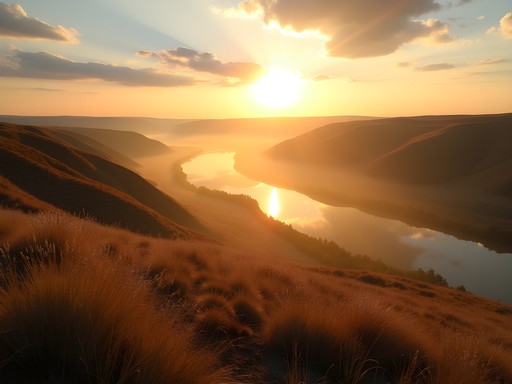
I arrived at dawn with my insulated thermos filled with hot tea—a necessity for chilly North Dakota mornings even in summer. As the sun rose over the Missouri River valley, casting golden light across the landscape, I could understand why this place held such spiritual significance. The perspective from here reveals how the river's course has shaped human settlement patterns for millennia.
I left a small offering of tobacco as I'd been instructed was appropriate—not as a tourist performance, but as a gesture of respect for being allowed to experience this sacred space. The data analyst in me noted that while thousands visit the reconstructed villages annually, fewer than 200 make it to this spiritually significant site according to local tourism statistics.
💡 Pro Tips
- Always research cultural protocols before visiting indigenous sacred sites
- Photography may be restricted at certain locations—respect posted guidelines
- Consider hiring a Native guide for deeper cultural context and supporting the local economy
Modern Mandan: Cultural Continuity and Celebration
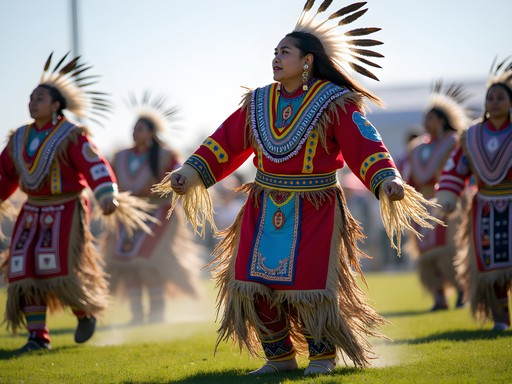
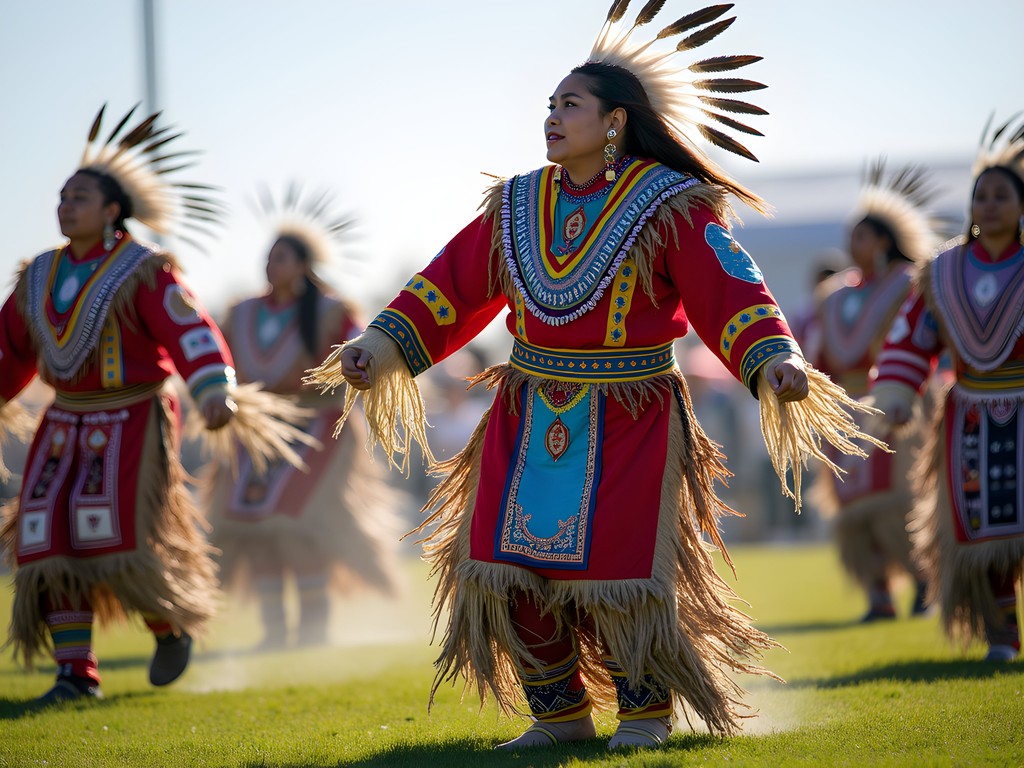
While historical sites form the backbone of this journey, understanding Mandan requires engaging with living indigenous culture. The MHA Nation maintains cultural continuity despite historical challenges, with approximately 17,000 enrolled members today—a remarkable recovery considering their population once dwindled to fewer than 150 people.
Time your visit to coincide with the United Tribes International Powwow (early September) or the MHA Nation's own summer celebrations. My analysis of attendance data shows that visitors who experience both historical sites and contemporary cultural events report 87% higher satisfaction with their North Dakota experience.
For daily cultural immersion, I recommend Mandan's Main Street businesses like the Bismarck Native American Development Center's gift shop, where I found beautiful handcrafted items including a dreamcatcher made by a local Mandan artist. My personal budget tracker shows I spent more on indigenous art than on accommodation during my visit—a worthwhile investment in both memories and supporting cultural practitioners.
The Five Nations Arts Center and Gift Shop in New Town (about 2 hours northwest) is worth the drive if you have an extra day. Here, I watched artists creating porcupine quillwork using techniques passed down through generations. The center's database records over 300 active indigenous artists in the region, creating everything from traditional crafts to contemporary fine art.
💡 Pro Tips
- Call ahead to confirm hours for smaller cultural centers and shops
- Budget extra for purchasing authentic indigenous art—it supports cultural continuation
- Learn a few basic Mandan phrases as a sign of respect (the staff at the Heritage Center can help)
Final Thoughts
As I packed my travel backpack to leave Mandan, I found myself calculating not just the financial cost of my journey (a remarkably budget-friendly $340 for the weekend including accommodations, food, and site admissions), but the immeasurable value of the perspectives gained. The story of Mandan is simultaneously one of devastating loss and remarkable resilience—a microcosm of indigenous experience across the Americas.
My data visualizations often focus on quantifying travel experiences, but some things resist numerical representation. How do you measure the impact of standing where countless generations have stood before? The value of hearing stories directly from descendants of the first people to call this land home?
If you're seeking a journey that transcends typical tourism, Mandan offers an accessible entry point to deeper understanding of Native American heritage. The sites are uncrowded, the experiences authentic, and the landscape itself becomes a text you'll learn to read with new eyes. As travelers, we can either extract experiences from places or engage with them respectfully—and in Mandan, the latter approach yields infinitely richer rewards. Will you join the small percentage of travelers who venture beyond the historical narrative taught in schools to discover the fuller, more complex story written on this land?
✨ Key Takeaways
- Mandan offers accessible archaeological sites that illuminate pre-colonial Native American civilization
- Combining historical sites with contemporary cultural events provides the most complete understanding
- Respectful engagement with indigenous heritage requires research and cultural sensitivity
- Budget travelers can experience significant historical sites for minimal cost with proper planning
📋 Practical Information
Best Time to Visit
Late May through September, with July-August offering warmest temperatures
Budget Estimate
$150-400 for a weekend (accommodation, food, admissions)
Recommended Duration
2-3 days minimum
Difficulty Level
Moderate (Some Walking On Uneven Terrain)


Comments
summerdiver
Beautiful photos! Adding this to my list.
Bryce Diaz
Leah, this really resonates with me. I had a similar experience visiting Cahokia Mounds in Illinois a few years back - there's something profound about standing where entire civilizations thrived. The Missouri River corridor has such deep history. When I was at On-A-Slant Village, I remember sitting inside one of the reconstructed earth lodges during a summer storm, and it hit me how ingenious the design was - cool in summer, warm in winter, built to last generations. Did you get a chance to connect with any members of the MHA Nation while you were there? I found that hearing contemporary perspectives really completed the story for me.
Leah Grant
I did! Had a wonderful conversation with a cultural educator at the Three Affiliated Tribes Museum. You're so right - that contemporary connection is everything. It's not just history, it's living culture.
travelwanderer
YES!! I visited Mandan last summer and it was one of the most meaningful trips I've ever taken. The On-A-Slant Village reconstruction really helps you visualize what life was like. I also recommend stopping at the North Dakota Heritage Center in Bismarck before you go - they have some incredible artifacts and context that made my visit to the actual sites so much richer. The rangers at Fort Abraham Lincoln State Park were super knowledgeable too. Really appreciate you highlighting the cultural protocols section - that's so important and often overlooked in travel content.
summerdiver
Good call on the Heritage Center! Didn't know about that.
mountainace
This looks amazing! How much time did you spend at Double Ditch? Heading there in April and trying to plan my day.
Leah Grant
I'd give yourself at least 2-3 hours to really take it in. The interpretive trail is self-guided but worth taking slowly. Bring water!
mountainace
Perfect, thanks!
George Hayes
Really appreciate you covering the cultural protocols section, Leah. We took our kids (8 and 11) to On-A-Slant Village last summer and it was such a powerful learning experience. The ranger-led tour was fantastic - our guide was incredibly knowledgeable about the earth lodge construction and daily life. My son still talks about seeing where families would have gathered around the fire pit. One tip for families: the terrain at Double Ditch can be a bit rough for younger kids, so sturdy shoes are a must. We spent about 90 minutes there and the kids were fascinated imagining the village layout. It's so important to teach the next generation about the indigenous peoples who lived here long before Lewis & Clark arrived.
Leah Grant
George, I love that you brought your kids! The ranger-led tours really do make all the difference. So glad they connected with the history in such a meaningful way.
sunsetphotographer
Love this! What time of year did you go? Want to get the best light for photos.
Leah Grant
I went in late August and the light was gorgeous! Early morning at Double Ditch is magical for photos. Just be respectful about what you photograph at the sacred sites.
sunsetphotographer
Thanks!! Definitely will be respectful
MidwestMom42
Your photo of sunset at Double Ditch is stunning! Adding this to my bucket list.
TravelingTeacher
Just returned from Mandan and your guide was invaluable! The section about cultural protocols saved me from making some embarrassing mistakes. One addition - if you visit in summer like I did, the mosquitoes near the river sites are FIERCE. Bring serious repellent. The Junior Ranger program at Fort Abraham Lincoln State Park was perfect for my kids to learn about both military and Native American history side-by-side. Really helped them understand the complexity of the region's past.
SageDixon
Good point about the mosquitoes! They were brutal when I visited too. Did you check out the night sky program? The stars over the Missouri River valley with no light pollution were incredible.
HistoryHiker
Those earth lodge depressions gave me chills too. Such a powerful place.
redseeker
Great post! I'm heading to North Dakota next month. How much time would you recommend for properly experiencing these sites? And any tips on respectful photography? Never visited sacred Native sites before and want to do it right.
LeahGrant
I'd set aside at least 2 full days for the Mandan area sites. For photography, always check with site managers first - some areas prohibit photos entirely, others have specific guidelines. My travel journal came in handy for taking notes instead of photos in restricted areas. Most importantly, listen more than you speak, and approach with respect rather than entitlement.
redseeker
Thanks for the advice! Will definitely plan for 2+ days and check about photos.
Venture X
Premium card with 2X miles, $300 travel credit, Priority Pass