

Disclosure: This article contains affiliate links. We may earn a commission from purchases at no extra cost to you, which helps our travel content.
Okay, so we all know LA for its palm trees, celebrities, and that iconic Hollywood sign. But beneath the glossy veneer of designer boutiques and film studios lies a city with layers of history that most tourists (and even locals) completely sleep on. When I'm not jetting to Milan for the latest collection previews or sourcing new merchandise in Tokyo, I love playing tourist in my own SoCal backyard. This past weekend, I ditched my usual buying trips to high-end retailers and instead curated something different: a historical expedition through Los Angeles' forgotten landmarks. Think of it as vintage shopping, but for experiences—finding those perfectly preserved pieces of the past that tell stories way more interesting than anything on Rodeo Drive. Ready to see the Los Angeles that time forgot? Let's go thrifting for some history.

The Underground Time Capsule: Fort Moore Pioneer Memorial
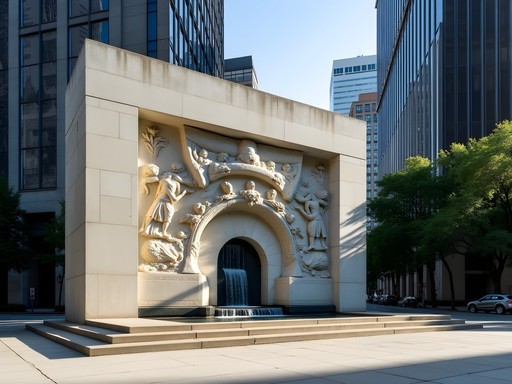
First stop on our historical treasure hunt: Fort Moore Pioneer Memorial on Hill Street. This massive concrete relief mural is literally the largest bas-relief military monument in the United States, yet somehow flies completely under the radar. Built in 1957, it commemorates the Mormon Battalion and the U.S. 1st Dragoons who raised the American flag in Los Angeles for the first time on July 4th, 1847.
What strikes me most about this place is the contrast—it's like finding a vintage Dior piece at a mall clearance rack. You're standing in downtown surrounded by sleek skyscrapers, but this 78-foot-wide concrete masterpiece transports you to frontier LA. The waterfall feature was recently restored after being dry for decades (talk about a comeback season), and the detailing in the sculptural work gives me the same appreciation I feel examining hand-stitched garments from heritage fashion houses.
I spent about an hour here sketching some of the design elements in my travel journal that I carry everywhere. There's something about putting pen to paper that helps me absorb details better than just snapping pics on my phone. Plus, the elevated position gives you a killer view of downtown that most tourist guides completely miss.

💡 Pro Tips
- Visit on weekdays around 10am for the least crowds and best lighting for photos
- Check out the newly restored 80-foot waterfall feature that was non-operational for nearly 40 years
- Bring quarters for the nearby parking meters as street parking is your best bet
The Original LA: El Pueblo and the Hidden Avila Adobe
Everyone knows Olvera Street for the tourist-trap vendors and overpriced restaurants, but most visitors completely miss the historical core that makes this place significant. The Avila Adobe, built in 1818, is literally the oldest standing residence in LA, and it's hiding in plain sight just steps from the marketplace chaos.
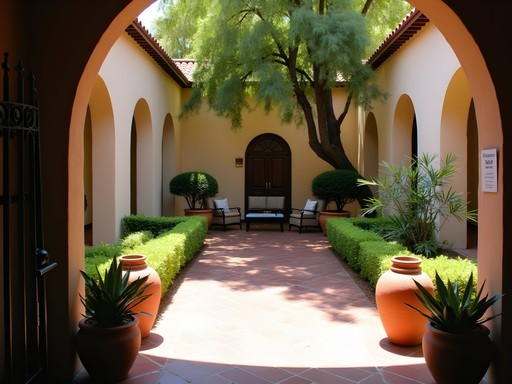
Walking through the adobe's rooms feels like stepping into a time machine. The thick walls create this incredible microclimate—naturally cool even on scorching LA afternoons. I was blown away by the period furnishings and how they've preserved the original floor plan. As someone who spends their career analyzing how products are presented in retail spaces, I found the museum's curation absolutely fascinating—they've managed to display historical artifacts in a way that tells a coherent story without feeling stuffy.
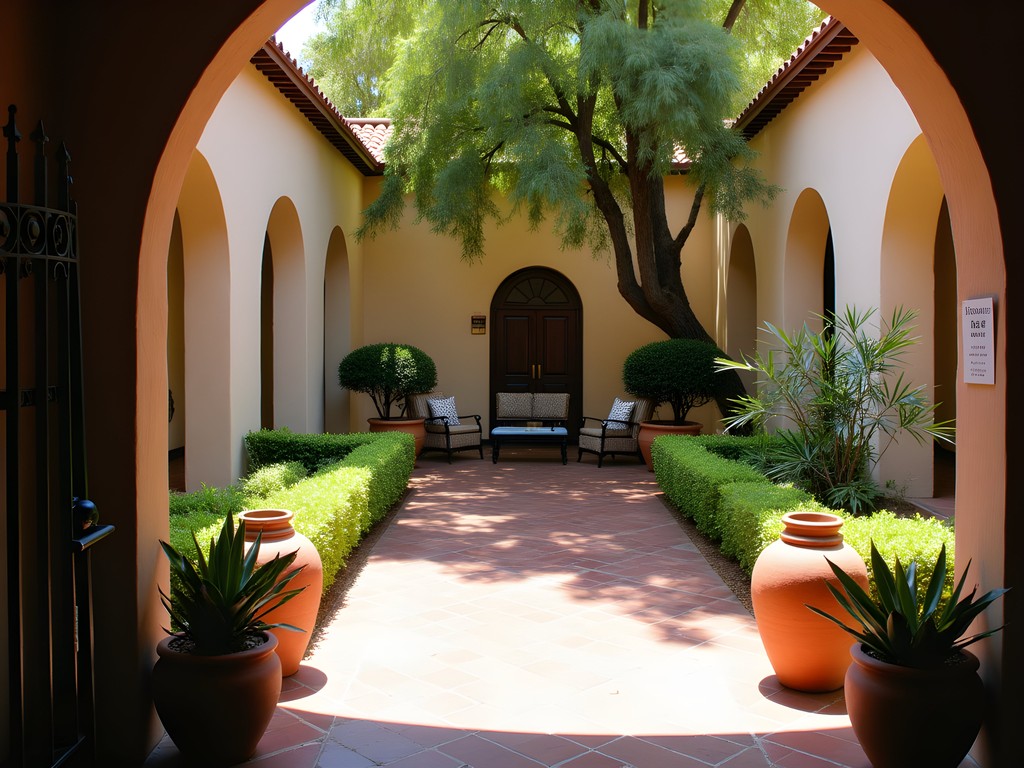
The courtyard garden out back is my secret spot for a moment of zen before hitting the rest of El Pueblo. I sat there sketching and people-watching with my portable watercolor set which is perfect for adding quick color to travel sketches. The contrast between the carefully preserved adobe and the tourist marketplace just steps away feels like the perfect metaphor for LA itself—authentic history and commercial spectacle existing side by side.
💡 Pro Tips
- Visit on weekdays to avoid weekend crowds and actually hear the volunteer docents' stories
- The adobe is FREE to visit—save your money for the nearby Homeboy Bakery instead of tourist trinkets
- Check out the beautiful courtyard garden in the back for a quiet moment away from the Olvera Street crowds
Industrial Chic: The Forgotten Bridges of LA River
If you've seen Grease or Terminator 2, you've glimpsed the LA River, but most visitors (and even locals) have no idea about the architectural marvels spanning this concrete channel. The collection of bridges built between 1910-1930 represents one of the most impressive sets of historic spans in any American city—they're like a forgotten outdoor museum of industrial design.
My favorite is the Gothic-inspired 4th Street Bridge (officially the 4th Street Viaduct). Built in 1931, it features these incredible concrete arches with detailing that would look at home on a European cathedral. The Beaux Arts-style 1st Street Bridge gives me similar vibes to the grand department stores of the early 20th century—ornate yet functional, designed to impress.
I spent a Sunday morning biking along the LA River path with my compact binoculars to spot architectural details from the bike path. The contrast between these ornate concrete masterpieces and the graffiti-covered channel below creates this uniquely LA juxtaposition—like finding vintage architectural couture in the middle of an urban wasteland.
Pro tip: The recently completed 6th Street Viaduct (replacing the 1932 original) now connects Boyle Heights and the Arts District with a dedicated pedestrian and cyclist path. It makes for an incredible sunset walk with downtown views that rival any high-end rooftop bar—but completely free.

💡 Pro Tips
- Visit the LA River bridges early morning on weekends for the best light and least traffic
- Rent a bike from Metro Bike Share to cover more ground and see multiple bridges in one trip
- The 6th Street Bridge's pedestrian walkway offers incredible skyline photo opportunities at sunset

Hidden in Plain Sight: The Forgotten Victorian District
Most visitors have no idea that LA once had a thriving Victorian neighborhood that rivaled San Francisco's painted ladies. While much was lost to development, Carroll Avenue in Angeleno Heights preserves the largest concentration of Victorian-era homes in the city. Walking this street feels like stepping onto a movie set—which it literally has been for everything from Thriller to Mad Men.
The craftsmanship on these 1880s homes is next level. As someone who obsesses over construction details in fashion, I'm equally drawn to the intricate woodwork, the ornate trim, and the architectural equivalent of couture techniques. The Phillips House (built 1887) with its asymmetrical design and ornate detailing is basically the architectural equivalent of an Alexander McQueen runway piece—dramatic, detailed, and impossible to ignore.
I took a self-guided walking tour using a guidebook that's been essential for discovering these hidden gems. The neighborhood sits on steep hills that provide dramatic views of downtown, creating this surreal visual where Victorian gingerbread houses frame modern skyscrapers in the background.
The contrast between these preserved architectural treasures and the surrounding modern city reminds me of how fashion constantly references historical elements while creating something new. This neighborhood is like the vintage archive that modern LA was built upon—preserved but largely forgotten except by those who know where to look.

💡 Pro Tips
- Street parking is free but limited—arrive before 10am on weekends to secure a spot
- The houses are private residences, so be respectful when photographing from the sidewalk
- For the best experience, start at the top of Carroll Avenue and work your way downhill for stunning downtown views
Underground LA: The Forgotten Tunnels
Beneath the streets of downtown LA lies a network of prohibition-era tunnels that once connected speakeasies, government buildings, and banks. Most Angelenos don't even know they exist, but with a bit of insider knowledge, you can actually explore sections of this underground world.
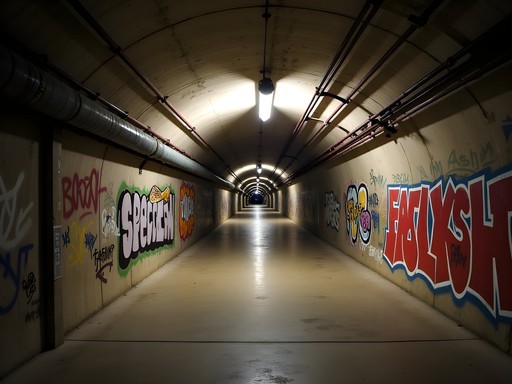
The entrance near the Hall of Records (320 W. Temple St) is my favorite starting point. These concrete passages feel like stepping into a film noir set—dimly lit, slightly eerie, and completely disconnected from the sun-drenched LA above. During Prohibition, these tunnels allowed patrons to move between drinking establishments without being seen by police. Later, they were used to transport money between banks and even prisoners between the courthouse and jail.
I spent an afternoon exploring with my powerful flashlight which was absolutely essential as lighting down here is minimal at best. The tunnel walls are now covered in street art, creating this fascinating timeline where 1920s infrastructure meets contemporary urban expression.
The most accessible section runs from the Hall of Records to the Civic Center, but fair warning: parts can be closed unexpectedly for maintenance or security reasons. When you emerge back into the California sunshine, the contrast is jarring—like finding a secret sample sale hidden beneath a mainstream mall.

💡 Pro Tips
- Visit during weekday business hours when government buildings are open for tunnel access
- Bring a flashlight or use your phone's flashlight function as some sections have minimal lighting
- The Hall of Records entrance (320 W. Temple St) is the most reliable access point to the tunnel system
Final Thoughts
Los Angeles isn't just about Hollywood glamour and designer shopping—it's a city with layers of forgotten history waiting to be discovered if you know where to look. What fascinates me most is how these historical landmarks exist alongside the modern city, often hidden in plain sight or overshadowed by flashier attractions. As someone who spends their career hunting for quality and craftsmanship in retail, I find the same satisfaction in uncovering these historical gems that tell LA's authentic story. Next time you're in the City of Angels, take a weekend to explore beyond the typical tourist circuit. Trade the Walk of Fame for the Victorian homes of Carroll Avenue, or skip the Hollywood sign hike for a stroll across the historic bridges of the LA River. The real Los Angeles is waiting to be rediscovered, one forgotten landmark at a time.
✨ Key Takeaways
- Los Angeles has rich historical sites beyond the typical tourist attractions that can be explored on a budget
- Many of LA's most fascinating landmarks are free to visit and accessible via public transportation
- The contrast between preserved historical sites and modern urban development creates a unique exploration experience
- A weekend is enough time to discover several forgotten landmarks that most tourists and even locals overlook
📋 Practical Information
Best Time to Visit
year-round, though spring and fall offer the most comfortable temperatures
Budget Estimate
$50-100 for a weekend (excluding accommodations)
Recommended Duration
2-3 days
Difficulty Level
Intermediate


Comments
Gregory Boyd
Excellent piece, Jose. I spent three weeks exploring LA last year and was genuinely surprised by how much historical architecture survives once you know where to look. The Victorian district you mentioned near Angelino Heights is particularly fascinating - those Queen Anne houses feel completely out of place in modern LA, which is exactly what makes them so compelling. The contrast between the ornate Victorian details and the downtown skyline in the background creates this strange temporal collision. I'd also add the Bradbury Building to this list - while not exactly forgotten, it's criminally undervisited given its significance to LA's architectural history.
travelrider
This is awesome! How easy is it to actually get to Fort Moore? Is it walkable from downtown?
Gregory Boyd
It's very accessible - right near the civic center. You can walk from Union Station in about 15 minutes. The memorial itself is a bit tucked away behind some municipal buildings, which is part of what makes it feel so forgotten despite being right in the heart of downtown.
travelrider
Perfect, thanks! Adding it to my list
George Hayes
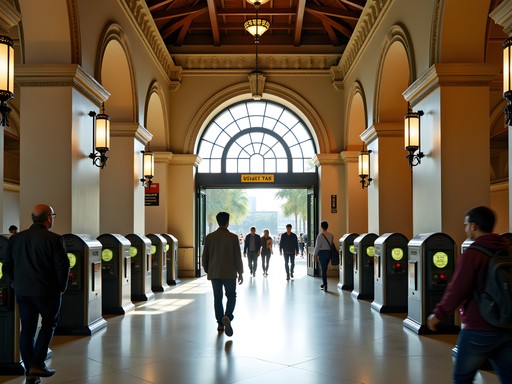
We did a "Hidden LA" day with our kids last summer and it was honestly more memorable than Universal Studios. Started at El Pueblo for lunch, walked to Union Station (which is gorgeous inside), then drove up to see the Victorian houses. My 10-year-old was surprisingly into it - I think because it felt like a treasure hunt finding these forgotten places. We used this walking tour book which has some great routes through historic neighborhoods. Only downside is parking can be tough in some areas, so give yourself extra time.
nomadguide
this sounds perfect, thanks for the tip!
beachninja
I grew up in LA and honestly didn't know half of these existed lol. Everyone always wants to do the Hollywood tourist stuff when they visit but this would be way more interesting. The Fort Moore memorial is kind of sad though - it's supposed to honor the pioneers but it's basically just a wall that nobody pays attention to. Still worth seeing if you're into history I guess.
wanderlustqueen
Really cool photos!
Sophia Gomez
Great post, Jose! I'm in LA for work conferences pretty regularly and always try to squeeze in some exploring between meetings. Last time I walked through the Victorian district in Angelino Heights and those painted ladies are stunning - feels like San Francisco but without the crowds. Pro tip: go early morning on a weekday if you want to take photos without cars everywhere. The Carroll Avenue houses are especially photogenic. It's wild that this neighborhood exists so close to downtown but feels completely forgotten.
beachninja
didn't even know LA had Victorian houses! thought it was all modern stuff
coffeeseeker
Love this! Going next month.
sunnyblogger
The LA River bridges are such a cool find! I did a bike tour along the river last year and our guide pointed out some of these old bridges. The 6th Street Bridge just got rebuilt but there are still some vintage ones further south. It's definitely an industrial vibe, not super pretty, but if you're into urban exploration and architecture it's fascinating. Also you see a totally different side of LA that tourists never experience.
nomadguide
How do you get to these places without a car? I'm visiting LA for the first time and everyone says you NEED to drive but I don't want to rent one.
George Hayes
The Metro actually works pretty well for downtown historical sites! We took our kids on the Red Line to Union Station and walked to El Pueblo from there. Fort Moore is trickier - it's near Grand Park but you'd need to walk uphill a bit. The Victorian district around Angelino Heights has a Metro stop too (Westlake/MacArthur Park). Just be aware that LA's public transit isn't as comprehensive as other cities, so plan your route ahead.
moonmood
YES! The Avila Adobe is so underrated. I stumbled on it by accident a few years ago and was blown away that it's literally the oldest building in LA but nobody talks about it. The whole El Pueblo area feels like a different world compared to the rest of the city. If you go, definitely check out Olvera Street right next to it - touristy but the food is legit and it's got that old LA vibe.
wanderlustqueen
wait is this near Union Station? might check it out!
moonmood
yep! literally walking distance. you can do both in one trip
Venture X
Premium card with 2X miles, $300 travel credit, Priority Pass