

Disclosure: This article contains affiliate links. We may earn a commission from purchases at no extra cost to you, which helps our travel content.
There's something about the Southwest that resonates with both my EMT brain and my Mi'kmaq spirit. The vast stretches of desert, the sacred geometries etched into ancient rocks, and the healing energy that permeates these landscapes create a perfect medicine wheel for the modern soul. After responding to a particularly grueling 72-hour shift in Philadelphia last month, I knew I needed more than just a weekend getaway. The call of the open road beckoned, and I found myself plotting a 2-week journey from the Pacific shores of Los Angeles to the mile-high city of Denver. This route threads through some of North America's most spiritually significant and visually stunning terrain—a perfect prescription for anyone seeking to reconnect with the land and themselves. Whether you're traveling with friends (as I did, convincing two fellow EMTs to join my adventure) or planning a group expedition, this Southwest corridor offers a powerful blend of adventure, cultural immersion, and natural wonder that I'm excited to share with you.

Planning Your Route: The Medicine Wheel Approach
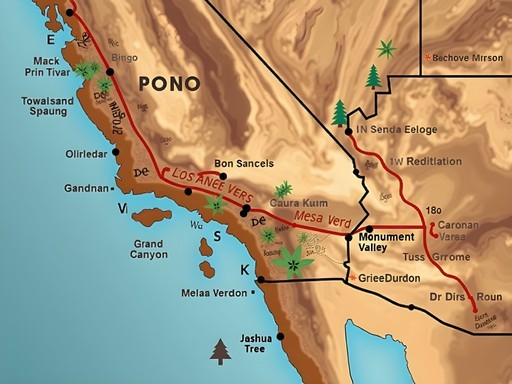
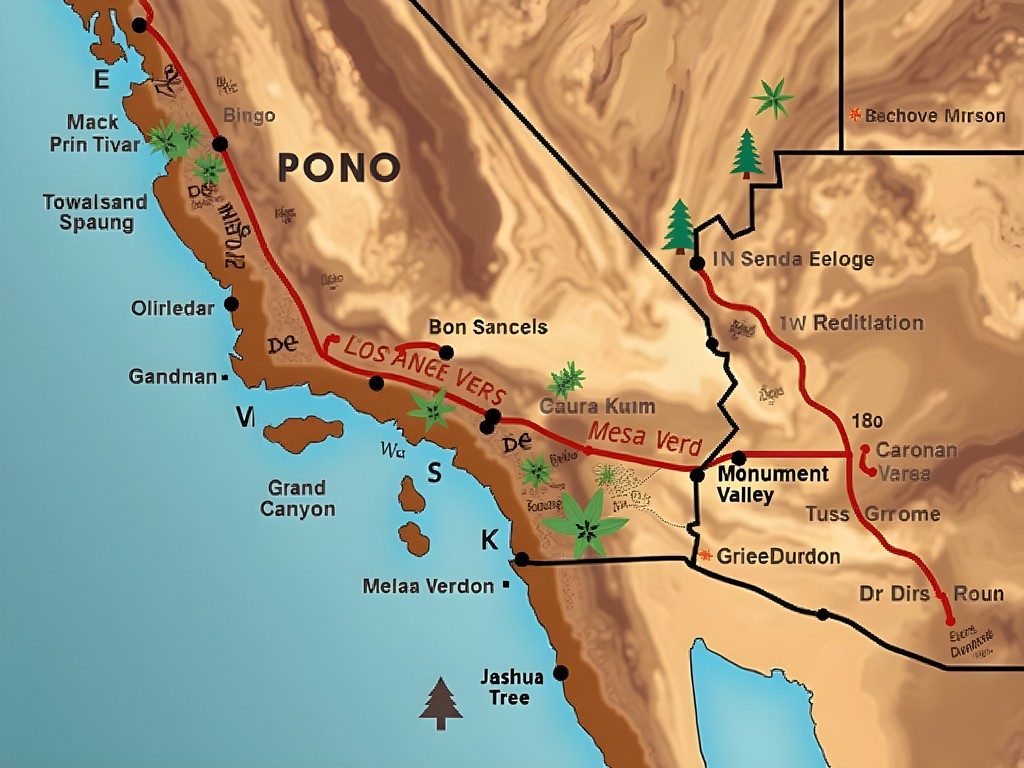
The journey from LA to Denver isn't just a straight shot east—it's an opportunity to create what my grandmother would call a 'medicine wheel journey,' touching cardinal points of power and healing. Our route formed a massive clockwise spiral through the Southwest, mimicking traditional healing patterns while hitting major natural wonders and sacred sites.
I recommend breaking your journey into segments that allow for both efficient travel and meaningful immersion. Our route looked like this:
- Days 1-2: Los Angeles to Joshua Tree National Park (with overnight camping)
- Days 3-4: Sedona, Arizona for vortex exploration and healing
- Days 5-6: Grand Canyon South Rim
- Days 7-8: Monument Valley and Four Corners region
- Days 9-10: Mesa Verde and Durango, Colorado
- Days 11-12: Great Sand Dunes National Park
- Days 13-14: Final stretch to Denver through the Rockies
For navigation, I relied heavily on my Garmin inReach Mini, which proved invaluable when we lost cell service in the backcountry between Monument Valley and Mesa Verde. As an EMT, I never travel remote routes without satellite communication—it's as essential as my trauma shears.
The beauty of this route is how it balances iconic destinations with lesser-known sacred spaces. While planning, I reached out to indigenous guides in several locations who shared insights about visiting with proper respect and awareness—something no standard guidebook could provide.
💡 Pro Tips
- Download offline maps before departure—cell service is spotty throughout much of the route
- Plan for dramatic elevation changes—from below sea level in Death Valley to over 14,000 feet in the Rockies
- Build in buffer days for unexpected weather or discoveries that capture your interest
Sacred Landscapes & Healing Spaces
The Southwest holds some of North America's most powerful energetic landscapes—places where the veil between worlds feels particularly thin. As someone with Mi'kmaq heritage who works daily with life and death as an EMT, I'm particularly attuned to these healing spaces.
In Sedona, we spent a full day exploring the vortex sites. Bell Rock at sunrise offered the perfect space for grounding meditation after the initial long drive from California. The spiral energy here is palpable—I felt my parasympathetic nervous system activate almost immediately, a welcome shift after months of high-alert emergency response work.
At the Grand Canyon, rather than racing between viewpoints, we dedicated time to simply sitting with the ancient landscape. My travel companions—both fellow first responders—found themselves moved to tears by the perspective shift that happens when you contemplate two billion years of exposed earth history. There's a recalibration that happens here, putting human struggles into cosmic context.
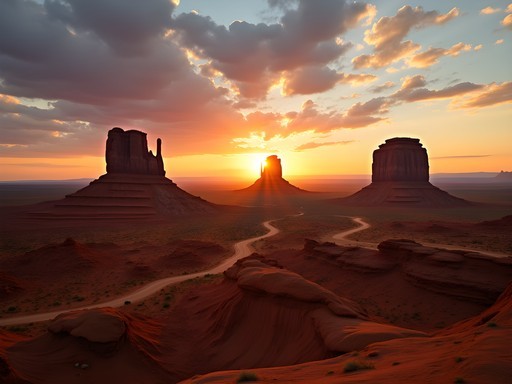
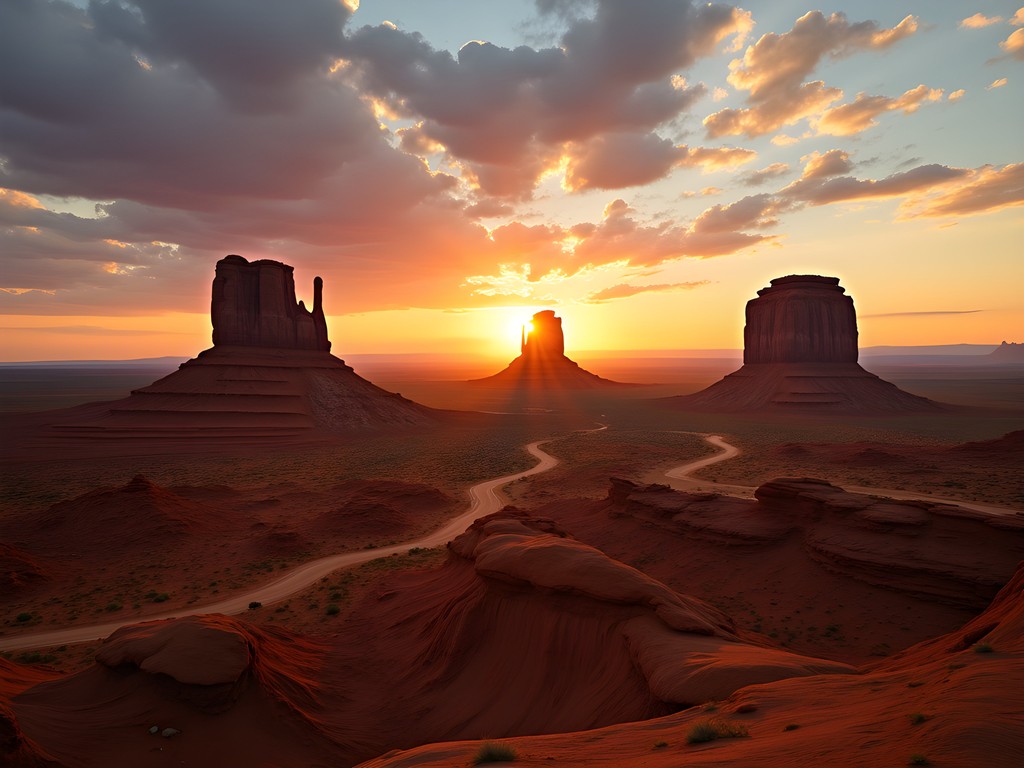
Perhaps the most profound experience came at Monument Valley, where we connected with a Navajo guide who shared traditional knowledge about the healing properties of various rock formations. He explained how certain configurations naturally amplify energy and create spaces for restoration—principles that align remarkably with what modern science is discovering about sacred geometry and its effects on human neurophysiology.
For these sacred sites, I packed my meditation cushion, which has accompanied me from Japanese temples to Andean peaks. Having a dedicated sitting space that travels with you creates continuity in practice, especially in powerful landscapes where grounding becomes essential.
💡 Pro Tips
- Visit sacred sites at dawn or dusk when energies are most potent and crowds are thinnest
- Bring offerings of cornmeal or tobacco when appropriate (research specific cultural protocols beforehand)
- Journal immediately after powerful site experiences—insights come quickly and fade just as fast
Food Truck Finds & Local Healing Cuisine
My obsession with food trucks began years ago while working 24-hour shifts—finding quality food near emergency departments became a survival skill. This road trip offered a perfect opportunity to continue my documentation of healing foods across North America.
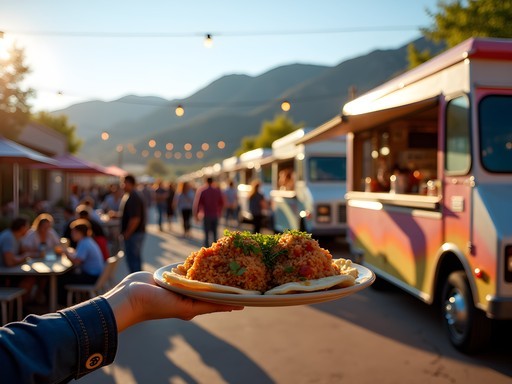
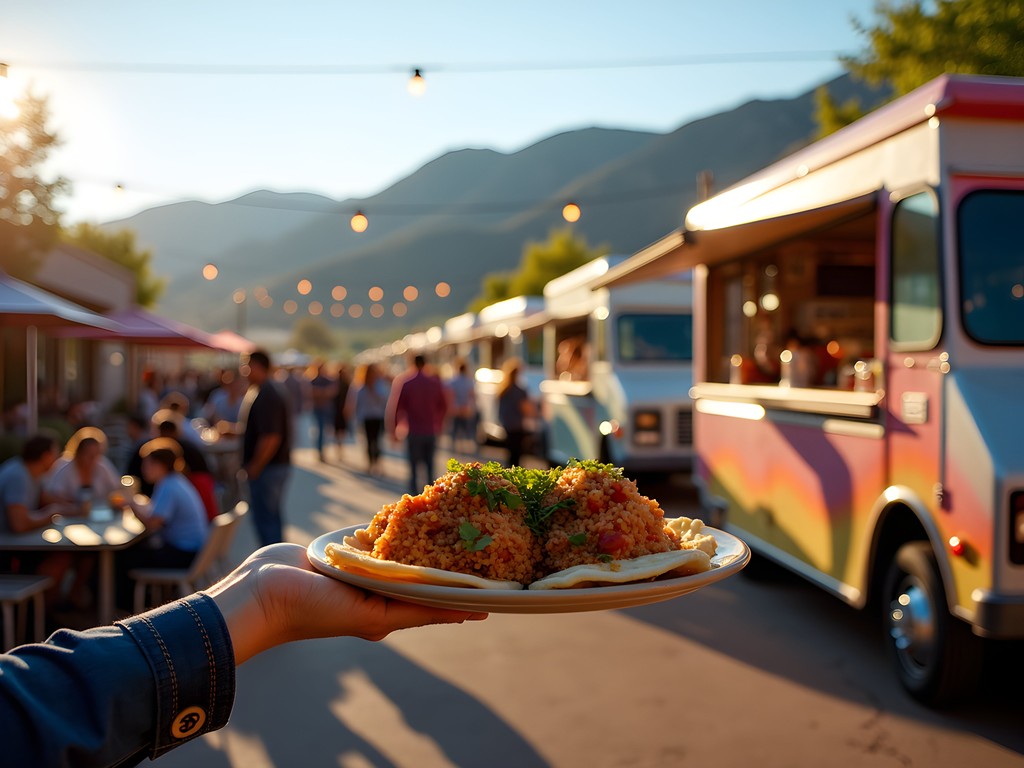
In Flagstaff, we discovered Navajo Soul—a food truck serving traditional indigenous cuisine with modern twists. Their blue corn mushroom stew with foraged herbs delivered exactly the immune support we needed after days of travel fatigue. The owner, Kee, shared how his grandmother taught him to incorporate medicinal plants like osha root and wild sage into everyday cooking—knowledge that parallels what my own Mi'kmaq relatives preserved.
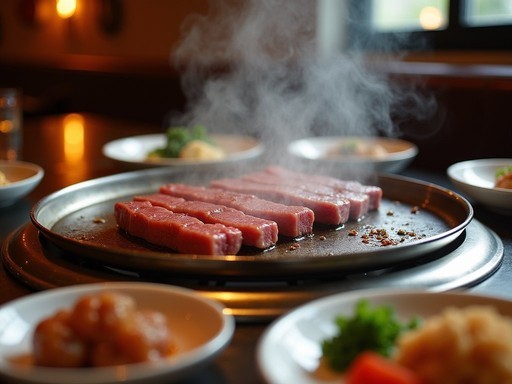
Durango surprised us with Serious Texas Bar-B-Q, where the owner's understanding of smoke as a preservation method and flavor carrier reflected ancient wisdom about food preparation. Their brisket, smoked for 14 hours over pinon pine, carried complex compounds that any herbalist would recognize as natural stress relievers.
In Moab, Quesadilla Mobilla provided the perfect recovery meal after a day of hiking—their locally-sourced ingredients and hand-pressed tortillas offered quick-absorbing nutrients perfectly timed for muscle recovery.
I document these finds in my travel journal alongside notes about local medicinal plants. The Southwest is particularly rich in adaptogenic herbs that help the body respond to stress—something I've studied extensively for both my EMT work and personal resilience practices.
For food storage during long driving days, my cooler kept fresh provisions perfectly chilled even in 100+ degree desert heat. The investment in a quality cooler pays dividends when you're miles from services but need proper nutrition to fuel adventures.
💡 Pro Tips
- Research indigenous food providers before your trip—supporting these businesses helps preserve cultural food knowledge
- Stock up on fresh produce in larger towns—options become limited in remote areas
- Carry more water than you think necessary—proper hydration is critical in desert environments

Adventure Therapy: Hiking the Healing Landscapes
As an EMT, I understand the body's remarkable capacity for healing through movement. This road trip offered daily opportunities for what I call 'adventure therapy'—physically challenging experiences that reset both body and mind.
In Joshua Tree, we tackled the 7.2-mile Lost Palms Oasis trail, where the contrast between harsh desert and sudden lush palm groves creates a perfect metaphor for resilience. The trail's varied terrain required full attention, creating that flow state where ruminating thoughts simply dissolve.
The Grand Canyon's South Kaibab Trail provided our most intense physical challenge. We descended 3 miles to Skeleton Point—a fitting name that had my EMT brain calculating evacuation scenarios! The 2,000-foot elevation change on the return climb demanded complete respiratory focus, naturally inducing the same breathing patterns used in anxiety-reduction protocols.
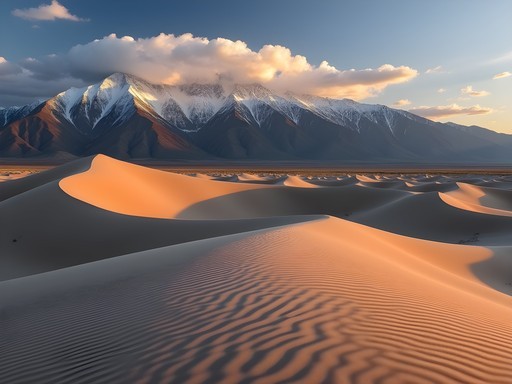
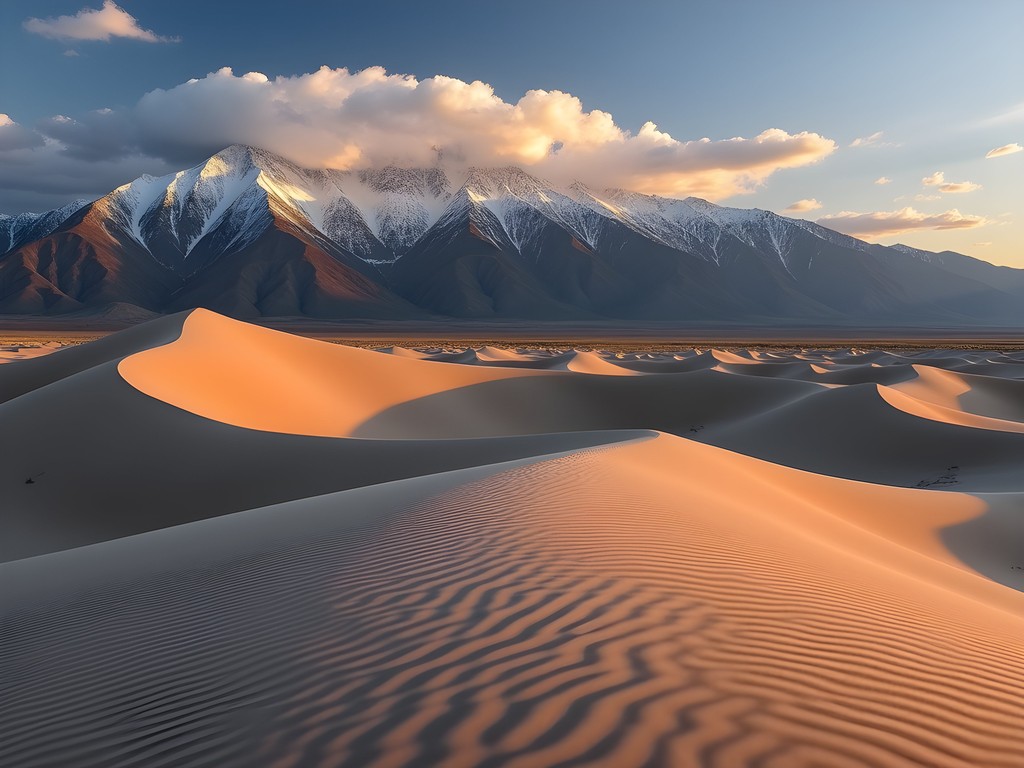
At Great Sand Dunes National Park, we experienced the unique full-body workout of sand-hiking to High Dune. The resistance training of each step sinking into soft sand created a meditation in motion unlike any gym workout. The panoramic views from the summit—with the Sangre de Cristo mountains creating a dramatic backdrop to the dunes—delivered the perfect endorphin reward.
For these adventures, my hiking boots proved their worth across varied terrain. After a traumatic ankle injury during that mountain rescue operation years ago, I'm particular about footwear that provides stability without sacrificing ground-feel—these boots strike that perfect balance.
Each hike became a form of moving medicine, with the landscape itself serving as both challenge and healer. My fellow EMTs and I often discussed how these experiences should be prescribed alongside traditional treatments for stress and trauma—something indigenous healing traditions have understood for millennia.
💡 Pro Tips
- Start hikes early to avoid afternoon heat and thunderstorms common in the Southwest
- Train for elevation changes before your trip—the oxygen difference is significant
- Practice the 'rest step' technique for steep ascents to conserve energy on long climbs
Practical Logistics: Accommodations & Transportation
The practical aspects of a two-week road trip require careful planning, especially when balancing budget constraints with the need for proper rest between adventures.
For transportation, we opted for a roof cargo carrier mounted on my Subaru Outback rather than upgrading to a larger vehicle. This configuration gave us ample storage space while maintaining fuel efficiency across the 1,200+ mile journey. The carrier proved invaluable for keeping our camping gear separate from daily necessities.
Our accommodation strategy followed what I call the 'restoration rhythm'—alternating between camping and comfortable lodging to ensure proper recovery. After two nights camping in Joshua Tree, we treated ourselves to a small Airbnb in Sedona with access to a hot tub—perfect for muscular recovery before the next leg.
At the Grand Canyon, we stayed at Mather Campground, which offers the perfect balance of amenities and wilderness immersion. Booking six months in advance was essential to secure our spot during peak spring season.
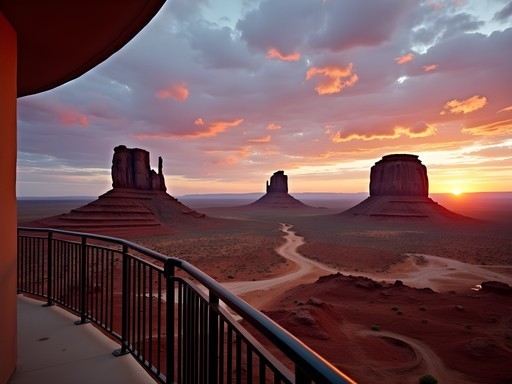
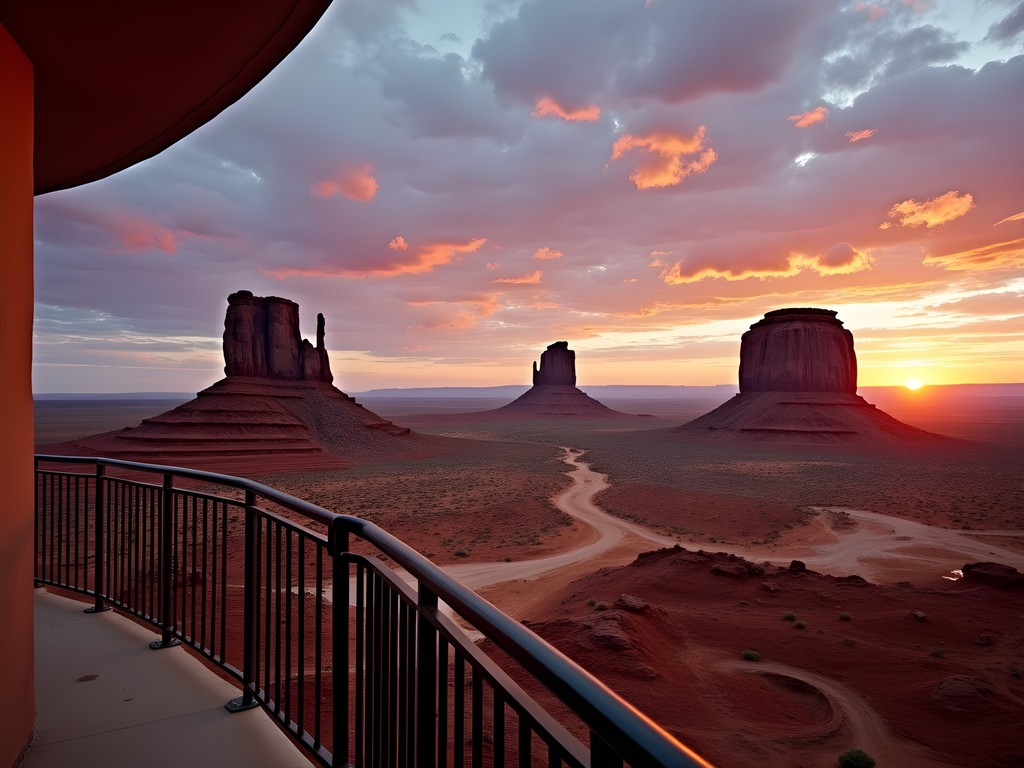
For our Monument Valley experience, we splurged on The View Hotel, where every room faces the iconic buttes. Watching sunset and sunrise from our balcony justified the higher price point—some experiences warrant investment.
In Durango, we discovered the Rochester Hotel, a historic property with rooms themed after Western films shot in the region. Their courtyard garden became our evening debrief space, where we processed each day's experiences over local craft beers.
For the final stretch, we returned to camping at Great Sand Dunes, where the night sky astronomy program added an unexpected dimension to our journey—connecting earth-bound adventures to the greater cosmos.
This rhythm of rustic and refined accommodations allowed us to experience diverse aspects of the Southwest while ensuring we remained physically capable of enjoying each day's adventures.
💡 Pro Tips
- Book campgrounds at national parks 6 months in advance, especially for spring and fall travel
- Consider altitude acclimation when planning your overnight stops—Denver sits at 5,280 feet above sea level
- Build in laundry opportunities every 4-5 days to travel lighter and fresher
Connecting with Local Wisdom Keepers
One aspect that transformed our journey from tourist experience to meaningful pilgrimage was intentional connection with local wisdom keepers along our route. My Mi'kmaq heritage has taught me the value of learning directly from those who hold generational knowledge of the land.
In Sedona, we participated in a medicine walk led by an elder from the Yavapai-Apache Nation. Rather than focusing solely on famous vortex sites, she introduced us to inconspicuous plants growing alongside trails that have been used for respiratory healing for centuries. As an EMT who's treated countless respiratory emergencies, I was humbled by the sophisticated understanding of plant compounds that predates modern pharmaceuticals by millennia.
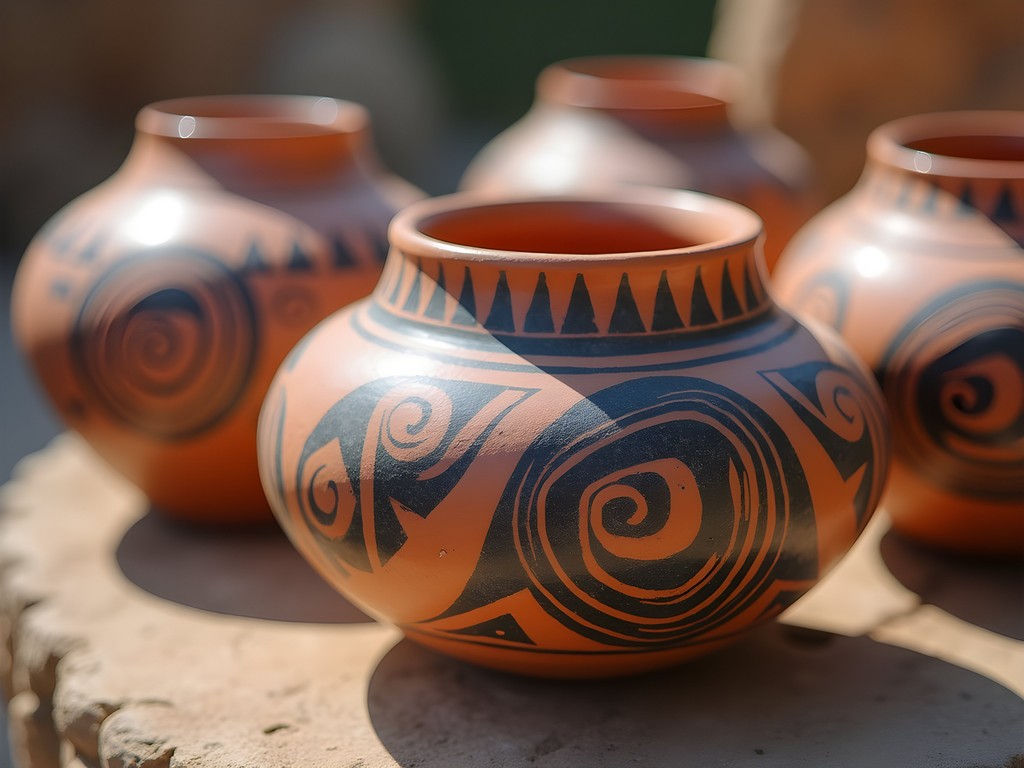
Near Mesa Verde, we were fortunate to meet with a Pueblo potter who explained how the geometric patterns in traditional ceramics reflect sacred mathematics found throughout nature. These patterns—spirals, concentric circles, and precise angular designs—mirror patterns found in human physiology and cosmic structures alike. The conversation deepened my ongoing exploration of how sacred geometry influences healing spaces.
In Durango, a local herbalist shared knowledge about adaptogens native to the Colorado mountains. She explained how certain mushrooms and roots that thrive in extreme elevation conditions can help human bodies adapt to similar stresses—a fascinating parallel to emergency medicine's understanding of physiological adaptation.
These connections weren't random—they required research and respectful outreach months before our journey. I recommend reaching out to cultural centers, museums, and educational programs rather than expecting private citizens to educate visitors. When approaching these interactions, come with specific questions and prior knowledge rather than expecting a general introduction.
The insights gained from these knowledge keepers profoundly shaped our experience of the landscape, allowing us to see beyond surface beauty to the deeper healing relationships between people and place that have developed over thousands of years.
💡 Pro Tips
- Research and contact cultural centers months before your trip to arrange meaningful educational experiences
- Bring appropriate offerings when meeting with knowledge keepers (traditional tobacco, payment for their time, or items they specifically request)
- Take notes during these interactions—with permission—as the information shared often contains practical wisdom for your journey
Final Thoughts
As our journey wound through the final mountain passes into Denver, I found myself changed in ways both subtle and profound. This route through the Southwest isn't just a spectacular road trip—it's a pilgrimage through landscapes that have been healing human spirits for thousands of years. The medicine wheel we traced from Los Angeles to Denver connected us to ancient wisdom, breathtaking natural beauty, and our own deeper resilience. Whether you're seeking adventure, cultural understanding, or simply a reset from the demands of modern life, this journey offers powerful medicine. As both an EMT and someone connected to indigenous ways of knowing, I've come to understand that sometimes the most effective healing doesn't happen in hospitals or clinics, but in mindful movement through sacred landscapes. The Southwest awaits with its timeless wisdom—all you need to do is hit the road with an open heart and respectful spirit.
✨ Key Takeaways
- Alternate between camping and comfortable accommodations to maintain energy throughout the journey
- Build in time for meaningful cultural connections with local knowledge keepers
- Approach sacred sites with respect and proper preparation
- The LA to Denver route offers natural healing for modern stress when approached mindfully
📋 Practical Information
Best Time to Visit
Spring (April-May) or Fall (September-October)
Budget Estimate
$2,000-3,500 for two weeks (excluding vehicle)
Recommended Duration
12-14 days minimum
Difficulty Level
Moderate





Comments
Jean Wells
I appreciate how you've woven the cultural and spiritual perspective into what could have been just another road trip guide. The Medicine Wheel approach to route planning is quite thoughtful. I've noticed that solo travelers, especially those of us doing longer journeys, benefit enormously from having these kinds of intentional frameworks rather than just hitting tourist checkpoints. The section on healing landscapes resonates - there's something about the Southwest's geology and light quality that does feel restorative.
islandnomad
How many days did you take for this drive? Planning something similar for fall!
Jean Wells
Not the author, but I've done a similar route. I'd recommend minimum 5-6 days to really experience the stops without rushing. Fall is actually ideal - the desert heat is manageable and you'll catch autumn colors in the higher elevations near Denver. The summer months can be brutally hot through Arizona and Utah sections.
islandnomad
Thanks! That's super helpful
roamnomad
This will be my first big road trip and I'm so excited but also nervous! Any advice on preparing for the desert heat? I'm from Seattle so this is totally new territory for me. Also your EMT background must have been super helpful for planning the safety aspects of remote desert driving!
starzone
bring way more water than you think you need. seriously.
wavechamp
OH MY GOD YES!! The food truck section is everything!! We found this incredible Navajo taco truck outside Flagstaff that I still dream about. Your photos are gorgeous btw. The sunset shot over Monument Valley is *chef's kiss* 🌅
winterwanderer
do you remember the name of that taco truck?
wavechamp
I think it was called Desert Bloom or something like that? It had a turquoise truck, you can't miss it!
Claire Hawkins
Sage, this really resonated with me! We did a similar route last year with our kids and the healing energy you describe is so real. My daughter (7 at the time) was completely mesmerized by the petroglyphs near Sedona. The way you frame it as a Medicine Wheel approach is brilliant - we definitely felt like we were moving through different energetic spaces as the landscape shifted. Did you stop at any of the hot springs along the way? We found this incredible natural spring off the beaten path that became the highlight of our trip. The kids still talk about it!
roamnomad
Which hot springs?? I'm planning this trip for fall and would love recommendations!
starzone
Love this route!
winterwanderer
This looks amazing! How many days did you take for the whole trip? Trying to figure out if I can squeeze this into a long weekend or if I need a full week.
starzone
not OP but you need at least 5 days to do it right
wavechamp
Agreed! We rushed it in 3 days once and totally regretted it. So much to see!
mountain_spirit
That sunset photo at Canyonlands is breathtaking. Captures the energy perfectly.
roadtripper_jane
Just did this route last month! That food truck you mentioned outside of Flagstaff - Healing Earth Kitchen - was AMAZING. The blue corn mushroom stew literally got me through a cold I caught in Sedona. Medicine indeed!
desertdreamer55
How many days would you recommend for this entire route? Planning for October!
Sage Dixon
For October, I'd say minimum 7 days, but 10-14 if you can swing it. The light in autumn is magical there, and you'll want time to sit with the landscapes.
Douglas Bradley
I'll second Sage's recommendation. October brings cooler temperatures which makes the hiking portions much more enjoyable. The aspens near the Colorado segment will likely be changing colors too - absolutely worth the extra days if you can manage them.
Venture X
Premium card with 2X miles, $300 travel credit, Priority Pass