

Disclosure: This article contains affiliate links. We may earn a commission from purchases at no extra cost to you, which helps our travel content.
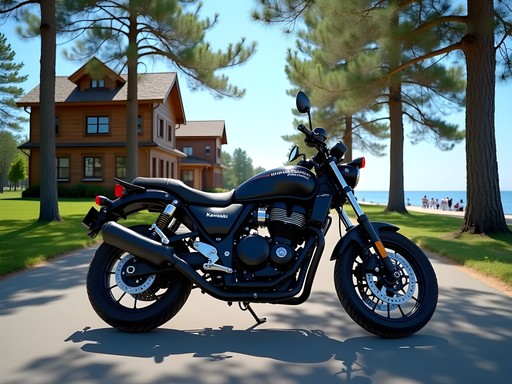
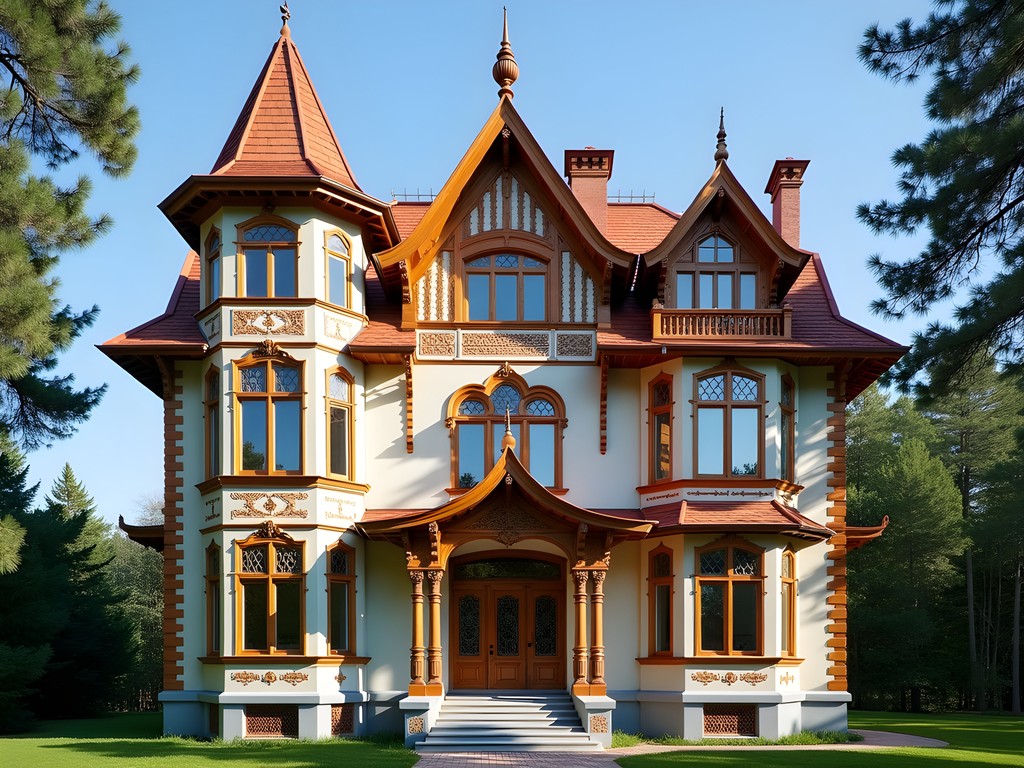
The first time I rolled into Jurmala on my rented Kawasaki, the Baltic Sea breeze carrying the scent of pine forests, I had no idea I was about to discover one of Europe's most unique architectural treasures. Just 30 minutes from Riga, this Latvian coastal gem houses the world's largest collection of wooden Art Nouveau buildings – ornate summer mansions that tell stories of Baltic nobility and artistic innovation from a bygone era. As someone who's spent years evaluating properties across continents, I can tell you: Jurmala's wooden wonders aren't just buildings – they're time machines.

The Wooden Art Nouveau Trail: Majori to Dzintari
My exploration began in Majori, the central district of Jurmala where the train from Riga deposits most visitors. Rather than jumping straight on my motorcycle, I decided to start with a walking tour – these wooden masterpieces deserve to be savored slowly.
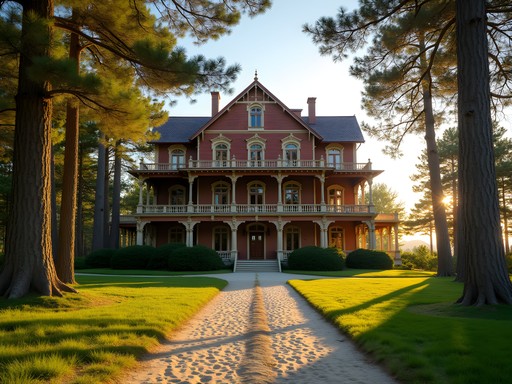
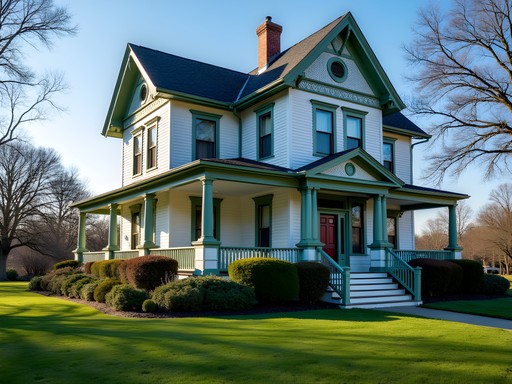
Jurmala's wooden villas were built primarily between 1890 and 1914 as summer homes for wealthy merchants and nobility from Riga and Moscow. What makes them extraordinary is how they blend traditional Baltic wooden architecture with the flowing, nature-inspired lines of Art Nouveau (known locally as Jugendstil).
Jomas Street serves as the main pedestrian artery, but the real treasures hide on side streets like Turaidas, Dzintaru, and Kāpu. I recommend starting at the Jurmala City Museum (admission only €2) to grab a self-guided architecture map – invaluable for finding hidden gems tucked among the pine trees.
For this architectural treasure hunt, I relied heavily on my pocket translator to help decipher historical markers and chat with local property owners who occasionally invite curious travelers to peek at their restored interiors.
💡 Pro Tips
- The Jurmala City Museum offers free maps marking all significant Art Nouveau buildings
- Visit on weekdays to avoid weekend crowds from Riga
- Many buildings are private homes - respect privacy but don't be afraid to admire from sidewalks
Architectural Features That Define Jurmala's Wooden Treasures
What makes Jurmala's wooden Art Nouveau buildings so special? As someone who's evaluated countless properties, I found myself marveling at the technical achievements these structures represent.
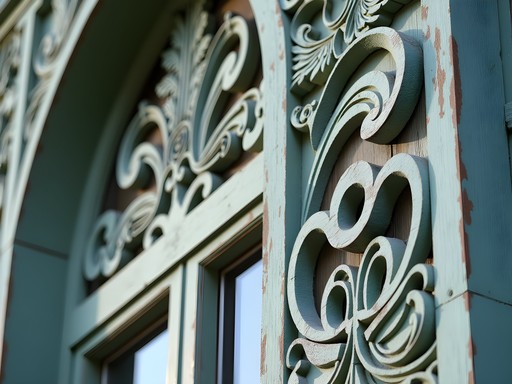
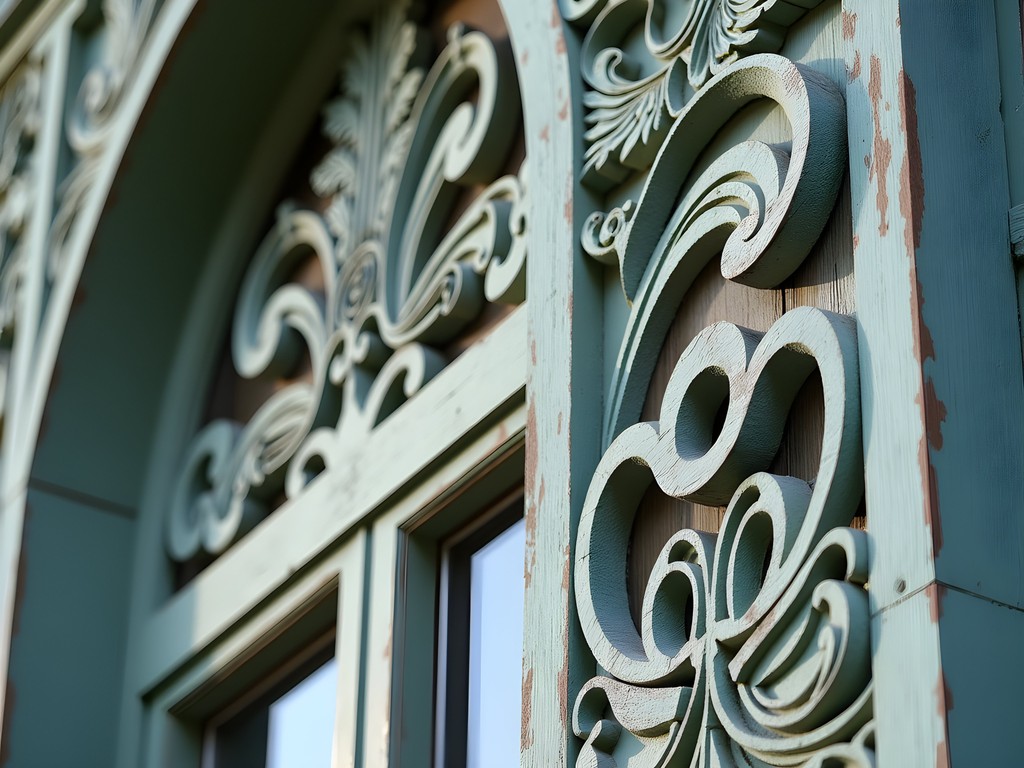
First, there's the woodcarving – elaborate floral motifs, mythological figures, and geometric patterns adorn facades, balconies, and verandas. Look for the signature elements: asymmetrical designs, curved lines inspired by plants, and decorative corner towers that serve no purpose except delight.
Second, there's the color. Unlike the stone Art Nouveau buildings in Riga, Jurmala's wooden structures embrace a coastal palette – seafoam greens, soft blues, and sandy yellows that harmonize with the natural surroundings.
My favorite discovery was how these buildings incorporate covered outdoor spaces – wide verandas and balconies designed for the specific Baltic summer climate, allowing residents to enjoy sea breezes while sheltered from unexpected rain showers.
To truly appreciate the details, I recommend bringing a good monocular – it's perfect for spotting intricate carvings on upper floors without being as bulky as binoculars. I found myself using it constantly to study decorative elements that would otherwise be easy to miss from street level.
💡 Pro Tips
- Look for the signature 'sun motifs' that appear on many facades
- The most elaborate decorations are often around entrances and windows
- Take photos in morning or late afternoon light when shadows accentuate the carved details
Two-Wheeled Touring: The Motorcycle Route
After exploring Majori and Dzintari on foot, I was eager to cover more ground. Jurmala stretches nearly 20 miles along the coast, with architectural gems scattered throughout different neighborhoods. This is where having a motorcycle (or bicycle for the engine-averse) becomes invaluable.
I plotted a route that took me from the central districts through the quieter residential areas of Melluži, Asari, and Vaivari. Each neighborhood has its own character – some villas stand proudly renovated, while others wear their age with romantic decay, awaiting restoration.
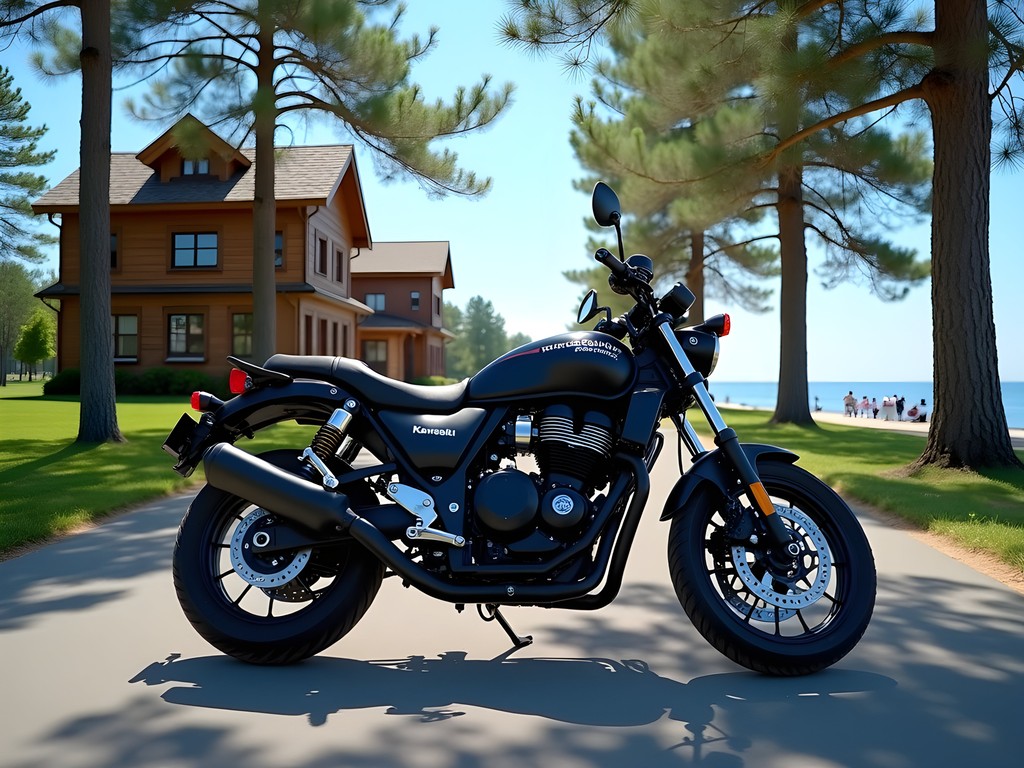
The beauty of exploring by motorcycle is the freedom to pull over whenever something catches your eye. I found myself constantly stopping to photograph unexpected architectural details or chat with locals about the history of particular buildings.
For motorcycle enthusiasts, Jurmala's flat terrain and light traffic make it ideal for casual cruising. I rented my bike in Riga (about €50/day), but you can also find rentals in Jurmala during summer months. If you're bringing your riding gear from home, I highly recommend packing a packable rain jacket – Baltic weather can change quickly, and summer showers aren't uncommon.
My route ended at Kemeri, the westernmost part of Jurmala, where the architectural styles shift slightly and you'll find the impressive Kemeri Sanatorium building – not wooden, but an impressive example of Neo-Classical design worth seeing.
💡 Pro Tips
- Rent a motorcycle in Riga before heading to Jurmala for better selection and prices
- The coastal road (A10/E22) offers the most scenic route between districts
- Parking is generally easy to find near most architectural points of interest

Where History Meets Hospitality: Staying in Restored Villas
As a property manager specializing in vacation rentals, I'm always curious about how historic buildings are repurposed for modern travelers. Jurmala offers a unique opportunity – several Art Nouveau wooden villas have been converted into small hotels and guesthouses, allowing visitors to actually stay inside these architectural treasures.
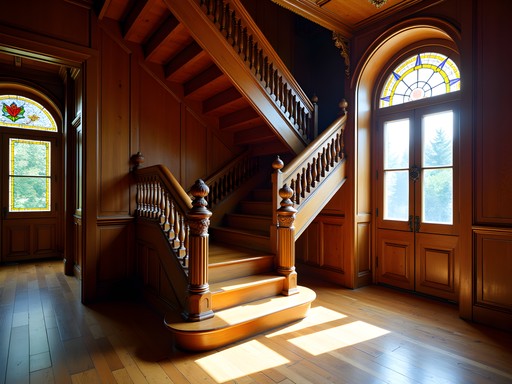
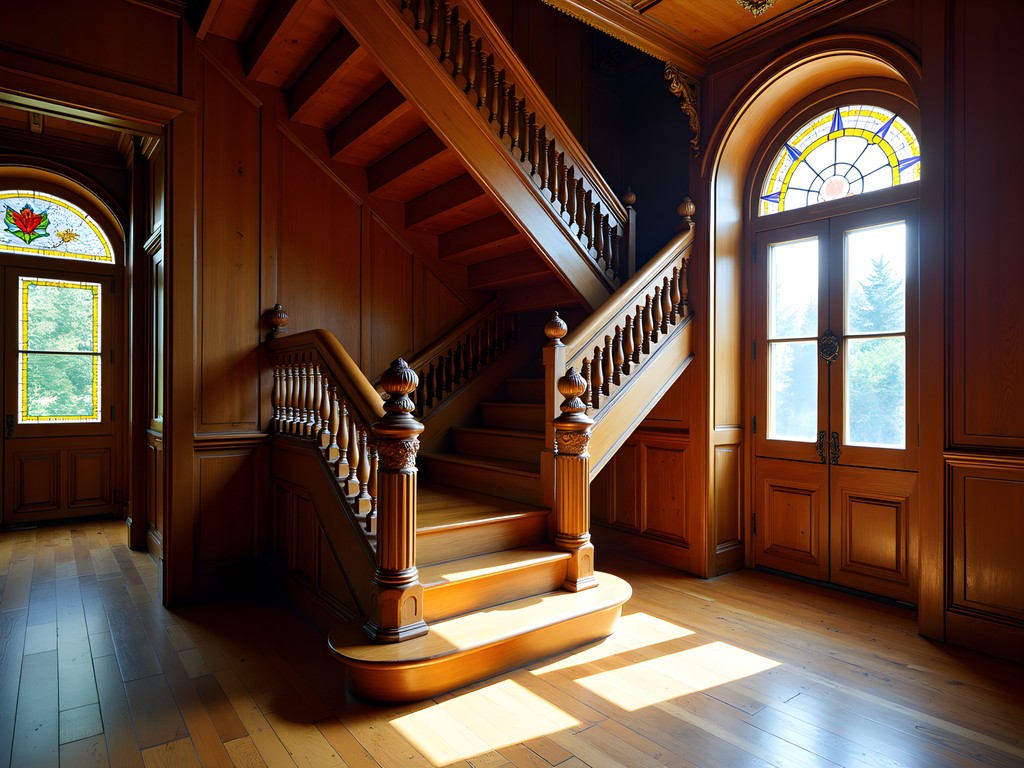
I spent my weekend at Villa Joma, a lovingly restored 1905 wooden mansion that now functions as a boutique guesthouse. For around €65/night (an absolute steal in summer), I enjoyed ornate wooden staircases, stained glass windows, and a veranda breakfast surrounded by pine trees. The owners have maintained original architectural features while sensitively adding modern comforts.
Other notable options include Villa Amanda and Hotel Majori, both housed in authentic wooden buildings. These properties book quickly during high season (June-August), so reserve at least 2-3 months ahead.
If you're staying in a historic property, I recommend bringing along a white noise machine. These old wooden buildings, while charming, don't have modern soundproofing, and this little device saved my sleep when late-night revelers returned to neighboring rooms.
The best part of staying in these buildings? Waking up early and having the chance to examine architectural details before other tourists arrive. As someone who evaluates properties professionally, I gained a whole new appreciation for the craftsmanship by experiencing these buildings from the inside.
💡 Pro Tips
- Book historic accommodations well in advance for summer visits
- Ask for rooms on upper floors for better views and more interesting architectural features
- Many historic properties don't have elevators – pack light if mobility is a concern
Beyond Architecture: Jurmala's Baltic Beach Culture
While Jurmala's wooden architecture was my primary focus, I'd be remiss not to mention the incredible 20+ mile stretch of fine white sand beach that draws visitors in the first place. The Baltic may not be as warm as Mediterranean waters, but during summer months, the beaches come alive with a distinctly Latvian beach culture.
After mornings of architectural exploration, I found myself gravitating to the shore each afternoon. The beach infrastructure is excellent – wooden boardwalks protect the dunes, changing cabins are available, and beachside cafes serve simple Latvian fare at reasonable prices.
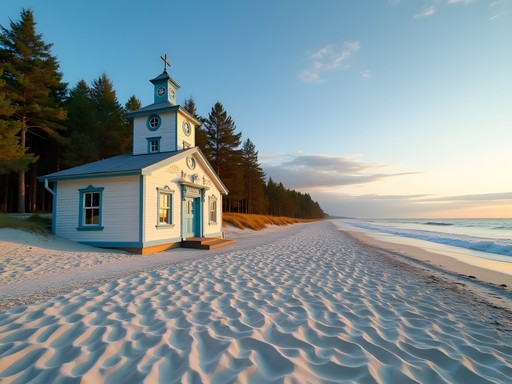
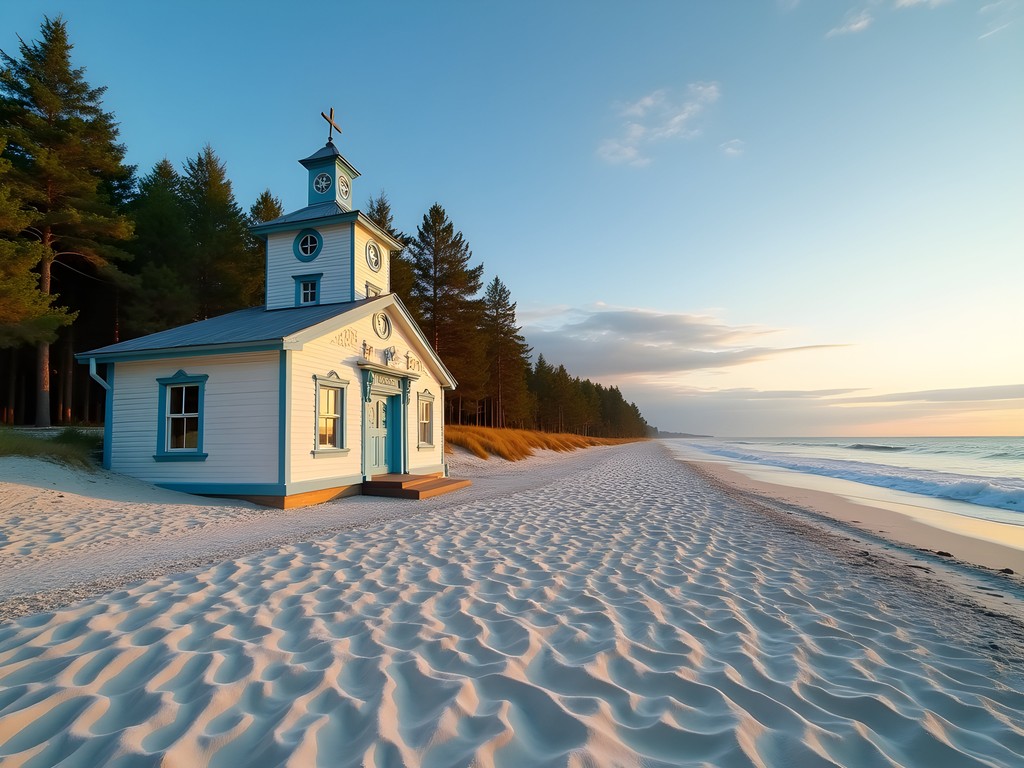
What surprised me most was how the architectural heritage extends to the beach itself. Historic wooden bathing houses dot certain sections of shore – remnants of the early 20th century when Baltic sea bathing became fashionable among the same wealthy families who built the ornate villas.
For beach days, I was thankful I'd packed my quick-dry towel. It takes up minimal space in a daypack and dries incredibly fast – perfect for motorcycle travelers who don't want to lug around wet, bulky beach gear.
Don't miss the iconic Dzintari Concert Hall with its distinctive wooden architecture, located just steps from the beach. During summer, you can often catch outdoor concerts in the evening after a day of sightseeing.
💡 Pro Tips
- The Blue Flag beaches near Majori and Bulduri districts have the best facilities
- Water temperatures are most comfortable for swimming in July and August (around 64-68°F)
- Beach cafes typically close earlier than you might expect (around 8pm) even in summer
Final Thoughts
As I packed up my motorcycle for the return ride to Riga, I found myself already planning a return trip to Jurmala. In just a weekend, I'd barely scratched the surface of this architectural wonderland. What makes these wooden treasures so special isn't just their aesthetic beauty – it's how they represent a specific moment in Baltic history, when art, wealth, and craftsmanship converged in this coastal retreat.
For travelers seeking something beyond the typical European city break, Jurmala offers a rare combination: architectural significance without the crowds, affordable prices, and the bonus of beautiful Baltic beaches. As someone who's explored destinations across continents, I can honestly say these wooden wonders rank among Europe's most underappreciated architectural treasures.
Whether you arrive by motorcycle like me, or take the simple 30-minute train from Riga, Jurmala rewards curious travelers with a glimpse into a forgotten era of Baltic elegance. Just be warned – after experiencing the charm of these wooden Art Nouveau masterpieces, ordinary buildings might seem a little less magical.
✨ Key Takeaways
- Jurmala houses the world's largest collection of wooden Art Nouveau architecture, most built between 1890-1914
- The buildings uniquely blend Baltic wooden building traditions with the flowing, nature-inspired Art Nouveau style
- Several historic villas now function as affordable boutique accommodations, allowing visitors to experience the architecture from the inside
- A motorcycle or bicycle is ideal for exploring the full 20-mile stretch of Jurmala's architectural districts
- Summer offers the perfect combination of architectural exploration and Baltic beach relaxation
📋 Practical Information
Best Time to Visit
June through August for warmest weather; May and September for fewer crowds
Budget Estimate
€150-250 for a weekend (accommodation, food, transportation)
Recommended Duration
2-3 days minimum to properly explore the architectural districts
Difficulty Level
Easy - Flat Terrain, Good Public Transportation, English Widely Spoken In Tourist Areas


Comments
Claire Hawkins
What a lovely read! We took our kids to Jurmala two summers ago and they were surprisingly fascinated by the old buildings - especially the turrets and decorative woodwork. We turned it into a scavenger hunt looking for different architectural details. The beach kept them happy too when they got restless. One thing I'd add: the train from Riga is super easy and cheap if you're traveling with family and don't fancy the motorcycle option. We stayed in one of those wooden guesthouses and the kids still talk about it.
photozone
Scavenger hunt is a great idea! Stealing that for when we go.
freevibes5754
Going there next month, thanks for this!
Taylor Moreau
Excellent write-up, Logan. I visited Jurmala during a business trip to Riga last autumn and completely agree about the architectural significance. The wooden Art Nouveau style is genuinely unique to this region. For anyone considering the motorcycle route, be aware that parking can be tricky near Majori during peak season - I'd recommend arriving early morning. The restored villas make for exceptional accommodation, though they book up quickly. Worth planning ahead.
bluestar
Loved this post! I did a similar route last summer but on a bicycle instead. The wooden architecture is seriously underrated - way more interesting than I expected. One tip: if you're doing this route, stop at the little café near Dzintari station (can't remember the name but it has blue shutters). Amazing coffee and the owner knows everything about the buildings. Also the beach is right there if you need a break.
freevibes5754
Blue shutters café - is that the one with the outdoor seating?
bluestar
Yes! That's the one. They do really good pastries too.
photozone
What time of year did you go? Wondering if June is good for avoiding crowds but still getting decent weather?
bluestar
June is perfect! Not too crowded and the weather's usually nice. July/August gets packed with tourists.
greentime
Been there twice, never gets old!
happywalker9655
Just got back from Jurmala last week! Can confirm everything in this post. The wooden architecture is stunning and so unique. We rented bikes and that was definitely the way to go - you can cover so much ground and stop whenever you see something interesting. Pro tip: go early morning for the best light for photos and fewer people around. The beaches are gorgeous too. We stayed 3 nights and it was perfect. Such a chill, beautiful place.
travelclimber
Adding this to my bucket list!
Hunter Thompson
Mate, this post is brilliant! I was in Jurmala last October and it was absolutely gorgeous - the autumn colors against those wooden buildings were incredible. September would be perfect actually - still warm enough but way quieter. I stayed in a hostel in Majori for like 15 euros a night and just wandered around with my camera for two days. The architecture is mental, especially when you realize how well-preserved everything is. Did you get to any of the smaller streets off the main drag? Found some absolute gems there.
Logan Mills
Hunter! Yeah, those side streets are where the real magic is. Less touristy, more authentic. October sounds perfect for photos.
wanderbackpacker
What's the best time of year to visit? I'm thinking September to avoid summer crowds but worried it might be too cold for the beach vibe?
Venture X
Premium card with 2X miles, $300 travel credit, Priority Pass