
Disclosure: This article contains affiliate links. We may earn a commission from purchases at no extra cost to you, which helps our travel content.
There's something uniquely satisfying about tracing history's fingerprints across dramatically different landscapes. As someone who's built a career noticing details others miss, I've found few contrasts more striking than Switzerland's 'Top of Europe' and America's Gilded Age playground. Both destinations tell tales of human ambition and engineering marvel, yet through entirely different cultural lenses – one carved into ancient ice, the other built on new money foundations. After spending two weeks meticulously exploring both, I'm ready to share my findings on this transatlantic historical case study.

The Engineering Marvel vs. The Social Statement
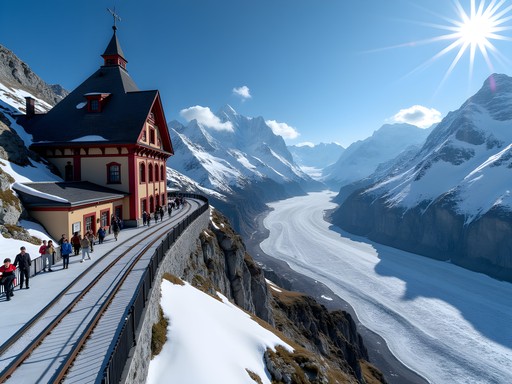
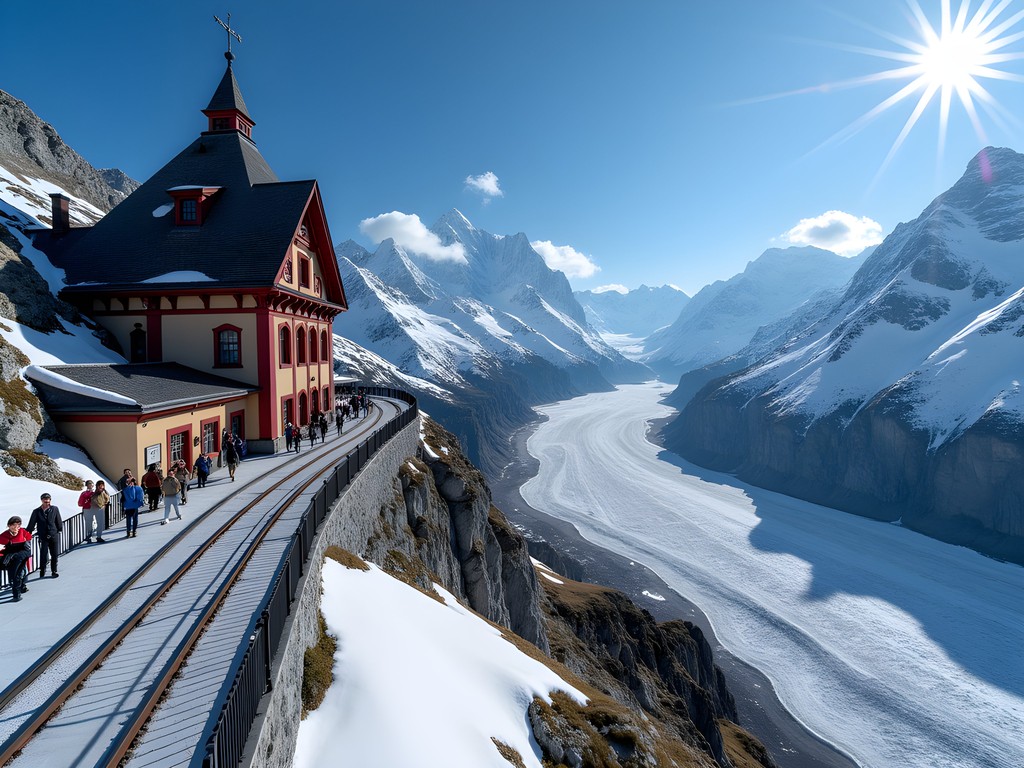
Jungfraujoch's railway stands as perhaps Europe's most audacious engineering feat of the early 20th century – a testament to Swiss precision and alpine determination. Completed in 1912 after 16 years of construction, the railway tunnels through the imposing Eiger and Mönch mountains, climbing to 3,454 meters above sea level. Standing at the Sphinx Observatory, watching sunlight fracture across ancient ice while tourists from six continents shuffle around me, I couldn't help but apply my investigator's lens: this was infrastructure as national identity, Switzerland announcing itself to the world.
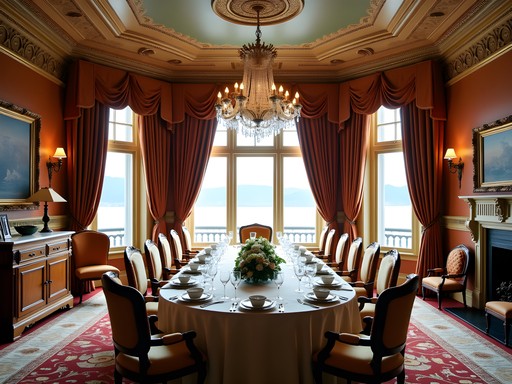
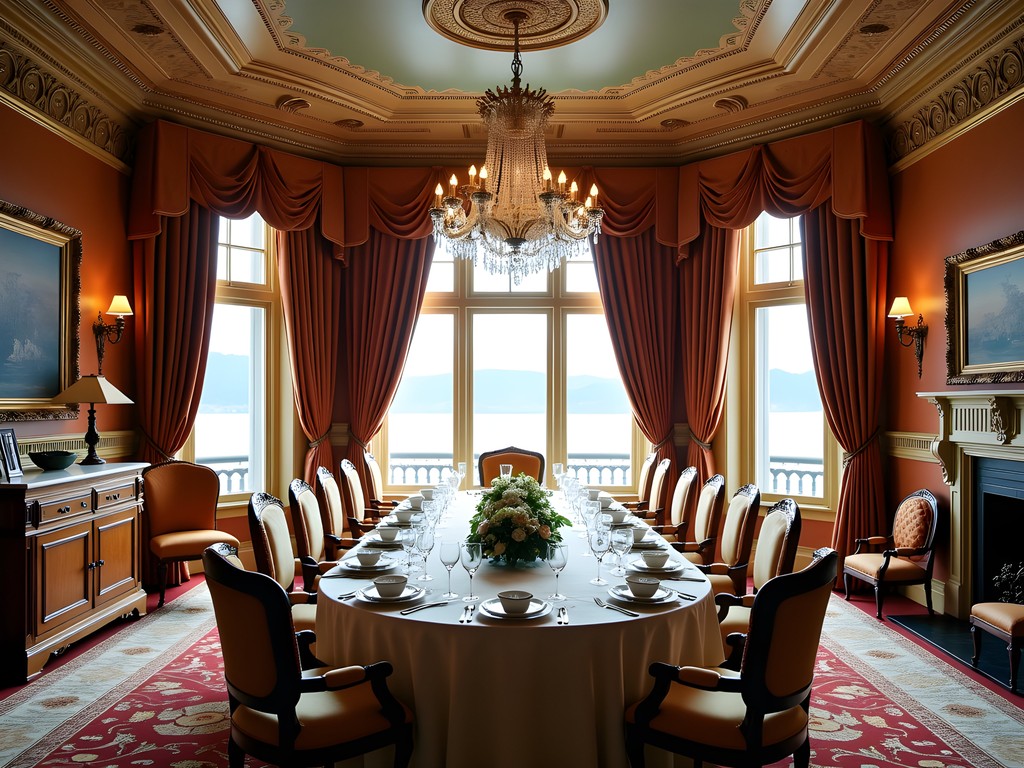
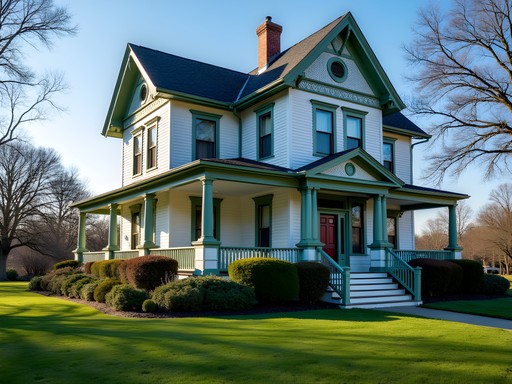
Newport's mansions, constructed roughly during the same period, pursued a different kind of elevation. The Vanderbilts' Breakers and the Berwinds' Elms weren't just homes but deliberate social weapons – architectural manifestos declaring new American royalty. Walking through marble halls that Italian craftsmen spent years perfecting, I noted how these 'cottages' functioned as evidence in America's case for cultural legitimacy. Both destinations required cutting-edge technology and imported expertise, but while Jungfraujoch conquered nature, Newport attempted to recreate European grandeur on American soil.
For capturing the scale of these engineering marvels, I relied on my wide-angle lens – essential for both Jungfraujoch's sweeping panoramas and Newport's opulent interiors.
💡 Pro Tips
- Book Jungfraujoch tickets at least 2 weeks in advance for the best rates
- Visit The Breakers first thing in morning to photograph rooms without crowds
- Both destinations offer special photography passes for serious shooters – inquire ahead
A Tale of Two Climates: Adapting to Extremes
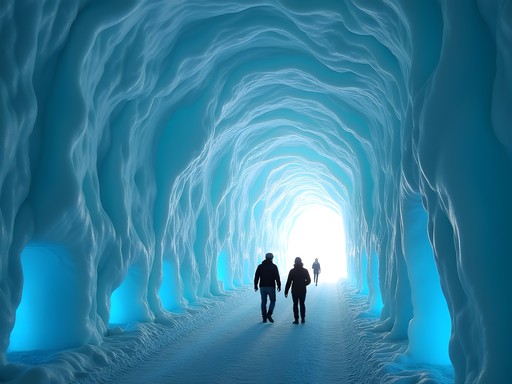
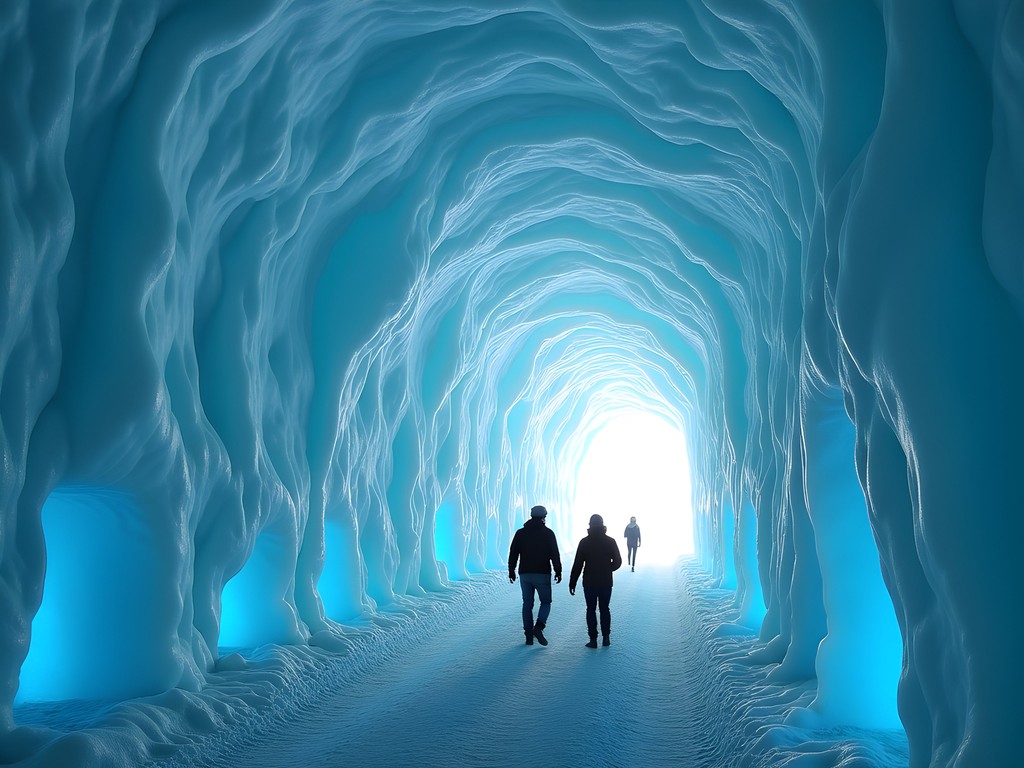
Few experiences highlight the contrast between these destinations more starkly than stepping from Newport's humid summer heat into The Breakers' climate-controlled opulence, then comparing it to Jungfraujoch's perpetual winter wonderland. At the Top of Europe, even in August, temperatures hover around freezing, with wind chill factors that can plummet well below. The Ice Palace – a network of tunnels and sculptures carved into the glacier – maintains a constant -3°C (27°F) year-round, regardless of external conditions.
This climate dichotomy demands strategic packing. For Jungfraujoch, layering is essential – I relied heavily on my merino base layers which performed admirably from Valencia's summer heat to Switzerland's alpine chill. Newport, meanwhile, requires breathable fabrics that can transition from yacht tours to mansion visits without compromising on the polish expected in such settings.
The most fascinating aspect of this climate comparison is how it shaped historical development. Newport's seasonal nature (brutally cold winters drove the elite to warmer climes) created an intensely concentrated social season. Jungfraujoch's year-round extreme conditions meant its development was always about controlled, brief visitor experiences rather than extended stays. Both demonstrate how climate shapes not just architecture, but the very nature of human interaction with historic spaces.
💡 Pro Tips
- Pack polarized sunglasses for Jungfraujoch – snow glare is intense even in cloudy conditions
- Newport mansions have strict no-flash photography policies – adjust your camera settings accordingly
- Hydration is critical at Jungfraujoch's altitude – bring an insulated water bottle
Culinary Heritage: Alpine Precision vs. Coastal Opulence
The gastronomic experiences of these destinations tell equally compelling historical narratives. At Jungfraujoch's Restaurant Aletsch, I savored traditional Swiss alpine cuisine – rösti with local Gruyère that had been aged in nearby caves, accompanied by crisp white wine from terraced vineyards along Lake Geneva. The restaurant itself, with panoramic windows framing the Aletsch Glacier (Europe's longest), turns dining into a multisensory historical experience.
Newport's culinary scene, particularly at the White Horse Tavern (America's oldest operating restaurant, established 1673), presents a different historical trajectory. Here, colonial traditions blend with Gilded Age extravagance – think butter-poached lobster with heirloom vegetables grown on the same Rhode Island farms that once supplied the Vanderbilts.
What fascinated my investigative mind was how both destinations have preserved culinary techniques while adapting to modern expectations. At Jungfraujoch, I documented traditional cheese production methods still practiced in nearby Lauterbrunnen Valley, while Newport's mansions now host cooking demonstrations showcasing the elaborate preparation standards of their original kitchens.
For those seeking to elevate their own culinary experiences at home, I've found the Swiss fondue set perfectly captures the spirit of alpine dining, while the cocktail smoking kit helps recreate Newport's sophisticated cocktail culture.
💡 Pro Tips
- Reserve window tables at Restaurant Aletsch at least 3 days in advance
- Newport's Cliff Walk provides access to several mansion gardens with historically accurate plantings
- The chocolate demonstration at Jungfraujoch's Lindt Swiss Chocolate Heaven includes historical context about alpine dairy traditions

Preservation Philosophies: European Continuity vs. American Restoration
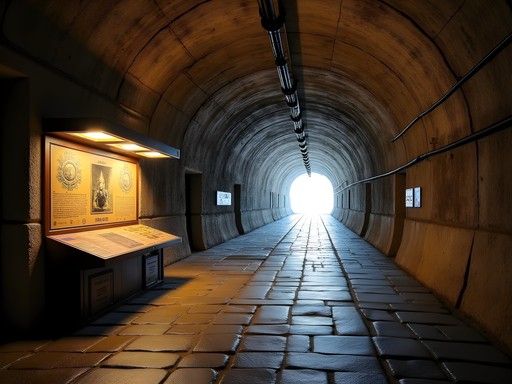
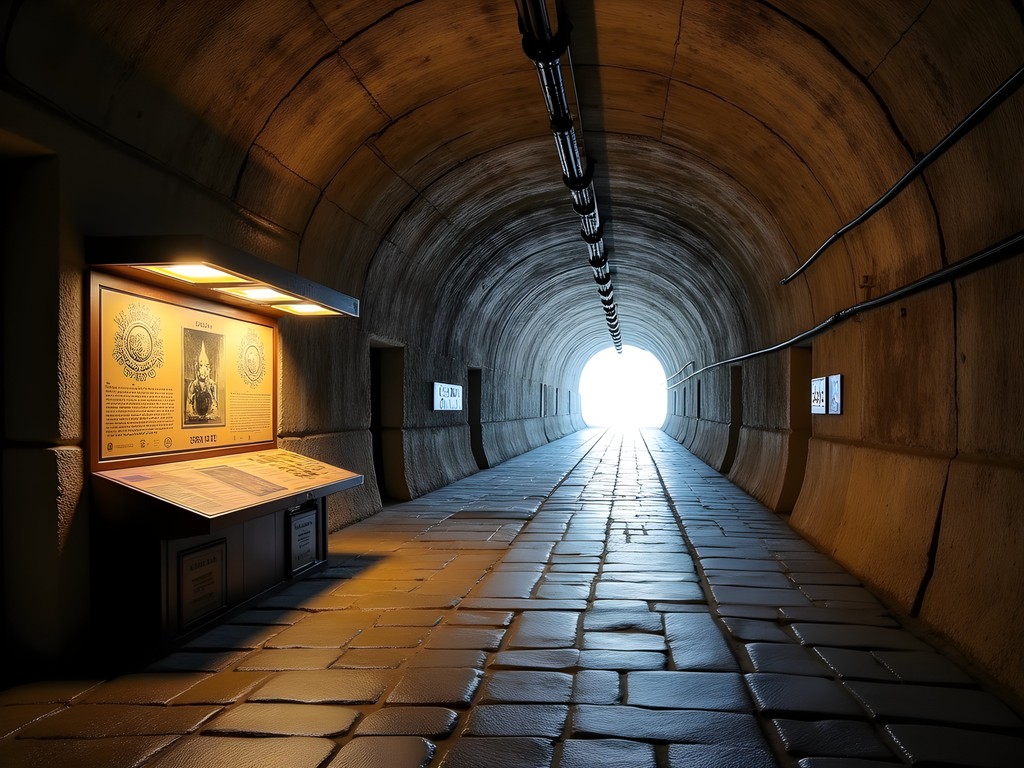
Perhaps the most intellectually stimulating contrast between these destinations lies in their approaches to historical preservation. The Jungfraujoch railway and facilities represent continuous Swiss maintenance philosophy – gradual updates that maintain historical integrity while incorporating necessary modernizations. The original 1912 tunnels remain largely unchanged, while the visitor facilities have evolved organically over decades.
Newport's preservation story reads differently. After the social collapse of the Gilded Age and decades of neglect, many mansions faced demolition before the Preservation Society of Newport County began systematic acquisition and restoration in the 1960s. Walking through The Elms, I noted how American preservation often focuses on freezing specific historical moments – in this case, recreating the mansion exactly as it appeared during a summer party in 1901.
Both approaches reveal cultural values. Swiss preservation emphasizes functional continuity and respect for engineering, while Newport's approach prioritizes narrative storytelling and period authenticity. As someone who documents both cultural and physical details, I found this philosophical difference more revealing than any architectural contrast.
To properly document these preservation differences, I relied heavily on my portable light meter – essential for capturing accurate images in both the challenging low light of mansion interiors and the extreme brightness of Jungfraujoch's snow-reflected sunlight.
💡 Pro Tips
- The Jungfrau Railway historical exhibit at Kleine Scheidegg station provides fascinating construction photographs
- Newport's Preservation Society offers specialized 'Behind the Scenes' tours focusing on restoration techniques
- Both destinations have extensive archives accessible to serious researchers with advance arrangement
Final Thoughts
After two weeks investigating these contrasting historical treasures, I'm struck by how both Jungfraujoch and Newport represent similar human impulses expressed through radically different cultural lenses. Both showcase the ambition of their eras – one reaching toward the heavens through technological mastery, the other establishing social hierarchy through architectural dominance. As destinations, they complement each other brilliantly, offering travelers a stereoscopic view of how different societies approach similar historical challenges.
For couples seeking a truly enriching historical journey, I recommend experiencing both within a single summer – the contrast will forever change how you understand historical preservation, engineering achievement, and social expression through built environments. Start in Newport's opulent mansions before ascending to Jungfraujoch's austere majesty; the transition itself becomes part of the narrative.
As with any investigation, the most revealing insights often emerge from unexpected connections between seemingly unrelated evidence. In this case, two historical treasures separated by an ocean tell a unified story about human ambition, technological possibility, and our complex relationship with natural boundaries.
✨ Key Takeaways
- Both destinations represent pinnacle achievements of early 20th century engineering and social expression
- Climate fundamentally shapes how we interact with historical sites, from preservation challenges to visitor experiences
- European and American approaches to historical preservation reveal deeper cultural values and priorities
- Luxury experiences in both locations balance authentic historical immersion with modern comfort expectations
📋 Practical Information
Best Time to Visit
June-August for optimal conditions at both destinations
Budget Estimate
$12,000-15,000 for two weeks including premium accommodations and experiences
Recommended Duration
5 days Newport, 3 days Jungfraujoch region, plus travel days
Difficulty Level
Moderate (Jungfraujoch Involves High Altitude And Some Walking On Uneven Surfaces)


Comments
Ahmed Greene
Really enjoyed this comparison, Jonathan. I'm a budget traveler so Newport was actually more accessible for me than Jungfraujoch - you can walk around the cliff walk for free and get a sense of the opulence without paying mansion admission. But when I finally saved up for Switzerland, that train ride was worth every franc. Your point about preservation philosophies is spot on. The Swiss maintain that railway like it's a living thing, while Newport feels more like a museum. Both valid approaches but very different energy. One tip for budget folks - go to Jungfraujoch in shoulder season if you can, prices drop a bit.
roampro
Going to Jungfraujoch in March - any tips on tickets?
roamblogger
Which one would you recommend if you only had time for one? Trying to plan a trip and torn between alpine Switzerland or New England coast.
Ahmed Greene
Not Jonathan but I've done both on a budget. Switzerland is pricier but honestly more unique if you haven't experienced the Alps. Newport you can do in a day or two, Jungfraujoch needs more time to justify the cost.
Brian Torres
This really resonates with me, Jonathan. I took my family to Newport last year and we were all fascinated by the Breakers - my kids couldn't believe people actually lived like that. The contrast you draw here is brilliant. We're planning Switzerland for next summer and Jungfraujoch is definitely on the list now. The way you describe both places as monuments to human ambition really captures something essential about why we travel to these places. They're not just pretty - they tell us something about who we were and maybe who we still are. Thanks for the thoughtful piece!
coffeewalker
your kids will LOVE the ice palace at jungfraujoch!!
tripzone
Great photos Jonathan!
sunnyfan
Love this comparison! Never would have thought of these two together.
coffeewalker
omg YES! i did jungfraujoch last summer and it was absolutely mind blowing!! the engineering behind that railway is insane when you think about it being built in like 1912. never thought to compare it to newport mansions but now i totally see the parallel - both are just humans showing off what they can do haha. the cold up there is no joke though, i was NOT prepared even in july. definitely bringing better layers next time!
roampro
how cold are we talking? going in september
coffeewalker
like freezing even when its warm down below! bring a good jacket for sure
mountainlife
Just booked tickets to Newport for next summer after reading this! Can't wait to see those mansions!
winterace
Just booked my tickets to Jungfraujoch after reading this! Can't wait to see that engineering marvel in person!
happydiver
You're going to love it! Dress in layers - it's freezing up there even in summer!
Taylor Moreau
As someone who frequently travels to both Switzerland and the American Northeast for business, I found your analysis particularly insightful, Jonathan. The engineering achievements of Jungfraujoch often overshadow its historical significance, while Newport's architectural splendor sometimes masks the remarkable social history. I've often used both destinations to entertain international clients - the Swiss are proud to show off Jungfraujoch to visitors, while Newport offers a fascinating glimpse into America's complicated relationship with wealth and status. Your observation about the different preservation approaches is particularly astute - European continuity versus American restoration is evident in so many historical sites beyond these two examples.
Venture X
Premium card with 2X miles, $300 travel credit, Priority Pass