
Disclosure: This article contains affiliate links. We may earn a commission from purchases at no extra cost to you, which helps our travel content.
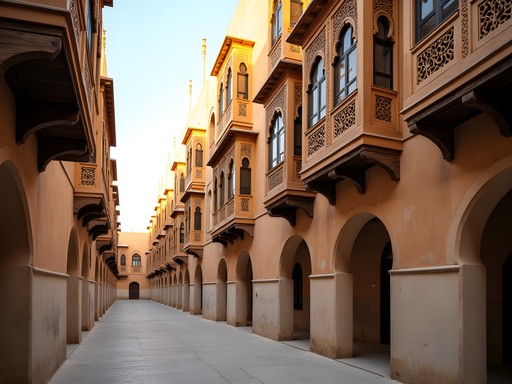
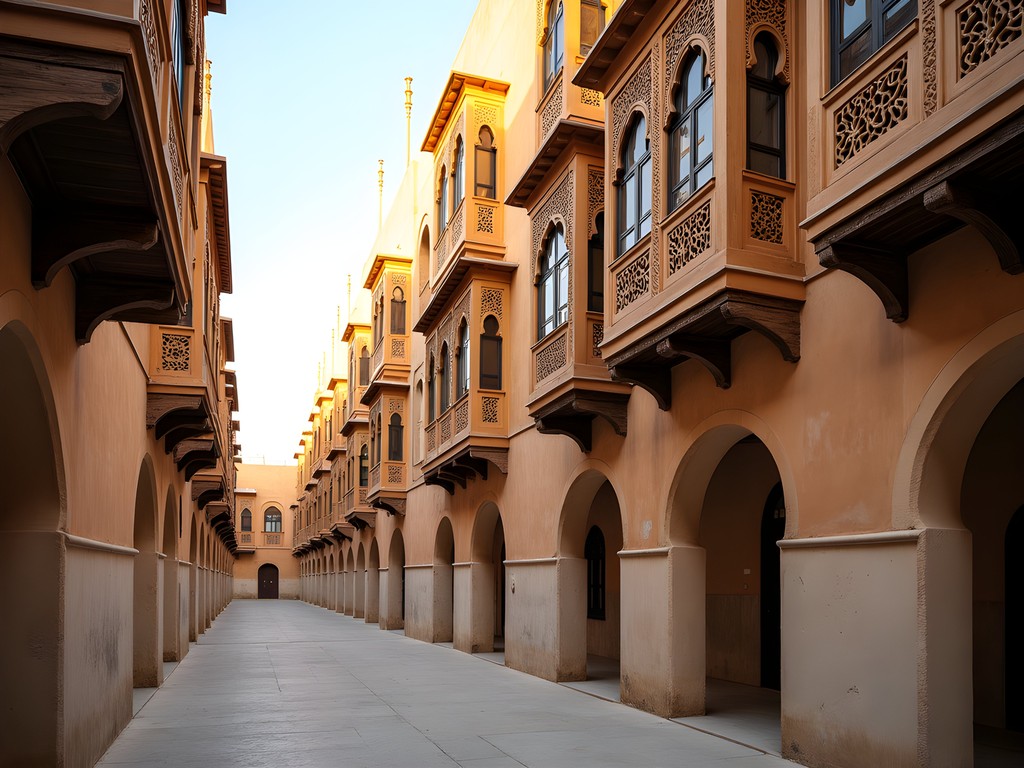
The moment I stepped into Al-Balad, with its narrow winding alleys framed by towering coral-stone buildings, I felt transported across centuries. As someone who grew up exploring Florence's historic streets, I found something hauntingly familiar yet excitingly different about Jeddah's ancient heart. This UNESCO World Heritage site, with its distinctive mashrabiyas (wooden lattice windows) and ornate rawasheen balconies, offers a rare glimpse into pre-oil Saudi Arabia—a living museum where history breathes through every weathered coral wall and whispers from every shadowy passageway.

The Architectural Marvels of Al-Balad
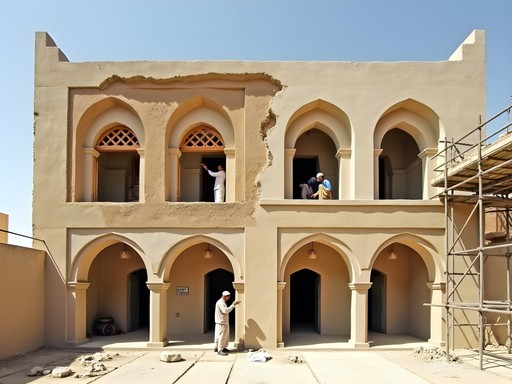
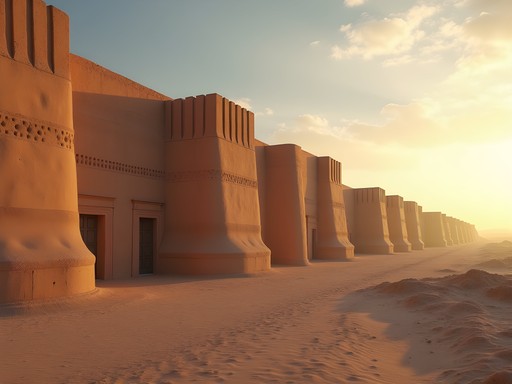
Al-Balad's architecture stands as a testament to ingenious historical building techniques. The multi-story merchant houses, constructed from coral blocks harvested from the Red Sea and held together with a lime and mud mortar, have withstood the test of time for centuries. What fascinated me most was learning how these structures were naturally climate-controlled—the coral's porous nature absorbs humidity while the iconic wooden mashrabiyas allow cool air to circulate while maintaining privacy.
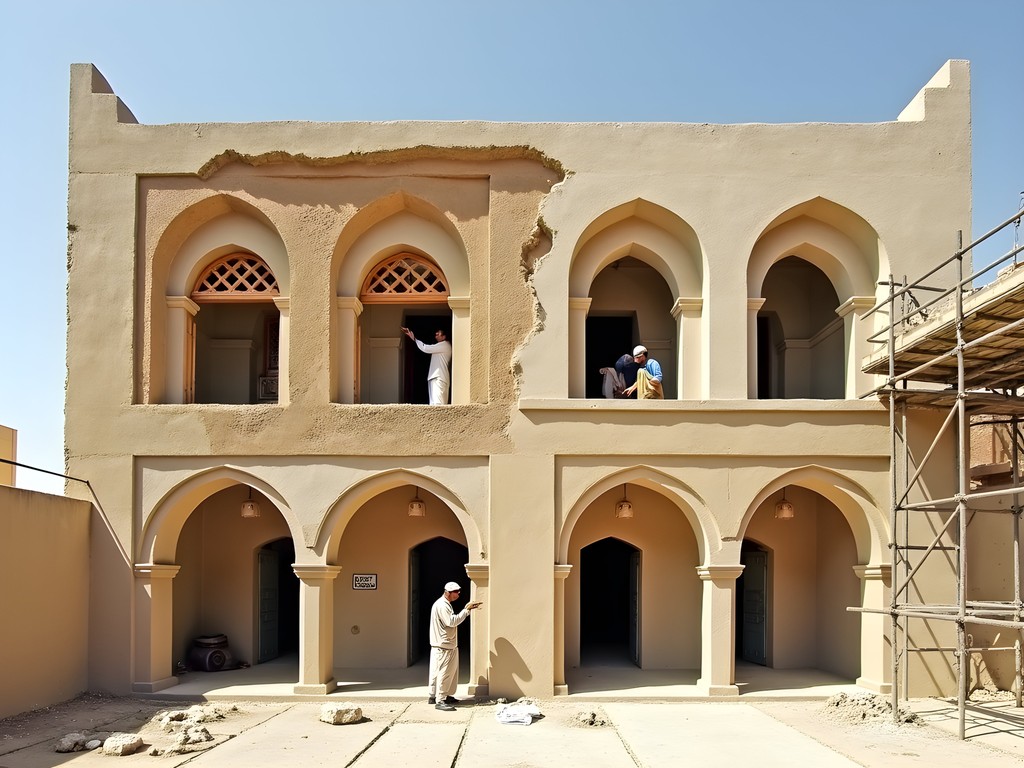
Bait Nassif, perhaps the most famous building in Al-Balad, captivated me with its imposing façade and historical significance. This restored 19th-century mansion once hosted King Abdulaziz, the founder of modern Saudi Arabia. As I explored its multiple stories and intricate woodwork, I couldn't help but think of my grandfather, who would have appreciated the engineering behind these structures built without modern tools.
For those planning to photograph these architectural wonders, I recommend bringing a wide-angle lens to capture the towering buildings in narrow alleys. The contrast between light and shadow creates dramatic effects, especially in early morning or late afternoon.
💡 Pro Tips
- Visit Bait Nassif early in the day to avoid crowds and harsh sunlight
- Look up constantly—the most intricate details are often above eye level
- Wear comfortable shoes with good grip; the ancient streets can be uneven
Navigating the Labyrinthine Souks
The beating heart of Al-Balad lies in its bustling souks, where the commercial traditions that made Jeddah a vital trading port continue to thrive. Souk Al-Alawi, the main marketplace, reminded me of the mercatos I explored as a child in Italy, though with distinctly Arabian character. The narrow, covered pathways offer welcome shade from the Saudi heat while creating an intimate shopping experience unlike any modern mall.
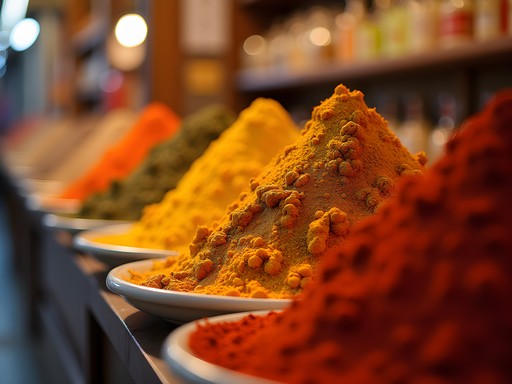
As someone who grew up learning about herbal remedies from my Italian grandmother, I was naturally drawn to the spice and herb vendors. The vibrant pyramids of colorful spices—saffron, sumac, za'atar, and countless others—create a sensory feast. I spent nearly an hour chatting with an elderly shopkeeper about the medicinal properties of various herbs, finding surprising similarities to the remedies my nonna once prepared.
The gold souk dazzles with intricate Arabian designs that showcase exceptional craftsmanship. While I typically travel with minimal jewelry, I couldn't resist purchasing a small filigree pendant as a memento. To stay organized while shopping, I use my crossbody anti-theft bag which keeps my belongings secure while leaving my hands free to examine merchandise.

💡 Pro Tips
- Bargaining is expected but keep it respectful—start around 70% of the initial asking price
- Bring small Saudi riyal notes for easier transactions
- Visit the spice souk in the morning when vendors are restocking with fresh supplies
Hidden Tunnels and Underground Passages
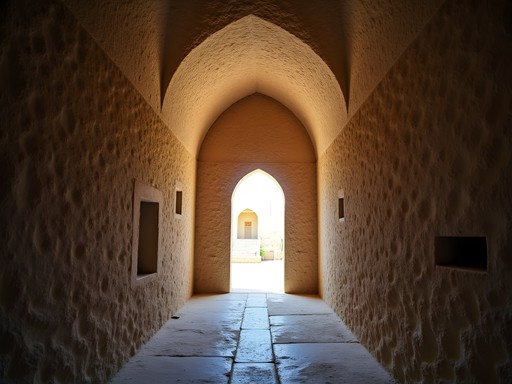
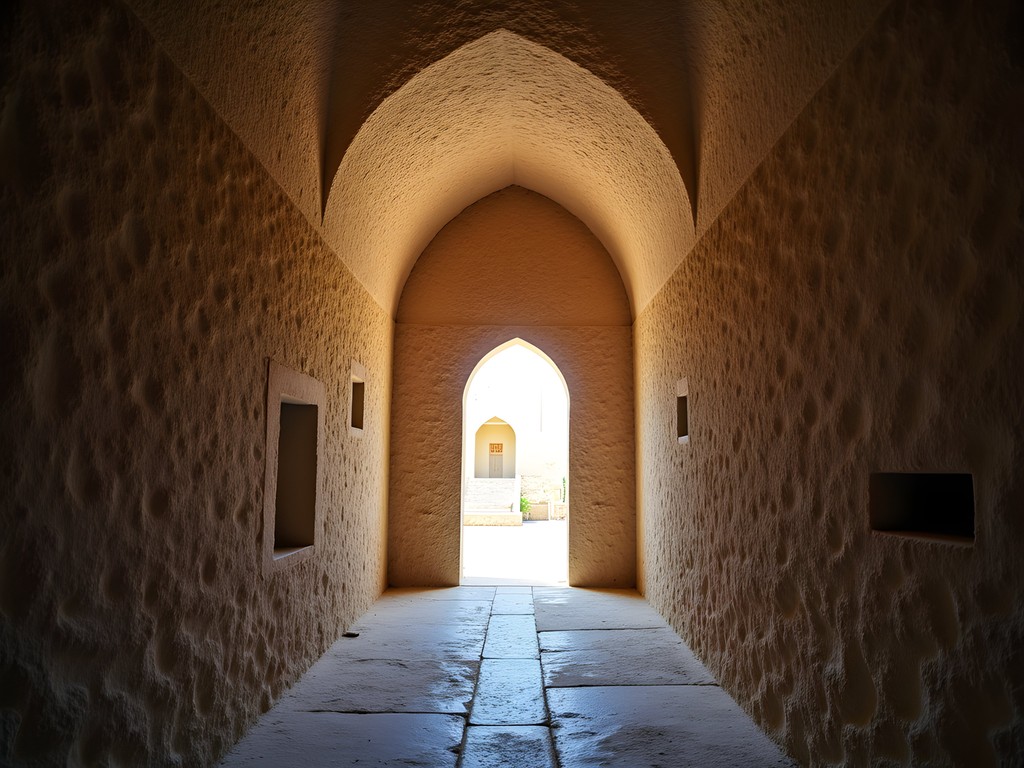
My lifelong fascination with underground structures drew me to one of Al-Balad's lesser-known features—its network of ancient tunnels. While not officially part of most tourist itineraries, I learned about these passages from a local guide named Khalid, who shared that some merchants' houses were connected by underground routes allegedly used during times of conflict or to transport goods discreetly.
Though many tunnels remain closed to the public for safety reasons, selected restored sections offer a glimpse into this hidden world. The cool, dark passageways provided a welcome respite from the heat and transported me back to childhood explorations of similar passages beneath Florence's streets.
For tunnel exploration, a reliable headlamp is essential, as lighting can be minimal or non-existent. I also recommend carrying a dust mask if you're sensitive to dust, as these ancient passages can be quite dusty despite preservation efforts.
While wandering through one restored tunnel section, I struck up a conversation with an elderly local who recounted stories passed down from his grandfather about merchants using these passages during the Ottoman period. These human connections, bridging past and present, are what make travel so enriching for me.
💡 Pro Tips
- Always explore tunnels with an authorized guide, never alone
- Some tunnels are only accessible through private tours arranged in advance
- Bring water—the tunnels may be cooler but the air can be dry

Cultural Immersion Through Traditional Cuisine
No exploration of Al-Balad would be complete without savoring its culinary treasures. The historic district offers everything from humble street food stalls to hidden courtyard restaurants serving authentic Hijazi cuisine. For me, food is always a gateway to understanding culture, and Al-Balad's flavors tell stories of trade routes, pilgrimages, and centuries of cultural exchange.
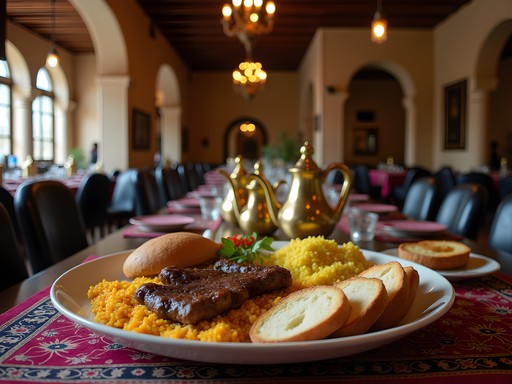
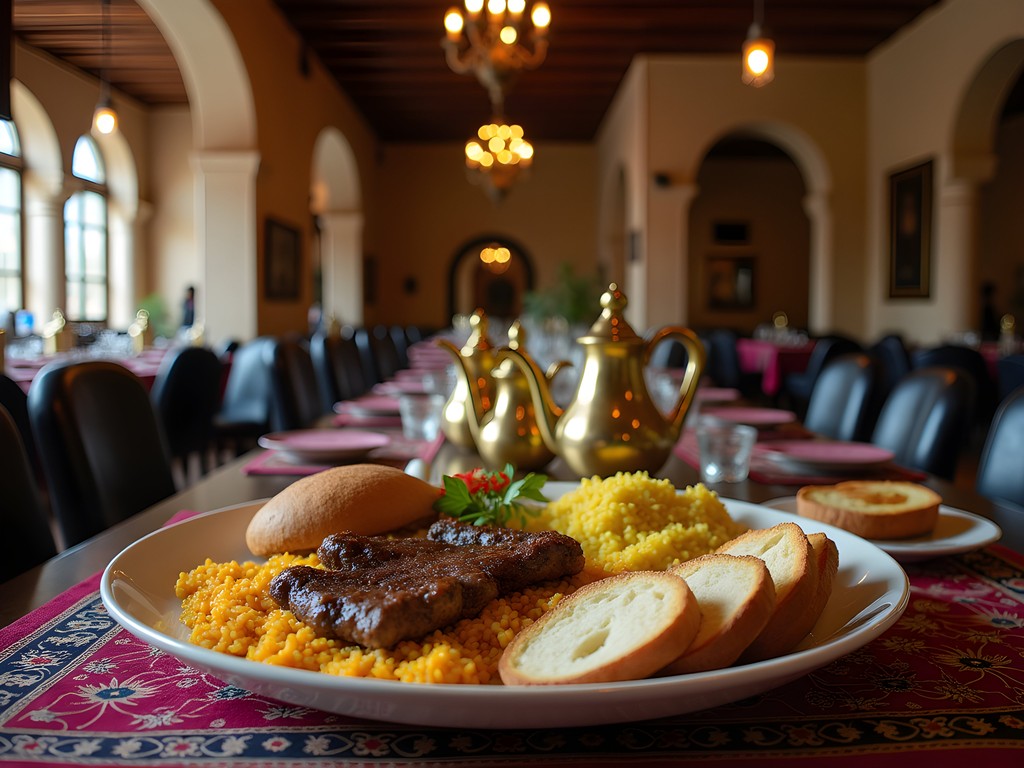
I spent an unforgettable evening at Matboukh, a traditional restaurant housed in a restored merchant's home. Seated on floor cushions in a majlis-style dining room with intricate woodwork overhead, I feasted on mandi (spiced rice with tender lamb), jareesh (cracked wheat dish), and mutabbaq (stuffed pancakes). The owner explained how many dishes reflected the region's position as a gateway for pilgrims heading to Mecca, incorporating influences from across the Islamic world.
For those with dietary concerns, I found my food allergy translation cards invaluable for communicating specific needs. The cards include Arabic translations and helped me navigate menu options confidently.
Don't miss trying Saudi coffee (qahwa), served from distinctive brass dallah pots and flavored with cardamom. The ritual of coffee service here reminded me of espresso culture in my Italian hometown—both beverages serve as centerpieces for hospitality and conversation.
💡 Pro Tips
- Most restaurants in Al-Balad offer separate family sections for mixed groups
- Try to dine at least once in a traditional setting with floor seating for the full experience
- Ask locals for food recommendations—some of the best places have minimal online presence
Preservation Efforts and Modern Challenges
Walking through Al-Balad, I witnessed both meticulous restoration and concerning neglect—a district at a crossroads between preservation and development. Since receiving UNESCO World Heritage status in 2014, significant efforts have been made to save these architectural treasures, yet challenges remain.
I was fortunate to meet with Sami, a local architect involved in restoration projects, who explained the delicate balance between modernizing infrastructure while maintaining historical integrity. The traditional building materials—coral stone and wooden elements—require specialized knowledge that fewer craftspeople possess today.
What struck me most was the passion of young Saudi volunteers I encountered during a community clean-up event. These university students spoke enthusiastically about reconnecting with their heritage and ensuring Al-Balad's survival for future generations. Their work reminded me of similar community efforts I've participated in back in Italy to preserve historic neighborhoods.
For those interested in architectural preservation, I recommend bringing a detailed sketchbook to document the unique structural elements and ornamental details. Drawing slows you down and helps you notice features you might otherwise miss in photographs.
The ongoing transformation of Al-Balad into a cultural tourism hub brings both opportunities and risks. As someone who has witnessed similar transitions in European historic districts, I hope Jeddah finds the right balance between accessibility for visitors and authenticity for locals.
💡 Pro Tips
- Consider donating to local preservation organizations working in Al-Balad
- Look for guided tours led by architecture students or preservation experts
- Visit both fully restored buildings and those still awaiting restoration to understand the preservation challenges
Final Thoughts
As I reluctantly bid farewell to Al-Balad's enchanting labyrinth, I carried away more than just photographs and souvenirs. I took with me stories exchanged with shopkeepers over cups of cardamom-scented coffee, the memory of sunlight filtering through centuries-old mashrabiya windows, and a deeper appreciation for how communities can preserve their past while embracing their future.
This district reminded me why I travel—to find those rare places where history isn't just displayed behind glass but lives on in daily rhythms and human connections. Al-Balad stands as a testament to Saudi Arabia's rich cultural heritage beyond the modern skyscrapers and shopping malls that dominate perceptions of the kingdom.
For couples seeking a meaningful weekend escape, Al-Balad offers that perfect blend of discovery, beauty, and authenticity. Whether you're wandering hand-in-hand through atmospheric alleyways, sharing a traditional meal under starlit skies, or simply sitting in a historic café watching the world pass by, you'll find moments of connection—both with each other and with a place that has welcomed travelers for centuries. I urge you to visit soon, as Al-Balad stands at a pivotal moment in its long history, balancing preservation with progress in ways that will define its future.
✨ Key Takeaways
- Al-Balad offers an authentic glimpse into pre-modern Saudi Arabia through its preserved coral architecture and traditional markets
- Winter months provide the most comfortable weather for exploring the district's outdoor spaces and narrow alleyways
- Supporting local businesses and preservation efforts helps ensure this UNESCO site survives for future generations
- The district is best experienced slowly, with time for spontaneous conversations and discoveries off the main tourist paths
📋 Practical Information
Best Time to Visit
November through March, when temperatures are mild and pleasant
Budget Estimate
$100-150 per day for accommodations, meals, and activities
Recommended Duration
2-3 days for a thorough exploration
Difficulty Level
Easy To Moderate (Some Uneven Walking Surfaces)


Comments
luckynomad
Pro tip: haggle in the souks but be respectful about it. Got some amazing spices and a traditional coffee pot for half the asking price. The whole experience is part of the fun!
adventureexplorer
This might sound silly but what should I wear? Is it conservative dress required or more relaxed since it's a tourist area?
Victoria Washington
Not silly at all! Saudi has relaxed quite a bit, but I'd still recommend modest clothing - loose pants or long skirts, tops that cover shoulders. You don't need an abaya as a tourist, but respectful dress goes a long way.
Hannah Woods
Excellent analysis of the architectural elements, Victoria. I spent three days in Al-Balad last year doing a comparative study of UNESCO heritage sites across the Middle East. What struck me most was how the coral-stone construction creates natural cooling - absolutely brilliant pre-modern engineering. For anyone visiting, I'd recommend the Beit Nassif museum for deeper historical context before exploring the souks. Also, the best time photographically is around 4-5 PM when the light hits those Rawashin windows perfectly. The juxtaposition of preservation efforts versus modern encroachment you mentioned is something I noticed too - it's a delicate balance the city is navigating.
skyway952
Beit Nassif is a must-see for sure. Spent like 2 hours there and learned so much about the merchant history.
summerpro
OMG I LOVE this post!! The photos are incredible and now Al-Balad is definitely on my bucket list. Those wooden balconies!! 😍
George Hayes
Victoria, this brought back so many memories! I took my kids to Al-Balad last spring and they were absolutely mesmerized by the underground passages. My 8-year-old kept saying it felt like we were in a real-life adventure movie. One tip for families: visit in the late afternoon when it's cooler, and definitely stop at Albaik for some local fast food - the kids loved it and it's a Saudi institution. The shopkeepers were so patient with my children's questions about the old buildings. Such a family-friendly place despite its ancient feel.
adventureexplorer
Thanks for the family tips! Taking my nephew there next month and this is super helpful.
adventurebuddy
How easy is it to get around Al-Balad without speaking Arabic? Planning a trip in March and a bit nervous!
Victoria Washington
You'll be fine! Many shopkeepers speak some English, and people are very welcoming. Download Google Translate just in case, and don't be shy about using hand gestures in the souks.
skyway952
I went last year with zero Arabic and had no problems. The main tourist areas are pretty easy to navigate.
luckynomad
Those coral buildings are stunning! Best hidden gem in Saudi.
SaudiExplorer
As someone who grew up in Jeddah, it's wonderful to see Al-Balad getting the recognition it deserves! Victoria, you captured its essence beautifully. One tip for visitors: try to visit during winter months (Dec-Feb) when the weather is perfect for walking. Summer can be brutally hot and humid. Also, the Thursday night market has amazing local crafts that aren't available in the regular shops. Don't miss the traditional majlis seating areas where elders gather to tell stories about old Jeddah!
sunnyqueen
This is so helpful! I'll be there in February so sounds like perfect timing. Is the Thursday market easy to find?
SaudiExplorer
Yes! Just head to Al-Alawi Souq area on Thursday evening. It starts around 4pm and goes until late. You can't miss it - just follow the crowds and the aroma of fresh bread and spices!
CultureSeeker22
That shot of the wooden balconies against the sunset is absolutely stunning! What camera do you use?
Victoria Washington
Thank you! Just my trusty iPhone 17 Pro for most shots. The light in Al-Balad does all the work!
worldtrekker92
Love this! Saving for my trip next month!
Venture X
Premium card with 2X miles, $300 travel credit, Priority Pass