


Disclosure: This article contains affiliate links. We may earn a commission from purchases at no extra cost to you, which helps our travel content.
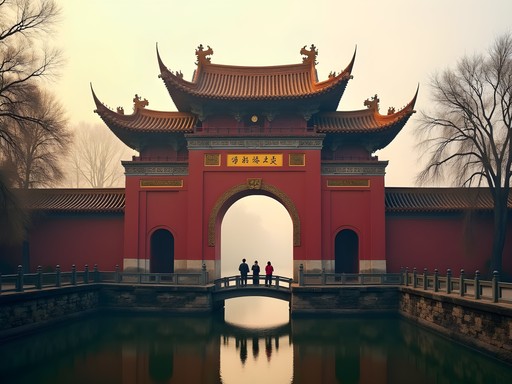
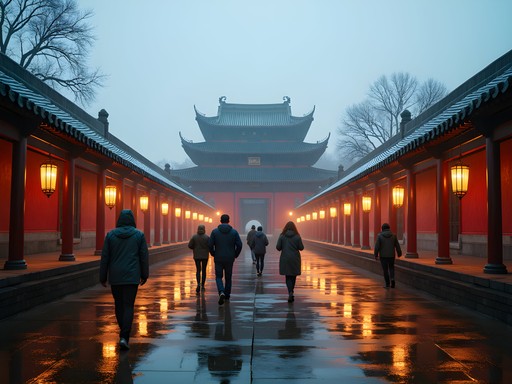
Standing in the shadow of Hue's Flag Tower, the winter mist hanging like a veil over the ancient walls, I felt that familiar thrill of discovery. After fifteen years of spreadsheets and marketing decks, these moments of connection with living history remind me why I left that world behind. Vietnam's Imperial Citadel isn't just another tourist stop—it's a tangible link to a complex past that deserves both our attention and respect. And the best part? You don't need a royal treasury to experience this UNESCO World Heritage site properly.

Understanding Hue's Imperial Legacy
The Imperial City of Hue served as Vietnam's political, cultural and religious center from 1802 to 1945 under the Nguyen Dynasty—Vietnam's last ruling family. When I first researched this site, I was struck by how relatively recent this history is; my grandmother was born while emperors still walked these halls.
The complex is essentially a citadel within a citadel within a city. The outermost layer is Kinh Thanh (Capital Citadel), a square fortress surrounded by a 10-kilometer moat. Inside sits the Imperial City (Hoang Thanh) with its ornate gates, and at the very heart lies Tu Cam Thanh (Forbidden Purple City), once reserved exclusively for the emperor.
Before my visit, I spent evenings in São Paulo reading about Vietnamese imperial history, finding that a good historical guidebook made all the difference in appreciating the site's significance. What many tourists miss is understanding how the Citadel represents a unique fusion of Eastern philosophical principles, Vietnamese adaptations, and French influences—a physical manifestation of Vietnam's complex cultural identity.
💡 Pro Tips
- Visit early morning (around 8am) to avoid both crowds and midday heat
- The entrance ticket is valid for 48 hours—take advantage by splitting your visit across two mornings
- Download the Hue Monuments app for free audio guides in English
Navigating the Citadel: A Practical Approach
Despite its grandeur, Hue's Citadel can be thoroughly explored on a modest budget. The standard entrance fee (200,000 VND/~$8 USD) gives access to the entire complex. I've found that many visitors rush through in 2-3 hours following large tour groups, missing the subtle details and quieter corners that make this place magical.
I recommend allocating at least 5-6 hours spread across two mornings. My approach: on day one, explore the main structures and get oriented; on day two, seek out the hidden spots and spend time absorbing the atmosphere. Between December and February, Hue's winter brings cooler temperatures perfect for extended exploration, though occasional drizzle means a packable rain jacket is essential.
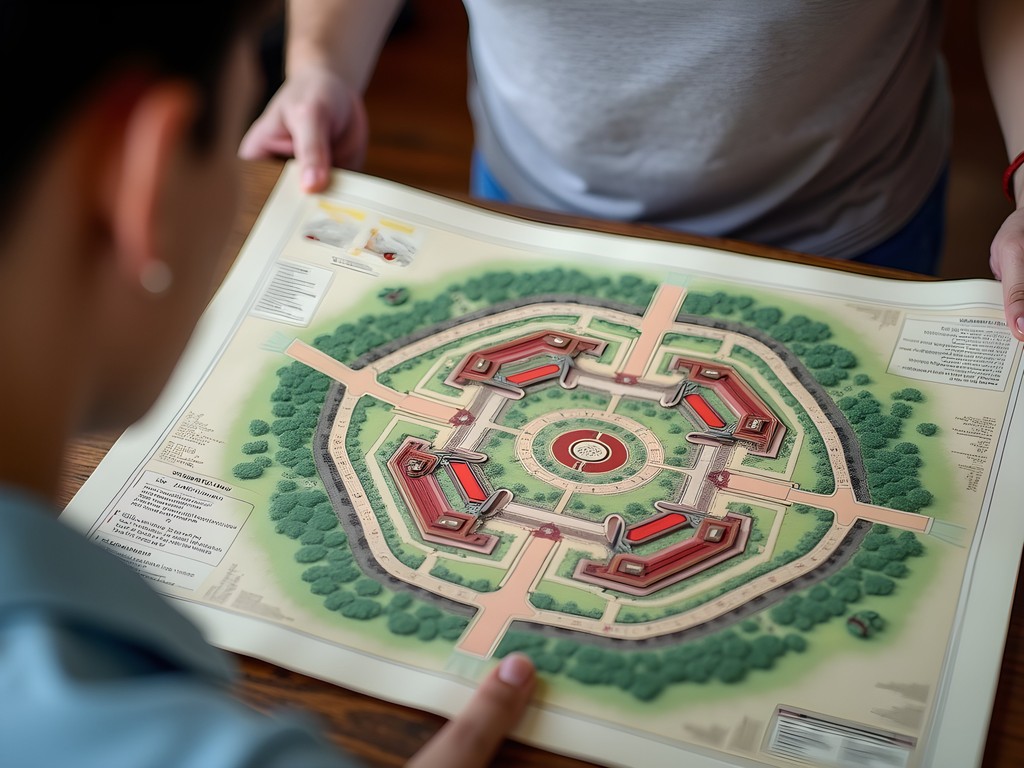
The site is vast—over 500 acres—so comfortable walking shoes are non-negotiable. I tracked nearly 18,000 steps on my first day! While guided tours are available (starting around $15), I preferred moving at my own pace with a good illustrated map and the free Hue Monuments Conservation Center app, which offers excellent historical context without the cost of a guide.
💡 Pro Tips
- Wear shoes that slip on/off easily as you'll remove them at certain pavilions
- Bring a reusable water bottle—there are filling stations near main entrances
- The Nine Dynastic Urns are often overlooked but contain fascinating symbolic details worth examining closely
Beyond the Restoration: Finding Authenticity
What struck me most about Hue's Imperial Citadel was the honesty in its presentation. Unlike some historical sites that have been overly restored to a sanitized perfection, Hue bears its scars openly. Much of the complex was destroyed during the Vietnam War (or the American War, as it's known locally), and restoration work continues to this day.
The contrast between fully restored buildings like the Thai Hoa Palace with its lacquered columns and areas still showing war damage creates a powerful narrative about resilience and renewal. This isn't a Disney version of history—it's a living, breathing site of cultural reclamation.
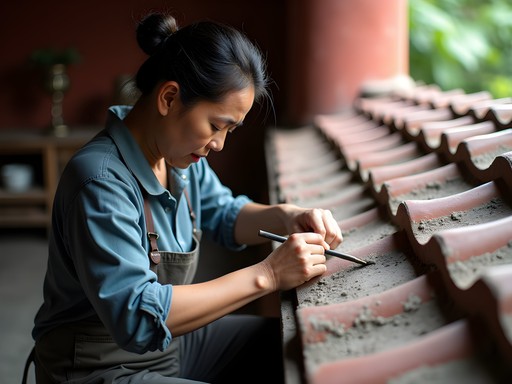
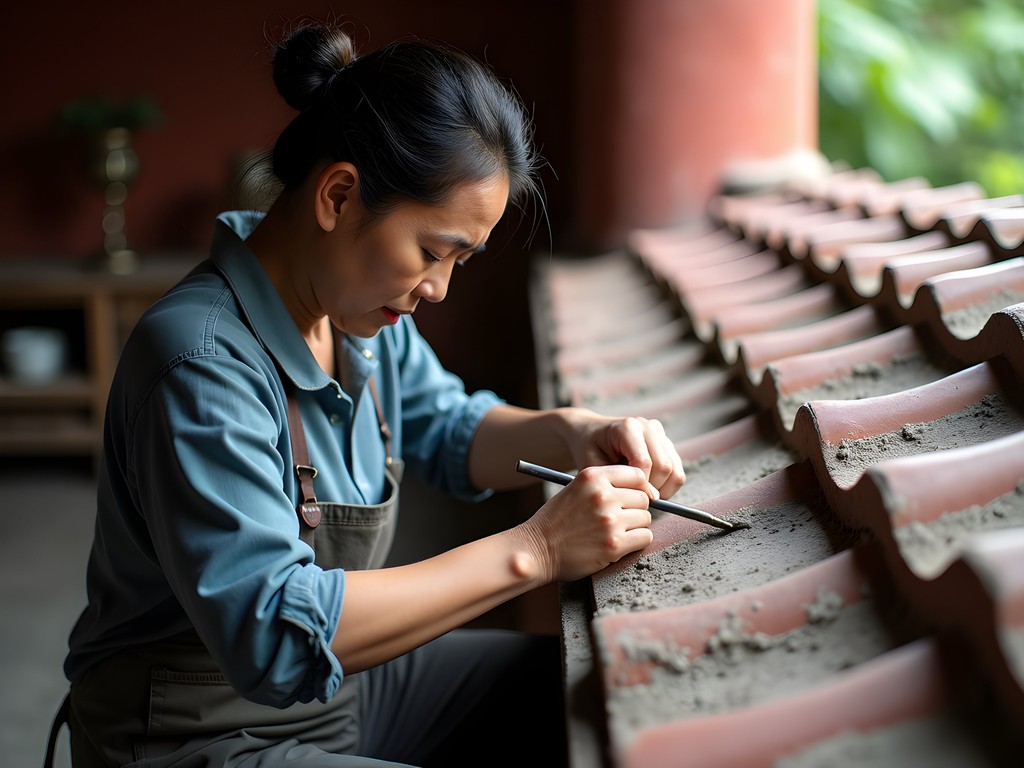
I spent an hour sitting in the quieter northeastern corner of the complex, sketching in my waterproof sketchbook and watching restoration artisans apply traditional techniques to repair intricate roof tiles. These craftspeople are often happy to discuss their work if approached respectfully (a few basic Vietnamese phrases go a long way).
For those interested in photography, the changing light throughout the day transforms the citadel. Early morning creates dramatic shadows across the courtyards, while late afternoon bathes the red and gold structures in warm light. I protected my phone from the occasional rain with a simple waterproof phone pouch that paid for itself many times over during Vietnam's unpredictable winter weather.
💡 Pro Tips
- Seek out the active restoration projects—they're fascinating windows into traditional craftsmanship
- The Royal Theatre still hosts traditional performances on weekends—worth the extra ticket
- Local university students often practice English near the entrance and can share contemporary perspectives on the site's significance

Local Connections: The Citadel Beyond Tourism
For many visitors, the Citadel exists in a tourist bubble, disconnected from contemporary Hue. Yet some of my richest experiences came from understanding how locals relate to this space today.
Just outside the eastern gate, I discovered a small family-run coffee shop where three generations gathered each morning. The grandmother, who remembered visiting the Citadel as a child when the last emperor still resided there, shared stories that no guidebook contained. For the price of a 15,000 VND (~$0.60) cup of Vietnamese coffee, I gained perspectives that transformed my understanding of the site.
I've found that budget travel isn't about cutting corners but rather about prioritizing meaningful experiences. Instead of an expensive hotel, I stayed at a modest homestay where the family offered to accompany me to the Citadel's monthly evening festival—an event few tourists experience, where traditional music and rituals temporarily bring the imperial past to life.
During my winter visit, I noticed many locals using the outer citadel walls as a morning exercise route. Joining them for a sunrise walk provided both beautiful photography opportunities and casual conversations with residents who view the Citadel not as a museum piece but as an integrated part of their daily lives.

💡 Pro Tips
- Ask your accommodation about the monthly evening cultural performances at the Citadel—schedules are rarely published online
- The small cafés along Doan Thi Diem street near the eastern wall offer excellent viewing spots and local interaction
- Local university students sometimes conduct free walking tours on weekends—check notices near the ticket office
Practical Essentials: Making the Most of Your Visit
After fifteen years in marketing, I can't help but appreciate efficiency—especially when it enhances rather than diminishes experience. For Hue's Citadel, a bit of practical planning goes a long way.
First, transportation: while many tourists arrive via expensive tour buses, local bus #11 or #12 stops near the Citadel for just 8,000 VND (~$0.35). Alternatively, bicycle rental costs around 40,000 VND ($1.70) daily and provides flexibility to explore the surrounding areas.
For hydration, I relied on my trusty insulated water bottle filled at my accommodation each morning. The Citadel has limited refreshment options inside, and those available charge premium prices.
Winter in Hue brings temperatures between 15-23°C (59-73°F) with frequent light rain. Layering is key—I started mornings with a light merino wool base layer that regulated temperature throughout the day and dried quickly after brief showers.
Finally, don't overlook the value of a good portable power bank. Between navigation apps, photography, and audio guides, my phone battery rarely lasted through a full day of exploration. Having backup power meant never missing a photo opportunity or getting lost in the complex's more remote sections.

💡 Pro Tips
- The ticket office accepts credit cards but smaller vendors around the site are cash-only—bring small denominations
- Public toilets are available near each main gate but bring your own tissue paper
- Free luggage storage is available at the main entrance if you're visiting on your way to/from the train station
Final Thoughts
As I sat on a stone bench in one of the Citadel's quiet courtyards on my final evening in Hue, watching the winter light fade across centuries-old stonework, I reflected on how this place embodies what I value most in travel: the intersection of preservation and living culture. The Imperial Citadel isn't a static monument but a breathing space where Vietnam's complex history continues to evolve.
You don't need luxury accommodations or expensive tours to connect meaningfully with Hue's imperial legacy. What you need is time, curiosity, and respect for both the past and present. By slowing down, seeking local perspectives, and venturing beyond the main photo spots, you'll discover layers of history and humanity that package tours simply can't provide.
Whether you're a history enthusiast, a photography lover, or simply seeking to understand Vietnam beyond its war narrative, Hue's Imperial Citadel offers rich rewards for mindful travelers. And perhaps, like me, you'll find that the most valuable souvenirs are the conversations had, the morning light witnessed, and the deeper understanding gained of a culture that continues to rebuild and reimagine itself while honoring its imperial past.
✨ Key Takeaways
- Allocate at least two mornings to explore the Citadel fully, taking advantage of the 48-hour ticket validity
- Winter (December-February) offers ideal temperatures for exploration despite occasional light rain
- The most authentic experiences come from connecting with locals and understanding how they relate to this historical site
- Budget travel here doesn't mean missing out—some of the most meaningful experiences cost little or nothing
- Look beyond fully restored sections to appreciate the ongoing preservation work that tells a story of cultural resilience
📋 Practical Information
Best Time to Visit
Winter (December-February) for cooler temperatures and fewer crowds
Budget Estimate
$10-15 per day including entrance fee, transportation and refreshments
Recommended Duration
5-6 hours spread across two days
Difficulty Level
Easy


Comments
Sophia Gomez
Bella, this really resonated with me! I visited Hue during a business trip to Da Nang last fall and almost skipped the Citadel because I only had half a day. So glad I didn't. There's something about walking through those weathered gates that puts modern life into perspective. I ended up hiring a local guide (found him just outside, not through any tour company) and he took me to sections most tourists never see - including a small temple where his family has worshipped for generations. Cost me maybe $15 and was worth ten times that. The restoration work is fascinating too - watching craftsmen use traditional techniques. Makes you realize how much knowledge could have been lost.
photoseeker
I was there last year and totally agree about the quiet courtyards being the best part! Everyone rushes through to get the main palace shots but we spent almost an hour just sitting in one of those side gardens watching local artists doing restoration work. Also the little cafe near the back entrance has amazing banh beo for like 20,000 dong. Way better than the tourist restaurants outside the main gate.
Sophia Gomez
Yes! Those hidden spots are where the real magic happens. I met an elderly guide there who shared stories his grandfather told him about the last emperor. Those personal connections make all the difference.
globebuddy
Going there in August! Is it too hot to walk around all day?
photoseeker
August is pretty brutal tbh. I went in September and it was still hot but manageable. Go early morning like 7am and take a long lunch break somewhere with AC!
globebuddy
Thanks! Will definitely do that
freelife
Just got back from Vietnam last week and Hue was hands down my favorite stop!! The Citadel is unreal. We hired a guide through our hotel and it was totally worth it - so much history we would have missed otherwise. Also the food in Hue is AMAZING, completely different from Hanoi. Try the bun bo hue if you haven't already!
Nicole Russell
Bella, this brought back so many memories! I did Hue solo last spring and completely fell in love with it. The Citadel was incredible but honestly the royal tombs outside the city blew my mind even more - especially Tu Duc's tomb. Did you make it out to those? I rented a motorbike and spent a whole day tomb-hopping. Also YES to finding those local connections! I met this elderly man who used to play music for tourists in the Citadel and he invited me to his home for dinner. Those spontaneous moments are why I travel solo. Your writing really captures that sense of discovery!
Bella Henry
Nicole! Yes, the tombs deserve their own post honestly. Tu Duc was my favorite too - so peaceful. What a beautiful experience with the musician!
luckygal
Love this! Adding to my bucket list
bluequeen
Pro tip: go late afternoon around 4pm. Way fewer tour groups and the light is amazing for photos. We basically had whole sections to ourselves. Also the little cafe near the Thai Hoa Palace has really good Vietnamese coffee if you need a break.
coffeenomad
Quick question - do you need to book tickets in advance or can you just show up? First time in Vietnam and not sure how things work there.
skyseeker6362
you can just show up! super easy, tickets at the gate
coffeenomad
awesome thanks!
Robert Moreau
Beautiful piece, Bella. I visited Hue during Tet a few years back and the Citadel had this incredible energy - locals doing traditional ceremonies, incense everywhere. Your point about finding authenticity beyond the restoration work really resonates. I hired a local historian as a guide and he shared stories about his grandfather who worked in the palace kitchens. Those personal connections transform a visit from sightseeing into something profound. The winter mist you describe sounds magical though - I had blazing heat!
Bella Henry
Robert! Yes, those personal stories are everything. I met a woman whose great-grandmother was a seamstress for the royal court. The winter visit was pure luck but it added such atmosphere.
sunsetguide
This is EXACTLY what I needed!! Planning my Vietnam trip for September and Hue is definitely on the list now. Your photos are gorgeous Bella! How many days would you recommend spending there?
Bella Henry
Thank you! I'd say 2-3 days minimum. One full day for the Citadel, and another for the royal tombs outside the city. The pace is so much more relaxed than Hanoi or Saigon.
sunsetguide
Perfect, thanks so much!
Venture X
Premium card with 2X miles, $300 travel credit, Priority Pass