

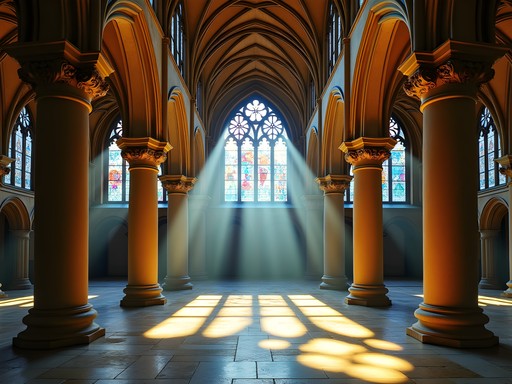

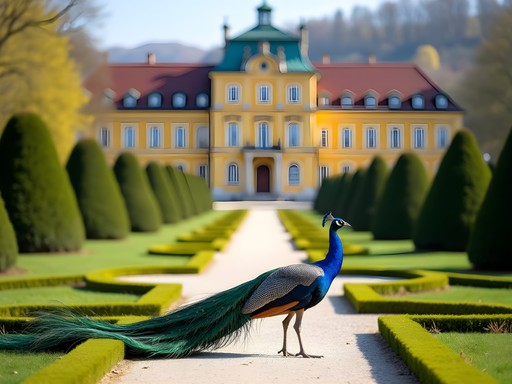


Disclosure: This article contains affiliate links. We may earn a commission from purchases at no extra cost to you, which helps our travel content.
When my Canadian mates first suggested a weekend in Graz, I'll admit I had to quickly Google where exactly in Austria it was. What I discovered was Europe's best-kept medieval secret – a UNESCO World Heritage site where Renaissance courtyards and Gothic churches sit alongside modern art installations and vibrant cafés. As someone who grew up treasuring the natural heritage of Aotearoa, I've developed a deep appreciation for how other cultures preserve their historical taonga (treasures). Graz's Old Town feels like stepping into a living museum where history breathes through every cobblestone.

Schlossberg Hill & Clock Tower: The Heart of Medieval Graz
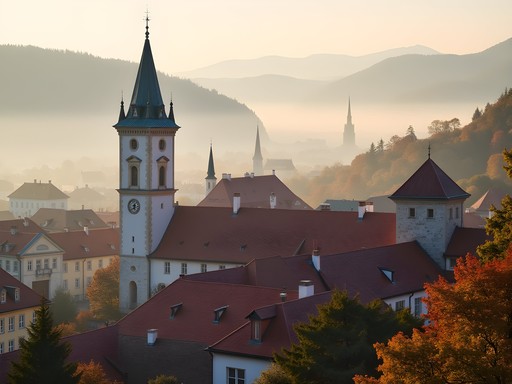
If Graz were a vinyl record, Schlossberg Hill would be the opening track that sets the tone for everything else. Rising dramatically above the terracotta rooftops of the Old Town, this former fortress site offers the quintessential introduction to the city's medieval charm.
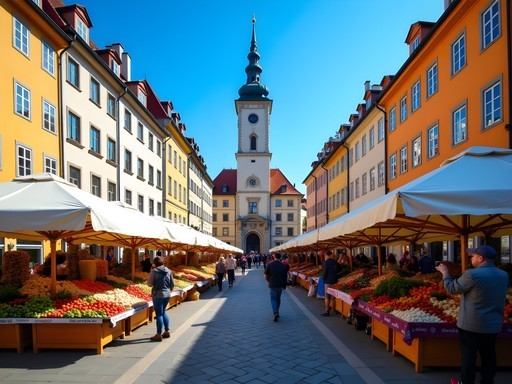
The iconic Clock Tower (Uhrturm) has been faithfully keeping time since the 1500s, though amusingly, its hands are reversed – the larger one shows the hours while the smaller tracks minutes. A quirky medieval logic that still confuses tourists today! When I visited with my university mate from Calgary, we spent a good five minutes debating the actual time before a friendly local explained the historical oddity.
You can reach the summit by taking the funicular railway, glass elevator, or if you're feeling energetic like we were, climbing the 260 steps zigzagging up the hillside. Trust me, the panoramic views across Graz's red rooftops and the surrounding mountains are worth every step. I'd recommend packing a collapsible water bottle for the climb – it saved us on a surprisingly warm spring afternoon.

💡 Pro Tips
- Visit around sunset for magical golden hour photos of the city below
- The Schlossberg funicular is included in the Graz Card if you're planning to visit multiple attractions
- Bring coins for the tower-top telescope viewfinders
Graz Cathedral & Mausoleum: Gothic Grandeur
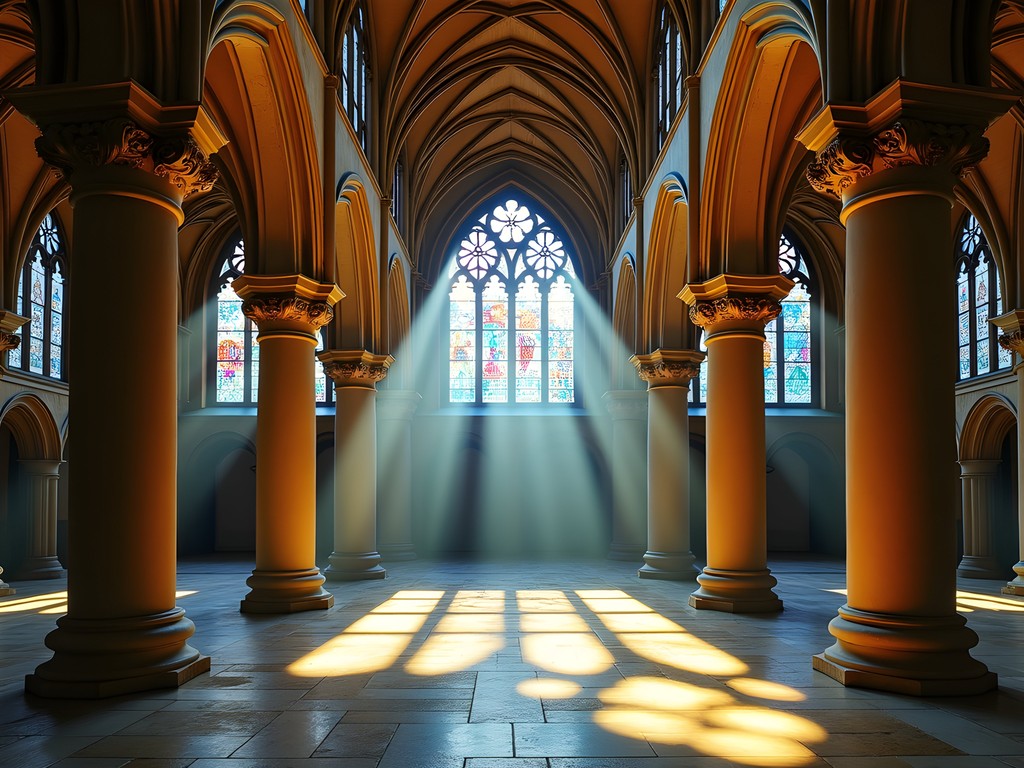
Just a short stroll from the main square sits Graz Cathedral (Dom zu Graz), a Gothic masterpiece that has witnessed nearly 800 years of the city's history. What struck me most wasn't just its impressive façade but how the interior light filters through the stained glass, creating an atmosphere that feels both solemn and uplifting.
The cathedral's most treasured possession is its 'Gottesplagenbild' – a haunting fresco depicting the plagues that once threatened medieval Graz. As someone who works with young people navigating their own modern challenges, I found something deeply moving about how communities throughout history have processed collective trauma through art.
Adjacent to the cathedral stands the Mausoleum of Emperor Ferdinand II, an architectural marvel that showcases the transition from Renaissance to early Baroque styles. The contrast between its somber purpose and ornate decoration creates a fascinating tension. For architecture enthusiasts, I'd recommend bringing a pocket art guide that covers architectural styles – it helped us appreciate the subtle details we might have otherwise missed.
💡 Pro Tips
- Visit during morning hours when sunlight streams through the eastern windows
- Look for the hidden symbols carved into the choir stalls
- Check if there's an evening concert scheduled – the cathedral acoustics are phenomenal
Landhaus & Armoury: Renaissance Power Center
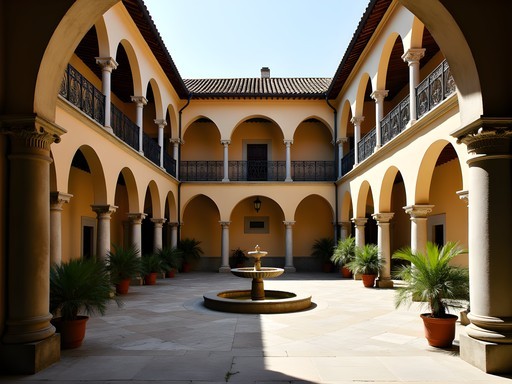
The Landhaus complex represents the pinnacle of Renaissance architecture in Central Europe and served as the seat of Styrian government power for centuries. Its arcaded courtyard reminds me of the Spanish colonial structures I saw while traveling through South America, showing how architectural ideas flowed across continents even in medieval times.
What truly blew my mind was the adjacent Landeszeughaus (Provincial Armoury) – housing the world's largest historic weapons collection with over 32,000 pieces. Row upon row of armor, pikes, and firearms are displayed exactly as they were stored for battle centuries ago. It's essentially a military time capsule that somehow survived both World Wars intact when similar collections across Europe were lost.
As someone who typically gravitates toward natural rather than military history, I was surprised by how fascinating I found the armoury. The audio guide explains not just the weapons themselves but the social and economic systems that produced them. For capturing the intricate details of the armor, I found my smartphone lens kit invaluable – the macro attachment let me photograph the incredible engravings that regular cameras might miss.

💡 Pro Tips
- Photography is permitted in the Landhaus courtyard but restricted in parts of the Armoury
- Visit on weekdays to avoid weekend crowds
- The guided tour offers fascinating stories about the noble families who commissioned the ornate armor

Eggenberg Palace: A Universe in Architecture
A short tram ride from the city center brings you to the crown jewel of Graz's UNESCO sites – Schloss Eggenberg. This magnificent palace was designed as a microcosm of the universe according to 17th-century understanding. The building has exactly 365 windows (for days of the year), 24 state rooms (for hours of the day), and 4 corner towers (for seasons). As someone who grew up learning Māori star lore and navigation, I was fascinated by how different cultures encode astronomical knowledge into their architecture.
The absolute highlight is the Planetary Room, with its elaborate ceiling frescoes depicting astrological and mythological scenes. The paintings tell stories that blend Classical mythology, Christian symbolism, and Renaissance science in a breathtaking visual encyclopedia. My partner and I spent nearly an hour in this single room, necks craned upward, spotting new details with each passing minute.
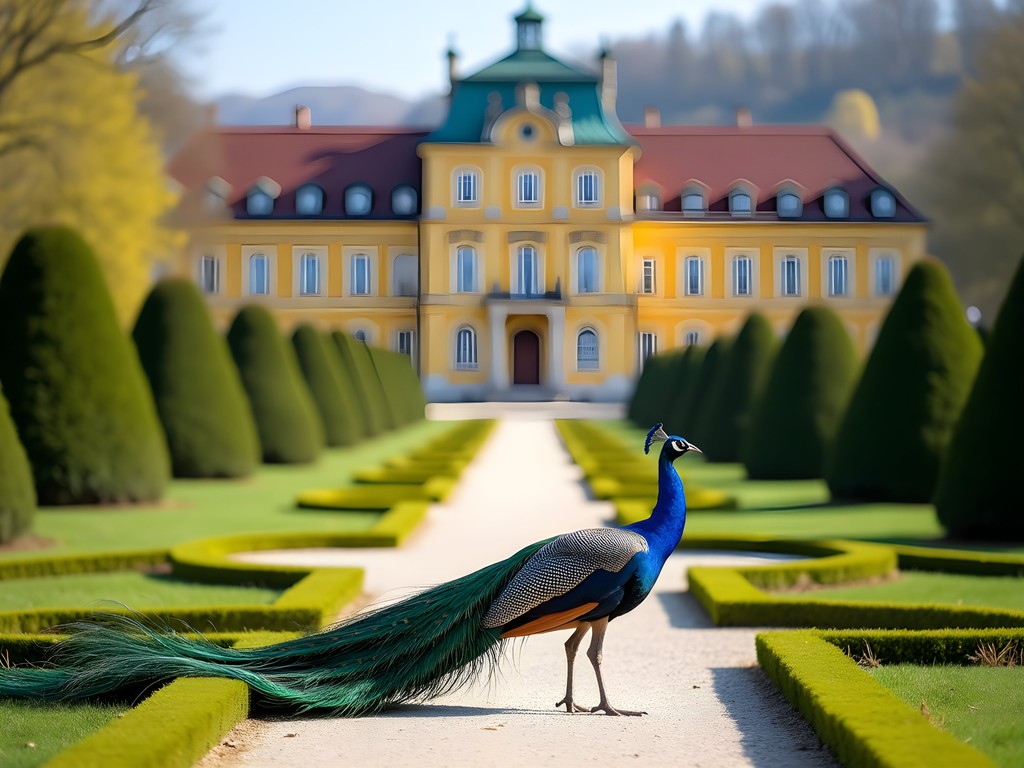
The palace gardens are equally impressive – formal parterres give way to English landscape sections where peacocks roam freely. We visited in early spring when the gardens were just awakening, but I imagine they're spectacular in full bloom. For garden enthusiasts, I'd recommend bringing a plant identification app to learn about the historic plant varieties maintained here.
💡 Pro Tips
- The palace interior can only be visited with guided tours – book in advance during peak season
- Allow at least 3 hours to fully appreciate both the palace and gardens
- The peacocks are accustomed to visitors but keep a respectful distance
Hidden Gems: Medieval Courtyards & Painted Houses
While the major landmarks rightfully demand attention, Graz's UNESCO status extends to the entire Old Town, where countless smaller treasures await discovery. One of my favorite aspects of the city is the network of interconnected courtyards hidden behind unassuming façades. These 'Durchhäuser' (passage houses) were medieval shortcuts through blocks that have now become semi-secret spaces housing cafés, artisan workshops, and tiny galleries.
The painted façades along Herrengasse and surrounding streets tell stories of merchant wealth and artistic pride. Unlike frescoes that fade with time, these were refreshed through centuries, maintaining a tradition that dates back to medieval times. I particularly loved the 'Painted House' (Gemaltes Haus) at Herrengasse 3, covered in mythological scenes and trompe l'oeil architectural elements.
For couples looking to capture these magical spots, I recommend bringing a mini tripod for low-light photography in the courtyards and narrow streets. Many of these spaces have poor lighting but incredible atmosphere that's worth capturing properly.
After a day of exploration, we found ourselves at Promenade Café, where we sipped local wine while watching the sunset paint the medieval rooftops in golden hues. For romantic moments like these, I always pack a pocket wine guide to help choose regional specialties – in this case, the excellent Styrian white wines that rarely make it beyond Austrian borders.

💡 Pro Tips
- Look for the small passage signs ('Durchgang') that indicate hidden courtyards
- The tourist office offers a specialized map of painted façades throughout the Old Town
- Visit Glockenspiel Plaza at 11am, 3pm or 6pm to see the charming clock figures perform
Island in the Mur & Modern Contrasts
Graz's UNESCO status isn't frozen in time – the city has brilliantly integrated contemporary design alongside its medieval treasures. The most striking example is the Murinsel (Island in the Mur), a floating steel and glass structure in the middle of the river that connects the historic and modern sides of the city. Designed by American artist Vito Acconci for Graz's stint as European Capital of Culture, it symbolizes the bridging of past and future.
Standing on this futuristic platform while gazing at the medieval Clock Tower creates one of those perfect travel moments where centuries of human creativity seem to collapse into a single vista. As someone who grew up in post-earthquake Christchurch where heritage preservation became a heated topic, I appreciate Graz's balanced approach to honoring history while embracing innovation.
Nearby, the Kunsthaus Graz (Graz Art Museum) – affectionately nicknamed the 'Friendly Alien' by locals – continues this theme with its blob-like blue form that somehow doesn't feel out of place amid the baroque and medieval surroundings. Inside, the contemporary art exhibitions are worth exploring, even if modern art isn't typically your thing.
For evening strolls along the river, I found my compact travel umbrella essential for spring visits when quick showers can appear without warning. Graz's microclimate means weather can change rapidly, but don't let a little rain deter you – the reflections of historic buildings in wet cobblestones create magical photo opportunities.

💡 Pro Tips
- Visit the Murinsel at night when it's illuminated with blue lights
- The café on the artificial island offers great views of both riverbanks
- Download the Graz Modern Architecture app for a self-guided tour of contemporary landmarks
Final Thoughts
As our weekend in Graz drew to a close, I found myself reflecting on how this Austrian gem had surprised me at every turn. What appears at first glance to be simply a well-preserved medieval city reveals itself as a sophisticated cultural center where history isn't just preserved but actively integrated into contemporary life. For couples seeking a European getaway that balances romantic medieval charm with modern cultural offerings, Graz delivers an experience that more famous destinations often can't match.
Perhaps what resonated most with me, as someone who straddles indigenous Māori and European heritage, was seeing how Graz honors its past without becoming a museum piece. The city breathes and evolves while maintaining its cultural foundations – a lesson in sustainable heritage that many places could learn from.
So when you're planning your next European adventure, look beyond the obvious choices. Pack comfortable walking shoes, an appreciation for history, and a willingness to wander down unmarked passages. Graz will reward you with an authentic Austrian experience where seven centuries of architecture create the perfect backdrop for creating your own lasting memories. Kia ora, Graz – until we meet again.
✨ Key Takeaways
- Graz offers an authentic medieval experience without the overwhelming crowds of more famous European destinations
- The entire Old Town is UNESCO protected, not just individual buildings
- Spring visits provide the perfect balance of pleasant weather and fewer tourists
- The city excellently balances historic preservation with contemporary architecture and culture
- Allow time for spontaneous exploration of hidden courtyards and passages
📋 Practical Information
Best Time to Visit
April to June or September to October
Budget Estimate
€100-200 per day for a couple (mid-range)
Recommended Duration
2-3 days
Difficulty Level
Easy
Comments
oceanwanderer
Just booked tickets to Graz for next month after reading this! Can't wait to see the Clock Tower and that astronomical ceiling at Eggenberg Palace. Any recommendations for local food spots near these landmarks?
hikinggal
Try Der Steirer near the Hauptplatz - amazing local cuisine and they pair dishes with Styrian wines! The pumpkin seed oil ice cream nearby is a must too!
oceanwanderer
Pumpkin seed oil ice cream?! That sounds wild but I'm definitely trying it! Thanks for the tip!
Sarah Powell
Raymond, your post brought back wonderful memories of my solo trip to Graz last year. I'd add that the Murinsel (that floating platform in the river) offers a fascinating contrast to the medieval architecture - it's like a contemporary art installation amid all that history. For those interested in the Cathedral, try to visit during one of their organ concerts for an incredible acoustic experience. Also, the narrow alleyways between the Hauptplatz and the river contain some of the best-preserved medieval buildings, easily missed if you stick only to the main attractions. And definitely climb the Clock Tower steps rather than taking the elevator - the medieval engineering is fascinating!
Raymond Kelley
Great additions, Sarah! You're absolutely right about those hidden alleyways - some of my favorite discoveries happened when I got 'lost' between landmarks. And the Murinsel is definitely worth mentioning for that architectural contrast.
explorelife
Those Eggenberg Palace photos are stunning! 😍
John Hart
Excellent breakdown of Graz's medieval treasures, Raymond. Having visited most Austrian cities over the decades, I find Graz offers a refreshing authenticity compared to Vienna's more polished tourist experience. The Landhaus courtyard's acoustics are particularly fascinating - during my visit last year, I witnessed an impromptu string quartet performance there that demonstrated the Renaissance architects' understanding of sound. One tip for serious history enthusiasts: the Joanneum Quarter museums complement these landmarks beautifully with their medieval collections. I'd recommend using the Graz Card for anyone planning to visit multiple sites - it includes public transport and entry to most landmarks mentioned.
explorelife
Thanks for the Joanneum Quarter tip! Adding it to my list.
hikinggal
I was in Graz last summer and completely agree about the Schlossberg! That clock tower view is INCREDIBLE! We took the funicular up but walked down through all those cute winding paths. Did you try that schnitzel place near the cathedral? Life-changing!
summerone
Great post! How many days would you recommend for seeing all these landmarks properly? Planning a trip in autumn.
Raymond Kelley
Thanks! I'd say 2-3 days minimum to really appreciate the medieval sites without rushing. Autumn is perfect - fewer tourists and beautiful colors on Schlossberg Hill!
summerone
Perfect, thanks for the quick reply! Will plan for 3 days then.
dreamguide
Really cool! Thanks for sharing
luckyexplorer
Never heard of Graz before this but now its on my list!!
mountainlegend
Thanks for sharing this!
sunnygal
Going there next month! Is it crowded in summer or still manageable?
triplegend
Way less crowded than Vienna or Salzburg. You're good.
Venture X
Premium card with 2X miles, $300 travel credit, Priority Pass