Disclosure: This article contains affiliate links. We may earn a commission from purchases at no extra cost to you, which helps our travel content.
The roads that connect our cities often mirror the diplomatic connections that shape our world. As someone who's spent years behind the wheel—first in Denver's grid-like streets and now navigating Mexico City's organized chaos—I've developed a fascination with how places connect, both physically and politically. My recent journey through Geneva and Maastricht wasn't just a trip between two picturesque European cities; it was a pilgrimage through the very birthplaces of modern European cooperation and unity. Vamos a explorar, friends—let's explore the tale of two treaties that changed the course of history.

Geneva: Where Neutrality Built Global Cooperation
Landing in Geneva feels like arriving at the diplomatic crossroads of the world. This Swiss city—nestled between the Alps and Jura mountains with Lac Léman (Lake Geneva) glistening at its heart—has been neutral ground for centuries, but its neutrality has never meant passivity.
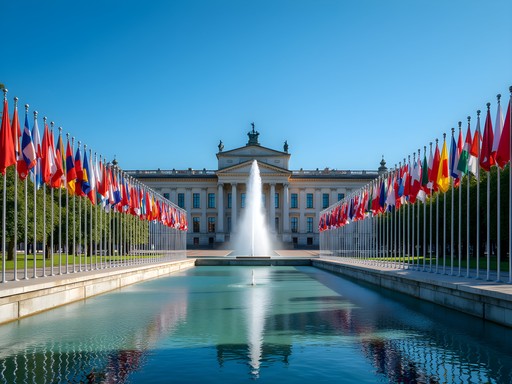
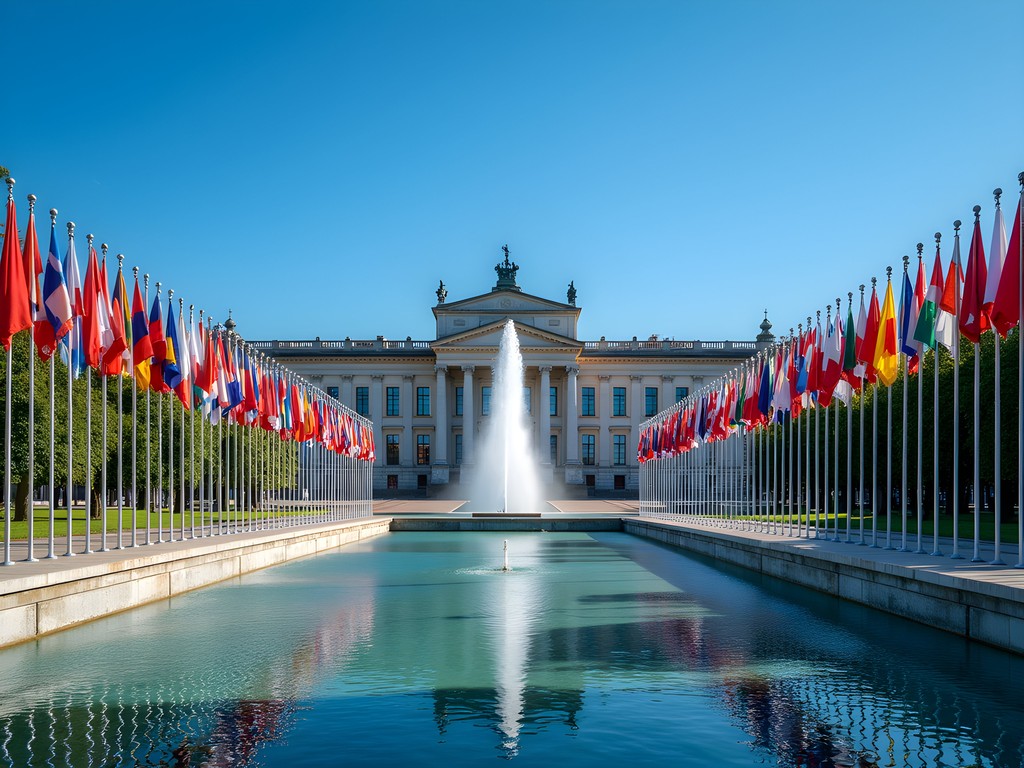
My first stop was the Palais des Nations, the European headquarters of the United Nations. Walking through its corridors felt like cruising down an international highway of ideas. As a taxi driver, I've learned that the most interesting stories come from passengers who've traveled the furthest; similarly, the most compelling exhibits here showcase how distant nations found common ground.
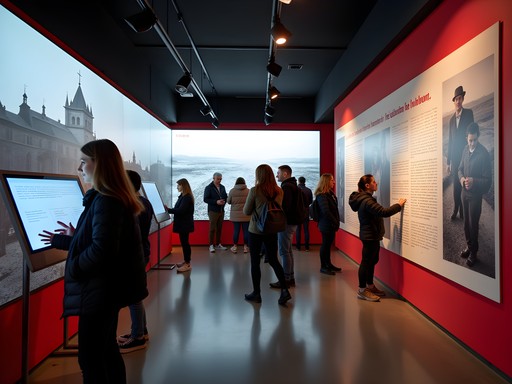
The League of Nations Museum within the complex tells the story of the organization that preceded the UN—born from the ashes of World War I through the Treaty of Versailles. While the League ultimately failed to prevent another world war, it laid the groundwork for international cooperation that would later blossom into the European project.
After hours exploring these grand halls, I found myself needing a caffeine boost. My portable espresso maker became my diplomatic companion—allowing me to enjoy quality coffee while sitting in the surrounding Ariana Park, contemplating how the conversations within those walls shaped the world I'm free to explore today.
💡 Pro Tips
- Visit the Palais des Nations early on weekdays to avoid diplomatic delegations that can limit access
- Book the guided tour in advance as it provides access to rooms not open to self-guided visitors
- Bring your passport for entry as security is similar to airport procedures
The Red Cross Museum: Humanity's Neutral Ground
Just a short walk from the UN complex sits another Geneva institution that embodies the city's humanitarian spirit: the International Red Cross and Red Crescent Museum. If the Palais des Nations represents diplomatic theory, the Red Cross Museum showcases humanitarian practice.
The museum tells the story of Henry Dunant, who witnessed the aftermath of the Battle of Solferino in 1859 and conceived the idea of a neutral organization to care for wounded soldiers. This concept of protected neutrality—helping all sides without judgment—resonates deeply with me. As a taxi driver, I've learned to be a neutral observer of the cities I inhabit, serving everyone regardless of background.
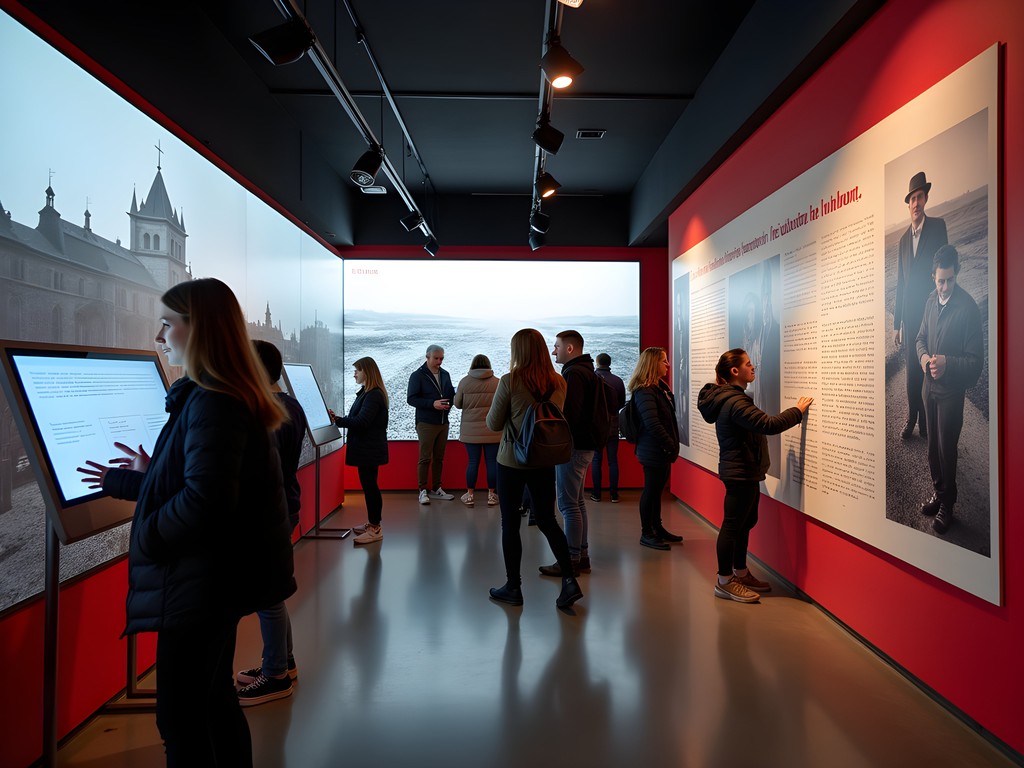
The exhibits are powerful and often emotionally challenging, documenting conflicts from around the world and the organization's efforts to maintain humanity in inhuman situations. I found myself particularly moved by the personal artifacts—letters between separated families, simple items that brought comfort in refugee camps.
After such a sobering experience, I sought refuge in Geneva's Old Town, climbing the north tower of St. Pierre Cathedral for panoramic views of the city and lake. For this ascent, my collapsible water bottle proved invaluable—hydration without bulk is essential for these historical explorations.
💡 Pro Tips
- Allow at least 2 hours for the Red Cross Museum as the emotional impact deserves reflection time
- Use the audio guide available in multiple languages for deeper context
- Visit the nearby Broken Chair sculpture outside the UN—a powerful symbol against landmines
Maastricht: Where Modern Europe Was Born
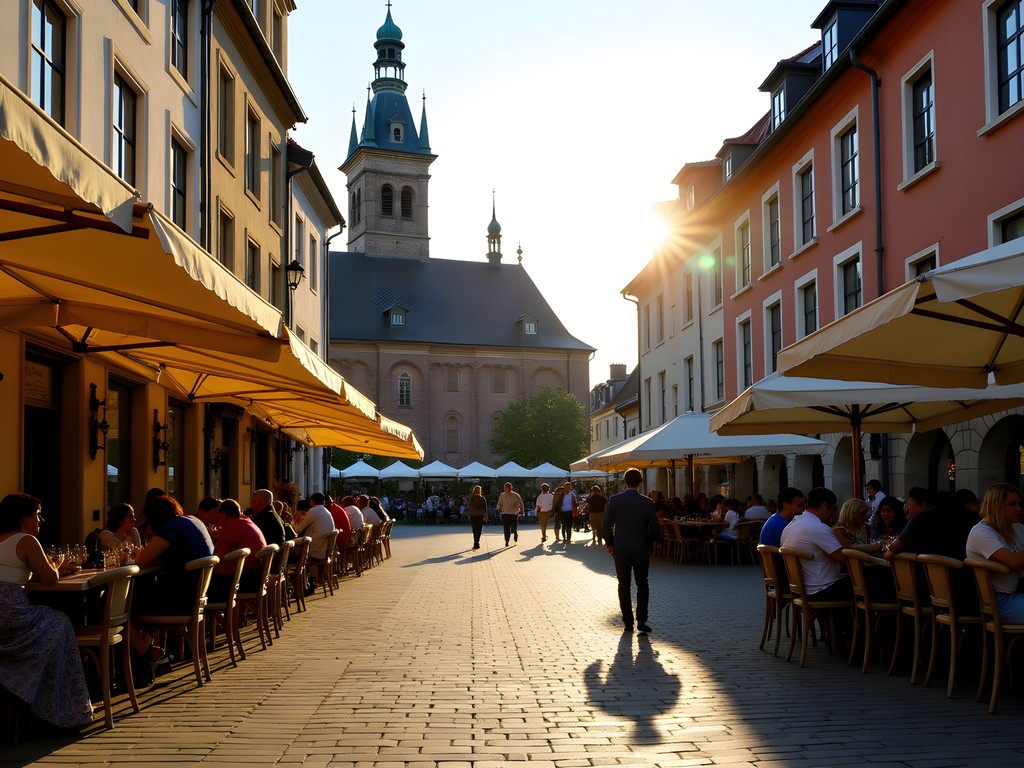
From the diplomatic neutrality of Geneva, my journey continued to Maastricht—a Dutch city that feels like Europe in miniature. Cobblestone streets wind through a blend of Dutch, Belgian, and German influences, creating an architectural conversation across borders that mirrors the political one that happened here in 1992.
The Maastricht Treaty, signed in this charming city, transformed the European Economic Community into the European Union we know today. It created EU citizenship, laid groundwork for the euro currency, and expanded cooperation beyond mere economics into foreign policy and justice.
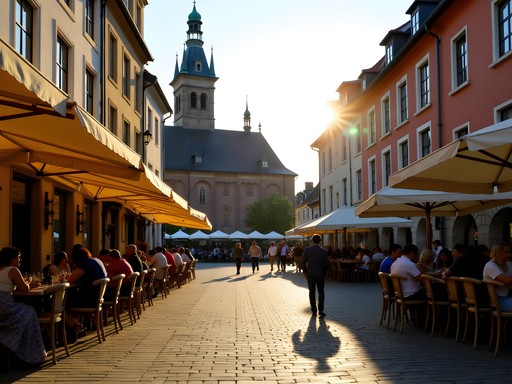
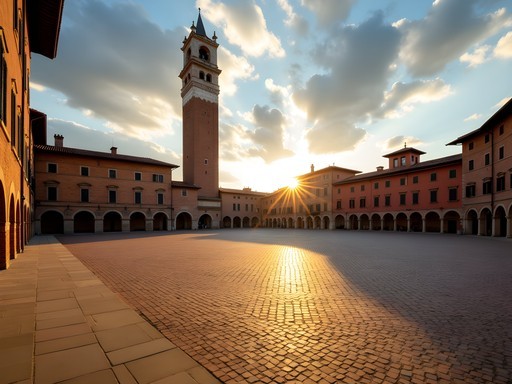
I spent my first day simply wandering the city center, letting the streets guide me as I often do when first driving in a new city. The Vrijthof square, bordered by the magnificent St. Servatius Basilica and St. Jan's Church, pulses with the everyday life that the EU project ultimately aims to protect and enhance.
For history buffs seeking deeper understanding, I highly recommend the travel power adapter with multiple USB ports. Maastricht's historical sites often have limited charging options, and I found myself documenting everything extensively, draining my devices quickly while researching historical details.
Later, I visited the Provincial Government Building where the treaty was signed. While not always open to the public, the exterior itself is worth seeing, and nearby information panels explain the treaty's significance. Standing there, I felt the weight of decisions that shaped a continent—not unlike the moment I decided to leave Denver for a life of global exploration.
💡 Pro Tips
- Visit the Tourist Information Center for potential access to the treaty signing room when not in government use
- Explore Maastricht University areas to feel the young, international energy that embodies modern European integration
- Take a guided walking tour that specifically focuses on EU history—local guides often have personal connections to the treaty's impact

Between Two Cities: The Journey as Metaphor
The train journey between Geneva and Maastricht became its own lesson in European integration. Crossing borders that once would have required extensive paperwork but now barely register a change—save for a subtle ping from my phone announcing a new country's welcome message.
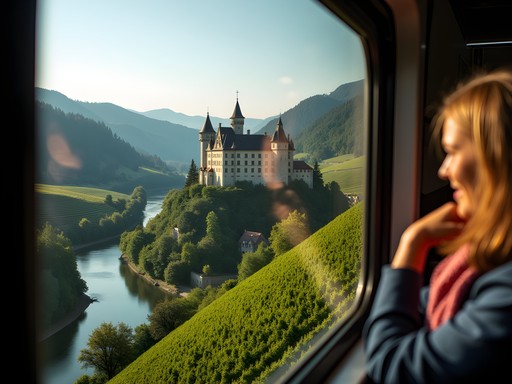
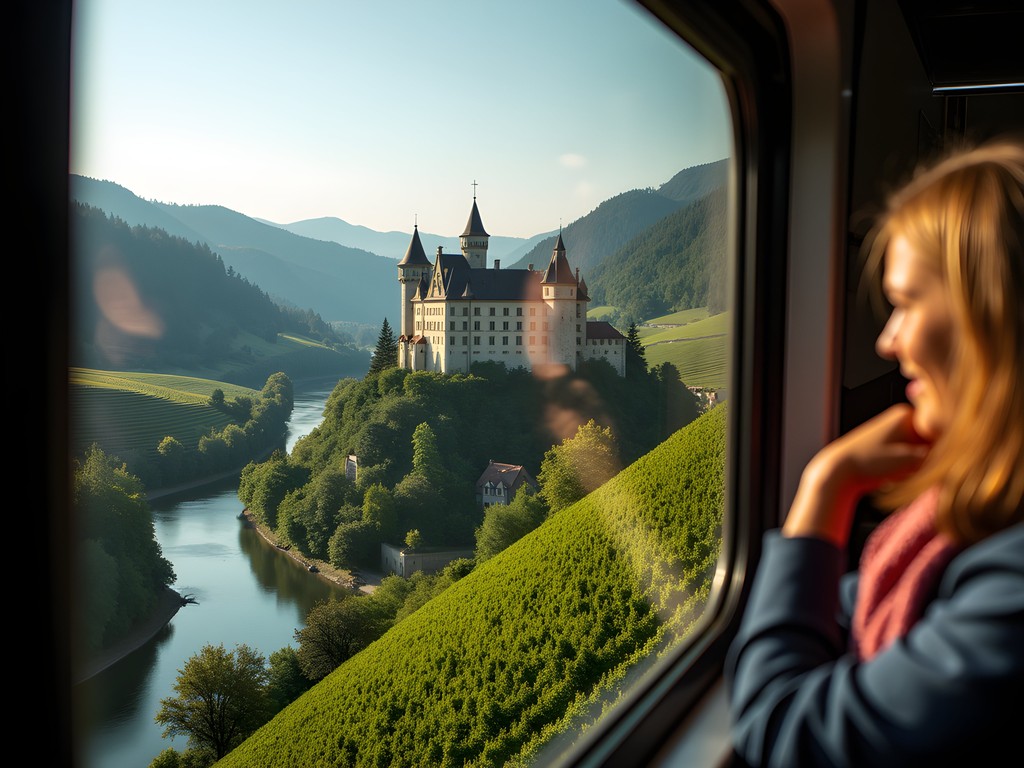
I opted for the scenic route through the Rhine Valley, where castles perch on hillsides overlooking vineyards and villages. As someone with a particular fascination for castles (they're like the luxury taxis of medieval transportation—exclusive, secure, and designed to impress), this journey was particularly rewarding.
During the 7-hour journey, my travel neck pillow proved invaluable for comfort, while my travel journal filled with observations about how the landscape and architecture subtly shift across borders—visual reminders of the distinct cultures that the EU works to both unite and preserve.
I spent a night in the German city of Cologne, breaking up the journey and allowing me to visit the magnificent cathedral that survived World War II bombing—a monument to persistence that parallels Europe's journey toward unity despite historical conflicts.
💡 Pro Tips
- Purchase a rail pass if visiting multiple European countries—the flexibility allows for spontaneous stops
- Download the DB Navigator app for real-time train information across multiple European rail networks
- Consider breaking the journey with an overnight stay—border cities often have fascinating dual cultural influences
The Culinary Diplomacy of Two Treaty Cities
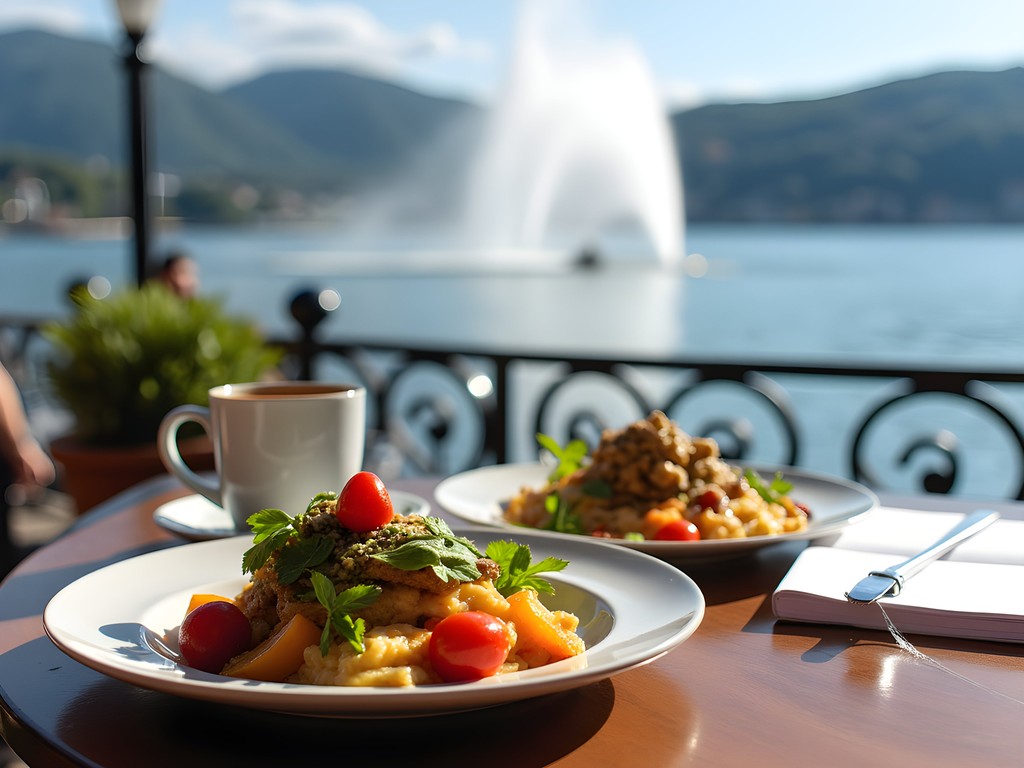
As a passionate explorer of vegan cuisine, I found both Geneva and Maastricht offering fascinating plant-based interpretations of traditional dishes—another form of diplomacy that bridges tradition and modern values.
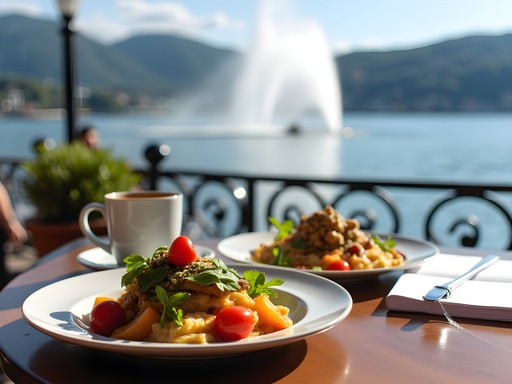
Geneva's international character means exceptional global cuisine. At Ou Bien Encore, near the lake, I enjoyed innovative plant-based Swiss dishes that honor tradition while embracing change—much like the diplomatic work happening nearby. Their vegan fondue was a revelation that had me saying c'est incroyable with every bite.
In Maastricht, the Dutch-Belgian-German culinary influences create a border-blurring food scene. At Restaurant Côté Cour, I discovered vegan interpretations of Limburg specialties that respect cultural heritage while adapting to contemporary values—paralleling the EU's balancing act between national identity and collective progress.
For self-catering options while exploring these historical sites, I relied on my insulated food container to carry meals for long days of exploration. In cities where dining can strain mid-range budgets, this simple tool saved me countless euros while ensuring I stayed energized for historical discoveries.
Both cities also offered excellent working cafés where I could document my experiences. As someone who frequently uses coworking spaces, I appreciated how these European cafés have perfected the art of the lingering work session—another form of cultural exchange I've carried back to Mexico City.
💡 Pro Tips
- Visit local markets in both cities for affordable picnic supplies—perfect for enjoying in parks near historical sites
- Try regional specialties even in vegan form—food adaptation reflects the same flexibility needed in political treaties
- Ask local taxi drivers for restaurant recommendations—we always know the authentic spots tourists might miss
Final Thoughts
As my taxi weaves through Mexico City traffic today, I often find my mind drifting back to those two European cities where the roadmap for a continent's future was drawn. Geneva and Maastricht may seem like ordinary dots on a map to many travelers, but they stand as monuments to humanity's capacity for cooperation after centuries of conflict.
What struck me most was how these political achievements have transformed into everyday reality. The ease with which I traveled between countries, the common currency that simplified my journey, the shared values visible in historical preservation—all fruits of seeds planted in meeting rooms and government buildings I visited.
For business travelers especially, understanding this history provides context for today's European market dynamics. For the culturally curious, these cities offer a masterclass in how diplomatic theory becomes lived reality.
Whether you're negotiating international deals or simply negotiating your way through Europe's rich heritage, I invite you to follow this trail of treaties. Like the best taxi rides, the journey between Geneva and Maastricht isn't just about reaching a destination—it's about understanding how we're all connected along the way. ¡Hasta la próxima aventura!
✨ Key Takeaways
- Both cities offer accessible historical sites where world-changing treaties were developed
- The journey between Geneva and Maastricht provides a physical experience of European integration
- Understanding EU history provides valuable context for business travelers working in European markets
- Local cuisine in both cities reflects the diplomatic art of balancing tradition with innovation
- The everyday benefits of European cooperation are tangible to visitors through currency, border crossings, and cultural preservation
📋 Practical Information
Best Time to Visit
year-round, though May-September offers pleasant weather for exploring
Budget Estimate
$150-250 per day including mid-range accommodations, meals, and attractions
Recommended Duration
7 days (3 in Geneva, 3 in Maastricht, 1 for journey between)
Difficulty Level
Intermediate - Involves Some Planning For Historical Site Access And Train Connections


Comments
Amit Sullivan
What a thoughtful piece, Harrison. Your taxi driver's perspective brings such authenticity to this. I visited Geneva during my diplomatic history research tour and was struck by how the city wears its neutrality like a badge of honor - it's in the architecture, the museums, even the cafe conversations. The International Museum of the Red Cross is indeed profound. One moment that stayed with me was the wall of family separation letters. If readers are interested in diving deeper into this theme, the League of Nations archives are open to the public by appointment - absolutely fascinating primary sources. The parallels you draw between road navigation and diplomatic navigation are spot-on. Safe travels in Mexico City!
globewalker
Really cool angle on European history!
winterbackpacker
Is Maastricht expensive? First Europe trip and trying to budget.
globewalker
Not as bad as Geneva! Geneva is crazy expensive but Maastricht is pretty reasonable for Netherlands/Belgium area.
springclimber
Did this trip in 2024 and totally agree about the journey being part of the story. We took the train from Geneva to Maastricht with a stop in Basel and it was gorgeous. The Swiss countryside transitioning into the Rhine valley was stunning. One tip - book the Red Cross Museum tickets online ahead of time, especially in summer. We showed up on a Saturday and had to wait almost an hour. Also the audio guide is worth it.
vacationphotographer
Are these cities easy to photograph? Looking for good historical architecture shots.
Kimberly Murphy
Harrison, this is brilliant! I did a similar route last year but in reverse - started in Maastricht during the treaty anniversary celebrations. The city really comes alive when they're commemorating EU history. The Vrijthof square was absolutely buzzing! Your connection between driving and diplomacy really resonates - there's something about physically traveling between these historic sites that makes the history feel more tangible. Did you get a chance to visit the actual treaty signing room in Maastricht?
Harrison Webb
Thanks Kimberly! Yes, the signing room was incredible - such an understated space for such a momentous decision. Would love to experience it during the anniversary celebrations!
backpacktime
How much time would you recommend for the Red Cross Museum? Planning a Geneva stop in spring and trying to figure out my schedule.
springclimber
I'd say give it at least 2-3 hours. It's really moving and you don't want to rush through it.
backpacktime
Perfect, thanks!
hikingninja
Love this perspective on Geneva! Never thought about it this way.
starlegend5583
Going to Geneva in March! Did you visit the UN building too or just the museum?
vacationblogger
Not the author but we did the UN tour last year and it was really cool! Book ahead though.
Hunter Thompson
Brilliant post Harrison! I actually did a similar route last summer but went Geneva → Strasbourg → Maastricht to hit more EU history spots. The contrast between Geneva's League of Nations legacy and Maastricht's modern EU birth is absolutely fascinating when you see them in person. Quick tip for anyone planning this - the train journey between them is gorgeous but takes about 8 hours with connections. Worth breaking it up with a night in Basel or Zurich if you have time. The Red Cross Museum absolutely gutted me emotionally but it's essential viewing.
starlegend5583
How long would you recommend in each city?
Hunter Thompson
I'd say 2 full days in Geneva minimum (one for UN/Red Cross, one for old town), and Maastricht you could do in a day but 2 is nicer to really soak it in. It's a lovely compact city for wandering.
Venture X
Premium card with 2X miles, $300 travel credit, Priority Pass