
Disclosure: This article contains affiliate links. We may earn a commission from purchases at no extra cost to you, which helps our travel content.
Standing at the edge of Fez's ancient medina as the call to prayer echoed across terracotta rooftops, I felt that familiar tingle of discovery—the same sensation I've experienced in financial markets when spotting an undervalued asset before others recognize its worth. After 20 years analyzing investment portfolios, I've learned to identify hidden value, whether in stocks or travel experiences. Fez represents the ultimate high-yield cultural investment: a 1,200-year-old living museum where medieval authenticity hasn't been diluted by mass tourism. During my recent spring sabbatical, I spent a week navigating this UNESCO World Heritage site with its 9,000+ alleyways, seeking balance between my Tlingit ancestors' reverence for cultural preservation and my analyst's appreciation for historical continuity. What I discovered was a masterclass in sustainable cultural economics—a city that has preserved its heritage while adapting to changing times, offering couples an immersive journey through Morocco's spiritual and artistic heart.

Navigating the Labyrinth: Fez's Medina Decoded
The medina of Fez el-Bali isn't merely a destination—it's a complex ecosystem that rewards strategic exploration. As someone who maps financial trends for a living, I approached this medieval maze with both analytical precision and cultural reverence.
On my first morning, I hired Mohammed, a certified local guide (approximately 400 dirhams for a half-day), an investment that paid immediate dividends. While independent exploration has its merits, a knowledgeable guide provides crucial historical context while preventing the frustration of getting hopelessly lost—a near certainty in the world's largest car-free urban area.
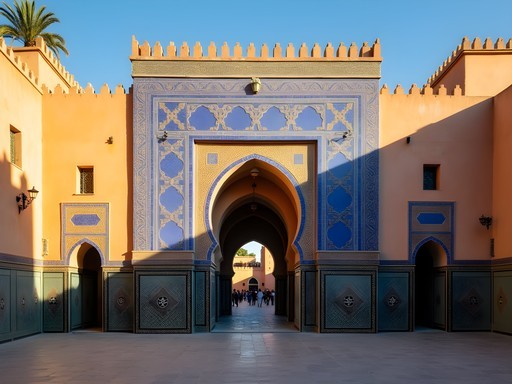
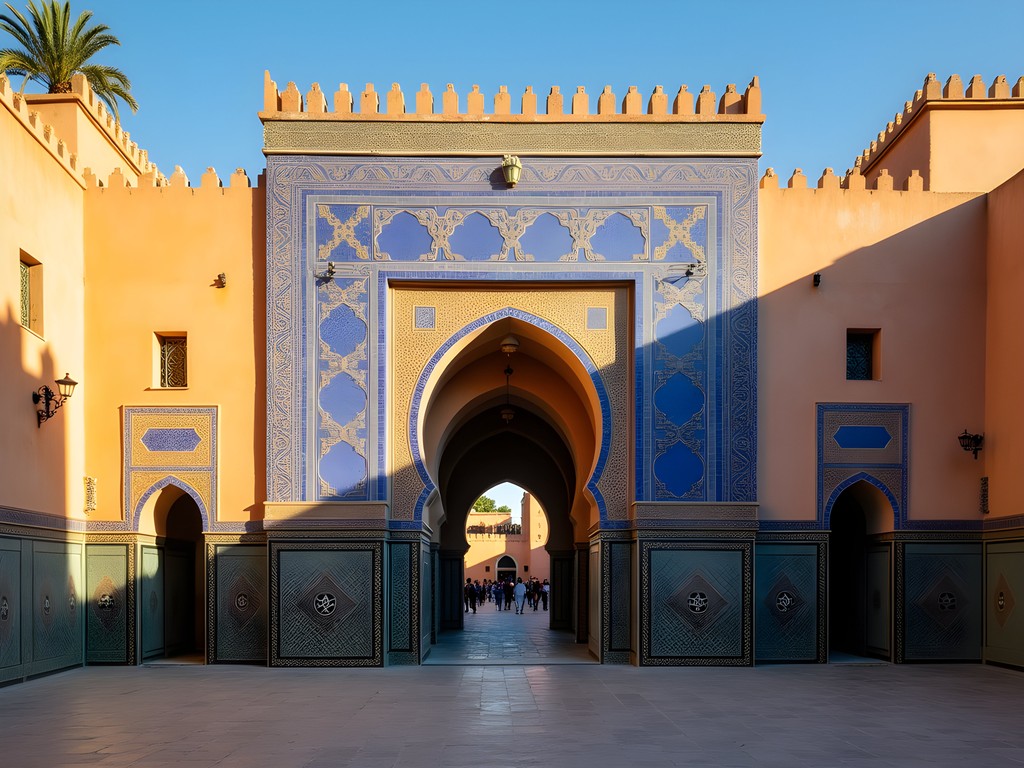
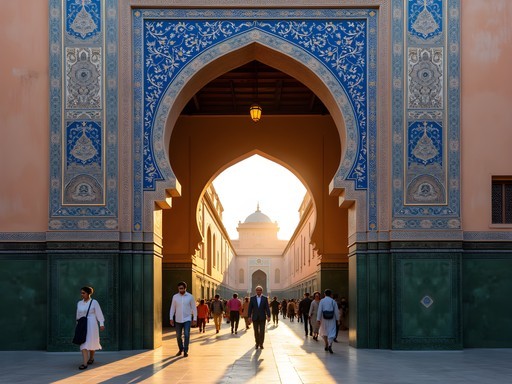
Mohammed explained how the medina operates as a series of specialized quarters, each with distinct commercial and cultural functions—not unlike how diversified market sectors function in a balanced portfolio. We began at Bab Boujloud (the Blue Gate) and moved systematically through the leather quarter, copper district, and textile sections, each revealing specialized craftsmanship passed through generations.
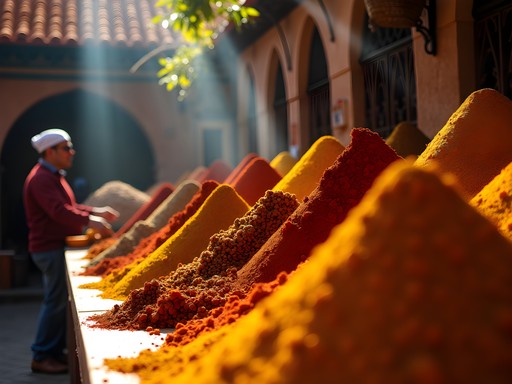
The sensory data was overwhelming—spice pyramids in technicolor displays, artisans hammering copper in rhythmic percussion, the pungent aroma from the tanneries. I tracked our route using my offline navigation app, dropping pins at potential return destinations while Mohammed explained historical significance beyond what guidebooks cover.
By afternoon, I understood that the medina isn't chaotic but precisely organized around economic and social principles that have sustained it for centuries. This perspective transformed my experience from tourist observation to meaningful cultural engagement.
💡 Pro Tips
- Hire a certified guide for your first day—the orientation is worth the investment
- Visit the medina early (8-10am) when crowds are thinner and shopkeepers less aggressive
- Drop pins on offline maps to mark spots you want to revisit independently
Cultural Immersion: Beyond Surface-Level Tourism
My Tlingit heritage has taught me that authentic cultural experiences require patience and respectful engagement—qualities often at odds with modern tourism's efficiency-driven approach. In Fez, I deliberately slowed my typical pace, allowing the city to reveal itself organically.
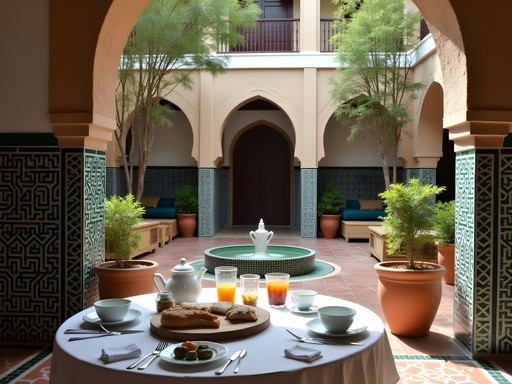
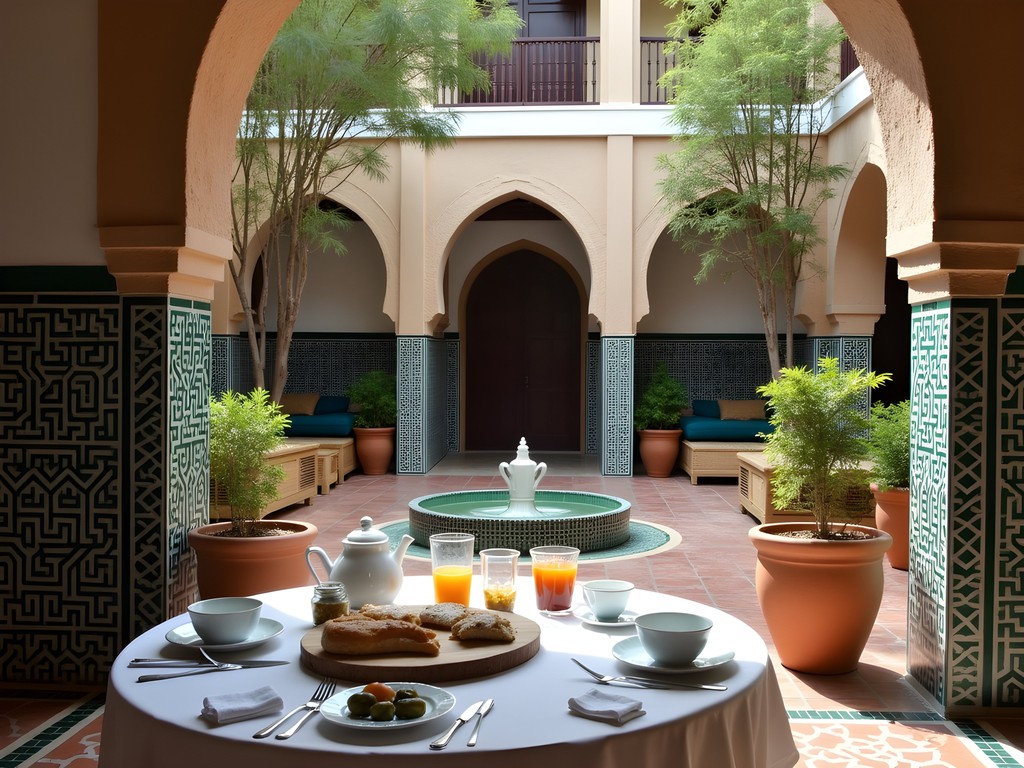
I booked a traditional riad within the medina walls rather than a modern hotel in Ville Nouvelle. My choice, Riad Laaroussa, occupied a restored 17th-century palace with a central courtyard where breakfast was served beneath orange trees. The initial premium (approximately 1200-1500 dirhams nightly) yielded exponential returns in authentic experience and proprietor insights unavailable to those staying outside the medina.
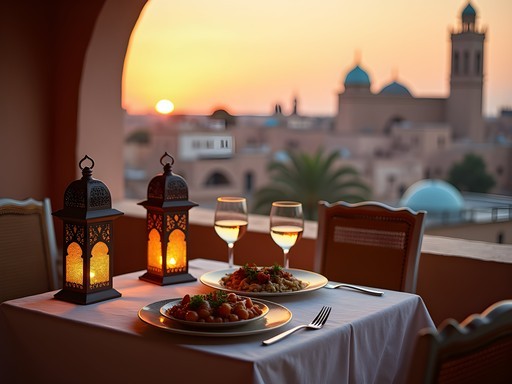
Each morning began with mint tea on the rooftop terrace, watching the medina awaken—a meditation practice that centered me before each day's exploration. By evening, this same terrace offered spectacular sunset views over ancient minarets while the call to prayer created a moving soundscape.
To truly understand Fez's cultural heartbeat, I enrolled in a half-day cooking class at Café Clock, where Chef Souad taught traditional Fassi cuisine. We shopped for ingredients in the market, negotiating prices alongside locals, before preparing a feast including pastilla (savory-sweet pastry) and tagine. The experience provided a window into domestic traditions rarely glimpsed by casual visitors.
For couples seeking deeper connection, I recommend booking a private hammam experience at Heritage Spa. This traditional bathing ritual—where you're scrubbed with black soap using a kessa glove before being covered in rhassoul clay—offers both cultural insight and shared relaxation. My analysis: the vulnerability of this experience creates unique bonding opportunities for couples while providing authentic wellness practices dating back centuries.
💡 Pro Tips
- Stay within the medina walls for authentic immersion—the inconvenience is outweighed by the experience
- Book a cooking class early in your trip to understand food culture and gain market-navigation confidence
- Visit a traditional hammam at least once—it's both cultural education and exceptional self-care
Intellectual Treasures: Universities, Madrasas, and Libraries
As someone who values knowledge as both cultural currency and personal wealth, Fez's intellectual heritage particularly resonated with me. The city houses Al-Qarawiyyin, founded in 859 CE and recognized by UNESCO as the world's oldest continuously operating university—a reminder that long-term investments in education yield dividends across civilizations.
The university's library contains approximately 4,000 rare manuscripts, including a 9th-century Quran written on camel skin and original works by Ibn Khaldun, the father of modern sociology. While the library's reading room remains restricted to researchers, visitors can tour the recently restored public sections—I recommend arriving when they open at 9am to experience the space before tour groups arrive.
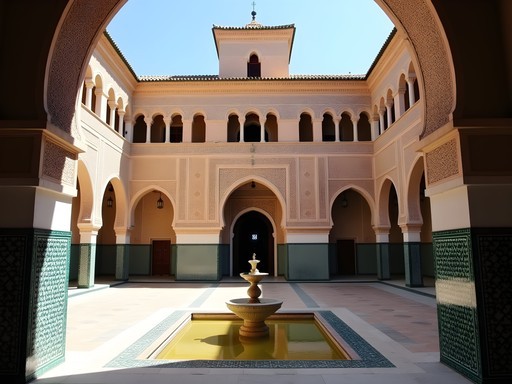
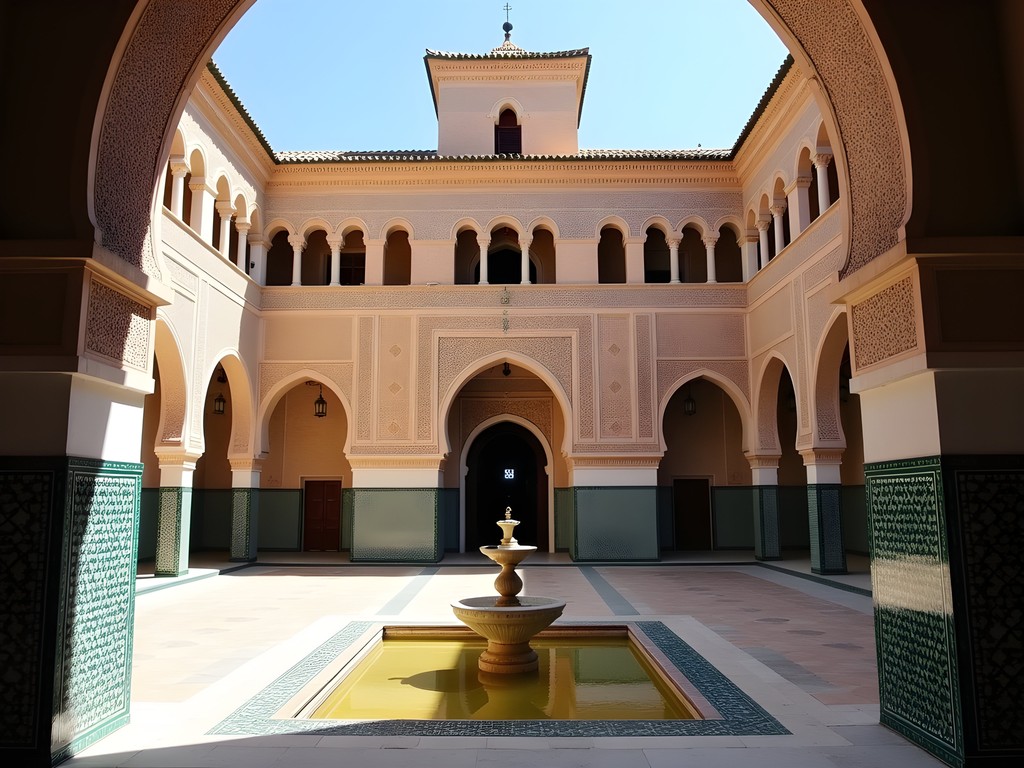
Equally impressive is the 14th-century Bou Inania Madrasa, a theological college showcasing the zenith of Marinid architecture. Unlike many religious sites in Morocco, non-Muslims can enter this space, allowing intimate observation of its cedar woodcarvings, intricate stuccowork, and zellij tile mosaics. Standing in the central courtyard, I was struck by how the space balances mathematical precision with artistic expression—a harmony that reminded me of well-structured financial models that still leave room for creative interpretation.
For couples with literary interests, I suggest visiting the Chouara Tannery early, then spending late morning at Al-Attarine Madrasa near the perfume and spice market. Bring a journal to capture reflections—I found the contemplative atmosphere particularly conducive to meaningful conversations about cultural preservation and evolution.
To prepare for these intellectual explorations, I highly recommend reading a quality cultural guide before your trip. The historical context will transform what might otherwise be merely aesthetic appreciation into deeper understanding of Fez's contribution to global knowledge systems.
💡 Pro Tips
- Visit Al-Qarawiyyin early morning when the light through stained glass windows is most dramatic
- Bring binoculars to appreciate ceiling details in madrasas without straining your neck
- Research specific manuscripts or scholarly works connected to Fez before visiting to appreciate its intellectual legacy

Artisanal Economics: Craftsmanship as Cultural Currency
My finance background has taught me to recognize sustainable economic systems—and Fez's artisanal economy represents a remarkable case study in cultural preservation through commercial continuity. Unlike many historic cities where traditional crafts survive only as tourist demonstrations, Fez maintains working guilds producing functional art through methods unchanged for centuries.
The medina operates as an integrated production network where raw materials move through specialized workshops before emerging as finished goods. This vertical integration creates resilience while maintaining quality standards—a business model that modern corporations might envy.
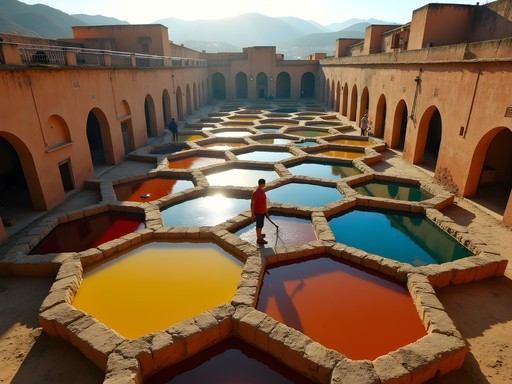
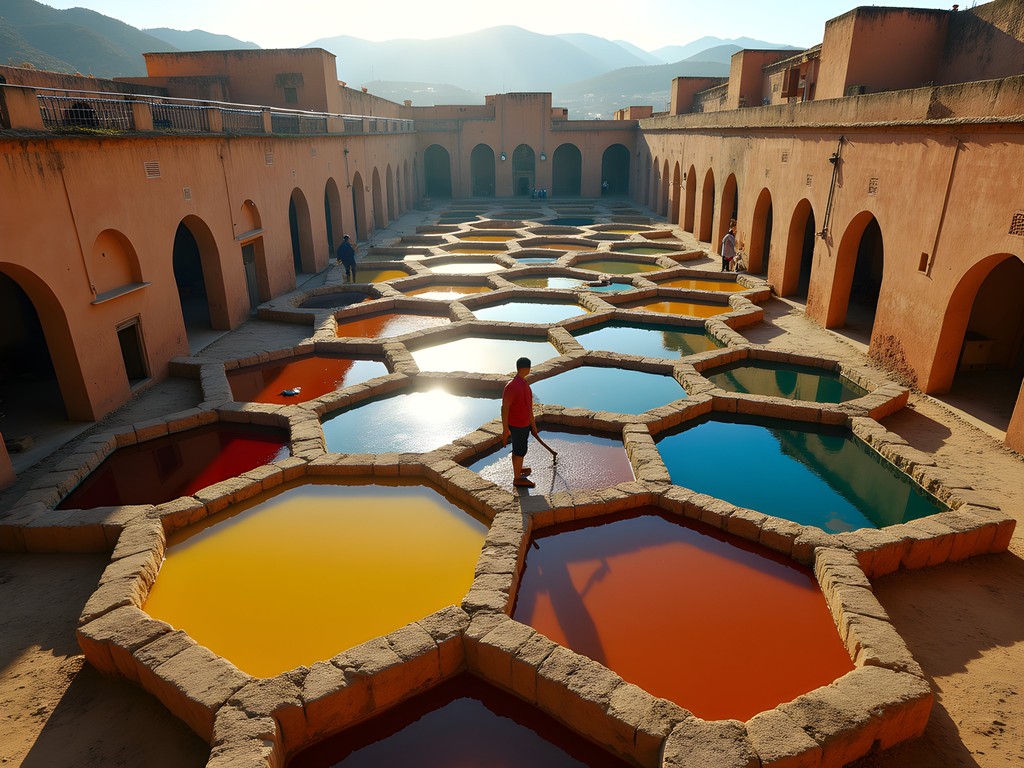
To experience this system firsthand, I visited the Chouara Tannery during my third day. From the leather shop terraces, I watched tanners knee-deep in stone vats, processing hides using techniques established in the 11th century. The scene was simultaneously medieval and timeless—men performing choreographed labor amid natural dyes derived from poppies, indigo, saffron, and minerals.
For photography enthusiasts, I recommend bringing a zoom lens to capture detailed shots from the viewing terraces without disturbing workers. The morning light between 9-11am provides optimal conditions for photographing the colorful dye pits while minimizing the infamous tannery odor (strongest during afternoon heat).
Beyond leatherwork, I spent an afternoon in the Seffarine Square watching copper artisans hammer raw metal into intricate lanterns, trays, and cookware. The rhythmic percussion created a meditative soundtrack as I observed masters training apprentices—a living demonstration of knowledge transfer that has sustained these traditions across generations.
For couples collecting meaningful souvenirs, I recommend purchasing directly from workshops rather than souk resellers. Not only will you find better quality and pricing, but you'll also support the artisans preserving these traditions. My analytical approach to souvenir shopping: identify items incorporating skills unique to Fez (such as blue pottery or specific leather techniques) rather than generic Moroccan crafts available throughout the country.
💡 Pro Tips
- Visit workshops mid-week when production is in full swing rather than Fridays when many close early for prayers
- Accept mint tea when offered in shops—it's a hospitality ritual that creates space for meaningful cultural exchange, not just a sales tactic
- Carry small denominations for direct purchases from craftspeople who may not have change for large bills
Nightlife & Evening Rituals: Fez After Dark
Fez reveals a different personality after sunset—one that balances spiritual reflection with subtle sensory pleasures. Unlike Marrakech's boisterous evening scene, Fez offers a more contemplative nightlife that particularly appeals to couples seeking intimate connection rather than energetic entertainment.
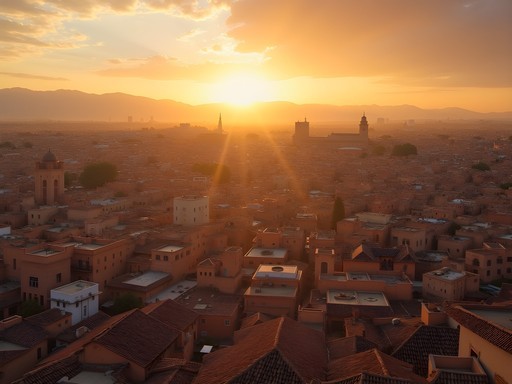
Each evening during my stay, I developed a ritual of watching sunset from Borj Nord, a 16th-century fortress housing an arms museum. The 20-minute uphill walk from Bab Boujeloud rewards visitors with panoramic views across the entire medina—an analytical perspective that helps make sense of the labyrinth you've been exploring. The golden hour transforms the city's clay buildings into a warm terracotta canvas punctuated by minarets and satellite dishes—ancient and modern coexisting in visual harmony.
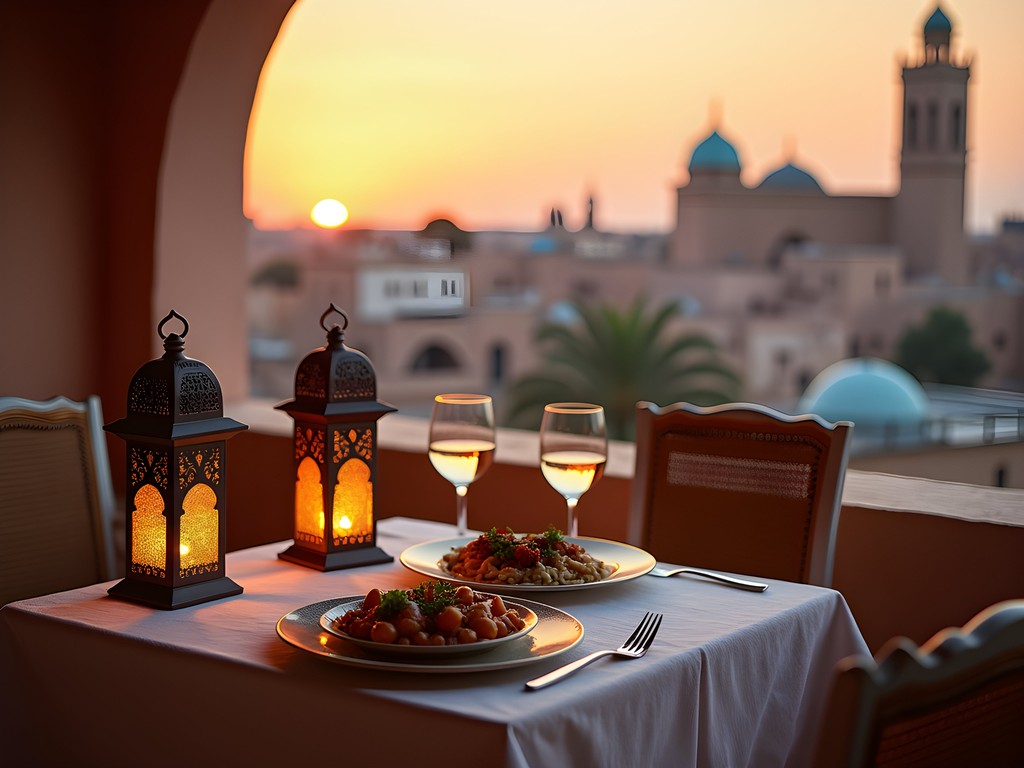
For couples seeking evening ambiance, I recommend dinner at Palais Amani's rooftop restaurant, where traditional Moroccan cuisine meets contemporary presentation. Their five-course tasting menu (approximately 550 dirhams) offers excellent value for the quality and setting. Request a corner table for optimal privacy and medina views.
After dinner, the medina's main thoroughfares maintain a gentle bustle until about 10pm, with families promenading and select shops remaining open. This evening paseo culture provides a window into local social rhythms rarely captured in travel guides.
For a truly special experience, arrange a private evening food tour with culinary guide to discover hidden evening-only food vendors serving specialties like bessara (fava bean soup) and sfenj (Moroccan doughnuts). My guide, Fatima, introduced me to a tiny stall near Rcif Square serving harira soup that had maintained the same recipe since 1937—a culinary time capsule worth seeking out.
While alcohol is limited in the medina due to religious observance, several riads offer discreet rooftop service for guests. I found evening mint tea ceremonies—particularly when enhanced with local honey and pine nuts—provided a more authentic nightcap than imported wines. The ritual of pouring tea from height to create a frothy surface became a meditative evening practice I've continued at home in Winston-Salem.
💡 Pro Tips
- Schedule your Borj Nord sunset visit on day one to gain orientation perspective for the rest of your explorations
- Book dinner reservations at premium riads 1-2 days in advance during high season
- Carry a small flashlight for navigating dimly lit medina alleys after dinner—smartphone lights attract unwanted attention
Final Thoughts
As I departed Fez after my week of immersion, I recognized that the city had offered something increasingly rare in our globalized world—authentic cultural continuity. For couples seeking connection both with each other and with living history, Fez represents an unparalleled investment opportunity—not in financial terms, but in experiential wealth that appreciates with time. The memories and insights gained here continue yielding returns long after you've returned home. Like any worthwhile investment, Fez requires patience and strategic planning, but rewards those willing to look beyond surface attractions. Whether you're drawn to intellectual history, artisanal craftsmanship, or sensory experiences, this ancient city offers dividends in the form of shared discoveries and meaningful moments. I invite you to allocate assets from your travel portfolio to this remarkable destination—the returns will enrich your relationship in ways no balance sheet can measure.
✨ Key Takeaways
- Stay within the medina walls for authentic immersion, ideally at a traditional riad
- Balance guided experiences with independent exploration to discover both historical context and personal connections
- Invest time in understanding Fez's intellectual and artistic contributions rather than treating it as merely a shopping destination
- Embrace slower travel rhythms that align with the city's medieval pace and cultural patterns
📋 Practical Information
Best Time to Visit
Spring (March-May) or Fall (September-November)
Budget Estimate
$100-150 per day per person (mid-range)
Recommended Duration
5-7 days
Difficulty Level
Beginner

Comments
beachstar2958
Great post! Pro tip - stay in a riad INSIDE the medina not outside it. Totally different experience waking up to the sounds of the old city. We stayed near Bab Boujloud and could walk everywhere.
Jean Wells
Excellent analysis of Fez's cultural preservation, Riley. I've visited six times over the past decade and your observation about authentic culture versus tourist performance is increasingly relevant. The Al-Qarawiyyin University section particularly resonated - I spent an afternoon there last year documenting the architectural details. One tip for readers: visit the Nejjarine Museum of Wooden Arts & Crafts early morning on weekdays. You'll have the space nearly to yourself and the light through the carved screens is extraordinary for photography.
citylife
Adding this to my list!
journeybackpacker
The artisan section really resonated with me! I spent three days just watching craftsmen work in their tiny workshops. Bought a hand-tooled leather journal that I still use daily. The patience and skill is incredible. Also your point about 'artisanal economics' is spot on - these aren't just souvenirs, they're keeping centuries-old techniques alive.
luckyway
Been there twice. Amazing city
wanderwalker7935
Planning a trip in March - do you really need a guide for the medina or can you explore solo?
Jean Wells
I've done both. A guide helps you understand the historical context and navigate efficiently, but solo exploration has its own rewards. I'd recommend hiring a licensed guide for your first day to get oriented, then venture out independently. Download an offline map beforehand - GPS works surprisingly well even in the narrow alleys. The medina's layout follows a logical pattern once you understand the quarter system.
wanderwalker7935
Thanks! That's really helpful
Savannah Walker
Riley, your comparison of the medina to financial markets made me laugh but it's so accurate! I got completely lost in those alleyways last year and ended up having mint tea with a leather merchant who told me stories about his grandfather's shop. Sometimes the best adventures happen when you abandon the map entirely. Did you make it to the tanneries at sunset? The light hitting those dye pits was absolutely magical, even with the smell!
beachstar2958
The tanneries smell is no joke lol. They give you mint leaves to hold under your nose
citylife
Wow this makes me want to visit Fez! Beautiful photos
Amit Sullivan
Riley, your section on the artisan workshops really resonated with me. I spent three days in Fez last year, and watching the leather tanners at Chouara was mesmerizing—though the smell takes some getting used to! I love how you connected the craftsmanship to economic sustainability. These aren't museum pieces; they're living traditions supporting families. The young man who showed me around the pottery cooperative spoke about how tourism, when done respectfully, helps preserve these ancient techniques. Your 'cultural currency' framing is spot-on. Also completely agree about the Al-Qarawiyyin—standing in what's considered the world's oldest continuously operating university was genuinely humbling.
Riley Miller
Thanks Amit! Yes, the tanneries are intense but so worth it. I loved hearing the craftspeople talk about their work with such pride. That intergenerational knowledge transfer is something we've lost in so many places.
roamadventurer
Going in March! How many days would you recommend?
Riley Miller
I'd say minimum 3 days, but a full week let me really absorb the rhythms of the city. Depends on your pace!
roamadventurer
awesome thanks!
globelegend
WOW this is on my bucket list now!! 😍
Amit Sullivan
You'll love it! The medina is unlike anywhere else I've been in 30+ years of travel. Just embrace getting lost—that's where the magic happens.
globelegend
thanks!! did you use a guide or just wander?
Amit Sullivan
Both actually. Had a guide the first day to get oriented, then wandered solo after that. The locals are incredibly helpful if you do get properly lost.
Venture X
Premium card with 2X miles, $300 travel credit, Priority Pass