



Disclosure: This article contains affiliate links. We may earn a commission from purchases at no extra cost to you, which helps our travel content.
Standing at the edge of the Quequechan River, watching the water that once powered dozens of massive textile mills, I couldn't help but marvel at how this modest Massachusetts city helped weave the fabric of America's industrial identity. As someone who spends my days configuring networks, there's something fascinating about exploring an older type of network—the interconnected systems of water, steam, cotton, and human labor that transformed Fall River into the 'Spindle City' during the 19th century. Grab your walking shoes and curiosity—I'm about to show you how to experience this incredible industrial history without breaking the bank.

The Rise of Fall River's Textile Empire
Before diving into the historical sites, it helps to understand why Fall River became such a textile powerhouse. The city's unique geography—specifically the Quequechan River's 130-foot drop over a short distance—created perfect conditions for waterpower in the early 1800s. By the 1870s, Fall River had become the leading textile-producing city in the United States, with over 40 corporations operating 100+ mills, employing tens of thousands of workers.
My engineering brain couldn't help but appreciate the ingenuity of the water-powered systems that predated our modern electrical grids. The mill owners harnessed this natural resource to create a manufacturing empire that would define American industrialization. What's remarkable is how much of this history remains visible today, if you know where to look.
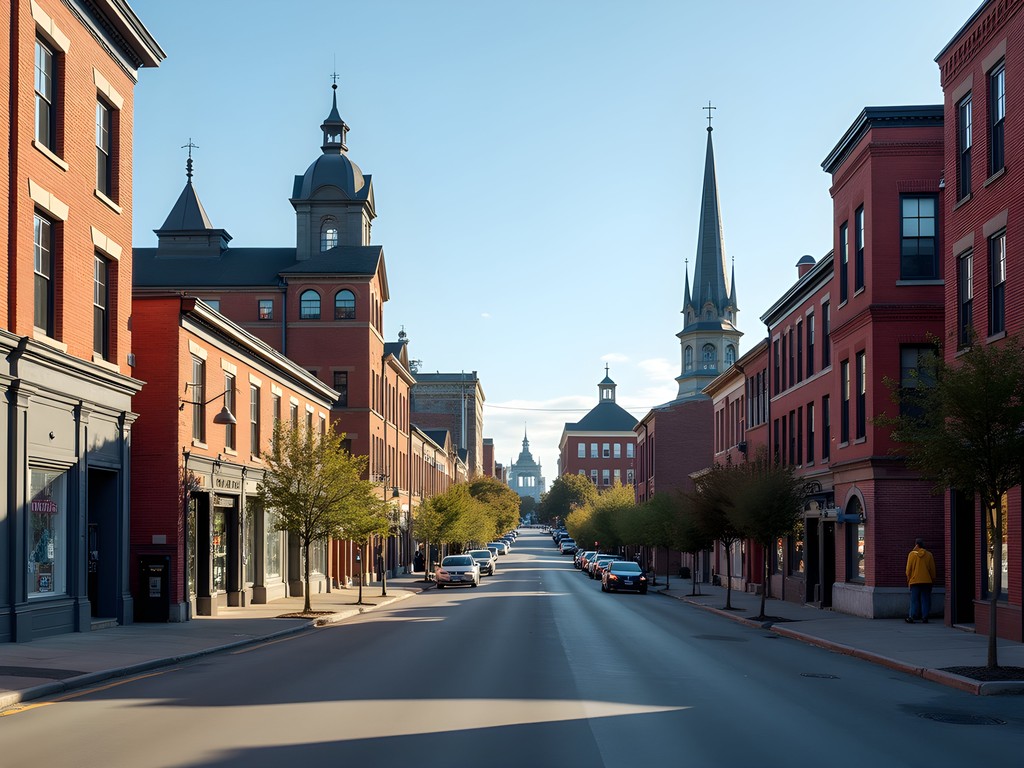
I spent my first morning in Fall River simply walking the downtown area with my field notebook and a city map from the visitor center, identifying former mill buildings and tracing the now-mostly-covered path of the Quequechan River. Many visitors miss this crucial step, but understanding the city's layout helps you appreciate the industrial planning that went into creating this manufacturing powerhouse.
💡 Pro Tips
- Start at the Fall River Historical Society to get oriented with maps and background information
- Look up at buildings to spot architectural details that reveal their former industrial purposes
- The name 'Quequechan' means 'falling waters' in the native Wampanoag language—a clue to the city's industrial advantage
Fall River Heritage State Park: Where Industry Meets the Waterfront
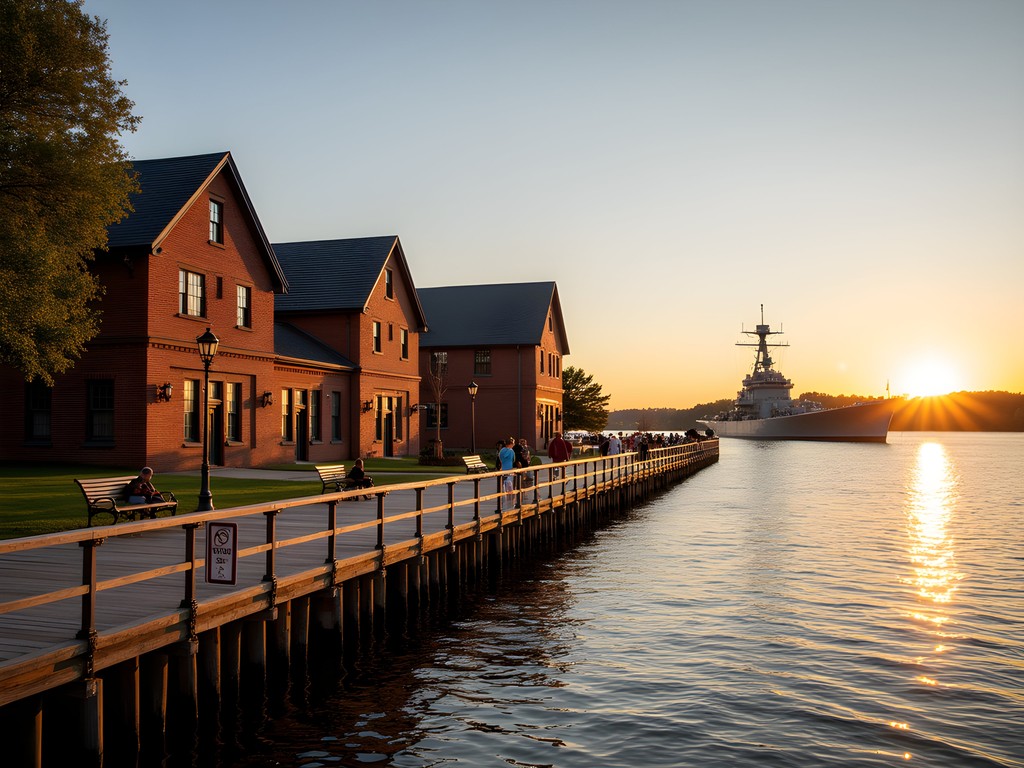
Fall River Heritage State Park offers the perfect introduction to the city's maritime and industrial connections. Located along the Taunton River waterfront, this compact park provides stunning views of Battleship Cove (home to the USS Massachusetts) while connecting visitors to the city's textile past.
I spent a peaceful afternoon here sketching the landscape in my travel sketchbook and watching the interplay between natural and industrial elements. The park includes interpretive signs explaining how the waterfront served as a crucial transportation hub for cotton coming in and finished textiles going out to markets worldwide.
What many visitors miss is the walking path that connects the waterfront to remnants of the original Quequechan River falls. Follow this path to discover how the city's name came to be, and to appreciate how thoroughly the industrial revolution transformed the natural landscape. I was fascinated by how the river that gave the city its power was eventually buried beneath streets and buildings as development intensified—a physical metaphor for how industrialization often prioritized production over nature.
💡 Pro Tips
- Visit around sunset for the best lighting for photographs of the waterfront
- The boardwalk offers excellent views of both the historic waterfront and Battleship Cove
- Pack a picnic lunch to enjoy in the park to save money on restaurant meals
Fall River Historical Society: Textile Barons and Worker Stories
Housed in an opulent 1843 granite mansion, the Fall River Historical Society offers a fascinating glimpse into the stark class divisions that characterized the Industrial Revolution. This was once the home of textile industry elites, and the contrast between their luxurious lifestyle and the working conditions in their mills couldn't be more striking.
As a budget traveler who appreciates both technology and history, I found the $8 admission fee to be one of the best values in Fall River. The museum's textile collection includes samples spanning decades of production, showing the evolution of manufacturing techniques. What fascinated my technical mind was seeing how mechanical innovations transformed the industry, much like how software developments have revolutionized my field of network engineering.
The museum doesn't shy away from the more difficult aspects of textile history, including labor struggles, dangerous working conditions, and the famous Lizzie Borden case (which had direct connections to Fall River's industrial elite). I spent nearly three hours exploring the exhibits, photographing artifacts with my compact camera, which handles indoor museum lighting surprisingly well.
Make sure to ask the knowledgeable docents about the 1904 Granite Mill fire that killed 58 workers. This tragedy led to important safety reforms in industrial settings nationwide—a somber reminder of how progress often comes at a human cost.

💡 Pro Tips
- Visit on weekday mornings for the smallest crowds
- Ask specifically about the textile sample collection, which isn't always on display
- The gift shop offers locally-made textile products that make unique, historically-significant souvenirs

Exploring the Mill Buildings: Architecture and Adaptive Reuse
What makes Fall River unique among industrial heritage sites is the sheer number of surviving mill buildings. Unlike many cities that have demolished their industrial past, Fall River's landscape remains dominated by massive granite textile mills—some abandoned, others repurposed for new uses.
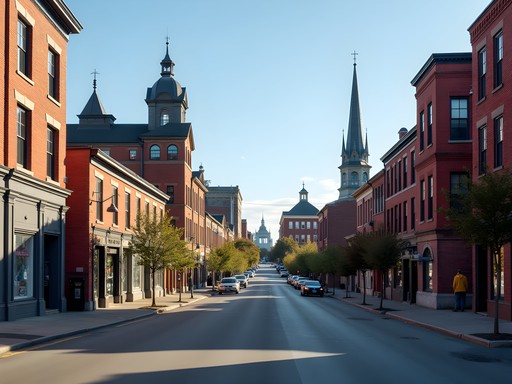
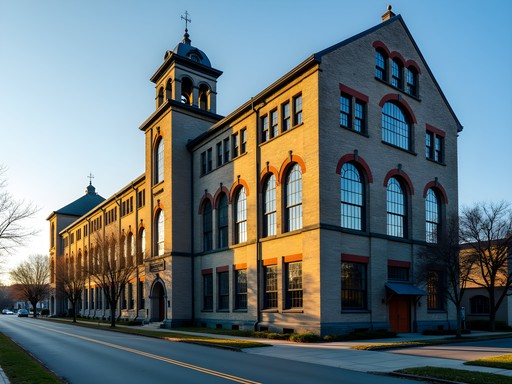
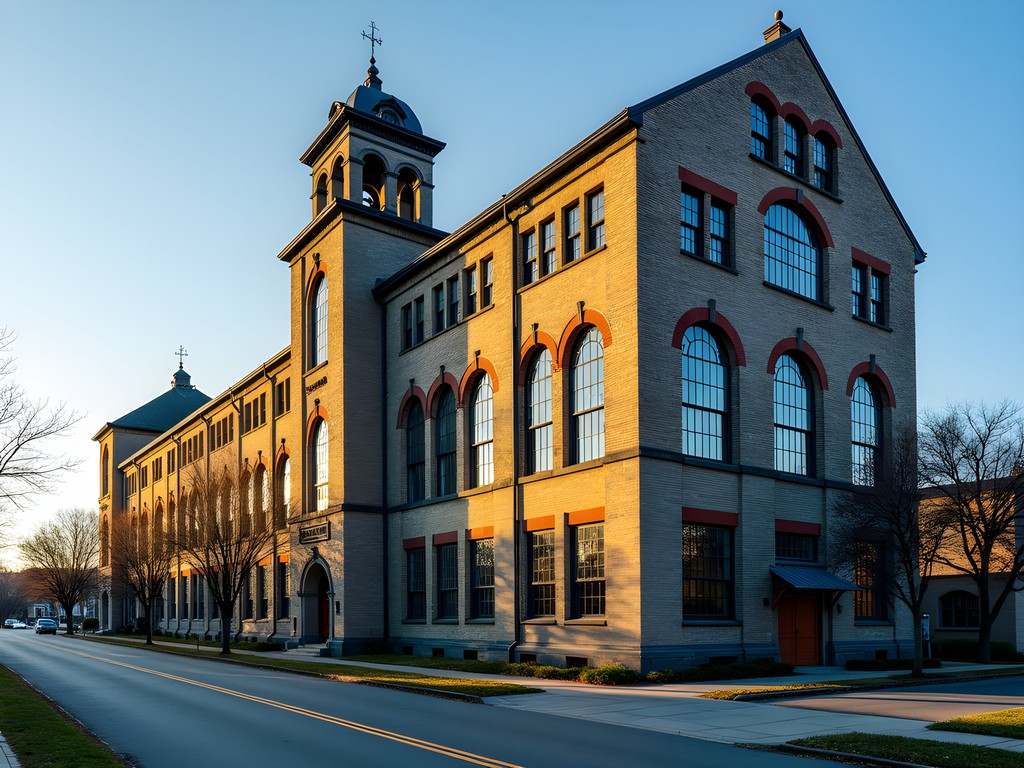
I created my own self-guided walking tour using the excellent (and free!) map from the Fall River Historical Society. The imposing Granite Block on South Main Street, Border City Mill No. 1, and the iconic Durfee Mills complex showcase the distinctive architectural style that defined industrial Fall River—granite exteriors, large windows to maximize natural light for workers, and imposing bell towers that once regulated the workday.
As someone who works with modern technology infrastructure, I was particularly interested in how these historic buildings are finding new purposes. Some now house apartments, others contain small businesses or manufacturing spaces. The Merino Mill has been converted into artist studios, while the former Richard Borden Manufacturing Company now houses a mixture of retail and office spaces.
For the best photographs, I brought my tripod to capture the impressive scale of these buildings in the early morning light. The massive mill complexes create dramatic shadows, and the granite facades take on a warm glow at sunrise that's worth waking up early to capture.
What struck me most was how these buildings represent both technological achievement and human cost—the architectural grandeur reflecting the wealth generated, while the cramped working spaces inside tell a different story about the lives of immigrant laborers who operated the looms and spindles.
💡 Pro Tips
- Visit Granite Block on South Main Street early morning for the best light on its impressive facade
- Many mills are private property, so photograph from public sidewalks
- Look for the 'ghost signs'—faded painted advertisements still visible on some buildings
Family-Friendly Textile Experiences at Children's Museum
Traveling with kids? The Children's Museum of Greater Fall River offers hands-on experiences that make textile history accessible to young visitors. Located in a repurposed textile mill (of course!), the museum features interactive exhibits where children can try simple weaving, learn about how water power works, and see demonstrations of spinning techniques.
Even though I was traveling solo on this trip, I spent a delightful afternoon watching families engage with the textile heritage activities. The museum staff has done an excellent job translating complex industrial concepts into kid-friendly experiences. I was particularly impressed with their water power demonstration model, which clearly showed how the flow of the Quequechan River was harnessed to power machinery—a perfect blend of history and basic engineering principles that even young children seemed to grasp.
For families on a budget, this museum offers tremendous value at just $9 per person, with discounts for larger groups. I recommend bringing a reusable water bottle and snacks, as the museum allows outside food in their designated lunch area—a great way to keep costs down during your visit.
The gift shop offers affordable textile craft kits that allow children to continue their hands-on learning at home. I picked up a simple loom kit for my niece, who later told me it gave her a much better understanding of how fabrics are made than any book or video could have.

💡 Pro Tips
- Visit on 'Maker Thursdays' when the museum offers special textile craft activities
- Allow at least 2 hours for the full experience, including the hands-on activities
- Check their website before visiting as they occasionally bring in retired mill workers who share firsthand stories
Final Thoughts
As I packed my travel backpack on my final morning in Fall River, I found myself reflecting on how this often-overlooked city offers such a tangible connection to America's industrial past. The massive mill buildings, the repurposed industrial spaces, and the stories of immigrant workers all combine to create an immersive historical experience that goes beyond typical museum visits.
What makes Fall River special is that its industrial heritage isn't neatly contained behind glass cases—it's woven into the very fabric of the city. You can touch the granite blocks of mills that once housed thousands of workers, trace the path of the river that powered an industrial revolution, and understand how technological innovation transformed both manufacturing and human lives.
For families seeking educational travel experiences on a budget, Fall River offers remarkable value. The combination of free self-guided walks, affordable museums, and the tangible presence of history creates memorable learning opportunities for visitors of all ages. I encourage you to add this underappreciated Massachusetts gem to your travel plans—and to look beyond the Lizzie Borden story to discover the richer tapestry of America's industrial heritage that awaits in the 'Spindle City.'
✨ Key Takeaways
- Fall River offers an accessible, budget-friendly window into America's industrial revolution
- The city's massive granite mill buildings provide a tangible connection to textile manufacturing history
- Interactive museums and well-preserved historical sites make industrial concepts engaging for families with children
- Self-guided walking tours allow visitors to explore at their own pace while keeping costs down
- The city's industrial heritage goes far beyond the famous Lizzie Borden case that often overshadows it
📋 Practical Information
Best Time to Visit
Year-round, though spring and fall offer the most comfortable temperatures for walking tours
Budget Estimate
$200-300 for a weekend (accommodations, food, museum admissions)
Recommended Duration
2-3 days
Difficulty Level
Easy


Comments
moonpro3171
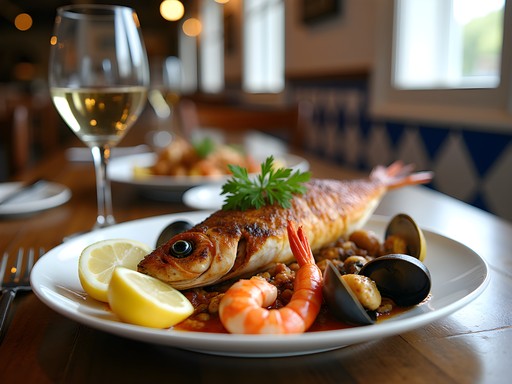
Great post! Any good food spots near the heritage park?
Jennifer Thomas
Try the Portuguese restaurants downtown - amazing seafood and history connected to the immigrant mill workers!
freeninja
OMG this is perfect timing! I'm a textile design student and just started researching American textile history for my final project. Fall River is now officially on my must-visit list! Those photos of the old looms are AMAZING! 😍
luckyvibes
If you're into textiles, you should also check out Lowell National Historical Park. Similar vibes but different stories!
freeninja
Thanks for the tip! Adding that to my research trip too!
Frank Garcia
Jennifer, this post really captures the industrial spirit of Fall River! When I backpacked through Massachusetts last year, I was amazed by how many of these mill buildings have been repurposed into apartments, studios, and shops. For anyone visiting, I highly recommend bringing a good camera with a wide-angle lens to capture the massive scale of these structures. The morning light hitting the red brick creates stunning photo opportunities, especially along the waterfront. I carried my travel tripod which was perfect for low-light interior shots of the remaining machinery in some of the museums.
moonpro3171
Any specific buildings you'd recommend photographing? Planning a trip there next month.
Frank Garcia
Definitely check out Granite Block and the Border City Mill if you can. The light through those huge windows is photographer's gold around 9-10am!
freewanderer
Never considered Fall River as a destination before. Might check it out now!
Douglas Bradley
Fascinating piece on Fall River's industrial heritage! I visited last year while researching America's textile history for my own blog. What struck me most was how the architecture of these mill buildings tells such a powerful story about labor conditions and technological innovation. The Quequechan River's role in powering these mills is often overlooked in broader industrial revolution narratives. Did you get a chance to visit the Lizzie Borden House while there? It offers an interesting, albeit macabre, glimpse into the social dynamics of mill-owner families during that era.
Jennifer Thomas
Thanks Douglas! I did visit the Lizzie Borden House - fascinating connection to the textile wealth of the era. I might cover that in a follow-up post about the social history of Fall River.
luckyvibes
Great post! I'm planning a New England road trip next spring. How much time would you recommend spending in Fall River to really appreciate the textile history?
Jennifer Thomas
I'd recommend at least a full day to explore the major sites! Two days if you want to really dive deep into the museums and mill buildings. The Heritage State Park alone deserves a few hours.
luckyvibes
Thanks Jennifer! Adding it to my itinerary now. Appreciate the advice!
happyvibes
Never thought about Fall River as a destination but this looks really interesting!
oceanstar
Just visited Fall River last weekend after reading your post! The Heritage State Park was exactly as you described - such a perfect spot to understand how the river powered the whole industry. We stayed in one of the converted mill buildings that's now a hotel and it was such a unique experience. The high ceilings and original wooden beams were incredible!
dreamnomad
is parking easy to find?
photofan3606
not the author but i was there last month, theres free parking at the state park lot
dreamnomad
awesome ty
photofan3606
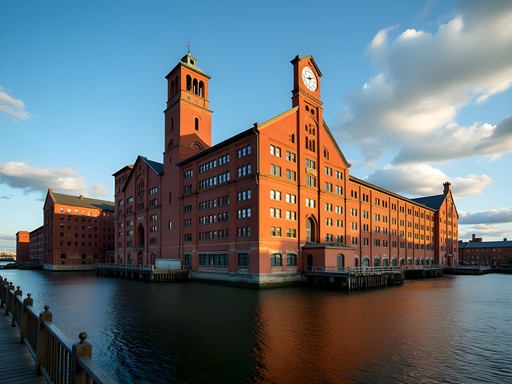
The shot of the mill building with the sunset reflection is gorgeous! What time of day did you shoot that? I'm heading there in a few weeks and would love to capture something similar.
Jennifer Thomas
Thanks! That was around 6:30pm in early August. Golden hour is perfect there. The waterfront park has great vantage points.
Venture X
Premium card with 2X miles, $300 travel credit, Priority Pass