


Disclosure: This article contains affiliate links. We may earn a commission from purchases at no extra cost to you, which helps our travel content.
As a preservation student with a perpetually dwindling bank account, I've become something of an expert at uncovering historical treasures that don't come with tourist-trap price tags. Edinburgh—with its imposing castle and Royal Mile—certainly knows how to flaunt its A-list attractions. But it's the city's overlooked corners that truly captured my heart during my recent summer weekend escape from thesis writing. Pack your comfortable shoes and prepare to wander through centuries of fascinating stories that most visitors miss entirely.

Beyond the Royal Mile: Edinburgh's Forgotten Corners
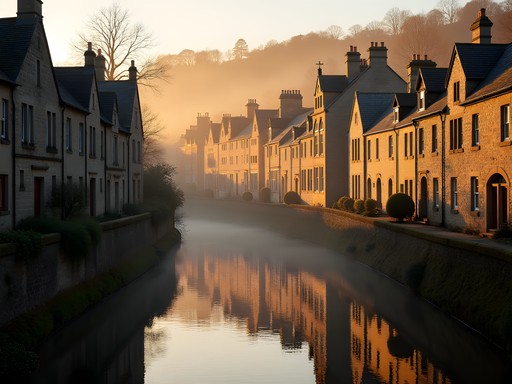
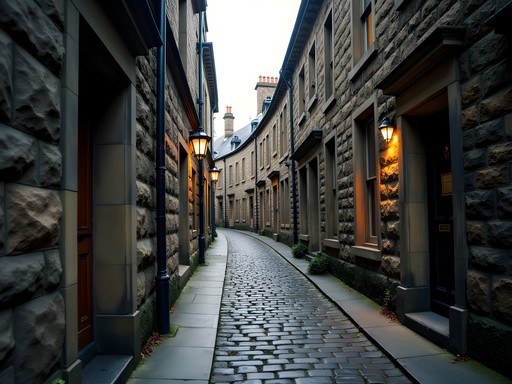
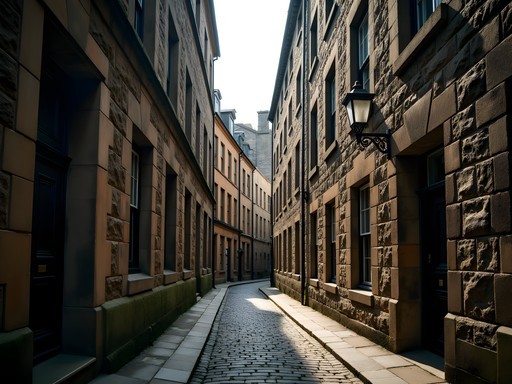
While hordes of visitors shuffle along the Royal Mile, I found myself drawn to the atmospheric Dean Village, just a 15-minute walk from Princes Street. This former grain milling settlement feels frozen in time, with its 19th-century buildings hugging the Water of Leith. The carved stone plaques featuring bread and pies above doorways reveal the area's industrial past—subtle details I'd have missed without my trusty travel binoculars that I use to spot architectural details.
Nearby, Stockbridge offers another glimpse into Edinburgh's past with its village-like atmosphere. The Stockbridge Market on Sundays became my weekend ritual, where I'd pick up local cheeses and handcrafted goods for picnics. Don't miss St. Bernard's Well, a neoclassical temple built in 1789 over a natural spring once thought to have healing properties. The ornate pump room opens occasionally to visitors—I lucked into an open day purely by chance, so check local listings if you're keen to peek inside.

💡 Pro Tips
- Visit Dean Village early morning for the best light and fewest tourists
- The Water of Leith Walkway connects many hidden historical sites—wear comfortable shoes
- Look for miller's marks and symbols carved into Dean Village buildings
Architectural Time Capsules: Edinburgh's Overlooked Buildings
My academic background in historical preservation made me particularly susceptible to Edinburgh's architectural charms beyond the obvious landmarks. The Magdalen Chapel on Cowgate, dating from 1541, houses Scotland's only surviving pre-Reformation stained glass—a detail that sent my preservation-loving heart into palpitations. The volunteer-run space sees maybe a dozen visitors on busy days, meaning you can often have this medieval gem entirely to yourself.
For those with even a passing interest in architectural history, Riddle's Court off the Royal Mile deserves your attention. This 16th-century merchant's house has been painstakingly restored, revealing painted ceilings that had been hidden for centuries. I spent nearly two hours examining the different historical periods represented in this single building, all meticulously documented in my travel journal that's become my constant companion for recording architectural details.
Perhaps my favorite discovery was Gladstone's Land on the upper Royal Mile—a 17th-century tenement showing how Edinburgh's residents lived through the centuries. The painted ceiling in the main chamber features incredibly preserved tempera work from the 1620s. Most tourists walk right past its modest entrance, making it a peaceful retreat from Edinburgh's summer crowds.

💡 Pro Tips
- Visit Magdalen Chapel on Thursdays when volunteer guides often provide impromptu tours
- Riddle's Court sometimes hosts evening lectures on historical topics—check their website
- Gladstone's Land offers excellent audio guides included in the admission price
Underground Edinburgh: Beneath the Surface
My fascination with Edinburgh's layered history led me inevitably underground. While Mary King's Close is well-known, the lesser-visited Real Mary King's Close offers a more authentic experience without the theatrical embellishments. These preserved 17th-century streets were built over rather than demolished, creating a time capsule beneath the Royal Exchange.
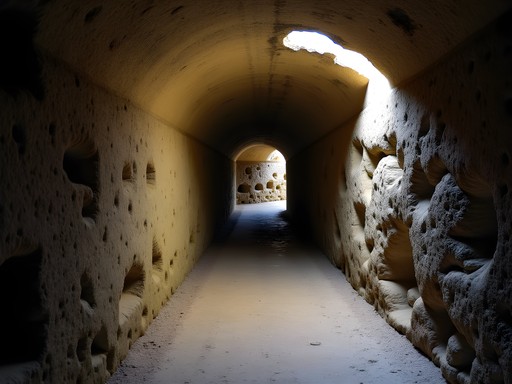
For a truly off-the-beaten-path experience, I joined a tour of the Blair Street Underground Vaults—chambers built within the arches of South Bridge in the late 1700s. Once housing taverns and workshops before becoming slum housing, these spaces tell a darker story of Edinburgh's past. I captured the eerie atmosphere with my low light camera, which has become indispensable for documenting dimly lit historical sites during my studies.
The Gilmerton Cove remains Edinburgh's most perplexing underground site—a series of hand-carved chambers and passages beneath a suburban street. Theories about its origins range from a drinking den to a Covenanters' refuge to a secret druid temple. Whatever the truth, the site sees few visitors despite being just a short bus ride from the city center. Book ahead through their website, as tours are limited to small groups and often sell out during summer months.

💡 Pro Tips
- Book underground tours in advance—they limit group sizes and sell out quickly
- Bring a light jacket even in summer—underground sites maintain constant cool temperatures
- The Blair Street Vaults tour is less crowded in the morning compared to evening ghost tours

Green Historical Havens: Edinburgh's Hidden Gardens
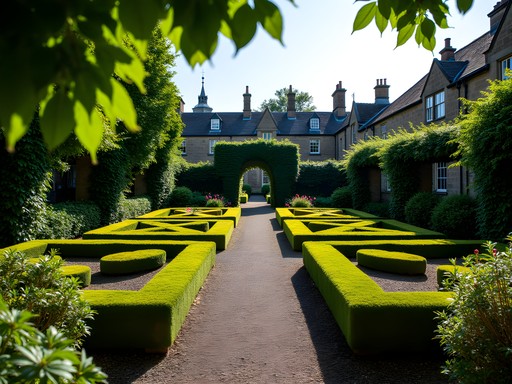
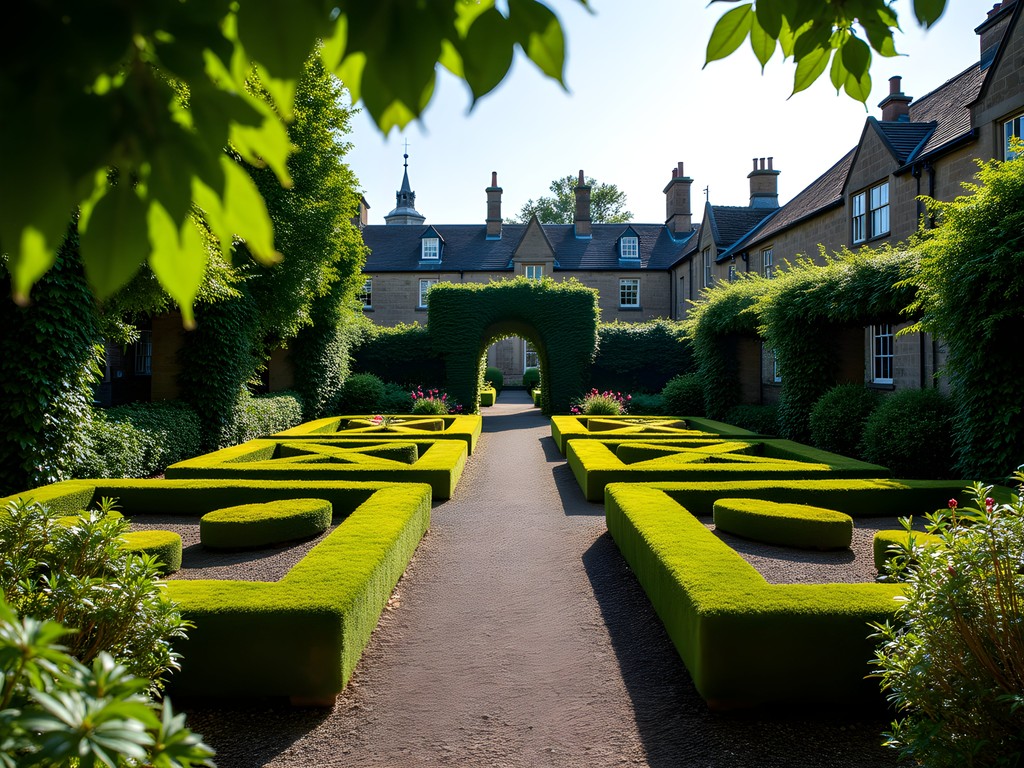
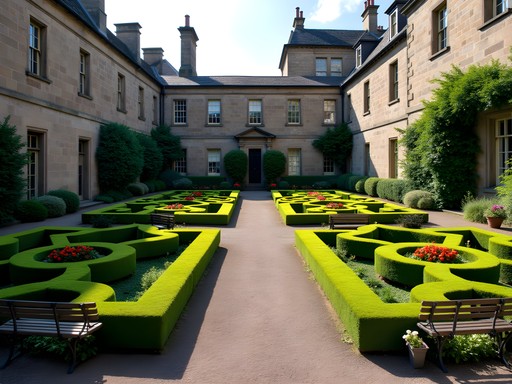
Escaping both the tourist crowds and my student budget constraints, I discovered Edinburgh's historical green spaces offer free respite with fascinating backstories. Dunbar's Close Garden remains my favorite secret spot—a meticulously recreated 17th-century formal garden hidden just steps from the bustling Royal Mile. Created in the 1970s based on period designs, this peaceful haven transports visitors back to how wealthy Edinburgh residents would have experienced formal gardens four centuries ago.
For a more melancholy historical experience, the atmospheric Greyfriars Kirkyard offers more than just the famous Greyfriars Bobby story. I spent an afternoon with my guidebook identifying the elaborate symbolism on the 17th-century gravestones—hourglasses, skulls, and winged souls that reveal changing attitudes toward mortality. The less-visited section behind the church contains the Covenanters' Prison, where religious dissenters were held in horrific conditions in the 1670s.
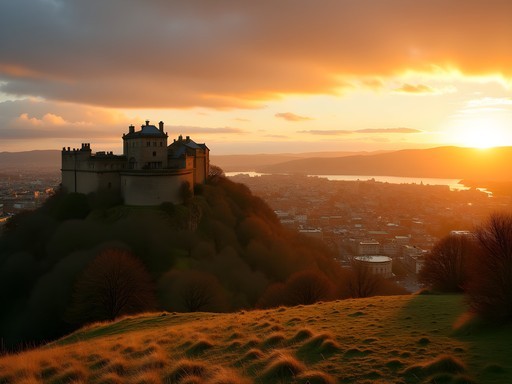
Dr. Neil's Garden in Duddingston Village might be my most precious discovery—a tranquil lakeside garden created by two local doctors in the 1960s beside a 12th-century church. The garden incorporates ruins and historical elements while offering stunning views across Duddingston Loch to Arthur's Seat. I ended up extending my visit to sketch some of the architectural details, grateful for the travel sketching kit I'd packed on a whim.
💡 Pro Tips
- Visit Dunbar's Close Garden with coffee from nearby Café Truva for a peaceful morning moment
- The northeastern corner of Greyfriars Kirkyard has the most interesting historical monuments
- Combine Dr. Neil's Garden with a walk up Arthur's Seat for spectacular city views
Time-Traveling Through Edinburgh's Quirky Museums
Edinburgh's overlooked museums became my refuge during occasional summer showers. The People's Story Museum on the Royal Mile examines ordinary Edinburgh residents' lives from the 18th century to the late 20th century. Housed in the 16th-century Canongate Tolbooth, the building itself is as historically significant as the exhibits inside. I was particularly moved by the recreated living quarters showing how working-class families lived in different eras.
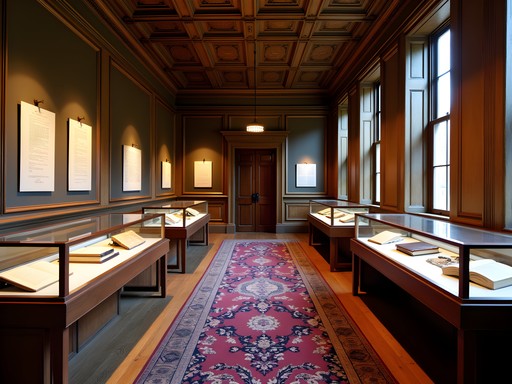
The Writers' Museum celebrates the lives of Robert Burns, Sir Walter Scott, and Robert Louis Stevenson in an atmospheric 17th-century house. What fascinated me most were the personal artifacts—Burns' writing desk, Scott's childhood rocking horse, and Stevenson's fishing rod. As someone who documents my travels religiously in my travel notebook, seeing these literary giants' writing implements felt surprisingly emotional.
The Museum of Edinburgh often gets overlooked despite being housed in one of the oldest buildings on the Royal Mile. Its eclectic collection includes the original National Covenant of 1638 and the collar and bowl of Greyfriars Bobby. The building's warren of rooms with uneven floors and unexpected staircases makes exploration feel like discovering history rather than merely observing it.
Perhaps the most overlooked museum is Trinity House Maritime Museum in Leith—a Georgian building filled with shipping artifacts and portraits. As someone who grew up near Quebec City's port, I found unexpected connections between these two historic maritime cities while examining navigation instruments that would have guided ships between our respective homelands centuries ago.

💡 Pro Tips
- All city museums in Edinburgh offer free entry, though donations are appreciated
- The Writers' Museum often hosts readings and literary events—check their schedule
- Trinity House Maritime Museum is only open limited days—check before visiting
Final Thoughts
Edinburgh revealed itself to me not through its postcard attractions but through these overlooked corners where history breathes quietly away from the crowds. As a preservation student on a budget, I found that the city's most authentic experiences often came with the smallest price tags—many sites I've shared are free or under £5. The layered history of this city rewards those willing to venture beyond the obvious, much like the preservation work I'm studying demands looking beneath surface appearances to find deeper stories. My weekend exploration barely scratched Edinburgh's historical surface, and I'm already planning a return visit to continue uncovering the city's overlooked treasures. Whether you're a fellow history enthusiast or simply a curious traveler, I hope these 12 sites inspire you to see beyond Edinburgh's famous façade and discover your own hidden historical gems in this remarkable city. As we say in preservation circles: sometimes the most valuable historical treasures are hiding in plain sight—you just need to know where to look.
✨ Key Takeaways
- Edinburgh's most authentic historical experiences often lie beyond the famous Royal Mile attractions
- Many overlooked historical sites are free or budget-friendly, perfect for an affordable weekend trip
- Summer visits allow for exploring both indoor museums and outdoor historical gardens
📋 Practical Information
Best Time to Visit
Late spring through early autumn (May-September)
Budget Estimate
£150-£250 for a weekend (excluding accommodation)
Recommended Duration
2-3 days minimum
Difficulty Level
Easy

Comments
Jean Wells
Excellent research, Chase. I visited Edinburgh three times before discovering some of these locations myself. Your point about the architectural time capsules resonates—I found that visiting during off-season (November-February) allows for much more contemplative exploration of these sites without the summer crowds. The underground sections you mention are particularly atmospheric in winter, though I'd recommend bringing layers. Have you explored the Water of Leith walkway? It connects several of these hidden spots and offers a completely different perspective of the city's industrial heritage.
Chase Johansson
Jean, yes! The Water of Leith is incredible. I walked portions of it but didn't include it in this post since I'm planning a separate piece on Edinburgh's waterways. Winter visits are definitely underrated—you're so right about the atmosphere.
oceanpro
This is awesome! Which of the hidden gardens would you say is the most accessible? Planning a trip in April and want to hit some of these spots.
Chase Johansson
April's a great time! The Dunbar's Close Garden is super easy to find (right off the Royal Mile) and really peaceful. Plus it's free which is always a win for the budget!
oceanpro
Perfect, thanks!
smartblogger1684
Thanks for sharing this!
Sophia Gomez
Love this perspective, Chase! I was in Edinburgh for a conference last fall and managed to squeeze in Dean Village during a lunch break—it felt like stepping into another century. Your point about these places being where "history breathes quietly" really captures it. I've found that some of my best travel memories come from these unplanned, overlooked spots rather than the must-see lists. The Stockbridge area you mentioned is also fantastic for cafes if anyone needs a coffee break between historical exploring. My walking shoes got a serious workout that day but so worth it for the cobblestones!
wavetime
Really appreciate this post! I'm a student too and always looking for budget options. Did you find the public transport easy to use getting to these spots? Also wondering if any of them have student discounts?
Chase Johansson
Yes! Edinburgh buses are super easy once you figure out the system. Most of these are walkable from the city center though. And yes, bring your student ID—several museums offer discounts!
coolstar4527
are these places open year round? planning a winter trip
wavetime
not the original poster but i went in february last year and most stuff was open! just check hours cause some close early in winter
globewanderer
THIS IS EXACTLY WHAT I NEEDED!! Going to Edinburgh in April and so tired of the same old castle recommendations. Your photos are gorgeous btw!
Jean Wells
Excellent research, Chase. I visited Edinburgh in 2023 and completely missed most of these locations, focusing instead on the obvious tourist circuit. Your point about Dean Village particularly resonates—I walked right past it without realizing what I was missing. The economic analysis of budget-friendly historical tourism is spot-on. For solo travelers especially, these quieter sites offer more contemplative experiences than the crowded Royal Mile. I'm curious about accessibility at the underground sites you mentioned. Did you encounter any challenges navigating those spaces?
Chase Johansson
Thanks Jean! Some of the underground vaults do have narrow staircases, so accessibility varies. The main streets and gardens are all pretty accessible though. Definitely worth checking specific venues ahead if that's a concern.
staradventurer
which of these places would you say is the most worth visiting if you only have time for like 2 or 3?
Chase Johansson
Definitely the Surgeons' Hall Museums and Dean Village! Both are totally different vibes but equally amazing. The gardens are also free which is a bonus.
staradventurer
awesome thanks!!
skyzone
Just showed this to my husband and now he wants to go back to Edinburgh! What have you done Chase? 😂
Venture X
Premium card with 2X miles, $300 travel credit, Priority Pass