


Disclosure: This article contains affiliate links. We may earn a commission from purchases at no extra cost to you, which helps our travel content.
When most people think of New Hampshire, they picture the White Mountains or Portsmouth's colonial charm. But tucked in the southern part of the state, Derry offers something different: an intimate weekend immersion into layered American history, from colonial settlements to the quiet farm where Robert Frost wrote some of his most celebrated poems. As someone who studies how materials and architecture tell cultural stories, I found Derry's preserved structures and landscapes unexpectedly compelling—each building a testament to different eras of American craftsmanship.

The Robert Frost Farm: Where Poetry Met Practicality
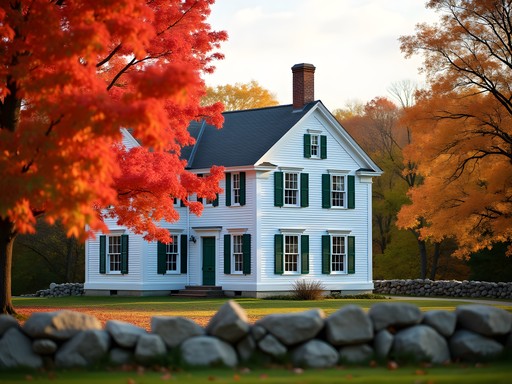
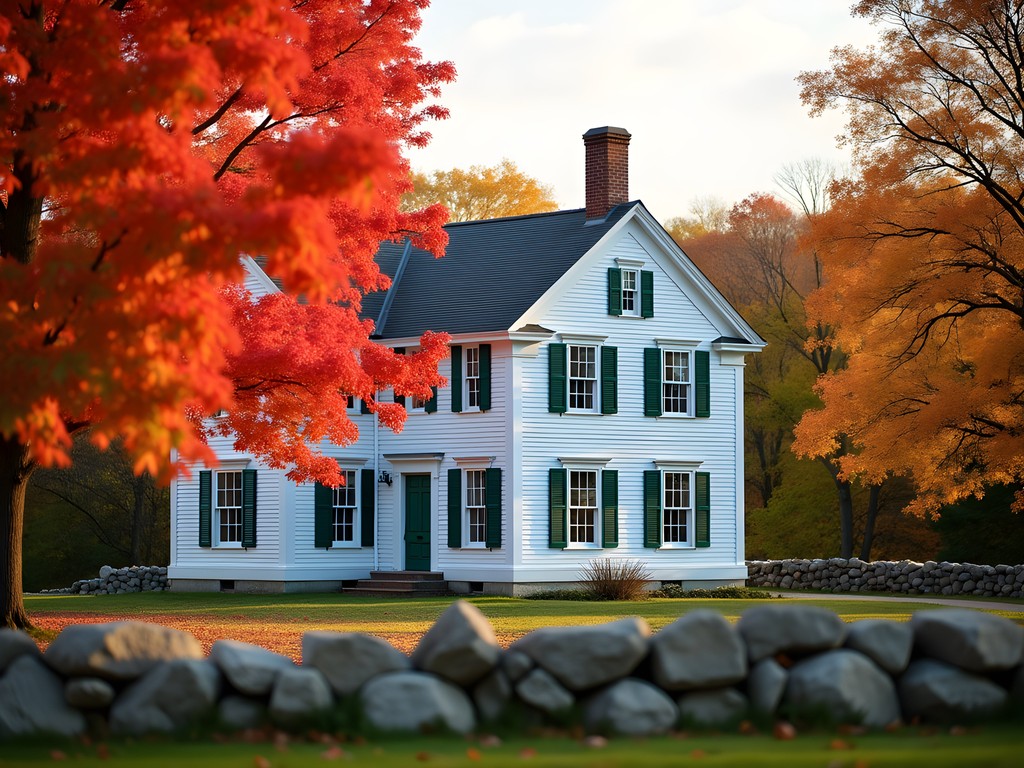
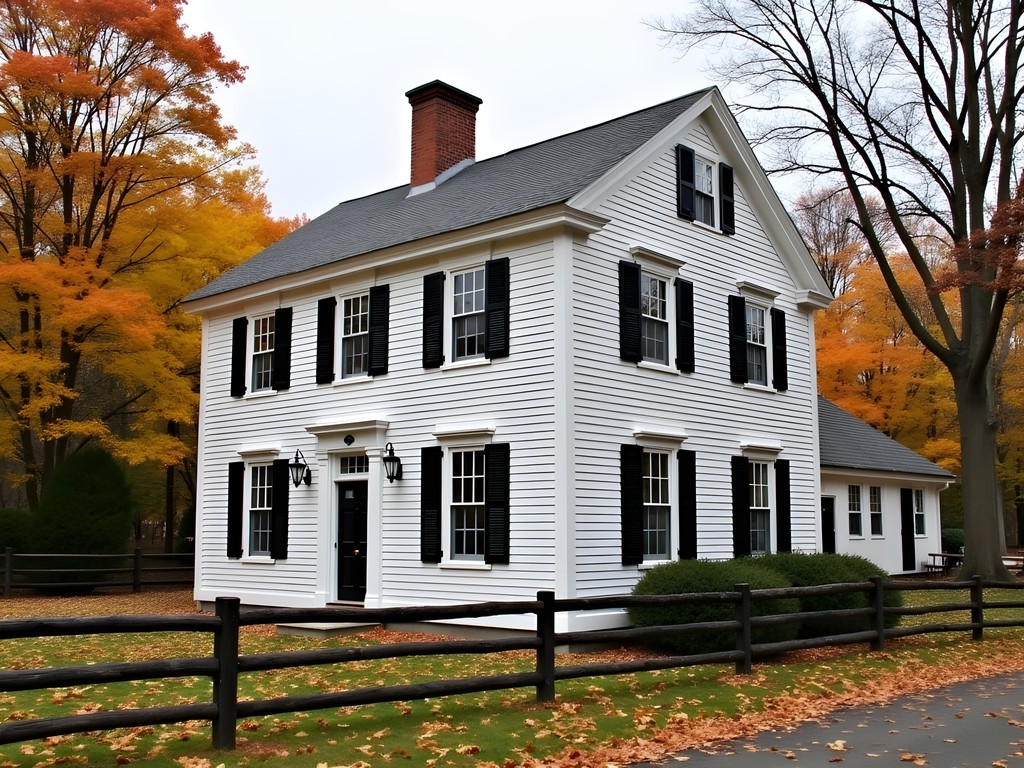
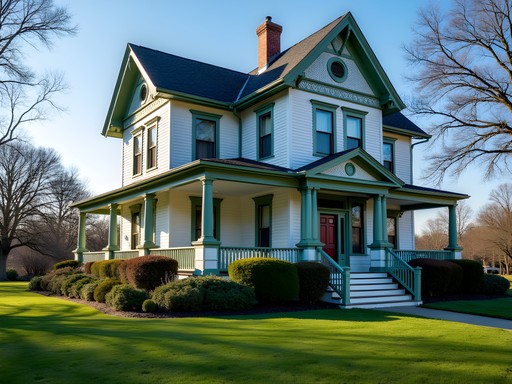
The Robert Frost Farm isn't just a literary landmark—it's a masterclass in early 20th-century rural New England construction. From 1900 to 1911, Frost lived here with his family, writing poems that would define American literature while struggling with the practical realities of farming. What struck me immediately was the honest simplicity of the structure: balloon-frame construction with clapboard siding, typical of the period but meticulously maintained.
The docents offer guided tours that reveal how the physical space influenced Frost's work. Standing in the small study where he wrote Mending Wall and The Road Not Taken, you can understand how isolation and landscape shaped his perspective. The property's stone walls—hand-stacked fieldstone cleared from agricultural land—demonstrate the labor-intensive process of New England farming that Frost both romanticized and struggled against.
Fall visits are particularly magical when the maples surrounding the property turn crimson and gold. I recommend bringing a poetry collection to read passages in the actual locations they describe—it creates an unexpectedly powerful connection to the work.
💡 Pro Tips
- Book guided tours in advance during fall foliage season (late September through October) as they fill quickly
- The property hosts poetry readings and educational programs—check their calendar for special events during your visit
- Wear sturdy shoes for walking the trails around the property; the paths can be uneven and muddy after rain
Colonial Architecture Along East Derry Road
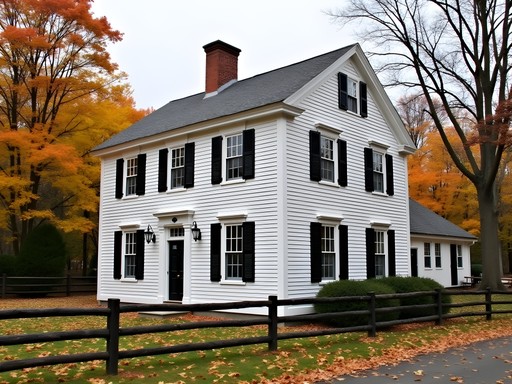
Derry's colonial heritage reveals itself most clearly along East Derry Road, where several 18th-century structures still stand. The town was originally part of a land grant to Scottish-Irish settlers in 1719, and their building traditions—adapted to New England's harsh climate—created a distinctive architectural vocabulary.
The Matthew Thornton House (circa 1740) exemplifies Georgian colonial design with its central chimney mass, five-bay facade, and hand-hewn timber frame joinery. As a materials engineer, I'm fascinated by how these builders solved thermal efficiency problems without modern insulation: massive central chimneys that distributed heat, small windows to minimize heat loss, and thick plaster walls over hand-split lath. The craftsmanship in the exposed timber framing—mortise and tenon joints secured with wooden pegs—represents skills passed down through generations.
Many of these homes remain private residences, but the Derry Heritage Commission offers seasonal walking tours that provide access and historical context. The tour guides are knowledgeable locals who share stories about the families who built and occupied these structures, adding human dimension to the architectural analysis.
💡 Pro Tips
- Download the Derry Heritage Commission's self-guided walking tour map from their website for exploring at your own pace
- Bring a field guide to identify architectural elements and construction periods
- Respect private property—many historic homes are still occupied, so photograph from public streets only
The Tsienneto Legend and Native American Heritage
Before European settlement, this area was Pennacook territory, and local legends persist about Tsienneto, a Native American woman whose story intertwines with Derry's colonial founding. According to oral histories, Tsienneto helped early settlers survive harsh winters by teaching them which plants were edible and how to prepare foods for preservation—knowledge that proved essential for the colony's survival.
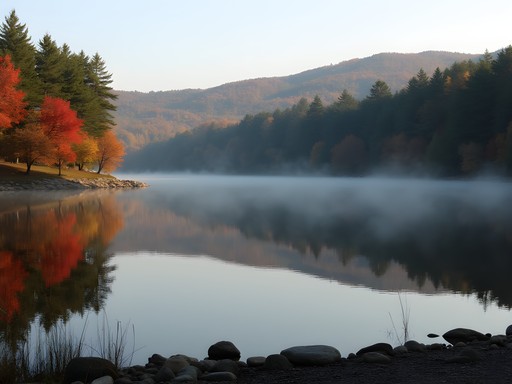
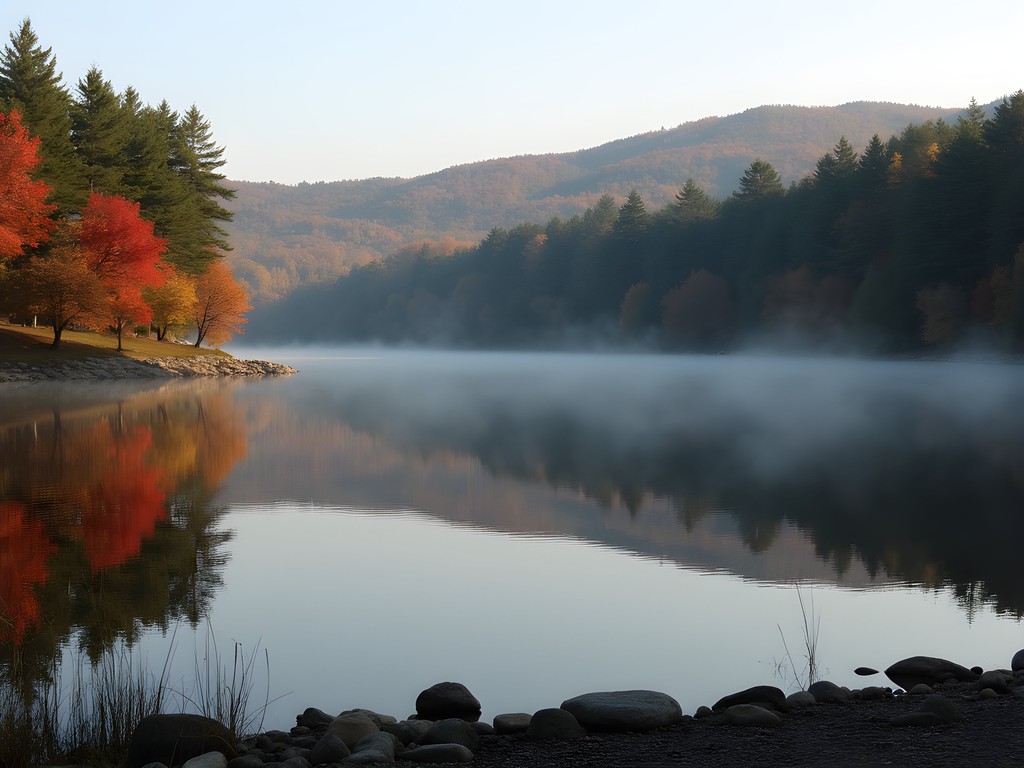
While physical evidence of pre-colonial occupation is limited in the town center, the nearby Beaver Lake area shows traces of seasonal camps. The stone arrangements and fire pits, though not formally preserved, represent an earlier layer of human habitation. This juxtaposition of indigenous and colonial histories creates a more complete—if complicated—narrative about the region's development.
The Derry Public Library maintains an excellent local history collection with primary sources and archaeological surveys documenting Native American presence in the area. For couples interested in deeper historical understanding, spending an hour with these materials provides valuable context for interpreting the landscape.
💡 Pro Tips
- Visit the Derry Public Library's local history room (open weekday mornings) for archival materials and historical maps
- The nearby Beaver Lake trail offers a peaceful walk where you can contemplate the area's pre-colonial landscape
- Bring a audio recorder if you're documenting oral histories or tour guide narratives—the quality is excellent for later reference

MacGregor Park and the Town's Industrial Heritage
Derry's 19th-century transformation from agricultural community to industrial center left physical marks still visible today. MacGregor Park, a surprisingly lovely green space in the town center, was once the site of shoe manufacturing facilities that employed hundreds of workers. The brick foundations and remnant water channels hint at the infrastructure that powered these operations.
What I find compelling here is the material transition: from hand-hewn timber frame construction of the colonial period to mass-produced brick and later concrete structures of the industrial era. The park's interpretive signs explain how Derry's shoe industry connected to larger economic patterns—Boston's growing population needed footwear, and Derry's proximity to transportation routes made it an ideal manufacturing location.
The park itself is perfect for couples seeking a quiet afternoon break. Bring a picnic blanket and some local cheese and bread from nearby Harvest Market for an impromptu lunch. The mature trees provide excellent shade, and the small pond attracts waterfowl that add peaceful ambiance.

💡 Pro Tips
- MacGregor Park hosts a seasonal farmers market on Saturday mornings—perfect for gathering picnic supplies
- The park's walking paths connect to the rail trail system, allowing you to extend your exploration
- Look for the historical marker near the pond that explains the water power system used by early industries
Practical Weekend Itinerary for Couples
A well-paced Derry weekend allows time for historical exploration without feeling rushed. Start Saturday morning at the Robert Frost Farm when the light is best for photography and the property feels most atmospheric. Spend 2-3 hours here, including time to walk the trails.
After lunch at one of Derry's downtown cafes, take the self-guided colonial architecture walk along East Derry Road. This requires about 90 minutes at a leisurely pace. Late afternoon, visit the Derry Public Library's history room to deepen your understanding of the area's layered past.
Sunday morning, explore MacGregor Park and the rail trail system. The trails are relatively flat and easy, perfect for couples of any fitness level. Pack a insulated food container with hot soup or coffee—fall mornings can be crisp, and having something warm enhances the experience.
For accommodations, I recommend staying at one of the nearby bed and breakfasts rather than chain hotels. The Stepping Stones Inn offers rooms in a restored Victorian with period details that complement your historical exploration. The hosts are knowledgeable about local history and can suggest additional sites based on your interests.

💡 Pro Tips
- Many historical sites have limited hours—call ahead to confirm schedules, especially during shoulder season
- Download offline maps before your visit; cell service can be spotty in rural areas around historical sites
- Bring layers and a packable rain jacket—New Hampshire fall weather changes quickly
Final Thoughts
Derry surprised me with its quiet depth. Unlike New England's more famous historical destinations, this small town doesn't shout for attention—it rewards curiosity and careful observation. The colonial structures reveal construction techniques adapted to local conditions, Frost's farm demonstrates how environment shapes creative work, and the layered histories of Native American, colonial, and industrial periods create a complex narrative about American development.
For couples seeking an affordable weekend that combines outdoor activity with intellectual engagement, Derry delivers without the crowds or premium pricing of better-known destinations. You'll return home with not just photographs, but a deeper understanding of how ordinary places contain extraordinary stories—if you know how to read the materials, structures, and landscapes that preserve them.
Start planning your visit for late September or early October when the fall colors peak and the weather remains comfortable for outdoor exploration. Book your Robert Frost Farm tour now, pack your curiosity along with your hiking boots, and prepare to see how much history a small New Hampshire town can hold.
✨ Key Takeaways
- Derry offers an intimate, uncrowded alternative to New Hampshire's more famous historical destinations, perfect for couples seeking authentic exploration
- The town's layered history—from Native American heritage through colonial settlement to industrial development—provides multiple perspectives on American development
- Fall visits (late September through October) combine peak foliage with comfortable weather for walking tours and outdoor historical sites
📋 Practical Information
Best Time to Visit
Late September through mid-October for peak fall foliage; spring (May-June) offers pleasant weather with fewer visitors
Budget Estimate
$300-500 for couples (includes lodging, meals, admission fees, and local transportation for a weekend)
Recommended Duration
2-3 days for thorough exploration of historical sites with time for leisurely walks and reflection
Difficulty Level
Easy


Comments
happylife4946
Did you learn more about the Tsienneto legend? That's the part that really intrigued me from your post. I'm always interested in indigenous history but it seems like it gets overlooked in a lot of New England tourism.
Ana Tanaka
Agreed, it's often overlooked. The local historical society has some resources, but I wish there was more interpretation at the actual sites. The legend involves a Native American chief and has deep roots in the area's pre-colonial history.
backpackadventurer
Adding this to my list!
coffeepro5128
are there good places to eat nearby? or should i pack lunch?
hikingguy
Not OP but I live about 20 mins from Derry. There's a cute downtown area with a few cafes and restaurants. Nothing fancy but decent options. The area around the farm itself is pretty rural though.
Amit Sullivan
Ana, this brought back memories! I visited the Frost Farm about fifteen years ago during a New England autumn tour. What struck me most was standing in that very farmhouse where he wrote 'Mending Wall' and 'The Road Not Taken.' There's something profound about being in the physical space where such iconic American poetry was born. The guide told us Frost actually struggled terribly with farming—he was quite bad at it, really—which makes the agricultural metaphors in his work all the more interesting. The man literally lived the tension between practical life and artistic calling. Have you explored any of the walking trails on the property? They've marked several with lines from his poems.
Ana Tanaka
Yes! The poetry trail was wonderful. That detail about him being a terrible farmer made me laugh—the guide mentioned the same thing. There's something very human about that struggle.
photolife
This looks amazing! How much time should I plan for the Frost Farm? And is it open year-round? Planning a New England trip in spring and this would be perfect to add.
Ana Tanaka
The Frost Farm tour takes about 45 minutes to an hour. They're typically open May through October, so spring timing should work! I'd recommend calling ahead to confirm hours.
photolife
Perfect, thank you!!
hikingwalker
Never thought about stopping in Derry. Looks cool!
luckyseeker
LOVE THIS POST!! I grew up in NH and Derry is so underrated. Everyone rushes to Portsmouth or the Lakes Region but misses gems like this. The Tsienneto legend is fascinating - I remember learning about it in school. If you're into colonial history, the area around East Derry has some incredible old homes that are still privately owned. Also, pro tip: visit in October when the leaves change. The drive along Route 28 through town is absolutely stunning and way less crowded than the Kancamagus Highway!
journeybackpacker
October sounds perfect, thanks for the tip!
journeybackpacker
Never heard of this place but definitely adding it to my list!
Haley Hamilton
Ana, I love that you highlighted Derry! I stopped there a few years ago on a road trip and totally fell for the Frost Farm. There's something magical about standing in the same rooms where he wrote 'Mending Wall.' I also stumbled upon the Old Burying Ground on East Derry Road - the headstones date back to the 1700s and it's this peaceful little spot that most people miss. The whole town has this quiet, contemplative energy that's perfect for writers and history nerds like us. Did you get a chance to check out any of the old mills near MacGregor Park?
Ana Tanaka
Yes! The mill remnants are so atmospheric. I wish I'd had more time to explore the Old Burying Ground - adding it to my list for next visit!
wanderlustwalker
This looks amazing! I'm planning a New England trip in March - is the Frost Farm open that early in the season? Also wondering if there are good places to eat nearby?
Ana Tanaka
Hey! The Frost Farm typically opens in May, but you can still walk the grounds. For food, definitely try Backyard Brewery on West Broadway - great local spot with solid pub fare!
wanderlustwalker
Perfect, thanks so much!
Venture X
Premium card with 2X miles, $300 travel credit, Priority Pass