


Disclosure: This article contains affiliate links. We may earn a commission from purchases at no extra cost to you, which helps our travel content.
There's something almost sacred about standing where innovation has fundamentally altered human experience. As someone who typically seeks out ancient temples and weathered monasteries, I found an unexpected spiritual resonance in the hallowed halls of automotive history in Dearborn, Michigan. Here, the narrative of human ingenuity unfolds not through religious texts but through gleaming chrome, revolutionary assembly lines, and the vision of a man whose name became synonymous with American industrialization.

The Henry Ford Museum: A Sanctuary of Innovation
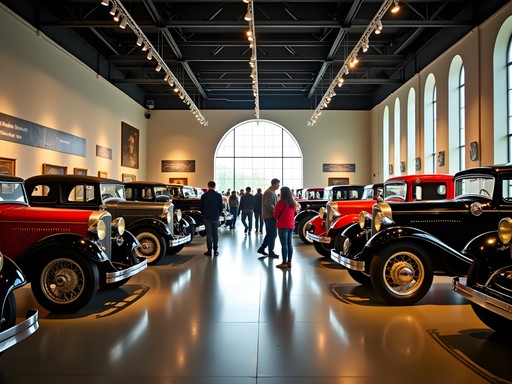
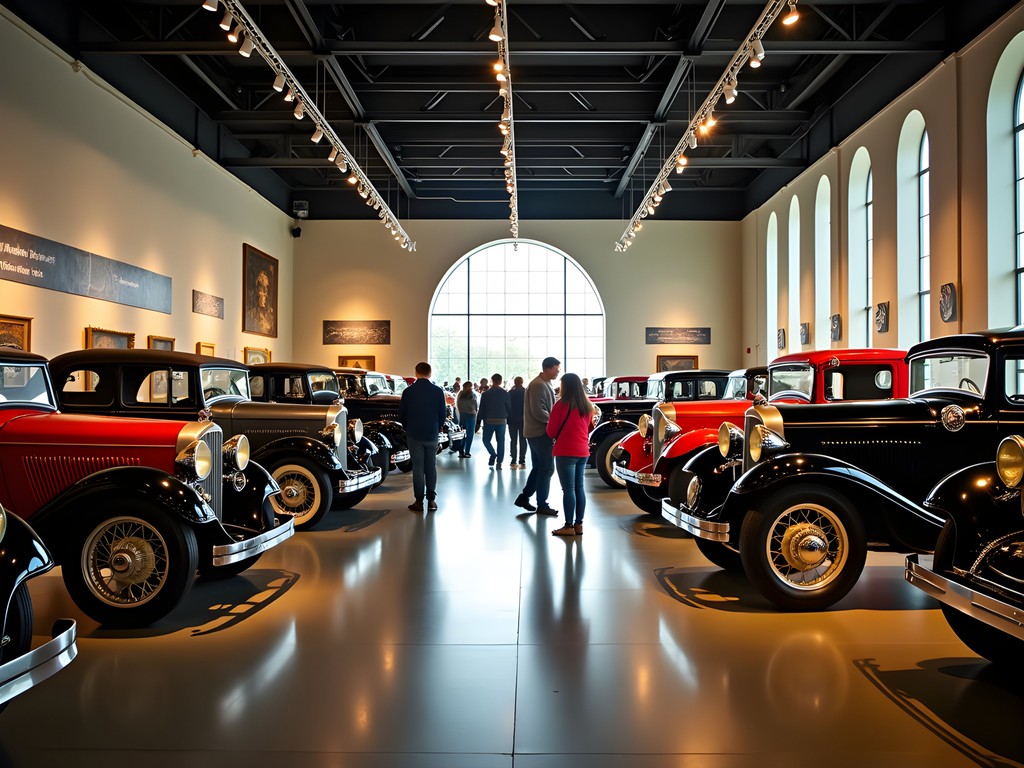
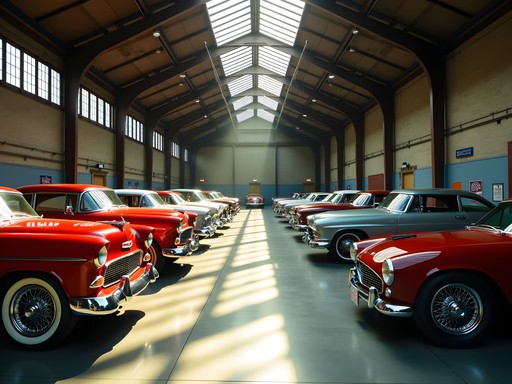
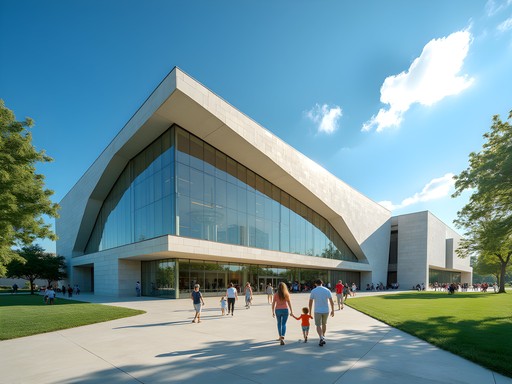
The Henry Ford Museum stands not merely as a collection of vehicles but as a testament to human perseverance and creative spirit. Walking through its expansive halls, I was struck by how the evolution of transportation parallels our own spiritual journeys—constantly seeking more efficient paths forward while honoring the wisdom of what came before.
The Rosa Parks bus sits in reverent silence, a humble chariot that carried a movement toward justice. I stood before it, contemplating how ordinary objects become vessels of extraordinary change—a concept familiar across spiritual traditions from the Buddha's begging bowl to the Christian chalice.
For families with younger children, I recommend bringing a interactive travel journal to help them document their observations and questions. The museum offers a perfect opportunity for children to connect history with present-day innovation.
As I moved through exhibits chronicling presidential limousines to agricultural implements, I found myself drawing parallels to the ancient trade routes I've traced through the Himalayas—both representing humanity's persistent drive to connect, exchange, and evolve.
💡 Pro Tips
- Visit early on weekdays to avoid crowds, allowing for more contemplative exploration
- The museum offers excellent guided tours, but also build in time for personal reflection
- The Driving America exhibit provides the most comprehensive overview of automotive history
Greenfield Village: Where Time Stands Still
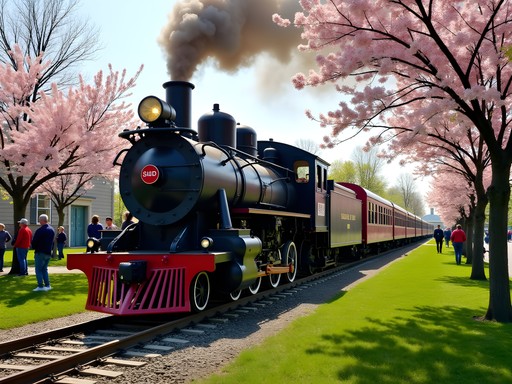
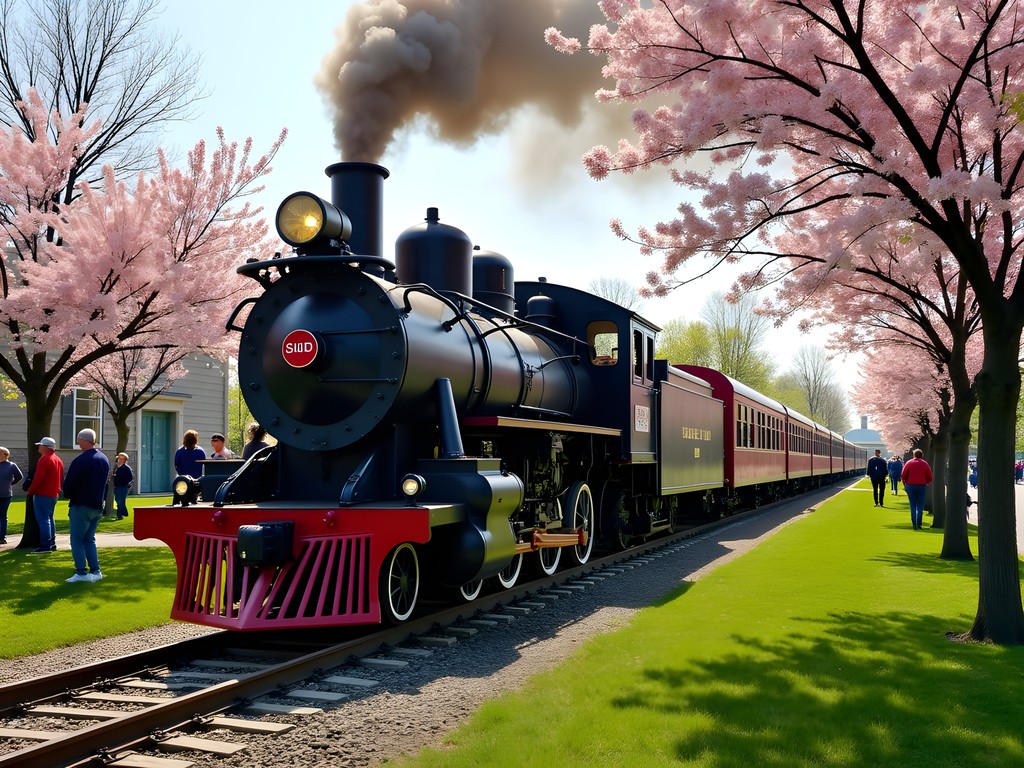
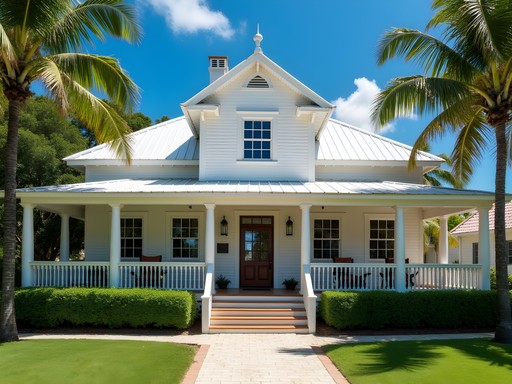
If the museum represents humanity's forward motion, then Greenfield Village embodies our need to remember and preserve. This 80-acre living history museum creates a meditative space where past and present converse across time. Walking its streets feels remarkably similar to my experiences in preserved villages in Kerala—both places where the rhythms of earlier life continue to pulse beneath modern existence.
The Thomas Edison laboratory complex particularly moved me. Standing where the light bulb was perfected, I couldn't help but think of the ancient metaphor of light as enlightenment across spiritual traditions. Edison's persistent experimentation mirrors the dedicated practice of spiritual seekers—thousands of attempts leading toward illumination.
For comfortable exploration of the expansive grounds, especially for families with children, I recommend bringing along a collapsible wagon. This practical tool saved our day when my friend's children grew tired halfway through our visit.
The authentic steam locomotive rides provide more than mere entertainment—they offer a visceral connection to a time when the journey itself was a significant undertaking, something I've often contemplated while tracing pilgrim routes in northern Scandinavia.
💡 Pro Tips
- Allow a full day for Greenfield Village—rushing through defeats its contemplative purpose
- The seasonal events (especially Holiday Nights in December) provide unique cultural insights
- Bring weather-appropriate attire as most experiences are outdoors
The Rouge Factory Tour: Industry as Ritual
Perhaps no experience in Dearborn better illustrates the sacred aspects of human endeavor than the Ford Rouge Factory Tour. Here, the assembly of F-150 trucks unfolds with choreographed precision that reminded me of elaborate temple rituals I've witnessed across traditions—each participant knowing their role in a greater purpose.
The factory's living roof—one of the world's largest—reveals Ford's evolving relationship with environmental stewardship. This integration of industrial progress with ecological consciousness speaks to the same balance I've sought in my travels to vulnerable tundra regions.
Before visiting, I prepared by reading The People's Tycoon, which provided invaluable context about Ford's complex legacy, including both his industrial brilliance and problematic personal views.
The walking tour involves considerable standing, so comfortable footwear is essential. I was grateful for my supportive walking shoes throughout the concrete-floored facility.
What struck me most was the sense of purpose evident in the workers' movements—the same focused intention I've observed in artisans crafting traditional textiles in remote Himalayan villages. Both represent human hands creating something greater than themselves, a form of meditation through meaningful work.

💡 Pro Tips
- Book the Rouge Factory Tour in advance as it frequently sells out
- Visit on weekdays to see the assembly line in full operation
- The observation deck provides the most comprehensive view of the assembly process

Culinary Heritage: Tasting Dearborn's Cultural Fusion
Dearborn offers more than automotive history—it's home to one of America's largest Arab American communities, creating a fascinating cultural confluence that resonates with my own mixed heritage. After immersing in Ford's industrial legacy by day, evenings present opportunities to explore this rich cultural dimension.
At Al Ameer Restaurant, traditional Lebanese dishes are served with a hospitality that reminded me of family meals in my mother's ancestral village in Kerala. The warm pita and house-made hummus create a communion around the table that transcends mere dining—it becomes a shared experience of cultural appreciation.
For families with dietary concerns or picky eaters, I recommend bringing allergen cards to help navigate menu options, especially in smaller ethnic establishments where English may be limited.
The juxtaposition of American industrial history with Middle Eastern cultural heritage creates a uniquely American tapestry—one where innovation and tradition, East and West, past and future coexist in harmony. This intersection of seemingly disparate elements mirrors my own interfaith work, finding common ground between traditions often perceived as separate.

💡 Pro Tips
- Al Ameer Restaurant offers an authentic taste of Lebanese cuisine with generous portions
- Shatila Bakery's baklava makes for a perfect souvenir to bring home
- The Arab American National Museum provides important context for understanding the community's contributions
Final Thoughts
As my weekend in Dearborn drew to a close, I found myself reflecting on how this unexpected pilgrimage to the birthplace of American automotive innovation had nourished my spirit. In the careful preservation of industrial heritage, I discovered the same reverence for human achievement that draws me to ancient temples and sacred sites across continents.
The Ford legacy in Dearborn isn't merely about cars and assembly lines—it's about human ingenuity, perseverance, and vision. It's about how one person's ideas can reshape civilization itself. In this sense, places like The Henry Ford Museum and Greenfield Village serve as contemporary temples to human potential.
For families seeking meaningful educational experiences, for history enthusiasts tracing America's industrial evolution, or for contemplative travelers like myself searching for deeper connections, Dearborn offers a uniquely American pilgrimage. I invite you to discover how the story of wheels, engines, and assembly lines intertwines with your own journey—and perhaps find unexpected sacred spaces among the gleaming chrome and historical exhibits of this Michigan industrial town.
✨ Key Takeaways
- Dearborn offers a profound exploration of American innovation through its world-class Ford heritage sites
- The experience transcends mere automotive history to touch on themes of human achievement and cultural preservation
- The city's dual heritage of industrial history and Arab American culture creates a uniquely enriching travel experience
📋 Practical Information
Best Time to Visit
Spring (April-June) or Fall (September-October)
Budget Estimate
$400-600 for a weekend (accommodations, admissions, meals)
Recommended Duration
2-3 days
Difficulty Level
Easy


Comments
backpackone
Going to Dearborn next month! Is the Rouge Factory suitable for kids? My 10-year-old is obsessed with how things are made.
bluenomad
Not the author but my nephew (9) LOVED the factory tour! They have these cool multimedia presentations before you see the actual assembly line. Just bring hearing protection for kids as it gets loud.
backpackone
That's perfect, thanks for the tip about hearing protection!
Nicole Russell
Amit! You captured the essence of Dearborn perfectly! I was there in January and the contrast between the industrial heritage and the vibrant Middle Eastern culture was fascinating. The Henry Ford Museum was INCREDIBLE - I spent hours just staring at the presidential limousines and the Rosa Parks bus. Such powerful artifacts! For anyone planning a visit, I'd recommend staying at The Henry Hotel if your budget allows - it's filled with automotive art and memorabilia that really enhances the whole experience. Can't wait to read your next adventure!
globevibes
The Rosa Parks bus sounds like such a powerful exhibit. Adding this to my must-see list!
bluenomad
I visited the Rouge Factory Tour last summer and was blown away. The way they've integrated sustainability into the plant with that living roof is impressive! One tip for anyone planning to go - book your factory tour tickets well in advance, they sell out quickly especially during peak season. I found the Ford Factory Tour guidebook really enhanced my experience as it gave historical context to what I was seeing.
backpackmate
Those photos of Greenfield Village look amazing! 😍
hikingadventurer
Great post! How much time would you recommend for the Henry Ford Museum? Is it doable in half a day or should I plan for longer? Also curious about food options - any specific Middle Eastern restaurants you'd recommend?
Amit Sullivan
I'd definitely recommend a full day for the Henry Ford Museum if you're interested in the exhibits. It's massive and there's so much to see! For food, Al Ameer was incredible - authentic Lebanese cuisine that won a James Beard award. Shatila Bakery for dessert is a must too!
hikingadventurer
Perfect, thanks for the tips! Adding those restaurants to my list.
Marco Flores
What a beautiful parallel between industrial heritage and spiritual pilgrimage, Amit! I visited the Rouge Factory last year and was equally moved. There's something almost hypnotic about watching those F-150s come together on the assembly line. The way you described it as a 'ritual' is spot on. Did you get a chance to visit the Arab American National Museum while you were there? It adds another fascinating layer to Dearborn's story that complements the Ford legacy beautifully.
Amit Sullivan
Thanks Marco! I did visit the Arab American National Museum - absolutely fascinating. I wish I'd had more time to explore that cultural dimension of Dearborn more deeply. The contrast between automotive history and the vibrant Middle Eastern community made for a really rich experience.
backpackone
The Arab American Museum is incredible! Don't miss it if you go!
globevibes
Never thought of Dearborn as a destination! Your post makes me want to check it out!
tripvibes
Really cool photos!
Nicole Russell
Amit, I LOVE that you connected the automotive history to your usual spiritual travel style! I did the Rouge Factory tour last summer and was completely blown away. The scale of it all is just incredible. Pro tip for anyone going: book the factory tour in advance because they do sell out, especially on weekends. Also, the Middle Eastern food scene in Dearborn is phenomenal - I ate at Al-Ameer and it was some of the best Lebanese food I've had outside of Beirut itself. Did you get a chance to explore that side of Dearborn's culture?
Amit Sullivan
Yes! I touched on it briefly in the culinary section but honestly could have written a whole separate post about the food. Al-Ameer was fantastic. The way Dearborn blends its automotive heritage with its vibrant Arab-American community is really special.
sunsetdiver
Never thought of Dearborn as a destination! How long did you spend at the Henry Ford Museum? Thinking of doing a day trip from Detroit.
Amit Sullivan
I spent about 4 hours there and still didn't see everything! If you want to do both the museum and Greenfield Village, I'd recommend a full weekend honestly. The museum alone could easily take 5-6 hours if you're really into it.
sunsetdiver
Good to know, thanks!
Venture X
Premium card with 2X miles, $300 travel credit, Priority Pass