

Disclosure: This article contains affiliate links. We may earn a commission from purchases at no extra cost to you, which helps our travel content.
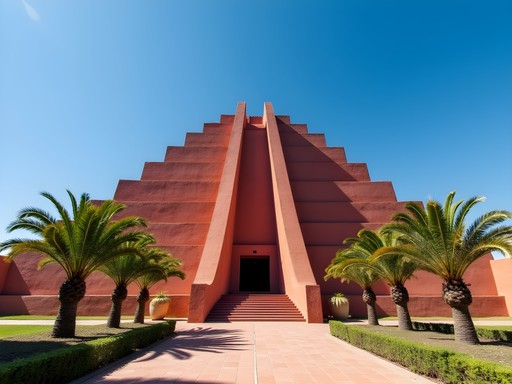
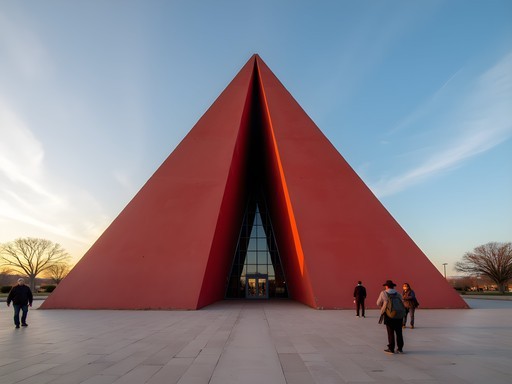
Standing before the Royal Tombs of Sipán Museum, I felt that familiar tingle of anticipation that only comes when you're about to witness something truly extraordinary. The modern pyramid-shaped building houses what many archaeologists call 'the King Tut of the Americas' – a discovery that revolutionized our understanding of pre-Incan civilizations. As both a history teacher and a traveler with Haitian roots who understands the importance of cultural heritage, I found myself drawn to this northern Peruvian coastal region where the ancient Moche civilization once thrived, leaving behind spectacular tombs filled with gold, silver, and stories waiting to be told.

The Discovery That Changed Peruvian Archaeology Forever
The year was 1987 when archaeologist Walter Alva received an urgent call about looters at Huaca Rajada. What followed was the archaeological equivalent of striking gold – quite literally. Unlike many significant sites that had been plundered centuries ago, the Lord of Sipán's tomb was discovered remarkably intact, with layer upon layer of precious artifacts surrounding the mummified remains of a Moche ruler who lived around 300 CE.
As I walked through the museum's exhibits, meticulously arranged to mimic the original burial chambers, my historian's heart raced. The Lord of Sipán was buried with an astonishing array of ornaments – gold pectorals, necklaces with human and feline faces, nose ornaments, and earrings that would have stretched his earlobes dramatically. Most impressive was his regalia of warrior-priest, suggesting he held both military and religious power.
"Imagine teaching your high school students about Mesopotamia or Ancient Egypt when such extraordinary civilizations existed right here in the Americas," I remarked to my guide. "The craftsmanship rivals anything from the ancient world." Before visiting, I'd prepared by reading archaeological guide, which provided crucial context for understanding the significance of what I was seeing.

💡 Pro Tips
- Visit the Royal Tombs of Sipán Museum first before heading to the actual archaeological site for better context
- Hire a knowledgeable English-speaking guide – the historical nuances are easily missed otherwise
- Photography is prohibited inside the museum, so bring a sketch pad to record your impressions
Huaca Rajada: Walking Among Ancient Moche Pyramids
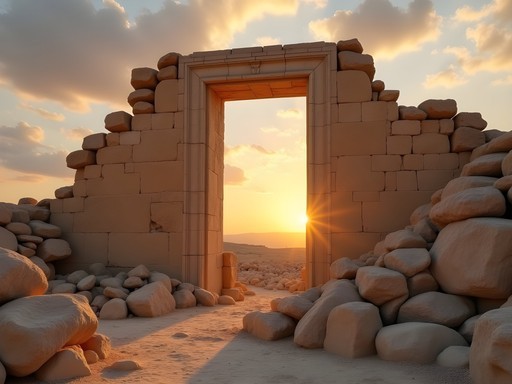
After spending a full morning at the museum, I made the 35-kilometer journey to Huaca Rajada (also called Sipán Archaeological Complex) – the actual excavation site where the Lord of Sipán was discovered. Here, three eroded adobe pyramids rise from the dusty landscape, a haunting reminder of the civilization that once dominated this region.
The site feels different from the polished museum experience – rawer, more immediate. Under the intense Peruvian sun, I explored the excavation areas where archaeologists continue their painstaking work. A newly constructed roof protects the main tomb area, allowing visitors to peer down into the burial chambers.
"Mèsi anpil," I whispered in Haitian Creole – thank you very much – to whatever forces preserved this site for modern eyes to witness. As someone who documents spiritual sites across cultures, I could feel the sacred energy that still permeates this ancient ground.
The on-site guide explained how the Moche buried their rulers with attendants, including warriors, priests, concubines, and even a dog – companions for the afterlife journey. I couldn't help but draw parallels to Egyptian burial practices despite these civilizations developing independently with no contact.
Pro tip: The site can be brutally hot with little shade. I was grateful for my cooling towel and wide-brimmed hat – essential gear for any archaeological exploration in this region.

💡 Pro Tips
- Visit early morning to avoid the intense midday heat
- Wear closed-toe shoes as the site is dusty and uneven
- Bring at least 2 liters of water per person – there are limited facilities at the site
The Spectacular Gold and Silver Artifacts: Masterpieces of Moche Craftsmanship
What truly distinguishes the Sipán discoveries is the extraordinary craftsmanship of the metalwork. The Moche were master metallurgists who developed sophisticated techniques for working with gold, silver, and copper alloys centuries before European contact.
In my years of visiting museums worldwide, few collections have left me as awestruck as the Sipán treasures. The iconic crescent-shaped gold headdress adorned with supernatural figures, the intricate pectoral made of hundreds of shell beads, and the remarkable ear ornaments depicting warriors – each piece tells a story of artistic sophistication that challenges our perceptions of ancient American civilizations.
One of the most fascinating aspects is how the metalwork reveals Moche cosmology and power structures. The recurring motifs of spider deities, anthropomorphic birds, and feline creatures provide windows into their spiritual beliefs. As I sketched some of these designs in my travel journal, I thought about how I would share these insights with my students back in Toledo.
"The Moche didn't have written language as we understand it," explained the museum curator during my visit. "These objects are their texts – their way of recording history, religion, and social structure." This perspective transformed how I viewed each artifact – not merely as beautiful objects, but as historical documents in gold and silver.

💡 Pro Tips
- The museum lighting is specifically designed to highlight the metalwork – take your time to appreciate the details
- Look for the recurring motifs across different artifacts to understand Moche iconography
- The museum offers excellent magnifying glasses – don't hesitate to request one for viewing the intricate details

Beyond Sipán: The Rich Archaeological Landscape of Northern Peru
While the Lord of Sipán is undoubtedly the crown jewel of the region, northern Peru offers a wealth of archaeological sites that receive far fewer visitors than their southern counterparts like Machu Picchu. This creates an intimate experience for history enthusiasts like myself.
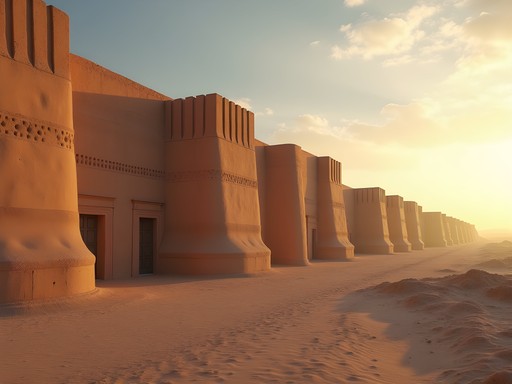
After exploring Sipán, I continued to the nearby Túcume archaeological complex – an impressive site featuring 26 adobe pyramids dating from the Lambayeque culture (around 800-1350 CE). As I climbed the viewing platform overlooking this ancient city, I spotted several species of birds including the distinctive Peruvian Meadowlark with its vibrant yellow breast – a delightful intersection of my interests in history and birdwatching.
Further north, the fortress of Kuelap – sometimes called the 'Machu Picchu of the north' – offers a completely different archaeological experience. Built by the Chachapoya culture around 500 CE, this massive stone citadel perches dramatically atop a mountain ridge.
For those planning to explore multiple sites, I recommend staying in Chiclayo for at least four days. My accommodation at the Casa Andina Select Chiclayo provided a comfortable base with excellent amenities after long days of exploration. Each evening, I would return to organize my notes and photographs while enjoying the region's exceptional cuisine – particularly the ceviche, which locals proudly claim is the best in Peru.

💡 Pro Tips
- Rent a car if you're comfortable driving in Peru – it gives you flexibility to explore multiple archaeological sites at your own pace
- Consider hiring a local archaeology student as a guide – many work part-time in tourism and offer incredible insights
- The Bruning Museum in Lambayeque complements the Sipán Museum and is worth visiting for a broader understanding of the region's cultures
Connecting with Local Communities: The Living Heritage of Northern Peru
What makes visiting archaeological sites in Peru particularly meaningful is witnessing how ancient traditions continue to influence contemporary culture. In the villages surrounding Sipán, I observed artisans creating pottery and textiles using techniques remarkably similar to those employed by their Moche ancestors.
In the small town of Eten, I was fortunate to meet Don Miguel, a master weaver who creates intricate straw hats called sombreros de paja using techniques passed down through generations. "The patterns," he explained through my translator, "tell stories about our relationship with the land and sea." I couldn't resist purchasing one of his masterpieces as both a practical sun shield and a meaningful souvenir.
The culinary traditions of northern Peru also reflect this cultural continuity. At a small family-run restaurant in Monsefú, I savored causa ferreñafana – a dish with pre-Hispanic origins featuring layers of seasoned mashed potato, avocado, and seafood. The flavors were enhanced by local herbs grown in the restaurant's garden.
To truly experience local culture, I recommend visiting during one of the region's festivals. I timed my visit to coincide with the Feast of the Divino Niño del Milagro in April, where religious processions blend Catholic traditions with pre-Columbian elements – a perfect example of the cultural syncretism that has fascinated me since my graduate studies in Haiti.
For capturing these vibrant cultural moments, my portable audio recorder proved invaluable for collecting ambient sounds and interviews that I later share with my students.

💡 Pro Tips
- Learn a few basic phrases in Spanish – locals appreciate the effort and will open up more readily
- Ask permission before photographing people, especially during religious ceremonies
- Support local artisans by purchasing directly from workshops rather than tourist shops
Final Thoughts
As my week exploring the archaeological wonders near Chiclayo came to an end, I found myself reflecting on how these ancient sites had transformed my understanding of pre-Columbian Peru. The Lord of Sipán and his golden treasures offer far more than spectacular artifacts – they provide crucial insights into a sophisticated society that thrived along this coast nearly two millennia ago.
What struck me most was how the discovery of Sipán in 1987 fundamentally changed our historical narrative about ancient American civilizations. As a history teacher, I'm constantly reminded that our understanding of the past is ever-evolving as new evidence emerges. The Moche achievements in metallurgy, ceramic art, and architecture stand as testament to human creativity and ingenuity across time and culture.
I left northern Peru with my camera full of images, my notebook filled with observations, and my heart full of appreciation for both the ancient Moche civilization and the modern Peruvians who preserve and interpret this heritage. As we say in Haitian Creole, "Istwa se limyè" – history is light. The treasures of Sipán illuminate not just Peru's past, but our collective human story. When you visit, take time to let these ancient voices speak to you through gold, silver, and stone.
✨ Key Takeaways
- The Royal Tombs of Sipán Museum and archaeological site offer a world-class historical experience rivaling famous sites like Egypt's Valley of the Kings
- Northern Peru's archaeological circuit provides a less crowded, more intimate alternative to southern Peru's more famous Inca sites
- Spring offers ideal weather for exploring the region, with moderate temperatures and minimal rainfall
📋 Practical Information
Best Time to Visit
March to May (spring) when temperatures are moderate and crowds are smaller
Budget Estimate
$75-150 per day including mid-range accommodations, meals, transportation and entrance fees
Recommended Duration
4-7 days to explore Sipán and surrounding archaeological sites
Difficulty Level
Easy To Moderate (Some Walking On Uneven Terrain)

Comments
oceantime
Just got back from Peru and Sipán was the unexpected highlight of our trip! Those gold octopus-shaped nose ornaments blew my mind - the craftsmanship is INSANE considering how old they are! And the way the museum displays everything in the exact layers they were discovered? Pure genius. We almost skipped this for more time in Cusco and I'm SO glad we didn't. Northern Peru is seriously underrated! Pierre, your photos captured it perfectly - especially that shot of the warrior priest regalia.
travelninja
Great post! How much time would you recommend spending at the museum itself? And are photos allowed inside?
Pierre Kelly
I'd say 2-3 hours minimum for the museum if you're really interested in the artifacts. Photography is allowed in most areas but no flash, and some of the most delicate artifacts have restrictions. The lighting is quite dim for preservation reasons, so bring a camera that handles low light well!
Hannah Woods
Fantastic write-up, Pierre! I visited Sipán last year and was equally blown away. What really struck me was how the museum contextualizes everything - the way they've reconstructed the tomb layers is brilliant museography. The contrast between this and Machu Picchu is fascinating too; while MP gets all the glory, these northern sites offer such intimate glimpses into pre-Columbian daily life and belief systems. I'd recommend visitors also check out Túcume nearby - 26 adobe pyramids in one archaeological complex! The whole northern circuit deserves more attention from travelers. Did you use the Northern Peru guidebook by any chance? I found it had much better coverage than the general Peru guides.
Pierre Kelly
Thanks Hannah! Yes, Túcume was incredible too - I mention it briefly in the 'Beyond Sipán' section. Completely agree that northern Peru deserves more attention. I actually used a different guidebook, but supplemented with a lot of local information from my hostel in Chiclayo.
winterninja
How difficult was it to get there from Chiclayo? Worth renting a car or is there decent public transport?
Pierre Kelly
Hey there! It's pretty straightforward - only about 30km from Chiclayo. You can take a colectivo (shared taxi) from the city center for just a few soles. No need for a rental car unless you're planning to explore more remote sites in the region.
oceantime
We did the public transportation too and it was great! Super cheap and the locals were so friendly. Just make sure you know when the last colectivo returns!
travelqueen
Wow! Those gold artifacts look absolutely incredible. Definitely adding this to my Peru bucket list!
wildmaster
Great write-up! Just a heads up for anyone planning to visit - bring plenty of water and sunscreen. There's not much shade at Huaca Rajada. Also the museum gift shop has some beautiful replica jewelry if you want souvenirs. Way better quality than the stuff in Lima tourist shops.
escapeone
Thanks for the tip about the gift shop!
starlife
Going next month!! So excited now
triplife
Great post! We visited last year and honestly the Sipán museum was the highlight of our entire Peru trip. The way they've reconstructed the Lord of Sipán's tomb chamber is just spectacular. Pro tip: combine it with Huaca Rajada (the actual dig site) on the same day - they're close to each other and seeing both really gives you the full picture. The site itself is less impressive visually but standing where they actually found everything is pretty special. Also the ceviche in Chiclayo is some of the best in Peru, don't miss it!
Casey Andersson
Absolutely gorgeous post, Pierre! I stayed at the Casa Andina in Chiclayo when I visited and they arranged a wonderful private tour to Sipán with an archaeologist guide. The level of craftsmanship in those gold pieces is extraordinary - I couldn't believe how intricate the beadwork was. The museum itself is architecturally stunning too. One tip: the Royal Tombs Museum has air conditioning which is a blessing after visiting the actual excavation site at Huaca Rajada. I spent nearly four hours in the museum alone, just absorbing everything. Northern Peru really deserves more attention from travelers!
wavequeen
Is it worth getting a guide at the museum or can you explore on your own? Also wondering about the heat - is it super hot there?
Casey Andersson
Definitely get a guide! The museum has excellent ones who really bring the history to life. And yes, it gets quite warm - I'd recommend going early morning if possible.
Venture X
Premium card with 2X miles, $300 travel credit, Priority Pass