
Disclosure: This article contains affiliate links. We may earn a commission from purchases at no extra cost to you, which helps our travel content.
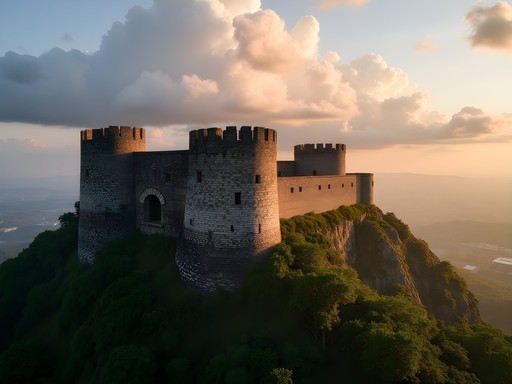
The first time I glimpsed the Citadelle Laferrière emerging from the morning mist, I felt the same rush of adrenaline that normally only comes during a difficult rescue operation. Perched atop Bonnet à l'Evêque mountain at 3,000 feet above sea level, this massive fortress isn't just an architectural wonder—it's a testament to human resilience and determination. Built between 1805 and 1820 by newly-liberated Haitians under the direction of Henri Christophe to defend against potential French re-colonization, the Citadelle stands as a powerful symbol of the world's first successful slave revolution. As someone with mixed indigenous heritage, I'm drawn to places where cultural preservation and historical significance intersect with natural beauty. Haiti offers this rare combination in abundance, though it remains tragically overlooked on most travelers' Caribbean itineraries. After five visits to this remarkable country, I'm convinced the journey to the Citadelle Laferrière near Cap-Haïtien might be one of the most rewarding historical adventures in the Western Hemisphere—if you're prepared for its challenges.

Getting to Cap-Haïtien: The Journey Begins
Most international travelers arrive in Haiti through Port-au-Prince, but reaching Cap-Haïtien requires additional planning. After my first chaotic visit, I've refined my approach to this northern journey.
From Port-au-Prince, you have three main options: domestic flights on Sunrise Airways (approximately 30 minutes), private drivers (5-6 hours), or local tap-taps (shared transportation) for the adventurous and Creole-speaking. Given Haiti's sometimes unpredictable road conditions and security situations, I strongly recommend either flying or arranging a trusted driver through your accommodation.
My most recent trip involved flying into Cap-Haïtien International Airport directly from Miami—a game-changer that saved time and reduced logistical complications. The small airport processes travelers efficiently, though be prepared for minimal amenities.
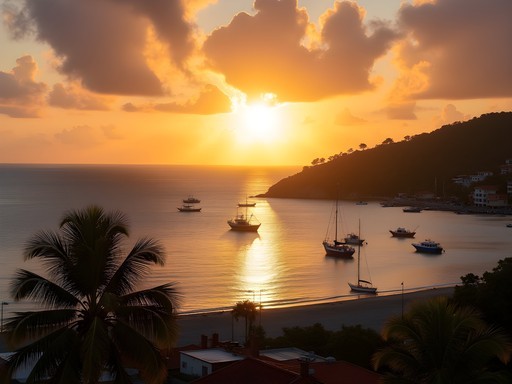
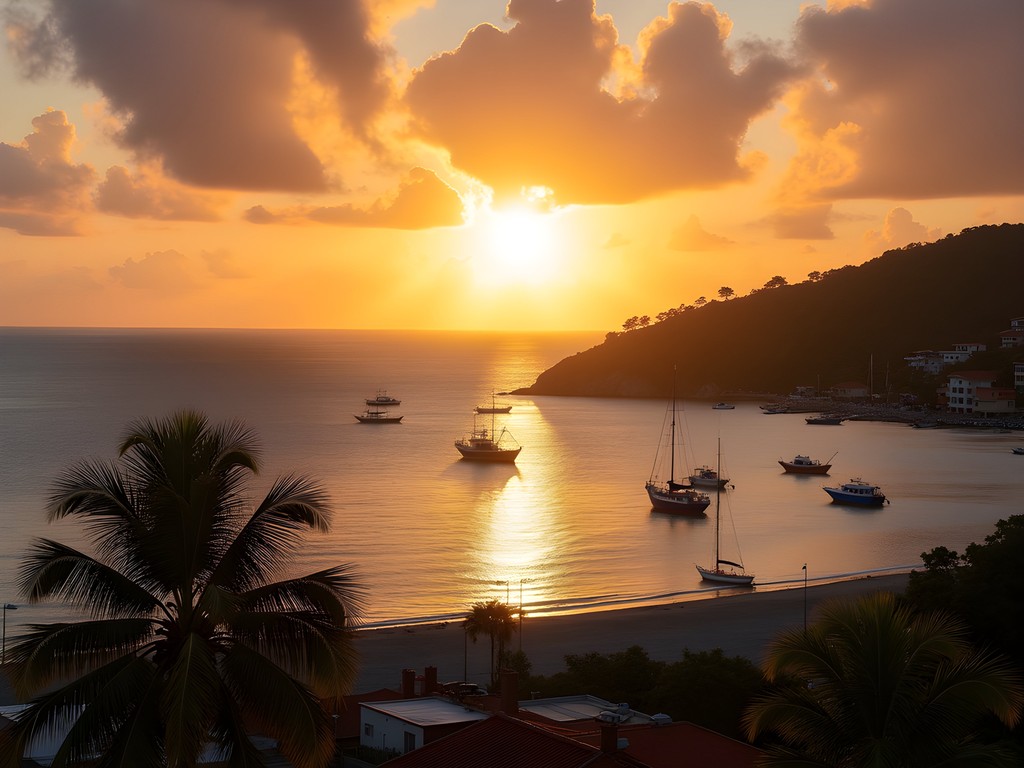
Once in Cap-Haïtien, I suggest spending at least two nights at either Hôtel Mont Joli or Habitation Jouissant. Both offer spectacular views of the bay, reliable security, and staff who can arrange transportation to the Citadelle. After a particularly grueling shift in the ER back in Philly, there's nothing quite like sitting on Mont Joli's terrace with a cold Prestige beer, watching fishing boats return as the sun sets over the Caribbean.
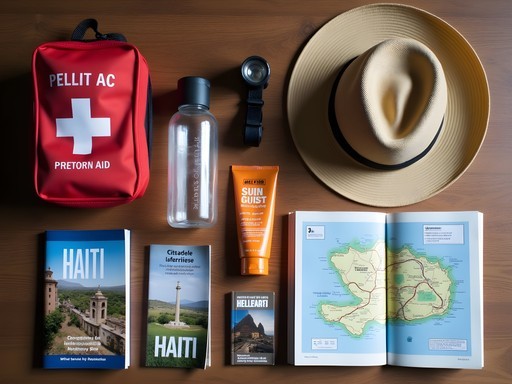
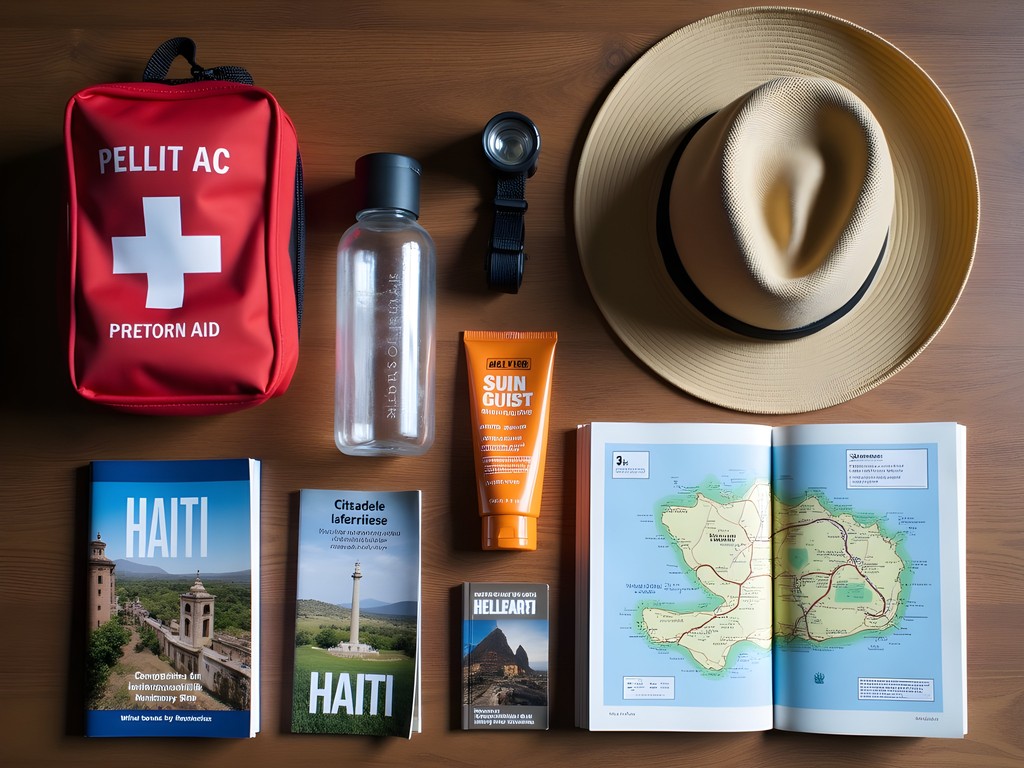
For navigating the city and surrounding areas, a good travel daypack is essential. Mine carries water bottles, first aid supplies (old habits die hard), snacks, and a light rain jacket—all necessities for Haitian adventures.
💡 Pro Tips
- Book domestic flights well in advance as seats fill quickly
- Keep a printed copy of your accommodation details and contacts
- Exchange some money at the airport for immediate needs, but most hotels accept USD
The Approach: Milot and the Path to History
The journey to the Citadelle begins in the small town of Milot, about 12 miles south of Cap-Haïtien. On my first visit, I made the rookie mistake of not hiring a guide in advance. Now I work with local guides arranged through my hotel, which ensures a smoother experience and supports the local economy.
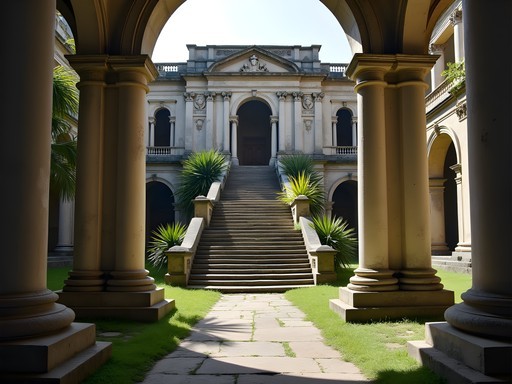
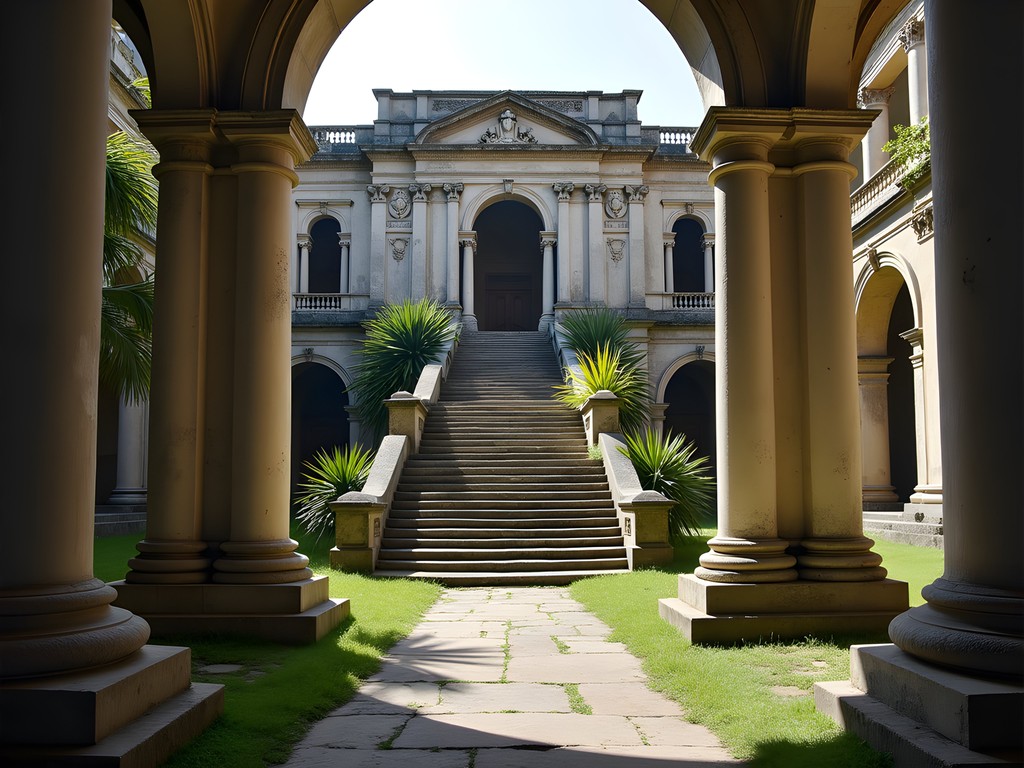
Milot itself deserves attention before ascending to the Citadelle. The ruins of Sans-Souci Palace—once called the 'Versailles of the Caribbean'—lie at the foot of the mountain. Built by the same Henri Christophe who commissioned the Citadelle, this palace was devastated by an earthquake in 1842. Walking through its weathered columns and grand staircases, I always take a moment to imagine its former glory and the complex history it represents.
From Milot, you have two options to reach the Citadelle: hiking approximately 7 miles up a steep, sometimes slippery stone path, or taking the more popular route of driving partway up and then transferring to horseback for the final ascent. As someone who values both physical challenges and cultural experiences, I've done both. The horseback option is not only easier but provides income for local guides and handlers.
For the hike, proper footwear is non-negotiable. My hiking boots have proven ideal for the terrain—supportive enough for the steep incline while providing crucial traction on centuries-old stones that become treacherously slippery after rain.
While ascending, the landscape transforms from tropical vegetation to pine forests, offering increasingly spectacular views of the northern plains and distant ocean. The air becomes noticeably cooler and clearer—a welcome relief from Haiti's coastal heat.
💡 Pro Tips
- Start your journey early in the morning to avoid afternoon heat and rain
- Negotiate guide fees and transportation costs upfront to avoid misunderstandings
- If riding horses, check the condition of your horse and equipment before departing
The Citadelle: Engineering Marvel and Freedom Symbol
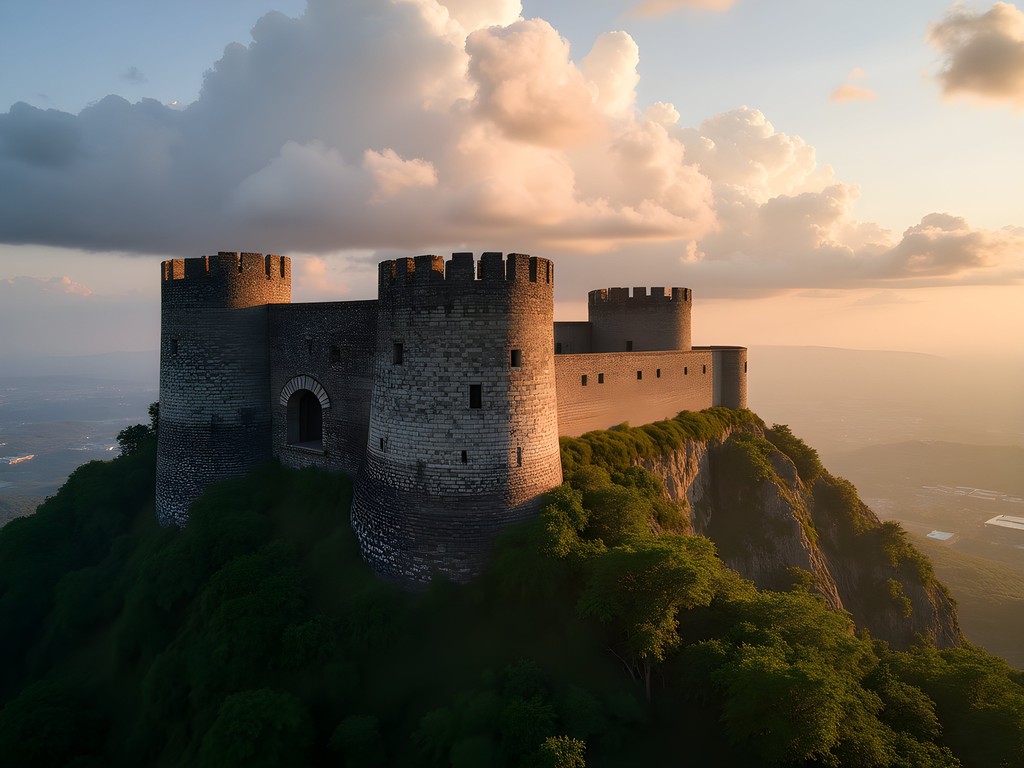
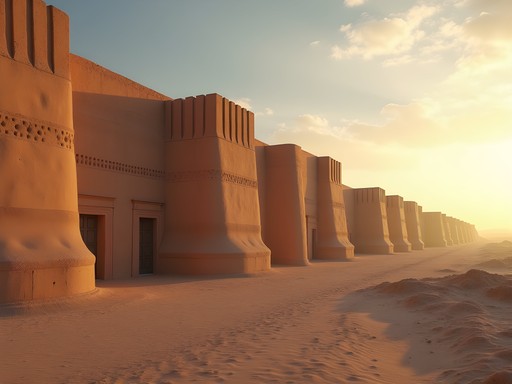
Nothing prepares you for the first full view of the Citadelle. Rising from the mountaintop like an extension of the earth itself, this massive structure has walls up to 130 feet high and 10 feet thick. As a paramedic accustomed to assessing structural integrity during rescue operations, I'm still awestruck by what was accomplished here with early 19th-century technology.
The fortress was built to house 5,000 defenders, store enough food and water for a year-long siege, and support 365 cannons. Today, hundreds of cannons remain, many still positioned as they were two centuries ago. The French never returned to test the Citadelle's defenses, but time and nature have—and remarkably, it stands largely intact.
My Mi'kmaq grandmother taught me that sacred places hold energy from those who built them. Walking through the Citadelle's chambers, courtyards, and battlements, I feel the determination of people who had gained freedom against impossible odds and were resolved never to surrender it again. The fortress was built by former slaves who became the architects of their own defense—a powerful narrative that resonates deeply with anyone interested in liberation histories.
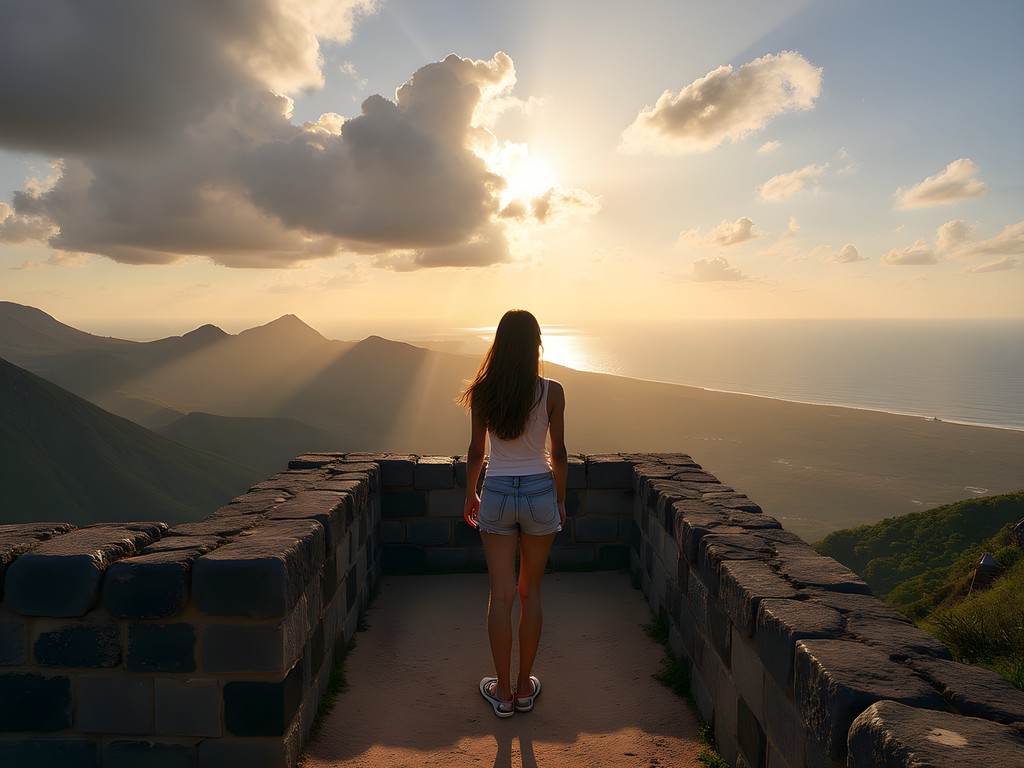
The views from the Citadelle's highest points are nothing short of spectacular. On clear days, you can see all the way to Cuba across the Windward Passage. I've spent hours photographing these vistas with my mirrorless camera, though no image truly captures the feeling of standing atop this monument to freedom with the Caribbean stretched before you.
Part of what makes the Citadelle experience so profound is the relative absence of commercialization. Unlike many UNESCO World Heritage Sites that have been developed for mass tourism, the Citadelle retains an authentic atmosphere. Local guides share knowledge passed down through generations, offering perspectives you won't find in any guidebook.
💡 Pro Tips
- Bring at least 2 liters of water per person—there are no vendors at the top
- Ask your guide about the mysterious tomb of King Henri Christophe within the fortress
- Visit the artillery rooms to see cannons from multiple European nations, collected by Haiti's revolutionary leaders

Cultural Context: Understanding Haiti Beyond Headlines
Visiting the Citadelle provides an opportunity to engage with Haiti beyond the limiting narratives often presented in international media. As a paramedic who's worked in crisis situations, I've learned that communities are always more resilient, complex, and vibrant than outside perceptions suggest. This is profoundly true of Haiti.
Haiti was the first Black republic in the world, gaining independence in 1804 after the only successful slave revolution in history. This remarkable achievement came at a tremendous cost—Haiti was forced to pay reparations to France for its 'lost property' (the enslaved people who liberated themselves) until 1947, crippling the nation economically from its birth.
Despite challenges, Haitian culture thrives with rich artistic traditions, particularly in music, painting, and metalwork. Cap-Haïtien's galleries showcase the distinctive style of Haitian art, often characterized by vibrant colors and intricate details. I've found that reading about Haitian history before visiting dramatically enriches the experience. My dog-eared copy of Haiti history book has been an invaluable companion throughout my visits.
The area around Cap-Haïtien also offers beautiful beaches that rival any in the Caribbean. Labadee, just 10 miles from the city, features stunning white sand and clear waters. While part of this beach is leased to cruise ships as a private resort, local beaches nearby offer a more authentic experience.
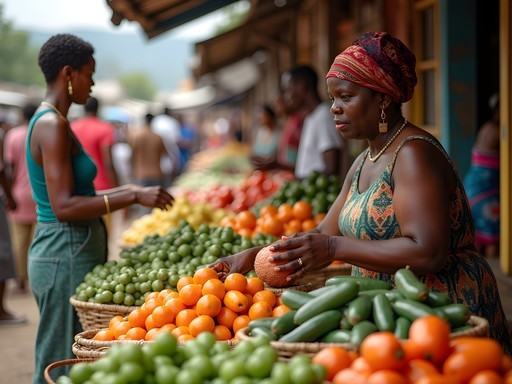
Food is another highlight of northern Haiti. The region's cuisine blends French, African, and Caribbean influences into dishes like griot (fried pork), diri ak djon djon (black mushroom rice), and pumpkin soup—traditionally eaten on Independence Day to celebrate freedom. Local restaurants in Cap-Haïtien like Lakay and Lakou Lakay serve excellent traditional meals, often accompanied by Prestige beer or Rhum Barbancourt, both Haitian staples produced since the 19th century.

💡 Pro Tips
- Learn basic Haitian Creole phrases—even simple greetings are greatly appreciated
- Support local artists by purchasing directly from galleries rather than souvenir shops
- Try the local coffee—Haiti once produced 50% of the world's coffee and still grows exceptional beans
Practical Considerations: Safety, Ethics, and Preparation
Let's address the elephant in the room: Haiti's reputation for instability often deters visitors. As someone who's traveled extensively throughout the country, I can attest that the reality is more nuanced than headlines suggest. The Cap-Haïtien region has historically been more stable than Port-au-Prince, though conditions can change.
Before any trip to Haiti, I check travel advisories from multiple countries (not just my own), connect with local contacts, and research current conditions. Working with established hotels and guides significantly reduces risks. As an EMT, risk assessment is second nature to me, and I apply the same principles to travel planning.
Ethical considerations are equally important. Haiti has experienced what some scholars call 'disaster tourism' following the 2010 earthquake and subsequent crises. I believe strongly in travel that contributes positively to local economies and respects communities. This means hiring local guides, staying in Haitian-owned accommodations when possible, and approaching photography with sensitivity—always asking permission before taking photos of people.
For health preparations, I recommend consulting a travel medicine specialist at least a month before your trip. Haiti has limited medical facilities, especially outside Port-au-Prince. My travel first aid kit is always with me, supplemented with prescription medications and oral rehydration solutions.
Regarding communications, purchasing a local SIM card upon arrival is advisable if your phone is unlocked. Digicel offers the best coverage in northern Haiti. Internet access is available at most mid-range and upscale hotels but can be inconsistent.
Finally, pack thoughtfully. Haiti is hot year-round, but the mountain regions can be significantly cooler, especially in the evenings. Lightweight, modest clothing that covers shoulders and knees is appropriate for most situations. A small donation of medical supplies to local clinics is always appreciated—as a paramedic, I bring basic items like bandages, antiseptics, and over-the-counter medications that are often in short supply.
💡 Pro Tips
- Register with your country's embassy or consulate before traveling to Haiti
- Bring cash in small denominations—ATMs are limited and credit cards aren't widely accepted outside major hotels
- Pack a headlamp or flashlight—power outages are common even in better accommodations
Final Thoughts
Standing on the Citadelle's ramparts as the sun sets behind Haiti's northern mountains, I'm reminded that the most meaningful travel experiences often come from the most challenging destinations. This fortress represents not just architectural brilliance but the enduring human spirit—something I've witnessed countless times both in my emergency medical work and my travels to places often misunderstood by outsiders. Haiti offers profound lessons in resilience, creativity, and dignity in the face of obstacles. The journey to the Citadelle Laferrière isn't just about checking off another UNESCO site; it's about connecting with one of history's most remarkable liberation stories while supporting a nation that continues to fight for its rightful place in the global conversation. If you approach Haiti with respect, preparation, and an open heart, the rewards extend far beyond the breathtaking views. As my Mi'kmaq grandmother would say, some places heal you even as you think you're just visiting them—the Citadelle is definitely one of those places.
✨ Key Takeaways
- The Citadelle Laferrière offers a rare combination of historical significance, architectural wonder, and natural beauty
- Proper preparation including local guides, adequate water, and appropriate footwear is essential for a successful visit
- Understanding Haiti's revolutionary history enhances appreciation of the Citadelle and surrounding cultural sites
- Traveling responsibly in Haiti means supporting local businesses and approaching communities with respect
📋 Practical Information
Best Time to Visit
November through March (dry season)
Budget Estimate
$1,000-1,500 for a week, including accommodations, guides, and domestic travel
Recommended Duration
5-7 days (2-3 days in Cap-Haïtien, 1 full day for the Citadelle)
Difficulty Level
Challenging


Comments
wanderlustgal
Is it safe to travel there solo? I've always wanted to visit Haiti but nervous about going alone
Sage Dixon
Great question! I'd recommend going with a local guide, especially for your first visit. The people in Cap-Haïtien are incredibly welcoming. Feel free to DM me for guide recommendations!
citynomad
This place looks incredible! Adding to my list
Savannah Walker
This post captures the magic perfectly! I made the journey to Citadelle Laferrière last fall and it completely changed my perspective on Caribbean travel. Most people think of beaches and resorts, but Haiti offers something so much deeper. The fortress represents an incredible story of resistance and independence that deserves way more attention. I stayed in Cap-Haïtien for five days and barely scratched the surface - there's amazing street art, incredible food scenes, and the warmest people. Anyone thinking about visiting, just do it. You won't regret it.
Sage Dixon
Exactly! Haiti has so much to offer beyond what makes the news. The resilience and creativity of the Haitian people is truly inspiring.
wintervibes
Great write-up! I've been to Haiti four times now and the Citadelle never gets old. One thing I'd add is to bring plenty of water - I had my water bottle and went through the whole thing on the hike up. Also, the weather can change quickly up there so pack a light rain jacket. The fortress was built to withstand 15,000 people during a siege, and you can really feel that scale when you're standing inside those massive walls.
wanderlustwanderer
Planning a trip for March - is it safe to travel solo there as a woman? And what's the best way to get from Port-au-Prince to Cap-Haïtien?
wintervibes
I flew from PAP to Cap-Haïtien on a domestic flight - only takes about 45 minutes vs 8+ hours driving. Much easier! As for safety, I traveled with a local tour company which made everything smoother.
wandermood
Adding this to my bucket list immediately!
Zoe Dixon
Sage, this brings back memories! I visited the Citadelle three years ago and still think about that experience regularly. The fortress itself is incredible, but what really stuck with me were the conversations with local artisans selling their work near the entrance. One woman told me stories her grandmother shared about growing up in the shadow of the fortress. Those human connections are what transform a historical site into something truly unforgettable. Did you get a chance to explore the Sans-Souci Palace ruins on your way up?
Sage Dixon
Yes! The palace ruins were haunting. I spent about an hour there just imagining what it must have looked like in its glory days. Those local stories are everything - they're what turn monuments into living history.
sunsetphotographer
These photos are stunning! 📸
starnomad3950
Just got back from Haiti last month and the Citadelle was definitely the highlight! The hike up was no joke though - took us about 90 minutes from Milot. We hired a local guide named Jean-Baptiste who was amazing at explaining the history. Worth every penny. The views from the top are absolutely insane. Pro tip: start early in the morning before it gets too hot!
wanderlustwanderer
How much did you pay for the guide? And is the hike doable for someone who's not super fit?
starnomad3950
I think it was around $25 USD for our group. The hike is moderate - there are also horses available if you don't want to walk the whole way!
cityphotographer2210
I visited the Citadelle back in 2023 and was blown away. Pro tip for photographers: bring a polarizing filter for your camera to cut through the haze on those mountain views. The contrast between the dark stone fortress and the blue sky is amazing. Also, don't miss Sans-Souci Palace in Milot on your way up - it's less preserved but equally fascinating historically. The local guides know exactly where the best photo spots are!
summermood
Thanks for the photo tips! Adding this to my photography bucket list.
Venture X
Premium card with 2X miles, $300 travel credit, Priority Pass