Disclosure: This article contains affiliate links. We may earn a commission from purchases at no extra cost to you, which helps our travel content.
After decades of chasing digital solutions across screens, I've found that the most profound connections happen when we step away from our devices and into history's embrace. Argentina's second city might not top everyone's travel list, but after a week tracing the Jesuit legacy in Córdoba last autumn, I'm convinced it's a proper hidden gem that deserves your attention. The pleasant spring weather (remember, seasons flip in the Southern Hemisphere) provided the perfect backdrop for exploring these remarkably preserved 17th and 18th-century complexes that tell a fascinating story of cultural exchange, education, and architectural brilliance.

Understanding Córdoba's Jesuit Block
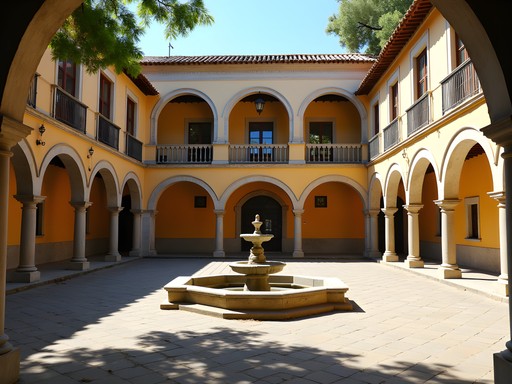
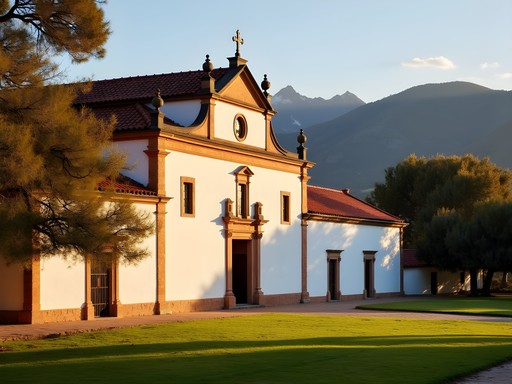
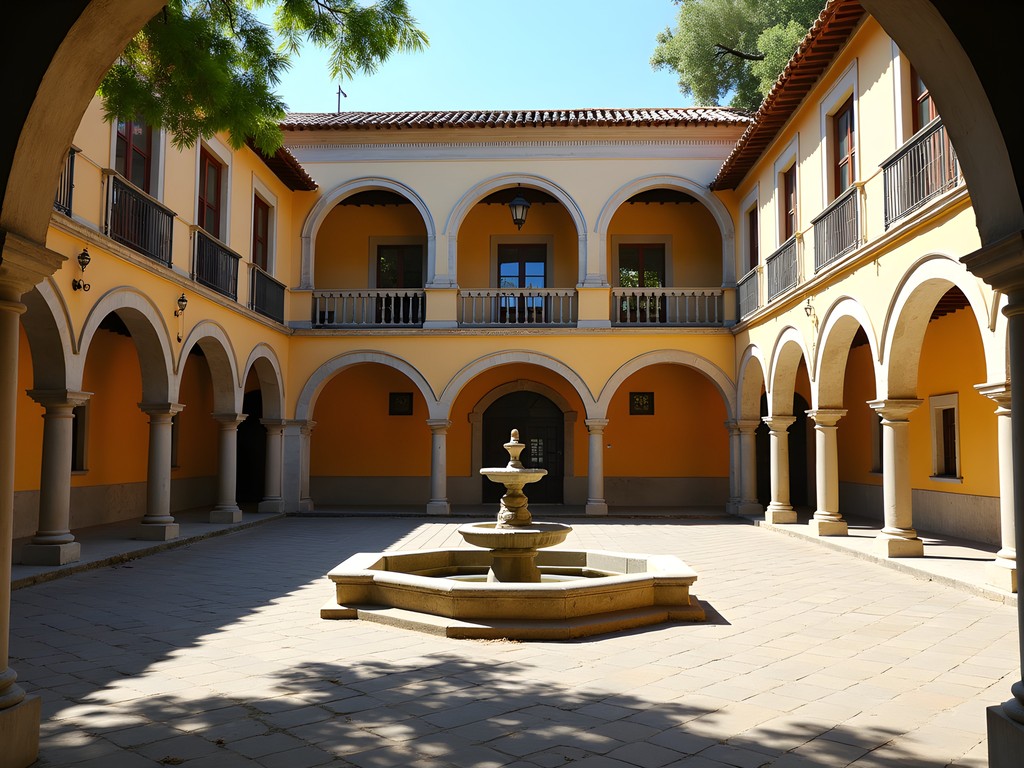
Let's start with the basics. Córdoba's Jesuit Block (or Manzana Jesuítica as the locals call it) represents the heart of the Jesuit presence in this region of South America. Established in the early 1600s, this complex became the epicenter of the Society of Jesus's educational and missionary activities across what they called the Province of Paraguay (which actually included parts of modern Argentina, Paraguay, Uruguay, and Brazil).
As a chap who spent decades organizing complex systems, I was particularly impressed by how the Jesuits created such a self-sufficient operation. The block includes Argentina's oldest university, the Universidad Nacional de Córdoba (founded 1613), the Colegio Nacional de Monserrat secondary school, the Domestic Chapel, the church of the Society of Jesus, and residences.
I recommend starting your exploration at the Museo Histórico de la Universidad Nacional de Córdoba, housed in the old rectory. The docents speak enough English to get by, but I found my pocket translator invaluable for understanding the nuances of the exhibitions. The museum provides excellent context before you venture into the other buildings.
💡 Pro Tips
- Purchase the combined ticket that includes all Jesuit Block sites for best value
- Visit on weekday mornings to avoid school groups
- The university library houses rare manuscripts - ask specifically to see them as they're not always on display
The Estancias: Engineering Marvels in the Countryside
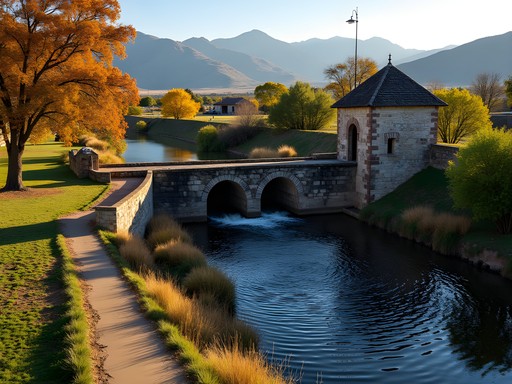
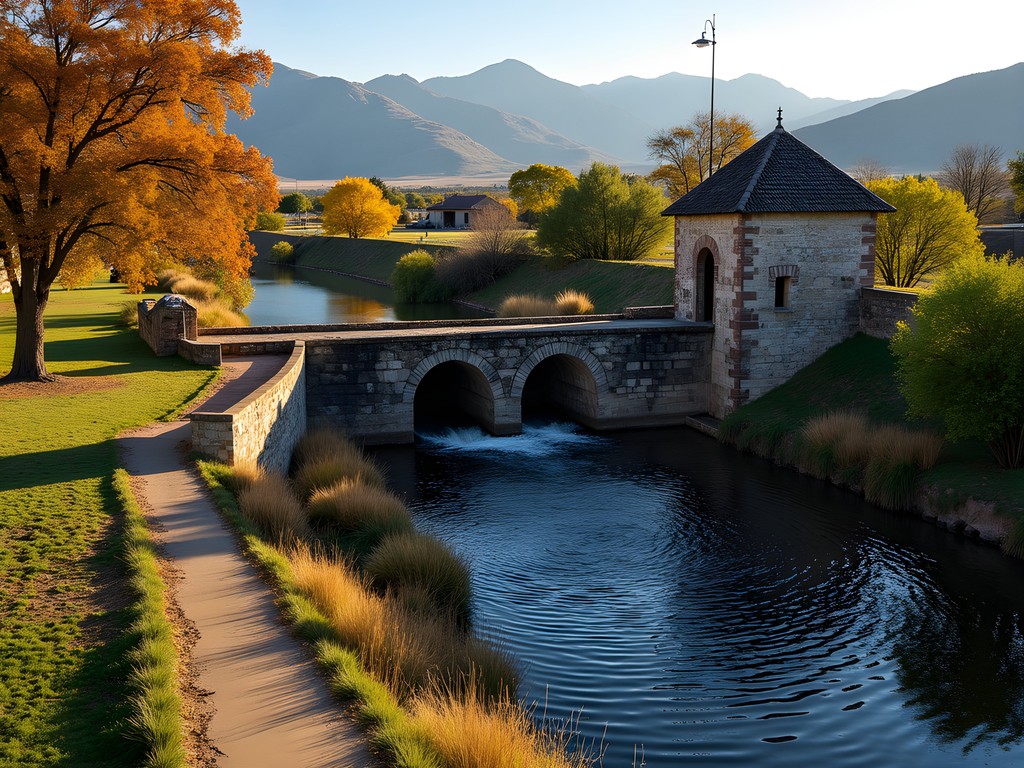
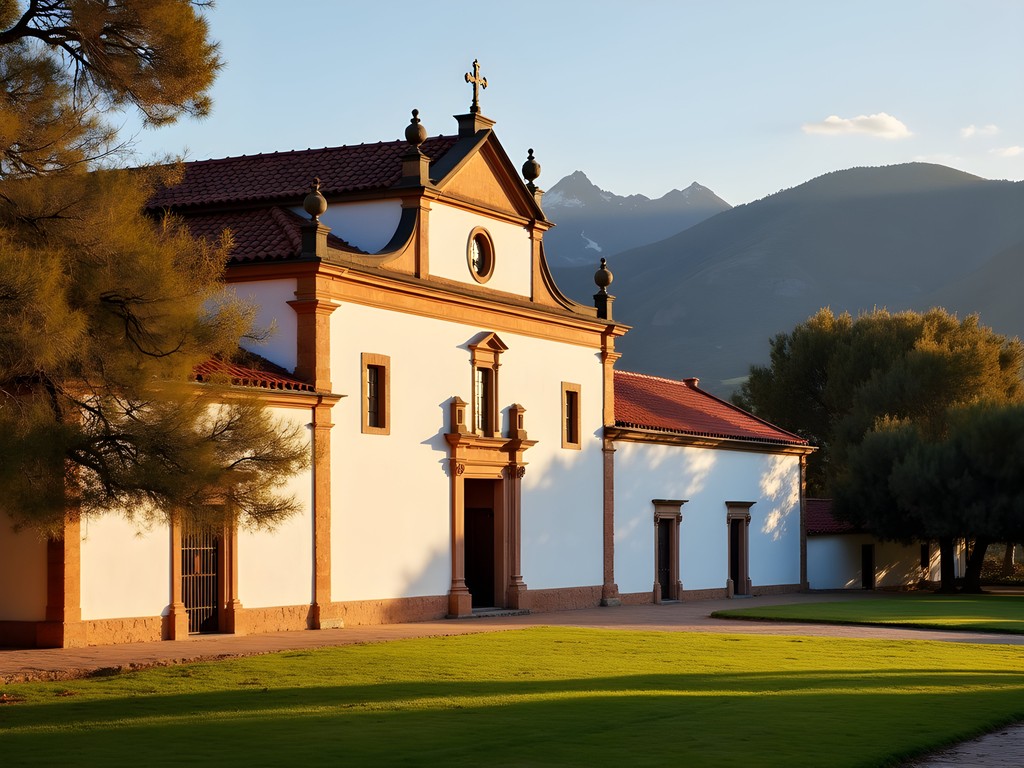
While the urban complex is impressive, the real engineering marvels lie in the surrounding countryside. The Jesuits established a network of five estancias (farming estates) that supported their educational mission in the city: Alta Gracia, Jesús María, Santa Catalina, Caroya, and La Candelaria. Each is approximately 30-70km from central Córdoba and showcases remarkable architectural achievements.
As someone who's spent a career solving complex problems, I was gobsmacked by the ingenuity of these 17th-century builders. They created sophisticated irrigation systems, water-powered mills, and self-sustaining agricultural operations that funded their ambitious educational projects. The hydraulic systems at Jesús María particularly impressed my engineer's mind—they're still functional after 350+ years!
For this countryside expedition, I hired a local guide named Eduardo through guided tour service, which proved invaluable. While public transport exists to some estancias, having a knowledgeable local driver who understood both the historical context and my interest in the technical aspects made the experience far richer. Eduardo even arranged for us to meet the caretaker at Santa Catalina who showed us areas normally closed to visitors, including the remarkable bell tower with its original wooden mechanics.
💡 Pro Tips
- Alta Gracia and Jesús María are easiest to reach via public transport if you're on a budget
- Santa Catalina is the most complete complex but requires advance booking
- Wear sturdy walking shoes as the estancias involve uneven terrain and stairs
Cultural Fusion in Architecture and Art
What fascinated this old Brit most about these Jesuit sites wasn't just their historical significance but the remarkable cultural fusion they represent. The buildings blend European Baroque influences with indigenous Guaraní craftsmanship in a style sometimes called 'Baroque Guaraní' or 'Mestizo Baroque.'
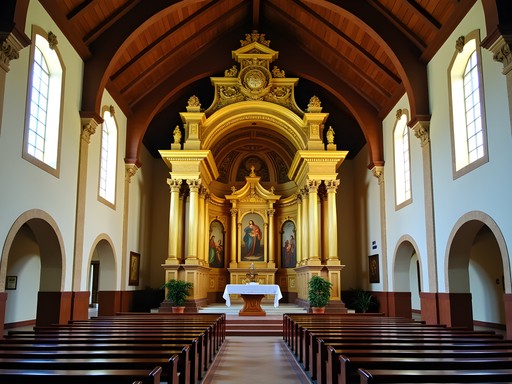
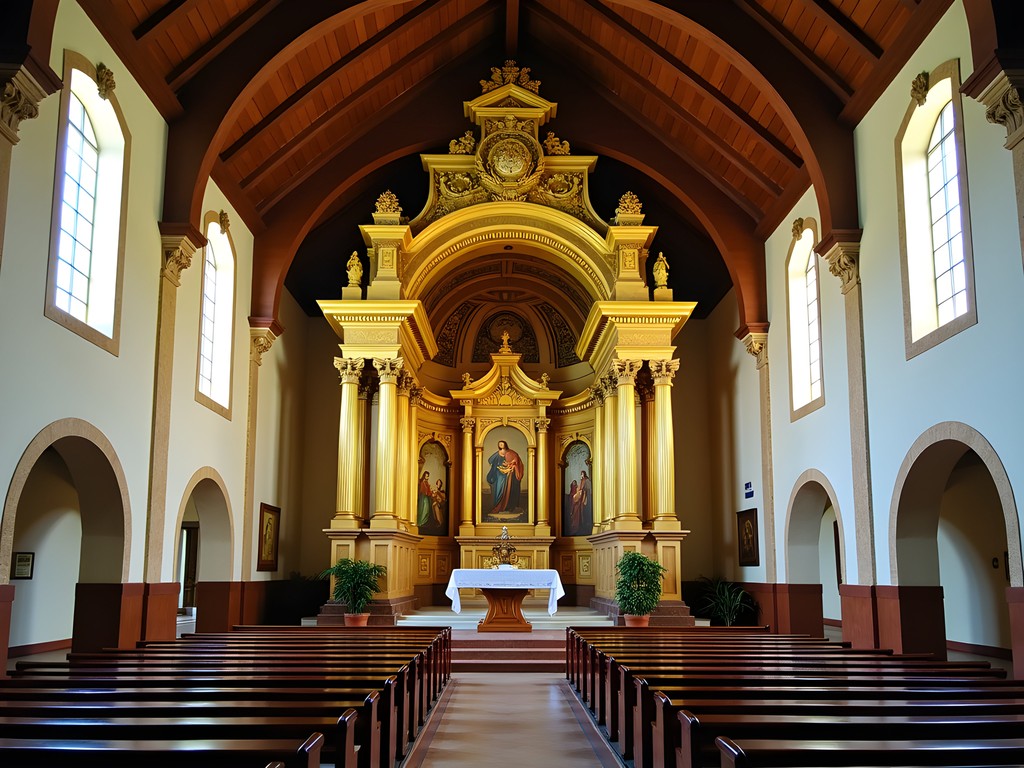
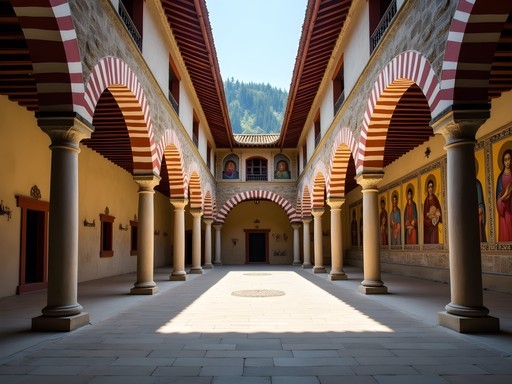
At the Iglesia de la Compañía de Jesús (Society of Jesus Church) in central Córdoba, I spent hours examining the wooden ceiling, which incorporates European religious imagery with native flora motifs. The indigenous artisans who worked alongside European craftsmen left their distinctive mark, creating something entirely unique to this region.
To properly appreciate these details, I relied heavily on my compact monocular to study ceiling details and distant architectural elements. The church's lighting can be challenging for photography, so I'd recommend bringing a mini tripod if you're keen on capturing the interior details.
The retablos (altarpieces) throughout these sites tell fascinating stories of cultural integration. At Alta Gracia's church, the main altarpiece incorporates local hardwoods that European craftsmen would never have encountered before arriving in South America. The indigenous carvers, meanwhile, subtly incorporated their own symbolic elements alongside Christian imagery—a quiet act of cultural preservation amid colonization.
💡 Pro Tips
- Visit the churches during morning hours when light streams through the windows
- Look for indigenous symbols hidden within seemingly European religious art
- The museum at Alta Gracia has excellent exhibits on the cultural exchange between Jesuits and Guaraní people

Practical Guide to Your Jesuit Heritage Trail
After spending a full week exploring these sites, I've developed a rather efficient itinerary that I'd recommend to fellow history enthusiasts. Start with two days in central Córdoba to explore the Jesuit Block thoroughly. The university buildings are still active educational institutions, so visiting during term breaks provides better access.
For accommodations, I stayed at the NH Córdoba Urbano, which sits just a 10-minute walk from the historic center. While not the cheapest option, its location proved ideal for early morning photography excursions before the tourist crowds arrived.
For the estancias, I'd recommend dedicating three separate day trips:
- Day 1: Alta Gracia (closest to the city and accessible by regular buses)
- Day 2: Jesús María and Colonia Caroya (can be combined in one day)
- Day 3: Santa Catalina and La Candelaria (the most remote, best done with a driver)
Cordoba's weather in autumn (March-May) is splendid—warm days around 22°C and cool evenings around 10°C. I packed my trusty travel vest which proved perfect for the variable temperatures and kept my camera gear, water bottle, and guidebooks organized and accessible without lugging around a daypack.
Food-wise, Córdoba offers excellent regional cuisine. After long days of exploration, I developed a routine of stopping at local parrillas (steakhouses) to sample Argentina's famous beef. The estancia restaurants tend to be tourist-oriented, so I preferred venturing into small-town establishments where the locals eat.
💡 Pro Tips
- The combined UNESCO sites ticket offers the best value but must be used within 15 days
- Download offline maps as mobile service can be spotty at the rural estancias
- Bring a water bottle with filter as drinking fountains are limited at the rural sites
Final Thoughts
As I boarded my flight back to Winnipeg, I couldn't help but reflect on how these Jesuit sites had surprised me. What began as a history-focused expedition evolved into something more profound—a window into a fascinating period of cultural exchange, architectural innovation, and educational ambition. While the colonial context certainly carries complexities that we must acknowledge, the craftsmanship and engineering achievements preserved in these sites transcend their origins.
For fellow travelers with an interest in history, architecture, or cultural heritage, Córdoba's Jesuit Trail offers a refreshingly authentic experience away from Argentina's more trafficked tourist circuits. The autumn weather provides ideal conditions for exploration, and the relative lack of international visitors means you'll often have these magnificent spaces largely to yourself.
As this old DevOps engineer can attest, sometimes the most rewarding travel experiences come from stepping away from the well-worn path. So pack your curiosity, comfortable shoes, and perhaps a bit of Spanish vocabulary, and discover why UNESCO recognized these remarkable sites as treasures of human creativity and cultural exchange. I suspect you'll be as pleasantly surprised as I was.
✨ Key Takeaways
- Córdoba's Jesuit heritage represents a unique cultural fusion between European and indigenous traditions
- Autumn (March-May) offers ideal weather conditions for exploring both urban and rural sites
- The estancias demonstrate remarkable engineering achievements that have stood the test of time
📋 Practical Information
Best Time to Visit
March to May (autumn)
Budget Estimate
$75-150 USD per day including accommodations, transport and meals
Recommended Duration
5-7 days
Difficulty Level
Easy To Moderate (Some Rural Sites Require Walking On Uneven Surfaces)


Comments
winternomad
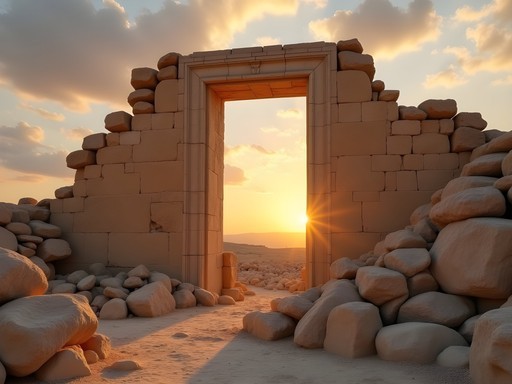
That shot of the sunset hitting the bell tower at Jesús María is frame-worthy! Did you use any special camera settings?
adventurestar
Not the author but I got similar shots - golden hour there is magical! Just show up about an hour before sunset and you can't go wrong.
islandbackpacker
Those interior shots are amazing! What camera setup did you use to capture the low light in the churches without losing detail?
Austin Armstrong
Thanks! I used a mirrorless camera with a fast prime lens (f/1.8) and stabilization. The key was using a small tripod for the really dark interiors - many sites allow them as long as you don't use flash.
freegal
This is my first time planning a trip to Argentina and I'm kinda overwhelmed! Is Córdoba easy to get to from Buenos Aires? And is it safe for solo travelers? Your photos make it look so peaceful and beautiful. Really want to go but nervous about planning everything myself.
Taylor Moreau
Very safe city and easy bus connections from BA. You'll be fine!
blueblogger
how many days would you recommend for seeing all the estancias?
skylife
we did 3 days, saw 4 of them. perfect amount of time
cityhero
Adding this to my Argentina itinerary!! Never even heard of these sites before, looks amazing!!!
Hunter Thompson
MATE this is brilliant!! I backpacked through Argentina last autumn and Córdoba was hands down my favourite stop. The Jesuit sites are mental - like you said, that cultural fusion is everywhere. I stayed at a hostel near the Jesuit Block and walked everywhere. Pro tip: go to the Museo Histórico early morning on weekdays, basically had the place to myself. Also the local buses to the estancias are dead cheap if you're on a budget. Jesús María was my favourite, less touristy than the others. Proper gem of a city!
freegal
which hostel did you stay at? looking for budget options
Hunter Thompson
Stayed at Aldea Hostel, like 10 min walk from the Block. Clean, cheap, good vibes!
Taylor Moreau
Austin, excellent overview of the Jesuit Block. I visited Córdoba during a business trip to Buenos Aires last year and made the detour specifically for these sites. The Manzana Jesuítica exceeded expectations - the craftsmanship in the Capilla Doméstica is extraordinary. One tip for readers: book your estancia visits in advance, particularly for Santa Catalina. I arrived without a reservation and nearly missed entry. The drive through the Sierras to reach them is spectacular in its own right.
blueblogger
how far in advance did you book? heading there in May
Taylor Moreau
I'd suggest at least a week ahead during peak season. Enjoy your trip!
skylife
went last year, totally underrated spot!
Nicole Russell
Austin, this is exactly the kind of historical deep-dive I love! I visited Córdoba last year but somehow missed Alta Gracia - your description makes me want to go back specifically for that. The way you connected the architectural details to the broader cultural fusion really adds depth. One tip for other travelers: the local buses to the estancias can be confusing - I found downloading the local transit app 'Cuando Subo' super helpful for tracking buses. Also, the light for photography at Jesús María is magical around sunset if you can time your visit right!
Austin Armstrong
Thanks Nicole! That app recommendation is gold - wish I'd known about it before struggling with bus schedules. And you're absolutely right about the sunset at Jesús María - those red-gold tones on the old stonework are unforgettable.
explorediver
Those ceiling photos are incredible! The craftsmanship is unreal.
Venture X
Premium card with 2X miles, $300 travel credit, Priority Pass