
Disclosure: This article contains affiliate links. We may earn a commission from purchases at no extra cost to you, which helps our travel content.
As someone who's spent years tracing family histories across continents, I've developed a sixth sense for finding historical gems hiding in plain sight. Boston's Freedom Trail gets all the glory (and the crowds), but the city's revolutionary spirit extends far beyond those famous 16 sites. During my recent trip to Boston—a brief detour from my genealogical research in Nova Scotia—I discovered that some of the most fascinating Revolutionary War stories are tucked away in quieter corners of the city. Pack your comfortable walking shoes and your curiosity; we're about to explore Boston's revolutionary past without the revolutionary crowds.

Dorchester Heights National Historic Site: The Forgotten Victory
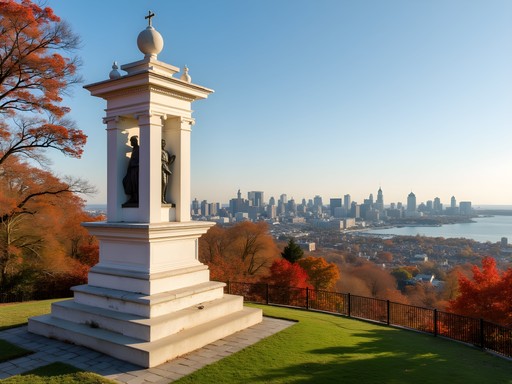
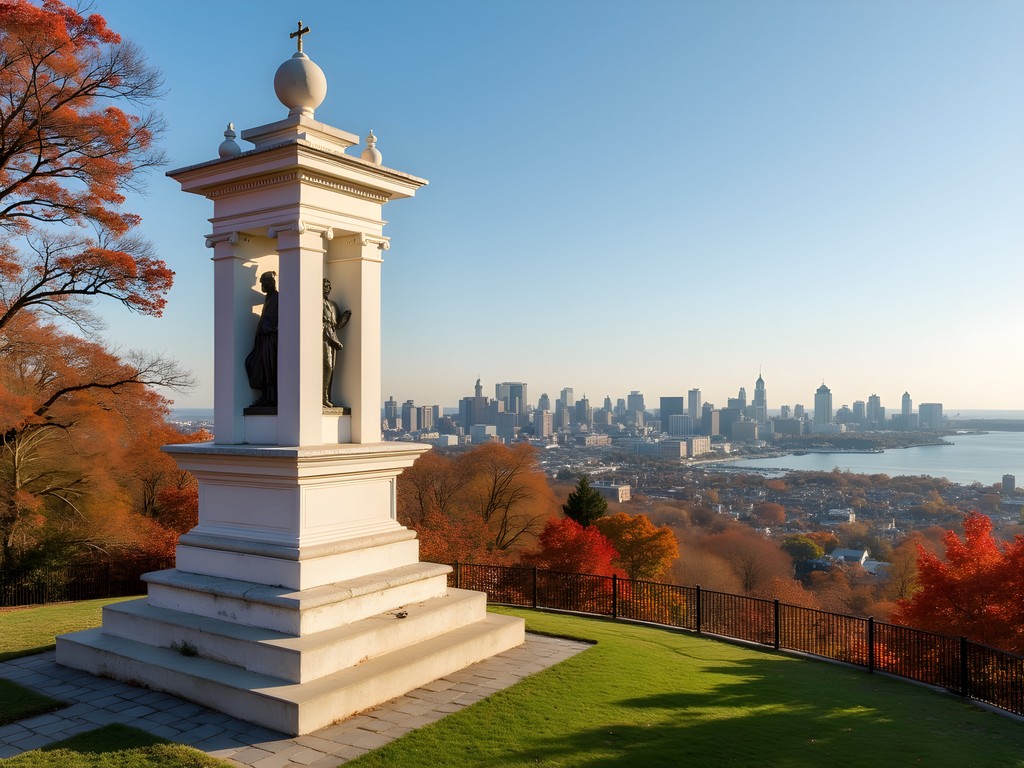
Perched atop Telegraph Hill in South Boston sits a surprisingly peaceful marble tower commemorating one of Washington's most brilliant strategic moves. While every schoolchild learns about the British evacuation of Boston, few visitors realize you can stand on the exact spot where colonial forces positioned their cannons overnight—cannons that had been dragged 300 miles from Fort Ticonderoga by Henry Knox's men.
The site offers panoramic views of Boston Harbor that instantly clarify why this position was so militarily significant. On a crisp fall morning, with leaves turning golden around the monument, I found myself completely alone here—a stark contrast to the crowds shuffling along the Freedom Trail downtown.
The interpretive signs explain how this bloodless victory changed the course of the war, but standing there, watching the morning light on the harbor, I couldn't help thinking about the ordinary Bostonians who woke up that March morning in 1776 to find their city's fate had shifted overnight. For families with energetic kids, the adjacent Thomas Park offers plenty of space to run around while absorbing some revolutionary history by osmosis.
💡 Pro Tips
- Visit on weekday mornings to have the site almost entirely to yourself
- Take the #9 bus from Broadway Station if you're not up for the steep walk to the top
- Bring a compact monocular to spot landmarks across the harbor
Copp's Hill Burying Ground: Stories Etched in Stone
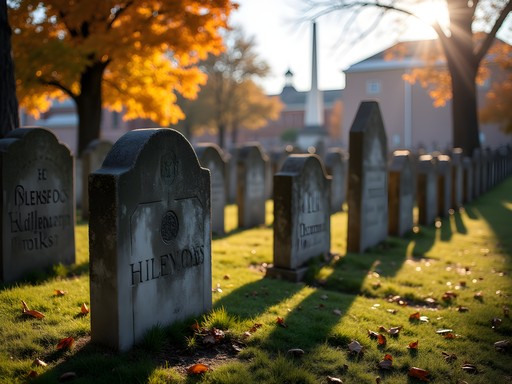
While the Freedom Trail does technically include Copp's Hill, most visitors breeze through without discovering its most fascinating stories. This centuries-old cemetery in Boston's North End holds the remains of fascinating revolutionary figures, including those of the Mather family—influential Puritan ministers whose writings shaped early American thought.
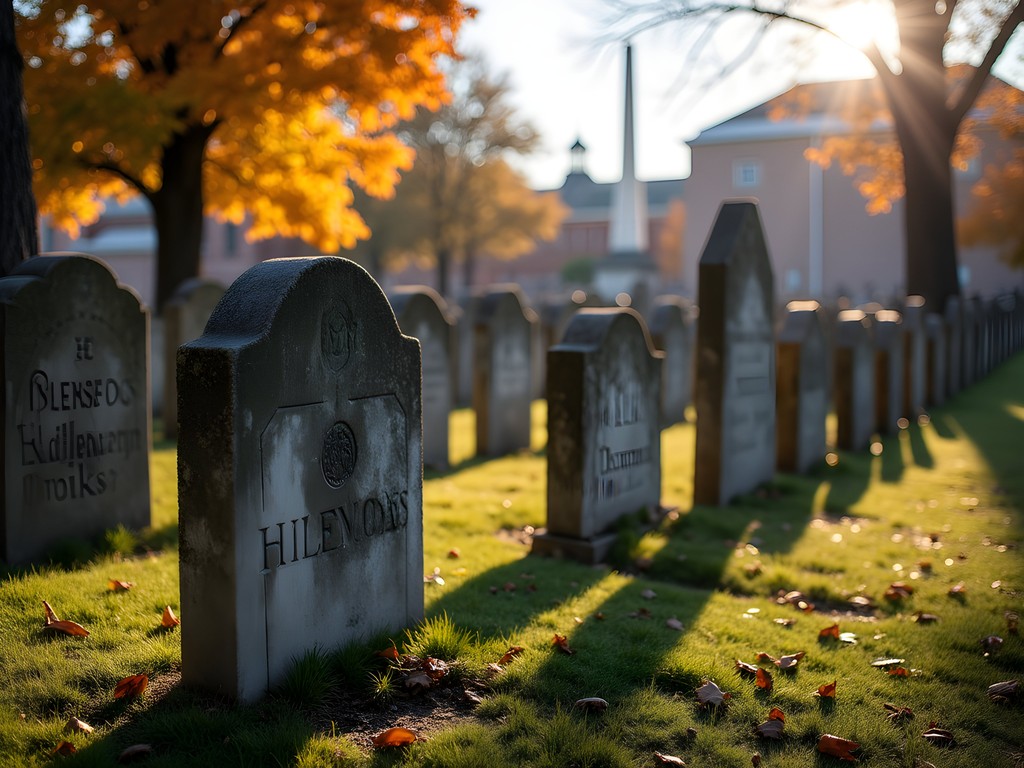
What captivated me most were the gravestones bearing bullet marks from British soldiers who reportedly used them for target practice during their occupation of Boston. As a genealogist who's spent countless hours in cemeteries across Europe searching for family connections, I've developed a knack for spotting these small but telling details.
The cemetery sits on a hill overlooking the Charlestown waterfront, offering views of where the Battle of Bunker Hill unfolded. I recommend bringing a rubbing kit if you're visiting with children—making gravestone rubbings (where permitted) creates meaningful souvenirs and helps kids connect with history in a tangible way.
For history buffs interested in early American printing, look for the grave of Robert Newman, the sexton who hung the lanterns in the Old North Church for Paul Revere's famous ride.
💡 Pro Tips
- Visit in late afternoon when the slanting light makes the weathered inscriptions easier to read
- Look for the gravestone of Captain Daniel Malcolm, which bears British bullet marks
- Download the free Copp's Hill self-guided tour app before visiting
Brook Farm: The Revolutionary Aftermath
While most Revolutionary War sites focus on the conflict itself, Brook Farm in Boston's West Roxbury neighborhood tells the fascinating story of what came after—the social experiments that grew from America's revolutionary ideals. This transcendentalist utopian community founded in the 1840s attracted intellectuals like Nathaniel Hawthorne and Margaret Fuller, who sought to create a more perfect society based on equality and intellectual freedom.
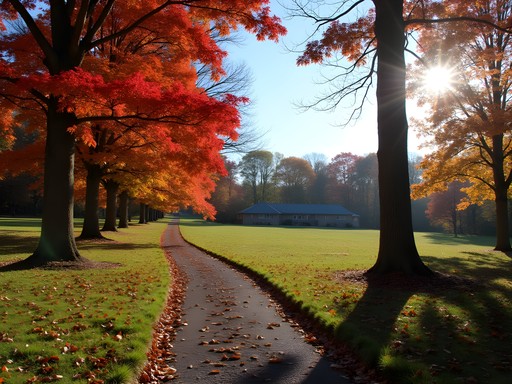
Today, the 179-acre historic site is a peaceful nature preserve where you can walk the same paths as these revolutionary thinkers. My Ukrainian grandfather would have appreciated their communal living experiment, which echoed some of the idealistic communities that briefly flourished in Eastern Europe before the Soviet era.
Before visiting, I highly recommend reading American Bloomsbury to understand the intellectual ferment of the era. The book provides excellent context for appreciating what these thinkers were trying to achieve.
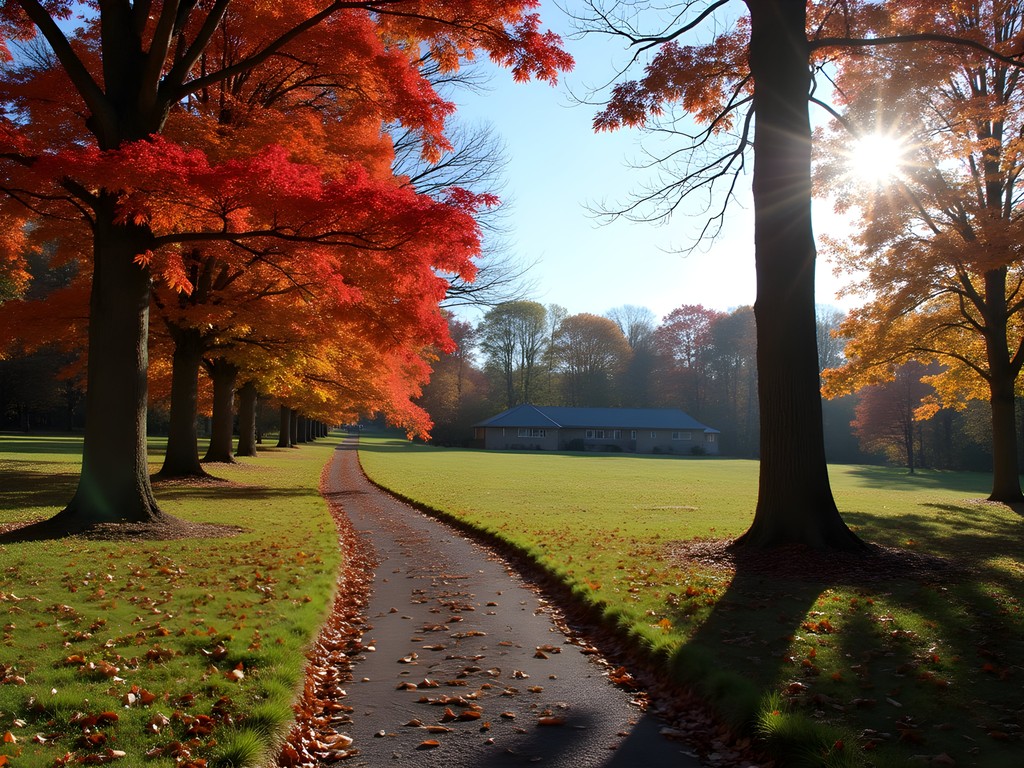
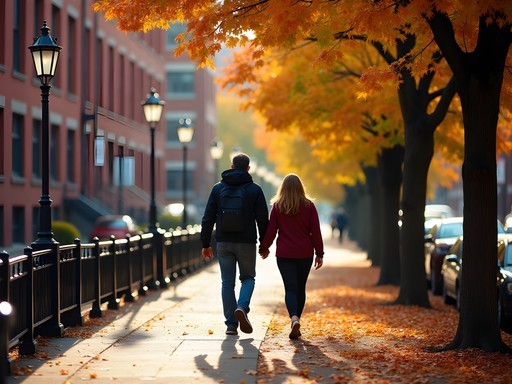
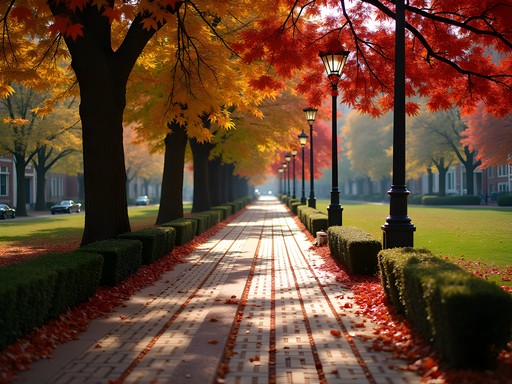
Fall is the perfect time to visit, with the woodland trails showcasing New England's famous foliage. For families, the combination of open space, easy walking paths, and historical significance makes this an ideal afternoon excursion away from downtown crowds.
💡 Pro Tips
- Wear waterproof hiking shoes as the trails can be muddy after rain
- Print the historical site map from the Massachusetts DCR website before visiting
- Look for the foundation stones of the original buildings, which are marked with interpretive signs

Shirley-Eustis House: Revolutionary Headquarters
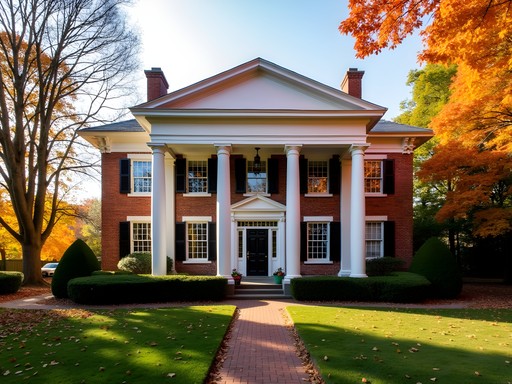
Tucked away in Boston's Roxbury neighborhood stands one of only four remaining colonial governor's mansions in the country. The Shirley-Eustis House served as temporary headquarters for General Washington and later housed Governor William Eustis, who served as Secretary of War under President Madison.
What makes this site special is how it connects the Revolutionary era to the often-overlooked War of 1812—America's second fight for independence. As a Canadian with Scottish roots, I appreciate sites that acknowledge the complex British-American-Canadian relationships of this period.
The mansion's beautiful Georgian architecture is complemented by period gardens that are particularly lovely in fall. The knowledgeable guides share fascinating details about daily life during revolutionary times, including the roles of women and enslaved people in the household.
For families visiting Boston, this site offers a welcome respite from downtown crowds and provides children with space to move around while learning. I recommend bringing a colonial history activity book to keep younger visitors engaged between guided tours.

💡 Pro Tips
- Call ahead to confirm tour times as they operate with limited hours
- Look for the secret compartment in the library that once hid important documents
- Ask about their special events calendar—they occasionally host colonial cooking demonstrations
Fort Independence on Castle Island: Harbor Defenses
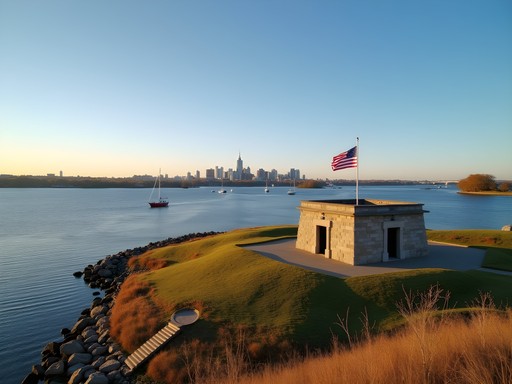
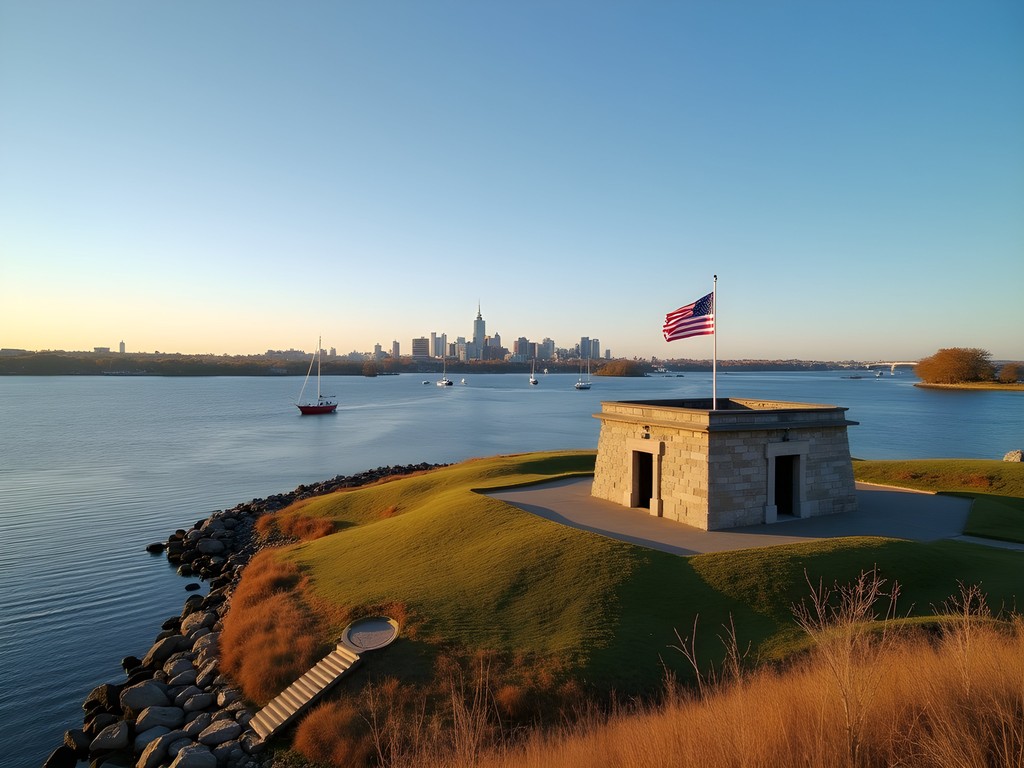
Connected to South Boston by a causeway, Castle Island feels worlds away from downtown despite being just a short drive from the city center. Fort Independence, a pentagonal granite fort that stands guard over Boston Harbor, has defended the city since the earliest colonial days, though the current structure dates to the early 19th century.
What fascinates me about this site is its continuous military use from the American Revolution through World War II—a physical reminder of how the young nation's defenses evolved. The fort offers guided tours that take you through the dark, cool corridors and up to spectacular harbor views from the ramparts.
For military history buffs, I recommend bringing a tactical flashlight to better examine the darker interior chambers and passageways. The guides appreciate visitors who come prepared to explore thoroughly.
The surrounding park offers beautiful walking paths along the water, making this an ideal family destination where kids can burn energy running around the fort's exterior while parents enjoy the harbor views. In fall, the crisp air and smaller crowds make this one of Boston's most pleasant outdoor historical sites.
💡 Pro Tips
- Combine your visit with Sullivan's food stand (a local institution) for affordable clam strips and ice cream
- Check the schedule for free ranger-led tours, which provide access to areas not open for self-guided exploration
- Bring a windbreaker as the harbor location can be quite breezy even on warm days
Final Thoughts
Boston's revolutionary story extends far beyond the red-bricked Freedom Trail, rewarding curious travelers who venture just a bit off the beaten path. As a genealogist accustomed to piecing together family histories from fragmentary evidence, I've found that these lesser-known sites often provide the most authentic connections to our shared past. They offer breathing room for reflection that's sometimes difficult to find at more crowded landmarks.
What makes these hidden gems particularly special is how they reveal the revolution's impact on ordinary citizens—the farmers who became soldiers, the families who endured occupation, and the thinkers who translated military victory into social experimentation. For families visiting Boston, these sites provide valuable learning opportunities without the overwhelm of major attractions.
I encourage you to carve out time during your Boston visit to explore at least two or three of these overlooked treasures. Whether you're a history buff, a family with curious kids, or simply someone seeking a more nuanced understanding of America's founding story, these sites will enrich your experience of this remarkable city. After all, revolutions don't just happen on main streets—they unfold in neighborhoods, homes, and hearts throughout a community.
✨ Key Takeaways
- Boston's revolutionary history extends well beyond the famous Freedom Trail sites
- Fall is ideal for exploring these lesser-known historical gems with smaller crowds and beautiful foliage
- These sites often provide more authentic connections to everyday revolutionary-era life
📋 Practical Information
Best Time to Visit
September-November
Budget Estimate
$150-300 for a weekend (excluding accommodations)
Recommended Duration
2-3 days
Difficulty Level
Easy




Comments
coffeebuddy
Really cool! Adding these to my Boston list
oceanbackpacker
Pro tip: the Shirley-Eustis House does tours on weekends only, so plan accordingly. We showed up on a Tuesday and it was closed lol
Savannah Torres
Claire, this post really resonates with me! We took our kids (8 and 11) to Boston last summer and honestly, the Freedom Trail was a bit much for them - too crowded, too hot, and they couldn't really connect with it. We stumbled onto Copp's Hill almost by accident and it became their favorite part of the trip. Something about the old gravestones and being able to touch history (carefully!) made it real for them in a way the busy trail didn't. My daughter spent 20 minutes doing gravestone rubbings. These quieter sites are perfect for families who want substance without the circus atmosphere.
coffeebuddy
This is so helpful! Taking my niece and nephew this summer and was worried about keeping them engaged
happytime
Going to Boston in March. How much time should I budget for Dorchester Heights? Is it walkable from downtown or do you need a car?
Savannah Torres
We took the T (Red Line to Broadway) and walked about 15 minutes. Totally doable! The walk up the hill is a bit steep but worth it. Plan maybe an hour there if you want to really take it in and read the plaques.
happytime
Perfect, thanks!
travelphotographer
Love the photos!! The one from Dorchester Heights is amazing
Sarah Powell
This is exactly the type of historical deep-dive I appreciate. I visited Dorchester Heights last fall and was struck by how empty it was compared to the Freedom Trail crowds. The strategic importance of that location becomes so clear when you're standing there looking down at the harbor. What's interesting is how these secondary sites actually tell a more complete story - the Freedom Trail hits the highlights, but places like Copp's Hill show you the layers of history and the everyday people involved. Have you explored any of the colonial-era sites in the North End neighborhoods beyond the trail?
oceanbackpacker
Good point about the crowds. Freedom Trail was packed when we went in June
sunnyzone
Never heard of most of these! Thanks for sharing
Hunter Thompson
Brilliant post Claire! I'm always banging on about getting off the main tourist trails and Boston is perfect for that. The Shirley-Eustis House sounds fascinating - had no idea Washington used it as HQ. Adding it to my list for when I'm back in New England this autumn. Quick question: are these sites open year-round or do some close in winter? Cheers!
dreamzone
Copp's Hill is incredible! I stumbled on it by accident a few years back when I got lost in the North End (best kind of lost lol). The gravestones with musket ball marks from the British firing practice are wild. Also you're right there in the North End so grab lunch at one of the Italian spots after. Way less crowded than the Freedom Trail spots and honestly more atmospheric.
Hunter Thompson
The North End is proper brilliant for food! Did you hit any specific restaurants?
dreamzone
Giacomo's! Had to wait like 45 min but worth it
redhero
How far is Dorchester Heights from downtown? Can you walk there or need a car?
Hunter Thompson
Not Claire but I've been! It's about 2 miles from downtown - totally doable on the T (red line to Broadway station then a 15 min walk). The views from the top are absolutely brilliant, you can see the whole harbour. Went there last autumn and had the whole place practically to myself!
redhero
Perfect, thanks! Staying near Faneuil Hall so that sounds easy
Venture X
Premium card with 2X miles, $300 travel credit, Priority Pass