

Disclosure: This article contains affiliate links. We may earn a commission from purchases at no extra cost to you, which helps our travel content.
When I tell colleagues I'm spending my sabbatical in Libya, eyebrows invariably rise. As a physicist accustomed to challenging assumptions, I've discovered that Libya—particularly the corridor from ancient Cyrene to modern Benghazi—offers one of the most fascinating yet overlooked archaeological laboratories on Earth. The intersection of Greek, Roman, Byzantine, and Islamic influences creates a historical palimpsest that defies the simplified narratives we often hear about North Africa. For those willing to navigate the complexities of visiting this remarkable country, the rewards are extraordinary.

Cyrene: Where Physics Meets Ancient Engineering
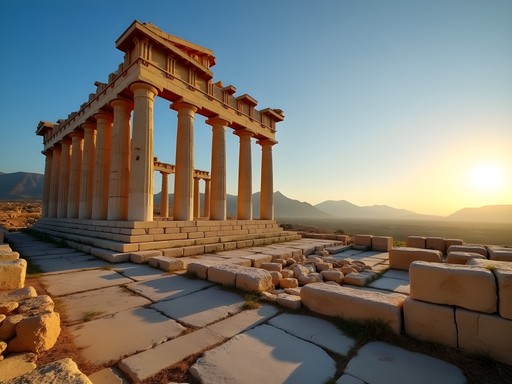
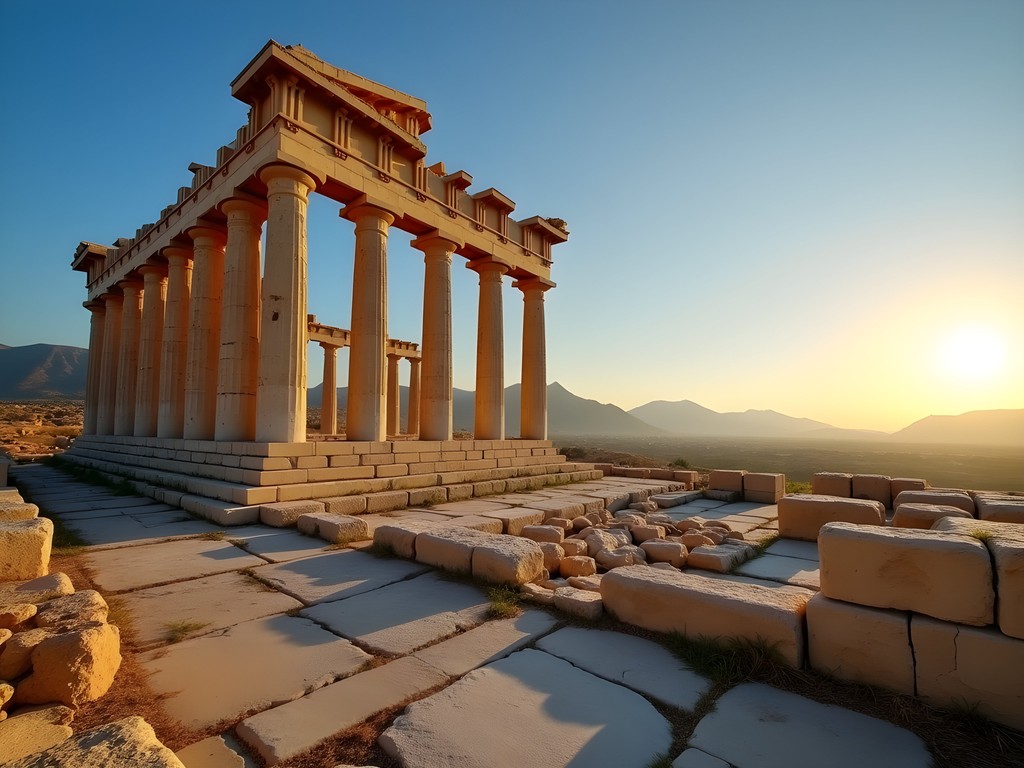
As someone who studies the fundamental forces of nature, I find myself consistently humbled by the architectural achievements at Cyrene. Founded in 631 BCE, this Greek colony demonstrates principles of mathematics, astronomy, and physics that we still teach in universities today.
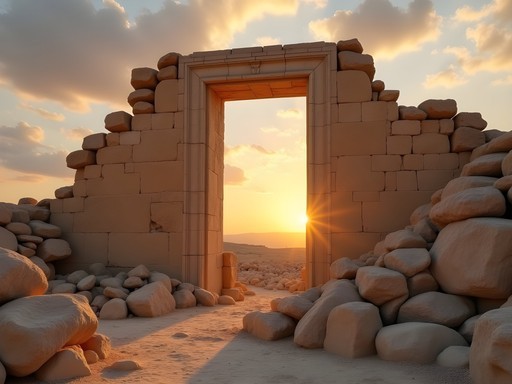
The Temple of Apollo features columns positioned with such precision that they create a perfect alignment with the summer solstice sunrise—a feat accomplished without modern measurement tools. When my colleague Dr. Amina Hassan and I measured the angles using my laser distance meter, we found variances of less than 0.5 degrees across structures built centuries apart.
The city's water management system particularly fascinated me—the engineers of Cyrene designed an intricate network of cisterns and aqueducts that efficiently collected, filtered, and distributed water throughout the ancient metropolis. The gravitational principles they employed without formal knowledge of Newtonian physics speaks to human intuition and observational brilliance.
💡 Pro Tips
- Visit early morning (7-9am) for the best light and fewer tour groups
- Hire a local archaeological guide with permission to access restricted areas
- The site is expansive—wear sturdy hiking boots and bring at least 2 liters of water
Ptolemais: The Forgotten Coastal Metropolis
Between Cyrene and Benghazi lies Ptolemais, a Hellenistic-Roman city that served as the region's administrative center during the 3rd century CE. Unlike more famous Mediterranean sites, Ptolemais offers the rare opportunity to explore without crowds or barriers.
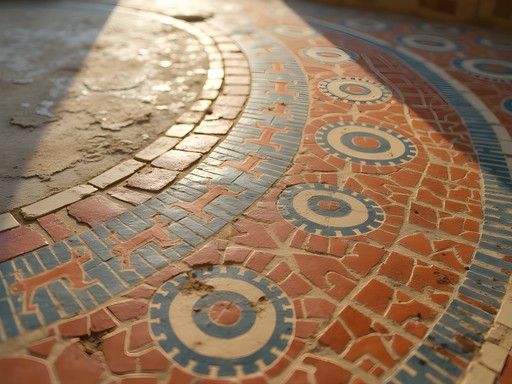
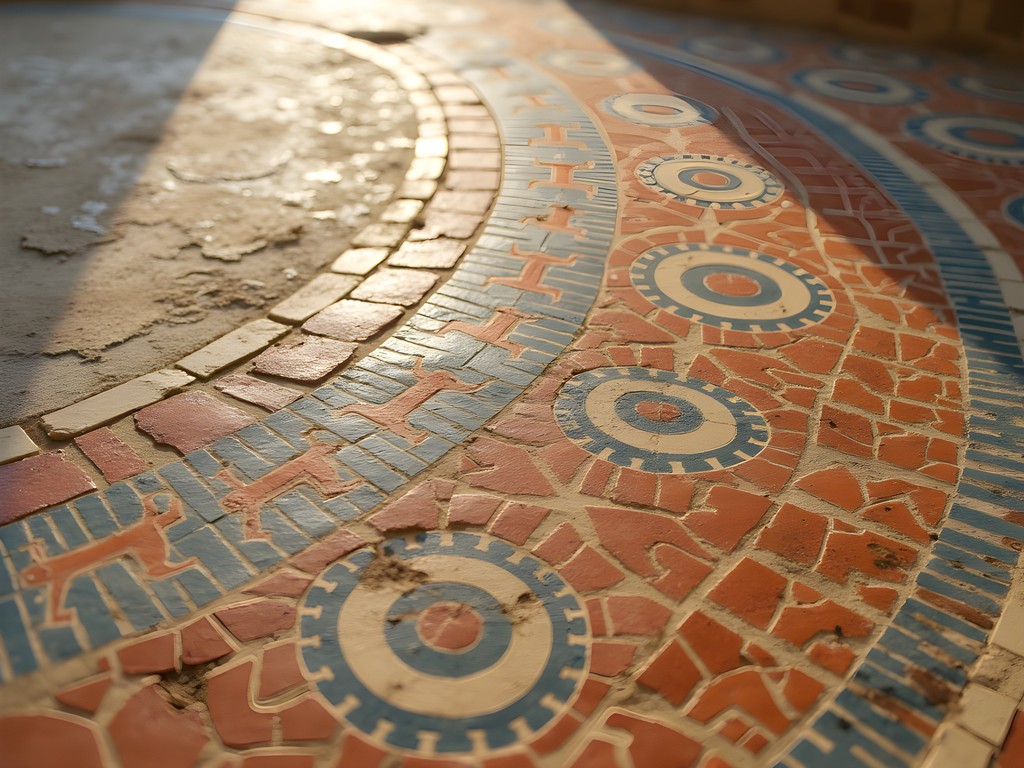
The House of Columns, with its remarkably preserved mosaics depicting scenes from Greek mythology, provides unique insights into cultural transmission between continents. I spent hours documenting the geometric patterns with my portable light panel to reveal details invisible under normal lighting conditions.
What struck me most was the sophisticated urban planning—wide colonnaded streets laid out in a perfect grid, public fountains positioned at mathematically consistent intervals, and a theater designed with acoustic properties that still allow a whisper on stage to be heard in the back row. I tested this phenomenon using a sound meter app and was astonished by the precision of the ancient architects' work.
Ptolemais also features one of North Africa's best-preserved Roman bathhouses, where you can still identify the hypocaust heating system that maintained different temperature zones through clever manipulation of thermodynamics and air flow.
💡 Pro Tips
- The site has minimal shade—bring a wide-brimmed sun hat and apply sunscreen frequently
- Photography enthusiasts should bring polarizing filters to reduce glare on the marble surfaces
- Visit the small on-site museum first to understand the context of what you'll be seeing
Navigating Modern Benghazi with Historical Context
Benghazi itself presents a fascinating study in resilience and reconstruction. While international headlines have focused on conflict, the city has been rebuilding with remarkable determination. The juxtaposition of ancient sites with modern development creates a living laboratory for understanding urban evolution.
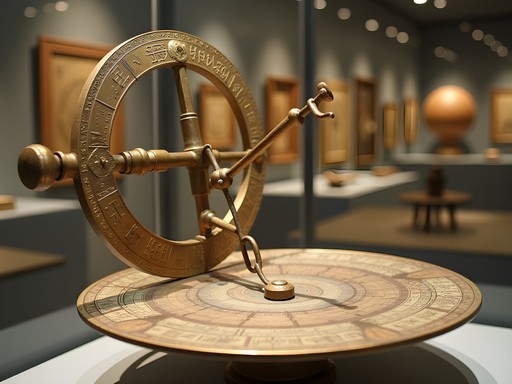
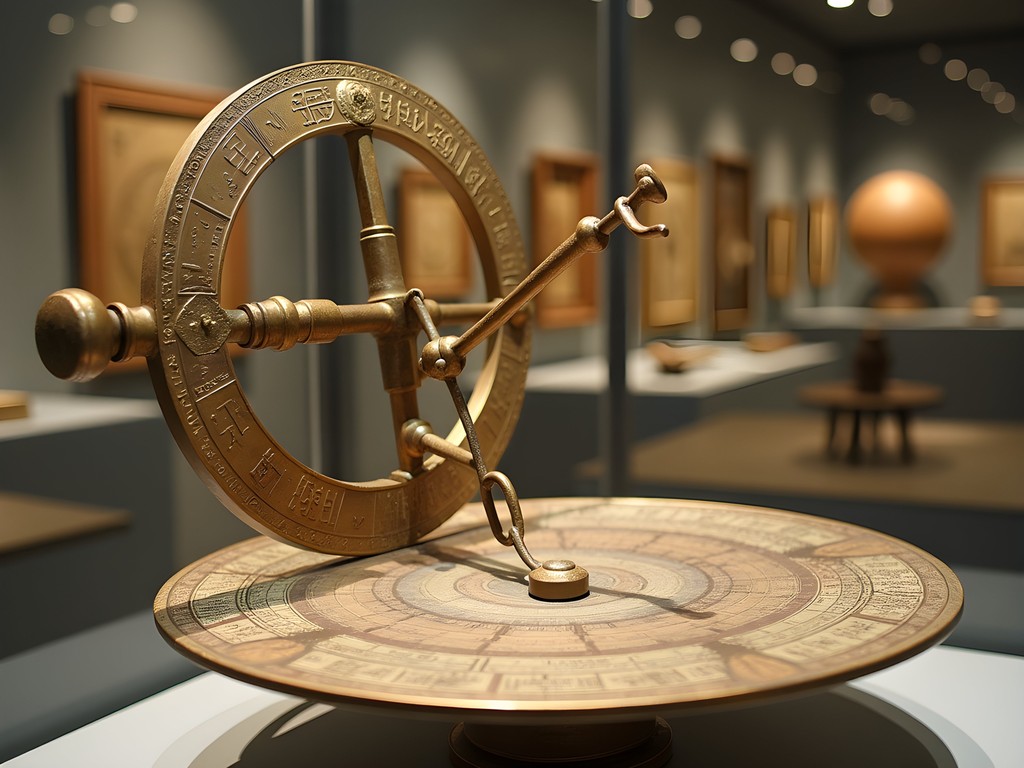
The Benghazi Archaeological Museum has reopened with enhanced security measures and houses treasures that would be centerpiece exhibits in most Western institutions. I was particularly moved by the collection of ancient astronomical instruments that demonstrate sophisticated understanding of celestial mechanics dating back to the 2nd century BCE.
For those interested in Libya's more recent scientific contributions, I recommend visiting Benghazi University's Physics Department, where groundbreaking work on solar energy applications is taking place. After arranging an introduction through academic channels, I was welcomed warmly by faculty eager to share their research and perspectives.
During my stay, I found the travel security pouch invaluable for keeping important documents secure yet accessible. While Benghazi is gradually reopening to visitors, practical precautions remain advisable.
The colonial-era Italian quarter offers architectural insights into Libya's complex 20th-century history, with buildings that blend Mediterranean and North African design elements in ways that naturally regulate temperature—another example of physics principles applied to everyday life.
💡 Pro Tips
- Always carry photocopies of your passport and visa documentation
- The cellular network can be unreliable—download offline maps before exploring
- Respect local customs by dressing conservatively and asking permission before photographing people

Practical Considerations for Libya Travel
Visiting Libya requires substantial preparation, but the archaeological rewards justify the effort. First, you'll need to secure a visa through a recognized tour operator who can provide the necessary invitation letters and government permissions. I worked with Libya Expeditions, who handled the bureaucratic complexities with remarkable efficiency.
Security considerations remain paramount. The situation has stabilized significantly since 2020, but travelers should register with their embassy, maintain regular check-ins, and follow local guidance. My group traveled with a government-approved security liaison who facilitated access to sites while ensuring our safety.
Connectivity can be challenging in remote archaeological areas. I relied heavily on my satellite communicator to maintain contact with family and colleagues when cellular networks were unavailable. For longer explorations, I also packed a solar charger which proved invaluable at remote sites.
Accommodation options in Benghazi have improved substantially, with several international-standard hotels now operating. Outside major cities, facilities remain basic but adequate. I found the Tibesti Hotel in Benghazi offered the best combination of comfort, security, and proximity to sites of interest.
Transportation between sites requires advance arrangement. Self-driving is not recommended for foreign visitors. Our group utilized a combination of scheduled transport and private drivers arranged through our tour operator.
💡 Pro Tips
- Book accommodation at least 3 months in advance as options are limited
- Bring sufficient cash (USD or EUR) as ATMs are unreliable and credit cards rarely accepted
- Pack essential medications and a comprehensive medical kit as pharmacies may not stock familiar brands
The Scientific Significance of Libya's Archaeological Corridor
What continues to draw me back to Libya's archaeological sites is their unparalleled value for understanding the development of scientific thought. From astronomy to mathematics, hydraulics to acoustics, these ancient cities were centers of knowledge production and transmission.
At the Apollonia harbor installations, I observed sophisticated breakwater designs that still effectively disrupt wave patterns after two millennia—principles we now teach in fluid dynamics courses. The astronomical alignments at multiple temple sites demonstrate precise observational astronomy that informed both religious practice and agricultural planning.
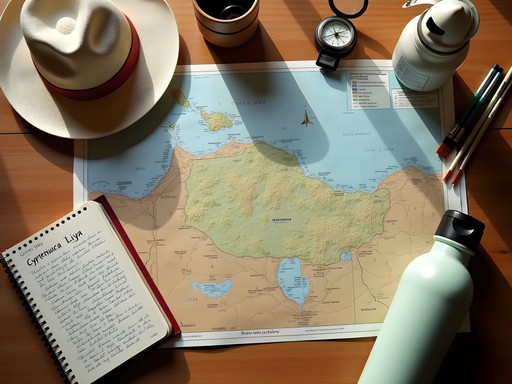
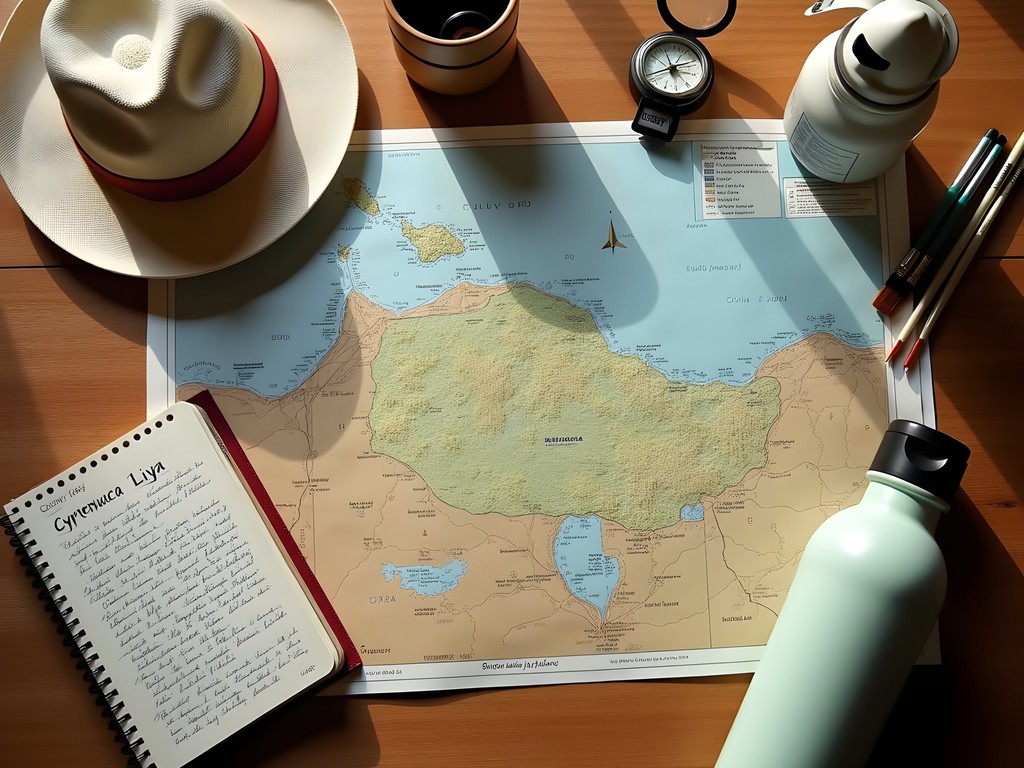
For documenting these connections, I found my waterproof field notebook essential, particularly when unexpected rain showers hit during our coastal explorations. The ability to take precise notes and measurements in various conditions proved invaluable for later analysis.
What's particularly striking is how these sites reveal the multicultural nature of ancient scientific development. We find Greek mathematical principles applied to Roman engineering challenges, later adapted with Byzantine modifications and preserved through Islamic scholarly traditions. The physical evidence directly contradicts simplistic narratives about the linear development of scientific knowledge.
For those with specific research interests, I recommend contacting the Department of Antiquities in Tripoli well in advance of your visit. With proper academic credentials, it's possible to arrange special access to areas undergoing active conservation or research.

💡 Pro Tips
- Bring binoculars to observe architectural details that aren't accessible up close
- A small LED flashlight helps examine details in tombs and underground structures
- Consider joining an archaeology-focused tour rather than attempting independent exploration
Final Thoughts
Libya's archaeological corridor from Cyrene to Benghazi represents one of humanity's most significant yet underappreciated scientific and cultural achievements. As a physicist, I've found these sites offer profound insights into the development of human knowledge—from astronomical observations that informed calendar systems to architectural innovations that solved complex engineering challenges using principles we still teach today.
While Libya presents logistical challenges for travelers, the opportunity to experience these remarkable sites without overwhelming crowds provides a rare chance for contemplation and discovery. The country is gradually reopening to international visitors, and those willing to navigate the requirements will find themselves among the fortunate few to witness these historical treasures firsthand.
As we face global challenges requiring scientific cooperation across cultures, Libya's archaeological record offers a powerful reminder that human knowledge has always transcended political boundaries. These ancient stones don't just tell us about the past—they illuminate possibilities for our collective future. If you're drawn to places where history, science, and adventure converge, Libya deserves a place on your travel horizon.
✨ Key Takeaways
- Libya's archaeological sites reveal sophisticated scientific knowledge that challenges conventional historical narratives
- Visiting requires advance planning and appropriate security measures, but offers unparalleled access to uncrowded world-class sites
- The region demonstrates how scientific knowledge developed across cultures rather than through linear progression
- Modern Benghazi is rebuilding and gradually reopening to international visitors with appropriate precautions
- For those interested in the intersection of physics, astronomy, and ancient engineering, these sites provide extraordinary educational value
📋 Practical Information
Best Time to Visit
March-May or October-November when temperatures are moderate
Budget Estimate
$3,500-5,000 for a 2-week guided tour excluding international flights
Recommended Duration
Minimum 10 days, ideally 14-16 days to fully appreciate the archaeological corridor
Difficulty Level
Challenging - Requires Advance Planning, Security Considerations, And Physical Stamina For Archaeological Site Exploration



Comments
triphero
For anyone planning this - make sure your camera gear is in good shape because the lighting at these ruins during golden hour is unreal. Also second the advice about cash - ATMs are basically non-existent for foreign cards. Bring way more cash than you think you'll need.
Megan Martin
Excellent write-up, Corey. I've been following developments in Libya's tourism sector and it's encouraging to see responsible travel content like this. For anyone seriously considering this trip, I'd recommend doing extensive research on current travel advisories and having comprehensive travel insurance that covers the region. The archaeological significance of Cyrene really cannot be overstated - it's a UNESCO World Heritage site that deserves more attention. Also, learning a few Arabic phrases goes a long way.
dreamwanderer
This is absolutely fascinating! I've been obsessed with ancient Greek and Roman sites and had no idea Libya had such incredible ruins. The way you connected the ancient engineering with your physics background made it even more interesting. Cyrene is officially added to my list. Thanks for being brave enough to share this!
moonmood
those ruins look amazing! can you just walk around or do you need a guide?
Corey King
You'll have a guide as part of the tour arrangement (it's required), but they give you plenty of time to explore on your own at the sites.
Jean Wells
Corey, fascinating read. I've been contemplating Libya for two years now but haven't pulled the trigger. Your physics perspective on Cyrene's engineering is refreshing—most travel writers miss that analytical angle entirely. Quick question: what's the current security situation for solo travelers? I've heard conflicting reports about whether independent travel is feasible or if you need to go through official tour operators. Also curious about your visa process timeline. The bureaucracy aspect has been my main hesitation.
Corey King
Jean, great questions. I went through a registered tour operator for the visa (took about 6 weeks), which is essentially required. Security-wise, the Cyrene-Benghazi corridor is relatively stable compared to other regions. I felt comfortable, but staying informed daily is essential. Happy to share my operator contact if you DM me.
Jean Wells
That's helpful, thanks. Six weeks is manageable. I'll reach out via DM.
explorelover
What was your daily budget like? And could you use credit cards or is it all cash?
Corey King
All cash - bring USD or EUR and exchange locally. Daily budget was around $80-100 including guide, accommodation, and meals. The archaeological sites themselves are very cheap to enter.
moonmood
wow never thought about libya for travel! this is so cool
Corey King
Thanks! It's definitely not on most people's radar, but that's part of what makes it special.
oceanmate
Really cool photos!
Nicole Russell
WOW Corey! This is absolutely on my bucket list now. I had no idea Cyrene was so well-preserved. The photos of those ancient columns against the Mediterranean backdrop are stunning! As someone who loves off-the-beaten-path destinations, this is exactly the kind of content I need. Did you feel welcomed by locals? And how was the food situation?
Corey King
The hospitality was incredible! People were genuinely excited to see tourists interested in their history. Food was great - lots of couscous, fresh seafood in Benghazi, and the tea culture is amazing. Just be prepared for limited vegetarian options.
beachhero
Is it safe though? Genuine question, not trying to be negative.
Megan Martin
I've been researching this extensively for a potential assignment. The eastern region around Benghazi has stabilized significantly compared to 5 years ago. That said, you need proper local contacts and shouldn't travel without a guide. It's not casual backpacker territory.
Venture X
Premium card with 2X miles, $300 travel credit, Priority Pass