
Disclosure: This article contains affiliate links. We may earn a commission from purchases at no extra cost to you, which helps our travel content.
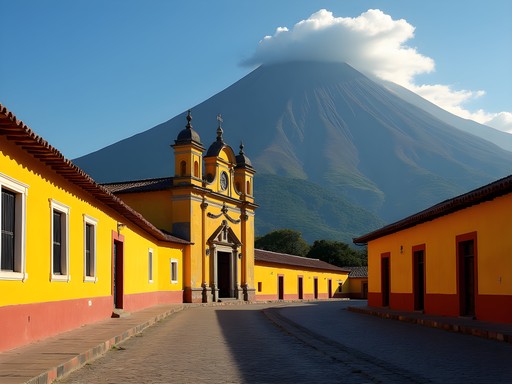
The moment I stepped onto the cobblestone streets of Antigua, Guatemala last winter, I was struck by how the numerical data I'd studied beforehand—16th-century Spanish colonial architecture, 30+ baroque-influenced structures, and 3 towering volcanoes framing the skyline—transformed into a sensory experience that no spreadsheet could capture. As a data scientist accustomed to quantifying experiences, I found myself pleasantly overwhelmed by the qualitative richness of this UNESCO World Heritage site. My analytical mind was equally captivated by the mathematical precision of colonial urban planning and the organic chaos of cultural evolution spanning five centuries.

The Architectural Time Capsule: Mapping Antigua's Colonial Grid
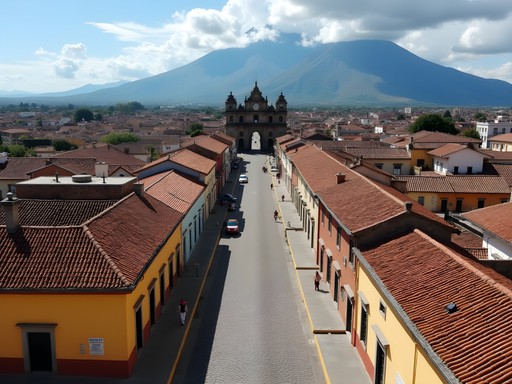
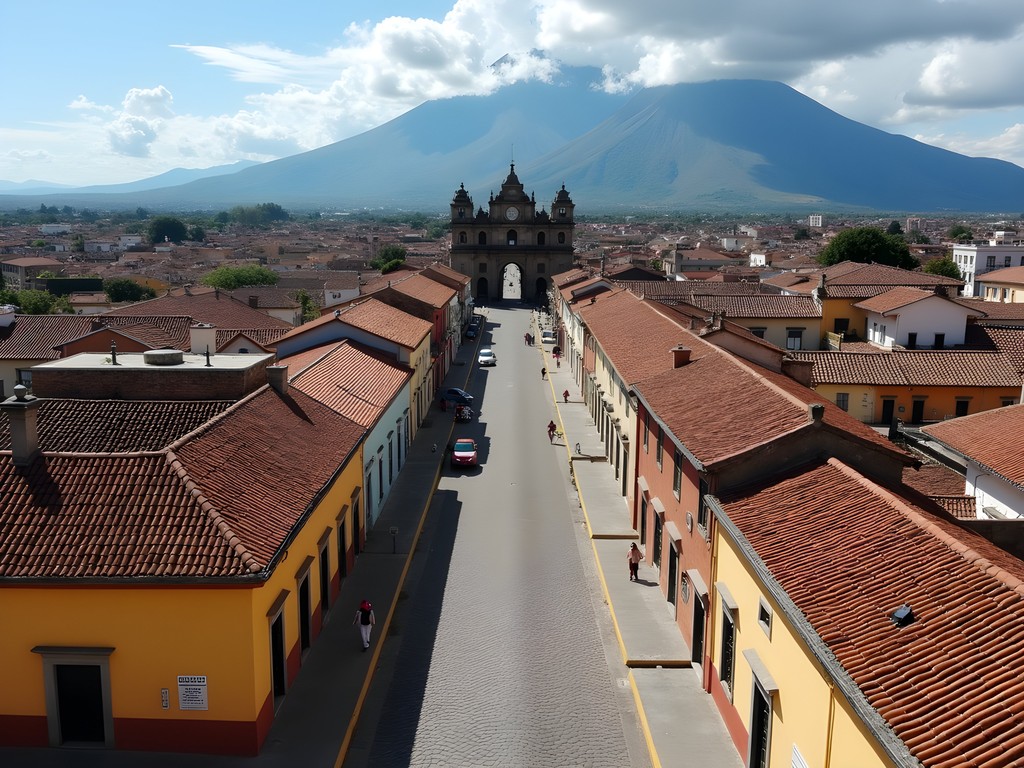
Having mapped coral reef changes across three continents, I approached Antigua with the same methodical precision, creating a custom digital overlay of the city's original Spanish grid system to guide my exploration. This 16th-century urban plan—a perfect example of Renaissance ideals translated to the New World—remains remarkably intact despite centuries of seismic activity.
The central plaza follows the classic Spanish colonial model, with power structures positioned strategically: Cathedral to the east, government buildings to the north, and commercial arcades completing the square. What fascinates me from a data perspective is how this rigid geometric pattern adapted to both natural disasters and cultural evolution while maintaining its core structure.
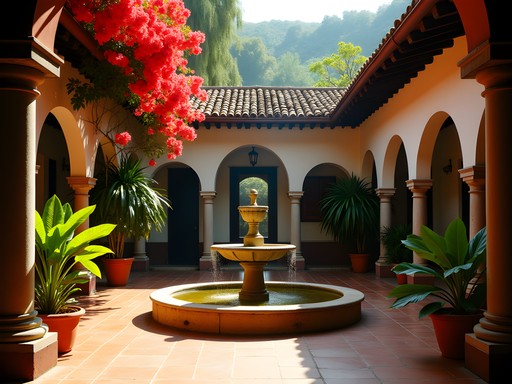
I spent my first two days methodically traversing the grid, GPS tracker in hand, documenting the architectural features that distinguish Antigua from other colonial cities I've visited across Latin America. The low-profile, earthquake-resistant structures with their thick walls and interior courtyards reflect both Spanish aesthetics and practical adaptation to local conditions—a perfect data point for my ongoing project comparing colonial adaptation strategies worldwide.
💡 Pro Tips
- Purchase a detailed paper map at the tourism office and mark buildings as you visit them to create a personalized historical record
- Visit the municipal building for access to historical urban planning documents that reveal how the city evolved
- Photograph architectural details at different times of day—the changing light reveals different aspects of craftsmanship
Beneath the Surface: Quantifying Earthquake Resilience in Colonial Churches
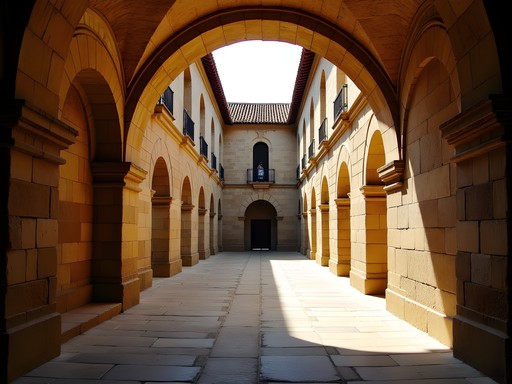
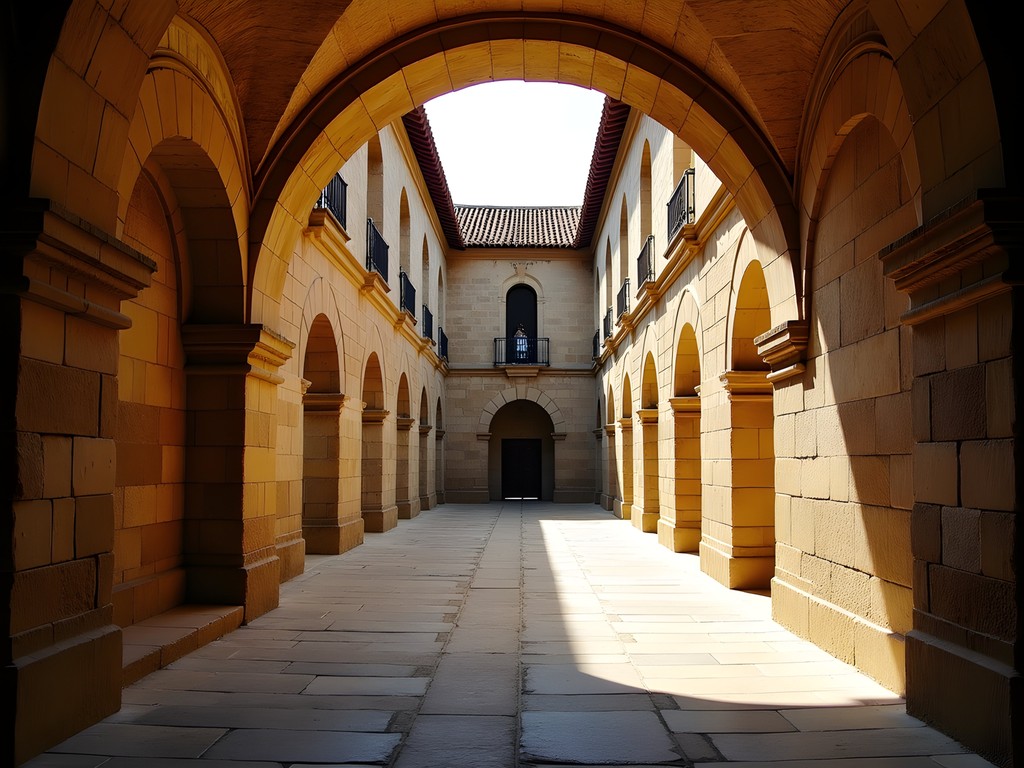
My fascination with structural data led me to Antigua's partially destroyed churches, which provide a rare cross-sectional view of colonial construction techniques. La Recolección, San José Cathedral, and the Capuchinas Convent offer what I call 'architectural MRIs'—exposed building systems revealing how Spanish engineers adapted European designs to a seismically active region.
Armed with my laser measure, I documented wall thicknesses averaging 1.2-1.8 meters—significantly more substantial than contemporary Spanish structures in non-seismic regions. The buttressing systems employ mathematical principles that predate modern seismic engineering but demonstrate remarkable intuitive understanding of force distribution.
At the Capuchinas Convent, I was particularly struck by the circular 'anti-seismic' structure with its innovative load-bearing design. The nuns' cells arranged around this circular courtyard represent an early example of architectural adaptation to environmental threats—data points I've added to my ongoing analysis of historical risk mitigation techniques.
For couples exploring these ruins, I recommend bringing a portable LED light to illuminate the darker corners where the most interesting structural elements are often hidden. The play of light across these ancient stones reveals construction details that even local guides sometimes miss.
💡 Pro Tips
- Visit early morning (before 9am) when the ruins are nearly empty and the light is ideal for examining architectural details
- Look for the different types of mortar used—they tell a story of repair and adaptation over centuries
- Compare wall thicknesses between buildings to understand how seismic engineering evolved
Cultural Artifacts: Visualizing Antigua's Colonial-Indigenous Fusion
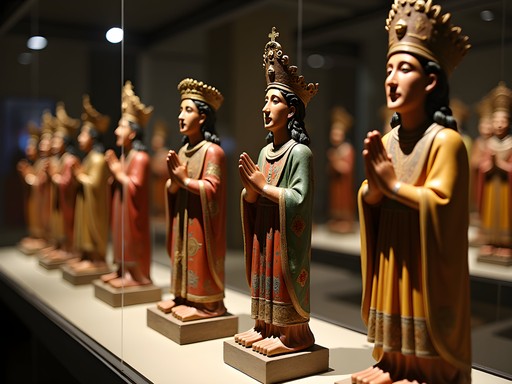
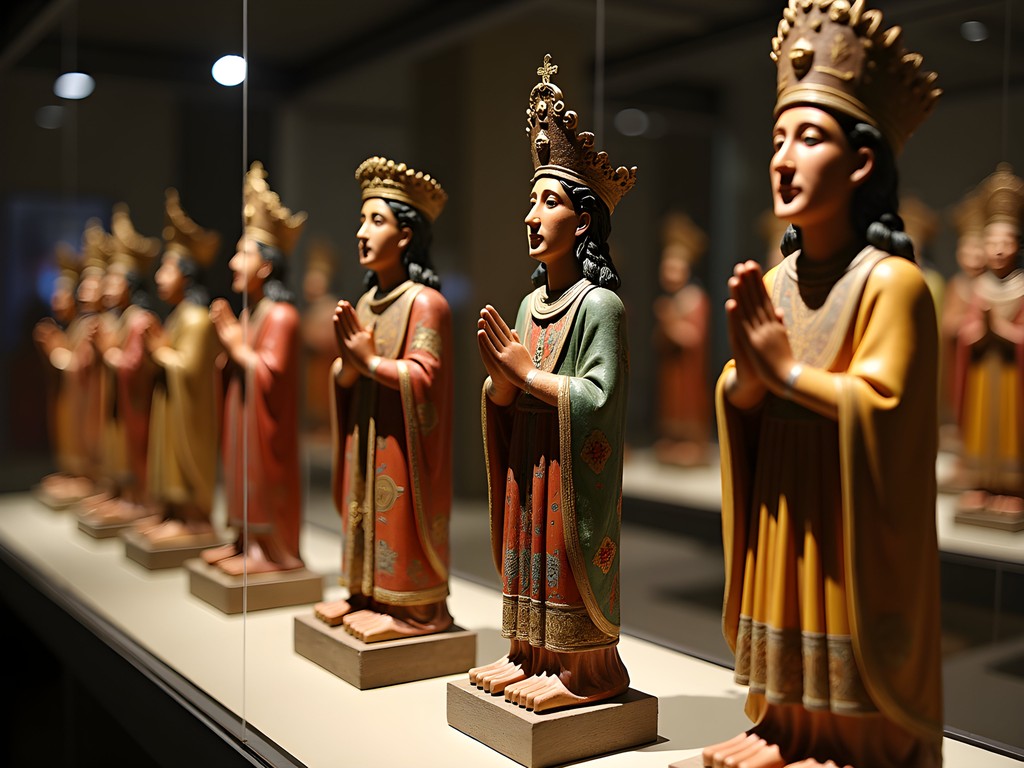
As someone who's documented vintage artifacts across four continents, Antigua's museums offered a treasure trove of colonial-era data points. The Museum of Colonial Art houses an exceptional collection that quantifies the unique fusion of Spanish baroque with indigenous Mayan aesthetics—what art historians call the 'Antigüeño style.'
I spent a full day photographing and cataloging the stylistic elements that demonstrate this cultural convergence. The polychrome wooden sculptures incorporate European religious iconography executed with distinctly indigenous color palettes and facial features—a measurable visualization of cultural adaptation.
For couples with an interest in historical artifacts, I recommend investing in the museum audio guide to record the excellent curator explanations for later reference. My own recordings have become valuable research material for my ongoing project comparing colonial art adaptations across the Americas.
At the Casa Popenoe, a restored colonial mansion, I was able to document domestic architectural adaptations that reveal much about daily life during the colonial period. The kitchen particularly interested me, with its ergonomic design reflecting both Spanish traditions and local cooking requirements—another data point in understanding how colonial cultures evolved uniquely in different environments.
💡 Pro Tips
- Visit the Museum of Colonial Art with a notebook to sketch recurring motifs that blend European and indigenous elements
- Photograph textile patterns at the Museo Casa del Tejido for evidence of cultural fusion in everyday items
- Compare religious imagery in churches with those in museums to see how public and institutional art differed

Gastronomic Data Points: Mapping Colonial Culinary Heritage
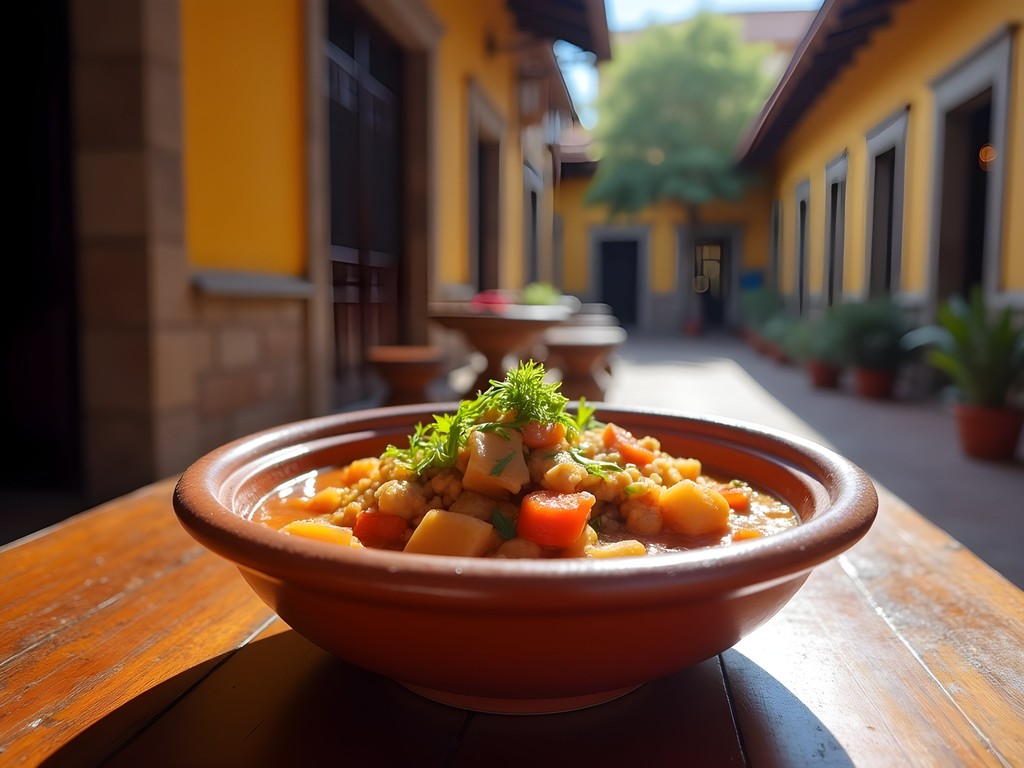
My analytical approach extends to culinary experiences, where I've documented how colonial influences created a unique gastronomic landscape in Antigua. The Spanish brought European cooking techniques and ingredients that merged with indigenous Mayan traditions, creating measurable fusion points across the city's culinary offerings.
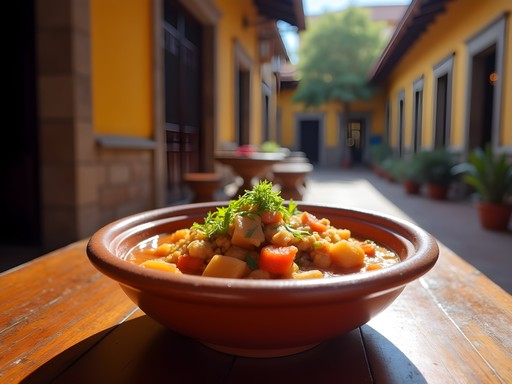
At Restaurante Doña Luisa Xicotencatl, housed in a colonial building near Santa Catalina Arch, I conducted a systematic sampling of dishes that demonstrate this fusion. The pepián, Guatemala's national dish, offers clear data on Spanish-Mayan culinary convergence: European-introduced chicken combined with indigenous spices and preparation methods.
For couples seeking authentic colonial-era dining experiences, I recommend insulated water bottles for staying hydrated during culinary explorations. Antigua sits at 1,500 meters elevation, and proper hydration enhances your sensory perception of subtle flavors.
My most fascinating culinary discovery was at Por Qué No? Café, where I documented how colonial-era preservation techniques still influence modern Antiguan cooking. Their chirmol sauce preparation follows methods dating to the 16th century, offering a living data point of culinary continuity across five centuries.
💡 Pro Tips
- Take a cooking class at El Frijol Feliz to understand how colonial ingredients were incorporated into indigenous cooking techniques
- Visit the market early morning to observe how colonial-era produce (introduced by Spaniards) is sold alongside indigenous crops
- Document meals with photos that include both the food and historical setting to capture the full contextual experience
The Volcanic Backdrop: Natural Data That Shaped Colonial Development
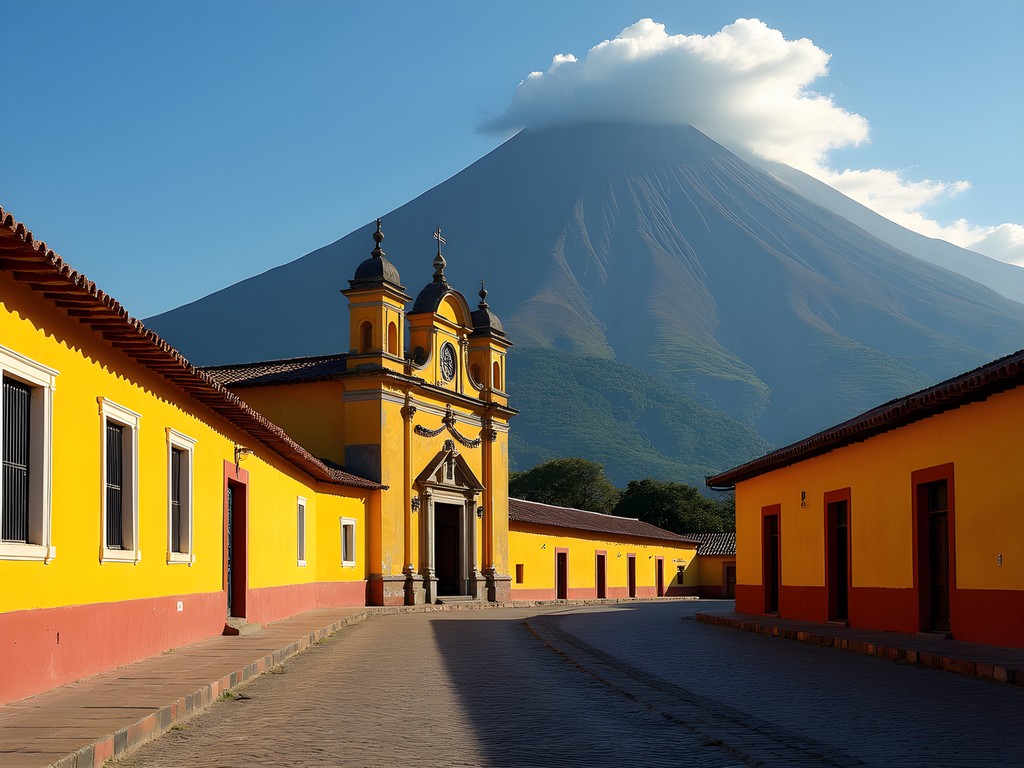
As someone who has mapped environmental impacts on human settlements across multiple continents, I was particularly interested in how Antigua's position among three volcanoes influenced its colonial development. These geological giants—Agua, Fuego, and Acatenango—provided not just a dramatic backdrop but critical data points in understanding the city's evolution.
I spent one morning hiking the lower slopes of Volcán Agua with my hiking poles to document viewpoints that would have influenced Spanish urban planners. The strategic positioning of the city becomes evident when viewed from elevation—protected by natural features yet vulnerable to volcanic activity.
The 1773 earthquakes that ultimately led to the capital's relocation provide a fascinating case study in risk assessment and colonial administration. Walking through Las Capuchinas convent, I documented architectural adaptations made after previous seismic events—valuable historical data points in understanding how colonial powers responded to environmental threats.
For couples interested in understanding this geological context, I recommend hiking at least part of Pacaya Volcano (the most accessible active volcano near Antigua). The volcanic ash container I always carry allowed me to collect dated samples that provide tangible connections to the forces that shaped Antigua's history. These physical data points complement the architectural evidence found throughout the city.
💡 Pro Tips
- Time your visit to Cerro de la Cruz for late afternoon when the volcanoes are most visible and the colonial grid pattern below is highlighted by shadows
- Photograph the same colonial buildings at different times to document how volcanic ash from Fuego subtly changes the city's appearance
- Visit the Museo del Libro Antiguo to see historical documents describing volcanic events that shaped colonial decisions
Final Thoughts
After a week of methodically documenting Antigua's colonial treasures, I've added over 1,200 data points to my ongoing research comparing colonial adaptation strategies worldwide. Yet the most valuable insight I gained transcends quantitative analysis: Antigua represents a rare equilibrium between preservation and living heritage. Unlike many UNESCO sites that feel like museums, this colonial gem maintains a vibrant pulse beneath its historical façade.
For couples seeking both historical immersion and romantic ambience, Antigua offers an unparalleled combination. The mathematical precision of its colonial grid creates a navigable framework for exploration, while the organic evolution of its culture provides endless discovery opportunities. My analytical mind appreciates how each cobblestone and carved façade contributes to a cohesive data story spanning five centuries.
As you plan your own journey to this remarkable colonial time capsule, I encourage you to develop your own systematic approach to experiencing Antigua. Whether you're mapping architectural features, documenting culinary evolution, or analyzing the interplay of natural and built environments, the richness of available data points will reward your curiosity. And when the analytical work is done, there's nothing quite like sitting in a colonial courtyard as sunset paints the volcanic backdrop, contemplating how centuries of human adaptation have created this extraordinary place.
✨ Key Takeaways
- Antigua's colonial grid system offers a perfect framework for systematic exploration of architectural evolution
- The partially destroyed churches provide rare 'architectural MRIs' revealing colonial construction techniques and seismic adaptations
- Museum collections quantify the unique fusion of Spanish baroque with indigenous Mayan aesthetics
- Culinary traditions offer measurable data points of colonial-indigenous fusion
- The volcanic setting provides essential context for understanding colonial development decisions
📋 Practical Information
Best Time to Visit
November through April (dry season)
Budget Estimate
$75-150 per day for couples (mid-range)
Recommended Duration
5-7 days
Difficulty Level
Easy


Comments
winterwanderer
Wow, those colonial buildings look amazing! How many days would you recommend staying in Antigua to see all the UNESCO sites? Planning a trip for next spring!
Mason Ferrari
I'd recommend at least 3-4 days to properly explore the colonial architecture without rushing. The city itself is compact, but there's so much detail in each building!
winterwanderer
Thanks Mason! That helps a lot with my planning. Did you find it easy to navigate between sites on foot?
Mason Ferrari
Absolutely! The colonial grid layout makes it super walkable. I tracked about 15,000 steps daily but never felt overwhelmed. The cobblestones can be uneven though, so bring comfortable shoes!
adventureguide
Going there next month! Any tips on getting around?
Hunter Thompson
It's super walkable! Everything's pretty close together in the colonial center. Just bring comfortable shoes for those cobblestones.
Jean Wells
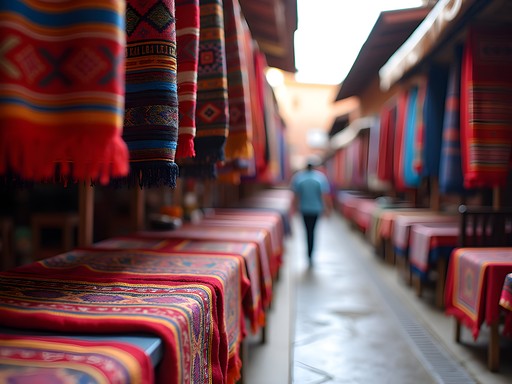
Mason, your data-driven approach to documenting Antigua's heritage is refreshing. I visited three times over the past decade and noticed significant restoration work on several baroque facades. The indigenous-colonial fusion you mentioned is particularly evident in the textiles at the Mercado de Artesanías - the patterns reveal fascinating syncretism between Mayan symbolism and Spanish colonial motifs. For those interested in the gastronomic heritage, I'd recommend Café Condesa for traditional pepián and jocon dishes that haven't been over-modernized for tourists.
adventureexplorer
Love the photos! That colonial architecture is stunning
wanderclimber1045
Really interesting post! Quick question - which churches did you find most resilient to the earthquakes? I'm doing research on colonial architecture and would love to know which ones to prioritize.
Jean Wells
La Merced Church is fascinating from an engineering perspective. The buttresses show remarkable adaptation to seismic activity. San Francisco is also worth studying - they've documented multiple reconstructions.
Hunter Thompson
Mate, Antigua is absolutely brilliant! I was there last spring and spent ages just wandering around those cobblestone streets. The churches are incredible - make sure you go early morning to avoid tour groups. Also, don't miss the jade museum if you're into the indigenous fusion stuff Mason mentioned. The rooftop bars around the main square have epic views of the volcanoes at sunset. Fair warning though - those cobblestones absolutely destroyed my trainers, wish I'd brought proper walking shoes!
adventureguide
Good call on the shoes! My ankles were killing me after day one lol
Hunter Thompson
Right?? Those stones are no joke 😂
oceanwalker
Wow this looks amazing!! Adding to my bucket list 😍
islandone
Pro tip - go early morning to the churches before tour groups arrive. We had Catedral de Santiago almost to ourselves at 7am. Also the street food around Parque Central is legit, especially the pepian stalls on the north side.
Jean Wells
Mason, your data-driven approach to documenting the earthquake resilience is fascinating. I visited Antigua in 2023 and was similarly captivated by how the colonial structures have withstood centuries of seismic activity. The Church of La Merced was my favorite—the yellow facade against the volcanic backdrop is stunning. I'd be curious to see your comparative analysis with other colonial cities. Did you manage to access the interior restoration records at any of the churches? I found the archival documentation at San Francisco quite revealing about their preservation techniques.
islandone
La Merced is incredible! The ruins behind it are worth exploring too if you have time.
escapeway
How much time do you need to see most of the colonial sites? Planning a trip in March and trying to figure out if 3 days is enough.
Jean Wells
Three days gives you a solid foundation. I'd recommend four if you want to really absorb the details and visit some of the outlying ruins without rushing.
escapeway
Perfect, thanks! I'll add an extra day then.
Venture X
Premium card with 2X miles, $300 travel credit, Priority Pass