Disclosure: This article contains affiliate links. We may earn a commission from purchases at no extra cost to you, which helps our travel content.
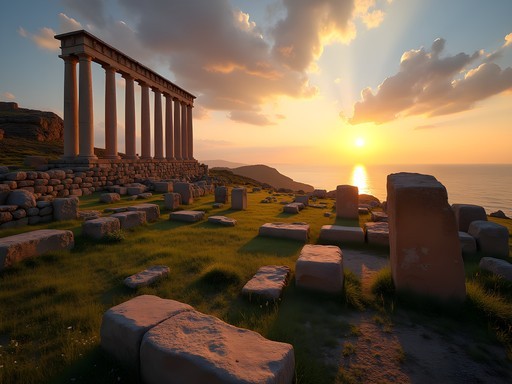
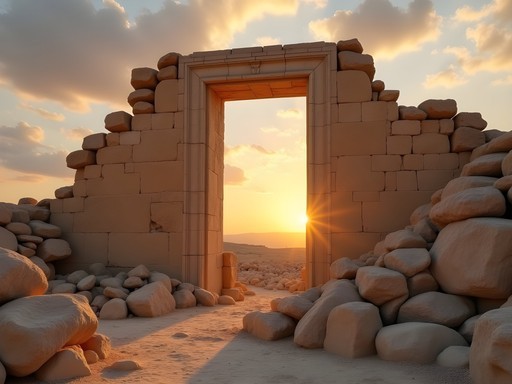
Standing at the edge of Hippo Regius, watching the golden Mediterranean light wash over ancient Roman stones, I felt that familiar tingle at the base of my spine. The same sensation I get during a critical rescue when ancestral knowledge merges with modern medicine. Here in Annaba, Algeria's fourth-largest city, history doesn't just echo—it resonates through your body like a healing frequency. As someone who's spent years documenting how traditional spaces influence our physical and spiritual wellness, Annaba presents a fascinating case study: a place where Numidian, Roman, Byzantine, Ottoman, and French colonial influences create layers of healing wisdom that most travelers completely overlook. This northeastern Algerian coastal gem isn't on most Western tourists' radar, which is precisely why it deserves your attention. After a week traversing its forgotten historical sites, I've mapped a journey through time that connects ancient wellness practices to modern adventure—the kind of exploration that nourishes both body and spirit.

Hippo Regius: Where Roman Engineering Meets Sacred Geometry
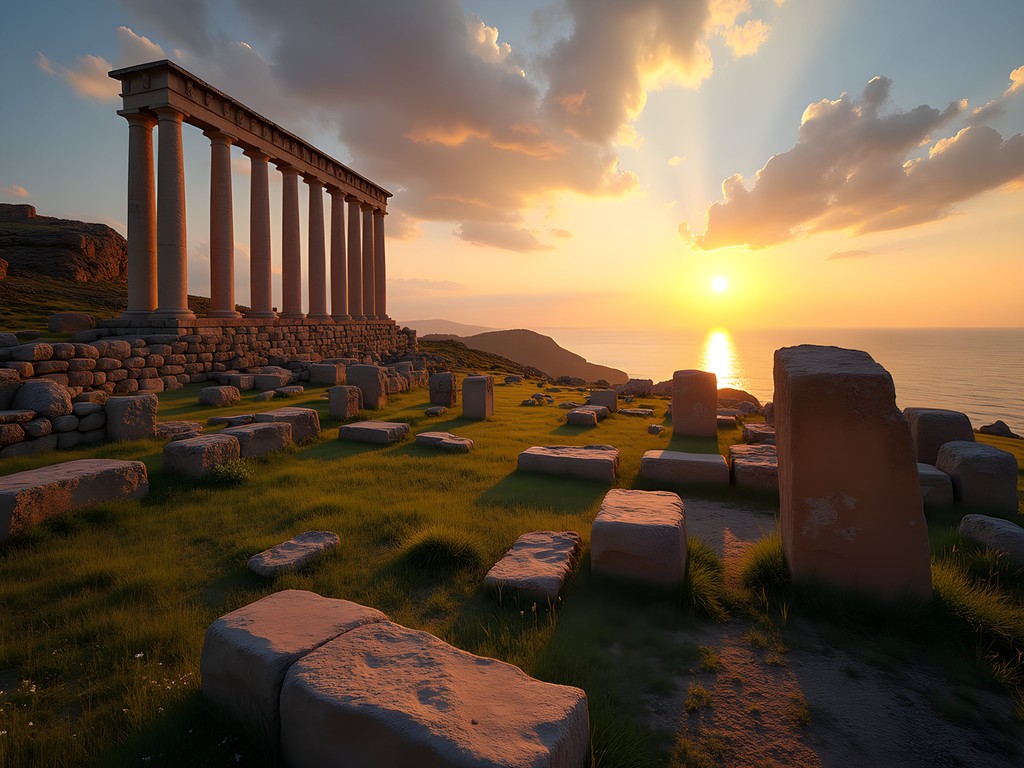
The morning fog was just lifting as I approached the sprawling archaeological site of Hippo Regius, once one of North Africa's most important Roman cities. While most visitors make a beeline for the impressive forum or theater, I found myself drawn to the ancient Roman baths—a testament to how wellness was integrated into daily life thousands of years ago.
As an EMT who's witnessed how environmental factors impact human health, I was fascinated by the sophisticated hypocaust heating system beneath the floor. The Romans understood something we're only rediscovering in modern wellness practices: the therapeutic value of alternating temperatures and communal healing spaces.
Walking through the site, I noticed something most guidebooks don't mention—the precise mathematical proportions of the main structures follow sacred geometric principles. The same patterns appear in healing spaces across cultures, from Mi'kmaq sweat lodges to Japanese onsen. These aren't coincidences but evidence of our ancestors' understanding of how spatial dimensions affect human physiology and spiritual wellbeing.
The site is vast, and spring brings wildflowers pushing through ancient stones—nature reclaiming what humans built. I spent hours exploring with my compact binoculars, which let me spot architectural details and even a family of falcons nesting in the ruins of what was once St. Augustine's basilica.
💡 Pro Tips
- Visit early morning (8-10am) to avoid both crowds and afternoon heat
- The site is sprawling—wear sturdy hiking shoes and bring at least 2 liters of water
- Local guides can be hired at the entrance for about 2000 DZD ($15 USD) and offer insights you won't find in guidebooks
The Basilica of St. Augustine: Healing Through Sacred Sound
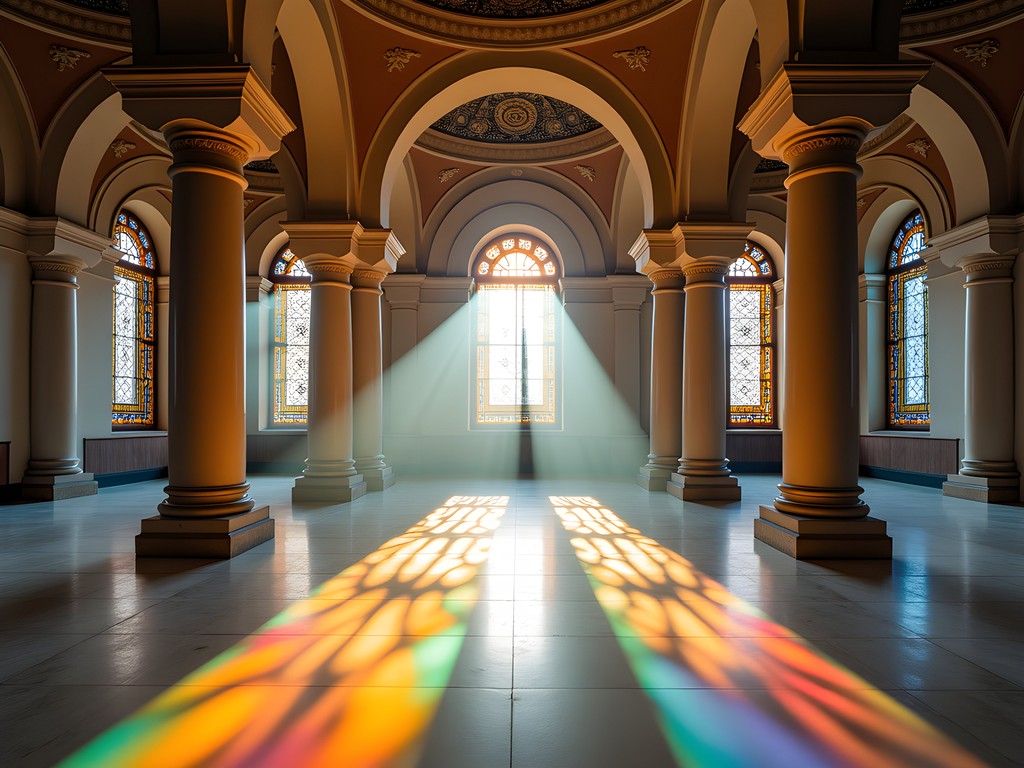
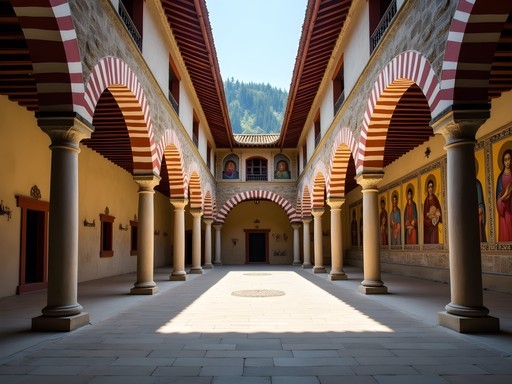
Perched on a hill overlooking modern Annaba stands the gleaming white Basilica of Saint Augustine, built by the French in the 1880s but honoring a site of spiritual significance dating back to the 4th century. While technically not 'forgotten,' most visitors miss its deeper significance as a place of sound healing.
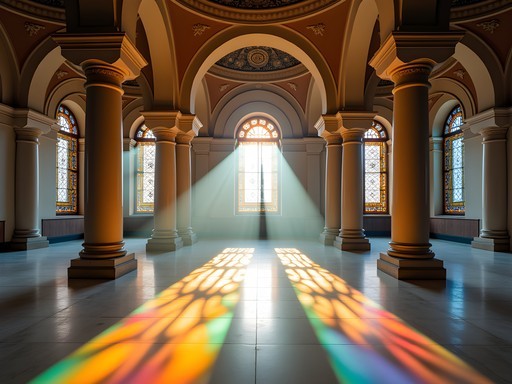
As someone with mixed heritage who's always navigated between different worldviews, I was struck by how this Catholic basilica incorporates acoustic principles found in ancient healing chambers worldwide. Standing beneath the dome, I performed a simple test I learned from an elder back in Halifax—a soft hum that resonated through the space in a way that creates specific vibrations in the human chest cavity. These frequencies have been shown to reduce stress and promote parasympathetic nervous system activation—something I've witnessed firsthand when treating patients in high-stress situations.
The basilica contains a relic of St. Augustine's arm bone, and regardless of your religious beliefs, there's something profound about standing in a space where healing intentions have been focused for over 1,600 years. The garden outside offers spectacular views of the Mediterranean and a quiet place for reflection.
I spent a peaceful afternoon sketching the architectural details in my travel journal, which has accompanied me from Peruvian mountain temples to Japanese forest shrines. Something about physically drawing a space helps me connect with its energy in ways that photography sometimes misses.
💡 Pro Tips
- Visit mid-week for a quieter, more contemplative experience
- The basilica is still an active place of worship—dress modestly with shoulders and knees covered
- Bring a small audio recorder to capture the unique acoustics if sound healing interests you
Fort of Cigogne: Ottoman Defense and Sacred Geography
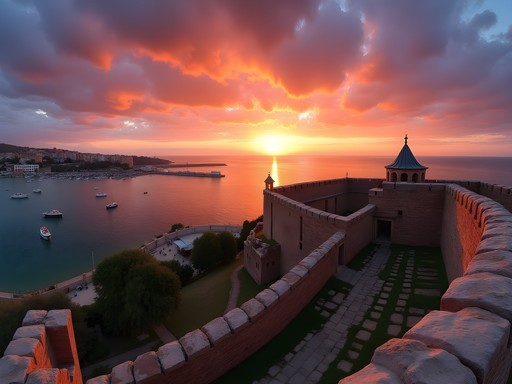
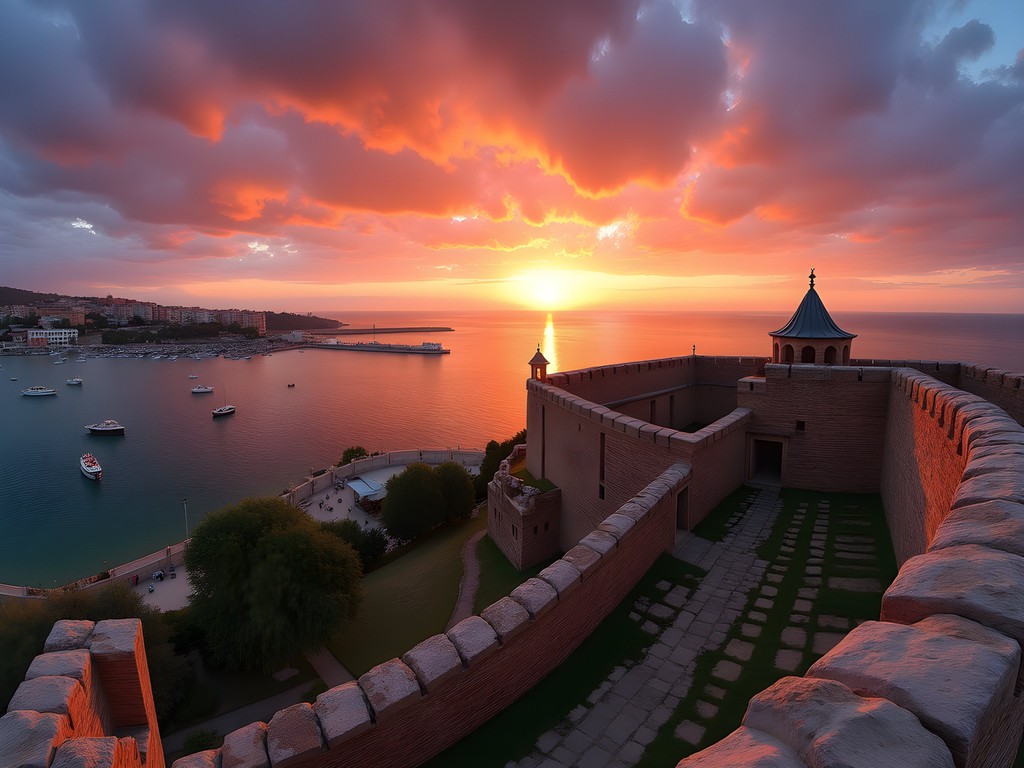
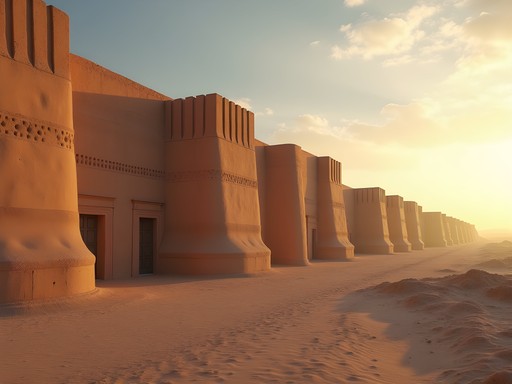
The Ottoman-built Fort of Cigogne (Stork Fort) stands as a testament to the strategic importance Annaba held during the 16th-19th centuries. While most tourists snap a quick photo from the harbor, few venture inside to explore its labyrinthine passages and stunning views.
As someone who's studied how traditional cultures positioned defensive structures along natural energy lines, I was fascinated to discover that the fort sits at the intersection of two ancient trade routes that follow the natural contours of earth energy that many indigenous cultures recognize. My Mi'kmaq grandmother would have called this a 'power point'—a place where natural energies converge and can either heal or harm depending on how they're channeled.
The fort's construction incorporates defensive pragmatism with surprising wellness elements. The central courtyard features a sophisticated water collection system that creates natural cooling through evaporation—a passive climate control technique that predates modern air conditioning by centuries. As an EMT who's treated countless heat-related emergencies, I appreciate this ancient understanding of thermoregulation.
Exploring the fort requires navigating narrow passages and steep stairs that aren't well-marked. I was grateful for my headlamp when investigating the darker corners where the most interesting architectural details hide. The effort is worth it—the panoramic views from the upper battlements reveal Annaba's natural harbor and the strategic thinking behind the city's historical development.
Be warned: this is not an easy site to explore if you have mobility issues, and some areas feel genuinely dangerous without proper lighting. The Algerian authorities are gradually improving safety measures, but this is definitely an adventure for the physically capable and sure-footed.
💡 Pro Tips
- Hire a local guide with keys to access restricted areas—they know which caretakers to ask
- Wear closed-toe shoes with good grip; many surfaces are uneven and slippery
- Bring your own water and snacks as there are no services at the fort itself

Medina of Annaba: Ottoman Heritage and Traditional Healing Markets
While smaller than the medinas of Algiers or Tlemcen, Annaba's old Ottoman quarter offers a more intimate glimpse into traditional North African life. What fascinated me most as a healthcare professional was discovering the continued practice of traditional medicine alongside modern pharmaceuticals.
The narrow streets of the medina follow medieval patterns that—whether by design or intuition—create natural ventilation corridors. During spring, when I visited, these passageways channeled cool sea breezes through the neighborhood, demonstrating how traditional urban planning incorporated wellness principles we're only now rediscovering in modern sustainable architecture.
The highlight of the medina is the small but exquisite Ottoman-era mosque with its distinctive minaret. Unlike many historical sites that feel preserved in amber, this remains a living spiritual center. I was fortunate to be invited by a local family to observe their preparation of traditional remedies using plants that have remarkably similar properties to those my Mi'kmaq grandmother used in Canada—a powerful reminder of how traditional ecological knowledge converges across cultures.
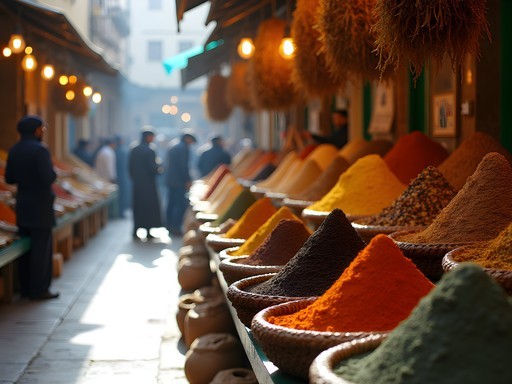
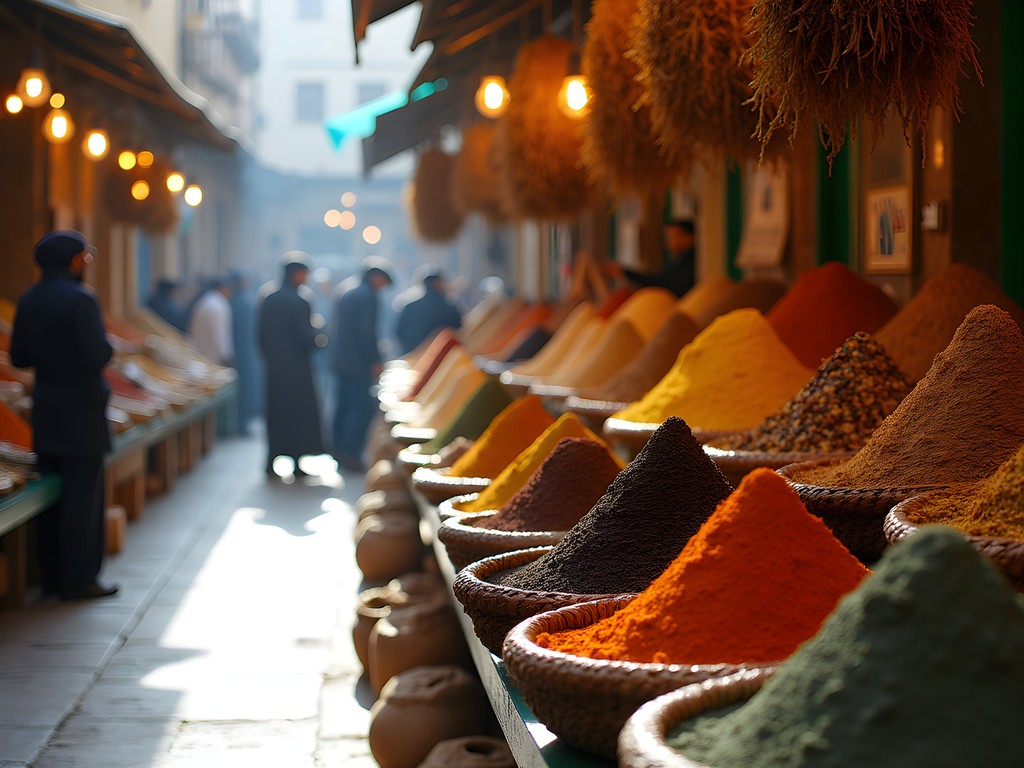
The spice market near the western edge of the medina offers an olfactory journey through healing traditions. Many vendors still organize their wares according to traditional medicinal properties rather than culinary uses. As someone who's had to improvise medical treatments in remote locations, I appreciate how these knowledge systems persist despite modernization.
Navigating the medina can be challenging for those unfamiliar with such spaces. The absence of street signs and Google Maps' frequent inaccuracy here means you'll likely get lost—which I consider part of the experience. Local residents are generally helpful to respectful visitors, though women traveling alone should maintain cultural awareness regarding dress and interaction.
💡 Pro Tips
- Visit the spice market with a local guide who can explain the medicinal uses of traditional ingredients
- Dress modestly out of respect for local customs, particularly when visiting religious sites
- Learn a few basic Arabic or French phrases—even simple greetings open many doors
The Forgotten French Colonial Architecture: A Complicated Legacy
While much attention goes to Annaba's ancient and medieval sites, the French colonial architecture downtown represents a more complex historical layer. As someone who comes from a mixed heritage and has witnessed the lasting impacts of colonialism on indigenous communities, I approach these spaces with nuanced awareness.
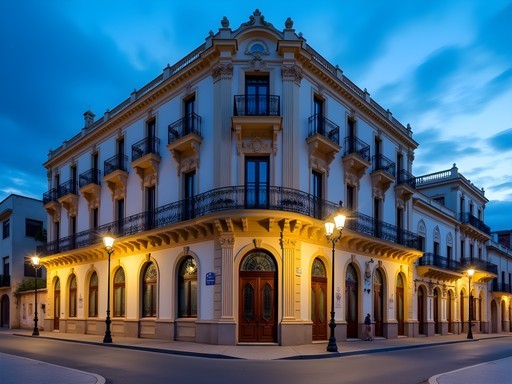
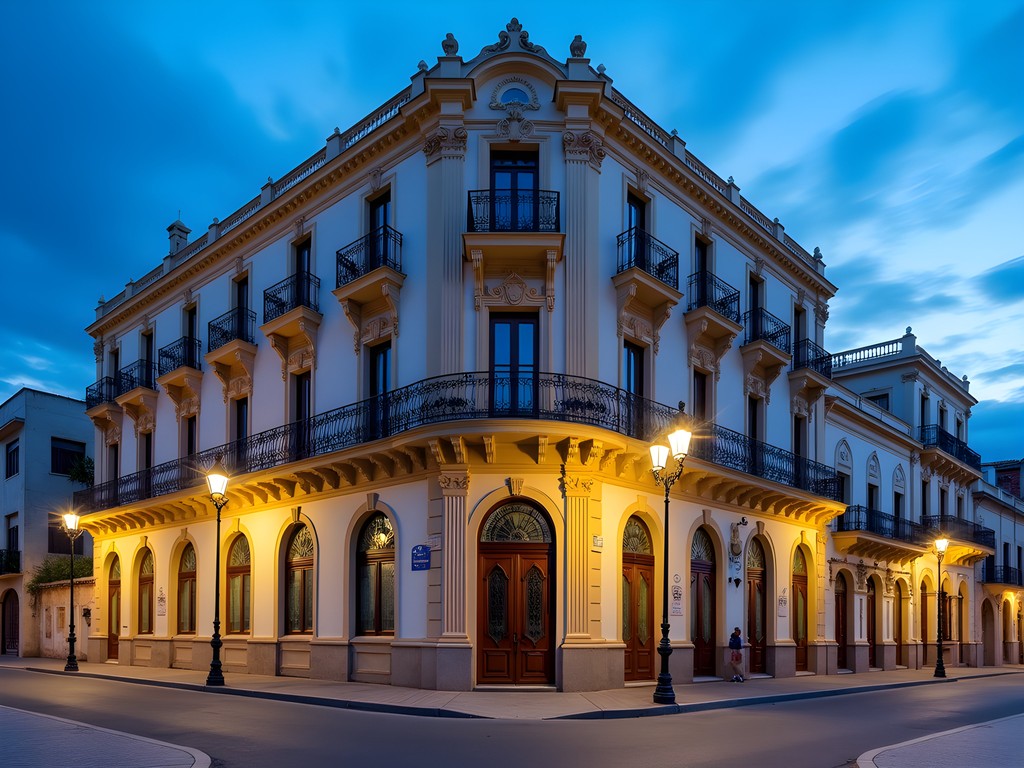
The Place de la Révolution (formerly Place d'Armes) showcases impressive Art Nouveau and Neo-Moorish buildings that blend European and North African design elements. What struck me was how these structures were deliberately positioned along the same energy lines as older sacred sites—the colonial powers intuitively or intentionally building upon existing patterns of sacred geography.
The former Hôtel de Ville (City Hall) contains a little-known architectural feature: a central atrium designed with specific proportions that create a natural cooling effect and optimize sound transmission—techniques borrowed from traditional North African design but rarely credited as such. This appropriation of indigenous knowledge parallels what I've observed in medical contexts, where traditional healing practices are often repackaged without acknowledging their origins.
Walking these streets with my travel water filter (always essential in places where tap water might upset a foreign stomach), I found myself reflecting on how colonial architecture simultaneously represents oppression and cultural exchange. These buildings tell stories of power dynamics but also of human adaptability and the inevitable blending of knowledge systems.
Many buildings are in various states of preservation, with some undergoing restoration and others slowly decaying. Photographing these sites requires sensitivity—always ask permission before taking pictures, especially of occupied buildings, and respect that some residents have complicated feelings about this architectural heritage.
💡 Pro Tips
- The best light for photographing the colonial architecture is during the 'blue hour' just after sunset
- Join a walking tour led by local architecture students who offer nuanced perspectives on colonial heritage
- Look for the subtle indigenous design elements incorporated into seemingly European facades
Final Thoughts
As I packed my medical kit and travel journal on my final morning in Annaba, I realized this overlooked Algerian city offers something increasingly rare: a chance to explore layers of history without the crowds and commercialization that plague better-known Mediterranean destinations. From the sacred geometry of Roman ruins to the traditional healing knowledge preserved in the medina's spice markets, Annaba connects us to ancient wellness wisdom that resonates across cultures. As travelers seeking authentic experiences, we have a responsibility to approach these spaces with respect—not just for the physical structures but for the knowledge systems they represent. Whether you're drawn to archaeological wonders, sacred spaces, or cultural exploration, Annaba rewards those willing to venture beyond the typical North African itinerary. Just remember to bring your sense of adventure, cultural sensitivity, and plenty of water—this journey through time requires proper preparation, but the rewards are immeasurable.
✨ Key Takeaways
- Annaba's historical sites span Numidian, Roman, Byzantine, Ottoman, and French colonial periods—offering a comprehensive view of Mediterranean history
- Spring visits provide ideal temperatures and stunning wildflowers growing among ancient ruins
- Local guides are essential for accessing restricted areas and understanding cultural contexts
- The city's historical sites reveal sophisticated ancient understanding of wellness principles that parallel indigenous knowledge worldwide
📋 Practical Information
Best Time to Visit
March to May (spring) for mild temperatures and minimal crowds
Budget Estimate
$50-100 USD per day including mid-range accommodations, food, and site entrance fees
Recommended Duration
5-7 days to properly explore all historical layers
Difficulty Level
Advanced - Requires Physical Stamina, Cultural Adaptability, And Basic French Or Arabic Phrases


Comments
wanderlusttime
Just booked tickets to Algeria for April and adding Annaba to my itinerary after reading this! That section about the Basilica of St. Augustine sounds magical. Did you find the acoustic experience as powerful as you described?
Sage Dixon
You're going to love it! The Basilica was truly special - try to visit in late afternoon when the light streams through the windows. If you're lucky enough to be there when the local choir practices (usually Thursday afternoons), it's an unforgettable acoustic experience. Enjoy your trip!
sunnyseeker
Beautiful photos! Never considered Algeria before but wow!
Hunter Thompson
Mate, this post couldn't have come at a better time! I'm literally planning my Algeria route for next month. Annaba wasn't on my radar but after reading about the Ottoman heritage in the Medina, I'm sold. I've been fascinated by these crossroads of civilizations since backpacking through Tunisia last year. The healing markets you mentioned - are they daily or only on specific days? Would love to photograph the traditional medicine sellers if possible. Also, did you need any special permits to enter Algeria or was a standard tourist visa enough?
Sage Dixon
The healing markets are daily but most vibrant on Tuesday and Friday mornings! Standard tourist visa worked fine for me, but do apply at least 6 weeks ahead. The consulate in London was efficient but not quick. Let me know if you need my contact at the guesthouse near the Medina - great location and the owner knows all the best spots!
Hunter Thompson
Legend, thanks for the tip about Tuesdays and Fridays! Will definitely take you up on that guesthouse contact. Cheers!
mountainclimber
Great write-up! How difficult was it to get around between these sites? Did you hire a driver or use public transportation? Planning a trip to North Africa next spring and trying to figure out logistics.
Sage Dixon
I used a mix of both! The sites within Annaba are walkable or a short taxi ride. For Hippo Regius, I hired a local guide (about 2000 DZD for half day) which was worth every penny for the historical context. If you're comfortable with basic French, the local buses work well too. I tracked everything in my travel journal which was super helpful for planning each day.
roamguy
Those photos of Hippo Regius are stunning! The light really does hit different there. Love seeing posts about less-visited places!
happyone
This looks amazing but I'm a bit nervous about traveling to Algeria as a solo female. Did you feel safe in Annaba? Any tips?
Sage Dixon
I completely understand your concerns! I found Annaba to be quite safe, but as with any destination, common-sense precautions apply. The tourist areas are well-patrolled, and I met several solo female travelers at my hotel. I'd recommend staying in the center, dressing modestly, and arranging guides for the more remote sites. The tourism office near the Basilica was incredibly helpful for this!
Marco Flores
Just got back from Algeria last month and completely missed Annaba! Spent all my time in Algiers and Constantine. The way you described that moment at Hippo Regius gave me chills - reminds me of watching sunrise at Timgad. Algeria has some of the most underrated Roman ruins in North Africa. Did you have any issues with permits for photography at the historical sites? I found the bureaucracy a bit challenging but the locals were incredibly welcoming once I got past the paperwork.
Sage Dixon
Thanks Marco! I actually found the permit process in Annaba much smoother than expected. The local tourism office near the Medina was really helpful - they arranged everything within a day. Definitely worth revisiting Algeria to see these sites!
Marco Flores
Good to know! Adding Annaba to my return trip itinerary for sure. Did you explore any of the coastal areas nearby?
freechamp
Wow! Never even heard of Annaba before but those Roman ruins look incredible. Adding to my bucket list!
sunnyexplorer
Beautiful writing! Really captured the vibe of the place
Timothy Jenkins
Excellent piece, Sage. Annaba really is one of Algeria's hidden gems. I spent a week there in 2024 researching Ottoman architecture for my blog and was struck by how layered the history is - Roman, Byzantine, Ottoman, French colonial all overlapping. The Fort of Cigogne section particularly resonated with me. One tip for readers: try to visit the municipal museum near the medina. Small but has some fascinating artifacts from different periods. The curator speaks excellent English and is incredibly knowledgeable. I brought my camera bag and it was perfect for carrying gear around the narrow medina streets without being too bulky.
Venture X
Premium card with 2X miles, $300 travel credit, Priority Pass