
Disclosure: This article contains affiliate links. We may earn a commission from purchases at no extra cost to you, which helps our travel content.
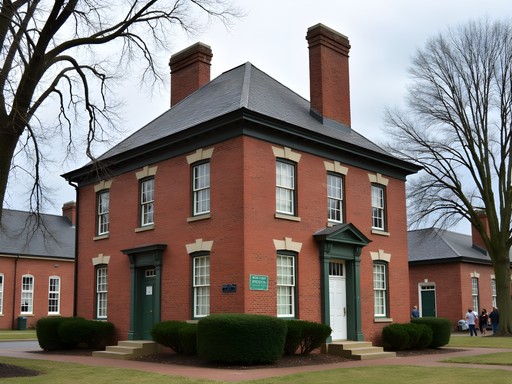
After three decades of flying over this country, I've learned that the best stories aren't always found in the guidebooks. Last spring, my wife and I escaped Dublin's drizzle for a long weekend in Alexandria, Virginia—just twenty minutes from where I grew up in Indianapolis, yet a world I'd never properly explored. What we discovered was a living museum where colonial America whispers from cobblestone alleys and forgotten courtyards, far from the tourist crowds at Mount Vernon.

The Stabler-Leadbeater Apothecary Museum: Medicine and Memory
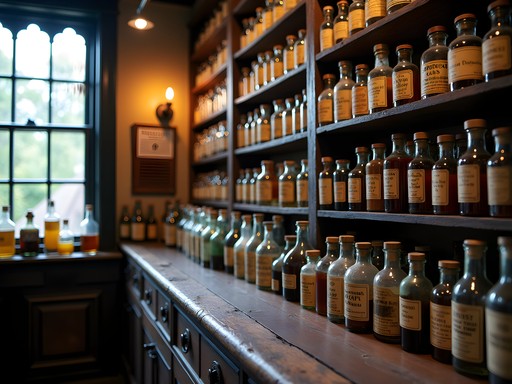
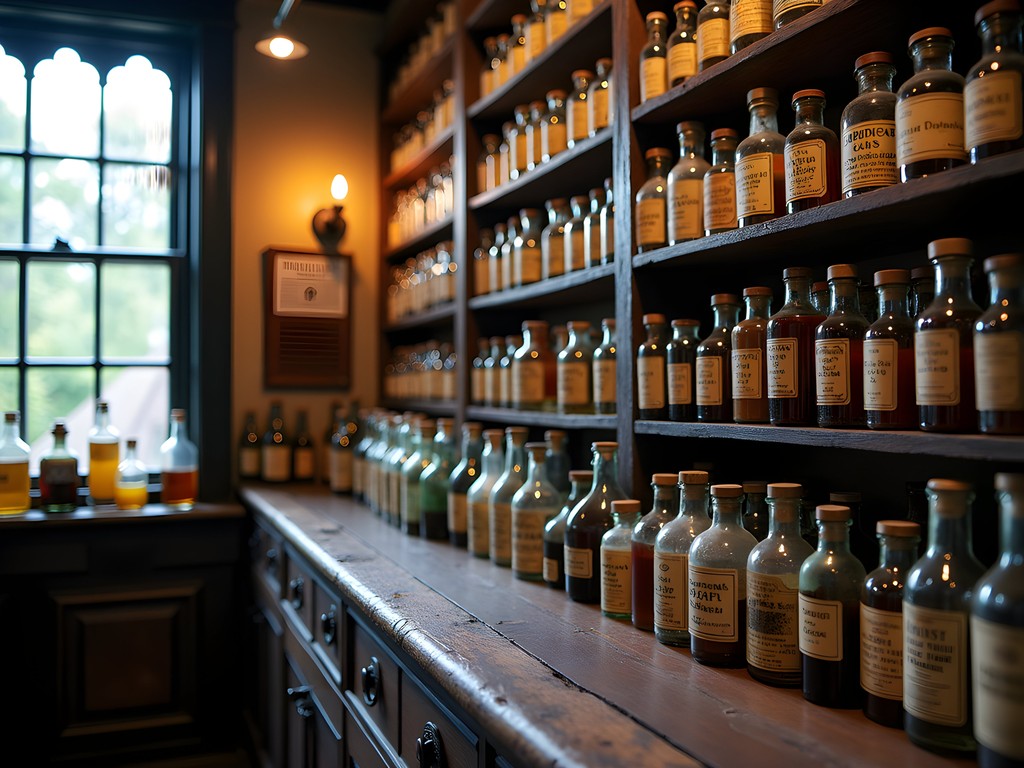
Walking into this 1792 apothecary shop feels like stepping through a portal. The shelves still hold their original glass bottles, handwritten labels fading but legible, containing remedies that once treated George Washington's family. What struck me most wasn't the famous clientele—it was the intimate scale of colonial commerce, the handwritten ledgers documenting everyday ailments and cures.
The museum sits on South Fairfax Street, easily overlooked between modern storefronts. Inside, volunteer docents (many are retired pharmacists) share stories about 18th-century medical practices with infectious enthusiasm. I spent an hour examining the herb drawers and listening to tales of Robert E. Lee purchasing paint here the day before his fateful meeting at Harpers Ferry.
For history enthusiasts, I'd suggest bringing a portable book light for examining the dim display cases—the museum maintains period-appropriate lighting that's atmospheric but challenging for reading those fascinating handwritten prescriptions.
💡 Pro Tips
- Visit on weekday mornings when the museum is quietest and docents have more time for conversation
- Ask to see the Civil War-era account books—they're not always on display but reveal fascinating social history
- Download the Alexandria Historical Society app before your visit for additional context about colonial medical practices
Gadsby's Tavern: Where Washington Actually Danced
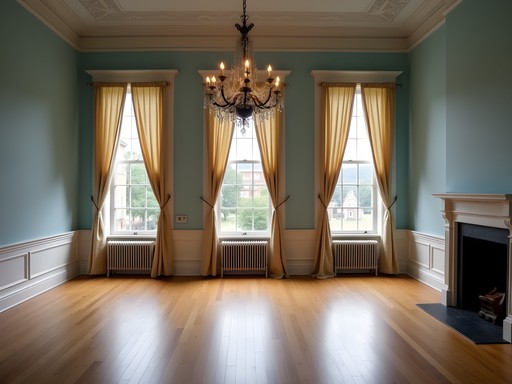
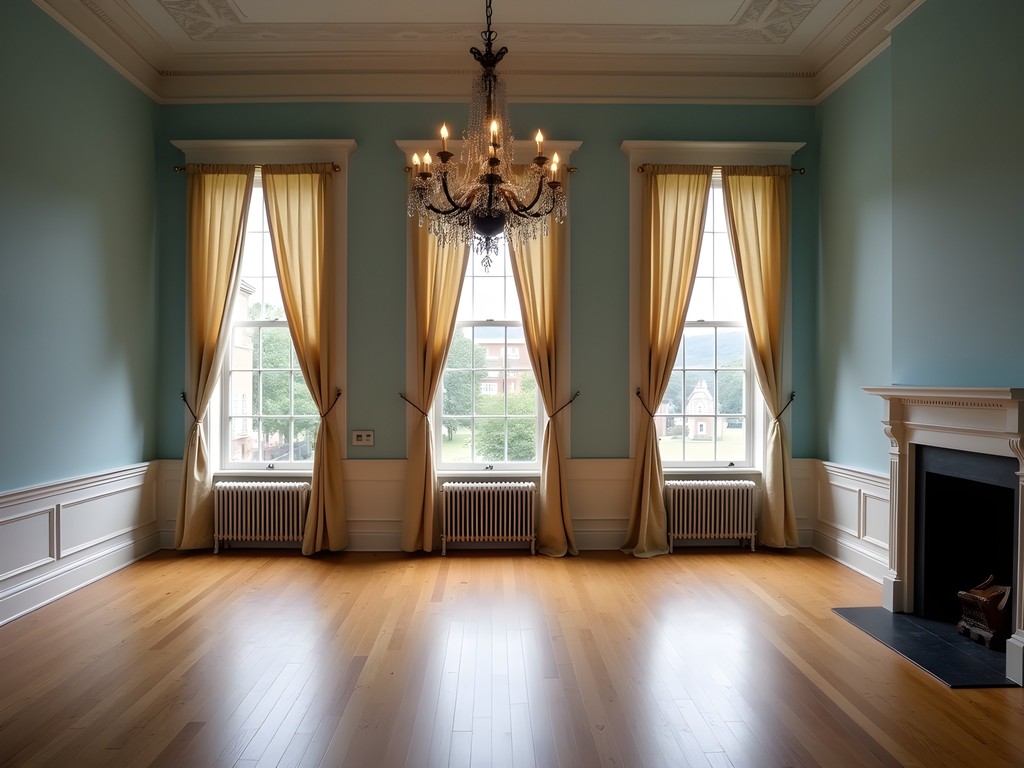
Every flight attendant knows that the journey matters as much as the destination, and Gadsby's Tavern embodies that philosophy. This 1785 establishment wasn't just where colonial elites ate—it was where they debated, celebrated, and shaped a nation. The ballroom on the second floor, with its musicians' gallery still intact, hosted George Washington's birthday celebrations for years.
What most visitors miss is the tavern's ice well, a remarkable feat of 18th-century engineering. The docent explained how ice harvested from the Potomac in winter kept food fresh through summer—a detail that made me appreciate the ingenuity behind colonial hospitality. The adjacent restaurant still operates, serving period-inspired dishes in the original dining rooms.
My wife and I took the guided tour on a Saturday afternoon, then returned that evening for dinner. Sitting in the same room where Jefferson and Madison once debated over Madeira wine added layers of meaning to our meal. The Welsh rarebit was exceptional, and the atmosphere—candlelit tables, creaking floorboards—transported us completely.
💡 Pro Tips
- Book the specialty historical tours that include access to rarely-opened third-floor chambers
- Make dinner reservations well in advance, especially for weekend evenings in spring
- Ask about the annual George Washington Birthday celebration in February—it's spectacular but requires advance tickets
The Carlyle House: Scottish Merchant Meets Colonial Power
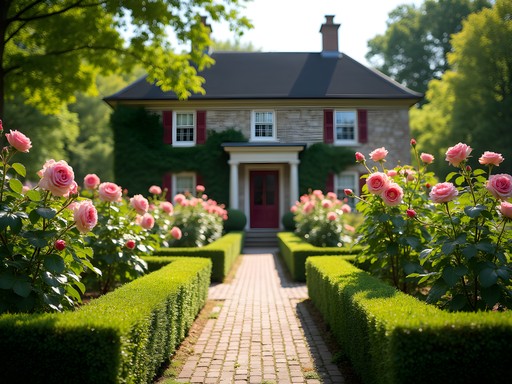
John Carlyle's 1753 mansion represents something most colonial sites gloss over—the complex web of international commerce that built America. Carlyle was a Scottish merchant who married into Virginia aristocracy, and his stone manor house (rare in a region of wooden structures) reflects both his wealth and his outsider status among the colonial elite.
The house museum does something remarkable: it doesn't sanitize history. The basement kitchen and slave quarters are preserved and interpreted honestly, acknowledging the enslaved people whose labor made Carlyle's merchant empire possible. During our visit, a historian discussed how the house served as General Braddock's headquarters during the French and Indian War—the same campaign that launched George Washington's military career.
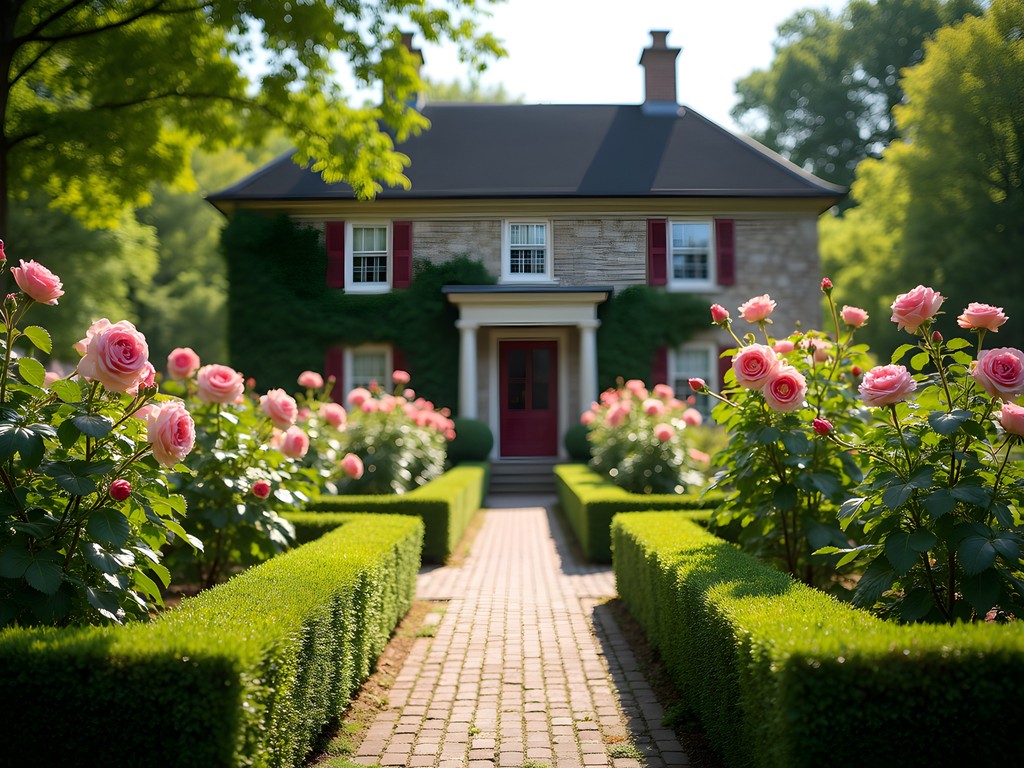
What captivated me was the garden, meticulously restored to its 18th-century design. My wife, who practices landscape design, spent nearly an hour photographing the heritage plant varieties and discussing colonial gardening techniques with the groundskeeper. For couples interested in both history and horticulture, this combination is unbeatable.
💡 Pro Tips
- Visit during the spring garden tours when heritage roses are blooming
- The house offers excellent colonial tea experiences—book ahead for an intimate historical immersion
- Look for the graffiti scratched into window glass by 18th-century visitors—it's surprisingly moving

The Friendship Firehouse and Captain's Row: Working-Class Colonial Life
Most colonial tourism focuses on the wealthy and powerful, but Alexandria's Friendship Firehouse tells a different story. Established in 1774, this volunteer fire company included tradesmen, artisans, and shopkeepers—the backbone of colonial society. The small museum houses hand-pumped fire engines and leather buckets, but more importantly, it preserves the story of community cooperation that made colonial towns function.
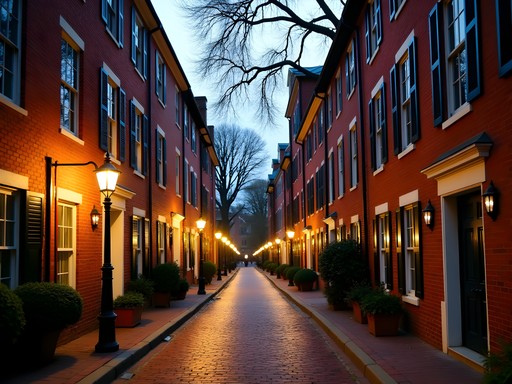
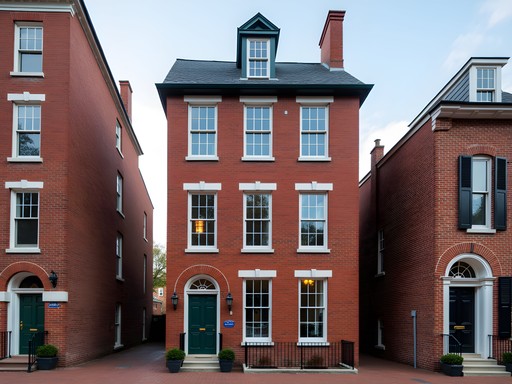
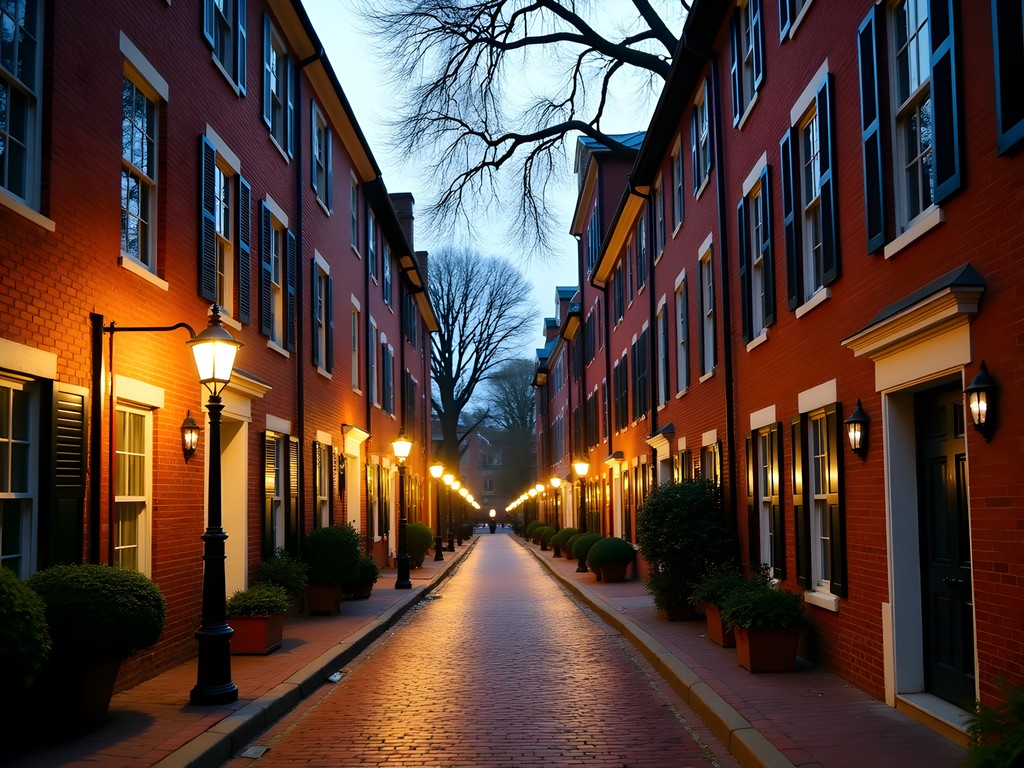
Just two blocks away, Captain's Row on Prince Street showcases the modest homes of 18th-century ship captains and merchants. These narrow, three-story houses lack the grandeur of plantation estates, but their human scale reveals how most colonial Americans actually lived. The cobblestone street remains original, and walking it at dusk—when the gas lamps flicker on—feels genuinely transporting.
I recommend bringing a portable phone charger for this walking-intensive area. You'll want battery life for photos, navigation, and the excellent audio tour app that brings these streets to life with period accounts and archaeological findings.
💡 Pro Tips
- The firehouse is volunteer-run with limited hours—check their schedule before planning your visit
- Walk Captain's Row at sunset for the best light and smallest crowds
- Stop at the nearby Torpedo Factory Art Center for restrooms and refreshments—it's a converted munitions factory with fascinating history of its own
The Lyceum and Freedom House Museum: Uncomfortable Truths
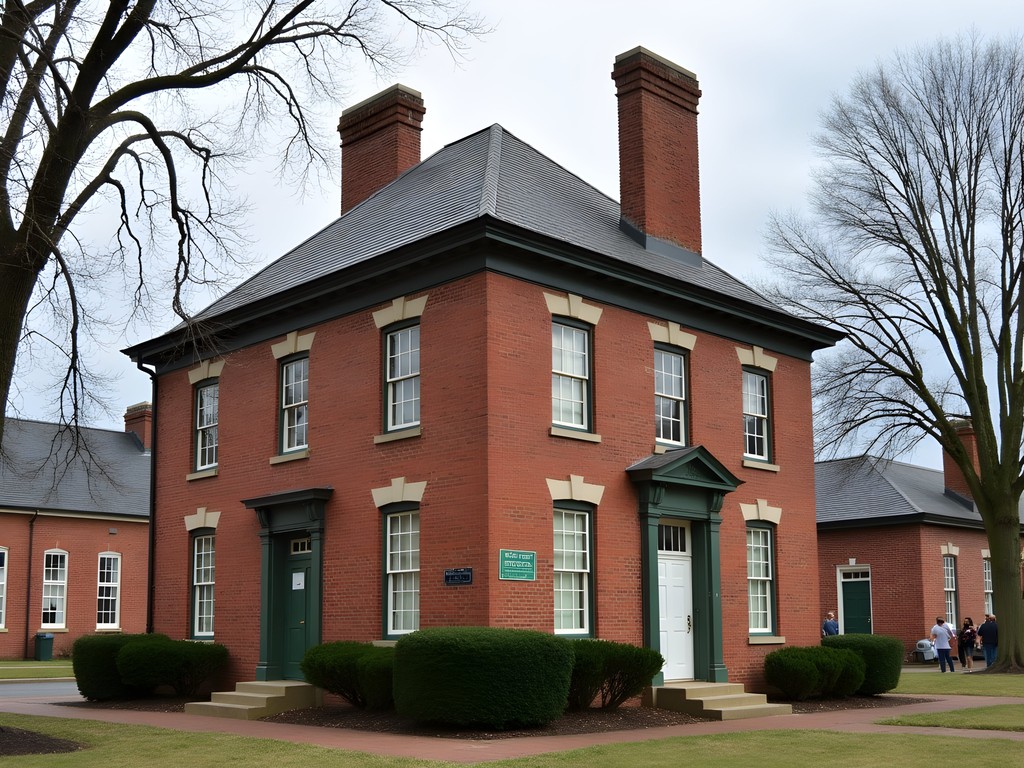
Alexandria's history includes a chapter most colonial tourism ignores: it was one of America's largest slave-trading ports. The Freedom House Museum, located in the former offices of the largest slave-trading company in the South, confronts this history directly and powerfully. The building itself is modest—a simple brick structure on Duke Street—but the stories it preserves are essential.
The museum uses archaeological evidence, period documents, and descendant testimony to reconstruct the experiences of enslaved people who passed through Alexandria's slave pens. It's emotionally challenging material, presented with dignity and historical rigor. My wife and I spent over an hour here, and the experience fundamentally changed how we understood the other colonial sites we'd visited.
The nearby Lyceum serves as Alexandria's history museum, providing broader context about the city's evolution from colonial tobacco port to Civil War occupation to modern suburb. Together, these institutions offer the complete, complex story that makes Alexandria's history meaningful rather than merely picturesque.
For those wanting to delve deeper, I'd suggest picking up a history book before your visit—it provides essential context about the Atlantic slave trade that shaped colonial American ports like Alexandria.
💡 Pro Tips
- Allow at least 90 minutes for the Freedom House Museum—rushing diminishes its impact
- The Lyceum offers free admission and excellent rotating exhibits on Alexandria history
- Consider visiting these museums first to provide context for understanding the other colonial sites
Hidden Gems: The Spite House, Gentry Row, and Flounder Houses
Alexandria rewards wanderers. The city's colonial core is compact enough to explore on foot, and some of its most charming sites lack formal museums or admission fees. The Spite House on Queen Street—just seven feet wide—supposedly was built to block an alley used by horse-drawn carriages. Whether the story is true matters less than the architectural whimsy it represents.
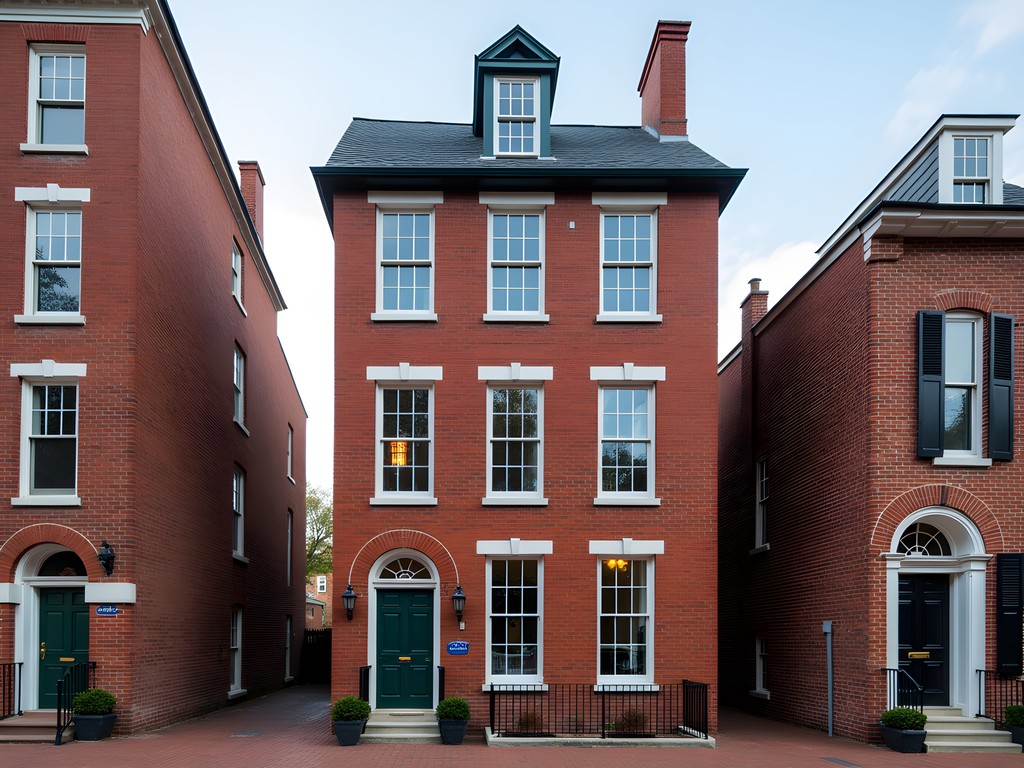
Gentry Row, a block of 18th-century townhouses on Prince Street, showcases the elegant simplicity of Georgian architecture. These are private residences, but their facades tell stories about colonial building techniques and social hierarchies. Look for the Flemish bond brickwork and original dormers—details that reveal craftsmanship passed down through generations.
The so-called flounder houses—narrow structures built on tiny lots—dot the historic district. Their architectural quirk: windows on only one side, like a flounder's asymmetrical face. These working-class dwellings remind us that colonial Alexandria was a living, working port city, not a museum.
For exploring these scattered sites, comfortable footwear is essential. I wore my walking shoes throughout the weekend, and my feet thanked me. The cobblestones and brick sidewalks are charming but unforgiving.
💡 Pro Tips
- Create a self-guided walking tour using the Alexandria Historical Society's free maps
- Early morning offers the best light for photographing these architectural details
- Many private historic homes participate in the annual Historic Garden Week tours in April—worth timing your visit accordingly
Final Thoughts
As our flight back to Dublin lifted off from Dulles, I found myself reflecting on how travel transforms us—not through grand monuments, but through intimate encounters with authentic places. Alexandria's hidden colonial sites offer something increasingly rare: history at human scale, where you can touch the same door handles George Washington touched, walk the same cobblestones enslaved people walked, and sit in the same rooms where ordinary citizens built an extraordinary nation.
For couples seeking a meaningful weekend escape, Alexandria delivers romance without artifice, history without sanitization, and beauty without pretense. The sites I've shared here represent just the beginning—every alley and courtyard holds stories waiting to be discovered. Pack comfortable shoes, bring curiosity, and allow yourselves to wander. The best moments happen when you turn down an unmarked lane and find yourself face-to-face with three centuries of American life, still breathing in these brick and cobblestone streets.
Safe travels, and may your journeys always lead you to the stories that guidebooks miss.
✨ Key Takeaways
- Alexandria's most meaningful colonial sites are small-scale and often overlooked, offering intimate historical experiences away from crowds
- The city's history includes both celebrated moments and uncomfortable truths—visiting sites like the Freedom House Museum provides essential context
- A weekend is sufficient to explore the historic district on foot, with spring offering ideal weather and blooming gardens
📋 Practical Information
Best Time to Visit
Spring (April-May) offers mild weather, blooming gardens, and fewer crowds than summer months
Budget Estimate
$400-600 per couple for weekend including mid-range hotel, meals, and museum admissions
Recommended Duration
2-3 days for thorough exploration of colonial sites with time for meals and wandering
Difficulty Level
Easy—compact Historic District Is Highly Walkable With Accessible Sites



Comments
hikingqueen
This is SO helpful! My husband and I are planning a Revolutionary War history road trip and Alexandria was on the list but I wasn't sure what to see beyond Mount Vernon. The Friendship Firehouse sounds really cool - I never think about fire companies when I think about colonial life. Quick question: are these places walkable from each other or do you need a car?
adventureperson
They're all in Old Town Alexandria - totally walkable! It's a compact area. Park once and you're good.
hikingqueen
Perfect!! Thanks so much!
winterone
Love the photos! That apothecary looks incredible.
wanderlustclimber
Going there in April! How much time should I budget for the apothecary museum?
wanderlustclimber
Perfect, thanks!
Pierre Duncan
I'd say give yourself at least 45 minutes to an hour. The docents there are incredibly knowledgeable and love to chat if you show interest. Don't rush it!
Taylor Moreau
Excellent piece, Pierre. I was in Alexandria for a conference last autumn and made the mistake of only visiting Old Town's main drag. The Stabler-Leadbeater Apothecary is particularly fascinating - I've since learned it supplied medicines during the Civil War. For business travelers with limited time, would you recommend prioritizing the apothecary and Gadsby's Tavern, or is the Carlyle House worth the extra time? I'm back in DC next month and trying to plan efficiently.
Pierre Duncan
Taylor, if you're pressed for time, I'd actually do the Carlyle House and the apothecary. The Carlyle House gives you the political intrigue side of colonial life, and the apothecary is just so unique. Gadsby's is wonderful but you can get a feel for it from the outside and the restaurant if you're short on time.
happyfan
Great photos! Really cool history.
adventureperson
YES!! I've been to Alexandria three times and always stuck to King Street and the waterfront. Had no idea about Captain's Row! This is exactly the kind of post I needed. Love finding the working-class history instead of just the fancy merchant houses. The Carlyle House sounds amazing too - I'm a sucker for Scottish colonial history. Adding all of these to my list for next visit!
hikingqueen
Same! I only knew about the waterfront area. This changes everything.
Megan Martin
Pierre, wonderful piece! I visited Alexandria last fall for a conference and completely agree about the Carlyle House. The Scottish merchant angle really brings the colonial trade networks to life. One tip for readers: if you go on a Thursday evening in summer, Old Town does a weekly "Art on the Avenue" event and many of these historic sites stay open late. It's a great way to combine history with the local arts scene. The Captain's Row section was especially eye-opening - we don't talk enough about working-class colonial life.
triplover
Oh that Thursday thing sounds amazing!
mountainfan
The apothecary museum sounds really interesting. Do you know if they do guided tours or is it self-guided? Planning a DC trip in May and this is close by right?
Megan Martin
It's about 7 miles from DC! They do have guided tours on weekends. The Stabler-Leadbeater is absolutely worth the detour - the original herb drawers and medicine bottles are fascinating.
mountainfan
Perfect, thanks!
triplover
Love this! Adding to my bucket list!!
Venture X
Premium card with 2X miles, $300 travel credit, Priority Pass