
Disclosure: This article contains affiliate links. We may earn a commission from purchases at no extra cost to you, which helps our travel content.
When we speak of pilgrimages, we often envision ancient routes across Europe or Asia. Yet I've discovered that pilgrimages can take many forms, including journeys through layers of overlooked history. Alexandria, Louisiana—a modest city along the Red River—holds such historical depths that it feels like walking through time itself. During a recent detour while attending a tech conference in New Orleans, I found myself captivated by Alexandria's surprising historical complexity, where Native American heritage, French colonialism, Civil War tensions, and Southern renaissance intertwine in fascinating, often overlooked ways.

Alexandria's Historical Foundations: Kent House & Epps House
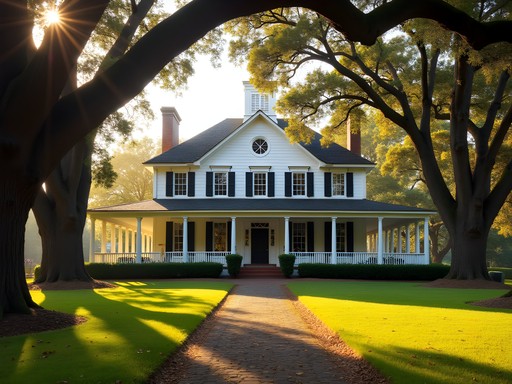
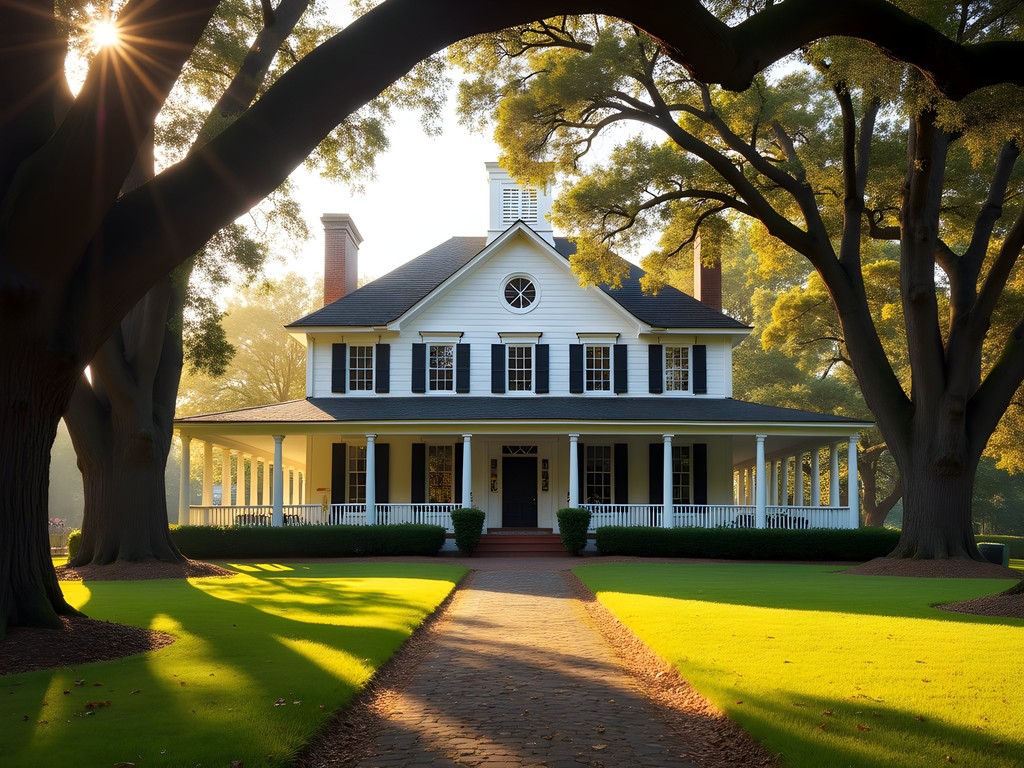
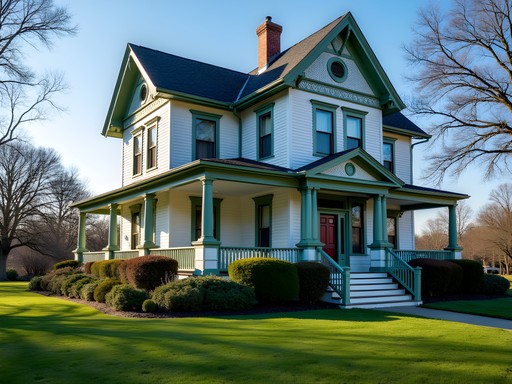
My journey into Alexandria's past began at Kent Plantation House, a rare surviving example of French colonial architecture that predates Louisiana's statehood. Built around 1796, this structure stands as a physical reminder of how French, Spanish, and American influences shaped this region. Walking through its period-furnished rooms, I was transported to an era when Alexandria was merely an outpost in a contested territory.
Nearby, the Epps House offers a more sobering historical perspective. This modest structure gained fame through Solomon Northup's memoir Twelve Years a Slave. Relocated from its original site and meticulously restored, the house now serves as a powerful testament to the region's complex relationship with slavery. Standing in the same spaces where Northup endured his captivity created a profound connection to this difficult chapter of American history.
Exploring these sites required comfortable walking shoes and protection from Louisiana's unpredictable weather. My lightweight rain jacket proved invaluable when an afternoon shower interrupted my tour of Kent House's gardens.
💡 Pro Tips
- Visit Kent House early in the day when the light is best for photography and before the heat builds
- The guided tours at both properties are worth the small additional fee for the depth of historical context provided
- Bring a water bottle as Alexandria can be surprisingly humid even in fall
Civil War Echoes: Forts Randolph & Buhlow
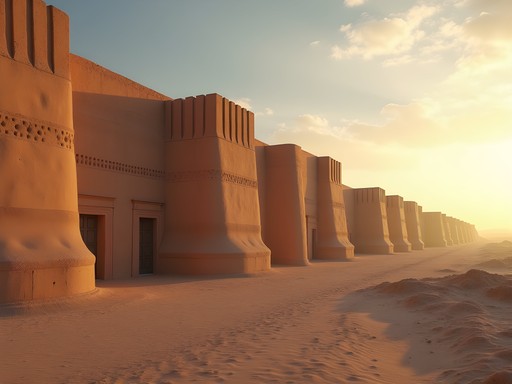
Alexandria's strategic position on the Red River made it a crucial site during the Civil War, a fact I discovered while exploring the remarkably preserved earthen fortifications at Forts Randolph and Buhlow State Historic Site. These twin Confederate forts were built after the 1864 Red River Campaign to protect the city from further Union advances.
What struck me most was how these earthworks—essentially massive mounds of soil and timber—have survived over 150 years of Louisiana's harsh weather conditions. The visitor center offers an excellent orientation with artifacts and detailed explanations of the Red River Campaign's significance. As someone who typically focuses on innovation hubs, I found unexpected parallels between military engineering of the past and today's technological problem-solving approaches.
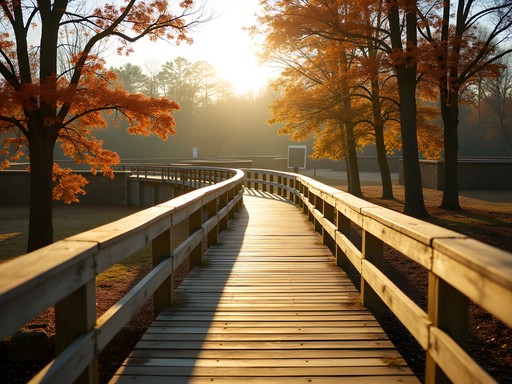
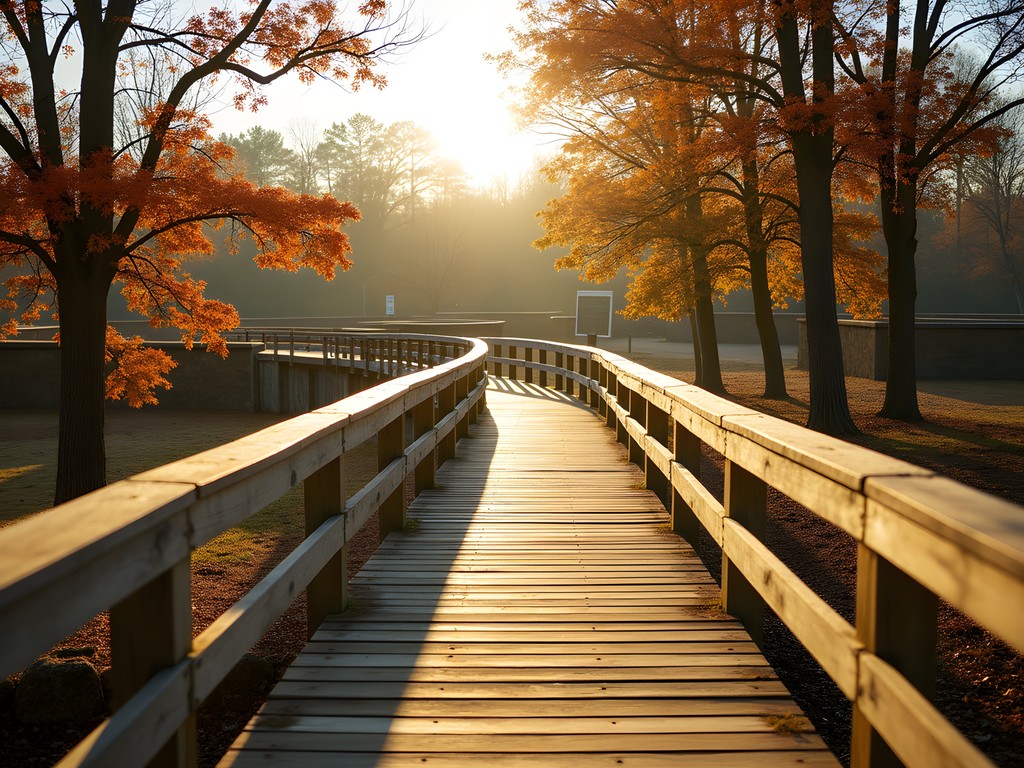
The wooden boardwalk connecting the forts provides excellent vantage points for understanding the defensive strategy while protecting the fragile earthworks from foot traffic. I spent nearly two hours here, captivated by both the physical structures and the stories they contain. To document this experience properly, my pocket audio recorder proved invaluable for capturing the ranger's detailed explanations while keeping my hands free for photography.
💡 Pro Tips
- Take the ranger-led tour if available—the personal stories and military context they provide bring the earthworks to life
- Wear insect repellent as the riverside location can attract mosquitoes even in cooler months
- Allow at least 90 minutes to properly explore both forts and the visitor center exhibits
Alexandria's Jewish Heritage: The Gemiluth Chassodim Synagogue
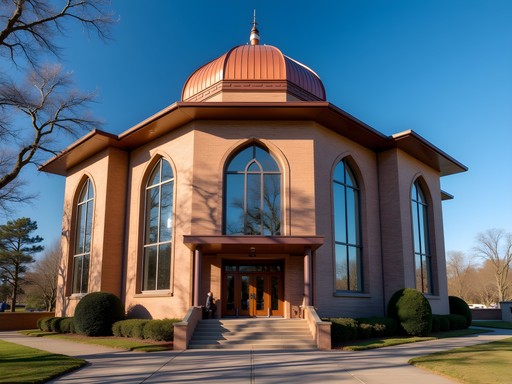
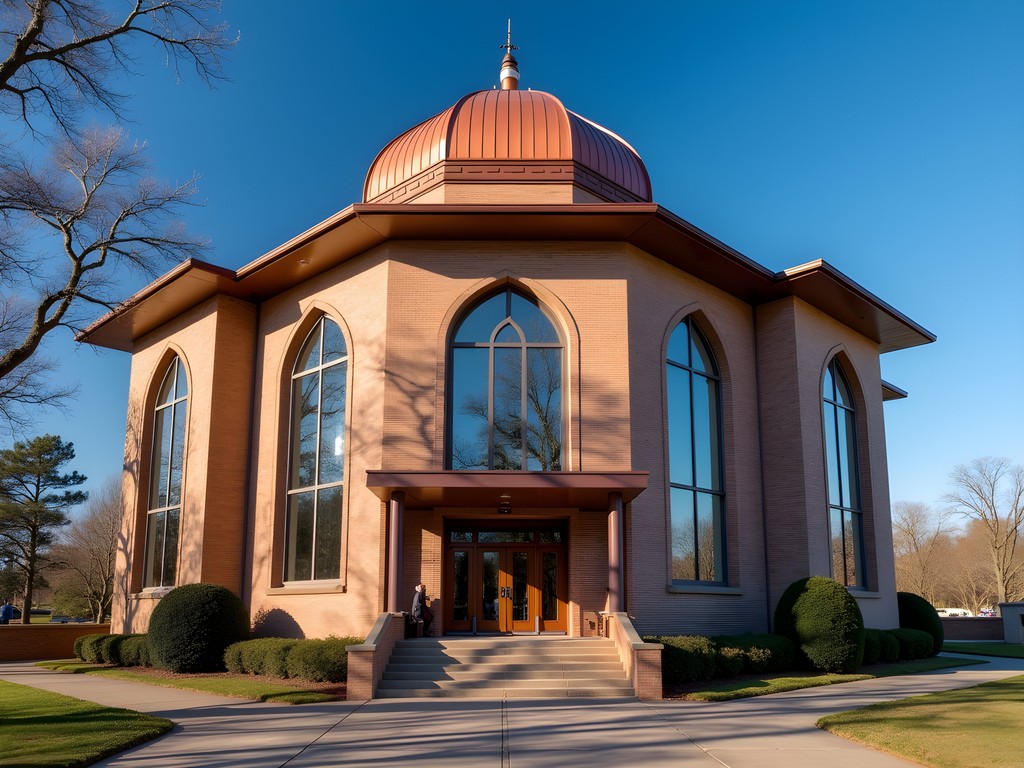
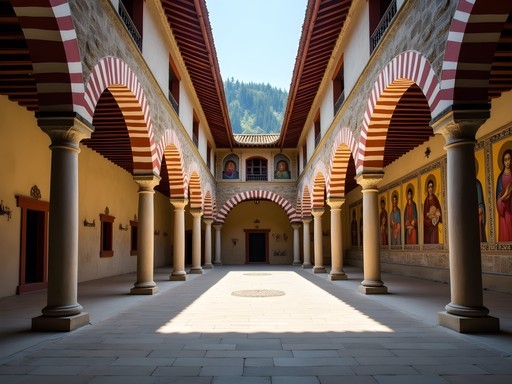
Perhaps the most unexpected discovery during my Alexandria pilgrimage was the Gemiluth Chassodim Synagogue, a stunning example of mid-century modern architecture with a fascinating history. Built in 1952 to replace an earlier synagogue, this building reflects the significant Jewish community that flourished in Alexandria since the 19th century.
The synagogue's distinctive hexagonal design, with its dramatic stained glass windows and unique copper dome, stands in striking contrast to the traditional Southern architecture surrounding it. What makes this site particularly special is how it represents the often-overlooked Jewish contribution to Southern culture and commerce.
Arranging a visit requires advance planning as the synagogue maintains limited visiting hours, but the effort is rewarded with access to a beautifully preserved interior featuring original furnishings and ritual objects. The volunteer docents, often congregation members themselves, share personal stories that connect the building to the living history of Alexandria's Jewish families.
To properly appreciate the architectural details and stained glass, I relied on my pocket flashlight to illuminate darker corners and highlight the intricate craftsmanship that might otherwise be missed.
💡 Pro Tips
- Call ahead to confirm visiting hours as they change seasonally and are limited
- Dress respectfully as this is still an active place of worship
- Ask about the meaning behind the stained glass designs—each tells a specific story

Alexandria's Renaissance: River Oaks Arts Center & Downtown Cultural District
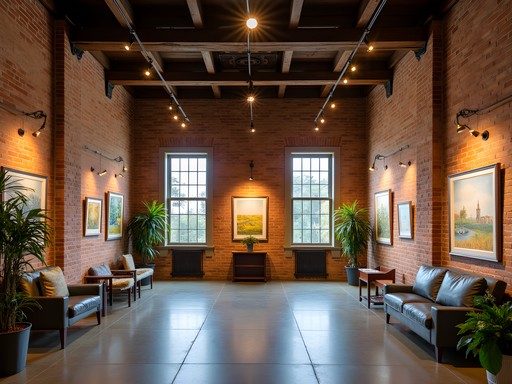
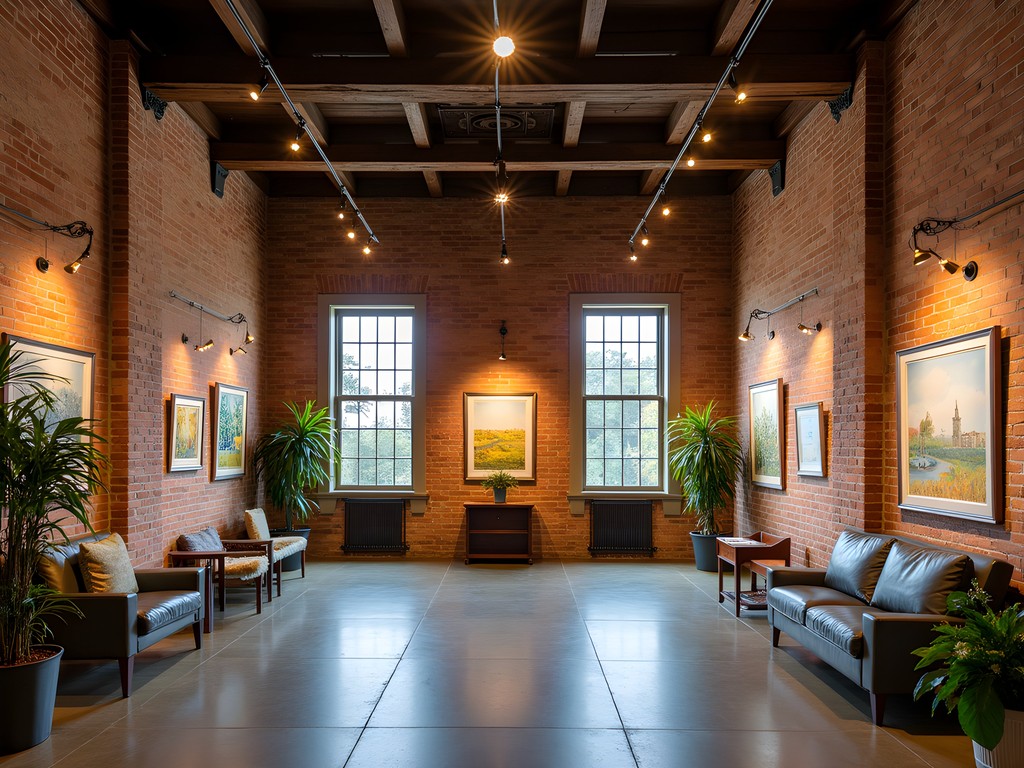
Every city with rich history also contains stories of renewal, and Alexandria's cultural renaissance is centered around the River Oaks Arts Center. Housed in a repurposed 1900s Bolton Ford building, this center represents the innovative adaptation of historical spaces—a concept I've encountered in innovation districts worldwide from Seoul to Berlin.
The center houses galleries, studios for working artists, and educational spaces where traditional crafts like quilting exist alongside contemporary digital art. What particularly moved me was seeing how the building's industrial past—with its exposed brick walls and original wooden beams—provides the perfect backdrop for artistic innovation.
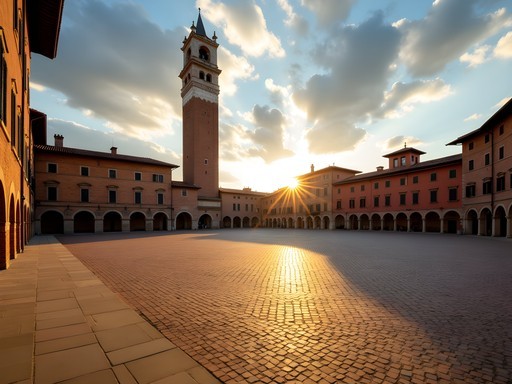
From River Oaks, I followed the Alexandria Cultural District walking trail through downtown, where historical markers reveal stories of the Great Fire of 1910 that destroyed much of the original city, and the subsequent rebuilding that created the architectural landscape visible today. The trail connects several repurposed historical buildings, from the Southern Hotel (now apartments) to the Rapides Bank Building with its distinctive terracotta details.
To keep energized during my walking exploration, I relied on my insulated water bottle and packed some trail mix, saving money while avoiding the need to cut my exploration short for meal breaks.
💡 Pro Tips
- Time your visit to coincide with Second Saturday Art Walk when studios and galleries stay open late
- Pick up the free Cultural District map at River Oaks or the Alexandria/Pineville Convention & Visitors Bureau
- Look up—some of the most interesting architectural details are above street level on the historic buildings
Beyond the City: Kisatchie National Forest & Indian Creek Recreation Area
To fully understand Alexandria's historical context, I ventured slightly beyond the city limits to where natural history and human history intersect at Kisatchie National Forest and Indian Creek Recreation Area. These sites reveal how the region's geography—particularly its waterways and forests—shaped settlement patterns from indigenous peoples to European colonizers.
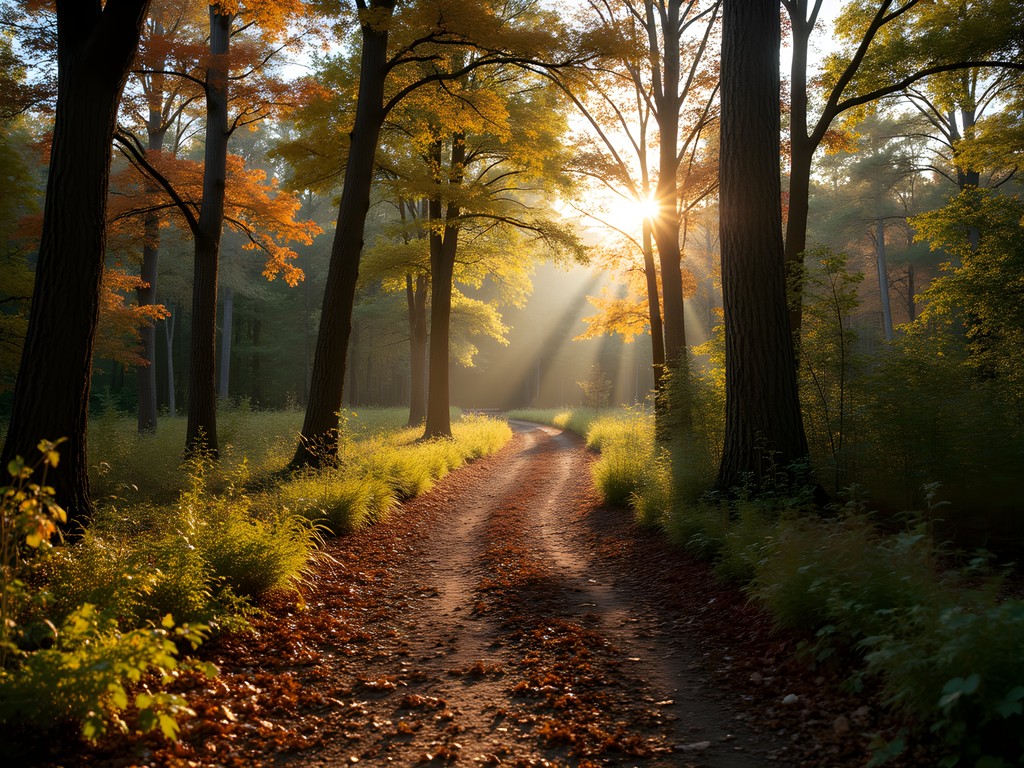
At Indian Creek, archaeological evidence shows human habitation dating back thousands of years. The recreation area now features interpretive trails explaining how these early inhabitants utilized the region's natural resources. Meanwhile, portions of Kisatchie National Forest preserve ecosystems that would have been familiar to Alexandria's earliest residents, including longleaf pine savannas that once dominated the Southern landscape.
During my hike along the Wild Azalea Trail, I contemplated how these natural spaces connect to Alexandria's urban history—the timber from these forests built the city, while the waterways facilitated trade and transportation that allowed Alexandria to flourish. This connection between natural resources and human development is a pattern I've observed in innovation centers worldwide.
For this outdoor excursion, I was grateful for my hiking daypack which comfortably carried my essentials while leaving my hands free for photography and note-taking. I also recommend bringing a field guide to identify the diverse plant species that have historical significance to the region.
💡 Pro Tips
- Visit Indian Creek early morning for the best wildlife viewing opportunities
- The Forest Service office in Bentley provides excellent maps and guidance for exploring Kisatchie
- Bring cash for the modest day-use fee at Indian Creek Recreation Area
Final Thoughts
Alexandria, Louisiana may not appear on many travelers' pilgrimage lists, but my weekend exploration revealed it as a microcosm of American history—where indigenous heritage, European colonization, Civil War conflict, and cultural renaissance converge in fascinating ways. What makes Alexandria special isn't grand monuments or world-famous museums, but rather the authentic preservation of everyday historical spaces that tell complex, interconnected stories.
As I've discovered in my journeys from the Camino de Santiago to innovation districts across Asia, the most meaningful pilgrimages often happen in unexpected places. Alexandria offers precisely this kind of journey—one where history isn't segregated into neat museum exhibits but lives in the architecture, landscapes, and community traditions that continue to evolve.
For couples seeking a budget-friendly weekend of historical exploration, Alexandria provides an intimate setting to engage with America's multifaceted past while avoiding the crowds and costs of better-known destinations. I invite you to make your own historical pilgrimage to this unassuming Louisiana city, where every street corner and building facade has a story waiting to be discovered.
✨ Key Takeaways
- Alexandria's historical sites offer an authentic, uncrowded alternative to more touristy destinations
- The city's diverse historical narratives—from Native American to French colonial to Civil War to modern renaissance—provide multiple perspectives on American history
- Budget-friendly exploration is easy with many free or low-cost historical sites accessible within a compact area
📋 Practical Information
Best Time to Visit
October-November
Budget Estimate
$200-$350 per couple for a weekend
Recommended Duration
2-3 days
Difficulty Level
Easy


Comments
travelwanderer
Going there next month! Thanks for sharing
hikingmaster
Love finding these hidden gems. Great photos too!
vacationway
This is SO helpful!! Never even heard of Alexandria before but now I'm obsessed. The Kent House looks beautiful!
Frank Garcia
Brilliant piece, Genesis. What strikes me most is how you've identified Alexandria as a microcosm - that's spot on. I've noticed in my travels through the American South that these mid-sized cities often preserve more authentic historical narratives than the heavily touristed spots. The Jewish heritage angle is particularly interesting; Southern Jewish history is massively underrepresented in mainstream travel content. One question: did you find the signage and interpretation at these sites adequate for self-guided tours, or would you recommend hiring a local guide? I always struggle with that balance between independent exploration and getting proper context.
Genesis Dunn
Great question Frank. Kent House has excellent guided tours (highly recommend). The synagogue requires calling ahead but they're wonderful about arranging visits. Downtown you can definitely self-guide with the walking tour map from the visitor center.
travelrider
How much time do you need for all these sites? Planning a weekend trip from Houston and wondering if that's enough?
Genesis Dunn
A weekend is perfect! I did it in two full days. Kent House and the downtown district can fill day one, then the forts and synagogue for day two.
travelrider
Perfect, thanks!!
nomadexplorer
Really cool post!
Sophia Gomez
Genesis, this really resonates with me! I did a similar "hidden history" trip through Pennsylvania's smaller towns last year and found the same kind of layered stories. There's something special about these places that don't make the tourist lists but hold so much of the real American narrative. The Civil War forts you mentioned - are they accessible year-round? I'm thinking of routing through Louisiana on my spring road trip and this would be perfect. Also love how you framed it as a pilgrimage - that's exactly what these journeys feel like when you're connecting with authentic history.
Genesis Dunn
Thanks Sophia! Fort Randolph is open year-round but call ahead for Fort Buhlow - they have seasonal hours. Spring would be perfect timing, the weather is gorgeous then!
photodiver
Wow never thought of Louisiana beyond New Orleans!! This looks amazing, definitely adding to my list. The synagogue photos are stunning!
Genesis Dunn
Right?? Alexandria totally surprised me too. The synagogue is such a gem and the local historical society folks were so welcoming!
Casey Andersson
What a delightful surprise to see Alexandria featured! I visited last year while on a luxury Mississippi River cruise that made a special stop here. While my experience was more curated than your wonderful self-guided exploration, I was equally captivated by the layers of history. The Epps House was particularly moving - standing in the space where Solomon Northup worked really brings his narrative to life in a way no film can capture. For anyone visiting, I recommend setting aside time for a sunset stroll along the Red River downtown after exploring the historical sites. The light on the water with the city behind you offers a beautiful moment of reflection on how this river shaped everything you've seen throughout the day.
coolguide
Going there in March! Any restaurant recommendations near downtown?
Venture X
Premium card with 2X miles, $300 travel credit, Priority Pass