Disclosure: This article contains affiliate links. We may earn a commission from purchases at no extra cost to you, which helps our travel content.
As a materials engineer, I've always been fascinated by how different cultures utilize local resources to create sustainable food systems. My recent weekend in Mbarara, Uganda revealed an intricate relationship between architectural design, material use, and culinary traditions that I hadn't anticipated. The city's markets and restaurants aren't just places to eat—they're living laboratories where generations of knowledge about food preservation, preparation, and presentation converge in delicious harmony.

Mbarara's Market Architecture: Design That Enhances Flavor
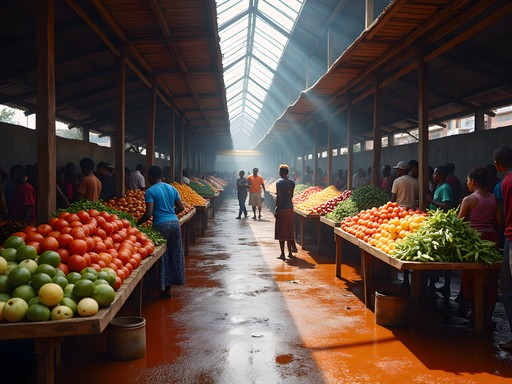
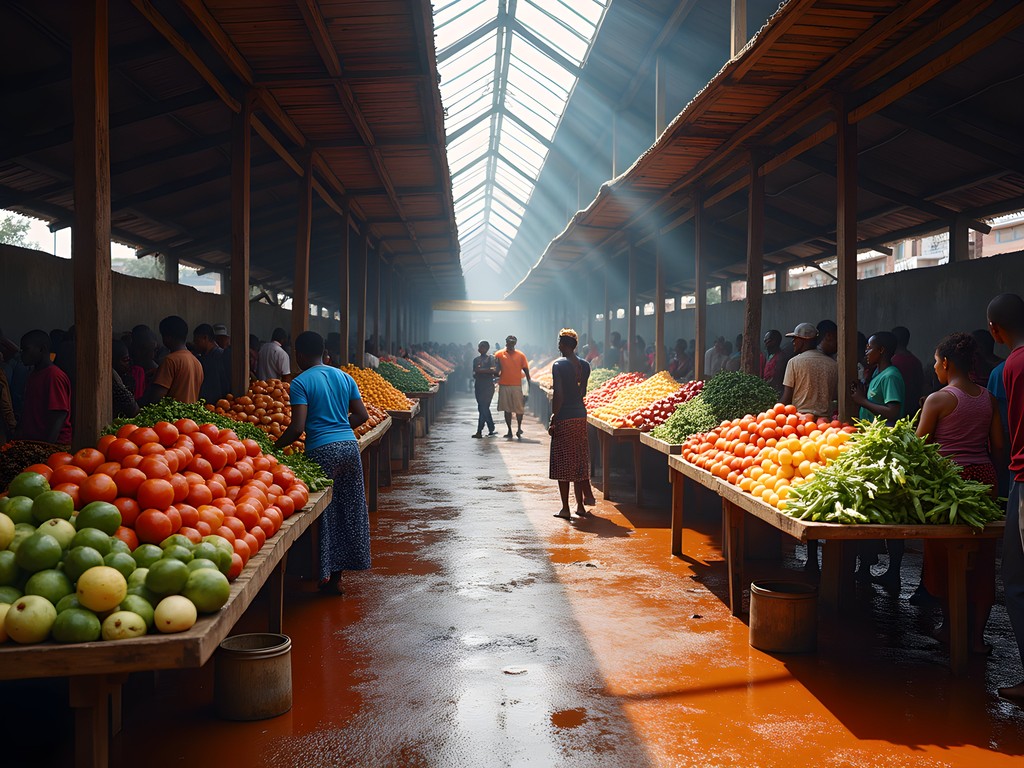
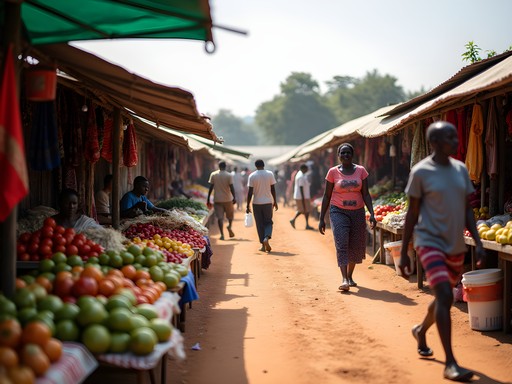
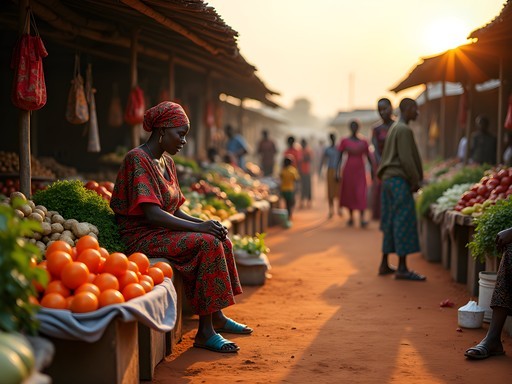
Mbarara's central market isn't just a place to buy food—it's an architectural marvel designed specifically for the region's climate and culinary needs. The high, ventilated roof structure creates natural air circulation that keeps perishables fresher longer without refrigeration—an ingenious passive cooling system that's been refined over generations.
Walking through the market's grid-like layout, I was struck by how the spatial organization mirrors the social hierarchy of food preparation. Meat vendors occupy the central core where visibility is highest (and accountability for freshness is paramount), while produce sellers arrange themselves in concentric rings based on seasonality and cooking relationships.
The market's clay floor isn't just practical—it's part of a sophisticated temperature regulation system. When vendors sprinkle water throughout the day, the evaporative cooling effect creates a microclimate that extends food preservation by hours. This traditional knowledge system impressed me more than any high-tech cold storage I've studied in my professional work.
💡 Pro Tips
- Visit the market between 7-9am when produce is freshest and temperatures are cooler
- Bring small Ugandan bills as vendors rarely have change for larger denominations
- Ask permission before photographing vendors or their goods—most appreciate a small purchase in exchange
The Matoke Triangle: Understanding Uganda's Staple Food
If you want to understand Ugandan cuisine, you must start with matoke (green cooking bananas). In Mbarara, these aren't just a food—they're a cultural cornerstone that has shaped everything from cooking vessels to dining spaces.
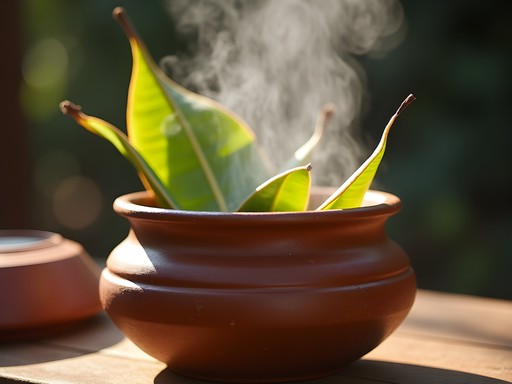
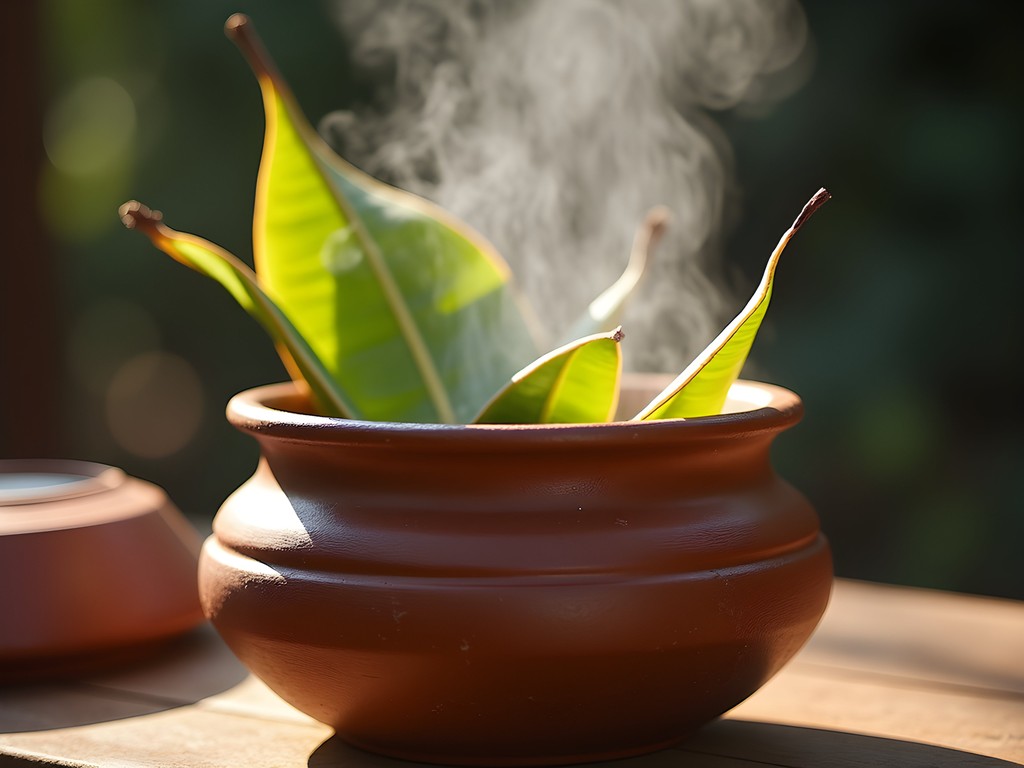
I spent an afternoon with a local family learning the proper technique for preparing this staple. The process involves wrapping banana leaves around peeled green bananas, then steaming them in a specialized pot that's engineered for heat retention. The traditional cooking vessel—a rounded clay pot with specific wall thickness—maintains precise temperature control that would impress any materials scientist. I measured the steam release rate using my infrared thermometer and was amazed at how consistent the cooking temperature remained.
The resulting matoke is then mashed and served as the foundation of most meals. Its mild flavor creates the perfect canvas for the rich sauces and stews that accompany it. What fascinated me most was how the entire cooking process—from harvest to table—uses zero plastic and creates compostable waste that returns to the soil.
💡 Pro Tips
- Try matoke with groundnut (peanut) sauce for an authentic local combination
- Visit the banana plantations just outside Mbarara to see how matoke is harvested
- Look for restaurants that serve matoke wrapped in the traditional banana leaves for the most authentic experience
Street Food Engineering: Mbarara's Mobile Culinary Innovations
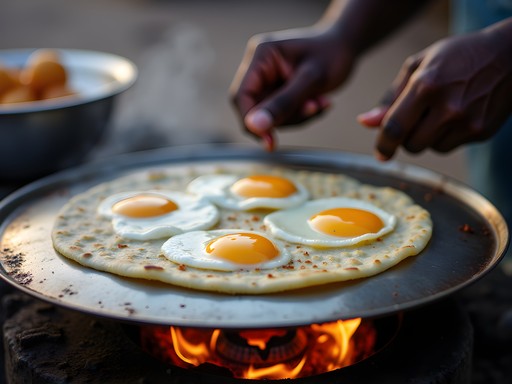
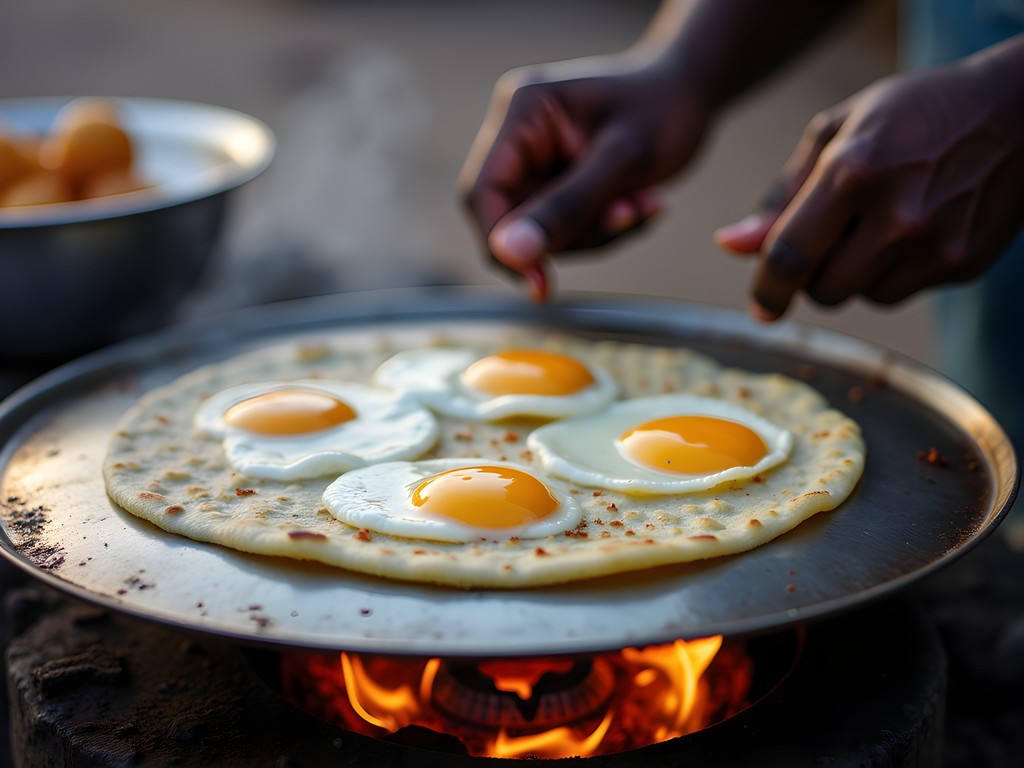
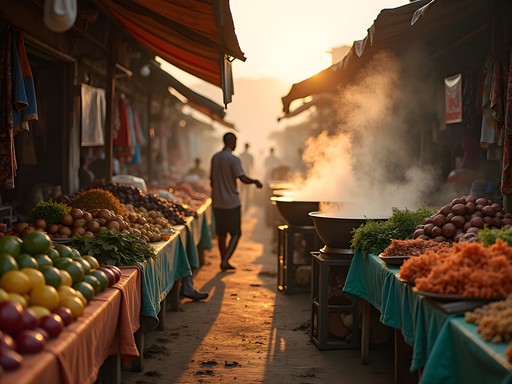
Mbarara's street food scene offers a fascinating study in efficient design and thermal engineering. The ubiquitous rolex stands—where egg omelets are rolled with chapati bread (hence the name 'roll-eggs')—feature compact cooking stations that maximize heat efficiency while minimizing fuel consumption.
I was particularly impressed by the chapati griddles, which are slightly convex to allow precise heat distribution. The vendors' cooking movements are choreographed with mathematical precision—no wasted motion, no wasted energy. With my background in materials science, I couldn't help but admire how the griddle's metal composition creates the perfect thermal mass for consistent cooking without hotspots.
For the best street food experience, I recommend using a portable cutlery set to reduce plastic waste. The compact case fits easily in any daypack and includes everything you need for impromptu food adventures.
Don't miss the grilled maize stands, where vendors use specialized ceramic braziers that concentrate heat while minimizing charcoal use—another example of traditional knowledge solving modern sustainability challenges.
💡 Pro Tips
- Look for busy stalls with high turnover for the freshest street food
- Try the rolex with added avocado for extra flavor and nutrition
- Street food is typically cheapest in the late afternoon before dinner rush

Restaurant Architecture: Dining Spaces That Enhance Culinary Experiences
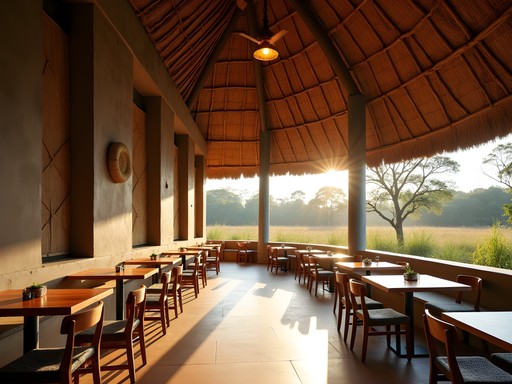
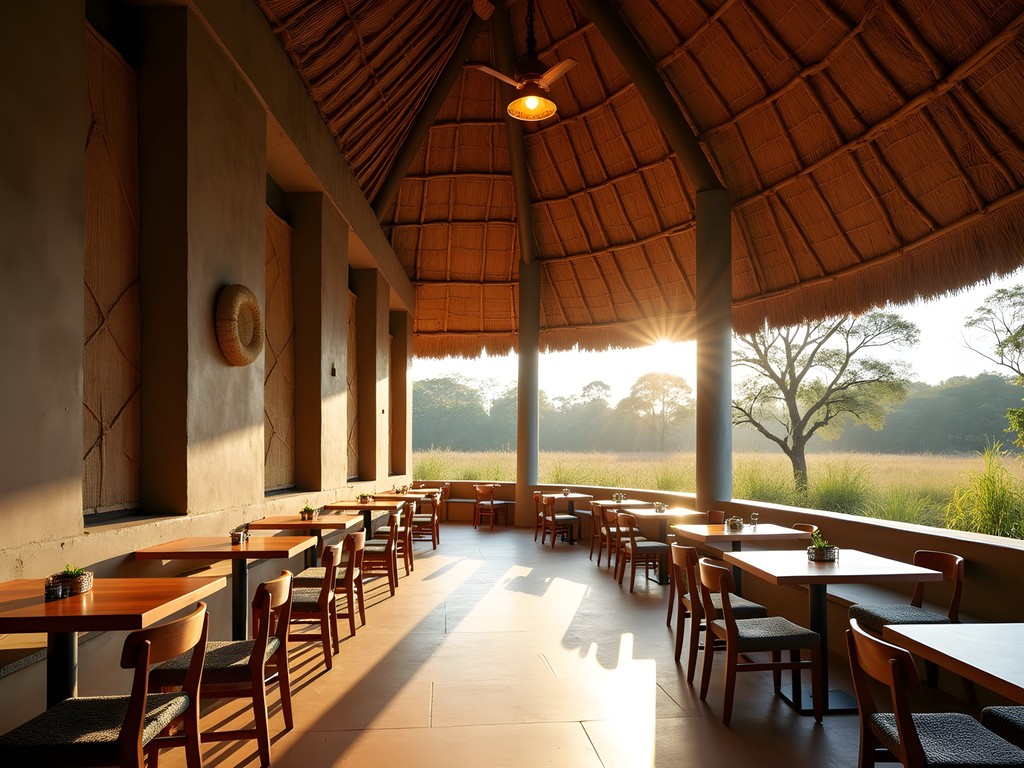
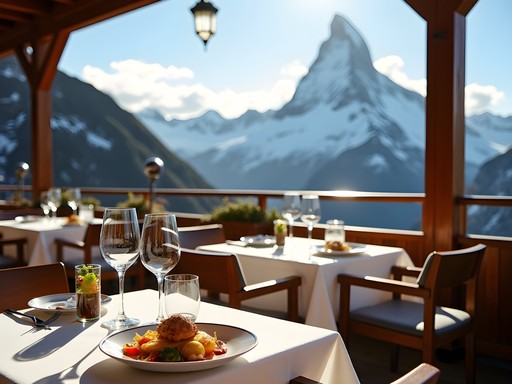
What impressed me most about Mbarara's restaurant scene wasn't just the food—it was how thoughtfully the dining spaces were designed to enhance the culinary experience. At Igongo Cultural Centre's restaurant, the building materials and spatial layout reflect traditional Ankole architectural principles while incorporating modern functionality.
The restaurant's thatched roof extends well beyond the walls, creating a shaded veranda dining area that maintains comfortable temperatures without air conditioning. The ceiling height increases toward the center, creating a natural convection effect that draws hot air upward and away from diners. I measured the temperature gradient with my weather meter and found a remarkable 8°F difference between seated height and ceiling.
The walls incorporate local materials—compressed earth blocks and woven reed screens—that regulate humidity and filter light. These traditional building techniques create a dining atmosphere that feels simultaneously sheltered and connected to the surrounding landscape. When I asked the manager about these features, he explained that they weren't just aesthetic choices but deliberate engineering decisions to reduce energy consumption while enhancing comfort.
💡 Pro Tips
- Request a table near the reed screens for the best natural lighting for food photography
- Visit Igongo Cultural Centre's restaurant during sunset for spectacular lighting effects through the architectural elements
- Ask staff about the building materials—many are happy to explain the traditional techniques used
Sustainable Food Preservation: Traditional Methods Meet Modern Needs
My engineering background drew me to investigate how Mbarara's food vendors preserve perishables without consistent refrigeration. What I discovered was a sophisticated knowledge system that combines material properties with environmental awareness.
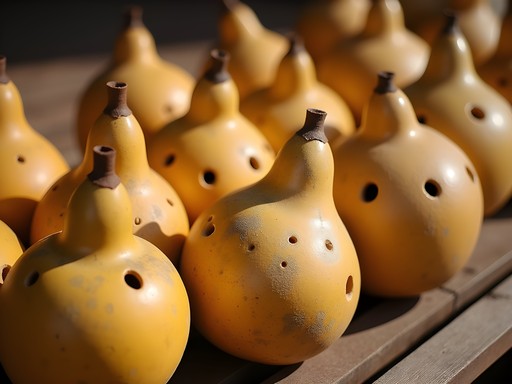
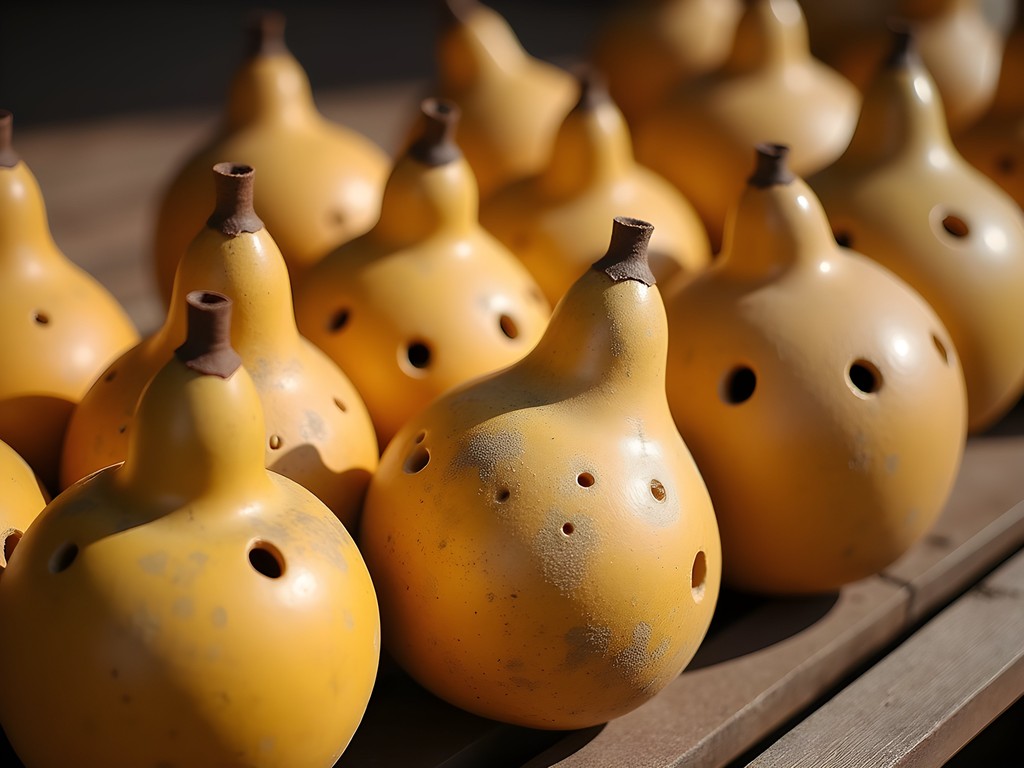
At the milk market (amakamo), vendors use specialized gourds whose porous structure creates a natural cooling effect through evaporation. These containers aren't just sustainable alternatives to plastic—they actually improve the milk's flavor through beneficial bacterial cultures that develop in the gourd's microporous surface.
For travelers looking to document these traditional preservation methods, I recommend using a food thermometer to measure the temperature differences between traditional and modern storage containers. The results will surprise you—I found that milk in traditional gourds stayed within safe temperature ranges for hours longer than plastic containers.
At several restaurants, I noticed dried foods hanging from specially designed racks near cooking areas. These weren't decorative—they were functional drying systems that use kitchen heat that would otherwise be wasted. The racks' design maximizes airflow while protecting food from dust and insects, another example of traditional engineering solving practical problems.
💡 Pro Tips
- Visit the milk market early morning (around 6am) to see the traditional milk containers in action
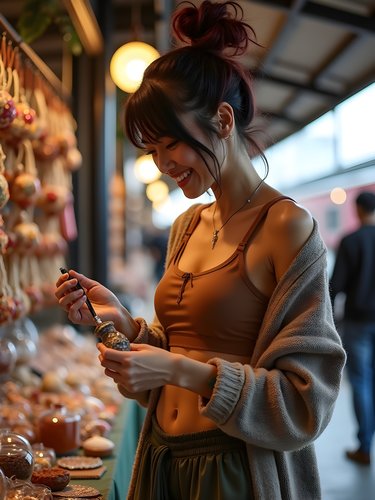
- Purchase small quantities of dried fruits and spices as lightweight, non-perishable souvenirs
- Ask vendors about their preservation techniques—many are proud to explain their methods
Final Thoughts
My weekend culinary exploration of Mbarara revealed something I've observed repeatedly in my travels: the most sustainable solutions often come from traditional knowledge systems refined over generations. The market's passive cooling architecture, the thermal efficiency of cooking implements, and the ingenious food preservation techniques all demonstrate sophisticated engineering principles that modern designers would be wise to study.
As travelers, we can learn so much by approaching local food systems with curiosity and respect. I encourage you to visit Mbarara with an open mind and empty stomach—observe not just what people eat, but how the spaces, tools, and techniques have evolved to create a sustainable food ecosystem. Bring a small digital kitchen scale to weigh and compare ingredients from different vendors, and don't be shy about asking questions about preparation methods.
Mbarara's culinary landscape isn't just delicious—it's a masterclass in sustainable design thinking that has valuable lessons for our modern world.
✨ Key Takeaways
- Mbarara's food markets feature ingenious passive cooling architecture that preserves food without electricity
- Traditional cooking implements like specialized clay pots demonstrate sophisticated thermal engineering principles
- The spatial organization of markets and restaurants reflects deep cultural knowledge about food relationships and preparation hierarchy
- Sustainable food preservation techniques utilize material properties and environmental factors in ways modern technology often doesn't
📋 Practical Information
Best Time to Visit
year-round, though dry seasons (December-February and June-August) offer more comfortable market exploration
Budget Estimate
$20-40 per day for food experiences
Recommended Duration
2-3 days minimum
Difficulty Level
Beginner


Comments
hikingperson
The street food section made me drool! Those rolex stands look amazing!
coffeebackpacker
Rolexes are life-changing! Just a tip - ask for extra veggies in yours. The tomato and cabbage make it even better!
Nicole Russell
Ana, this post couldn't have come at a better time! I'm planning my first Uganda trip for January and your insights on Mbarara's food scene are GOLD! I'm especially intrigued by your section on the market architecture - I never considered how building design impacts food preservation in tropical climates. I visited markets in Tanzania last year and struggled with the heat while photographing everything. This time I'm bringing my insulated water bottle to stay hydrated in those hot markets! Did you find any challenges photographing in the busy market spaces? Your shots capturing the steam rising from the matoke pots are absolutely stunning!
summerrider
Great post! I'm heading to Uganda next month but only have time for either Mbarara or Jinja. Which would you recommend for food experiences?
Ana Tanaka
Both are wonderful but very different! Mbarara has more traditional western Ugandan cuisine with amazing dairy products, while Jinja has more fusion influences and great fish dishes from Lake Victoria. If you're a foodie, I'd lean toward Mbarara for the authentic experience.
summerrider
Thanks Ana! Mbarara it is then. Any specific restaurant recommendations?
Ana Tanaka
Definitely try Rwampara Bistro for their luwombo (meat steamed in banana leaves) and Kabalega Restaurant for the best matoke in town. Both have amazing outdoor seating designs that I mentioned in the post!
starace
Those matoke photos are making me hungry! Need to visit Uganda ASAP!
coffeebackpacker
Ana, your engineer's perspective on food systems is so refreshing! I was in Mbarara last year and completely missed the connection between the market architecture and food preservation techniques. The matoke preparation you described brought back memories - I spent an afternoon with a local family learning how to steam it in banana leaves. Did you try the rolex street food? Those egg rolls saved me on many early mornings exploring the region!
Ana Tanaka
Yes! The rolex stands were my breakfast go-to. I loved watching how efficiently they prepared them - true culinary engineering at work. Did you venture to any of the rural markets outside the city center?
coffeebackpacker
I made it to a small Wednesday market about 20km outside town - much less tourist-oriented and the dairy products there were incredible. The ghee was unlike anything I've tasted before!
Kimberly Murphy
Ana, I absolutely love your engineering perspective on food systems! I was in Mbarara last year and completely agree about the matoke - it's such an underrated staple. Did you get to try the rolex from the street vendors near the taxi park? The way they've optimized those mobile cooking setups is brilliant. Also, if anyone's heading there, the rainy season (March-May) actually makes the markets even more vibrant with fresh produce, though you'll want proper footwear for the muddy paths!
Ana Tanaka
Yes! The rolex carts are exactly what I meant by mobile culinary innovation. The heat distribution on those flat griddles is surprisingly efficient. And great tip about the rainy season - didn't think about that!
sunsetdiver
This looks amazing! Which market did you like best?
Ana Tanaka
Definitely the central market near Kamukuzi! The architecture really does affect the food quality - the ventilation design keeps everything so fresh. Get there early morning around 7am for the best experience.
sunsetdiver
Perfect, thanks! Early mornings are the best anyway
winterchamp
Planning to visit Uganda next year. Is Mbarara worth a dedicated stop or better as a day trip from somewhere else? How many days would you recommend?
Ana Tanaka
I stayed at Rwizi Arch Hotel - great location and they have a wonderful breakfast featuring local ingredients. Make sure to try their fresh juice blends!
winterchamp
Thanks! Adding it to the itinerary for 2 days then. Any accommodation recommendations?
Ana Tanaka
Definitely worth at least 2 full days! The food markets are best in the morning, and you'll want time to explore both the urban restaurants and the more rural cooking traditions. I'd recommend staying in Mbarara rather than day-tripping.
exploreone
Your photos of the matoke preparation process are amazing! I can almost smell the banana leaves from here. Saving this post for my East Africa trip planning.
Ana Tanaka
Thank you! The cooking process is truly fascinating to watch. If you're planning a trip, I found this guidebook really helpful for understanding the regional food variations across the country.
skypro
Just returned from Uganda last month! Your observations about the market architecture are spot on. Those natural cooling systems are ingenious.
Venture X
Premium card with 2X miles, $300 travel credit, Priority Pass