

Disclosure: This article contains affiliate links. We may earn a commission from purchases at no extra cost to you, which helps our travel content.
The air in Mbarara hits differently than the crisp Canadian Rockies I grew up in or the bustling streets of Philadelphia where I now work shifts as an EMT. It's heavy with moisture, carrying the scent of red earth and wood smoke that seems to seep into your clothing within hours of arrival. This southwestern Ugandan city isn't on most travelers' radar, overshadowed by gorilla trekking in Bwindi or the source of the Nile in Jinja. But after two weeks exploring this region on a tight budget, I've discovered a place where ancient healing traditions, modern resilience, and natural beauty create a uniquely restorative travel experience. As someone who's spent years navigating the intersection of emergency medicine and traditional healing practices, Mbarara offered me insights I wasn't expecting when I landed with little more than my backpack and a determination to spend no more than $30 a day.

Finding Your Bearings: Budget Accommodation and Transportation Hacks
Landing in Entebbe and making my way to Mbarara required the kind of strategic planning I usually reserve for wilderness medical scenarios. The 5-hour journey southwest can cost upwards of $50 with private transportation, but local buses (what Ugandans call 'taxis') run the route for under $8. These minibuses leave when full—a concept of time that initially frustrated my EMT brain accustomed to precise response windows—but ultimately taught me to embrace what locals call 'Uganda time.'
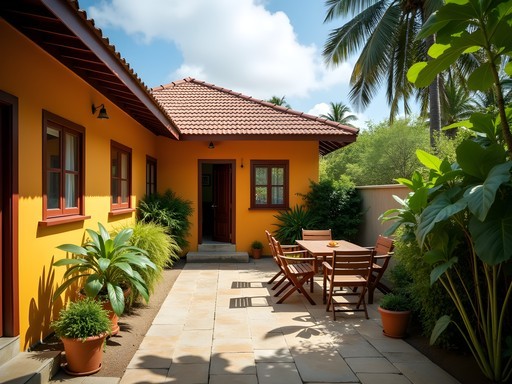
In Mbarara, I bypassed the tourist accommodations and found Haven Hostel, a family-run guesthouse where $7/night gets you a clean bed, cold shower, and breakfast of fresh mangoes and chapati. The owner, Mama Grace, keeps a garden of medicinal plants that immediately piqued my interest given my background in emergency medicine and indigenous healing. She showed me how they use aloe preparations similar to what my Mi'kmaq grandmother once made for burns.
For daily transportation, I invested in a foldable daypack that proved invaluable for market trips and day hikes. Most city destinations are walkable, but for longer journeys, boda bodas (motorcycle taxis) cost between $0.50-$1.50 per trip. Negotiate firmly but respectfully—I found starting at half their initial offer and meeting in the middle works well. My EMT visibility assessment skills came in handy here; look for drivers wearing helmets themselves and who don't appear to be speeding with other passengers.

💡 Pro Tips
- Download the SafeBoda app for more reliable motorcycle taxi experiences with set prices
- Stay near Mbarara University if you want the most walkable location with food options
- Learn basic Runyankole greetings—prices often drop when you make the effort
Eating Like a Local: From Street Food to Community Kitchens
My quest to understand how food functions as both nourishment and medicine led me to Mbarara's vibrant food scene. The city offers everything from roadside rolex stands (egg omelets wrapped in chapati, not luxury timepieces) to community kitchens where women prepare traditional Ankole cuisine.
For breakfast, a rolex costs about $0.80 and provides enough protein and carbs to fuel a morning of exploration. Lunch at local 'hotels' (what Ugandans call simple restaurants) runs $1.50-$3 for a heaping plate of matooke (mashed plantains), beans, groundnut sauce, and greens. The buffer system at these establishments means you can focus on vegetables if you're watching your budget.
One discovery that resonated with my food truck documentation project was Mbarara's evening food market near the university. Here, I found an unexpected parallel to North American food truck culture—entrepreneurs creating specialized dishes with regional variations. My favorite vendor, Auntie Sarah, makes a cassava-based dish called kalo with medicinal herbs that reminded me of remedies my Mi'kmaq grandmother prepared during flu season.
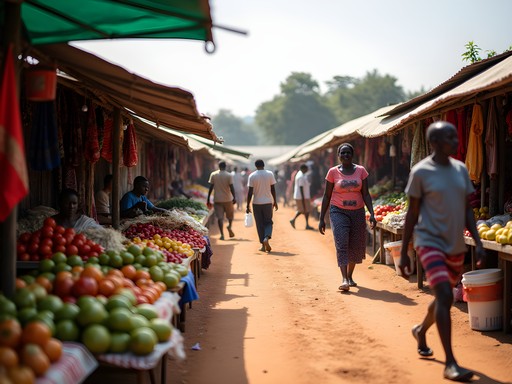
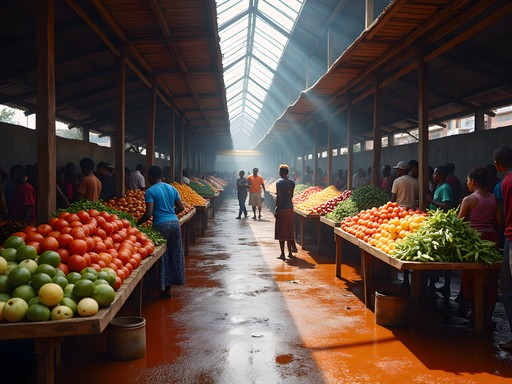
To keep costs down while maintaining nutrition (a critical balance I've learned through both EMT work and backcountry travel), I shopped at markets for avocados (3 for $0.50), passion fruits, and jackfruit. A water purifier bottle saved me countless dollars on bottled water and prevented plastic waste. The straw filter system handles Mbarara's municipal water effectively, though I still used purification tablets for rural water sources.

💡 Pro Tips
- Eat where you see locals eating, not where touts direct tourists
- Visit the university area at dinnertime for the best street food variety
- Ask for 'local food' rather than tourist menus to save money and get authentic flavors
Sacred Spaces and Healing Landscapes: Beyond the Tourist Trail
The landscapes surrounding Mbarara hold powerful healing energy that resonates with what I've experienced in sacred spaces from Peru to Japan. What makes Uganda different is how accessible these places remain—often free or costing only a small contribution to local caretakers.
Lake Mburo National Park sits just 30km from Mbarara and, while the official entrance fee is $40, I discovered that local guides can take you on community-based walks along the park periphery for $10, where you'll still spot zebras, impalas, and numerous bird species. The geometric patterns in how these animals move across the landscape—something I've studied in sacred geometry contexts—create a mesmerizing effect at sunset.
Nearby Rwenjeru Hill offers a free hiking experience with panoramic views. Local elders consider it a site of ancestral significance, and I couldn't help but notice the similarities between how the Ankole people describe the hill's energy vortexes and how my Mi'kmaq elders talk about certain places in Nova Scotia. The hill's unique rock formations create natural seats and meditation spaces that seem purposefully designed.
For those interested in traditional healing, a visit to a local herbalist can be arranged through community connections (ask at your accommodation). I spent an afternoon with an elder named Mukasa, who showed me plants used to treat everything from wounds to respiratory conditions. As an EMT, I was fascinated by how some of these traditional treatments align with modern emergency protocols—particularly their use of certain plants with natural coagulant properties similar to what we might use in field medicine.
To document these experiences, I relied on my weatherproof notebook, which handled Uganda's humidity and sudden downpours while I sketched plant specimens and recorded healing traditions.

💡 Pro Tips
- Respect sacred sites by asking permission before taking photos
- Bring small gifts (not money) when visiting traditional healers—tea and sugar are appreciated
- Learn about Ankole cosmology before visiting sites to understand their significance

Community Connections: Volunteer Exchanges and Skill Sharing
My EMT background has taught me that true connection happens in moments of mutual exchange, not transactional tourism. In Mbarara, I found several opportunities to share skills while learning from locals—experiences that cost nothing but time and openness.
Mbarara Regional Referral Hospital offers a volunteer program where medical professionals can observe and assist (within scope of practice limitations). After verifying my credentials, I spent two mornings shadowing their emergency department. The resourcefulness of Ugandan healthcare workers facing equipment shortages was humbling and reminded me of wilderness medicine protocols where improvisation is essential. In exchange, I offered a brief training on wilderness first aid techniques that could be adapted to their context.
For non-medical travelers, Mbarara University welcomes English conversation partners, and several women's cooperatives accept short-term volunteers for craft production. At the Kitaaba Women's Group, I learned traditional basket weaving techniques while sharing basic first aid knowledge. The geometric patterns in their basketry connected directly to my interest in sacred geometry—the women explained how certain designs represent healing, protection, and community.
These exchanges provided deeper cultural insights than any paid tour could offer. They also introduced me to local families who later invited me for meals and countryside visits, further reducing my daily expenses while enriching my experience immeasurably.
One afternoon, a local teacher named Esther invited me to her family compound where I witnessed traditional fire-starting techniques that mirrored what my Mi'kmaq relatives had shown me in Canada—a surprising connection across continents that sparked hours of conversation about indigenous knowledge preservation.

💡 Pro Tips
- Bring professional credentials if you have specialized skills to share
- Commit to at least 2-3 days with any organization rather than one-off visits
- Ask about appropriate gifts for host families rather than offering money
Day Trips and Adventure Experiences on a Budget
While Mbarara itself offered plenty to explore, I discovered several budget-friendly adventures within easy reach that satisfied my need for wilderness connection without breaking my $30/day budget.
The Rwizi River, flowing along Mbarara's edge, provides a free natural experience. Local university students showed me swimming spots and meditation rocks where I spent several afternoons journaling and observing the river's flow patterns—another example of natural sacred geometry that appears across cultures.
For more structured adventure, I joined a community-based tourism initiative that offers guided hikes through the hills surrounding Mbarara for $15, including a home-cooked lunch. My guide, Joseph, shared knowledge of medicinal plants that paralleled what I've documented in North American indigenous traditions, particularly regarding respiratory supports and wound healing. The similarities in how different cultures identify healing properties in plants always fascinates my EMT brain.
The highlight was a day trip to a local hot spring where community members have created natural soaking pools. For $5, I spent hours moving between pools of different temperatures, each said to address specific ailments. The mineral content reminded me of hot springs I've visited in New Mexico's desert, though the surrounding tropical vegetation created a completely different sensory experience.
For these adventures, having a reliable hiking sandals proved essential—they handled muddy trails, river crossings, and hot spring soaks equally well while taking minimal space in my pack. The quick-dry webbing meant I could transition from water activities to hiking without changing footwear, a space-saving necessity for budget backpacking.

💡 Pro Tips
- Ask local university students about swimming spots rather than following guidebook recommendations
- Join group day trips organized through guesthouses to share transportation costs
- Bring small denominations of Ugandan shillings for rural areas where change is limited
Final Thoughts
As I packed my bag on my final morning in Mbarara, Mama Grace pressed a small fabric pouch of dried herbs into my palm. 'For clear thinking on long journeys,' she explained. This simple gesture encapsulated what makes backpacking Mbarara on a budget so rewarding—it's not about deprivation but about rich connections that cost nothing yet offer everything. Uganda taught me that the intersection of traditional healing wisdom and modern adventure doesn't require luxury accommodations or expensive tours. Sometimes the most profound healing experiences come through $0.80 street food conversations, free hilltop sunsets, and the generosity of people willing to share their knowledge. Whether you're drawn to Mbarara for adventure, cultural exchange, or your own healing journey, this overlooked Ugandan gem offers abundant rewards for the budget-conscious traveler willing to move at the pace of trust rather than transaction.
✨ Key Takeaways
- Budget travel in Mbarara is possible at $25-30/day while having authentic experiences
- Community connections and skill exchanges provide deeper cultural insights than paid tours
- The region offers a unique intersection of adventure opportunities and traditional healing practices
- Local transportation and food options are not just cheaper but often more enriching experiences
📋 Practical Information
Best Time to Visit
June-August or December-February (dry seasons)
Budget Estimate
$25-30 per day including accommodation, food, and activities
Recommended Duration
5-7 days in Mbarara, 10-14 days including surrounding areas
Difficulty Level
Moderate (Requires Comfort With Basic Local Transportation And Minimal Amenities)

Comments
hikingwanderer
Going to Uganda in March! Thanks for this
Gregory Boyd
Really solid breakdown of the costs here. I've been tracking budget travel inflation across East Africa and your $30/day figure aligns with what I'm seeing in secondary cities. A few observations: 1) The boda-boda pricing you mentioned is spot-on but always worth negotiating before hopping on. 2) Your point about eating where locals eat isn't just budget advice - it's genuinely where the best food is. 3) The volunteer exchange model you describe is brilliant for extending your time in a place without burning through savings. I did similar arrangements in Tanzania and it completely changed my experience. One tip for others: bring a small portable water filter - saved me a fortune on bottled water throughout Uganda and you're not contributing to plastic waste.
hikingwanderer
Good call on the water filter!
islandbuddy6109
Great post! Uganda is so underrated
Stephanie Romano
Sage, this brought back memories! We spent two weeks in Uganda last year with our kids (10 and 13) and Mbarara was such a pleasant surprise. Everyone told us to skip it but we needed a break between destinations and ended up loving it. The community kitchen experience you mentioned - we did something similar and my daughter still talks about learning to make matooke. It's these unplanned moments that become the heart of family travel. Your point about volunteer exchanges really resonates. We found that slowing down and contributing something, even just teaching English for a few days, made the experience so much richer than just ticking off sights.
mountainway
How did you find Mama Grace's guesthouse? Is it bookable online or do you just show up?
Sage Dixon
I found it through word of mouth from another traveler in Kampala. No online booking - you just show up or call ahead. I can DM you the number if you want!
mountainway
yes please that would be amazing!!
dreamdiver
Love this! Your photos are beautiful
roamace
This is SO helpful!! I've been looking at Uganda for ages but everyone just talks about Kampala or gorilla trekking. The $30/day budget is exactly what I need to know. Did you feel safe traveling solo there? And how's the wifi situation - can you get work done if needed?
Sage Dixon
Hey! Yeah, I felt really safe - people were incredibly welcoming. Wifi at guesthouses was hit or miss, but there are a few cafes in town with decent connections. I wouldn't count on doing anything bandwidth-heavy though!
roamace
Perfect, thanks! Just need to check emails basically. Definitely adding this to my list now
Claire Hawkins
What a beautiful post, Sage! We spent two weeks in Uganda last year with our kids (7 and 9) and Mbarara was one of our favorite stops. You're so right about Mama Grace's guesthouse - we stayed there too and the kids still talk about helping her cook chapati in the mornings. One thing we discovered was the Saturday morning market near the taxi park. It's absolute chaos but the fruit section is incredible and our boys loved trying all the different banana varieties. The vendors were so patient with them. We also did a day trip to Lake Mburo which was manageable on a family budget. Your $30/day breakdown is spot on - we found it totally doable even with four of us. The community connection piece really resonated with me. Travel is so much richer when you slow down and actually meet people instead of just ticking off sights.
Sage Dixon
Claire! Yes, the Saturday market is incredible - can't believe I forgot to mention it in the post. And Lake Mburo is such a great day trip. Love that you did Uganda as a family, it's such an underrated destination for kids.
adventureace
This looks amazing! Quick question - how safe did you feel using the public transportation? Heading there in March and a bit nervous about getting around.
Sage Dixon
Honestly felt totally safe! The matatus (shared minibuses) can be crowded but everyone was super helpful. Just keep your bag in front of you and don't flash valuables. The boda-bodas (motorcycle taxis) are faster but negotiate price before getting on. You'll be fine!
adventureace
Thanks so much! Really appreciate it
hikingway
Great photos! That misty valley shot is incredible.
Venture X
Premium card with 2X miles, $300 travel credit, Priority Pass