
Disclosure: This article contains affiliate links. We may earn a commission from purchases at no extra cost to you, which helps our travel content.
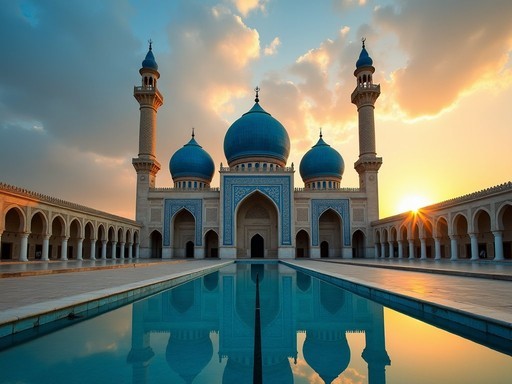
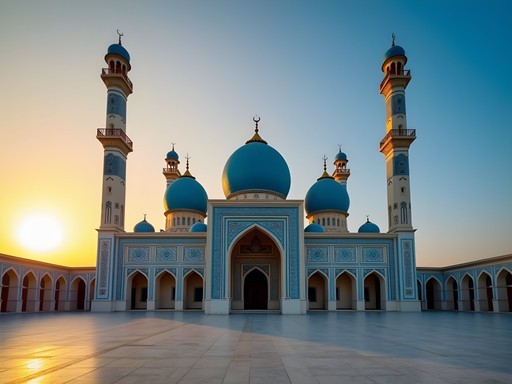
The azure dome of the Blue Mosque rises majestically against the dusty horizon as I sit cross-legged on a worn carpet, analyzing the complex flavor profile of my qabuli palaw with the same methodical approach I once applied to water samples back in my Sydney laboratory. My journey to Mazar-i-Sharif wasn't initially about food—I'd been tracking cricket's cultural significance across Central Asia—but Afghanistan's northern culinary capital quickly redirected my focus. The scientific part of my brain couldn't help but note how the region's distinct microclimate, situated between the Amu Darya river basin and the Hindu Kush mountains, creates ideal conditions for unique agricultural outputs that define local cuisine. Over two weeks, I embarked on what became an unexpected gastronomic expedition, trading cricket bats for cooking pots and stadium tours for simmering cauldrons in this remarkable crossroads of Turkic, Persian, and South Asian flavors.

Navigating the Bazaars: A Culinary Cartography
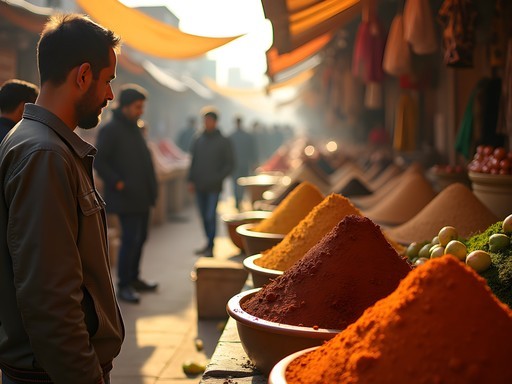
Mazar-i-Sharif's food scene begins and ends in its labyrinthine bazaars, where my background in laboratory sample collection proved unexpectedly useful. Each morning, I'd rise before dawn, notebook in hand, to document the day's freshest offerings methodically.
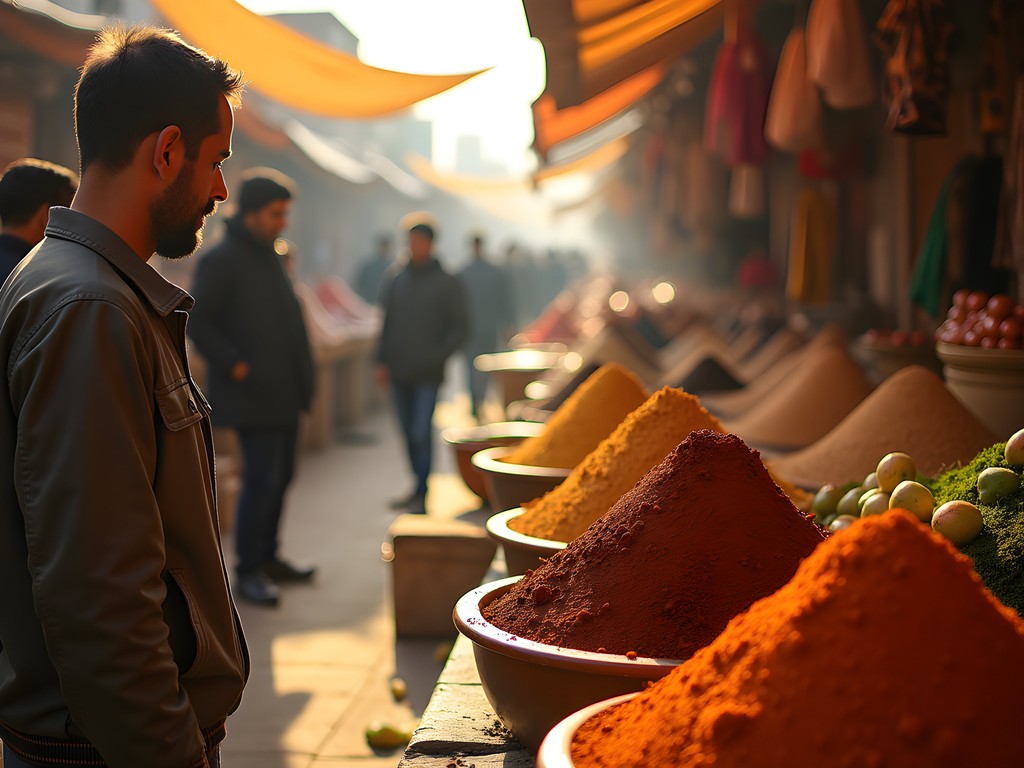
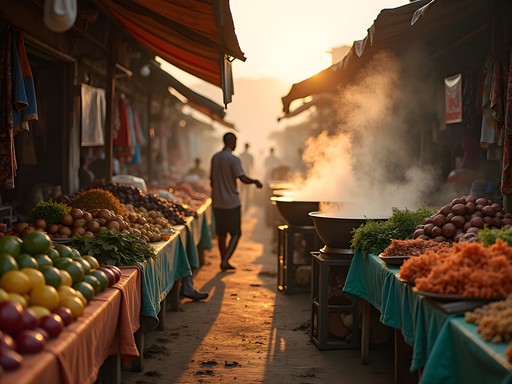
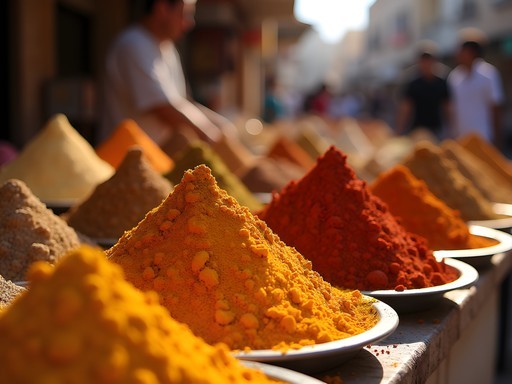
The central bazaar near the Blue Mosque pulses with energy reminiscent of a cricket stadium during a test match—chaotic yet following unwritten rules understood by locals. Here, vendors arrange their goods with an intuitive organization that reminded me of how my wife arranges her ceramic studio: spices in vibrant pyramids, fruits in architectural displays, and bread in patterns that would make a mathematician smile.
My systematic exploration revealed that timing is everything. By 6 AM, bakers have their tandoors (clay ovens) roaring to life, producing naan-e Afghani—those gloriously chewy flatbreads that serve as both utensil and staple. By 7 AM, the dairy sellers arrive with fresh qurut (dried yogurt balls) and maska (local butter). The meat section comes alive by 8 AM, where butchers hang their offerings with a precision that would satisfy laboratory standards.
What fascinated me most was how the bazaar operates as an ecosystem—each vendor knowing precisely their role, the seasonality of their products, and their place in the culinary chain. It's a living organism that has evolved over centuries, not unlike the complex biomes I once studied in Queensland's rainforests.
💡 Pro Tips
- Visit bazaars between 6-9 AM for the freshest selection and authentic local atmosphere
- Bring small denominations of Afghanis as vendors rarely have change
- Learn basic Dari phrases for food items—locals appreciate the effort and often reward it with better prices
The Science Behind Qabuli Palaw: Afghanistan's Crown Jewel
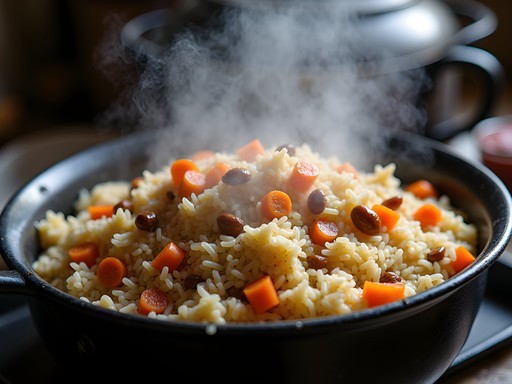
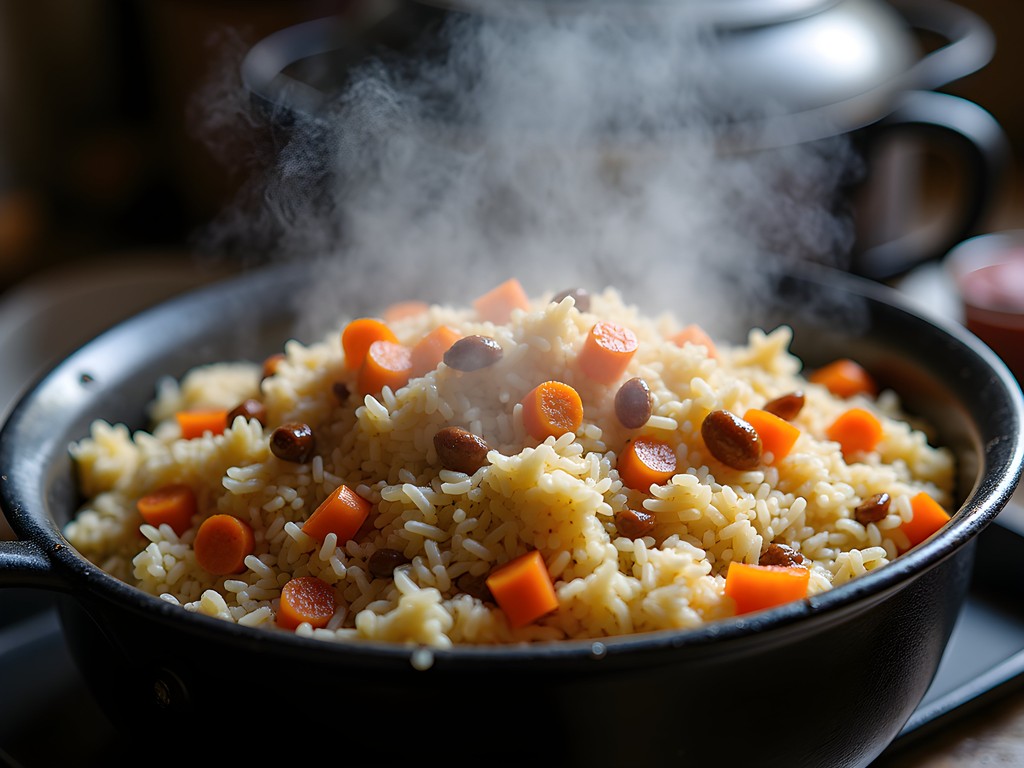
If cricket is Australia's national sport, then qabuli palaw is undoubtedly Afghanistan's national dish. As a laboratory technician, I couldn't help but approach this legendary rice preparation as I would a complex experiment—breaking down its components, understanding the reactions, and appreciating the precision required for its execution.
My quest for authentic qabuli palaw led me to a small family-run establishment near the eastern edge of the city. The patriarch, noticing my scientific interest, invited me into his kitchen—a rare honor for an outsider. What followed was a masterclass in culinary chemistry.
The process begins with premium long-grain rice, soaked precisely (not approximately) for two hours. The meat (typically lamb) undergoes a controlled braise with onions and a carefully measured spice mixture. Most fascinating was the qaymaq technique—where the chef creates a protective steam barrier using a cloth-wrapped lid sealed with dough. This creates a pressurized environment that allows the rice to steam perfectly while absorbing the aromatic compounds from the carrots, raisins, and nuts layered throughout.
The result is a dish where each grain stands distinct yet cohesive—not unlike how individual players form a cricket team. The science behind the perfect qabuli palaw involves controlling moisture, temperature, and timing with the precision I once applied to water quality tests.
For cooking enthusiasts wanting to recreate Afghan flavors at home, I found my pressure cooker invaluable for achieving similar results with less technique. While not traditional, it creates the pressurized environment essential for properly cooked Afghan rice dishes.
💡 Pro Tips
- Ask for your qabuli 'kam روغن' (less oil) if you prefer a lighter version
- The best establishments cook in small batches twice daily—arrive at noon or 7 PM for the freshest servings
- Look for places where locals gather for family meals rather than tourist-oriented restaurants
Street Food Anthropology: The Social Ecosystem of Bolani and Mantu
My years of observing cricket crowds taught me that food isn't just sustenance—it's a social currency. Nowhere is this more evident than in Mazar's vibrant street food culture, where I conducted what I jokingly called my 'street food anthropology' research.
Armed with my water purification bottle (an absolute essential for any traveler in regions with questionable water quality), I ventured into the alleyways where the most authentic street food vendors set up shop. This bottle was my constant companion, allowing me to stay hydrated while minimizing risk—much like how I'd prepare for fieldwork back in my laboratory days.
Bolani, Afghanistan's answer to the empanada, became my afternoon ritual. These stuffed flatbreads, typically filled with leeks, potatoes, or pumpkin, are cooked on dome-shaped griddles called saj. The vendors' technique reminded me of spin bowling in cricket—all in the wrist action and timing. The best bolani stands are identified by the crowds they draw, particularly workers during their afternoon breaks.
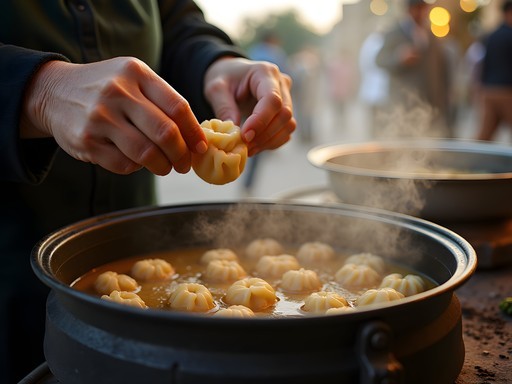
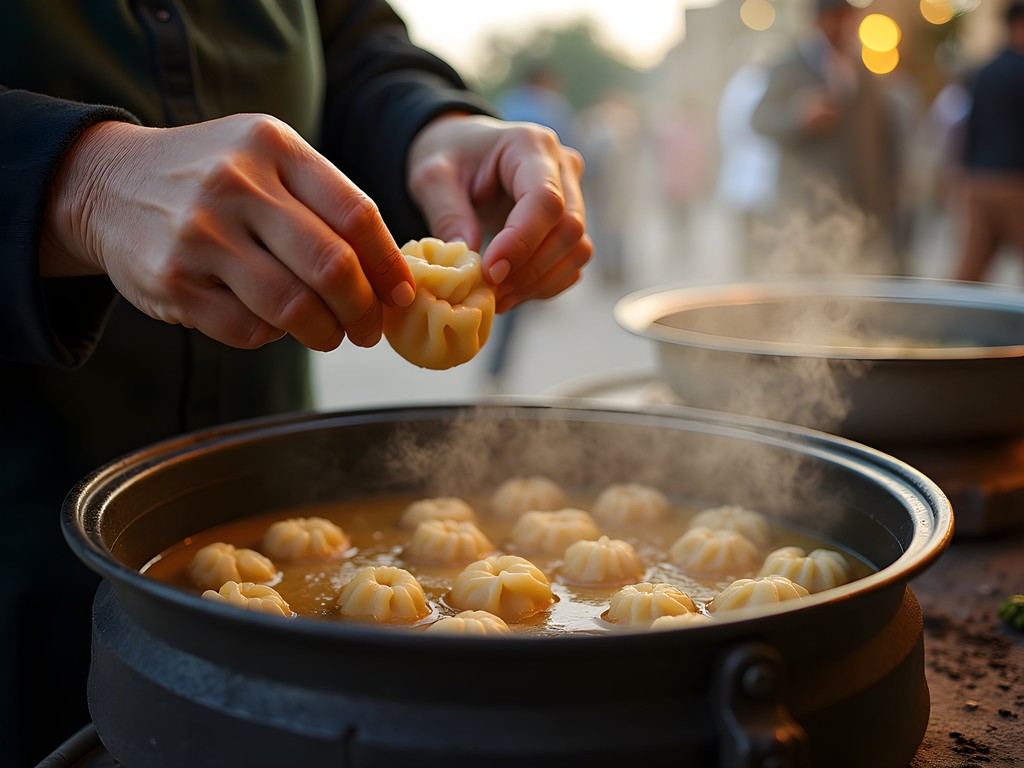
By evening, the mantu specialists emerge. These delicate dumplings filled with spiced meat require the dexterity of a wicketkeeper's hands. I spent three evenings with a family of mantu makers who had perfected their technique over four generations. The grandmother, with fingers gnarled from decades of pinching dough, could seal a perfect dumpling in under five seconds—a biomechanical marvel that would impress any sports scientist.
What struck me most was how street food creates temporary communities. Strangers share condiments, exchange news, and debate politics while standing around makeshift tables. It's similar to how cricket brings together disparate individuals in stadium stands—food and sport, both universal languages that transcend cultural barriers.
💡 Pro Tips
- Street food is safest when cooked fresh in front of you at high temperatures
- Carry your own napkins or wet wipes as they're rarely provided
- Follow the crowds of local workers for the best quality-to-price ratio

The Chai Chronicles: Tea Houses as Cultural Institutions
In Afghanistan, chai (tea) is more than a beverage—it's a social institution comparable to how cricket functions in Australia. As someone who's spent countless hours analyzing the chemical composition of water, I found myself equally fascinated by the subtle variations in Mazar's tea preparation techniques.
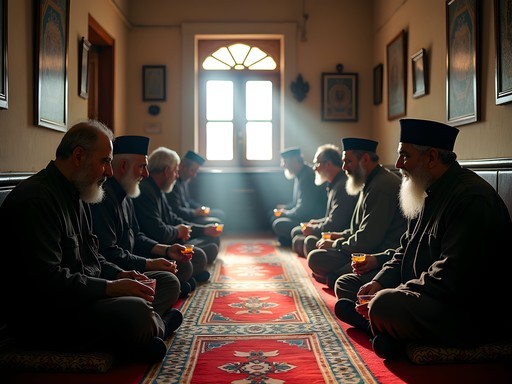
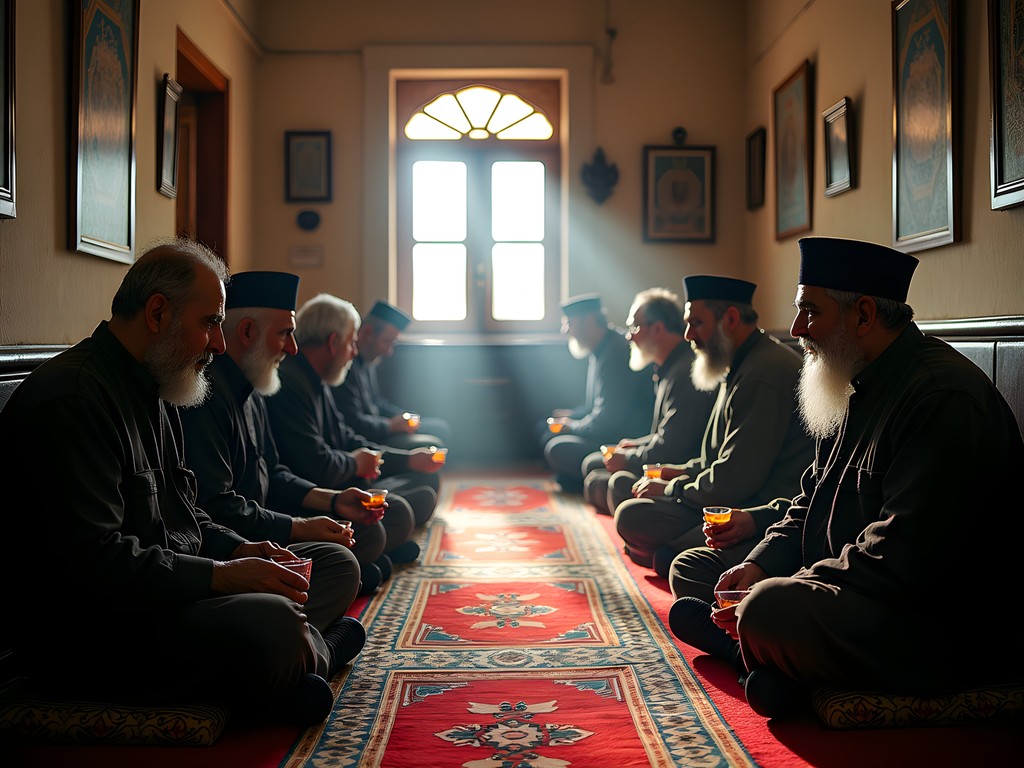
The chai khanas (tea houses) of Mazar-i-Sharif operate as the city's informal parliament, news network, and social club. Each neighborhood has its preferred establishment, with loyalties as fierce as those to cricket clubs back home. After several visits, I began mapping the city by its tea houses rather than street names.
The most revealing chai khana experience came during my second week when I was invited to join a group of elders at Haji Rahman's establishment near the western bazaar. Here, the tea-making process is elevated to an art form that would satisfy any laboratory protocol. Water quality, temperature control, steeping time—all variables are meticulously monitored by the chai wala (tea maker).
What surprised me was the complexity of the social dynamics. Seating arrangements follow unwritten hierarchies, conversation topics shift according to the time of day, and the style of tea served changes with the weather. During my visit, a thunderstorm prompted the chai wala to add extra cardamom and ginger to the brew—a meteorologically responsive recipe adjustment!
For documenting these experiences, my travel journal became invaluable. Its water-resistant cover protected my notes during unexpected rain showers, and the acid-free paper preserved the tea stains I deliberately collected from each establishment—my own version of scientific sampling.
The most fascinating aspect was how chai khanas serve as informal business hubs. I witnessed negotiations for everything from carpet sales to wedding arrangements, all conducted over multiple rounds of tea. The longer the negotiation, the more tea consumed—a direct correlation any scientist would appreciate.
💡 Pro Tips
- Remove your shoes when sitting on the elevated platforms in traditional chai khanas
- The front sections are typically reserved for elders and respected community members
- Order 'shireen chai' for sweet green tea or 'siah chai' for black tea with cardamom
Home Cooking: The Laboratory of Afghan Cuisine
The true heart of Afghan cuisine doesn't beat in restaurants or street stalls—it pulses behind the walls of family homes. Thanks to connections made through a local cricket enthusiast I met near the Blue Mosque, I received three invitations to home-cooked meals, each providing insights no commercial establishment could offer.
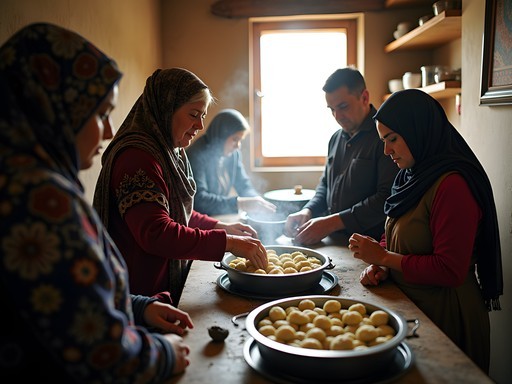
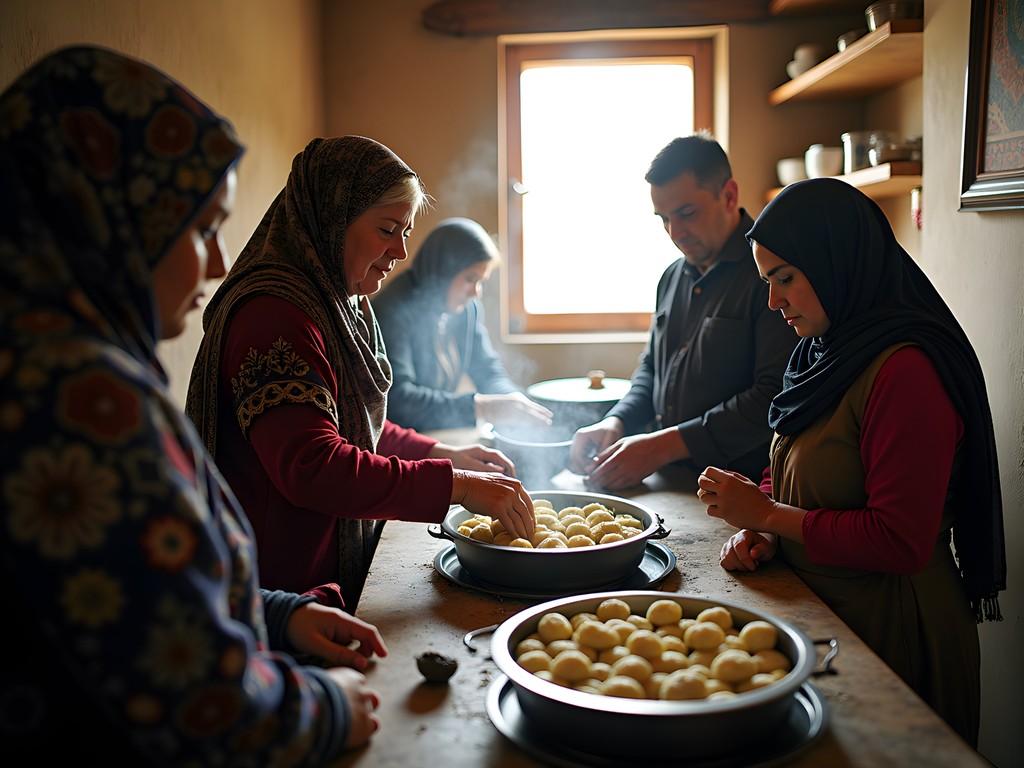
The most memorable was with the Ahmadi family, whose compound housed three generations under one roof. Their kitchen operated with the coordinated precision of a laboratory, though with considerably more warmth. The grandmother directed operations like a principal investigator, assigning specific tasks to daughters and daughters-in-law based on their demonstrated skills.
What struck me was the absence of written recipes. When I asked about measurements—the scientist in me seeking quantifiable data—Bibi Ahmadi (the grandmother) laughed and pointed to her heart. "The recipe is here," she said through my host's translation, "not on paper." Yet her results were consistently excellent, suggesting an intuitive understanding of chemical reactions and flavor compounds that would impress any food scientist.
The family's specialty was aushak—leek dumplings topped with meat sauce and garlicky yogurt. The process involved multiple family members working in synchronized harmony: one rolling dough to precise thickness, another chopping leeks to uniform size, a third maintaining the exact simmer required for the sauce.
For travelers hoping to capture these flavors, I found my spice grinder indispensable for recreating authentic Afghan spice blends back home. The difference between pre-ground and freshly ground spices is immediately apparent—something both scientists and chefs can agree on.
What these home visits revealed was how Afghan cuisine is fundamentally a collective endeavor. Unlike the individualistic cooking common in Western kitchens, here food preparation is a social activity that strengthens family bonds—similar to how cricket training builds team cohesion.
💡 Pro Tips
- If invited to an Afghan home, bring quality dried fruits or nuts as a gift—never alcohol
- Remove shoes before entering and follow the host's lead on where to sit
- Compliment the food specifically rather than generally—Afghans take pride in particular dishes
Final Thoughts
As my two weeks in Mazar-i-Sharif drew to a close, I found myself sitting once more near the Blue Mosque, this time with a notebook filled with culinary observations rather than cricket statistics. The parallels between my scientific background and food exploration became clear—both require careful observation, respect for established processes, and openness to unexpected discoveries. Afghanistan's northern cuisine, like its landscape, contains multitudes: the mathematical precision of rice preparation, the chemistry of tea brewing, the physics of tandoor ovens. For the solo traveler willing to venture beyond comfort zones, Mazar offers not just meals but edible education. As I packed my travel backpack for the journey home, I realized that understanding a culture through its food is perhaps the most comprehensive form of travel—a hypothesis I'll continue testing on cricket grounds and in kitchens across the globe.
✨ Key Takeaways
- Afghan cuisine is fundamentally communal—solo travelers should seek shared dining experiences to fully appreciate it
- The best culinary experiences happen away from tourist areas in family homes, chai khanas, and early morning bazaars
- Understanding the 'why' behind food traditions provides deeper cultural insights than merely sampling dishes
📋 Practical Information
Best Time to Visit
Late spring (April-May) or early fall (September-October)
Budget Estimate
$30-45 USD per day including accommodation, food, and local transport
Recommended Duration
Minimum 10 days to properly explore the food culture
Difficulty Level
Challenging
Comments
wavephotographer
Love the photos of the Blue Mosque!
springpro
The qabuli palaw section was fascinating! Did you get a chance to learn how to make it? Would love to know what makes the rice so fragrant - is it the cooking technique or specific spices?
Casey Andersson
Not Gregory, but I've had similar experiences with pilaf dishes across Central Asia. There's something magical about watching the preparation - the layering of flavors, the way the rice steams with the meat juices. I spent three weeks in Uzbekistan last year documenting plov preparation, and each family had their own secret technique. The cardamom and cumin combination is usually what gives it that distinctive aroma. Gregory's description of the 'culinary cartography' really resonated with me - these dishes are living maps of trade routes and cultural exchange.
sunsetphotographer
This is really interesting but is it safe to travel there right now? Been wanting to explore Central Asian food culture but nervous about Afghanistan.
Casey Andersson
Great question! I haven't been to Afghanistan myself, but I've traveled extensively through the region. Definitely check current travel advisories and consider working with local guides who know the area well. The food culture is absolutely incredible though.
sunsetphotographer
Thanks! Will definitely do more research
wavephotographer
Wow this looks amazing!
photovibes
This is EXACTLY the kind of deep dive food content I'm here for!! The Blue Mosque looks stunning too. Adding this to my bucket list 🙌
Sarah Powell
Your analysis of the tea house culture really resonated with me. I spent three weeks in Central Asia last year (Uzbekistan and Tajikistan) and found similar social dynamics around chai consumption - it's fascinating how these spaces function as informal community centers. The way you broke down the layering techniques in qabuli palaw was particularly insightful. Did you notice regional variations in the spice profiles between different vendors, or was there a fairly standardized approach? Also curious about your notebook system - do you document recipes immediately or wait until you're back at your accommodation?
Gregory Boyd
Great question about regional variations - yes, absolutely. Even within Mazar there were noticeable differences in cardamom-to-cumin ratios and some families add dried fruit at different stages. I take quick voice notes on my phone immediately (less conspicuous than writing) then transcribe everything in detail each evening. The voice recorder has been invaluable for capturing these nuances without interrupting the social flow.
wanderclimber
How did you navigate the safety situation? Been wanting to visit Afghanistan for years but always hesitant. Did you hire a local guide or go solo?
Gregory Boyd
I worked with a local contact who helped arrange everything. The situation varies greatly by region - Mazar is generally more stable than other areas, but definitely do your research and connect with people on the ground before going. Happy to share more details via email if you're seriously considering it.
wanderclimber
Thanks man, really appreciate that. Will reach out!
phototime
Those street food shots are incredible!
tripgal
Any specific food recs for someone who doesn't eat meat? Is it possible to enjoy Afghan cuisine as a vegetarian?
Gregory Boyd
Definitely! Look for aushak (leek dumplings), borani banjan (eggplant dish), and sabzi (spinach). Most places are happy to make vegetarian versions if you ask!
tripgal
Perfect, thanks so much!
happychamp
Love this! Never considered Afghanistan for food tourism but wow!
Venture X
Premium card with 2X miles, $300 travel credit, Priority Pass