

Disclosure: This article contains affiliate links. We may earn a commission from purchases at no extra cost to you, which helps our travel content.
Having traversed tech hubs across four continents, I've discovered that a city's true innovation isn't always found in its office towers but often simmers in its street food stalls. Nowhere exemplifies this better than Karachi—Pakistan's pulsating commercial heart where centuries-old culinary techniques meet modern urban energy. As winter descends on this coastal metropolis, bringing merciful relief from the scorching summer, the street food scene transforms into a particularly magical experience that reveals volumes about the city's cultural DNA.

Burns Road: The Epicenter of Karachi's Food Culture
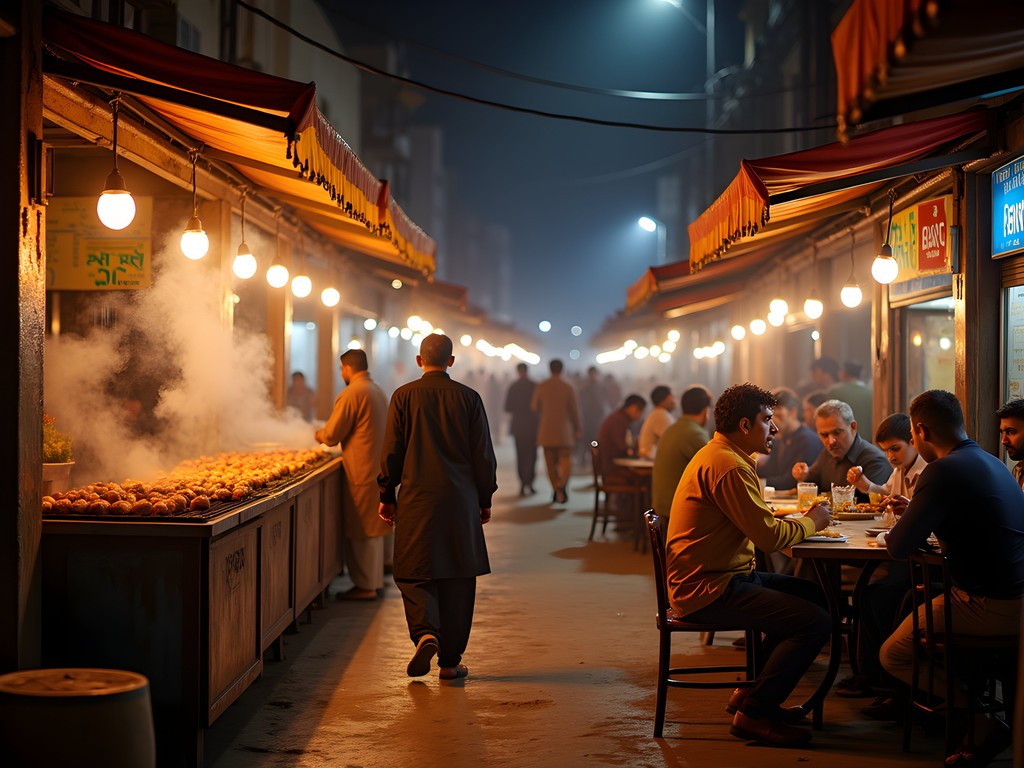
Burns Road stands as Karachi's gastronomic headquarters—a narrow, bustling thoroughfare where some establishments have been perfecting the same recipes for generations. Winter evenings here are particularly enchanting as food stalls illuminate the street with their amber glow while locals huddle around makeshift seating arrangements.
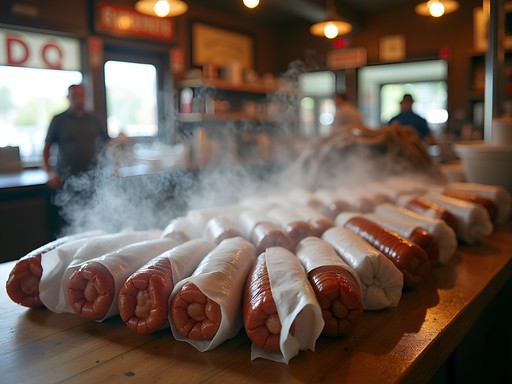
My methodical exploration began with Waheed Kabab House, an institution since 1947. Their seekh kababs—minced meat skewers seasoned with precisely 13 spices (yes, I counted after convincing the chef to share his technique)—demonstrate the same principles of iteration and perfection that we preach in management consulting. The tender meat, kissed by the tandoor's intense heat, achieves that perfect balance of charred exterior and succulent interior.
For the optimal Burns Road experience, I found my insulated food container invaluable for collecting takeaway items that stayed perfectly warm during my extended walking tour. This allowed me to create my own progressive tasting menu across multiple establishments without rushing.
💡 Pro Tips
- Visit Burns Road between 7-10pm when all establishments are operating at full capacity
- Bring small denominations of Pakistani rupees as most vendors don't accept cards
- Look for establishments with high local turnover rather than those catering obviously to tourists
Breakfast Brilliance: The Halwa Puri Ritual
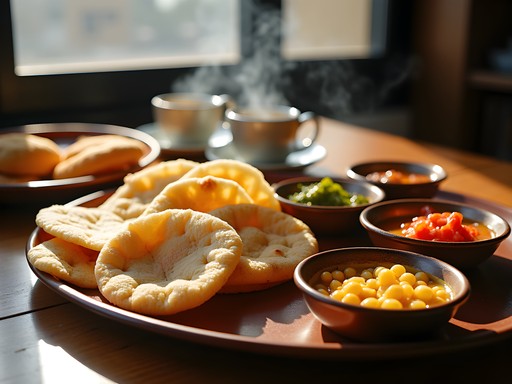
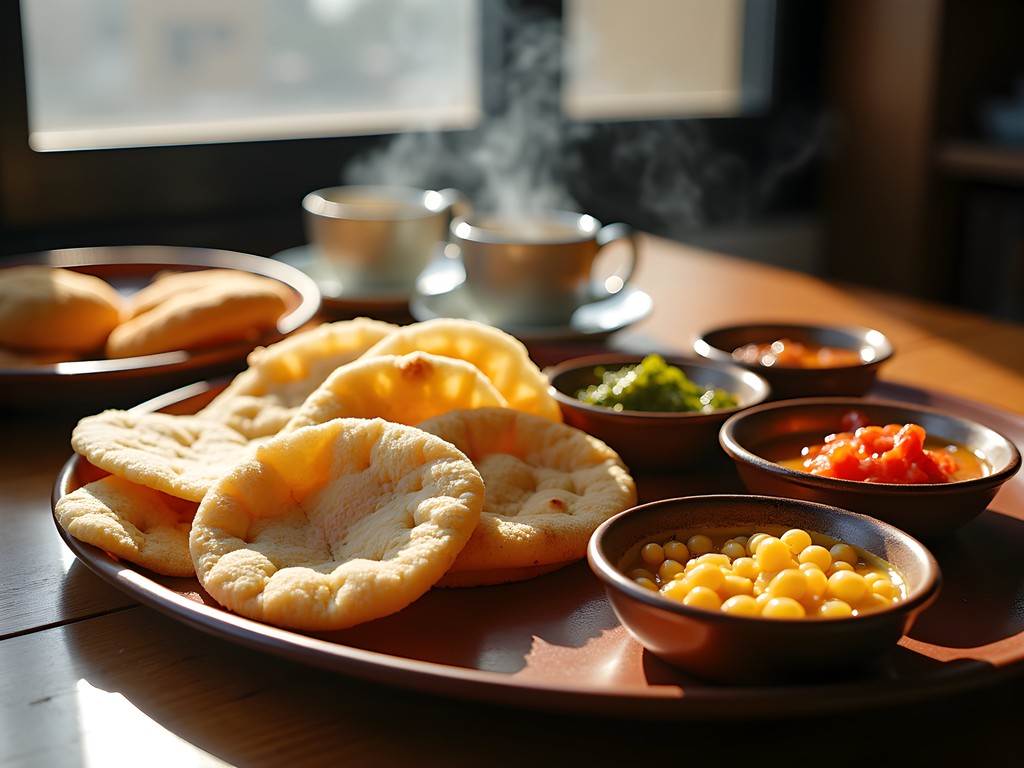
Karachi's winter mornings demand an early rise to experience what I've come to call the 'halwa puri phenomenon'—a breakfast ritual that demonstrates how seasonal shifts influence consumption patterns across cultures. As temperatures dip to their yearly lows (though still mild by Newcastle standards), locals queue for this hearty combination of deep-fried bread (puri) served with semolina halwa, spiced chickpea curry (chana), and pickles.
Rawal's in Defence Housing Authority exemplifies this tradition at its finest. Arriving by 7:30am, I joined a diverse cross-section of Karachiites—from suited executives to laborers in work clothes—all participating in this democratic culinary experience. The contrast between this communal breakfast culture and the grab-and-go coffee paradigm of Western tech hubs provides fascinating insights into how work rhythms adapt to cultural contexts.
I've taken to recording my culinary observations in my digital voice recorder, which allows me to capture immediate impressions without the formality of pulling out a laptop in these authentic environments. The discreet design means vendors and fellow diners aren't distracted or self-conscious as I document my experiences.
💡 Pro Tips
- Arrive before 8am to avoid the longest queues
- Order your puri fresh from the fryer for optimal texture
- Observe the proper eating technique: tear a piece of puri, fold it, and scoop up the curry or halwa
Seafood Sensations at Clifton Beach
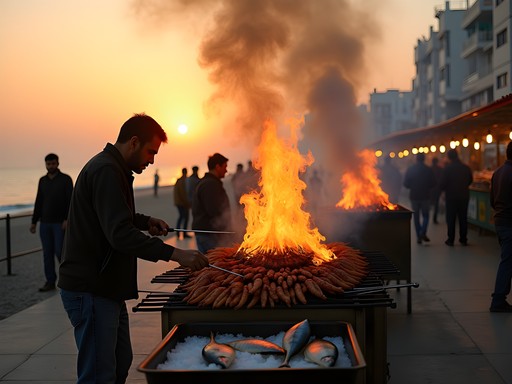
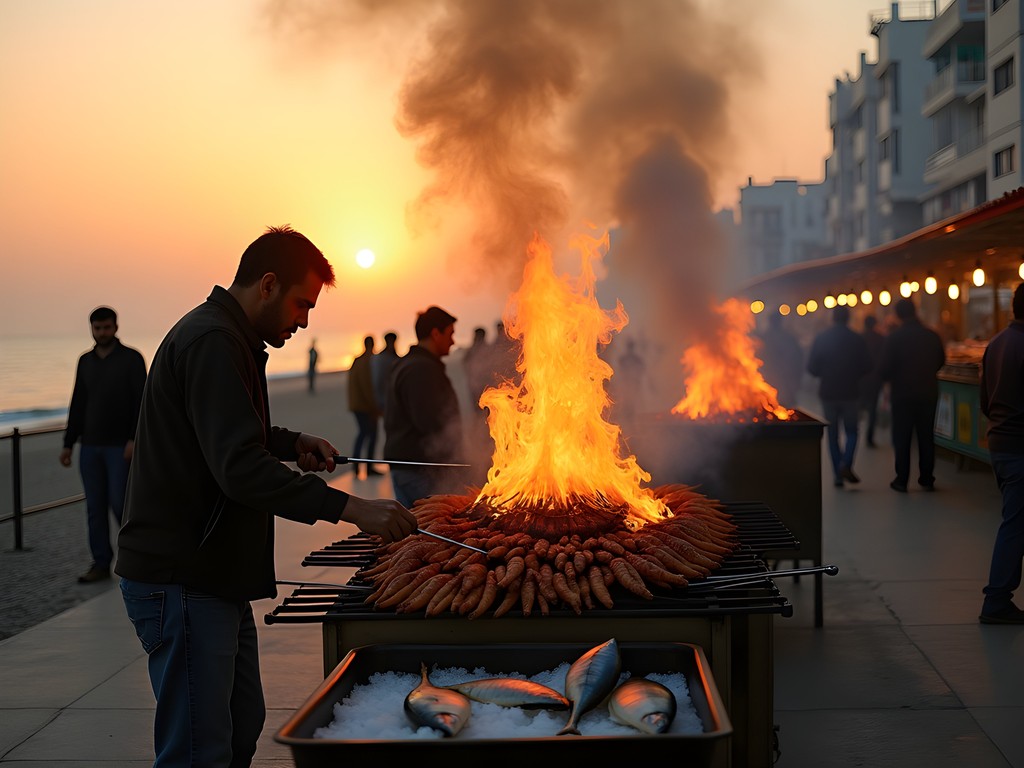
Winter in Karachi brings the ideal climate for exploring its coastal offerings. Clifton Beach transforms in the evening as dozens of seafood vendors set up makeshift stalls serving the day's catch. The seasonal nature of this micro-economy fascinates me—many vendors only operate during these cooler months when the seaside experience becomes pleasant rather than punishing.
My analytical approach to street food involves systematic comparison, so I conducted a controlled experiment by ordering the same dish—masala fried fish—from three different vendors. The winner was undoubtedly Bashir's stall (identifiable by its blue tarpaulin and persistent queue). His precise application of a proprietary spice mix before flash-frying the fish demonstrates the same principles of competitive differentiation that I analyze in corporate settings.
For these beachside explorations, my portable hand sanitizer proved essential, as washing facilities are limited. Additionally, I've found my foldable food container invaluable for seafood shells and bones, allowing for responsible disposal rather than contributing to beach pollution.
💡 Pro Tips
- Visit on weekday evenings to avoid weekend crowds
- Watch for vendors who display the catch before cooking to ensure freshness
- Bring your own wet wipes as facilities for cleaning hands are minimal

Sweet Conclusions: Winter Desserts & Tea Culture
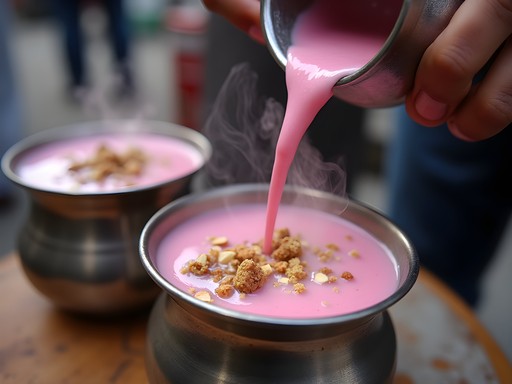
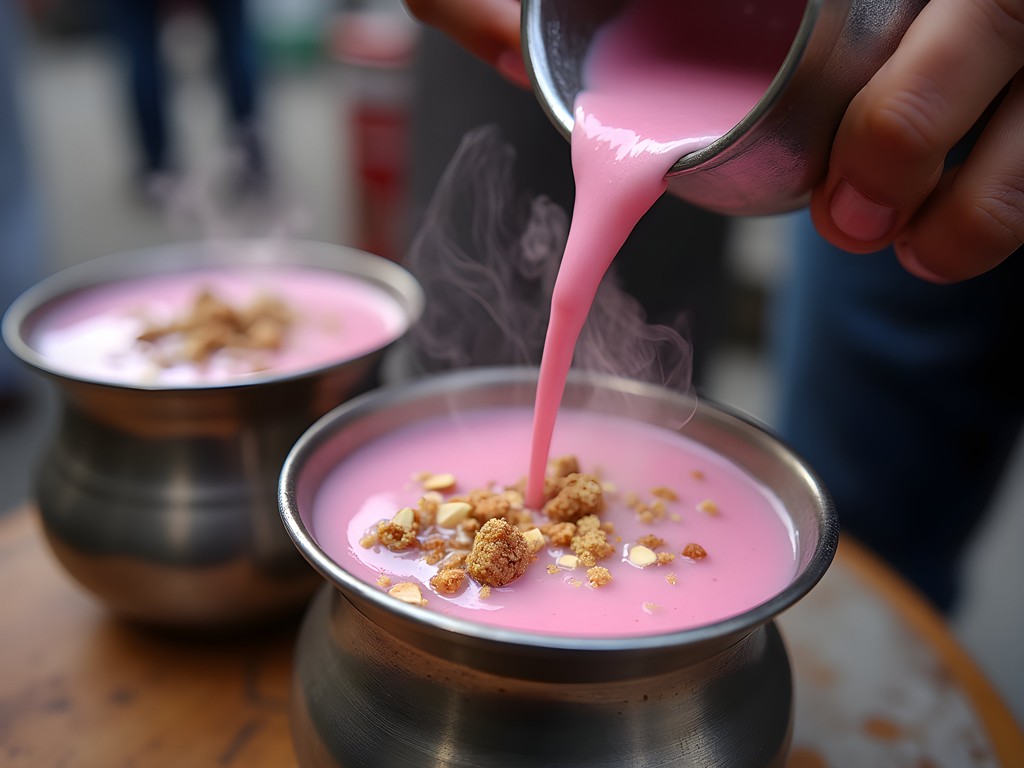
In Karachi's winter months, the city's relationship with sweets and tea evolves noticeably. While chai remains a year-round constant, winter brings specialized variations like Kashmiri chai—a pink-hued, salt-infused tea topped with crushed pistachios that provides warming comfort on cooler evenings.
For the definitive Karachi sweet experience, I navigated to Fresco in Boat Basin, where their lab-e-shireen (a complex dessert combining vermicelli, basil seeds, milk, and fruits) demonstrates the multilayered cultural influences that shape the city's palate. The Persian, Central Asian, and South Asian elements coexist in a single bowl—much like how Karachi's business culture blends multiple traditions.
The city's famous kulfi (dense milk ice cream) vendors adapt their offerings seasonally, with winter versions incorporating warming elements like saffron and cardamom. At Nimco's in Bahadurabad, I documented how their kulfi production techniques maintain remarkable consistency despite operating at significant scale—a lesson in quality control that many manufacturing clients would envy.
To properly appreciate these nuanced flavors, I've found my insulated travel mug keeps Kashmiri chai at the perfect temperature during extended street food explorations.
💡 Pro Tips
- Try rabri (reduced milk dessert) with fresh seasonal fruits in winter
- Look for vendors who hand-churn their kulfi rather than serving pre-packaged versions
- Pair desserts with Kashmiri chai for a traditional winter combination
Final Thoughts
As I reflect on my culinary safari through Karachi's winter street food landscape, I'm struck by how the city's food ecosystem mirrors the principles I analyze in my consulting work: adaptation to changing conditions, preservation of heritage while embracing innovation, and the creation of value through specialized knowledge. Beyond the obvious gastronomic pleasures, Karachi's street food scene offers profound insights into the city's economic structure, social hierarchies, and cultural resilience.
For the business traveler seeking deeper connections or the curious foodie wanting authentic experiences, Karachi's winter street food scene provides an unparalleled window into Pakistan's commercial and cultural capital. The techniques perfected in these humble stalls—often over generations—demonstrate the same principles of excellence we strive for in corporate environments, just expressed through different mediums.
Have you experienced how street food reveals a city's true character? I'd be fascinated to hear your observations on how seasonal shifts influence food cultures in your favorite destinations. Until my next culinary adventure, I'll be incorporating these insights into my understanding of how environments shape innovation—one delicious bite at a time.
✨ Key Takeaways
- Winter (November-February) offers the ideal climate for exploring Karachi's street food scene
- Burns Road provides the highest concentration of heritage food establishments in one accessible area
- Seafood experiences are significantly enhanced during winter months when coastal dining becomes pleasant
- The city's dessert traditions reveal complex cultural influences that mirror its business environment
📋 Practical Information
Best Time to Visit
November through February
Budget Estimate
1500-2500 PKR per day for food exploration (approximately £5-8)
Recommended Duration
2-3 days minimum
Difficulty Level
Moderate
Comments
oceanphotographer
Your food photos are stunning! What camera settings did you use to capture those night shots of the street food stalls? The lighting looks so atmospheric!
Naomi Bennett
Thank you! For most night shots, I used a wide aperture (f/1.8) with a slightly slower shutter speed to capture the ambient light from the stalls. I try not to use flash for food photography as it can wash out the natural atmosphere. The key is finding that balance between capturing the environment and freezing motion!
Marco Flores
Naomi, your post transported me back to my own adventures in Karachi! Last winter, I found myself lost in the narrow lanes of the old city, following the scent of cardamom and grilled meat. An elderly gentleman noticed my confusion and invited me to join his family for dinner at a tiny Burns Road establishment. We sat cross-legged on floor mats while plate after plate arrived - each more delicious than the last. The chapli kebabs were unlike anything I've tasted elsewhere - the secret, they told me, was the addition of tomatoes and pomegranate seeds in the meat mixture. If anyone's planning a visit, don't miss the kulfi falooda dessert stalls that pop up around sunset. The contrast between the cold kulfi and warm winter air creates a magical eating experience. Brilliant post capturing the soul of Karachi through its street food!
moonninja
Those winter desserts look incredible! 😍 Craving that pink Kashmiri chai now!
smartnomad
Is winter really the best time to visit for food? What about the seafood options you mentioned at Clifton Beach - are they seasonal?
Marco Flores
Not Naomi, but I can tell you winter in Karachi is magical for food! The weather is perfect for those rich, spicy dishes that might be too heavy in summer heat. The seafood at Clifton is actually available year-round, but winter brings in some special catches. I still dream about the masala-coated fish I had from a tiny stall near the beach. The vendor grilled it right in front of me, wrapped it in newspaper, and it was honestly one of the most memorable meals of my life. Just be prepared to eat with your hands!
smartnomad
That sounds amazing! Definitely adding it to my list. Thanks for the insight!
Douglas Bradley
Excellent cultural insights here, Naomi. I visited Karachi last winter and can confirm that Burns Road is indeed the culinary epicenter you describe. What I found fascinating was how each vendor specializes in just one or two dishes, perfecting them over generations. The nihari at Zahid Nihari stands out as perhaps the most complex and rewarding street dish I've encountered in South Asia. One thing visitors should note is the distinct eating schedule in Karachi - many of the best spots don't open until after sunset during winter months, and the real food scene comes alive around 9-10pm. I documented the various regional influences in Pakistani cuisine using my travel journal which has dedicated food sections - incredibly useful for mapping culinary discoveries.
nomadwanderer
Great post! How safe did you feel exploring the street food scene as a solo traveler? Any tips for someone who doesn't speak the language?
Naomi Bennett
I felt quite safe, especially in the main food areas which are always bustling with locals. Learning a few basic Urdu phrases helped, but many vendors in popular areas understand some English. I'd recommend going with a local guide your first time - they can help navigate and explain all the dishes!
nomadwanderer
Thanks! That's really helpful. I'll look into finding a local guide.
backpackzone
Omg this post has me drooling! I've always been curious about Pakistani street food but wasn't sure where to start. Burns Road sounds like foodie heaven! Adding Karachi to my winter travel list now. The halwa puri breakfast ritual sounds especially amazing - is it really as life-changing as you make it sound, Naomi?
Naomi Bennett
It truly is! There's something magical about that sweet and savory combo first thing in the morning. And the tea they serve alongside it? Perfection!
backpackzone
Can't wait to try it! Thanks for responding!
summerexplorer
Love the photos! That dessert shot is making me hungry lol
Sage Dixon
Naomi, this brought back so many memories! I spent three nights on Burns Road last year and honestly, I think I gained 5 pounds just from the nihari alone. The way you described the halwa puri ritual is spot-on - there's something almost meditative about that Sunday morning tradition. Did you make it to Waheed Kabab House? Their seekh kababs at 2am hit differently. The energy of Karachi's food scene is unlike anywhere else I've traveled. It's not just about the food, it's about the stories, the generosity, the chaos. Thanks for capturing that spirit so well.
islandninja
okay now i REALLY need to go!! 2am kababs sound like my kind of adventure
escapegal
This looks incredible but I have to ask - how do you handle the hygiene aspect? I really want to try street food when I travel but always worry about getting sick. Any tips for eating safely?
summerexplorer
not the author but i always look for places with lots of locals eating there. busy stalls = fresh food!
Sage Dixon
Great question! I follow the crowd rule too. Also stick to cooked-to-order items and avoid anything that's been sitting out. Your stomach will adjust after a day or two usually.
Venture X
Premium card with 2X miles, $300 travel credit, Priority Pass