


Disclosure: This article contains affiliate links. We may earn a commission from purchases at no extra cost to you, which helps our travel content.
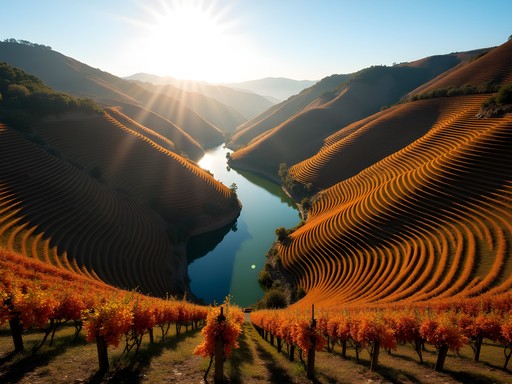
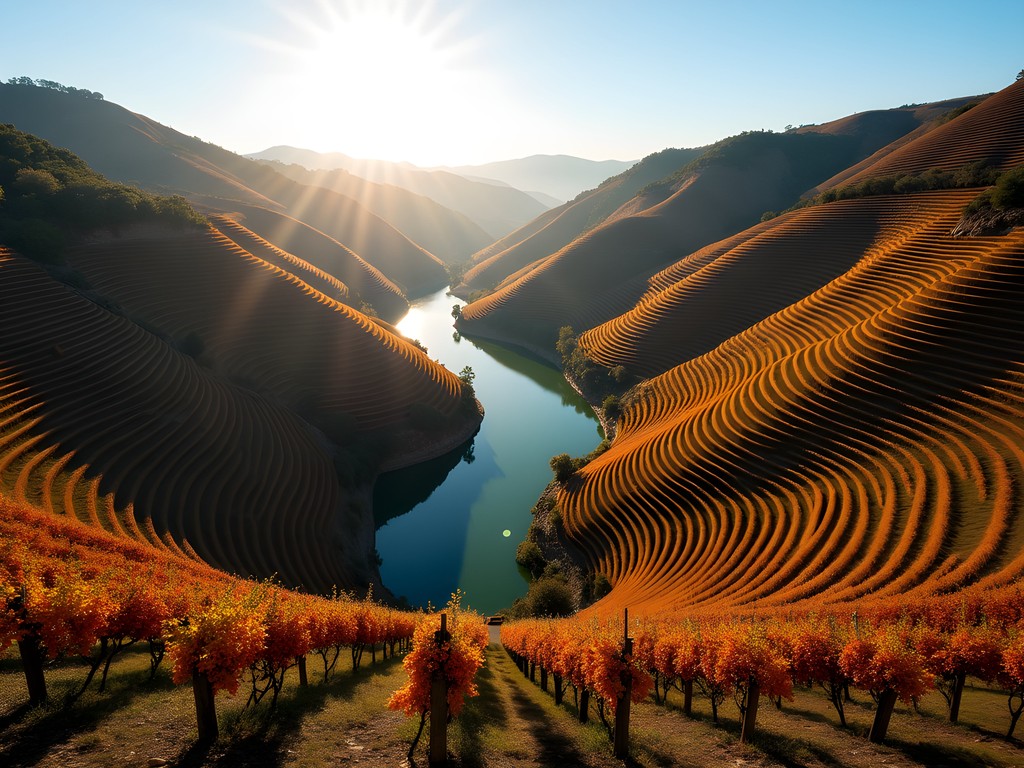
Standing on a terraced hillside overlooking the serpentine Douro River, I couldn't help but geek out. This UNESCO World Heritage landscape isn't just breathtakingly beautiful – it's essentially a living laboratory of viticulture that's been running experiments for over 2,000 years. As someone who traded environmental science for science communication (with a healthy side of wine appreciation), I've found the Douro Valley to be the perfect intersection of my passions: the chemistry of winemaking, the geology that creates those distinctive terroirs, and the cultural practices that have shaped this landscape into the world's oldest demarcated wine region.

Understanding Douro's Viticultural Magic
Let's get nerdy for a moment, because understanding what makes Douro wines special enhances every sip. The region sits on schist – a metamorphic rock that fractures vertically, forcing vine roots to dig deep (sometimes 20+ meters!) for water and nutrients. This stress actually improves grape quality through a fascinating botanical response mechanism.
The valley's microclimate is equally crucial – protected by mountains from Atlantic moisture, summers are scorching (I recorded 42°C/107°F last August) while winters bring needed rainfall. This extreme environment concentrates flavors in ways that would make any plant biologist swoon.
During my visit to Quinta do Bomfim, their viticulturist explained how they're adapting to climate change through canopy management techniques and experimenting with drought-resistant rootstocks. The science happening in these vineyards rivals what I've seen in formal research institutions – just with better views and tastier results.
💡 Pro Tips
- Visit vineyards at different elevations to taste how altitude affects wine profiles
- Ask about the varieties in field blends – some quintas grow up to 30 different grape varieties in a single vineyard
- Bring a soil testing kit if you're a fellow science nerd – most vintners are happy to let you compare soil samples
Crafting Your Douro Valley Wine Route
After three visits to the region, I've developed a science-backed strategy for optimal wine tasting (yes, there's actual research on palate fatigue and sensory perception). The valley divides into three sub-regions – Baixo Corgo, Cima Corgo, and Douro Superior – each with distinct characteristics worth exploring.
Start in Peso da Régua (locals just call it Régua), the valley's commercial hub. The interactive exhibits at the Douro Museum provide excellent context on the region's viticultural history and production methods. From there, I recommend heading east toward Pinhão, the heart of wine country, where the highest concentration of prestigious quintas (wine estates) awaits.
To navigate between wineries, you have options. Trains connect major towns along the river, but for maximum flexibility, I recommend renting a car – just be prepared for narrow, winding roads that demand focus (and a designated driver). Alternatively, river cruises offer a relaxed perspective, though they limit which quintas you can visit.
I tracked my tasting journey with a wine journal which helped me remember the subtle differences between all those Portuguese grape varieties that were new to my palate. For navigation, the cellular coverage can be spotty in the valley's remote sections, so I relied on my offline maps app which proved invaluable when Google Maps failed me on those hillside backroads.
💡 Pro Tips
- Book quinta visits in advance – many require reservations
- Limit yourself to 3 quintas per day to avoid palate fatigue and appreciate each experience
- Consider staying in Pinhão as your base – it's centrally located with stunning river views
Must-Visit Quintas: From Traditional to Innovative
The Douro Valley houses over 100 quintas, but these selections offer a spectrum of experiences from traditional to cutting-edge:
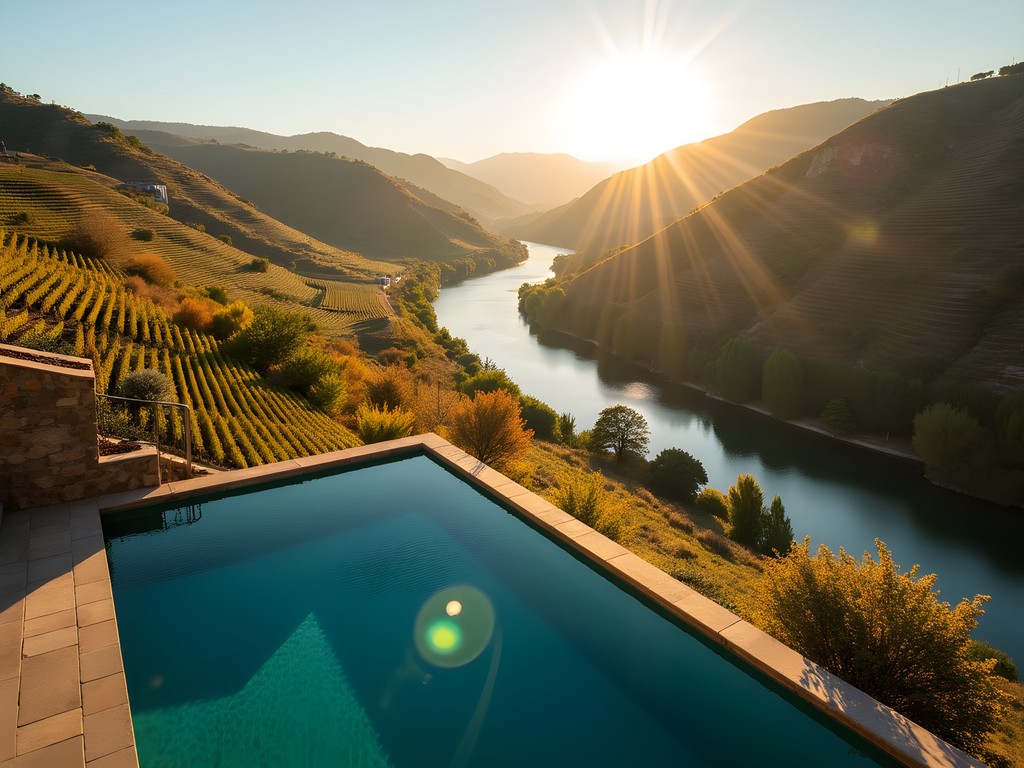
Quinta do Crasto: Beyond their exceptional wines, their infinity pool overlooking the valley is Instagram gold. Their sustainability initiatives impressed my environmental science background – they're implementing water conservation systems and organic farming practices while maintaining traditional methods.
Quinta do Vallado: One of the oldest (established 1716) yet most innovative estates. Their winery tour delves into how they balance tradition with modern technology. Their wine-making facility is an architectural marvel of sustainability – built partially underground to maintain natural temperature control.
Quinta do Pôpa: A smaller, family-run operation offering a more intimate experience. They let me participate in grape stomping during harvest season – a fascinating exercise in traditional biochemistry! The anthocyanins that stained my feet purple are the same compounds that give red wine its color and antioxidant properties.
Quinta Nova Nossa Senhora do Carmo: This 18th-century estate offers the complete package – exceptional wines, an excellent restaurant, and boutique accommodations. Their vineyard hiking trails provide a perfect opportunity to work off lunch while learning about their sustainable viticulture practices.
Most tastings range from €15-30, with premium experiences reaching €50-100. For comfort during long days of vineyard visits, I swear by my cooling neck gaiter which was a lifesaver during those scorching Douro afternoons.
💡 Pro Tips
- Ask about vertical tastings (same wine, different years) to understand how climate affects vintages
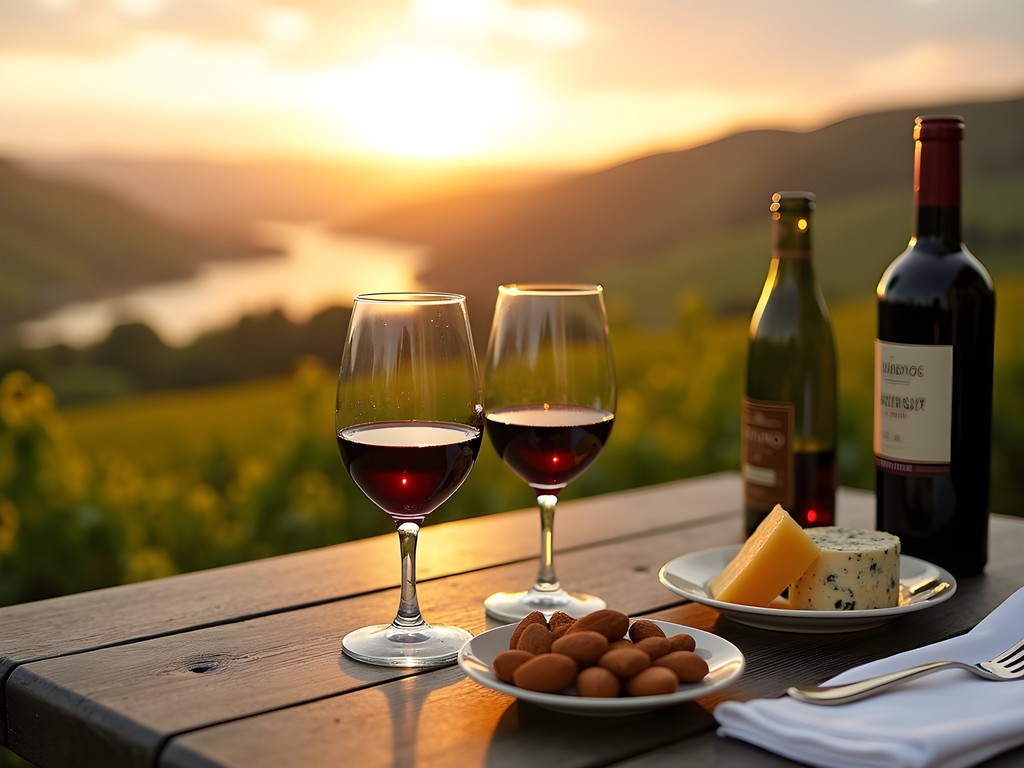
- Look for quintas offering food pairings – Portuguese cheeses and charcuterie enhance wine appreciation
- Visit at least one small family-run quinta for personal stories you won't get at larger operations

Beyond Port: Discovering Douro's Wine Diversity
When most people think of the Douro, they think Port wine – that sweet, fortified nectar Portugal is famous for. But limiting yourself to Port in the Douro Valley is like visiting a science museum and only seeing the dinosaur exhibit. There's so much more happening!
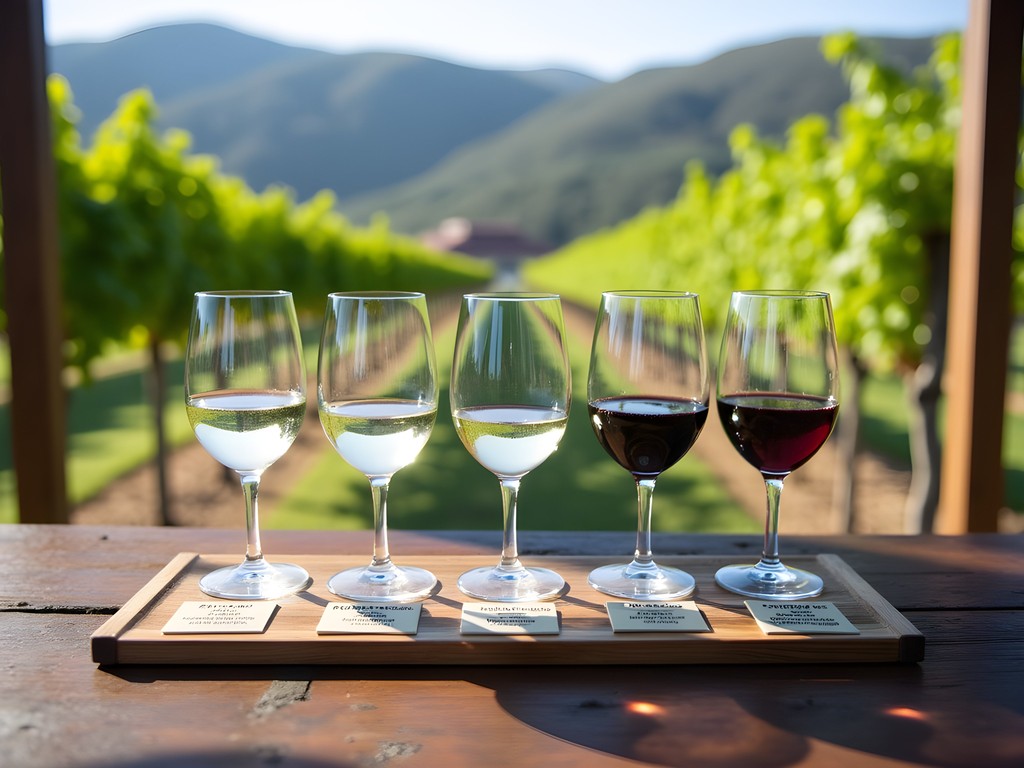
The region's table wines (especially reds) have undergone a quality revolution in recent decades. Made primarily from indigenous varieties like Touriga Nacional, Touriga Franca, and Tinta Roriz (Spain's Tempranillo), these wines express the region's terroir in ways Port cannot.
At Quinta do Vale Meão, their winemaker explained how the schist soil's heat retention properties influence ripening patterns and ultimately wine structure. This geological influence creates reds with remarkable minerality and aging potential.
For white wine enthusiasts, seek out Douro whites made from Viosinho, Rabigato, and Gouveio – these indigenous varieties produce wines with surprising acidity and complexity despite the hot climate, thanks to high-altitude vineyards.
To deepen my understanding of Portuguese wine varieties beyond what tours provided, I referenced my wine grape encyclopedia which helped me appreciate the unique characteristics of these indigenous varieties you rarely encounter elsewhere.
For preserving opened bottles between tastings (a necessity when visiting multiple quintas), my wine preservation system proved invaluable, allowing me to revisit and compare wines throughout the week without oxidation.
💡 Pro Tips
- Try wines made from the same grapes used in Port but as dry table wines – the flavor profile transformation is fascinating
- Look for wines labeled 'Reserva' or 'Grande Reserva' for the region's premium expressions
- Ask about 'old vine' (vinhas velhas) wines – some Douro vines are over 100 years old, producing intensely concentrated fruit
The Science of Food and Wine Pairing in the Douro
The Douro Valley isn't just about wine – it's about understanding how wine interacts with food on a molecular level. The region's gastronomy has evolved alongside its viticulture, creating perfect symbiotic relationships between local dishes and wines.
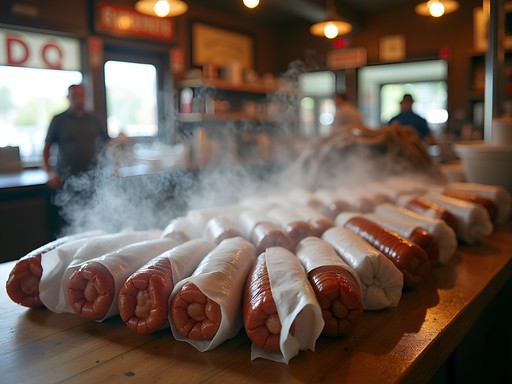
In Régua, I attended a fascinating workshop at the DOC restaurant where Chef Rui Paula explained the chemical interactions between food components and wine elements. For example, the high tannins in young Douro reds bind with proteins in traditional dishes like cabrito assado (roasted kid goat), softening both the wine's astringency and the meat's gaminess through actual chemical reactions on your palate.
At Quinta da Pacheca, their wine-pairing lunch demonstrated how the acidity in certain white wines (particularly those from higher altitudes) creates a counterbalance to the richness of olive oil in traditional Portuguese dishes through lipid emulsification – the same principle behind why lemon juice makes rich foods taste lighter.
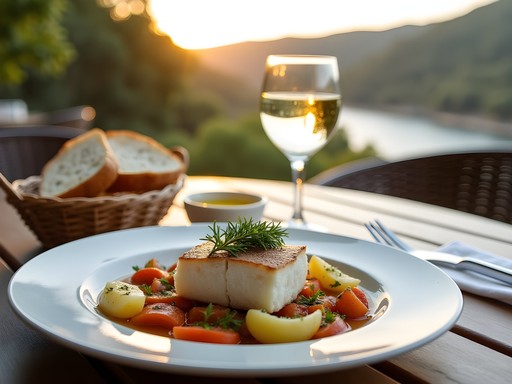
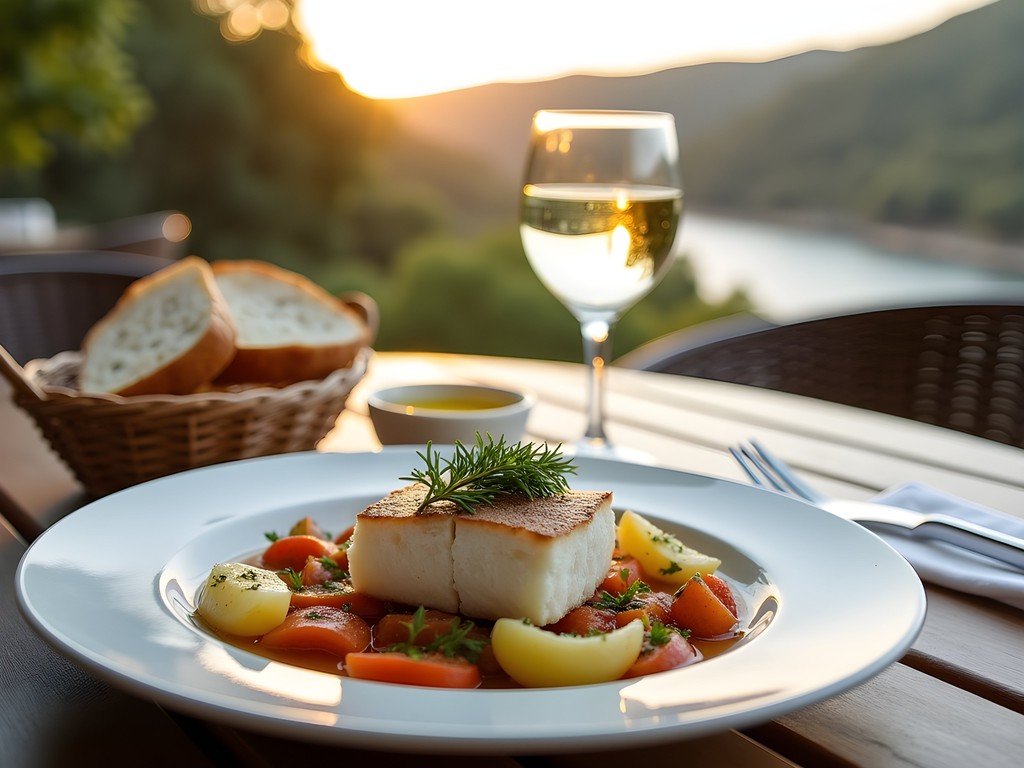
For the full gastronomic experience, don't miss these regional specialties: - Bacalhau à Lagareiro: Salt cod with olive oil and garlic, perfect with mineral-driven whites - Posta à Mirandesa: Grilled veal that pairs beautifully with robust reds - Queijo da Serra: Sheep's milk cheese that creates magic with aged tawny Port
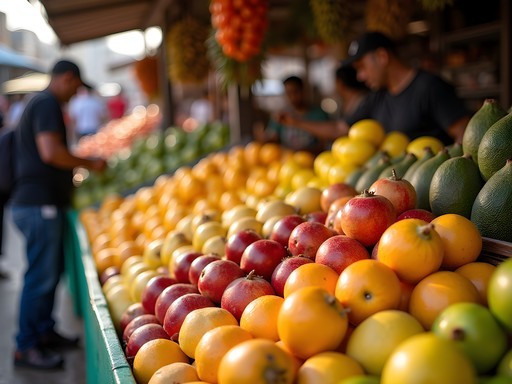
For picnic supplies between quintas, I recommend stopping at the farmers market in Régua (Fridays) or Pinhão (Saturdays). I kept essentials fresh in my insulated food container which maintained perfect temperature for cheeses and charcuterie during long days of vineyard exploration.
💡 Pro Tips
- Book the Chef's Table experience at DOC Restaurant for the ultimate wine pairing education
- Try the same wine with different foods to experience how flavors transform each other
- Visit during olive harvest (November) to understand the parallel between wine and olive oil production
Final Thoughts
The Douro Valley offers more than just wine tasting – it's an immersion into the fascinating intersection of science, culture, and sensory pleasure. From the schist soils that force vines to struggle (producing more concentrated grapes as a result) to the microclimate variations that create distinctive terroirs, every sip tells a geological and botanical story.
What makes this region truly special is the balance between tradition and innovation. Centuries-old techniques like foot-treading grapes coexist with cutting-edge sustainability practices and climate adaptation strategies. It's a living laboratory where you can witness agricultural heritage evolving in real time.
As I stood on my final evening at Quinta das Carvalhas, watching the sunset paint the terraced hillsides in golden light, I realized that understanding the science behind these wines hadn't diminished their magic – it had enhanced it. Each glass now held not just flavor but stories of human ingenuity, geological fortune, and botanical adaptation.
Whether you're a wine connoisseur, a science enthusiast, or simply someone who appreciates cultural landscapes, the Douro Valley rewards curious travelers with experiences that engage all senses. Just be prepared – you'll never look at a glass of Portuguese wine the same way again.
✨ Key Takeaways
- Book quinta visits in advance – the best experiences require reservations
- Explore beyond Port wine to discover the region's exceptional table wines
- Balance visits between historic traditional quintas and innovative modern producers
- Consider staying in Pinhão as your central base for exploring the region
- Visit in September/October for harvest activities or November for fewer crowds
📋 Practical Information
Best Time to Visit
September-November (fall harvest season)
Budget Estimate
€100-200 per day including accommodations, meals, and tastings
Recommended Duration
5-7 days
Difficulty Level
Easy To Moderate (Driving On Winding Roads Requires Confidence)

Comments
backpackbuddy
Going next month!! So excited now
Hunter Thompson
Brilliant guide! The section on Douro DOC vs Port production was really informative. I'm actually heading back in October and this time I'm planning to explore more of the lesser-known quintas in the Cima Corgo. Last trip I stuck mostly to the big names but the family-run spots I stumbled into were honestly the highlights. Caleb, did you make it to any of the really small producers? The ones where it's just the winemaker showing you around their cellar?
Caleb Daniels
Absolutely! Some of my best tastings were at tiny family quintas. The personal connection makes such a difference. Quinta do Tedo was one of my favorites for that vibe.
roamgal
We just got back from Douro last week and this article is bringing back all the memories! We stayed at a quinta hotel and honestly that made such a difference - waking up to those views with morning mist over the vineyards was magical. One tip: bring layers! It gets chilly in the mornings even in summer, then super hot by afternoon. Also definitely try the Douro reds, not just Port. We discovered some incredible table wines we'd never heard of.
Casey Andersson
Caleb, this brought back such wonderful memories! I spent three days in Douro last spring and honestly, it was one of the most romantic wine regions I've experienced. We stayed at Quinta do Vallado and their sunset tastings were absolutely magical - the way the golden light hits those terraced slopes is just unreal. One tip I'd add: book your tastings in advance, especially at the smaller family-run quintas. We showed up at one without a reservation and they were fully booked. Also totally agree about exploring beyond Port - those Douro reds are seriously underrated! The full-bodied Touriga Nacional I tried at one estate rivaled some of the best wines I've had in Bordeaux.
freeway
Thanks for the booking tip! Adding that to my notes.
skytime
Wow the photos are incredible!
winterexplorer
Quick question - is it easy to get around without a car? I usually prefer not to drive when wine tasting for obvious reasons lol. Are there good tour companies or is public transport realistic?
Hunter Thompson
Mate, train from Porto to Pinhão is brilliant! Scenic as hell and drops you right in the valley. Some quintas are walkable from the station, others you'll need to arrange pickup or grab a taxi. I did it without a car last year and had no issues. Just plan your vineyard visits in advance so they know you're coming.
winterexplorer
Perfect, exactly what I needed to know. Thanks!
freeway
This looks amazing! Quick question - did you rent a car or is it doable with public transport? Trying to figure out logistics for September.
Caleb Daniels
Hey! I'd definitely recommend renting a car for flexibility between quintas. Public transport exists but the schedules can be tricky, especially if you want to hit multiple vineyards in a day. September is perfect timing btw - harvest season!
backpackbuddy
We did the train from Porto and it was fine! Just stayed in one area though.
photovibes
Those terrace photos are incredible!
Adam Nichols
Really solid breakdown of the region, Caleb. I spent a week there last September and your point about the terroir differences between sub-regions is spot on. The schist soil composition creates such distinct characteristics. One thing I'd add for readers: if you're visiting in harvest season (late September), many quintas offer hands-on grape picking experiences. Quinta do Vallado had an exceptional program where you actually participate in the harvest morning then do a vertical tasting of their wines in the afternoon. Completely transforms your understanding of the winemaking process.
roamgal
Oh wow that harvest experience sounds amazing! Did you need to book that in advance?
Adam Nichols
Yes definitely book ahead - they fill up fast during harvest. I booked about 6 weeks out.
oceanway
How many days would you recommend for the Douro Valley? We're planning Portugal for next fall and trying to figure out how much time to spend there vs Porto.
Caleb Daniels
I'd say 2-3 days minimum! You could do a day trip from Porto but staying overnight lets you really soak in the atmosphere and hit more quintas without rushing.
oceanway
Perfect, thanks! That's what I was thinking too
Venture X
Premium card with 2X miles, $300 travel credit, Priority Pass