

Disclosure: This article contains affiliate links. We may earn a commission from purchases at no extra cost to you, which helps our travel content.
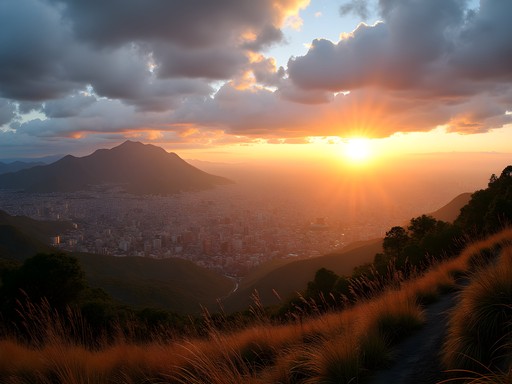
The first time my feet touched Bogotá soil, I wasn't prepared for how this high-altitude Andean city would completely captivate my taste buds. Standing 8,660 feet above sea level, Colombia's capital isn't just a cultural and artistic powerhouse—it's a culinary revelation that's been quietly transforming into one of South America's most exciting food destinations. During my recent week-long exploration with my college friend Mariana, we discovered a city where centuries-old food traditions dance alongside innovative gastronomy, where humble street carts and white-tablecloth establishments equally deserve your attention. This culinary journey through Bogotá isn't just about eating—it's about understanding Colombia's complex history, diverse geography, and the passionate people breathing new life into its food scene. Grab your partner's hand and come along as I guide you through the markets, neighborhoods, and dining rooms that make Bogotá a paradise for food-loving couples seeking connection through cuisine.

Navigating Paloquemao Market: The Heart of Bogotá's Food Culture
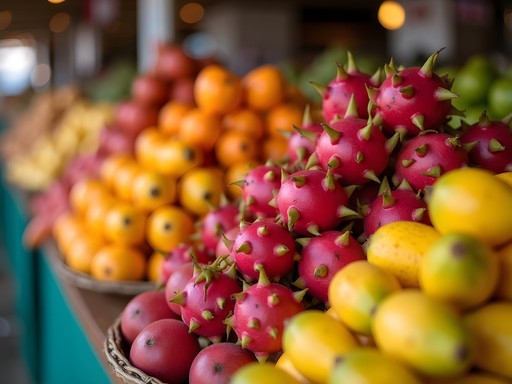
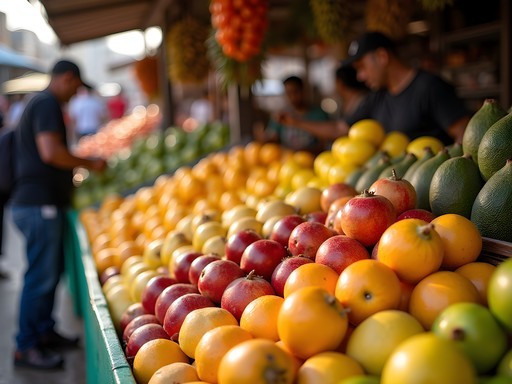
My love affair with Colombian cuisine properly began at Plaza de Mercado de Paloquemao, where Mariana and I arrived early on a Tuesday morning. The market was already pulsing with energy as locals haggled over prices and vendors called out their offerings. This sprawling market is where Bogotá's culinary story unfolds most authentically—where the country's biodiversity is on full display through mountains of exotic fruits that seem plucked from another planet.
I stood mesmerized before pyramids of granadilla, feijoa, lulo, and my personal favorite, the spiky, alien-looking pitahaya (dragon fruit). A vendor named Doña Clara, noticing my fascination, offered samples of each fruit, patiently explaining their names and how locals enjoy them. The experience reminded me of taking my kids to markets in Vietnam—that beautiful moment when unfamiliar foods become doorways to cultural understanding.
'Try this,' she insisted, handing me a cup of freshly blended lulo juice—tangy, citrusy, with hints of rhubarb. It was revelatory.
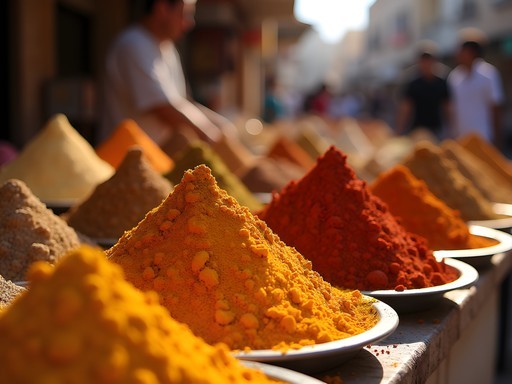
Beyond the fruit section, we wandered through aisles of fresh herbs, crates of potatoes in more varieties than I could count (Colombia boasts over 200 types), and vendors selling pre-made ají hot sauce in recycled soda bottles—each family recipe slightly different from the next. I couldn't resist purchasing a bottle, which became our constant companion throughout the week's culinary adventures.
The market isn't just a place to shop—it's where to experience breakfast like a true Bogotano. We followed the crowds to a busy stall where women were flipping arepas on huge griddles and ladling out bowls of changua, a milk-based soup with eggs and cilantro that fortifies locals against the crisp Andean mornings. Paired with a strong tinto (black coffee), it was the perfect fuel for our day of exploration.

💡 Pro Tips
- Visit Paloquemao Market on Tuesday or Thursday mornings when it's bustling but not overwhelmingly crowded
- Bring small bills (Colombian pesos) for easier transactions with vendors
- Ask vendors for samples before buying—most are happy to let you taste their products
Street Food Adventures: Discovering Bogotá One Bite at a Time
There's something magical about street food—the way it democratizes cuisine, making local flavors accessible to everyone regardless of budget. In Bogotá, the streets themselves tell Colombia's culinary story, and exploring them with someone special creates shared memories that last far longer than any souvenir.
Our street food adventure began in La Candelaria, Bogotá's historic heart with its colonial architecture and vibrant murals. As an avid photographer of street art, I was in heaven capturing the colorful expressions adorning buildings while simultaneously tracking down the most authentic street eats. The neighborhood's narrow, steep streets demand comfortable footwear—my hiking sandals proved perfect for navigating the cobblestones while providing enough support for our hours of walking.
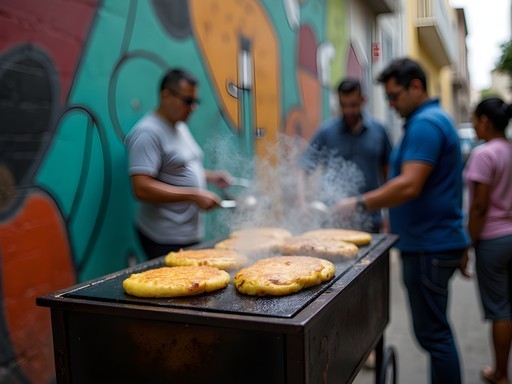
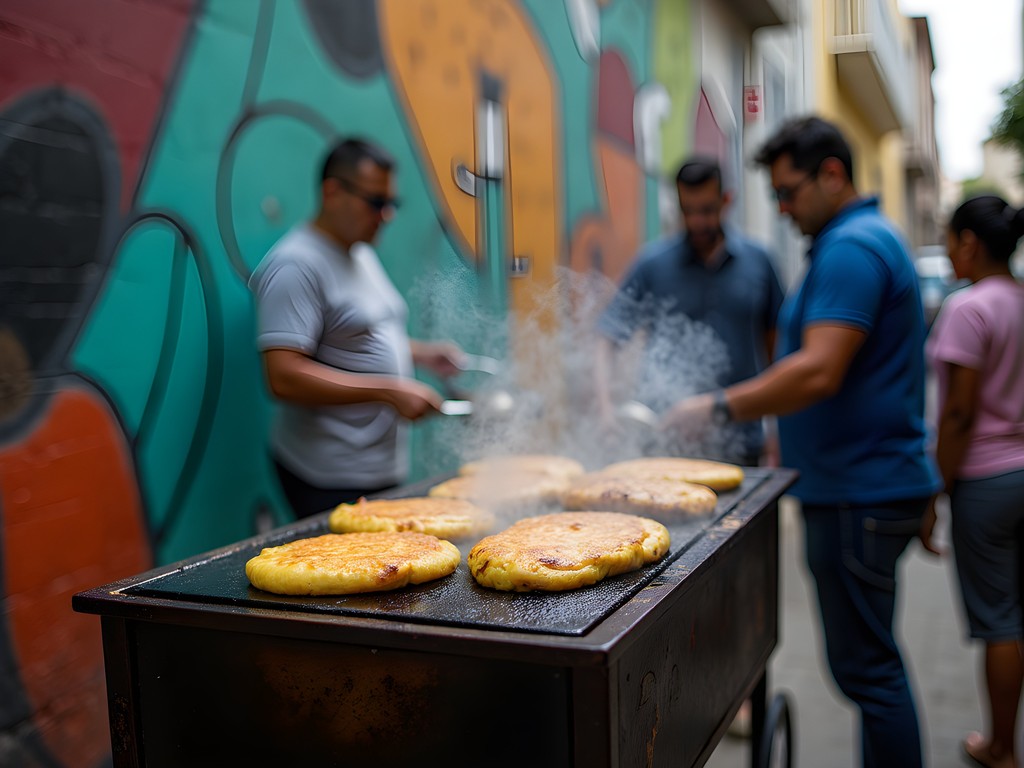
At the corner of Carrera 2 and Calle 9, we discovered an arepas de choclo vendor whose golden corn cakes stuffed with soft cheese have sustained locals for decades. The contrast between the slightly sweet corn exterior and the salty cheese center creates a perfect balance that needs no adornment—though the homemade ají sauce on the side adds welcome heat.
No street food tour is complete without sampling obleas, thin wafer discs sandwiched together with arequipe (Colombian dulce de leche), mora (blackberry jam), cheese, or all three combined if you're feeling adventurous. We watched, mesmerized, as the vendor assembled our treats with the speed and precision that comes from years of practice.
Perhaps my favorite discovery was the carts selling cups of fresh-cut mango, pineapple, and watermelon sprinkled with salt and lime juice—a refreshing counterpoint to the city's fried offerings. The vendor we visited had been in the same spot for 17 years, and his knife skills were nothing short of artistic as he transformed whole fruits into perfectly uniform pieces in seconds.
For the more adventurous, the traditional Colombian street food hormigas culonas (roasted big-bottomed ants) offers a crunchy, nutty protein source that's been enjoyed since pre-Colombian times. I'll admit it took some courage, but the earthy, almost bacon-like flavor was a delightful surprise that connected me to centuries of local food traditions.
💡 Pro Tips
- Bring hand sanitizer and small packets of tissues for impromptu street food stops
- Look for street food stalls with long lines of locals—they know where the best food is
- Start with small portions so you can sample more variety throughout the day
Coffee Culture: Beyond Your Average Cup of Joe
For a country producing some of the world's finest coffee beans, Colombia's internal coffee culture has historically been surprisingly basic—with the best beans traditionally exported and locals drinking tinto, a simple black coffee often made from lower-grade beans. But Bogotá is at the forefront of a coffee revolution that's changing this paradigm, creating spaces where Colombians and visitors alike can appreciate the extraordinary diversity and quality of the country's coffee heritage.
Mariana and I dedicated an entire morning to exploring this scene, starting at Azahar Coffee Company in Chapinero. This bright, minimalist café connects customers directly with producers, displaying photos and stories of the farmers behind each bean variety. We participated in a cupping session (a formal coffee tasting) that revealed how dramatically terroir affects flavor—from the bright, citrusy notes of beans grown in Huila to the chocolate undertones of those from Nariño.
What made the experience special was the barista's passion for explaining how altitude, climate, and processing methods influence the final cup. I've carried my coffee journal through cafés across four continents, and the notes I took that morning in Bogotá rank among my most treasured coffee memories.
At Café Cultor in Quinta Camacho, housed in a beautifully preserved English-style house, we discovered their commitment to working with farmers in post-conflict zones—using coffee as a vehicle for peace-building after Colombia's complex history of internal strife. The café offers a 'Coffee Tour' flight featuring three different preparation methods that highlight how brewing technique transforms the same bean.
Perhaps most memorable was our visit to Catación Pública, where we participated in a two-hour workshop on brewing methods. The instructor, Camilo, demonstrated everything from the traditional Colombian cloth filter method to modern AeroPress techniques. What struck me most was how coffee rituals—the careful measuring, the attentive brewing, the mindful tasting—create perfect moments of connection. Couples around us were engaged in animated discussions about flavor notes and preferences, proving that shared discovery is one of travel's greatest pleasures.
By week's end, I had a new appreciation for Colombian coffee beyond the commercial brands we know in North America. Each cup told a story of specific mountains, specific hands that picked the cherries, specific traditions that brought those beans to my cup.

💡 Pro Tips
- Book coffee tasting workshops in advance as they often fill up quickly
- Ask baristas about direct trade practices—many Bogotá cafés have direct relationships with farmers
- Try different brewing methods with the same bean to understand how preparation affects flavor

The New Colombian Cuisine: Fine Dining with Local Roots
Bogotá's fine dining scene represents a culinary renaissance that's redefining Colombian cuisine. Chefs are turning inward, drawing inspiration from the country's biodiversity and indigenous food traditions rather than looking abroad. The result is sophisticated, innovative cuisine that remains distinctly Colombian—a perfect special occasion experience for couples looking to celebrate during their Bogotá stay.
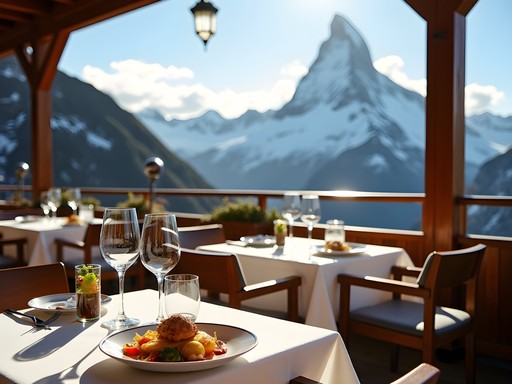
Our splurge dinner at Leo, helmed by chef Leonor Espinosa (named Latin America's Best Female Chef), was a transformative experience that Mariana and I still talk about months later. The restaurant's 'Ciclo-Bioma' tasting menu is a gastronomic journey through Colombia's diverse ecosystems—from coastal mangroves to Amazonian rainforests. Each exquisitely plated dish featured ingredients I'd never encountered before: copoazú fruit, mojojoy larvae, and bijao leaves used by indigenous communities.
What struck me most was how the meal told a story—not just of flavors, but of Colombia's cultural heritage and ongoing efforts to preserve traditional knowledge. When the server presented a dish featuring ants (a callback to the street food we'd tried days earlier, but elevated to fine dining status), I appreciated how the restaurant honored indigenous food practices rather than treating them as novelties.
At Mini-Mal in Chapinero, chef Eduardo Martínez focuses on ingredients from Colombia's Pacific coast, an area with strong Afro-Colombian influences. The restaurant works directly with small-scale producers from vulnerable communities, creating economic opportunities while preserving culinary traditions. Their fish dishes seasoned with viche (a traditional Pacific coast herb mix) were unlike anything I'd tasted before—complex, layered, and deeply connected to a specific cultural geography.
For our final night, we visited Prudencia in La Candelaria, where an open wood-fired kitchen turns local ingredients into rustic yet refined dishes. Housed in a renovated colonial building with a peaceful interior courtyard, the restaurant offers a four-course menu that changes daily based on market availability. The slow-roasted vegetables grown at nearby páramo (high-altitude ecosystem) farms were revelatory—intensely flavored due to the harsh growing conditions.
Before our trip, I invested in a food photography kit to better capture these culinary masterpieces. The soft diffuser and mini-tripod allowed me to document our meals without disrupting other diners—preserving memories of these extraordinary dishes while respecting the restaurant atmosphere.

💡 Pro Tips
- Make reservations at fine dining establishments at least 2-3 weeks in advance
- Opt for tasting menus to experience the full range of the chef's vision and local ingredients
- Ask about the stories behind unfamiliar ingredients—servers are usually passionate about sharing this knowledge
Cooking the Colombian Way: Hands-On Cultural Immersion
For travelers seeking deeper connection with local food culture, I've found that cooking classes offer unparalleled insights. They transform you from passive consumer to active participant in cultural traditions, and when shared with a partner, they create collaborative memories that last far beyond your trip.
Our most memorable Bogotá experience was a private cooking class with Chef Catalina at her home kitchen in the residential Teusaquillo neighborhood. After meeting us at a small local market to select ingredients, she welcomed us into her apartment, where family photos lined the walls and the kitchen already smelled of toasting cumin and coriander.
Over the next four hours, we learned to prepare ajiaco santafereño, Bogotá's signature chicken and potato soup distinguished by its use of three potato varieties and guascas, an herb that gives the dish its distinctive flavor. Catalina explained how this soup represents Bogotá's mountain identity—hearty, warming, and featuring ingredients from the high-altitude savanna surrounding the city.
The class was hands-on in the best way—we didn't just watch demonstrations but actively participated in each step, from properly cutting potatoes to understanding how to balance the soup's flavors. Catalina shared family stories connected to the recipes, creating an intimate glimpse into Colombian home cooking that no restaurant could provide.
For our second cooking experience, we joined a group class at Paloquemao Market focused on Colombian street food. Under the guidance of Chef Antonio, we learned to make perfect arepas de choclo, patacones (twice-fried green plantains), and ají hot sauce. The communal cooking experience led to conversations with other travelers and locals alike—by the end of the three-hour session, we were sharing food, stories, and contact information with new friends from three different countries.
What made these cooking experiences special was their emphasis on technique rather than rigid recipes. We learned transferable skills and understanding of Colombian flavor principles that I've since incorporated into my cooking back home. My mortar and pestle now regularly grinds Colombian-inspired spice blends that transport me back to Bogotá's vibrant flavors.
Both cooking experiences concluded with shared meals where we enjoyed the fruits of our labor alongside local wines or fruit juices. Breaking bread together—especially food you've prepared with your own hands—creates immediate connection across language and cultural barriers.

💡 Pro Tips
- Book cooking classes early in your trip so you can recognize ingredients and dishes throughout your stay
- Choose classes that include market visits for a more comprehensive cultural experience
- Take detailed notes or ask if recipes will be shared afterward so you can recreate dishes at home
Final Thoughts
As our week in Bogotá drew to a close, Mariana and I realized we'd experienced Colombia not just through our eyes or ears, but primarily through our taste buds. From humble street carts to innovative fine dining establishments, each meal had opened a window into this complex, vibrant culture that's reclaiming and redefining its culinary identity. The food of Bogotá tells a story of resilience, creativity, and profound connection to the land—qualities that resonate far beyond the dining table. For couples seeking meaningful travel experiences, Bogotá's culinary scene offers endless opportunities for shared discovery and connection. Whether you're sampling exotic fruits at Paloquemao Market, learning traditional cooking techniques from local chefs, or savoring innovative tasting menus that showcase Colombia's biodiversity, the city invites you to engage all your senses. Pack your appetite, an open mind, and perhaps pants with a forgiving waistband—Bogotá's flavors are waiting to transform your understanding of Colombian cuisine forever.
✨ Key Takeaways
- Bogotá's food scene spans from traditional markets and street food to world-class fine dining, offering options for every budget and preference
- Colombian coffee culture is experiencing a renaissance, with specialty cafés offering tastings and workshops that reveal the complexity of the country's beans
- Cooking classes provide the deepest insight into local food culture and techniques you can bring home
- The city's culinary offerings reflect Colombia's incredible biodiversity and multicultural heritage
📋 Practical Information
Best Time to Visit
year-round (Bogotá has consistent temperatures due to its elevation)
Budget Estimate
$75-150 per day per person excluding accommodations
Recommended Duration
5-7 days
Difficulty Level
Beginner


Comments
travelperson
Thanks for sharing! Adding this to my bucket list
mountainfan
YES to all of this!! I've been to Bogotá four times now and the food evolution is real. A few years ago it was harder to find really exceptional restaurants, but now they're everywhere. My favorite discovery last trip was the street food in La Candelaria - there's this one lady who makes obleas (those thin wafer things with arequipe) that are absolutely life-changing. Also pro tip: download the Rappi app before you go. It's like Uber Eats but works way better in Bogotá, and you can get amazing local food delivered to your hotel when you're too tired from walking around at high altitude. The empanadas from Doña Arepa at 11pm after a long day were perfection.
islandadventurer
Going there next month! How many days do you think is enough to experience the food scene?
Tiffany Hicks
I'd say minimum 4-5 days if you really want to dive into it. That gives you time for the market, street food tours, a couple fine dining experiences, and day trips to nearby coffee regions!
Charlotte Watkins
What a wonderful piece, Tiffany! My husband and I visited Bogotá with our grown children last spring, and we were similarly blown away by the culinary transformation happening there. Your description of the coffee culture particularly resonated - we did a coffee tour outside the city in the Zona Cafetera and came back with a completely different appreciation for Colombian coffee. One tip for families: many of the fine dining restaurants offer early seating times (around 6pm) that work perfectly if you're traveling with kids, and the chefs are often more available to chat about the dishes then. We had a memorable conversation with the chef at Criterión about sourcing local ingredients. The altitude did affect our appetites initially though - took us about two days to adjust!
travelperson
good to know about the altitude thing, didn't think about that
explorelover
Those arepas look incredible!
Brian Torres
Tiffany, this brings back memories! My family and I spent three weeks in Bogotá last year, and you've captured the food scene perfectly. We had a similar experience at Paloquemao - my kids were fascinated by all the exotic fruits they'd never seen before. We ended up doing a cooking class with ingredients we bought there, and it became one of the highlights of our trip. The ajiaco we made didn't quite match what we had at Leo, but the experience of learning from a local chef in her home kitchen was priceless. Did you try any of the smaller neighborhood restaurants in Usaquén? We found some gems there that rivaled the fine dining spots.
Tiffany Hicks
Brian! Yes, we spent an afternoon in Usaquén but didn't get to explore the restaurants as much as I wanted. Adding it to my list for next time - any specific recommendations?
escapebuddy
is paloquemao market safe for tourists? planning my first solo trip
Tiffany Hicks
Yes! Just go during daylight hours (mornings are best) and keep your valuables secure like you would in any busy market. The vendors are super friendly and used to tourists.
mountainfan
I've been three times and never had issues. Early morning is amazing - get there around 7am for the freshest stuff and fewer crowds!
Hannah Woods
Fantastic write-up on Bogotá's food scene, Tiffany! Your Paloquemao Market section brought back so many memories. When I visited last year, I spent nearly an entire day there, talking with vendors and sampling fruits I'd never even heard of before. The guanabana was a revelation! I'd add that visitors should definitely try the hot chocolate with cheese (chocolate santafereño) - sounds bizarre but it's a delightful local tradition. Also, for those concerned about altitude, I found carrying altitude sickness tablets really helped me adjust during those first couple of days so I could fully enjoy the culinary experiences without feeling lightheaded. Did you make it to any of the restaurants in Usaquén? The Sunday market followed by lunch at one of the colonial buildings-turned-restaurants was another highlight for me.
Tiffany Hicks
Hannah, you're absolutely right about chocolate santafereño! I should have included that - such a unique experience dropping cheese into hot chocolate. And yes, we did make it to Usaquén on our last day! The Sunday market was charming, and we had an incredible meal at Casa Vieja. The atmosphere in those colonial buildings is something special.
coolguy
Wait, chocolate with cheese?? That sounds crazy but I'm intrigued! Adding it to my must-try list.
Hannah Woods
@coolguy It's surprisingly delicious! The cheese gets slightly melty but doesn't fully dissolve. You eat it with a spoon after it softens. Trust me, it works!
coolguy
This makes me wanna book a flight to Bogotá right now! How safe is it for solo travelers who don't speak much Spanish? Those arepas look amazing btw!
Tiffany Hicks
Thanks for reading, coolguy! Bogotá is generally safe for solo travelers if you take normal precautions. In touristy areas and restaurants, you'll find many people who speak some English. I'd recommend learning basic food-related Spanish phrases though - it enhances the experience and locals really appreciate the effort!
coolguy
Sweet, thanks for the tips! Definitely gonna download a Spanish food phrases app before going.
FoodieTravels
Those arepas look INCREDIBLE! Your food photography skills are making me hungry!
Venture X
Premium card with 2X miles, $300 travel credit, Priority Pass