

Disclosure: This article contains affiliate links. We may earn a commission from purchases at no extra cost to you, which helps our travel content.
First time I landed in Bogotá, I was hit with that familiar mix of excitement and low-key panic. You know the feeling – standing in a sprawling South American capital at 8,600 feet elevation, lungs working overtime, with three million people zooming around you. But here's the thing about Colombia's capital: once you crack the transportation code, this high-altitude metropolis becomes your playground. After five visits in three years, I've developed a system for navigating Bogotá that keeps me connected, moving efficiently, and even sneaking in those daily steps. Let me break it down for families looking to explore this vibrant city without breaking the bank.

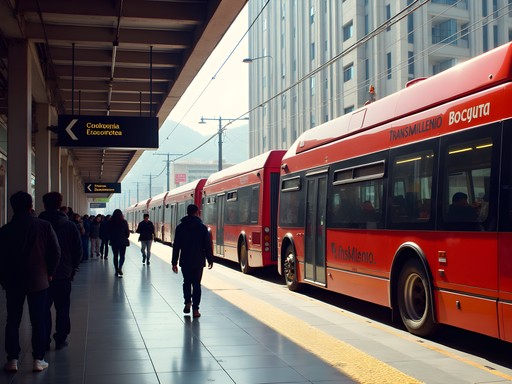
TransMilenio: Bogotá's Arterial System
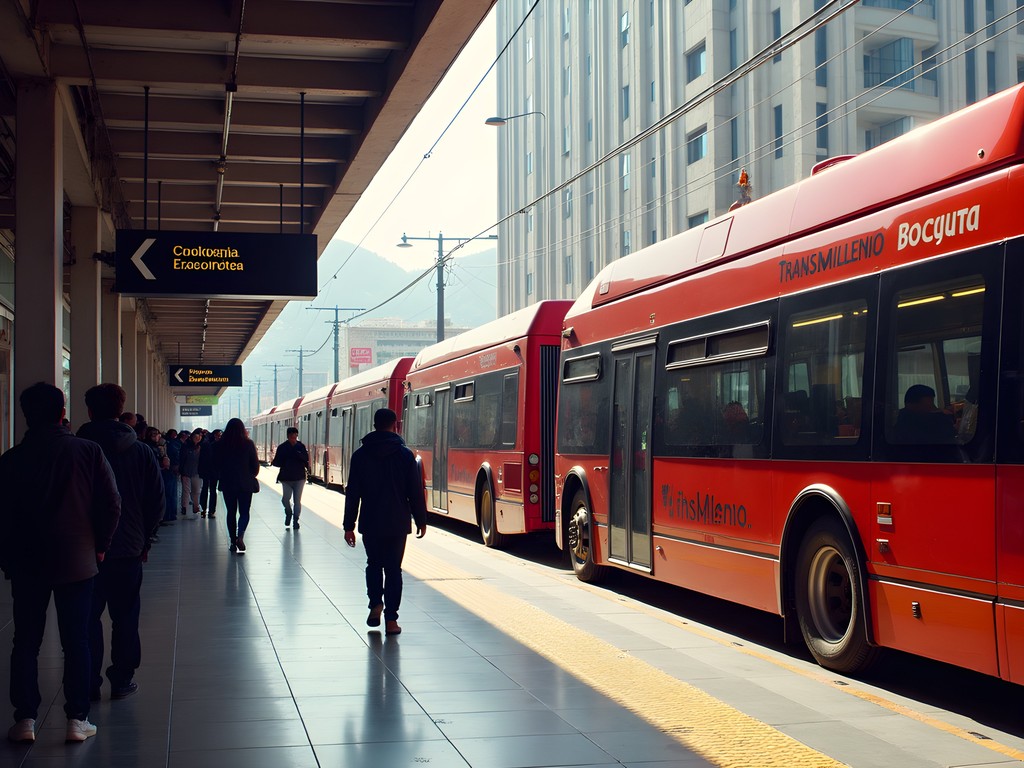
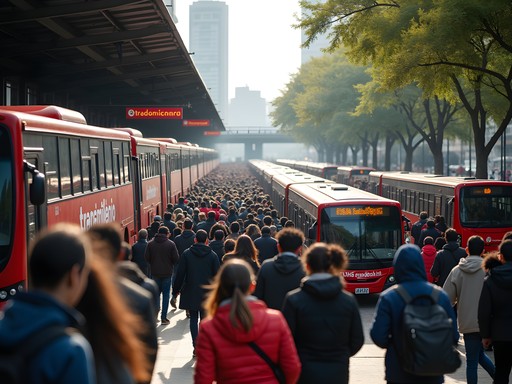
The TransMilenio is Bogotá's answer to a subway system – except it's all above ground and runs on dedicated bus lanes. Picture massive red articulated buses zooming past traffic on their own highways through the city. It's brilliant, efficient, and honestly, a bit intimidating at first.
My first TransMilenio experience was a comedy of errors. I confidently boarded at the El Dorado airport station, determined to reach my hostel in La Candelaria, only to find myself heading north instead of south. Pro tip: the system uses a compass-based naming convention (Portal Norte, Portal Sur, etc.) that actually makes sense once you get it.
For families, I recommend grabbing a TuLlave card immediately – it's the reloadable card that works for the entire system. One card can be used for multiple people; just tell the attendant how many passengers when you tap. At around 2,650 Colombian pesos per ride (less than $1 USD), it's unbeatable value.
The stations can get packed during rush hour (7-9am and 5-7pm), so plan accordingly if traveling with kids. I always keep my anti-theft crossbody bag close to my chest in crowded stations – it fits my phone, cards, and has RFID protection while keeping my hands free to help family members navigate the turnstiles.
💡 Pro Tips
- Buy a TuLlave card immediately – one card works for the whole family
- Avoid rush hours (7-9am and 5-7pm) when traveling with children
- Use Google Maps to plan your route – it integrates TransMilenio schedules surprisingly well
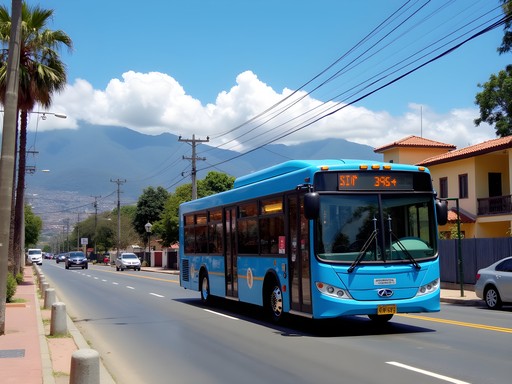
SITP: The Blue Bus Network for Neighborhood Exploration
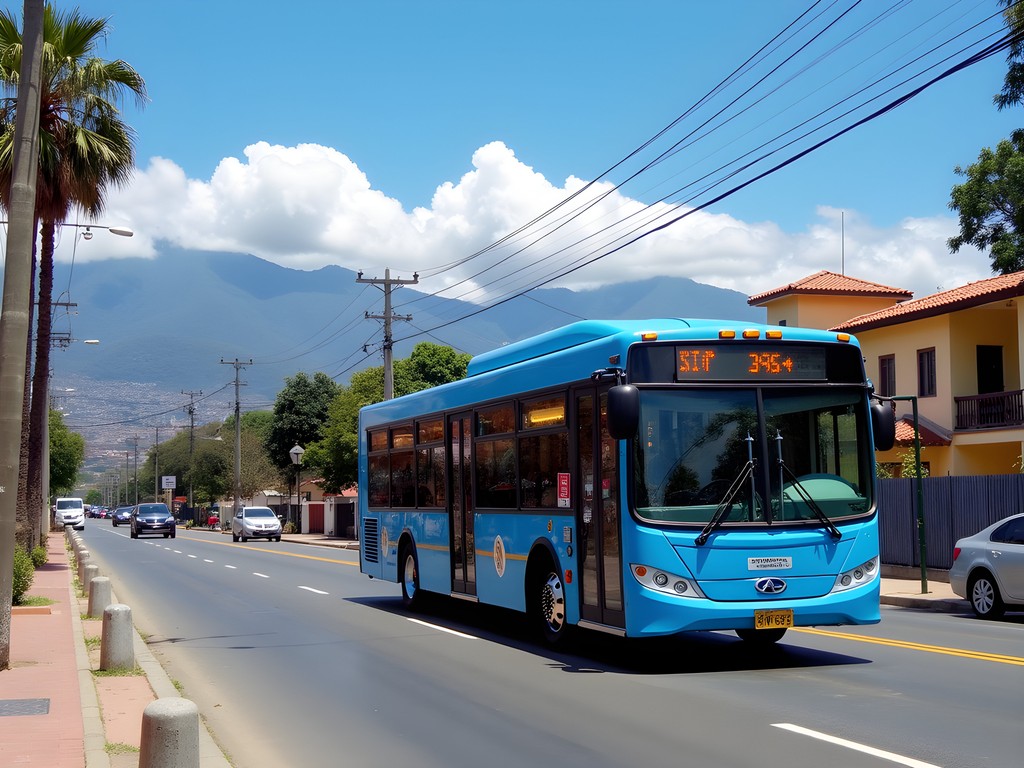
While the TransMilenio forms the backbone of Bogotá's transit system, the blue SITP buses (Sistema Integrado de Transporte Público) are the capillaries reaching into neighborhoods where TransMilenio doesn't go. These smaller blue buses might not look impressive, but they're crucial for budget-conscious families wanting to explore beyond the main corridors.
The beauty of the SITP? Your same TuLlave card works here too. The system integrates completely, and transfers between TransMilenio and SITP buses are often free or discounted if done within a certain timeframe.
Navigating the SITP does require a bit more local knowledge. I recommend downloading the TransMiApp or Moovit app, which shows real-time arrivals and routes. My power bank has saved me countless times when my phone battery drained from constant app checking and GPS use at high altitude.
For families with young kids, these buses can be a mixed experience. They're rarely crowded outside rush hour, which is great, but they make frequent stops and lack the dedicated lanes of TransMilenio, so journeys take longer. Pack snacks and entertainment for the little ones.
💡 Pro Tips
- Download TransMiApp or Moovit for real-time bus tracking
- Bring a power bank – using transit apps drains your phone quickly
- Ask locals at bus stops if you're uncertain – Bogotanos are incredibly helpful
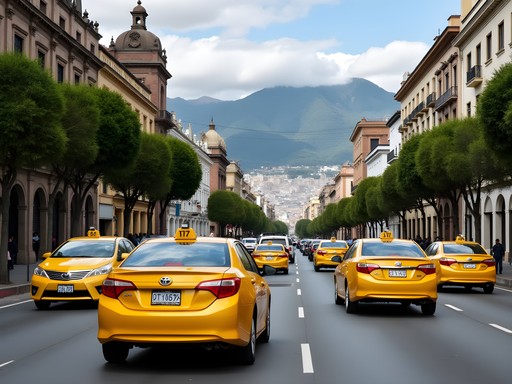
Taxis and Rideshares: When Convenience Trumps Cost
There are moments when herding tired kids onto public transportation just isn't worth the savings. That's when Bogotá's yellow taxis and rideshare options come to the rescue.
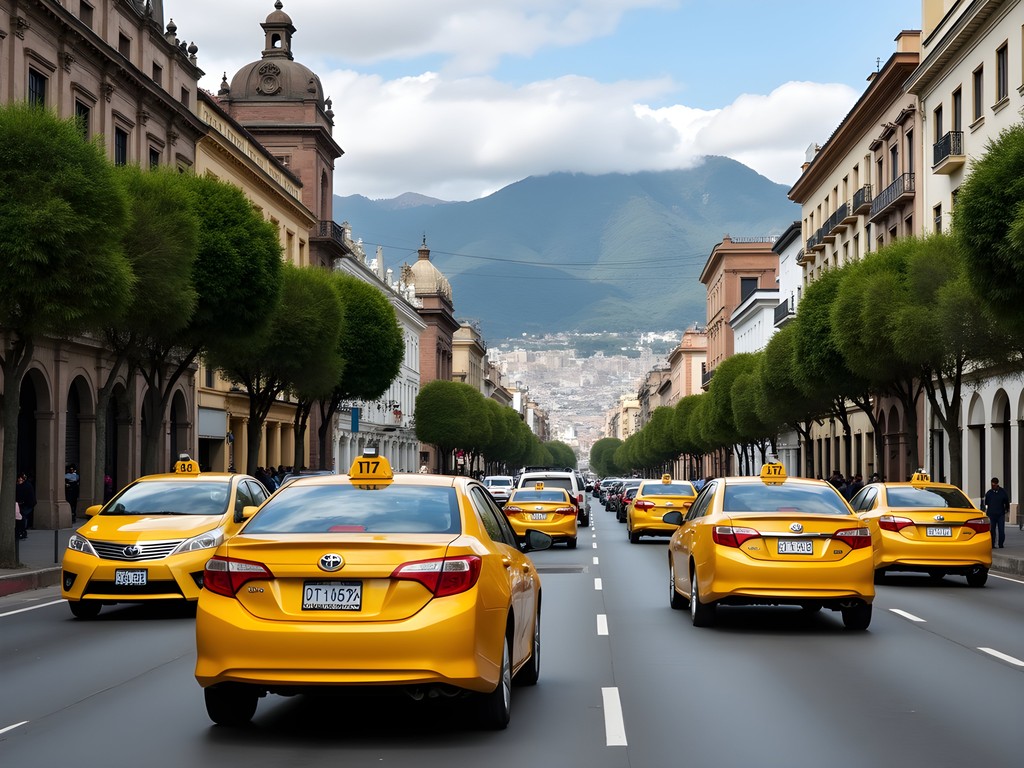
Yellow taxis are everywhere in Bogotá, and they're relatively affordable by North American or Australian standards. However, I've had mixed experiences. The language barrier can be challenging if your Spanish is limited, and the infamous 'gringo tax' is real – some drivers might take longer routes if they sense you're a tourist.
My solution? I use the Tappsi or EasyTaxi apps to call registered taxis. These apps provide driver information, estimated fare, and track your journey – all crucial safety features, especially when traveling with family.
For even more peace of mind, rideshare apps like Uber, DiDi, and Beat operate in Bogotá (though Uber exists in a legal gray area). I prefer these for airport transfers or late-night trips. The fixed pricing eliminates surprises, and the app's GPS tracking adds an extra layer of security.
Families should note that car seats aren't common in Colombian taxis. If traveling with infants or toddlers, consider bringing a portable car seat that packs down small but provides essential safety.
💡 Pro Tips
- Use taxi apps like Tappsi rather than hailing from the street
- Confirm your fare before starting your journey if possible
- Save your hotel or Airbnb location in Google Maps offline – sometimes showing the map is easier than explaining an address

Walking and Ciclovía: Embrace Bogotá's Pedestrian Culture
As a fitness enthusiast, I'm always looking for ways to stay active while traveling. Bogotá might not immediately strike you as a walkable city, but parts of it – particularly La Candelaria, Chapinero, and Usaquén – are perfect for exploration on foot.
The altitude (8,660 feet) means you'll feel the burn quicker than expected. My first day walking around La Candelaria had me breathing harder than my usual 5K run back in Perth! Take it slow, especially with kids, and stay hydrated. I never go anywhere without my insulated water bottle – the high-altitude sun can be deceptively strong even when temperatures are mild.
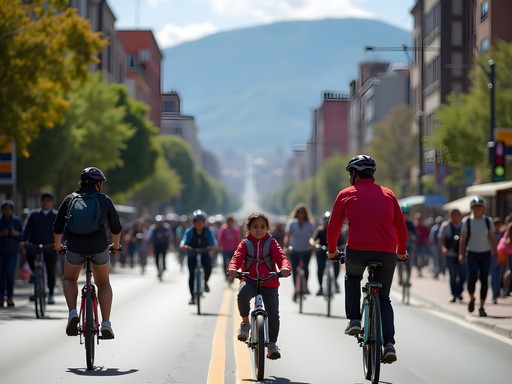
If you're lucky enough to be in Bogotá on a Sunday, you're in for a treat. The famous Ciclovía closes over 75 miles of major roads to vehicles from 7am to 2pm, transforming them into pedestrian and cycling havens. It's a weekly festival of movement that locals and visitors alike embrace.
For families, I recommend renting bikes from one of the many vendors along the Ciclovía route. Even if you're not typically cyclists, the car-free roads make it safe and enjoyable for all ages. My fitness tracker went crazy with excitement the first time I experienced Ciclovía – 25,000 steps and not a car in sight!

💡 Pro Tips
- Acclimatize to the altitude before attempting long walks
- Join the Sunday Ciclovía – it's a uniquely Bogotano experience perfect for families
- Use the TransMi for longer distances and walk for neighborhood exploration
Staying Connected: WiFi and Data Solutions
As someone who needs to stay connected for work even while exploring, I've become something of an expert on connectivity solutions in Bogotá. For families, having reliable internet access is crucial for everything from navigation to keeping the kids entertained during downtime.
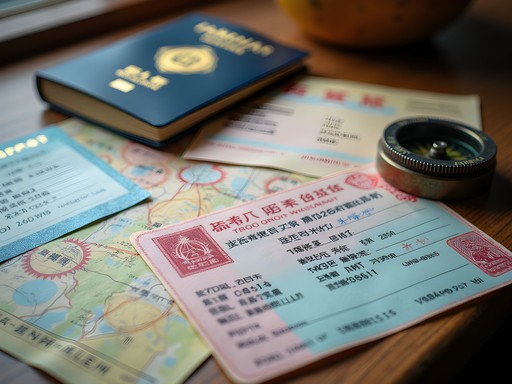
First option: local SIM cards. Companies like Claro, Movistar, and Tigo offer prepaid SIM cards with generous data packages. You'll need your passport for registration, but the process is straightforward. I typically go with Claro for their widespread coverage throughout Colombia.
If multiple family members need connectivity, consider a portable WiFi hotspot. I've used mine throughout Colombia, and it allows up to 10 devices to connect simultaneously – perfect for keeping everyone's devices online without multiple SIM cards.
Bogotá also has surprisingly good public WiFi in many parks, libraries, and TransMilenio stations. The quality varies, but it's handy for quick checks when you're out exploring. For security when using public networks, I always connect through my VPN service to protect personal information and banking details.
One connectivity hack I've discovered: many upscale coffee shops like Juan Valdez and Oma offer reliable WiFi without requiring a purchase. They've saved me numerous times when I needed to check transit schedules or download maps on the go.

💡 Pro Tips
- Get a local SIM card immediately upon arrival – the airport has kiosks
- Download offline Google Maps of Bogotá neighborhoods before venturing out
- Use a VPN when connecting to public WiFi networks for security
Final Thoughts
Navigating Bogotá might seem daunting at first glance, especially with kids in tow, but it's remarkably manageable once you understand the systems. The TransMilenio and SITP networks form an affordable backbone for exploration, while taxis and rideshares fill the gaps when convenience matters more than cost. Don't underestimate the walkability of many neighborhoods – some of my best Bogotá memories come from spontaneous strolls where we discovered street art, local markets, and impromptu soccer games.
The key to success? Embrace the blend of planning and flexibility. Have your routes mapped out but be ready to pivot when a local suggests a better way or when little legs get tired. Bogotá rewards the adventurous family with vibrant culture, incredible food, and warm hospitality at a fraction of the cost of many world capitals.
Next time you're plotting a family adventure that balances culture, adventure, and budget, put Bogotá on your short list. This high-altitude haven has transformed from a place travelers avoided to a destination they seek out – and the improved transportation infrastructure is a big reason why. Drop a comment below if you have specific questions about getting around with kids in Bogotá – I'm always happy to help fellow explorers stay connected and active while discovering new corners of our amazing world.
✨ Key Takeaways
- TransMilenio and SITP provide comprehensive, affordable transportation throughout Bogotá
- Taxi apps and rideshares offer security and fixed pricing for families concerned about safety
- Sunday Ciclovía transforms the city into a pedestrian paradise – don't miss it
- Stay connected with local SIMs or portable WiFi to navigate confidently
- Acclimatize to the altitude before attempting extensive walking tours
📋 Practical Information
Best Time to Visit
year-round (Bogotá's high-altitude location means mild temperatures throughout the year)
Budget Estimate
$30-50 per day per person including transportation and activities
Recommended Duration
4-7 days
Difficulty Level
Easy With Proper Planning




Comments
moonbuddy
Just got back from Bogotá last week and this guide would have saved me so much confusion!! The TransMilenio is actually amazing once you figure it out. Loved the whole city honestly
Douglas Bradley
Excellent breakdown of the system, Gary. I'd add that understanding the TransMilenio zones is crucial for efficient navigation – the portal stations vs. regular stops confused me initially. One thing I learned during my month there researching urban planning: the SITP buses are actually more integrated with local neighborhoods than most visitors realize. If you're staying somewhere like Chapinero or Usaquén for more than a few days, it's worth learning the local SITP routes. They're slower but you see so much more of authentic Bogotá life. Also, the TuLlave card works for both systems, which is incredibly convenient. I kept mine loaded with this card holder to avoid fumbling at turnstiles during rush hour.
skyguide191
Which TransMilenio line goes to the airport? Or should I just take a taxi?
Claire Hawkins
Gary, this brought back so many memories! We spent three weeks in Bogotá last year with our two kids (7 and 9) and the TransMilenio became our lifeline. The trick we learned was downloading the offline map and screenshotting the route diagrams because WiFi was spotty in some stations. One thing I'd add - the Ciclovía on Sundays was absolutely magical. We rented bikes near Parque 93 and rode all the way down to La Candelaria. The kids still talk about it! Also totally agree about keeping small bills for the SITP buses. We got stuck a few times with only 50,000 peso notes and drivers weren't happy.
skyguide191
Where did you rent the bikes? I'm going with my family too
Claire Hawkins
There were several rental spots along Carrera 7. We used one near the Museo Nacional - can't remember the exact name but they were everywhere on Sunday morning!
starchamp
Is the TransMilenio safe at night? Heading there in March and trying to figure out if I should just stick to Uber after dark.
Claire Hawkins
I'd say stick to main routes before 9pm and you'll be fine. After that, especially with luggage or in quieter areas, rideshare is worth it. We used TransMilenio during the day with our kids and felt totally comfortable.
starchamp
Thanks! That's helpful
mountainstar
What about bikes? Can you rent bikes easily for getting around or just for the Sunday Ciclovía?
moonbuddy
There are bike share stations all over the city! Really easy to use
exploremate
Going there in May and SO excited now!! The altitude thing is a bit scary though lol
Savannah Walker
Gary, this brings back memories! I spent three weeks in Bogotá last year and completely fell in love with the Ciclovía on Sundays. There's something magical about seeing the entire city come out on bikes and roller skates. I actually got lost trying to navigate the TransMilenio my first day – ended up in a completely different neighborhood – but that's how I discovered some amazing street art in the Candelaria. The chaos becomes part of the adventure once you embrace it. Did you make it to any of the Sunday markets along the Ciclovía route?
Gary Harris
Yes! The market near Parque El Virrey was incredible. My kids loved the juice stands. Getting lost is definitely part of the Bogotá experience haha
travelwanderer
How much does a typical TransMilenio ride cost? Trying to budget for a week there.
exploremate
Super cheap! Like 2500 pesos or so, less than a dollar USD
photoone
Is the TransMilenio safe to use at night? Planning my first trip there in March.
Gary Harris
I'd stick to rideshares after dark, especially if you're new to the city. TransMilenio is fine during the day though!
moonbuddy
Yeah agree with Gary. I always used Uber or Cabify after 8pm and never had issues
Venture X
Premium card with 2X miles, $300 travel credit, Priority Pass