

Disclosure: This article contains affiliate links. We may earn a commission from purchases at no extra cost to you, which helps our travel content.
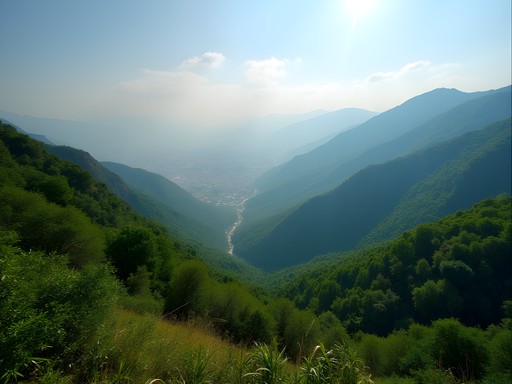
When most travelers think of Zhangjiajie, those otherworldly sandstone pillars that inspired the floating mountains in Avatar immediately come to mind. But after three family trips to China, I've discovered that the real magic lies beyond those magnificent peaks, in the ancient Tujia villages nestled within the valleys. As a nurse who's spent decades observing human connections, I've found that these rural communities offer something far more valuable than just spectacular views—they offer a glimpse into a cultural heritage that has survived for over 2,000 years.

The Tujia People: China's Hidden Cultural Treasure
The Tujia ethnic group, with a population of over 8 million, remains one of China's most fascinating yet least touristed cultural treasures. During my week-long spring exploration with my longtime travel buddy Mike, we ventured beyond the national park crowds to discover villages where traditions remain remarkably intact.
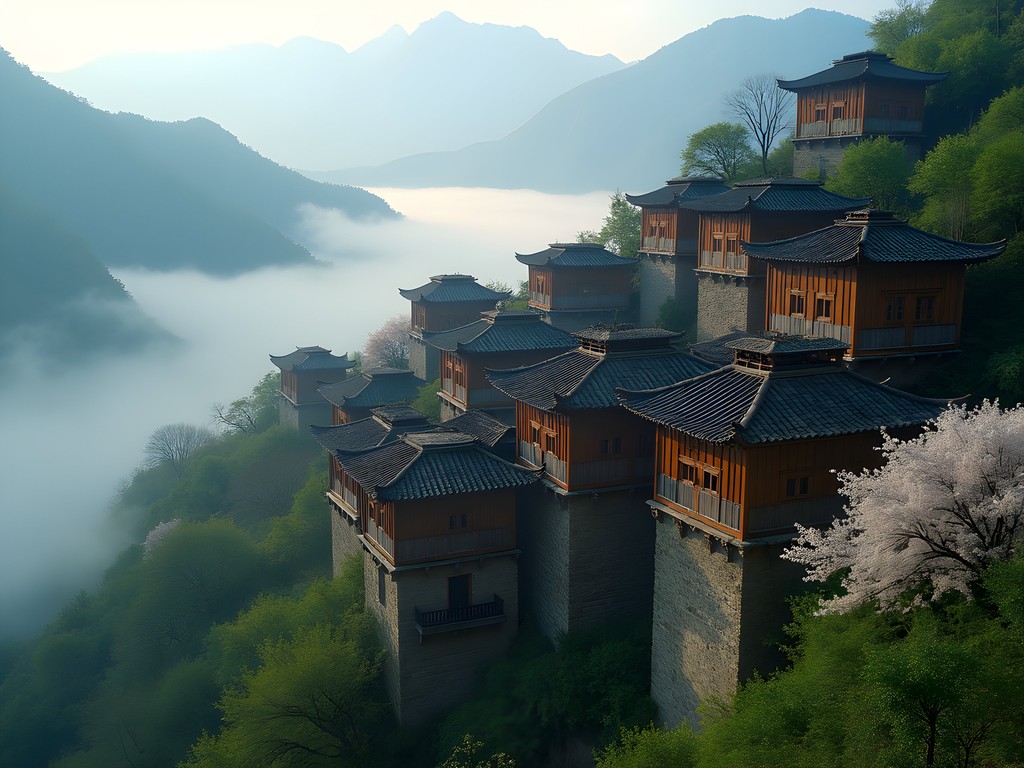
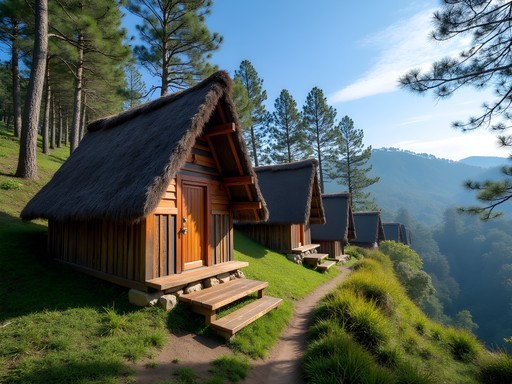
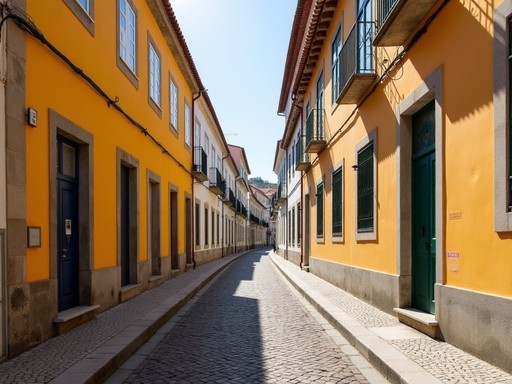
In nursing, we often talk about cultural competence—understanding the values and practices of different communities. This concept took on new meaning as we were welcomed into Tujia homes built in their distinctive diaojiaolou style—wooden structures on stilts that have withstood centuries of changing seasons. These architectural marvels are particularly stunning in spring when surrounded by blooming peach and plum trees.
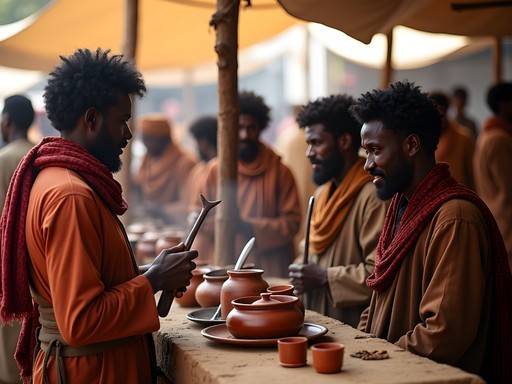
Before our trip, I spent evenings researching with my travel tea set, sipping oolong while learning about Tujia history. This compact ceramic set became our companion throughout the journey, allowing us to share tea ceremonies with locals—an instant connection-maker that transcended language barriers.
💡 Pro Tips
- Learn a few basic Tujia greetings—even simple efforts are deeply appreciated
- Bring small gifts from your home country for hosts if staying in homestays
- Always ask permission before photographing people or their homes
Experiencing the Baishou Dance: Medicine for the Soul
As a healthcare professional, I often tell my patients that movement is medicine. For the Tujia people, their traditional Baishou Dance is exactly that—a rhythmic, hand-swaying performance that serves as both cultural expression and communal therapy.
On our third evening, we were invited to a local celebration in Maogusi Village, about 30 kilometers from the main tourist areas. The village elder, noticing my genuine interest in their traditions, insisted I join the circle of dancers. With 70+ hand gestures representing everything from hunting to harvesting, I was admittedly clumsy, but the laughter this generated broke down any remaining barriers between us as visitors and them as hosts.
I captured these moments with my pocket translator, which not only helped us communicate but also recorded and translated the explanations of each dance movement. This small device proved invaluable throughout our trip, especially in rural areas where English speakers were rare.

💡 Pro Tips
- Join in cultural activities when invited—participation is valued over perfection
- Visit villages on festival dates for the most authentic cultural experiences
- Bring comfortable shoes suitable for uneven village paths and impromptu dancing
The Craft of Brocade Weaving: Threads of History
In my years of nursing, I've learned that healing often comes through working with your hands. The Tujia women demonstrate this wisdom through their brocade weaving—an art form so significant that it's been designated as an Intangible Cultural Heritage by UNESCO.
In Xilangtang Village, we spent a full day with Master Weaver Auntie Liu (as she insisted we call her). At 78, her fingers moved with the precision of a surgeon as she created intricate patterns without any written designs. "The patterns live here," she told us through our translator, pointing to her heart.
I was particularly moved by how weaving connects generations of women. Young girls sat beside grandmothers, learning techniques unchanged for centuries. My travel sketchbook became filled with drawings of their patterns and notes on the cultural significance of each motif. The watercolor pages perfectly captured the vibrant dyes they create from local plants.
When Auntie Liu insisted I try weaving, my nurse's hands—accustomed to precision—still fumbled with the ancient loom, much to everyone's amusement. The resulting uneven swatch now hangs in my home office—a reminder that some skills take generations to perfect.

💡 Pro Tips
- Purchase authentic brocade directly from weavers to support the continuation of this art form
- Allow at least half a day for weaving demonstrations to truly appreciate the complexity
- Ask about the meaning behind different patterns—each tells a specific cultural story

Tujia Cuisine: Medicine on a Plate
As a nurse, I've always believed that food is our first medicine. The Tujia cuisine embodies this philosophy perfectly, with dishes designed not just for flavor but for wellness. Spring is particularly special for Tujia food, as wild herbs and vegetables that have been used medicinally for centuries emerge in abundance.
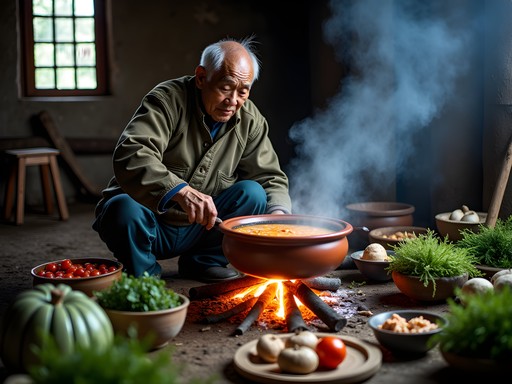
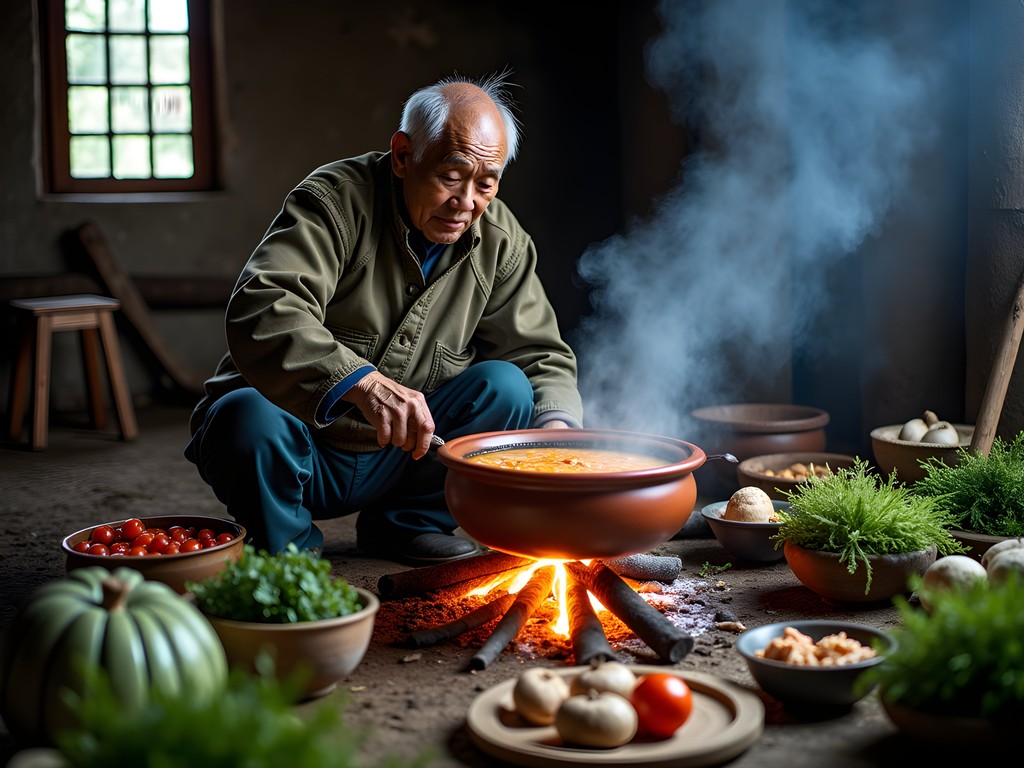
In Laojiazhai Village, we participated in a cooking class where we learned to prepare Sanxiaguo (Three Gorges Pot)—a slow-cooked stew of local ingredients served in a distinctive clay pot. What fascinated me most was how the villagers could identify dozens of wild plants and their specific health benefits.
Our host, Mr. Zhang, took us foraging before cooking, showing us how to identify edible ferns and fungi that would become part of our meal. I used my foraging bag to gather ingredients, which earned approving nods from the locals who used similar traditional baskets.
The meal preparation became a community event, with neighbors dropping by to add ingredients or techniques. We chopped vegetables with their traditional Chinese cleaver, which I later purchased as a practical souvenir. The weight and balance of this knife made vegetable preparation surprisingly efficient, and it's now become my favorite kitchen tool at home.
💡 Pro Tips
- Join a local cooking class that includes foraging for ingredients
- Try the fermented glutinous rice wine (mi jiu) but pace yourself—it's stronger than it tastes
- Book homestays that include meals for the most authentic culinary experiences
Homestays: The True Pulse of Tujia Life
After 15 years of family travel, I've learned that accommodations aren't just places to sleep—they're portals into local life. In Zhangjiajie's Tujia villages, homestays offer the most authentic window into this ancient culture.
We split our week between three different homestays, each offering a unique perspective on Tujia life. My favorite was the Zhang family home in Dehang Village, where three generations lived under one roof in a 200-year-old wooden structure. The grandmother insisted on heating water for our evening foot baths—a traditional welcome ritual that my nurse's feet greatly appreciated after long days of exploration.
Communication challenges were eased by my translation cards, which feature illustrated common phrases. When digital translation failed in areas with poor connectivity, these waterproof cards bridged the gap with surprising effectiveness.
Sleeping arrangements in Tujia homes are simple but comfortable. I was grateful for my silk sleep liner which provided additional comfort while being respectful of the bedding provided by our hosts. The natural silk also regulated temperature perfectly during spring nights that fluctuated between cool and warm.
💡 Pro Tips
- Bring small household gifts from your home country for your hosts
- Learn to say 'delicious' in Chinese (hǎo chī) to show appreciation for meals
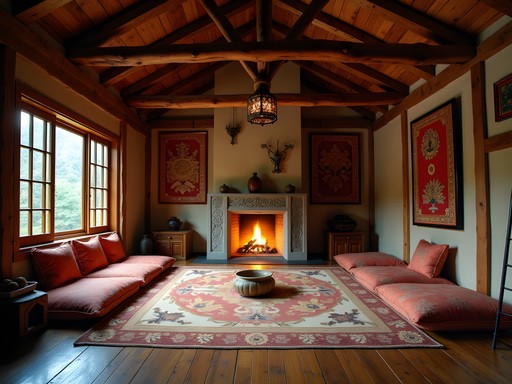
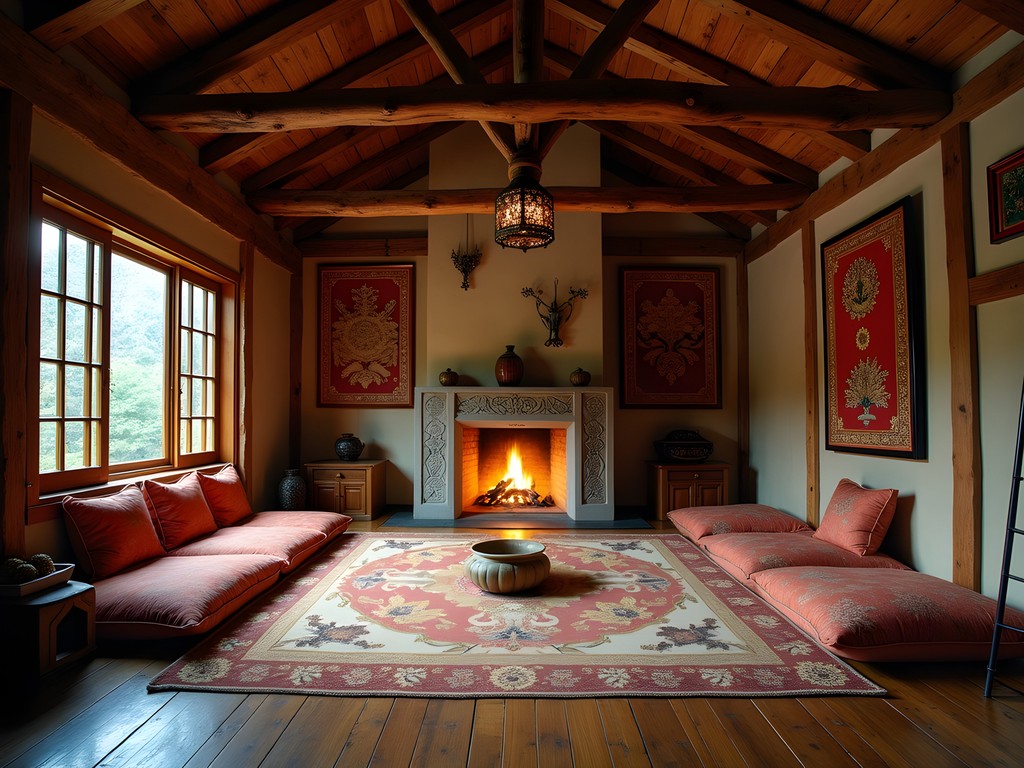
- Request a home with a traditional Tujia fireplace room for the full cultural experience
Final Thoughts
As our week among the Tujia villages of Zhangjiajie came to an end, I found myself reflecting on what we'd gained beyond photographs and souvenirs. In my years as both a nurse and a traveler, I've learned that the most profound healing often comes through human connection—something the Tujia people offer in abundance despite material simplicity.
The villages surrounding Zhangjiajie's famous peaks hold wisdom that can't be captured in a quick tour or Instagram post. They require time, respect, and genuine curiosity. While the magnificent karst formations will certainly take your breath away, it's in these ancient communities where you'll find your breath again—deeper and more connected to something timeless.
For couples seeking to strengthen their bond through travel, these villages offer a perfect backdrop for meaningful connection. Away from digital distractions and tourist crowds, you'll find yourselves having conversations that matter, learning new skills together, and creating memories that transcend the ordinary. Just as I've watched these experiences transform my relationships over the years, I'm confident they'll enrich yours as well. The Tujia have a saying that translates roughly to "a shared path reveals shared hearts"—wisdom worth traveling halfway around the world to discover.
✨ Key Takeaways
- Venture beyond Zhangjiajie National Park to experience authentic Tujia culture in surrounding villages
- Spring offers ideal weather plus the bonus of traditional planting festivals and ceremonies
- Homestays provide deeper cultural immersion than hotels and directly support local communities
- Learning even basic Mandarin phrases significantly enhances the connection with local people
- The Tujia cultural experiences offer couples unique opportunities to bond through shared learning
📋 Practical Information
Best Time to Visit
Spring (April-May) for comfortable temperatures and cultural festivals
Budget Estimate
$75-150 per day per couple including homestays, meals, and local transportation
Recommended Duration
5-7 days to balance park visits with village experiences
Difficulty Level
Moderate (Requires Basic Fitness For Village Walks And Cultural Openness)


Comments
islandtime
Love the photos!
Oliver Duncan
Mate, this really resonates. I spent time with the Miao communities in Guizhou a few years back and had a similar experience - the cultural side of these trips ends up meaning so much more than the Instagram shots. The Baishou dance sounds incredible. Did you find the younger generation still engaged with these traditions? That was my biggest question in Guizhou - wondering how much would survive another generation. Also, that Tujia bacon you mentioned has me drooling. The preserved meats in that region are next level.
Hayden James
Great question Oliver. Honestly it was mixed - some young people were really proud and involved, others had moved to cities. But the villages we visited had programs teaching kids the traditional crafts which was encouraging. Would love to hear more about your Guizhou experience - been wanting to get there!
Oliver Duncan
That's good to hear about the programs. Guizhou is brilliant - less touristy than Zhangjiajie. I'll shoot you an email with some village contacts if you're keen.
wanderbuddy
How did you find the villages to visit? Is there like a tour or can you just show up? I'm going in September and really want to see the brocade weaving you mentioned.
Hayden James
We hired a local guide through our guesthouse in Wulingyuan. You CAN go independently but having someone who speaks the dialect made such a difference. The weavers were so welcoming when we had proper introductions. September is perfect timing!
wanderbuddy
awesome thanks!!
skyguide593
This is AMAZING!! I had no idea there was so much culture beyond the mountains. Definitely adding the villages to my list!
Hayden James
So glad this inspired you! The villages are honestly the highlight. Don't skip them!
coffeeperson
Your photos are gorgeous!! Really inspiring me to get off the typical tourist trail more
Sarah Powell
Really appreciate how you highlighted the cultural dimension here. Too many Zhangjiajie itineraries skip this entirely and just focus on the Avatar mountains. The Tujia population is around 8 million but they're one of China's lesser-known minorities internationally. I found the animistic elements of their spirituality particularly fascinating - that connection between nature worship and their mountain environment. When I visited, I documented how their traditional medicine practices overlap with what you'd find in TCM but have distinct regional variations. The fermented foods alone deserve their own deep dive!
escapeking
What's the best time of year to visit for cultural stuff? I've been to Zhangjiajie but only did the national park.
Sarah Powell
Not Hayden, but I'd suggest timing it with the Tujia New Year (usually April) or the Hand-Waving Dance Festival if you want the full cultural experience. Spring and fall are ideal weather-wise too.
coolzone
OMG adding this to my bucket list immediately!! The food section has me drooling 🤤
Haley Hamilton
Hayden, this brought back so many memories! I stayed with a Tujia family back in 2019 and watching the grandmother weave brocade every morning was absolutely mesmerizing. She let me try and I was TERRIBLE at it - the patience and skill required is unreal. The patterns tell stories too, which I didn't realize until she explained through her granddaughter translating. Did you get to see any of the traditional stilted houses (diaojiaolou)? Those wooden structures are architectural marvels.
Hayden James
Yes! The stilted houses were incredible. We stayed in one that had been converted to a guesthouse. Waking up to mountain mist from that wooden balcony was unforgettable.
adventurevibes
How did you find the villages to visit? Is there like a tour or can you just show up?
Hayden James
We hired a local guide through our guesthouse in Zhangjiajie city. Some villages are more accessible than others - I'd definitely recommend having someone who speaks the local dialect!
adventurevibes
Thanks! That's really helpful
Venture X
Premium card with 2X miles, $300 travel credit, Priority Pass