

Disclosure: This article contains affiliate links. We may earn a commission from purchases at no extra cost to you, which helps our travel content.
The moment I stepped onto the narrow, winding streets of Stone Town, the air thick with the scent of cloves and salt water, I knew this UNESCO World Heritage site would captivate both the scientist and cultural explorer in me. As someone who typically spends more time beneath the waves than wandering historical alleyways, Zanzibar's historic heart offered a perfect weekend respite from my coral restoration project along Tanzania's coast. Stone Town isn't just a collection of weathered buildings and bustling markets—it's a living museum where Swahili, Arabic, Indian, Persian, and European influences have created one of Africa's most culturally significant coastal settlements. The intricate wooden doors, each telling stories of the families behind them, reminded me that like coral reefs, human cultural ecosystems develop distinct patterns over time, shaped by countless interactions and environmental factors. Join me as I navigate Stone Town's labyrinthine alleys, discovering how this remarkable coastal community connects to the marine world I study, while offering couples a perfect autumn getaway filled with history, cuisine, and unforgettable cultural immersion.

Navigating the Living Labyrinth
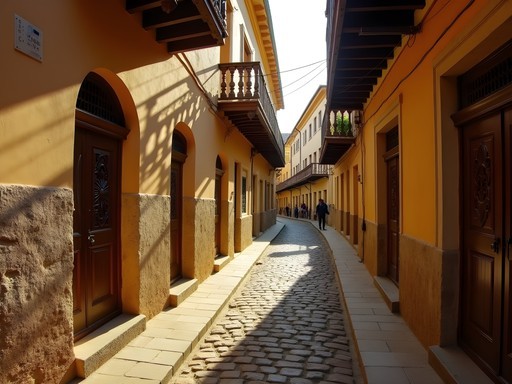
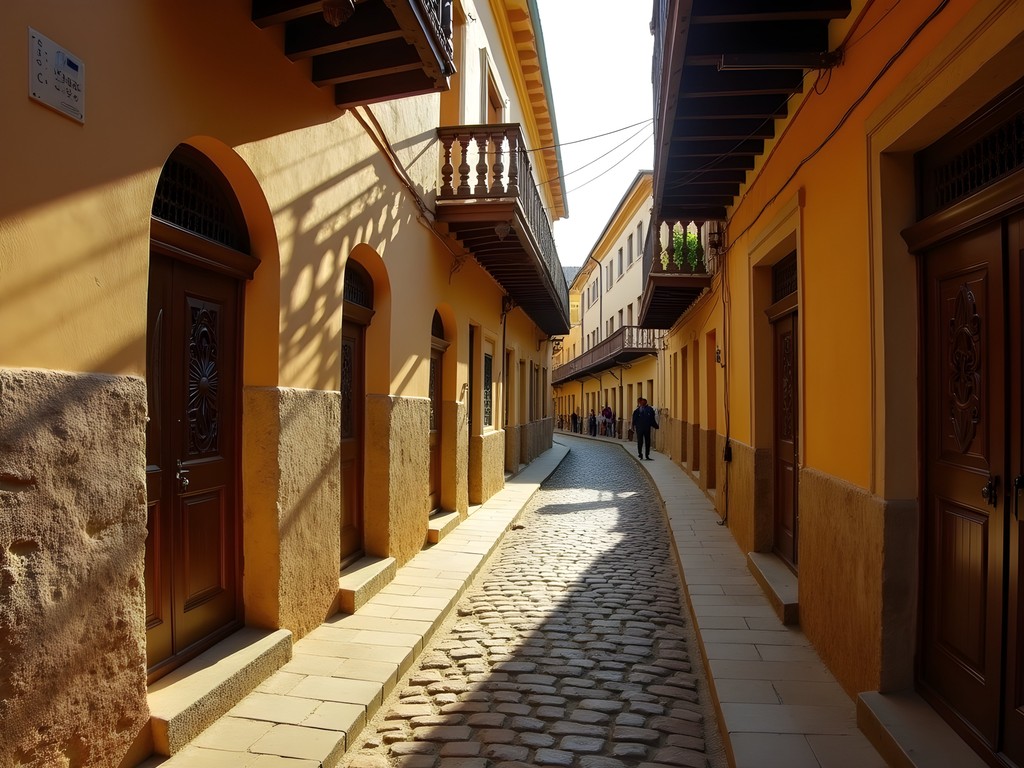
Stone Town's narrow streets form an intricate maze that defies conventional navigation—much like exploring a complex reef ecosystem for the first time. My marine biologist's instinct for mapping underwater topographies proved surprisingly useful here, though I still found myself gloriously lost multiple times during my weekend visit.
The architectural tapestry reveals itself gradually: imposing Omani-style buildings with ornately carved doorways stand alongside simple coral rag structures, while Indian-influenced balconies overlook bustling market streets. Each building bears the weathering patterns of coastal proximity—salt erosion creating textures that remind me of the calcium carbonate structures I study underwater.
I recommend beginning your exploration at the Old Fort (Ngome Kongwe), built by Omani Arabs in the late 17th century after expelling the Portuguese. This provides an excellent orientation point before diving into the labyrinth. From there, allow yourself to wander without agenda—the true magic of Stone Town reveals itself when you surrender to its flow.
I found my travel journal invaluable for sketching architectural details and jotting down observations about the cultural intersections I witnessed. The tactile experience of documenting observations on paper connected me more deeply to the place than digital documentation alone would have.
💡 Pro Tips
- Download an offline map but don't rely on it exclusively—getting pleasantly lost is part of the experience
- Visit early morning (before 8am) to experience local life before tourist crowds emerge
- Look up frequently—some of the most interesting architectural details are above eye level
The Language of Doors: Cultural Storytelling Through Architecture
As a linguist at heart (I've studied five languages to better connect with coastal communities during my research), I was fascinated by Stone Town's famous doors—each functioning as a cultural text to be read and interpreted. These aren't merely entrances but elaborate status symbols and historical documents carved in wood.
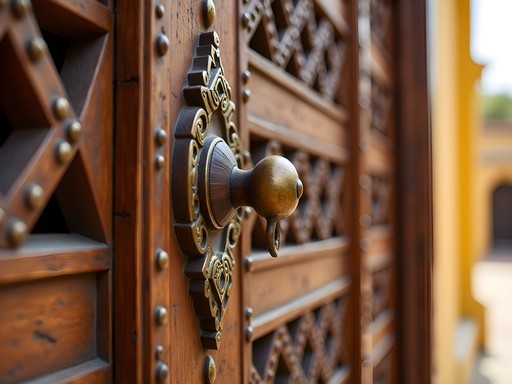
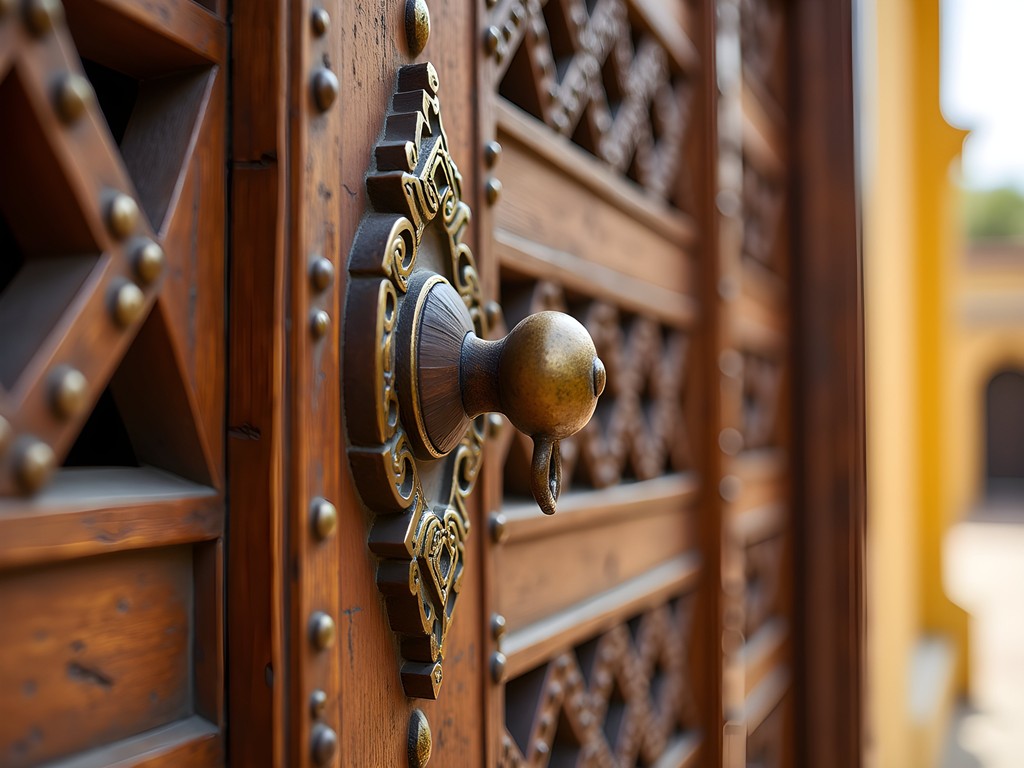
The most distinctive are the massive rectangular Indian-style doors, adorned with brass studs originally designed to prevent elephants from battering them down—a design element brought from Gujarat that persisted long after its practical purpose became obsolete. In contrast, the Arab-style doors feature intricate geometric patterns and often Quranic inscriptions, reflecting Islamic artistic traditions.
I spent an entire morning photographing these magnificent entrances with my travel camera, which proved perfect for capturing the intricate details in the variable lighting conditions of the narrow streets. The articulated screen allowed me to shoot from creative angles without attracting attention.
What struck me most was how these doors represent the ultimate fusion of practical function and cultural expression—each brass stud, carved flower, or chain motif conveying specific meaning about the family's status, profession, or cultural heritage. My guide pointed out that fish motifs often indicated a family connected to maritime trade, while vine patterns suggested agricultural wealth.
For couples visiting Stone Town, I suggest making a game of identifying the different door styles and discussing what stories they might tell—it creates a shared experience of cultural discovery that's both intellectually stimulating and visually rewarding.
💡 Pro Tips
- Book a specialized architecture tour with a local guide who can explain the symbolism
- Visit the Zanzibar Gallery on Kenyatta Road to purchase a book on door symbolism
- Photograph doors in early morning or late afternoon when shadows accentuate the carvings
Maritime Heritage: Where Ocean Meets Culture
As a marine biologist, I'm naturally drawn to the connections between coastal communities and their adjacent marine ecosystems. Stone Town's relationship with the Indian Ocean permeates every aspect of life here—from the seafood markets to the architectural elements incorporating coral rag as a building material.
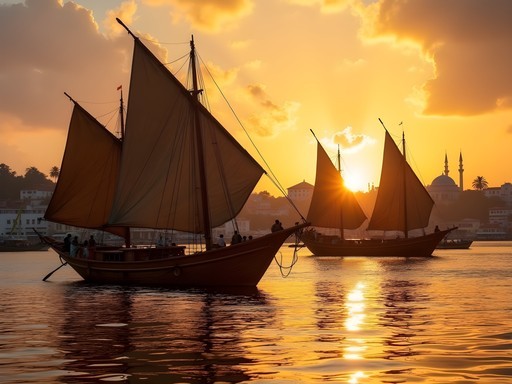
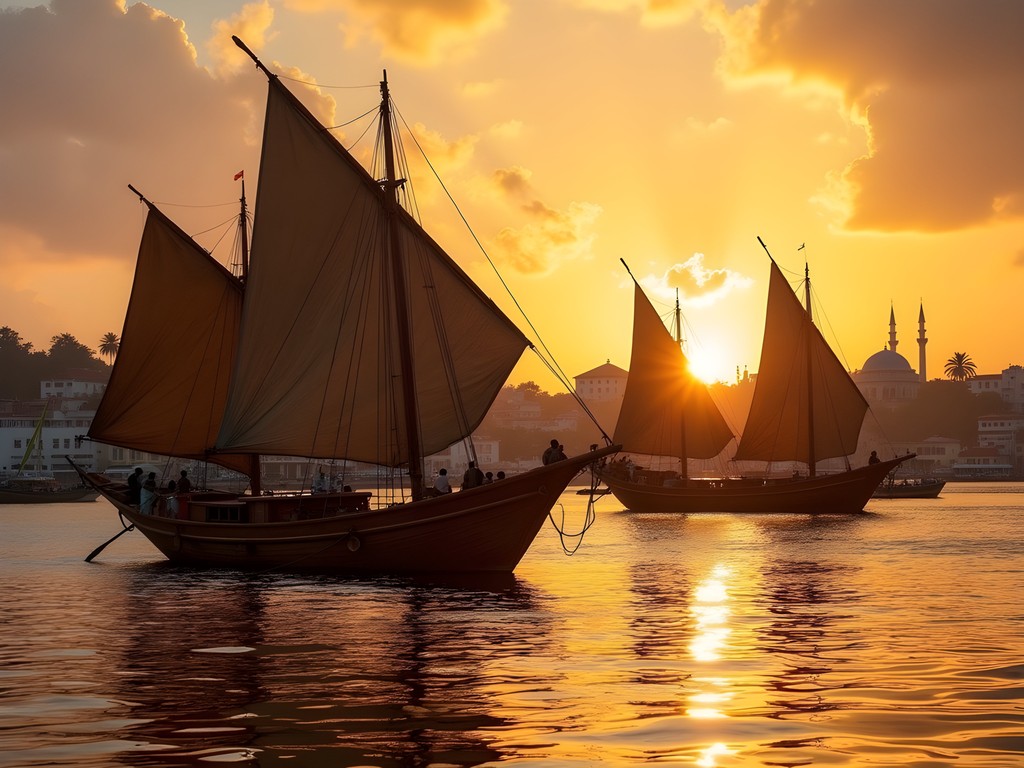
The Dhow Harbor, particularly at sunset, offers a mesmerizing glimpse into maritime traditions that have remained largely unchanged for centuries. These wooden sailing vessels—with their distinctive triangular sails—have connected Zanzibar to Arabia, India, and the African mainland for over a millennium, creating the trade networks that built Stone Town's multicultural identity.
I spent an enlightening afternoon at the Palace Museum (formerly the Sultan's Palace), where exhibits detail Zanzibar's maritime history and its role in Indian Ocean trade networks. The museum occupies a seafront building that served as the sultan's residence until the 1964 revolution. While the exhibits could benefit from modernization, the historical photographs and maritime artifacts provide valuable context for understanding Stone Town's development.
For a truly immersive experience, I recommend arranging a sunset dhow cruise through your accommodation. Our two-hour journey aboard a traditional vessel provided not only spectacular views of Stone Town's seafront but also insight into traditional sailing techniques. The captain, a third-generation seafarer, shared fascinating stories about navigating by stars—indigenous knowledge systems that parallel the scientific methods I use in my research but developed through generations of practical experience.
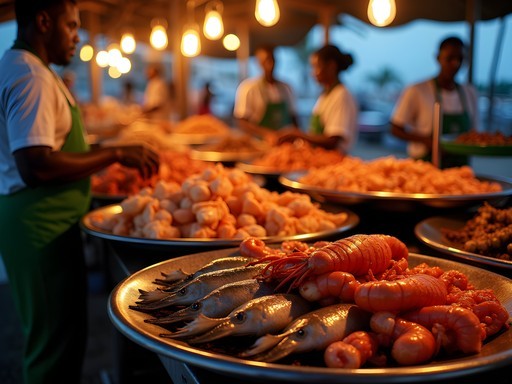
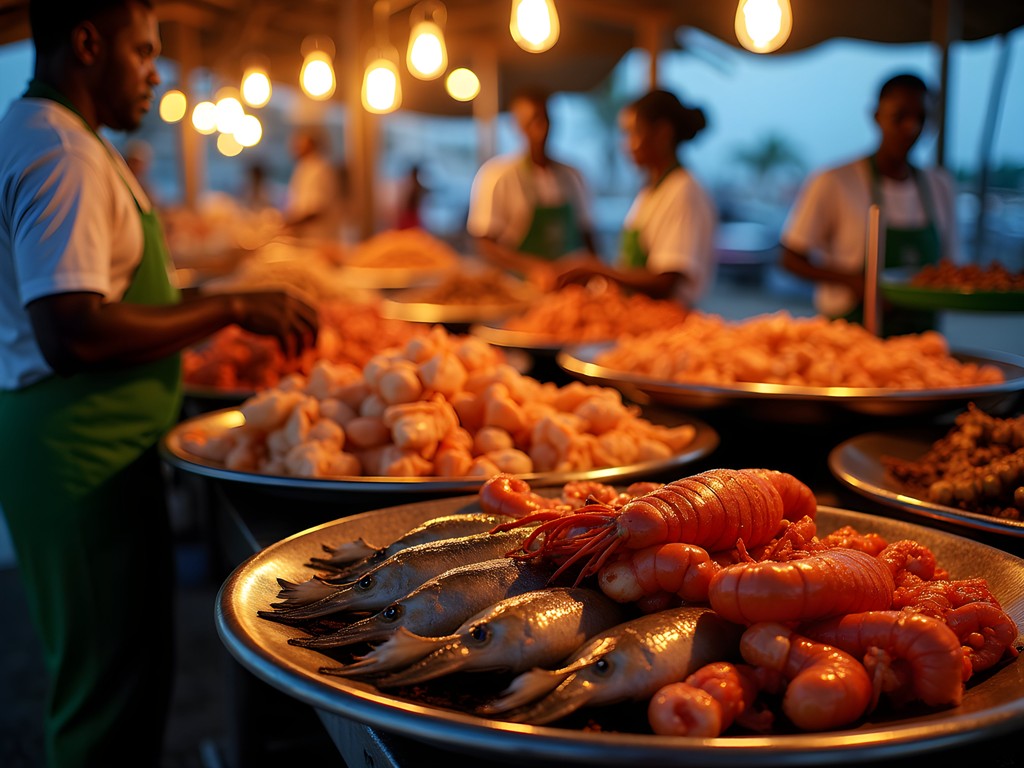
The interconnection between maritime heritage and cultural identity becomes most apparent at Forodhani Gardens night market, where local fishermen bring their daily catch to be transformed into spectacular seafood dishes right before your eyes.
💡 Pro Tips
- Book a sunset dhow cruise at least one day in advance through your hotel
- Visit the House of Wonders maritime museum if open (it's been under renovation)
- Engage fishermen at the morning fish market for conversations about changing marine conditions

Culinary Crossroads: Tasting Stone Town's Cultural Fusion
If architecture represents Stone Town's cultural fusion made visible, then its cuisine is that same fusion made deliciously edible. As someone who plans travel itineraries around coffee and culinary experiences, I found Stone Town's food scene to be among the most fascinating aspects of my visit.
Spices form the foundation of Zanzibari cuisine—not surprising given the island's history as the world's largest clove producer and a major spice trading hub. I highly recommend beginning your culinary exploration with a spice farm tour just outside Stone Town. Our guide at Tangawizi Spice Farm demonstrated how each plant is grown and harvested, connecting the agricultural practices to the finished flavors we would later encounter in local dishes.
Back in Stone Town, the Forodhani Gardens night market offers an accessible introduction to local seafood preparations. Arriving around 6:30pm, I watched as vendors set up their stalls with artistic displays of grilled fish, lobster, octopus, and the local specialty—Zanzibar pizza (a savory crepe-like dish). While certainly touristy, the market provides a low-pressure environment to sample multiple dishes in one location.
For a deeper dive into Zanzibari cuisine, I enrolled in a cooking class at The Spice House, where we prepared a traditional Swahili curry using freshly ground spice mixtures. The instructor explained how Indian, Arabic, and African cooking techniques merged over centuries to create distinctive flavor profiles unique to the island.
Coffee culture here reflects similar cultural intersections. I started each morning at Puzzle Coffee Shop, where locally grown beans are prepared using methods that blend Turkish, Italian, and traditional East African techniques. My travel coffee grinder allowed me to prepare fresh coffee in my room using beans purchased from local vendors—a morning ritual that connected me to both the agricultural heritage and daily rhythms of the island.
💡 Pro Tips
- Eat at Lukmaan Restaurant for authentic local food at reasonable prices
- Book a spice farm tour that includes transportation and lunch for best value
- Visit the night market after 7pm when prices become more negotiable
Ethical Engagement: Responsible Tourism in Stone Town
As both a scientist and traveler committed to sustainable tourism, I approach cultural immersion with the same ethical considerations that guide my marine conservation work. Stone Town presents unique opportunities for meaningful cultural exchange, but also requires thoughtful engagement.
Zanzibar's complex history includes the dark chapter of the slave trade—a reality confronted at the Anglican Cathedral, built on the site of the former slave market. The small museum beneath the cathedral provides essential historical context, while the monument outside offers a powerful memorial to this painful history. I found this site crucial for understanding how Stone Town's architectural beauty was partially funded through human suffering—a complexity that responsible tourism must acknowledge rather than gloss over.
For accommodations, I chose Kisiwa House, a locally-owned boutique hotel in a restored 19th-century Zanzibari merchant house. While not the least expensive option, staying in a historic building that's been thoughtfully preserved supports architectural conservation efforts. The packing cubes I brought helped me organize my belongings efficiently in the antique wardrobe without damaging the historic furniture.
Photography ethics require particular attention in Stone Town. Always ask permission before photographing residents, especially women. I found that learning a few Swahili phrases created goodwill and often turned photo requests into genuine cultural exchanges. My approach is to engage in conversation first, explaining my interest in cultural documentation, and only then requesting a photograph.
Finally, water conservation remains critical on an island with limited resources. The historic plumbing systems in Stone Town weren't designed for modern tourism levels. Simple practices like reusing hotel towels and taking shorter showers help reduce strain on these systems—applying the same conservation mindset I bring to marine environments.

💡 Pro Tips
- Support local artisans at cooperatives like Upendo where proceeds directly benefit community members
- Choose locally-owned accommodations that preserve historic buildings
- Learn basic Swahili greetings to show respect for local culture
Final Thoughts
As I departed Stone Town, watching its distinctive skyline recede from the ferry, I reflected on how this UNESCO site exemplifies the interconnectedness I study as a marine biologist. Just as coral reefs form through countless organisms contributing to a greater whole, Stone Town's cultural landscape has been shaped by centuries of diverse influences creating something uniquely beautiful. For couples seeking a weekend immersion in living history, Stone Town offers an unparalleled opportunity to explore together—navigating labyrinthine streets, decoding architectural symbolism, and savoring fusion flavors that tell stories of ancient trade routes. The autumn months provide ideal weather for exploration without the crowds of high season. Whether you're drawn by the architecture, cuisine, or maritime heritage, Stone Town rewards curious travelers with layers of discovery that continue to reveal themselves long after you've returned home. I'll certainly be back—both for the ongoing coral restoration project along Zanzibar's coast and to further explore the cultural ecosystem that makes Stone Town an enduring testament to human creativity and resilience.
✨ Key Takeaways
- Stone Town is best experienced through unstructured wandering rather than rigid itineraries
- The architectural details, particularly the famous doors, provide a visual language for understanding Zanzibar's multicultural history
- Autumn offers ideal weather conditions with fewer tourists and more authentic cultural experiences
📋 Practical Information
Best Time to Visit
September-November (fall shoulder season)
Budget Estimate
$80-150 per day for mid-range accommodations, meals and activities
Recommended Duration
2-3 days
Difficulty Level
Beginner






Comments
freelegend
Great post! One tip for anyone visiting - the narrow streets can be confusing even with maps. I downloaded an offline map and dropped pins at our guesthouse and key landmarks. Saved us so much stress! Also, negotiate EVERYTHING but with a smile. The sunset dhow cruises are worth it but prices vary wildly depending on who you ask. And definitely try the sugarcane juice with lime and ginger from the street vendors - refreshing in that heat.
wavelife
OMG this post brings back so many memories!!! We did a food tour in Stone Town last summer and it was THE HIGHLIGHT of our entire Tanzania trip! Our guide took us to this tiny place where they make the most amazing Zanzibar pizza (nothing like Italian pizza btw). And the spiced coffee? DIVINE! Avery - did you try the octopus curry at the night market? That sunset view from the food stalls with all the local fishermen bringing in their catch was straight out of a movie. Seriously people, don't skip Stone Town when you visit Zanzibar - it's not just about the beaches!
globeking
Which food tour did you do? Heading there next month!
wavelife
We used 'Taste of Zanzibar Tours' - ask for Mohammed! He knows EVERYBODY and will take you to places tourists never find. Worth every penny!
springvibes
Planning a trip for early next year - is there a best time to visit Stone Town? Worried about the heat and crowds!
freelegend
June to October is great - less rain and humidity is bearable. I went in February and it was SUPER hot. Still amazing though!
Taylor Moreau
I'd second that. Also, consider carrying a portable fan - absolute lifesaver in those narrow streets where the breeze doesn't reach!
Taylor Moreau
Avery, your piece really captures the essence of Stone Town beautifully. I was there on business last year and extended my stay specifically to explore this fascinating place. The way you described the 'living labyrinth' is spot on - I got wonderfully lost for hours and discovered the most charming little workshops and cafes. For anyone planning a visit, I highly recommend hiring a local guide for at least the first day. They'll share stories you'd never discover on your own, particularly about the historical significance of the architecture. The spice markets are also not to be missed - I brought back some incredible vanilla pods that my chef friends are still raving about.
globeking
Those carved doors are something else! Spent hours just wandering and photographing them when I visited.
wavelife
Same! Did you notice how each one tells a different story? The brass studs were originally to protect against elephants!
globeking
No way! Didn't know that about the studs. Makes them even cooler!
winterzone
What about the food? Any specific places you'd recommend?
Avery Andrews
The Forodhani Gardens night market is a must! Try the Zanzibar pizza and the grilled seafood. For sit-down meals, Lukmaan Restaurant has amazing biryani and is super affordable.
Jean Wells
Your observations about the architectural layering are spot-on, Avery. I spent three days in Stone Town last year and found the Persian, Arab, and Indian influences fascinating - particularly in the door carvings you mentioned. The brass studs originally served a practical purpose (preventing elephant damage in India), but became purely decorative in Zanzibar. I'd add that hiring a local guide for at least half a day really enriched my understanding of the Omani sultanate period and the spice trade routes. The maritime museum near the dhow harbor is also underrated.
winterzone
How much did your guide cost? Planning a trip for next year
Jean Wells
Around $30 USD for a 4-hour walking tour. Well worth it - they know all the hidden courtyards and can explain the Swahili cultural nuances you'd otherwise miss.
springwanderer
Those doors are incredible! Did you just wander around photographing them or is there like a specific route?
Avery Andrews
Just wandered honestly! The best ones are scattered throughout. I'd recommend starting near the Old Fort and just getting lost - you'll stumble upon amazing doors everywhere.
springwanderer
Perfect, thanks!
exploreguy
Really like your photos, especially the architecture shots
coolrider
How easy is it to navigate without a guide? I'm thinking of exploring on my own
exploreguy
you'll get lost for sure but that's part of the fun lol. just download offline maps
coolrider
perfect, thanks!
Venture X
Premium card with 2X miles, $300 travel credit, Priority Pass