Disclosure: This article contains affiliate links. We may earn a commission from purchases at no extra cost to you, which helps our travel content.
There's a Bhutanese concept called neykor — spiritual pilgrimage — that perfectly captures what travel to this Himalayan kingdom should feel like. It's not merely about witnessing Thimphu's golden-roofed monasteries or browsing its vibrant markets; it's about allowing the rhythm of this place to transform you from within. After years of dreaming about visiting the world's only carbon-negative country, I finally found myself standing beneath prayer flags fluttering against crystalline spring skies, ready to discover how luxury and mindfulness intertwine in Bhutan's captivating capital.

Finding Sacred Space: Spiritual Immersion Beyond the Tourist Trail
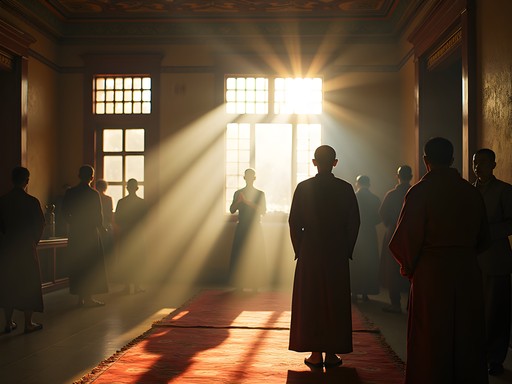
My journey into Thimphu's spiritual heart began not at the famous Buddha Dordenma statue (though its 169-foot golden presence watching over the valley is undeniably moving), but at a small neighborhood temple where my guide's grandmother performs morning rituals. Here, wrapped in the scent of juniper incense and the melodic chants of elderly practitioners, I experienced driglam namzha — Bhutan's traditional etiquette — firsthand.
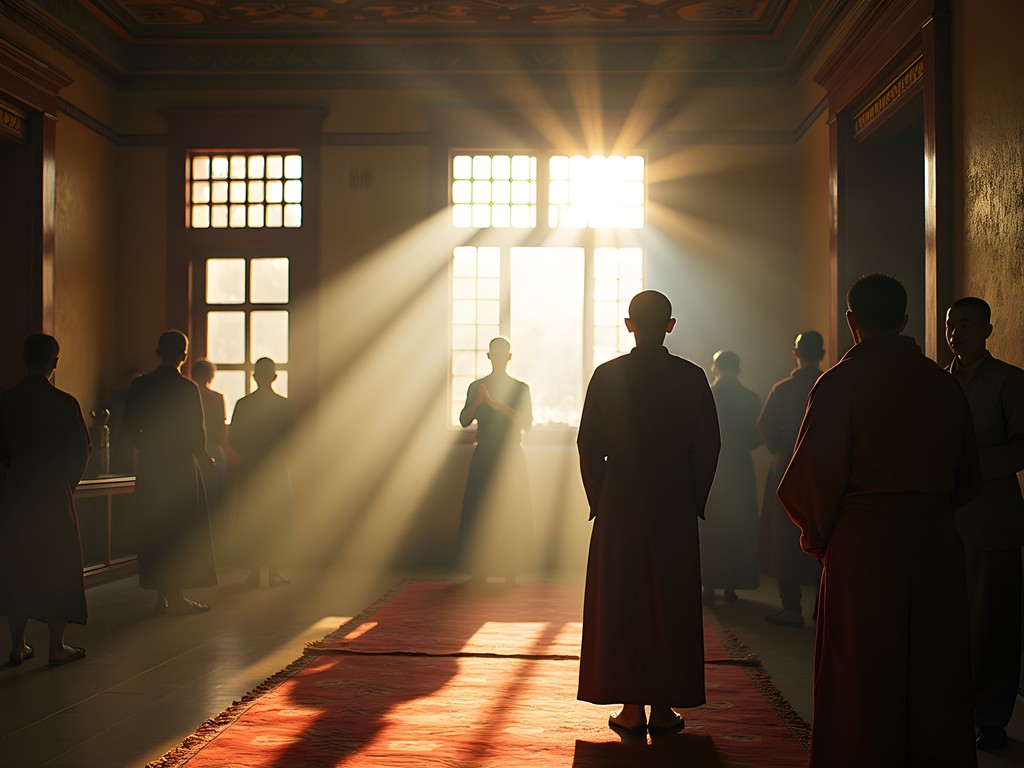
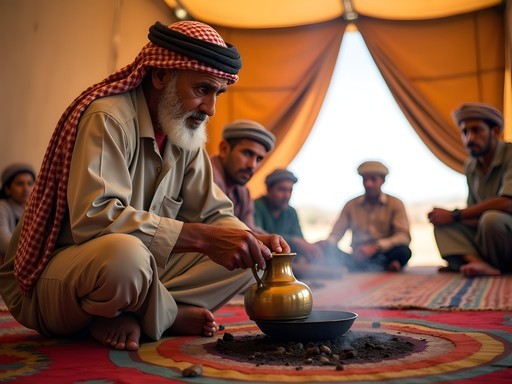
The true luxury of Bhutan lies in these intimate moments of connection. Through my local guide service, I was introduced to Lama Yeshe, who invited us to participate in a private blessing ceremony at Dechen Phodrang Monastery. As dawn painted the mountains gold, we sat cross-legged on hand-woven meditation cushions while monks chanted ancient texts, the vibrations seeming to align something deep within me.
Later, at my guide's suggestion, I brought my own singing bowl to a sunset meditation at Changangkha Lhakhang. The 12th-century temple's caretaker nodded appreciatively as I unpacked it, explaining that sound healing has been practiced in these mountains for centuries. As our bowls sang together, the boundary between tourist and tradition momentarily dissolved.
💡 Pro Tips
- Arrange temple visits through a local guide with personal connections to ensure respectful access to non-tourist ceremonies
- Pack appropriate clothing that covers shoulders and knees, preferably in subdued colors
- Learn basic Dzongkha greetings to show respect when entering sacred spaces
Market Whispers: Navigating Thimphu's Trading Traditions
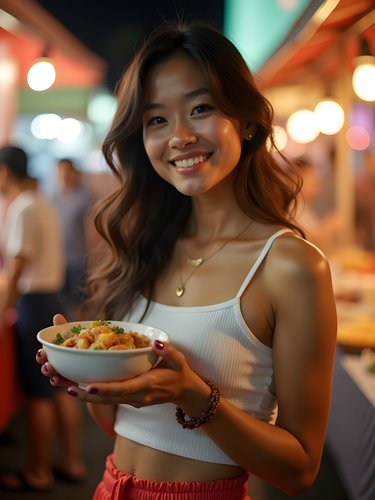
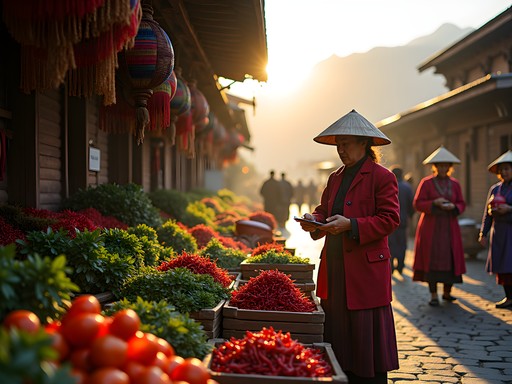
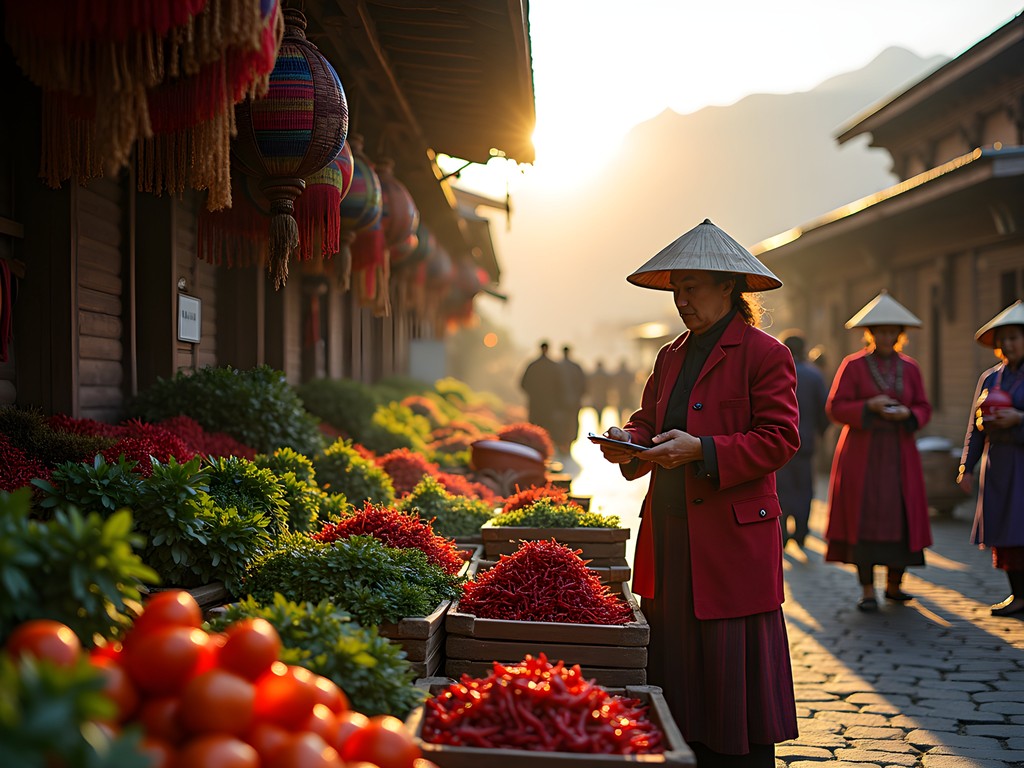
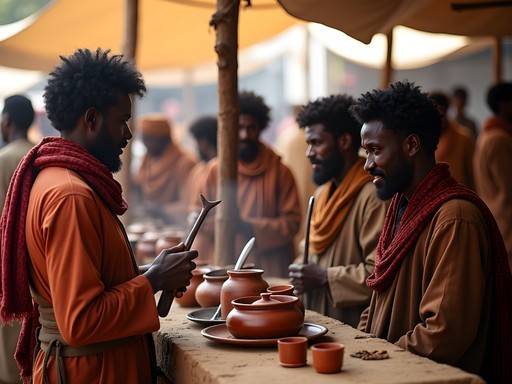
My years driving bus routes through Seoul's bustling markets gave me a peculiar talent for spotting the authentic pulse of a city's commerce. In Thimphu, this led me away from the Weekend Market's tourist-friendly stalls to the farmers' morning exchange at Centenary Farmers' Market, where I arrived at 5:30 AM as vendors were still arranging pyramids of scarlet chilies and foraged mushrooms.
A grandmother selling hand-ground buckwheat flour beckoned me closer, pressing a pinch between my fingers to demonstrate its quality. Through my guide's translation, she shared that this flour would become hoentay dumplings for an upcoming festival. Without hesitation, I purchased a bag, along with her recommendation of a traditional wooden dumpling mold carved from local walnut.
'To truly know Bhutan, you must taste it,' my guide's mother told me later that day as she welcomed us into her home kitchen. She showed us how to fold the dumplings while sharing stories of her childhood in rural Thimphu Valley. The intimacy of this cooking lesson—arranged through the luxury homestay program—offered insights no restaurant experience could match. We dined on our creations as evening fell, the conversation flowing as easily as the homemade ara (rice wine) she served in small porcelain cups.
💡 Pro Tips
- Visit markets before 7 AM to see locals trading before tourist hours begin
- Bring small denominations of ngultrum (local currency) for market purchases
- Ask permission before photographing vendors or their goods
Hands That Create: Artisan Workshops and Living Heritage
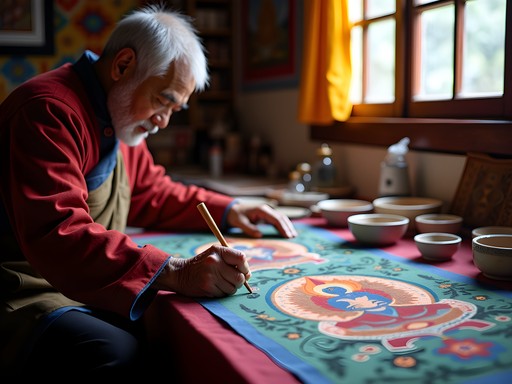
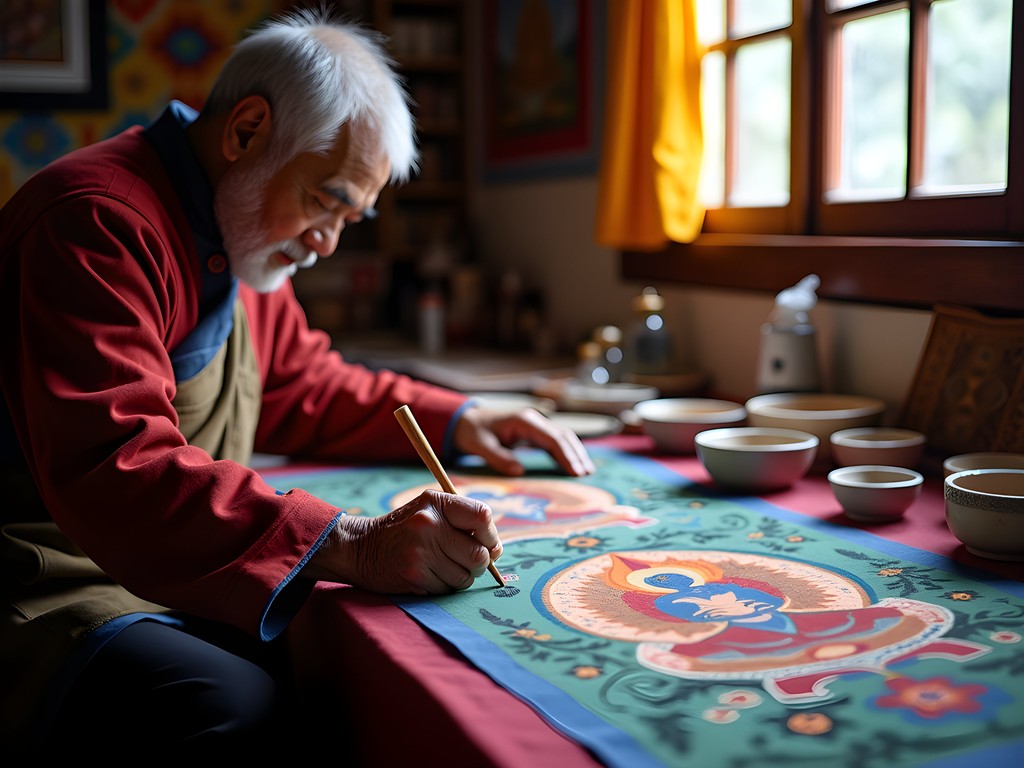
Bhutan measures progress not by GDP but by Gross National Happiness, with cultural preservation forming one of its four pillars. This philosophy manifests beautifully in Thimphu's National Institute for Zorig Chusum, where students master the country's 13 traditional arts. Rather than merely touring the facility, I arranged a three-day immersion in thangka painting through my hotel's cultural program.
My instructor, Master Tshering, has painted Buddhist deities for over forty years. 'The brush becomes an extension of your spirit,' he explained, guiding my hand as I applied mineral pigments to cotton canvas. I found myself completely absorbed in the meditative process, the hours dissolving as we worked in companionable silence punctuated by his occasional guidance.
For those seeking authentic artisanal souvenirs, bypass the government emporium in favor of the Authentic Bhutanese Crafts Bazaar along Norzin Lam. Here I discovered a fourth-generation weaver creating intricate kira textiles. After demonstrating her backstrap loom technique, she helped me select a handwoven table runner dyed using traditional plant methods. To protect this delicate textile during my travels, I was grateful for the packing organizer I'd brought specifically for fragile souvenirs.
Later, at a small paper-making workshop hidden in a residential neighborhood, I learned the ancient technique of creating lokta paper from Daphne plant bark. The master craftsman showed me how to press flower petals into the pulp, creating stationery I now use for my most meaningful correspondence. These hands-on experiences connect travelers to Bhutan's living heritage in ways that observation alone never could.
💡 Pro Tips
- Book workshop experiences at least two weeks in advance through your accommodation
- Bring an apron or clothing you don't mind getting pigments on for craft workshops
- Purchase art supplies locally to support the traditional materials economy

Conservation in Action: Connecting with Bhutan's Environmental Ethos
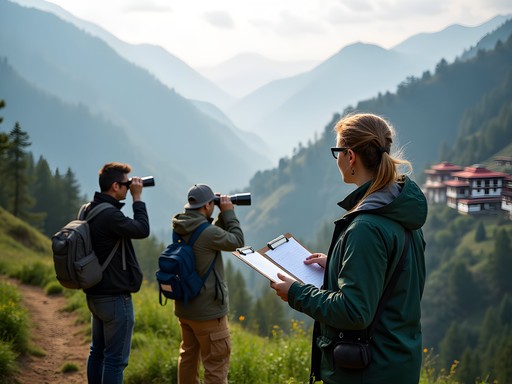
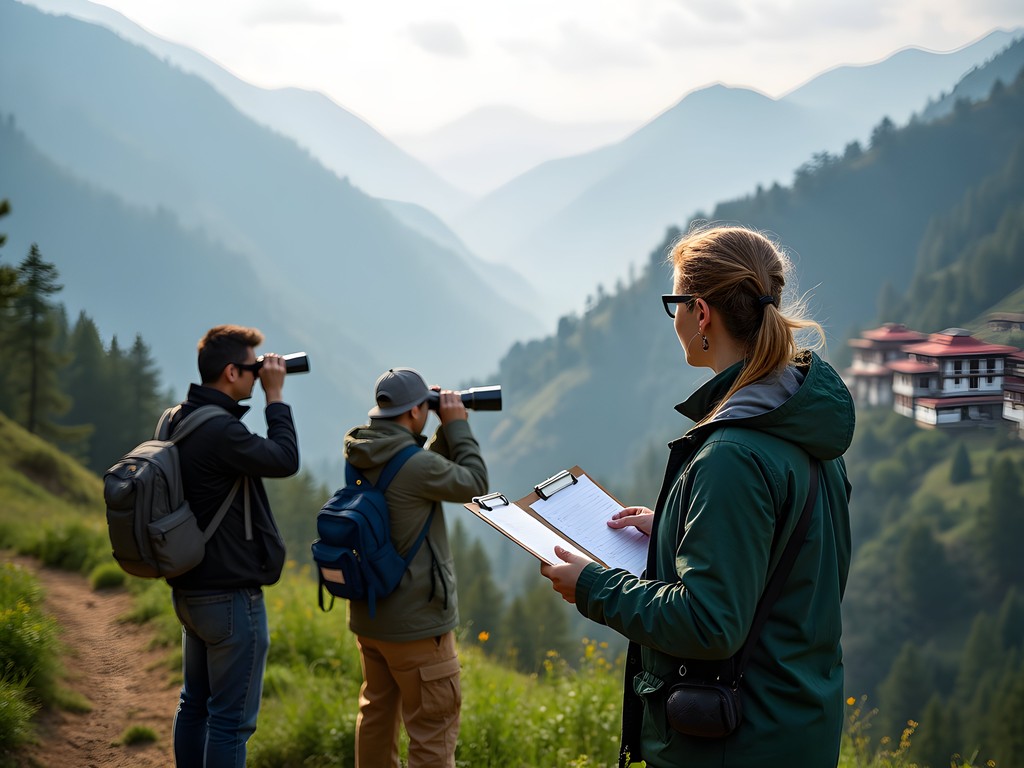
My environmental conservation background made Bhutan's pioneering sustainability initiatives particularly meaningful. Rather than simply admiring the country's commitment to remaining carbon-negative, I wanted to participate in their ecological stewardship. Through the Royal Society for Protection of Nature, I joined a day of fieldwork with scientists monitoring black-necked cranes in Thimphu Valley.
Armed with my spotting scope, we spent dawn hours documenting the endangered birds' feeding patterns. The lead researcher explained how traditional Buddhist values of non-harm have protected these creatures for centuries, while modern conservation science now supplements these cultural safeguards.
'Our environmental policies aren't separate from our spiritual practices,' explained Dorji, my guide from the Takin Preserve. 'When we protect the land, we honor the deities who dwell here.' This holistic perspective was evident at the preserve, where Bhutan's national animal—the unusual takin—roams in a natural sanctuary rather than a conventional zoo.
For couples seeking a meaningful shared experience, I recommend the forest bathing experience offered through the Bhutan Foundation. Our guide led us through ancient meditation practices beneath towering blue pines, teaching us to connect with the forest using all five senses. The experience concluded with a traditional blessing ceremony for the trees that have sustained Bhutanese culture for centuries—a powerful reminder of how luxury travel can nurture rather than deplete a destination.
💡 Pro Tips
- Pre-arrange conservation activities through the Royal Society for Protection of Nature at least one month before arrival
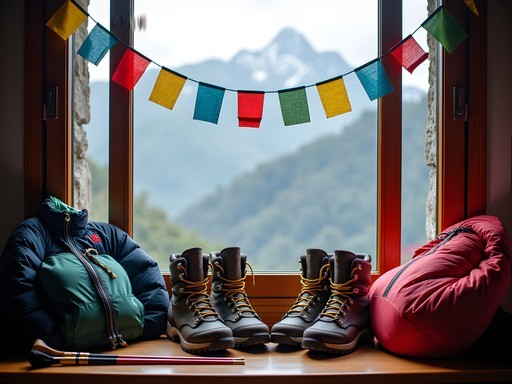
- Pack waterproof hiking boots for fieldwork opportunities
- Bring a reusable water bottle and refuse single-use plastics to honor Bhutan's environmental commitments
Sacred Luxury: Mindful Accommodations with Purpose
In a country where mindfulness permeates every aspect of life, Thimphu's luxury accommodations reflect a deeper philosophy of purposeful indulgence. I chose to split my stay between two distinctive properties that embody different aspects of Bhutanese hospitality.
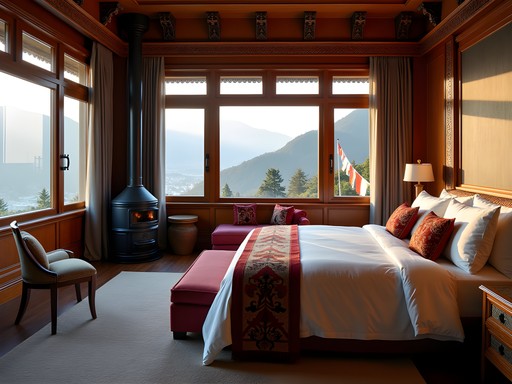
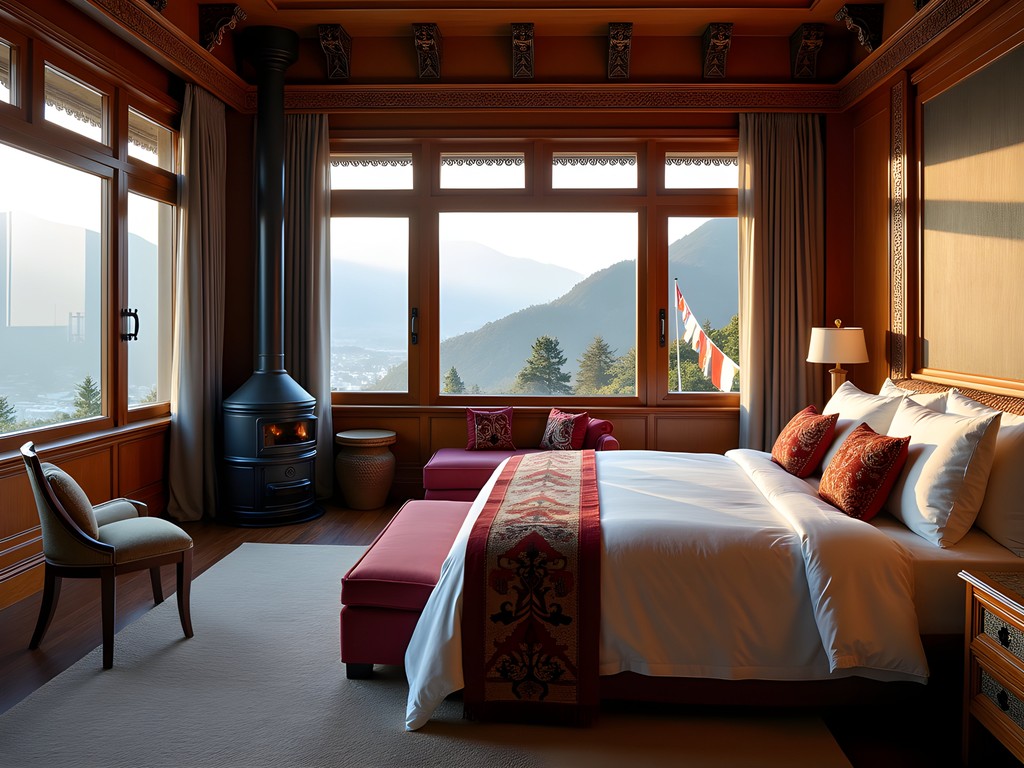
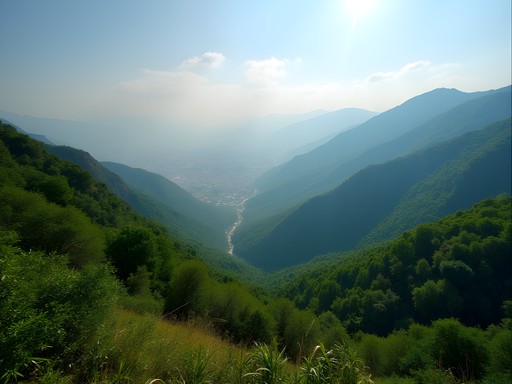
Amankora Thimphu sits nestled among blue pine forests on the outskirts of the capital. My suite featured floor-to-ceiling windows framing the Himalayan foothills, traditional bukhari wood stoves, and terrazzo-clad bathtubs positioned for mountain gazing. What elevated the experience beyond mere opulence was their commitment to cultural preservation—each evening featured different traditional performances or demonstrations, from masked dance to astrology readings.
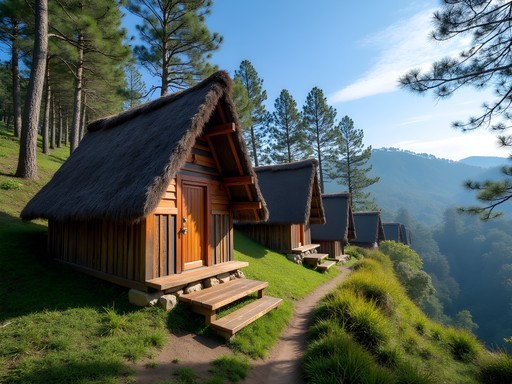
For a more intimate experience, I spent three nights at Zhiwa Ling Heritage, a Bhutanese-owned property where contemporary luxury meets authentic cultural elements. The hand-carved wooden details and temple-inspired architecture create a sense of place that chain hotels simply cannot replicate. My mornings began with meditation led by a resident monk, followed by breakfast incorporating herbs from their organic garden.
Both properties offer couples' experiences that forge deeper connections—to each other and to Bhutan. I particularly recommend the traditional hot stone bath ritual, where river stones are heated in a fire then placed in wooden tubs filled with water and medicinal herbs. After experiencing this centuries-old healing practice with my traveling companion, we enjoyed tea on a private balcony wrapped in luxury bathrobes, watching prayer flags send blessings across the valley as the sun set behind distant monasteries.
💡 Pro Tips
- Request rooms facing east for stunning sunrise views over prayer flags and mountains
- Book hot stone baths at least one day in advance as they require significant preparation time
- Participate in the complimentary morning meditation sessions offered at most luxury properties
Final Thoughts
As my week in Thimphu drew to a close, I found myself sitting beside an elderly weaver in the courtyard of Tashichho Dzong. We didn't share a language, yet communication flowed through smiles, gestures, and the universal language of presence. She took my hands in hers—fingers gnarled from decades of creating textiles—and tied a red protection string around my wrist, murmuring blessings.
This moment encapsulates what makes Thimphu extraordinary: beneath the surface of luxury experiences lies an invitation to genuine connection. Bhutan doesn't merely welcome visitors; it invites us to participate in its living traditions, to temporarily step into its worldview where happiness supersedes profit and where mindfulness isn't a wellness trend but a way of life.
For couples seeking to deepen their bond while expanding their horizons, Thimphu offers the rarest luxury of all—transformation. You'll return home with more than photographs and souvenirs; you'll carry new perspectives on what truly constitutes wealth and well-being. In a world increasingly defined by digital distraction and material acquisition, Bhutan's timeless wisdom feels not just refreshing but essential. May your journey here be not merely a vacation but a neykor—a pilgrimage of the heart.
✨ Key Takeaways
- Arrange private spiritual experiences through local connections for authentic immersion
- Participate in workshops rather than simply observing to truly connect with Bhutanese craftsmanship
- Balance luxury accommodations with community-based experiences for a more complete understanding of Bhutanese culture
- Incorporate conservation activities to appreciate Bhutan's pioneering environmental commitments
- Allow space in your itinerary for unplanned connections with local people
📋 Practical Information
Best Time to Visit
March to May (Spring)
Budget Estimate
$300-500 per person per day (including mandatory daily tariff)
Recommended Duration
7-10 days
Difficulty Level
Moderate

Comments
Claire Hawkins
What a lovely piece, Kinsley. The section on conservation really struck a chord with me. When we visited with our two daughters, we participated in a tree planting initiative near Thimphu and it became the highlight of their trip. They still talk about 'their' trees in Bhutan. I love how you've woven the spiritual aspects throughout - it's not separate from daily life there, it IS daily life. That's what makes Bhutan so transformative for families seeking meaningful travel beyond the usual tourist circuit.
starwanderer
That tree planting sounds amazing! Do they organize that regularly?
Claire Hawkins
Yes! Most tour operators can arrange it. It's part of Bhutan's carbon negative commitment. Such a special experience for kids especially.
backpacklover
Adding this to my bucket list!
starwanderer
Did you find the daily tariff worth it? I've been hesitant about Bhutan because of the cost but your post is making me reconsider. How many days would you recommend for Thimphu specifically?
Claire Hawkins
Not Kinsley, but we spent 4 days in Thimphu with our kids last year and it was perfect. The tariff includes everything so you're not constantly worrying about costs. Totally worth it for the authentic experiences.
Megan Martin
Kinsley, this beautifully captures the essence of Bhutanese travel. I visited Thimphu last year for a sustainable tourism conference and had a similar experience at the weekend market. The connection you made with the weaver really resonates - those unspoken moments often become the most meaningful memories. Your point about neykor as a travel philosophy is something I'll be reflecting on for my own approach to cultural immersion content.
Kinsley Andrews
Thank you, Megan! The conference sounds fascinating. Bhutan really does challenge how we think about tourism, doesn't it?
beachperson
Wow those photos are incredible!
coffeelover
This sounds amazing! Quick question - how did you arrange the artisan workshop visits? Can you just show up or do you need to book ahead? Planning a trip for April and this is exactly what I want to do.
Kinsley Andrews
Hey! Most workshops welcome drop-ins, but I'd recommend having your guide arrange it beforehand. The weavers especially appreciate advance notice. Where are you staying in Thimphu?
coffeelover
Thanks! Still figuring out accommodation but this helps a lot
moonzone
If you're going, definitely bring layers. The weather in Thimphu changes constantly throughout the day. I had my travel jacket with me and used it every single day - mornings are cold, afternoons warm, evenings freezing. Also agree about the spiritual aspect. Bhutan just hits different than other places. You really do feel like you're on a pilgrimage of sorts.
hikingguy
Good to know about the weather, thanks!
islandfan
Beautiful photos! Adding this to my bucket list
Frank Garcia
Really thoughtful piece, Kinsley. I appreciate how you've highlighted the participatory aspects rather than just observation. The sustainable tourism model in Bhutan is fascinating from an economic perspective - the high daily fee filters for quality over quantity, which theoretically preserves cultural authenticity. I'm curious about the artisan workshops you mentioned. Were these arranged through your tour operator or did you find them independently? I'm planning a trip for next year and keen to avoid the more commercialized experiences. The environmental conservation angle is particularly interesting given Bhutan's carbon-negative status.
Kinsley Andrews
Thanks Frank! Some were arranged through my guide, but I also asked locals for recommendations. The weaving workshop in particular was a friend-of-a-friend connection. I'd suggest being upfront with your tour operator about wanting authentic experiences - the good ones will make it happen.
hikingguy
How much is the daily fee now?
Frank Garcia
It's $200 USD per day as of 2024, but that includes accommodation, food, guide, and transport. Actually quite reasonable when you break it down.
Venture X
Premium card with 2X miles, $300 travel credit, Priority Pass