
Disclosure: This article contains affiliate links. We may earn a commission from purchases at no extra cost to you, which helps our travel content.
The rhythmic clack of wooden looms echoes through the valleys of Teyateyaneng, or 'T.Y.' as locals affectionately call it, creating a percussion that resonates with my producer's ear. This small town in northern Lesotho might be overlooked on most travelers' maps, but for those seeking the beating heart of Basotho artistic expression, T.Y. reveals itself as a vibrant canvas where ancient traditions and contemporary creativity intertwine like the very threads of the tapestries that have made this region famous. ¡Qué maravilla! What a marvel to find such rich cultural preservation in this mountainous kingdom completely surrounded by South Africa.

The Woven History of Teyateyaneng
Lesotho's tapestry tradition isn't as ancient as you might imagine—it emerged in the 1970s when a South African woman named Veronica Mofokeng introduced weaving techniques to local women seeking economic opportunities. What fascinates me as someone who's documented indigenous artistic expressions across continents is how quickly these artisans developed a distinctive style that now represents their cultural identity.
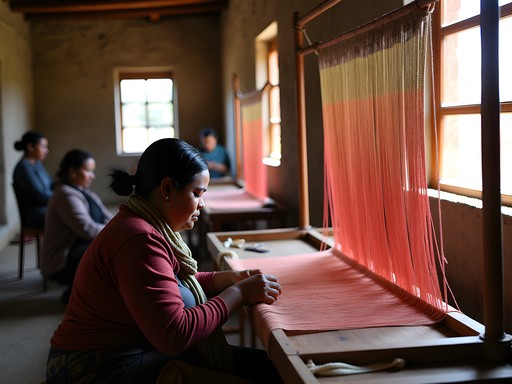
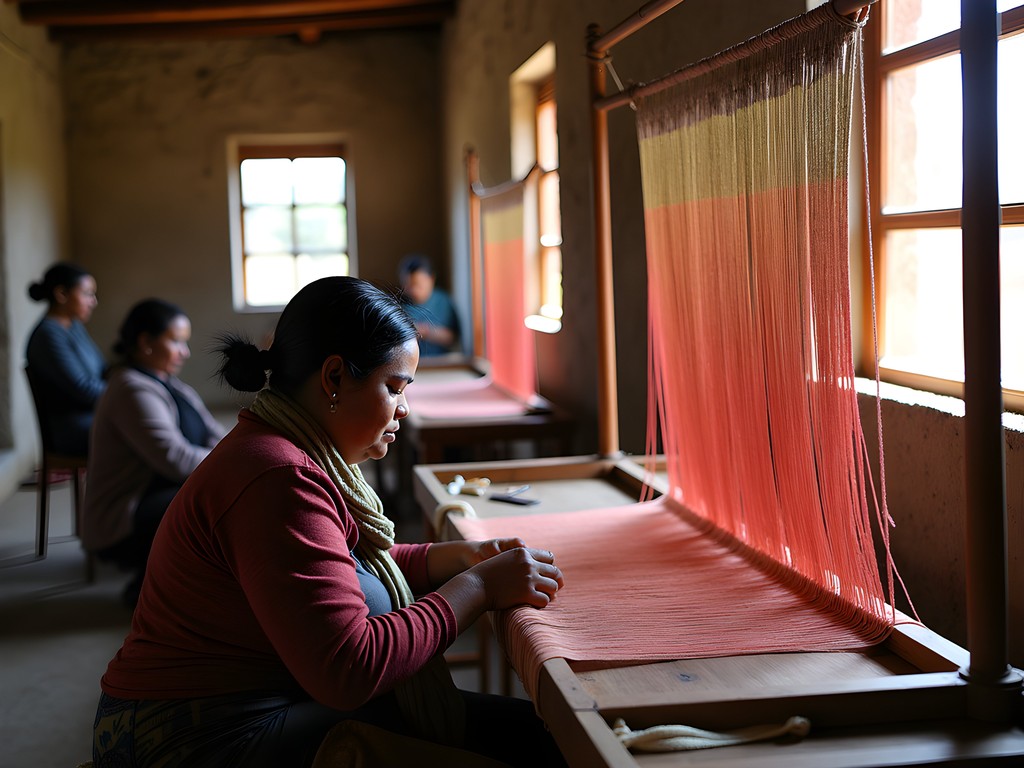
During my first day exploring T.Y., I visited several cooperatives where women work side by side, their fingers dancing across vertical looms with a dexterity that speaks of decades of practice. Each tapestry tells a story—depicting Basotho horsemen wrapped in their iconic blankets, village scenes, or geometric patterns that echo the designs found on traditional Litema house paintings.
The archaeological significance isn't lost on me; these weavers are essentially documenting their contemporary culture for future generations, much like the ancient pottery fragments I've unearthed in Peruvian excavations. The difference? These living artists can share their stories directly, a privilege rarely afforded when studying ancient civilizations.
To record these oral histories, I relied on my digital audio recorder, which captures pristine sound even in the bustling workshop environments. The weavers' stories, often punctuated with bursts of song, are treasures as valuable as the tapestries themselves.
💡 Pro Tips
- Learn a few basic Sesotho phrases—greetings like 'Dumela' (Hello) go a long way in building rapport with artisans
- Bring cash in South African Rand or Lesotho Loti as credit cards aren't widely accepted in smaller workshops
- Ask permission before photographing artisans or their work—most are happy to oblige but appreciate the courtesy
Learning the Art: My Hands-On Tapestry Experience
On my third day in T.Y., I arranged a workshop experience through Setsoto Design, one of the most established tapestry studios in the region. ¡Madre mía! I've survived three days lost in the Peruvian mountains, but the patience required to master even the basic weaving techniques tested me in entirely different ways.
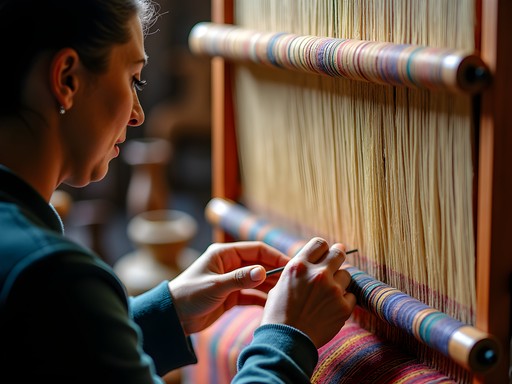
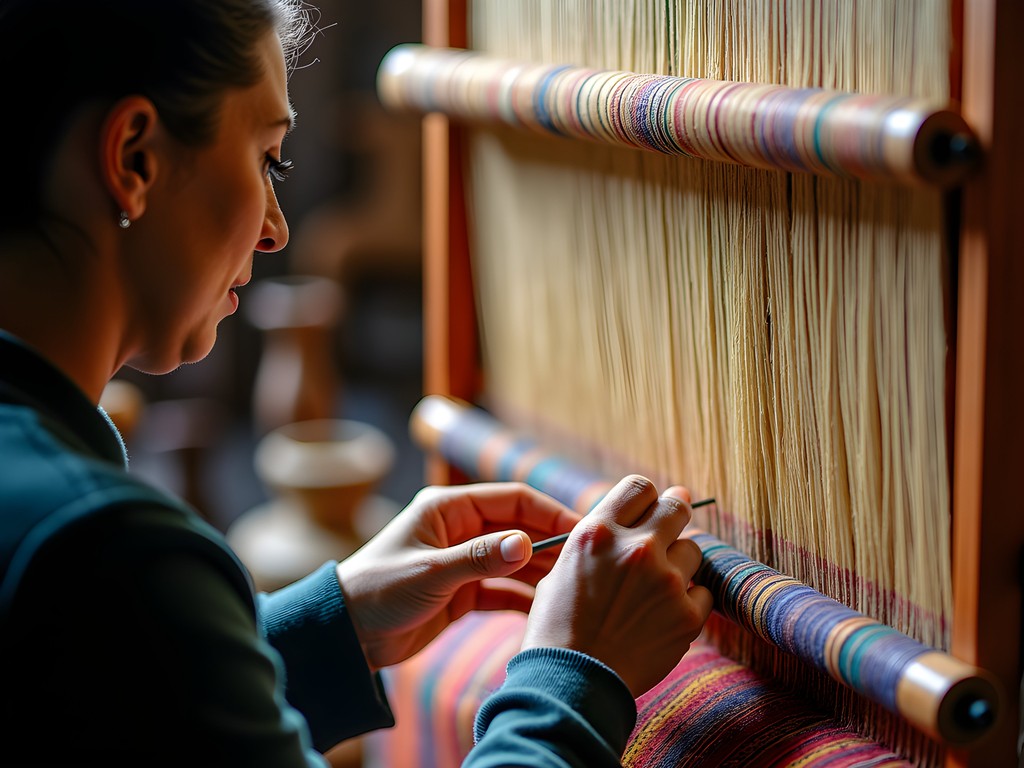
My instructor, Nthabiseng, a master weaver with 30 years of experience, laughed gently at my clumsy attempts. "The loom speaks," she told me, "you must learn to listen." As a music producer, this resonated deeply—finding rhythm in unexpected places has always been my specialty.
I spent hours learning to create the distinctive tight weave that characterizes Basotho tapestries, my fingers gradually finding their own tempo. By afternoon, I had produced a small piece with a simple geometric pattern—nothing compared to the masterpieces surrounding me, but a tangible connection to this tradition.
To protect my increasingly sore hands during the workshop, I was grateful for my fingerless gloves which provided grip while allowing the tactile sensitivity needed to feel the tension of the threads. Though designed for fishing, they've become an essential part of my adventure kit for everything from archaeological digs to craft workshops.
The workshop was illuminating not just for the technical skills, but for the social dynamics. Women shared gossip, sang traditional songs, and discussed community matters while their hands worked independently. This multitasking reminded me of recording sessions where musicians perform complex pieces while maintaining awareness of their fellow players—a beautiful synchronicity.
💡 Pro Tips
- Book workshops at least a day in advance through your accommodation or directly with the studios
- Wear comfortable clothing that you don't mind getting dusty or marked by dyes
- Bring a small notebook to sketch designs or take notes on techniques—it helps when your hands need a break
Beyond the Loom: Exploring T.Y.'s Cultural Landscape
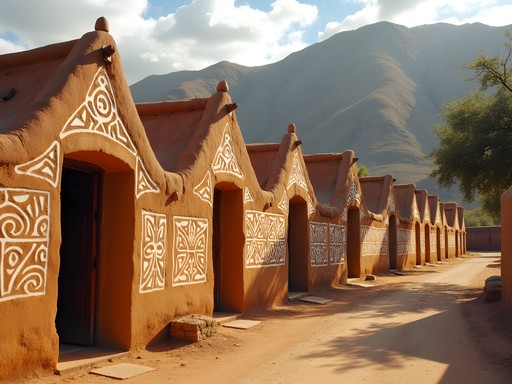
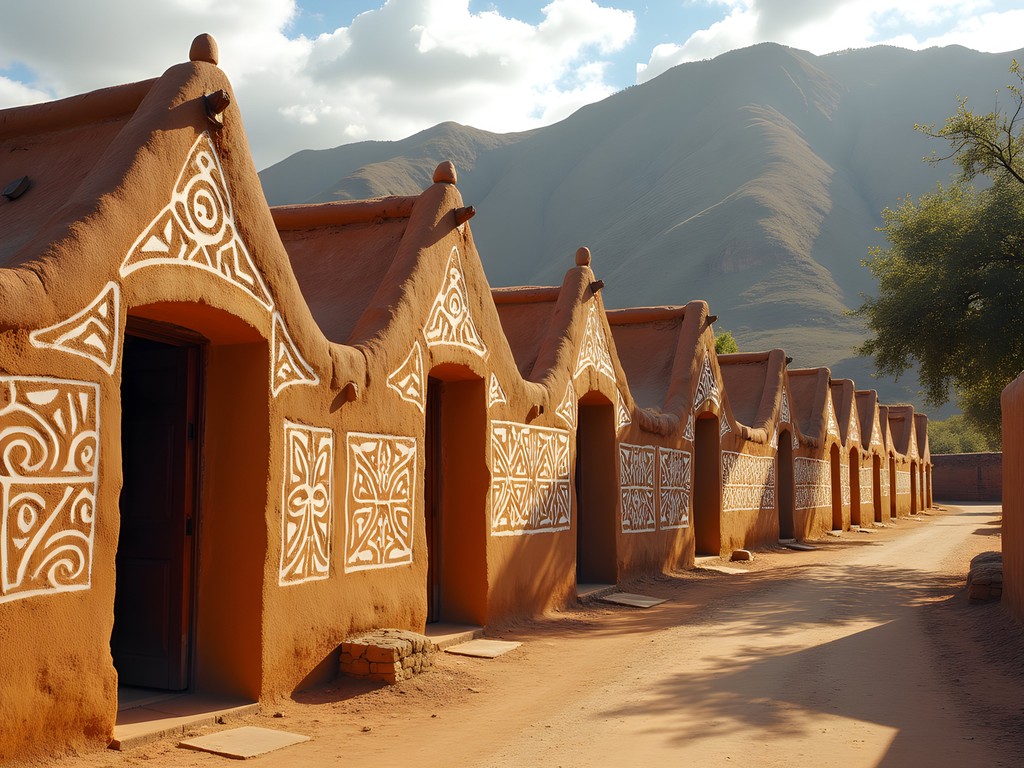
Teyateyaneng offers more than just tapestry experiences. After my daily weaving sessions, I ventured into the surrounding communities where I discovered the interconnected nature of Basotho arts. The geometric patterns adorning the tapestries appear on traditional homes as Litema murals—earth-toned relief designs that women apply to their exteriors using mixtures of clay, dung and natural pigments.
Using my pocket sketchbook and watercolor pencils, I documented these designs, creating a visual reference that connects contemporary expressions to archaeological patterns I've studied across cultures. The similarities between these geometric motifs and those I've seen in Andean textiles are striking—a reminder of how human creativity often follows parallel paths despite geographic separation.
One afternoon, I hiked to a nearby ridge with my local guide, Tumelo, who pointed out medicinal plants used by traditional healers. Many of these plants provide dyes for the tapestries, creating a sustainable cycle that honors the landscape. For serious hikers planning extended explorations of Lesotho's dramatic terrain, I'd recommend the hiking poles that saved my knees on the steep descents back to town.
During my explorations, I was frequently invited into homes for cups of rooibos tea or traditional meals. The Basotho people's hospitality rivals any I've experienced in my decades of travel—a genuine warmth that transcends language barriers and cultural differences. These impromptu gatherings often turned into mini recording sessions as elders shared songs that complemented the stories told in the tapestries.
💡 Pro Tips
- Hire a local guide for explorations beyond the main town—they provide cultural context and ensure you're respectful of community norms
- Bring small gifts like tea or photos from your home country to thank families who welcome you into their homes
- Learn about the medicinal plants that provide natural dyes—this knowledge adds depth to your appreciation of the tapestries' colors

Sustainable Tourism and Cultural Preservation
What struck me most about T.Y.'s tapestry tradition is its delicate balance between cultural preservation and economic sustainability. Unlike many traditional crafts that have been diluted for mass tourism, Basotho weavers maintain rigorous standards while adapting to contemporary markets.
At Setsoto Design, I spoke with the cooperative's manager about their efforts to train younger generations. "Many young people leave for jobs in South Africa," she explained, "but we're showing them that our traditions can provide sustainable livelihoods." This resonated with my own work documenting disappearing musical traditions—the challenge of making cultural preservation economically viable is universal.
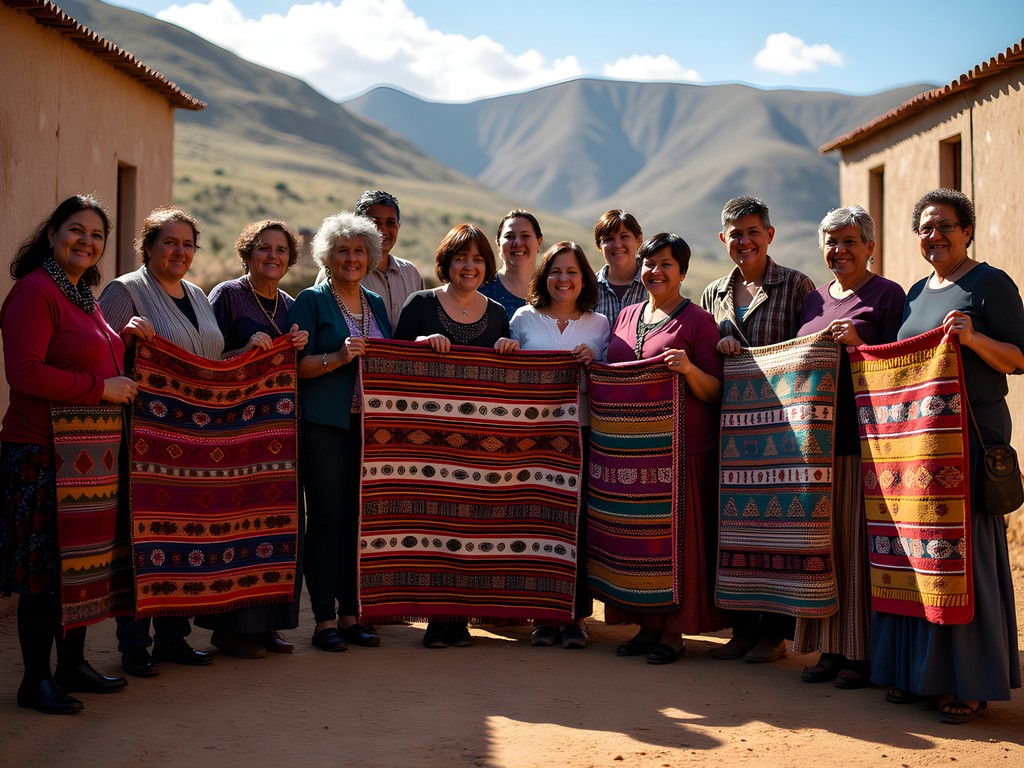
During my week in T.Y., I witnessed how thoughtfully managed tourism supports rather than exploits these traditions. Visitors purchase directly from artisans, workshops provide fair compensation to weavers, and the community controls how their cultural heritage is presented. This model should be studied by communities worldwide facing similar challenges.
To document this sustainable approach, I used my portable solar charger to keep my recording equipment powered during extended field interviews. Lesotho's abundant sunshine made this renewable solution perfect for working in areas without reliable electricity.
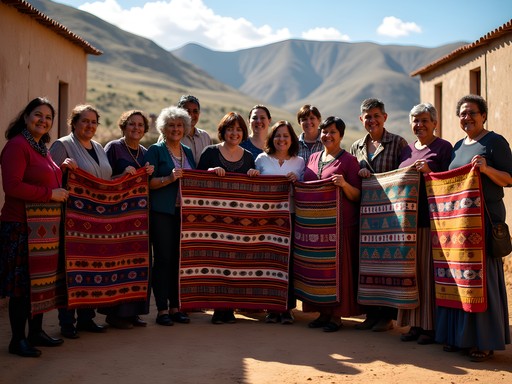
On my final evening, I attended a community gathering where young dancers performed traditional Mohobelo dances while elders displayed new tapestries depicting these very dances—a beautiful cyclical preservation of culture across mediums and generations. As someone who has witnessed the devastating loss of cultural practices in other regions, this integrated approach to preservation left me profoundly hopeful.
💡 Pro Tips
- Purchase tapestries directly from cooperatives where you can meet the artists and learn about their techniques
- Consider commissioning a small custom piece if you're staying several days—it creates a meaningful connection to the artist
- Ask about apprenticeship programs if you'd like to support the training of new weavers—many accept donations for materials and instruction
Final Thoughts
As my week in Teyateyaneng drew to a close, I packed carefully acquired tapestries between layers of clothing in my weathered backpack. These aren't mere souvenirs but tangible connections to the women who shared their stories, techniques, and laughter with me. The rhythmic clacking of looms that first greeted me has now become an internal metronome—a beat I'll carry forward in my work documenting cultural expressions.
T.Y. offers couples a rare opportunity to step away from curated tourist experiences and engage authentically with a living artistic tradition. The intimate scale of this community creates space for genuine connection, whether you're learning basic weaving techniques or sharing a meal with local families.
Como siempre digo, as I always say, the most profound travel experiences come not from checking landmarks off a list but from the moments when we briefly step into another's cultural rhythm. In Teyateyaneng, that rhythm is woven into every colorful thread, every shared story, every cup of tea offered by weathered hands that have spent decades creating beauty. Until we meet again, Sala hantle, stay well, Lesotho.
✨ Key Takeaways
- Teyateyaneng's tapestry tradition represents a successful blend of cultural preservation and economic opportunity
- Hands-on workshops provide deeper appreciation for the skill and creativity behind Basotho textile arts
- The geometric patterns in tapestries connect to broader Basotho visual culture including Litema house designs
📋 Practical Information
Best Time to Visit
September-November (fall) when temperatures are mild and skies are clear
Budget Estimate
$30-50/day excluding accommodation
Recommended Duration
3-5 days minimum to experience workshops and surrounding culture
Difficulty Level
Moderate Due To Limited Infrastructure And High Altitude (1,800m)





Comments
globemood
Really cool post, thanks for sharing!
Gregory Boyd
Excellent piece, Rachel. The intersection of sustainable tourism and cultural preservation you touched on is critical for destinations like Teyateyaneng. I spent time in the Mountain Kingdom back in 2019 and found the craft cooperatives to be some of the most authentic cultural experiences in Southern Africa - largely because they've managed to avoid over-commercialization. For anyone planning a visit, I'd suggest combining T.Y. with a trek through the highlands. The contrast between the craft villages and the mountain landscapes gives you a complete picture of Basotho culture. Also worth noting: bring cash, as card facilities are limited outside Maseru.
wanderlife
Good tip about the cash!
dreamdiver
The photos are gorgeous!! That close-up of the loom is everything
escapeninja
YES!! I was in Lesotho last year and T.Y. was such a highlight. The craft center there is unreal - I bought three tapestries and they're hanging in my apartment now. Everyone who visits asks about them. The colors are just so vibrant and each piece tells a story. Did you make it to any of the mountain villages outside of town? The scenery is absolutely breathtaking and there are weavers working in those communities too.
globemood
This sounds incredible! Adding to my list
Nicole Russell
Rachel, this is STUNNING work! I've been wanting to get to Lesotho for ages and this just moved it way up my list. The cultural immersion aspect is exactly what I look for when traveling solo. Quick question - how easy was it to arrange the tapestry workshop? Did you book ahead or just show up? Also dying to know more about accommodation options in T.Y. - I saw you mentioned staying with a local family which sounds incredible!
Rachel Hayes
Thanks Nicole!! I booked through a local contact but there are a few cooperatives that accept walk-ins too. The homestay was through the same connection - totally recommend that route for the full experience. Feel free to DM me if you want specific names!
wanderlife
How long did you stay in T.Y.? Planning a trip soon
Rachel Hayes
I spent a week but honestly 3-4 days would be enough to do the tapestry workshops and explore the town. Depends how deep you want to go!
islandgal673
Love this! Southern Africa is incredible.
oceandiver
This is amazing!! I've never even heard of Lesotho before reading this and now I'm totally obsessed with the idea of learning traditional crafts while traveling. The way you described the sound of the looms gave me chills. Did you find it hard to pick up the weaving technique? I'm not very crafty but this looks like something I'd love to try!
Rachel Hayes
It's definitely a learning curve but the weavers are SO patient and encouraging! Even if you've never done anything like it, they'll guide you through. I'd say give yourself at least a full day session to really get into the rhythm of it.
oceandiver
That's so good to know, thank you!!
vacationmaster
This is exactly the kind of authentic cultural experience I look for! Rachel, how many days would you recommend staying in T.Y. to really appreciate the tapestry culture? And were there decent accommodation options?
Rachel Hayes
I'd say 2-3 days is ideal for T.Y. - enough time to visit multiple workshops, try your hand at weaving, and explore the surrounding area. Accommodation is basic but comfortable. I stayed at a small guesthouse run by a local family which made the experience even more authentic!
Megan Martin
Rachel, your post brought back so many memories! I visited Teyateyaneng last year during a business trip to southern Africa and was equally captivated by the tapestry tradition. The way they've maintained these artistic practices while adapting to contemporary designs is remarkable. I still have the small wall hanging I purchased displayed in my office - it's a fantastic conversation starter. For anyone planning to visit, I'd recommend bringing a packing cube set to safely transport any tapestries you buy. They're perfect for keeping textiles protected and organized in your luggage.
vacationmaster
Did you find English widely spoken in the workshops? Planning a trip through southern Africa next year and wondering about communication barriers.
Megan Martin
In my experience, many of the artisans in the larger workshops spoke enough English for basic communication. Some of the older weavers might speak mainly Sesotho, but there's usually someone around to translate. Learning a few basic Sesotho greetings goes a long way!
Venture X
Premium card with 2X miles, $300 travel credit, Priority Pass