

Disclosure: This article contains affiliate links. We may earn a commission from purchases at no extra cost to you, which helps our travel content.
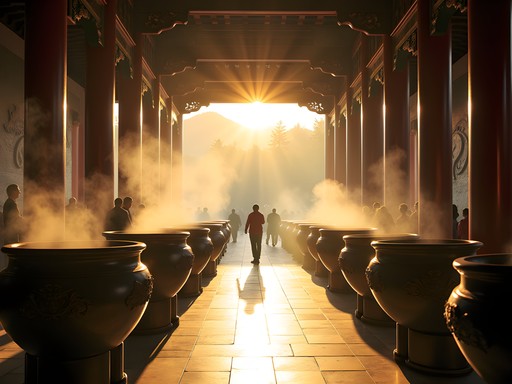
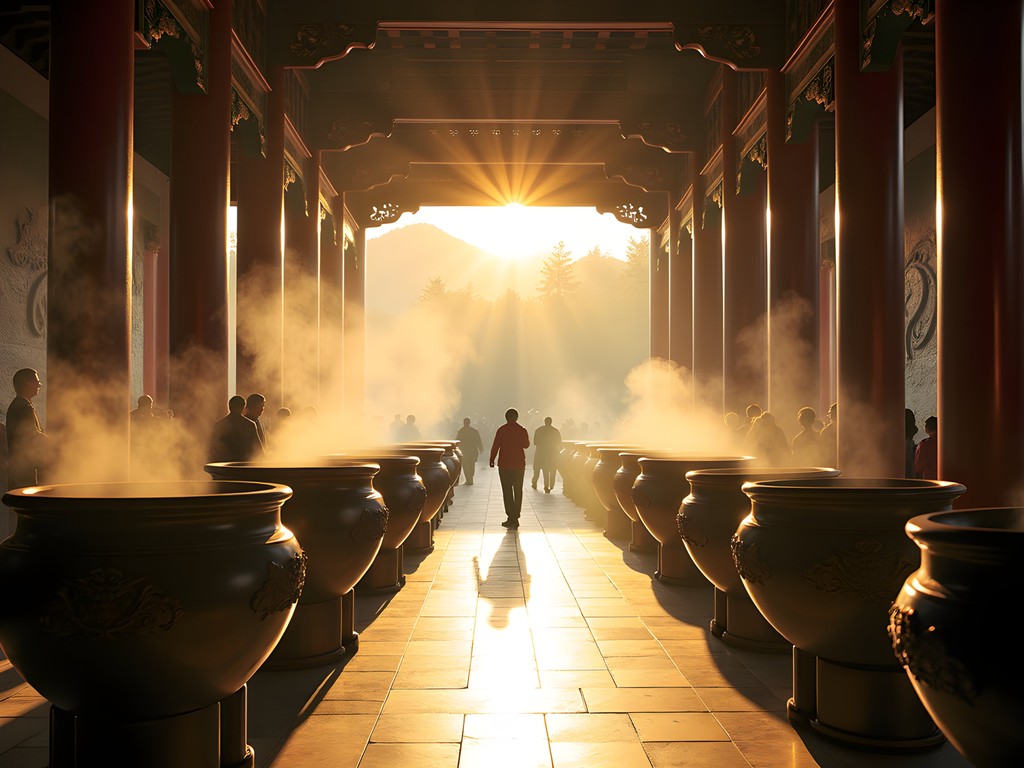
Standing before Longshan Temple at dawn, watching incense smoke curl toward the rafters while monks chanted morning prayers, I realized something profound: reinvention isn't just about geography or career—it's about opening yourself to experiences that reshape your understanding of the world. After two decades in precision manufacturing, I've learned that both temples and factories require the same thing: meticulous attention to detail and respect for tradition. Taipei's temple trail offers couples a unique opportunity to slow down, connect deeply, and discover spiritual heritage that's been refined over centuries.

Planning Your Temple Trail Week
Taiwan surprised me. I'd visited innovation labs in Hsinchu for work, but Taipei's spiritual landscape operates on entirely different principles—ones that can't be rushed or optimized. For couples, this creates perfect opportunities for shared discovery without the pressure of adventure sports or demanding itineraries.
Your week should balance major temples with neighborhood shrines, allowing time for contemplation and unexpected detours. I recommend dedicating mornings to temple visits when energy is fresh and crowds are lighter, then spending afternoons exploring surrounding neighborhoods. The MRT system makes navigation straightforward—purchase an EasyCard at the airport for seamless transit throughout the week.
Budget-conscious travelers will appreciate that most temples are free to enter, though donations are welcome. Allocate funds instead for quality accommodations in Dadaocheng or near Zhongshan Station, where traditional architecture meets modern convenience. I stayed at a family-run guesthouse where the owner, Mrs. Chen, taught me proper temple etiquette over morning tea—knowledge worth more than any guidebook.
💡 Pro Tips
- Download the Taiwan Temple Guide app before arrival for detailed histories and visiting protocols
- Carry small bills (NT$10-50) for incense offerings and divination sticks
- Dress modestly with covered shoulders and knees—lightweight linen works well in fall humidity
- Visit on weekdays when possible to avoid weekend crowds at major temples
The Sacred Circuit: Five Essential Temples
Longshan Temple remains the spiritual heart of this journey. Built in 1738, it survived earthquakes, fires, and WWII bombing—a testament to resilience that resonates with anyone who's rebuilt their life. The temple honors Buddhist, Taoist, and folk deities, reflecting Taiwan's syncretic spiritual tradition. Watch how locals approach each deity with specific requests: Guanyin for compassion, Mazu for safe travels, Wenchang for academic success. This isn't tourism—it's witnessing living faith.
Xingtian Temple operates 24/7, and I found myself there at 2 AM during a bout of jet lag. Even at that hour, worshippers filled the halls, their devotion to Guan Gong (the god of war and righteousness) unwavering. The temple prohibits offerings of food or money, focusing instead on sincerity—a refreshing approach that strips away transactional spirituality.
Confucius Temple provides philosophical counterpoint. The austere architecture and absence of deity statues emphasize education and moral cultivation over supernatural intervention. Visit during the annual Teacher's Day ceremony (September 28) if your timing allows—the ancient ritual music and dance performances are extraordinary.
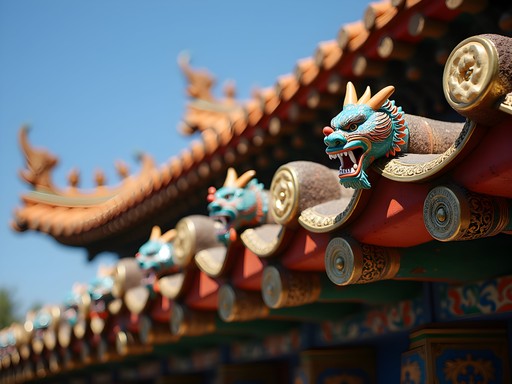
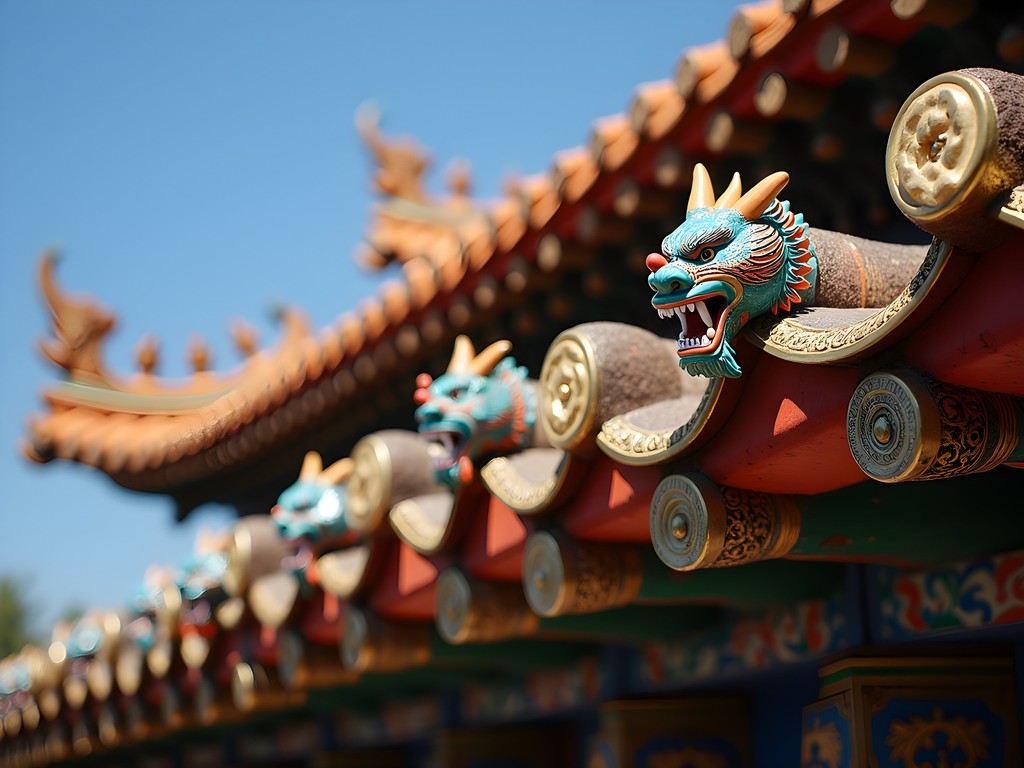
Bao'an Temple showcases the finest temple craftsmanship I've encountered anywhere. Every surface features intricate carvings, paintings, or ceramic work. As someone who appreciates precision manufacturing, I spent hours studying the structural engineering—these buildings are masterclasses in traditional joinery and load distribution.
Xiahai City God Temple in Dadaocheng specializes in matchmaking. Couples should visit together and follow the ritual: introduce yourselves to Yue Lao (the matchmaker god), explain your relationship, then take a red thread as blessing. It's charming, slightly awkward, and genuinely meaningful.
💡 Pro Tips
- Photograph respectfully—never turn your back to deities when taking photos
- Learn basic temple protocol: enter through side doors (center is for deities), step over thresholds
- Hire a cultural guide for one temple visit to understand symbolism—it enriches all subsequent visits
- Bring a portable phone charger as you'll use your phone extensively for translations and research
Beyond the Main Temples: Neighborhood Shrines
The real magic happens in neighborhood shrines tucked between apartment buildings and noodle shops. These small temples serve local communities with the same devotion as major landmarks, but with intimate, unguarded authenticity.
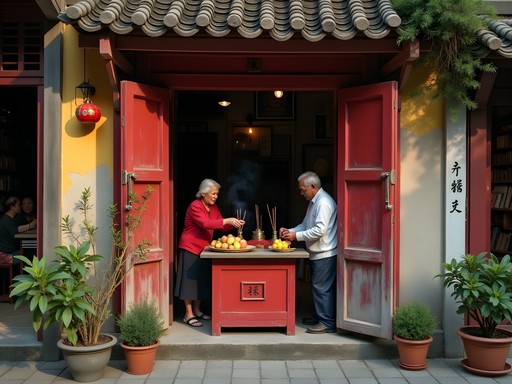
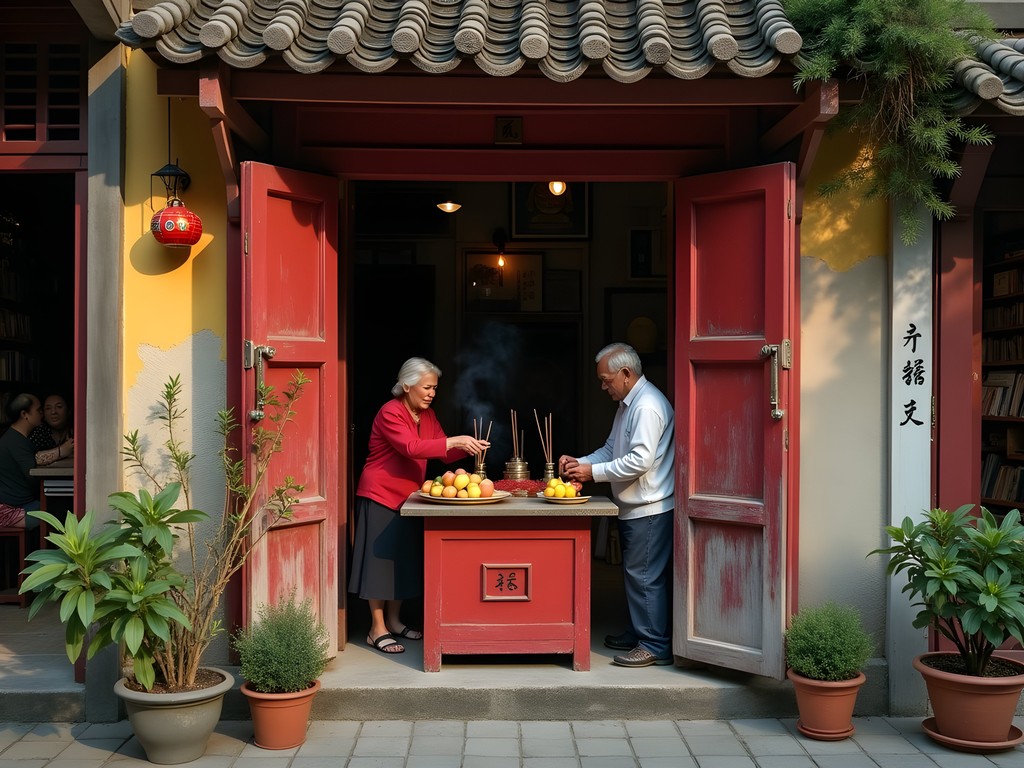
In Dadaocheng, I discovered a tiny Tudigong shrine (earth god) where an elderly woman brought fresh fruit daily. She invited me to join her prayer ritual, patiently explaining each gesture despite our language barrier. Her son translated later: she'd been making these offerings for forty years, asking for neighborhood safety and prosperity. This is Taiwan's spiritual heritage—not performance for tourists, but genuine practice woven into daily life.
Wanhua district contains dozens of these pocket temples. Wander without agenda, following incense smoke and chanting. You'll stumble upon shrines dedicated to obscure deities, each with specific domains: childbirth, business success, protection from fire. The specificity reminds me of specialized tools in manufacturing—every function has its proper instrument.
For couples, these unplanned discoveries become shared memories more valuable than any scheduled tour. My partner and I once followed a funeral procession to a small temple, where the family invited us to share ceremonial food afterward. That generosity, that willingness to include strangers in sacred moments, defines Taiwanese hospitality.
💡 Pro Tips
- Carry a pocket translator device for deeper conversations with temple keepers and locals
- Respect funeral processions and ceremonies—observe from a respectful distance unless invited closer
- Small shrines often lack English signage—embrace the mystery and research later
- Neighborhood temples are perfect for afternoon visits when major sites feel crowded

Practical Spirituality: Participating Respectfully
Observing is valuable, but participating—when done respectfully—deepens understanding exponentially. Most temples welcome sincere visitors regardless of faith background. Here's how to engage meaningfully:
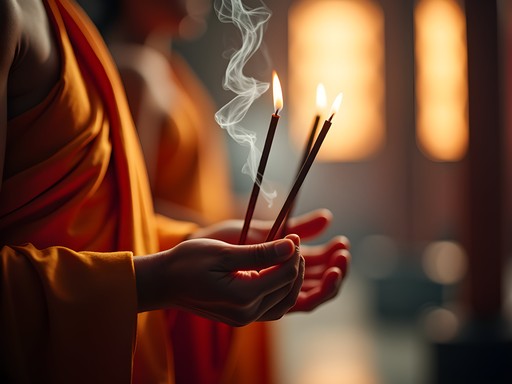
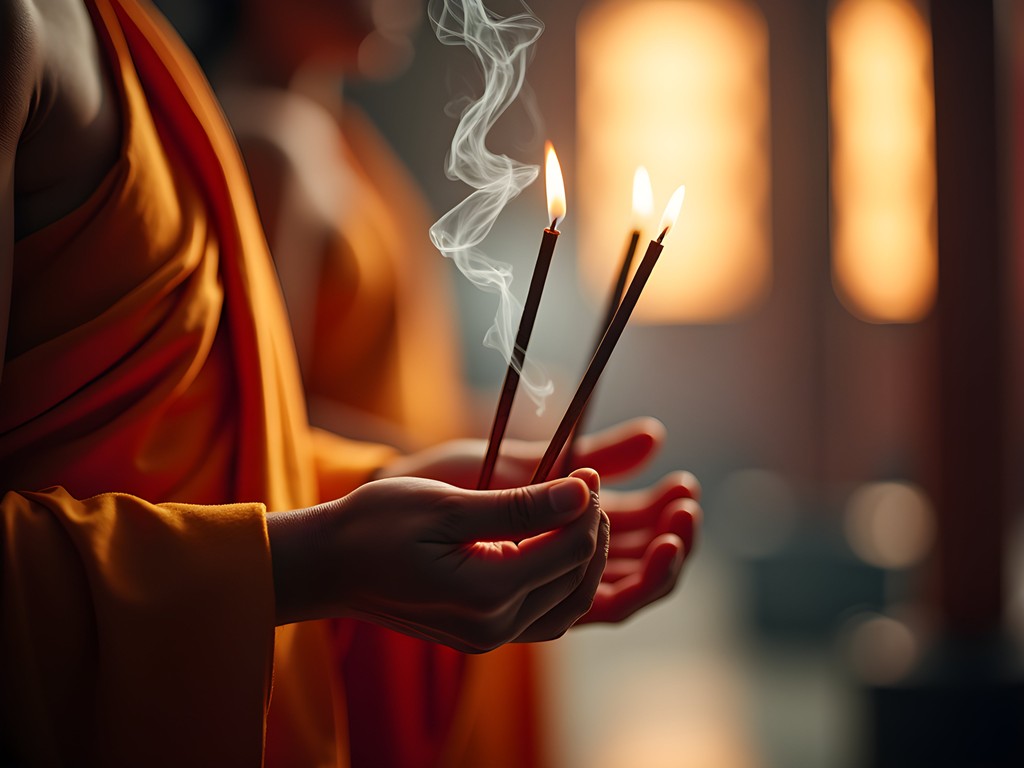
Incense offering: Purchase incense bundles at temple entrances (usually NT$10-30). Light three sticks, hold them at chest level with both hands, bow three times toward the main deity, then place them in the burner. The gesture matters more than the prayer—it's about showing respect and mindfulness.
Fortune sticks (qiuqian): Kneel before the deity, ask a yes/no question, shake the cylinder until one stick falls out, then verify the answer using divination blocks. I asked about my career transition to Italy—the fortune stick's poetic response about 'crossing waters to find purpose' felt uncannily accurate. Even if you view it as psychological projection, the ritual encourages introspection.
Temple etiquette: Remove hats indoors. Don't point feet toward altars when sitting. If photographing, ask permission with gestures. Menstruating women traditionally avoid some temples, though this varies—when in doubt, observe what local women do.
I recommend keeping a small notebook for recording fortunes, observations, and reflections. These moments of spiritual tourism can prompt genuine philosophical questions about purpose, connection, and meaning—questions worth preserving.
💡 Pro Tips
- Participate in one temple's full ritual sequence early in your week—subsequent visits feel more comfortable
- Temple staff and regular worshippers often speak some English and enjoy explaining traditions
- Don't feel obligated to believe—respectful curiosity is entirely appropriate
- Some temples offer English-language meditation sessions or cultural workshops—check notice boards
Complementary Experiences: Food, Markets, and Reflection
Temple visits naturally integrate with Taiwan's other cultural treasures. Longshan Temple sits adjacent to Huaxi Night Market, where you can transition from spiritual contemplation to culinary adventure within minutes. The contrast isn't jarring—it's quintessentially Taiwanese, where sacred and secular coexist comfortably.
Dadaocheng's Dihua Street, near several temples, offers traditional medicine shops, tea houses, and fabric stores that have operated for generations. I spent an afternoon learning about Chinese herbal medicine from a fourth-generation pharmacist who explained how spiritual health and physical health intertwine in traditional practice. He recommended a gua sha tool and explained its use in traditional wellness—I've used it for muscle recovery after climbing ever since.
For couples seeking quiet reflection, Taipei's tea culture provides perfect counterpoint to temple visiting. Book a traditional tea ceremony at Wistaria Tea House or any of Maokong's hillside tea shops. The deliberate pace, attention to detail, and emphasis on presence mirror temple rituals in secular form.
Elephant Mountain offers sunset views over Taipei 101 and the city sprawl—a physical reminder of how ancient temples persist amid relentless modernization. The short hike (20-30 minutes) requires decent footwear but rewards with perspective both literal and metaphorical. Bring a microfiber towel for the inevitable sweat—fall in Taipei is cooler but still humid.

💡 Pro Tips
- Schedule tea ceremonies for afternoons when temple energy feels overwhelming
- Dihua Street shops close early (around 6 PM)—visit in afternoon after morning temple rounds
- Vegetarian restaurants cluster near temples—try the mock meat dishes, they're remarkably sophisticated
- Balance structured temple visits with unstructured wandering to prevent cultural fatigue
Final Thoughts
Taipei's temple trail isn't about checking boxes or collecting photos—it's about cultivating presence and openness to experiences that challenge your assumptions. As someone who rebuilt his life at 50, I've learned that the best transformations happen when you approach new cultures with humility and genuine curiosity.
For couples, this week offers rare opportunity to share discovery without distraction. The temples demand you slow down, observe carefully, and engage thoughtfully—qualities that strengthen relationships as surely as they deepen travel experiences. You'll return home with more than memories; you'll carry new perspectives on spirituality, community, and what constitutes a meaningful life.
Start planning now for fall travel. Book accommodations in Dadaocheng or Zhongshan for easy temple access. Learn a few Mandarin phrases (temple keepers especially appreciate the effort). Most importantly, arrive with open hands and open hearts—Taiwan's spiritual heritage reveals itself to those willing to receive it. Buon viaggio, as I'd say in my adopted Italian home, and safe travels on your own journey of discovery.
✨ Key Takeaways
- Dedicate full mornings to major temples when crowds are lighter and energy is contemplative
- Balance famous sites with neighborhood shrines for authentic spiritual encounters
- Participate respectfully in rituals—engagement deepens understanding beyond observation
- Integrate temple visits with food markets, tea culture, and nature hikes for holistic cultural immersion
- Allow unstructured time for unexpected discoveries and meaningful local interactions
📋 Practical Information
Best Time to Visit
October through November for comfortable temperatures and clear skies
Budget Estimate
$800-1200 per couple for week including mid-range accommodation, food, transit, and activities
Recommended Duration
7 days for thorough temple exploration with complementary cultural experiences
Difficulty Level
Easy—minimal Physical Demands, Excellent Public Transit, Beginner-Friendly Cultural Immersion


Comments
moonadventurer4618
This looks absolutely amazing!! I've been wanting to explore more spiritual sites in Asia and this just bumped Taipei to the top of my list. The dawn experience at Longshan Temple sounds incredible 🙏✨
greenseeker
Same here! The photos are gorgeous
journeyking
Just got back from doing this trail! One thing to add - bring a light scarf or shawl if you're wearing shorts or tank tops. Some temples prefer covered shoulders and knees. Also the incense smoke can be intense so maybe skip if you have asthma issues.
hikingking
going in may, do you need to dress a certain way?
Taylor Moreau
Good question! Modest clothing is appreciated - cover shoulders and knees. Also remove your hat when entering the main halls. The temples are quite welcoming to visitors.
hikingking
thanks!
hikingrider
How much time should I budget for each temple? Planning my schedule and don't want to rush through but also have limited time.
Sage Dixon
When I did a similar temple circuit in Bangkok, I learned that rushing kills the whole vibe. I'd say give yourself at least 45 minutes to an hour per major temple. You want time to just sit, observe, and soak it in. The smaller neighborhood shrines mentioned in the article? Those are quick - 15-20 minutes. But places like Longshan deserve your full attention.
happyclimber
THIS IS EXACTLY WHAT I NEEDED!! Going to Taipei in May and was just planning to do the usual tourist stuff but this looks so much more meaningful. Adding all these temples to my itinerary right now!
wanderlustqueen
Did you try the vegetarian food at any of the temple restaurants? I've heard it's supposed to be really good but wondering if it's worth seeking out?
Bryce Brown
Yes! The vegetarian buffet near Longshan Temple was incredible and super cheap. Definitely worth it.
Sophia Gomez
I visited Taipei last year for a conference and squeezed in the temple trail between meetings. Honestly, it was the highlight of my trip - way better than the business dinners! The contrast between the modern city and these ancient spiritual spaces is incredible. Pro tip: the MRT makes getting between temples super easy. I managed to visit four temples in one afternoon. Baoan Temple was my favorite - less touristy than Longshan but equally beautiful.
journeyking
How early do you recommend getting to Longshan Temple for that dawn experience? And is photography allowed inside?
Bryce Brown
I got there around 5:45am and it was perfect - quiet but with some activity starting. Photography is allowed in most areas but be respectful and avoid flash, especially during prayers. Some inner sanctums prohibit photos so just watch for signs.
sunsetking
This looks amazing but I've never been to a temple before. Is it okay for complete beginners to visit? Do I need to know anything special before going?
Sage Dixon
Absolutely! Temples in Taipei are incredibly welcoming. Just be respectful - remove your hat, speak quietly, and watch what locals do. Most temples have English signs explaining the basics. You'll figure it out quickly!
sunsetking
Thanks! That makes me feel better about going
sunnyclimber
Love this! Longshan Temple is absolutely stunning.
Venture X
Premium card with 2X miles, $300 travel credit, Priority Pass